Mount Horeb may be small, but its Norwegian story is anything but.
Long before trolls became the town’s calling card, Norwegian immigrants were farming these rolling Wisconsin hills, building churches, raising families, and bringing traditions from the old country with them.
Their influence still runs through Mount Horeb today.
The town’s Norwegian identity grew through generations, not overnight.
Historic farms, community celebrations, local businesses, and attractions such as Little Norway helped turn immigrant heritage into something the whole town could celebrate.
The Driftless Historium and Mount Horeb Area Historical Society now preserve the photographs, artifacts, documents, and stories behind that journey.
So how did a small Wisconsin town become America’s self-proclaimed capital of Norway?
The answer is packed with history, folklore, and plenty of trolls.
Meet The Norwegian Immigrants Who Shaped Mount Horeb
Picture a family stepping off a crowded ship after weeks at sea, holding a trunk packed with everything they owned. That was the start for many Norwegians who ended up near Mount Horeb in the 1800s.
Back home in Norway, good farmland was scarce and families were large. Letters from relatives in America promised open land and fresh chances, so thousands made the long trip west.
Many landed in southern Wisconsin, where the hills reminded them a little of home.
They brought far more than luggage. Lutheran faith, hearty recipes like lefse and rømmegrøt, wood carving, weaving, and strong family habits all came along too.
Sunday church services were often held in Norwegian for decades.
Here is a fun way to connect: if you have family roots in Norway, the Historical Society can help you look for names in old local records. Even if you don’t, reading these immigrant stories shows how ordinary people with brave hearts built a whole community from scratch.
See How Norwegian Settlement Took Root In The Driftless Region
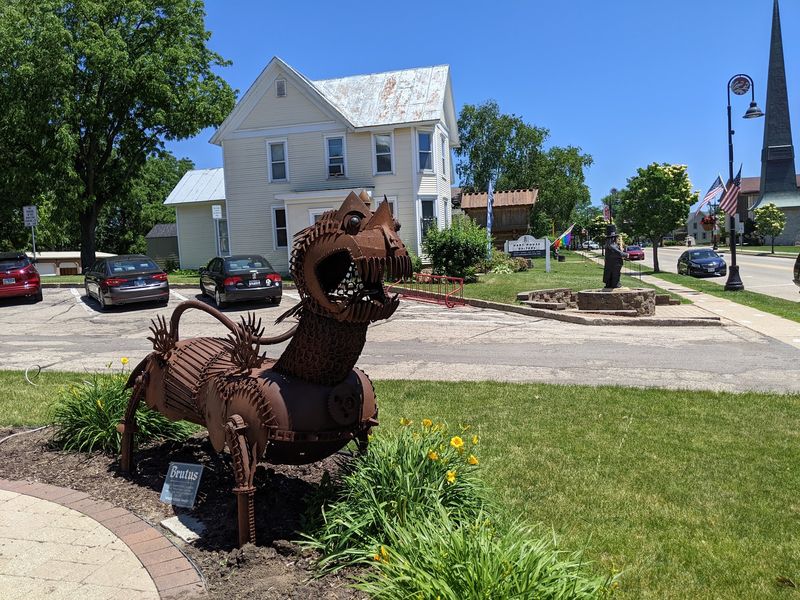
Glaciers skipped this corner of Wisconsin thousands of years ago. Because of that, the land kept its steep hills, deep valleys, and winding streams, which is why people call it the Driftless Region.
For Norwegian settlers, the landscape felt oddly familiar. They cleared trees, built log cabins, and slowly turned rough ground into working farms.
Wheat came first, and later dairy cows became the main business for many families.
Walking through old photographs at the Driftless Historium, you can watch this change happen. Early pictures show tiny cabins, while later ones show big barns, neat fields, and busy farm families.
Hand-drawn maps reveal who owned which land, and many Norwegian last names repeat across generations.
Want a simple tip? Drive the back roads around Mount Horeb after your museum visit.
Many old farmsteads still stand, and once you have seen the historic photos, spotting the barns and homesteads feels like a treasure hunt through living history.
Learn How Little Norway Put Mount Horeb On The Map
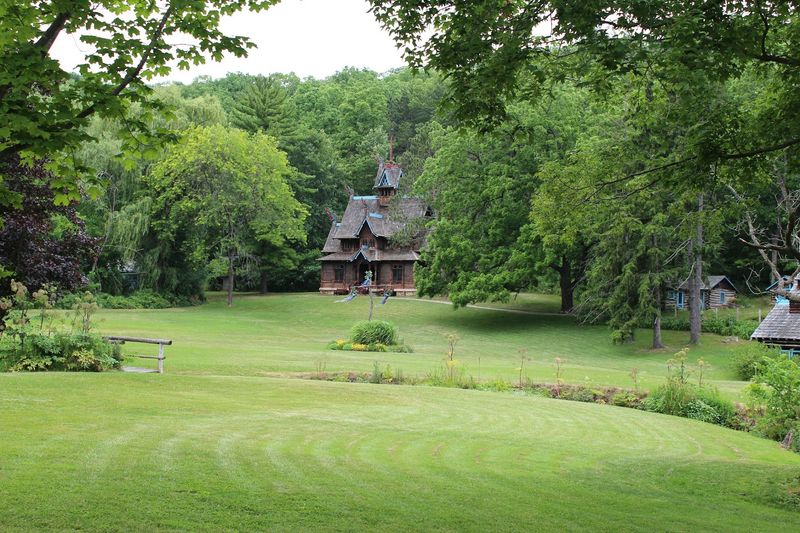
Imagine visiting a Viking-style wooden building with dragon heads curling off the roof, right in the middle of Wisconsin farm country. Visitors in the 1930s didn’t have to imagine it, because Little Norway let them see it in person.
When the attraction opened to the public, tourists poured in from Chicago, Milwaukee, and far beyond. Guides in traditional costumes led tours through cozy cabins packed with Norwegian treasures.
The star of the show was the Norway Pavilion. Built in Norway, it was shipped to Chicago for the 1893 World’s Columbian Exposition, a huge world’s fair.
After the fair, it moved around before finally landing at Little Norway.
That one building helped make the valley famous. Newspapers wrote about it, families planned road trips around it, and Mount Horeb became linked with Norway in people’s minds.
For a town of only a few thousand people, that kind of attention was a big deal, and it shaped how the town saw itself for decades.
Explore The Norwegian Stories Inside The Driftless Historium
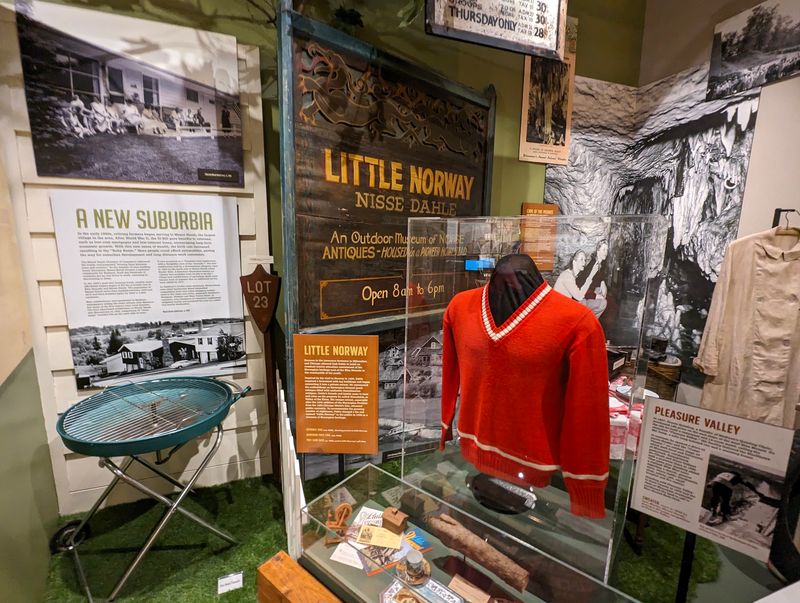
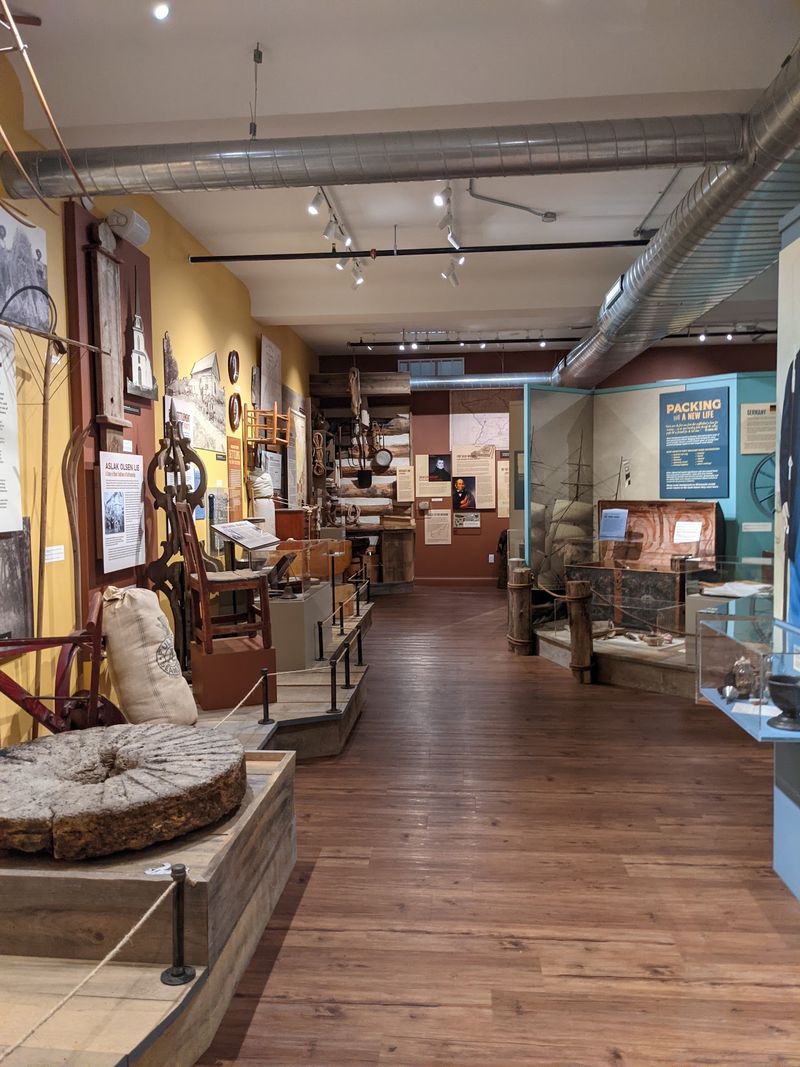
Thousands of objects sit inside the Driftless Historium, and each one has a tale to tell. Some are big, like old farm tools, while others are as small as a faded church program or a family photo.
Look closely and you will notice Norwegian heritage popping up almost everywhere. You might find painted trunks decorated with rosemaling, a colorful folk art style with swirling flowers.
You might spot Norwegian-language Bibles, school records, store signs, or photos of horse-drawn wagons rolling down Main Street.
What makes this museum fun is how it connects the dots. Instead of showing Norway as something separate, it shows how Norwegian customs blended into farming, faith, business, schools, and daily routines.
A smart move is to slow down and read the labels. Many exhibits include real names and family stories, which make history feel personal.
Bring a notebook or snap photos of your favorite items, and you may leave with a surprising new interest in local history.
See How Norwegian Traditions Became Part Of Town Life
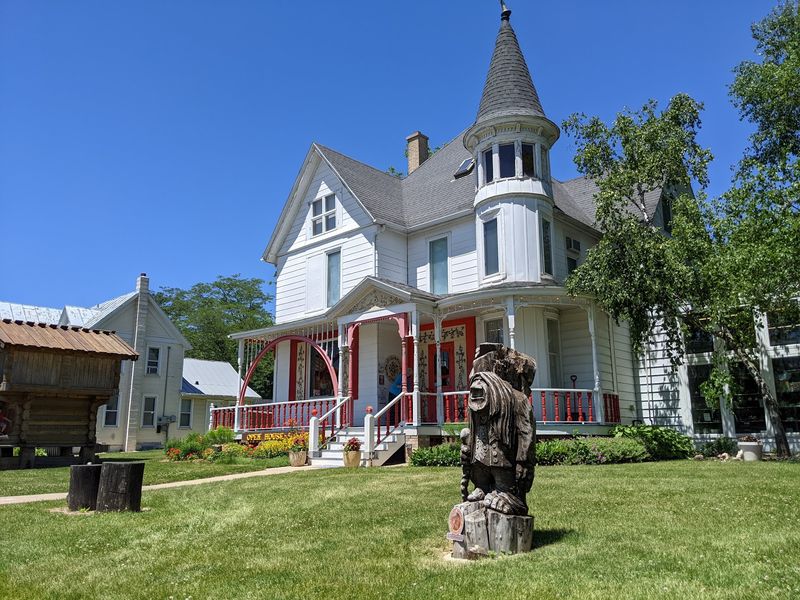
Grandma’s lefse recipe might be the most powerful history lesson in Mount Horeb. Family kitchens, after all, kept Norwegian culture alive just as much as any museum ever could.
Across the years, local Lutheran churches hosted lutefisk dinners that drew big crowds every fall. Sons of Norway lodges and other clubs taught folk dancing, language, and crafts like rosemaling and hardanger embroidery.
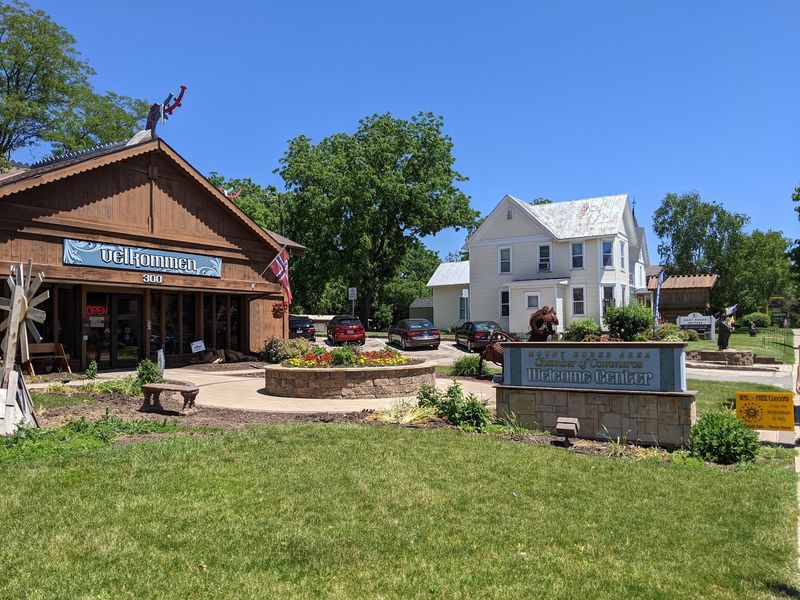
Shops downtown sold Scandinavian goods, and Norwegian flags often fluttered beside American ones.
Celebrations mattered too. Syttende Mai, Norway’s Constitution Day on May 17, became a reason for parades, music, and festive outfits called bunads.
Kids grew up hearing words like uff da, which many locals still say today when something goes wrong.
Here is a helpful idea for families: try making one Norwegian treat at home, like krumkake or lefse, before your trip. Tasting the traditions first makes the stories at the museum feel a lot more real and much more delicious.
Meet The Trolls That Made Mount Horeb Famous
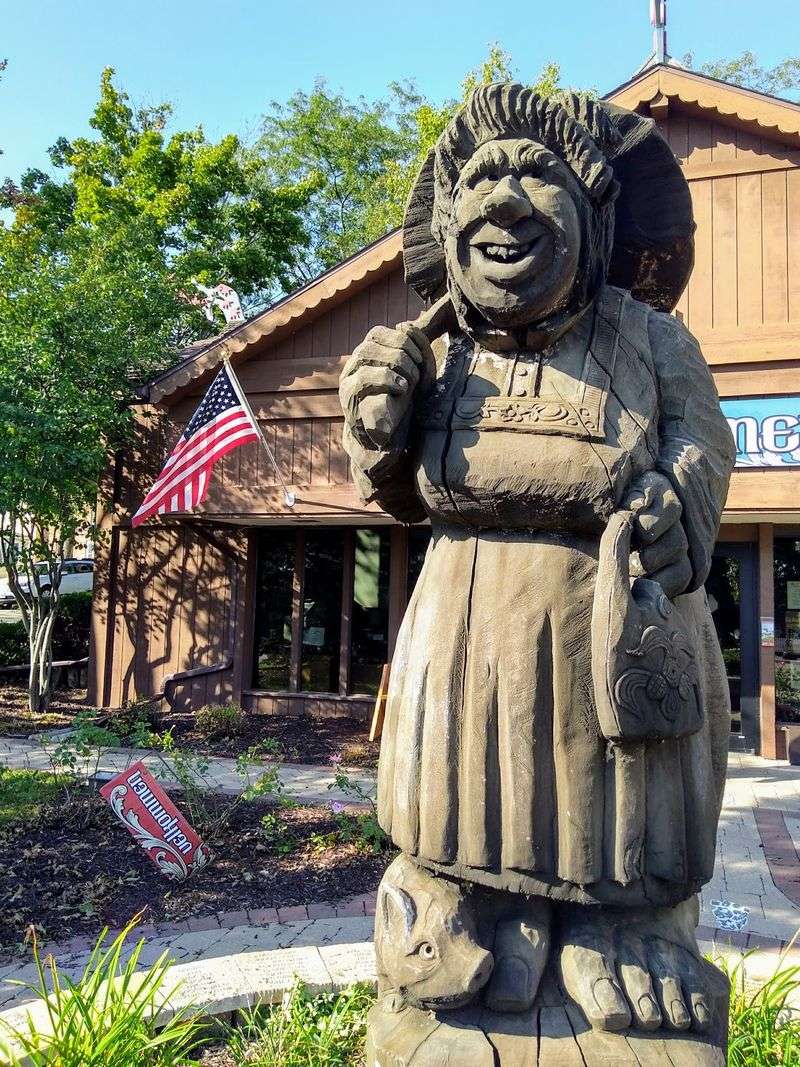
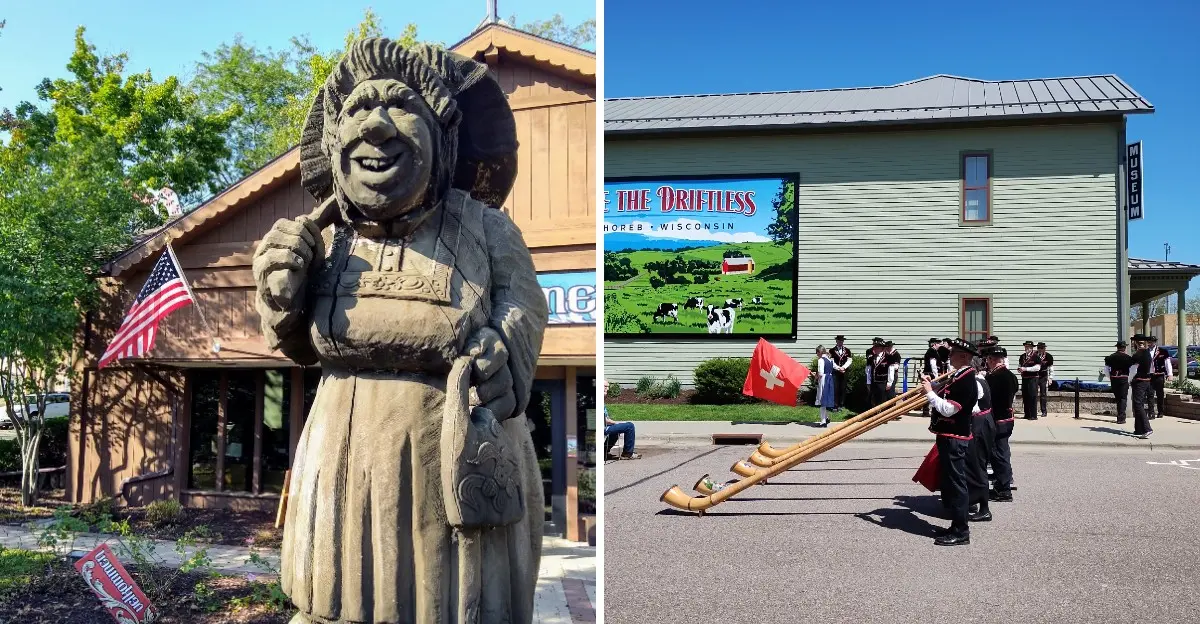
Watch your step on Main Street, because a troll might be grinning at you. Big carved wooden trolls stand outside shops all over downtown, and they have become the town’s most famous residents.
In Norwegian folk tales, trolls were sneaky creatures living in mountains and forests. Some were grumpy, some were silly, and some turned to stone in sunlight.
Mount Horeb took those old legends and gave them a friendly twist.
The fun really took off in the 1970s and 1980s, when a local gift shop owner placed troll figures outside to attract drivers. Later, wood carver Michael Feeney created many of the large troll sculptures that now line the streets.
Soon the town proudly called itself the Troll Capital of the World.
Try this: grab a troll map and go on a self-guided troll hunt. Kids love giving each troll a silly name, and the photos make great souvenirs.
It’s history disguised as pure playtime.
Remember The Community Behind Song Of Norway
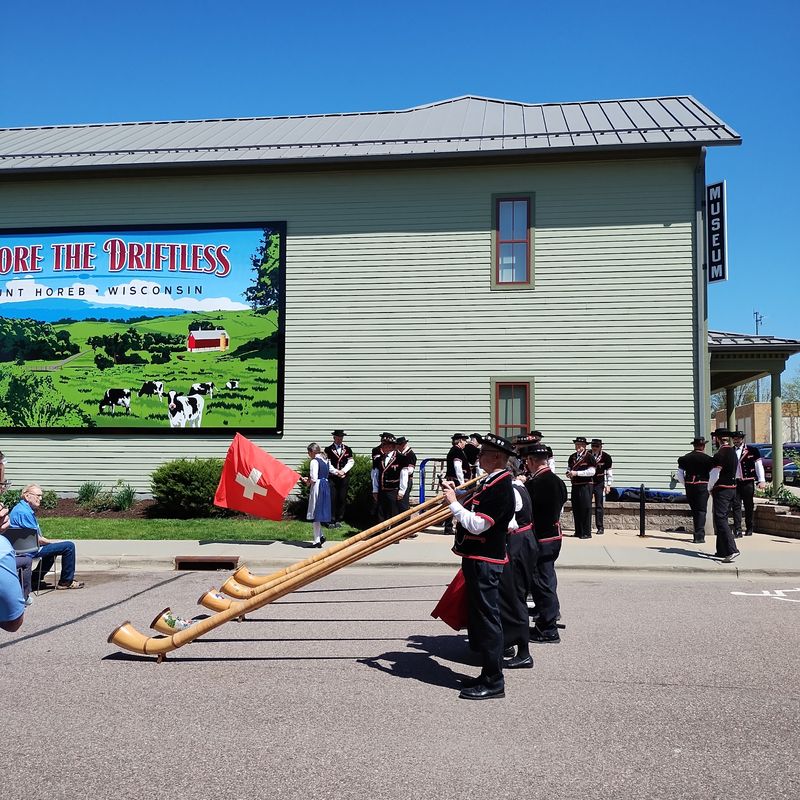
Hundreds of neighbors, one stage, and music from a famous Norwegian composer. That was the magic of Song of Norway in Mount Horeb.
The outdoor musical told a story inspired by the life of Edvard Grieg, who wrote beloved pieces like In the Hall of the Mountain King. Performances took place in an open-air setting, so audiences sat beneath the summer sky while singers and dancers filled the stage.
What made it special was who stood in the spotlight. Farmers, teachers, students, shop owners, and grandparents all pitched in.
Some sang or danced, while others sewed costumes, built sets, parked cars, or sold tickets. For many families, joining the show became a summer tradition.
Ask an older local about it and you might hear a proud story or two. The Historical Society keeps photos and memories from the production, showing how a shared love of music and heritage pulled an entire town together in a truly memorable way.
See How The Historical Society Preserves Little Norway’s Legacy
Sad news arrived in 2012 when Little Norway closed its doors for good. The Norway Pavilion was later sent back to Norway, and many fans wondered if the whole story would fade away.
Thankfully, the Mount Horeb Area Historical Society stepped in. Volunteers and staff worked to save important artifacts, photos, brochures, and personal memories connected to the beloved attraction.
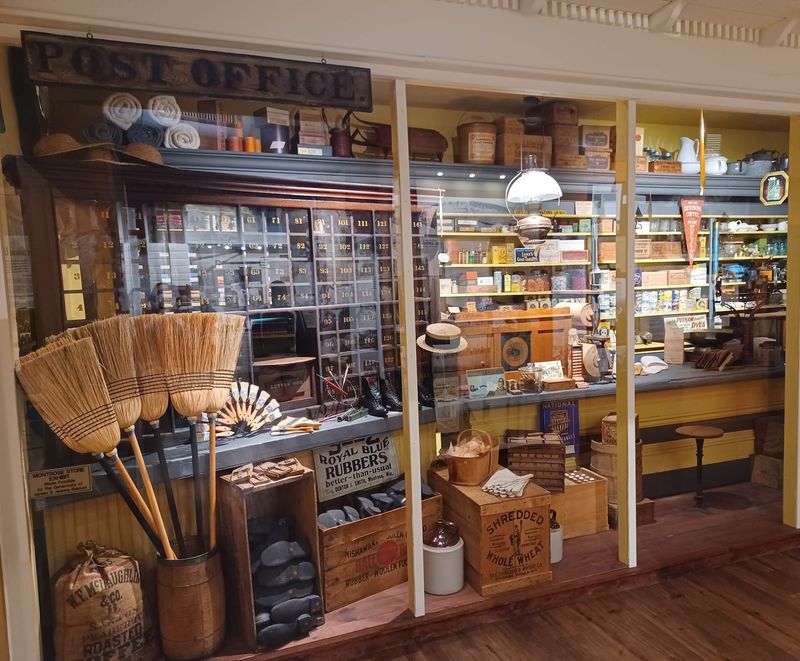
Today, visitors can see pieces of Little Norway up close. Carved furniture, folk art, and old postcards help recreate the feeling of wandering through that peaceful valley.
Some guests remember visiting as kids and get a little teary when they spot something familiar.
This work shows why local historical groups matter so much. When a landmark disappears, someone has to protect its memory.
If you ever visited Little Norway, consider sharing your photos or stories with the Society. Your memories could help future visitors understand what made this one-of-a-kind place so loved across Wisconsin and beyond.
Plan Your Visit To The Driftless Historium
Ready to see it all for yourself? The Driftless Historium sits at 100 S.
Second Street, Mount Horeb, WI 53572, just steps from the troll-lined downtown.
Current published hours list the museum as open Friday through Tuesday, from 10 a.m. to 4 p.m. Wednesday and Thursday tours are available by appointment, which works great for school groups or small clubs.
The building is more than a museum. It also serves as a research center, so the Historical Society can help you dig into old records, photographs, and local history files.
Genealogy fans especially love this part.
A few friendly tips will make your trip smoother. Call ahead at +1 608-437-6486 to confirm hours, since schedules can change.
Plan about an hour or two inside, then wander downtown for trolls, snacks, and Scandinavian shops. Pairing the museum with a troll hunt turns a quick stop into a full, memorable day of Norwegian fun.