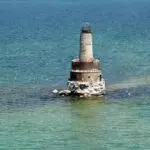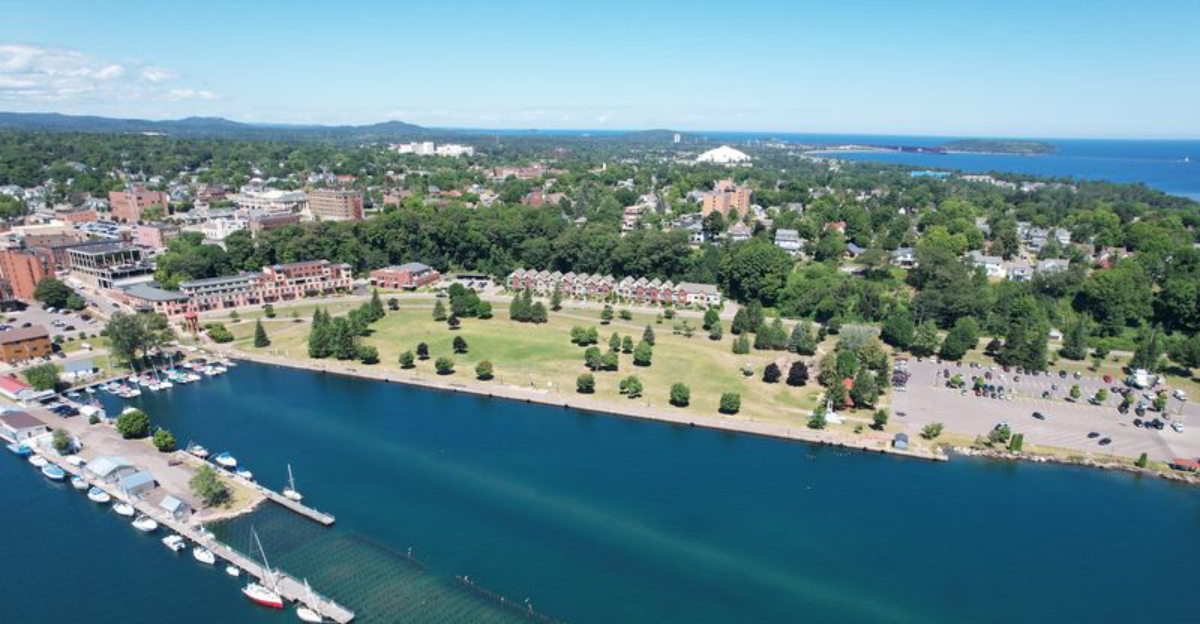
I drove up Michigan’s coastline last summer with a cooler of cherries, a half-charged phone, and zero plan.
What I found blew my mind: turquoise water that looks borrowed from the Caribbean, lighthouses standing guard over sand dunes, and downtowns full of bakeries, bookstores, and fudge shops.
Then I started peeking at real estate listings and restaurant menus, and my jaw dropped for a completely different reason.
Some of these towns charge resort-town prices in July, while others stay surprisingly gentle on your wallet if you visit in spring or fall.
So I put together this honest tour of ten Michigan towns that stunned me with their beauty, plus what you should actually expect to pay once the postcard moment ends.
Grab a notepad, because a few of these deserve a spot on your travel list this year.
Which one will you visit first?
1. Traverse City
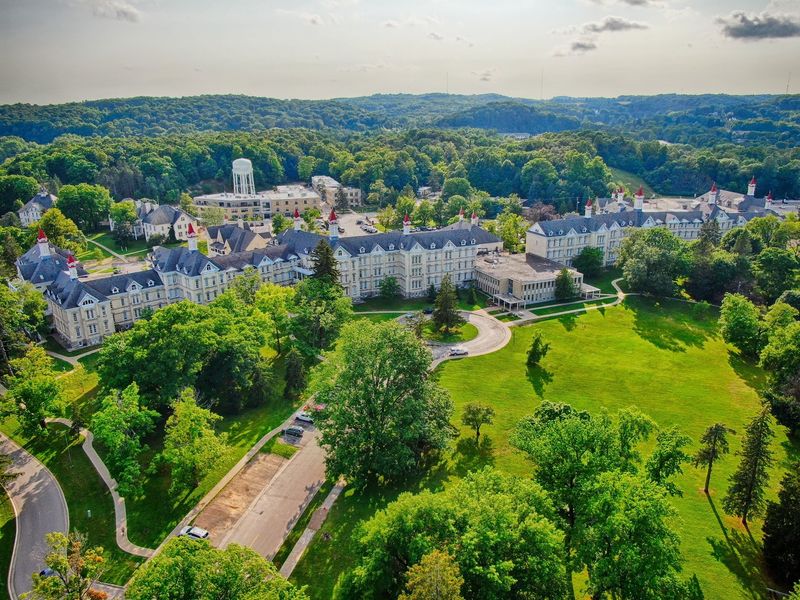
Cherries rule this town.
Traverse City sits at the bottom of Grand Traverse Bay in northwest Michigan, and it grows a huge share of America’s tart cherries.
The National Cherry Festival every July fills the streets with pie-eating contests, air shows, and more cherry products than you knew existed.
Walking downtown Front Street, I passed wine bars, a converted state hospital turned shopping village, and water so clear I could count pebbles.
The Old Mission Peninsula stretches north like a green finger, lined with vineyards that rival anything out west.
Here’s the wallet warning: peak-season hotel rooms often jump past two hundred dollars a night, and home prices have climbed well above Michigan’s average.
Visitor tip: come in late September.
The vineyards are harvesting, the lake still holds summer warmth, and lodging costs noticeably less.
Rent a bike instead of paying for downtown parking, since the TART Trail runs right along the shoreline for miles.
Pack layers too, because bay breezes turn chilly the second the sun dips behind the hills.
2. Petoskey
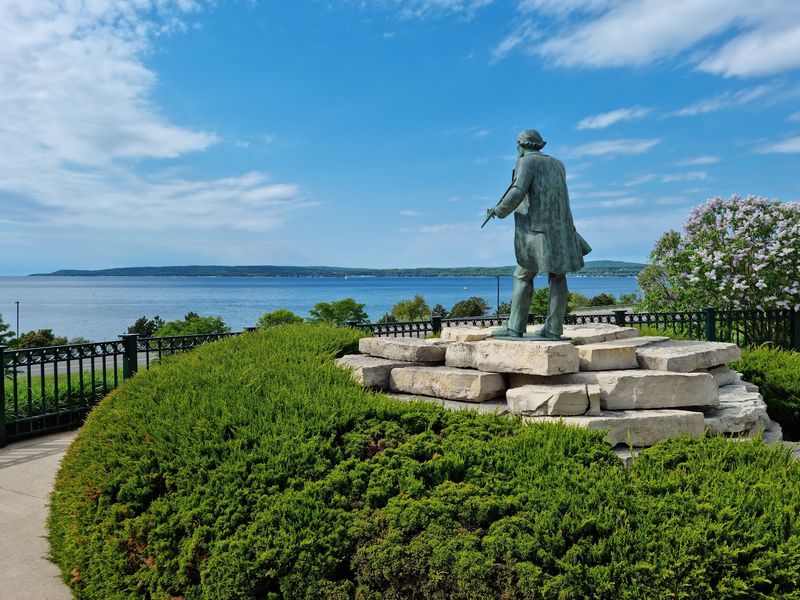
Ever hunted for a fossil on vacation?
Petoskey, perched on Little Traverse Bay about 35 miles north of Traverse City, gave its name to the Petoskey stone, a fossilized coral that becomes the state stone of Michigan.
Beachcombers crouch along the shore for hours looking for that honeycomb pattern, and yes, it is weirdly addictive.
The Gaslight District downtown feels like a movie set, all brick storefronts, hanging flower baskets, and shops selling smoked whitefish dip.
Ernest Hemingway spent boyhood summers nearby, and locals still point out spots he wrote about.
Prices, though, reflect the town’s resort pedigree.
Waterfront cottages command serious money, and summer rentals book months ahead at premium rates.
Smart move: stay slightly inland toward Walloon Lake or Boyne Falls and drive in for the day.
Winter brings ski crowds to nearby Boyne Highlands, so shoulder seasons in May and October offer the calmest streets and the friendliest rates.
Sunsets over the bay cost absolutely nothing, and honestly they steal the show.
3. Saugatuck
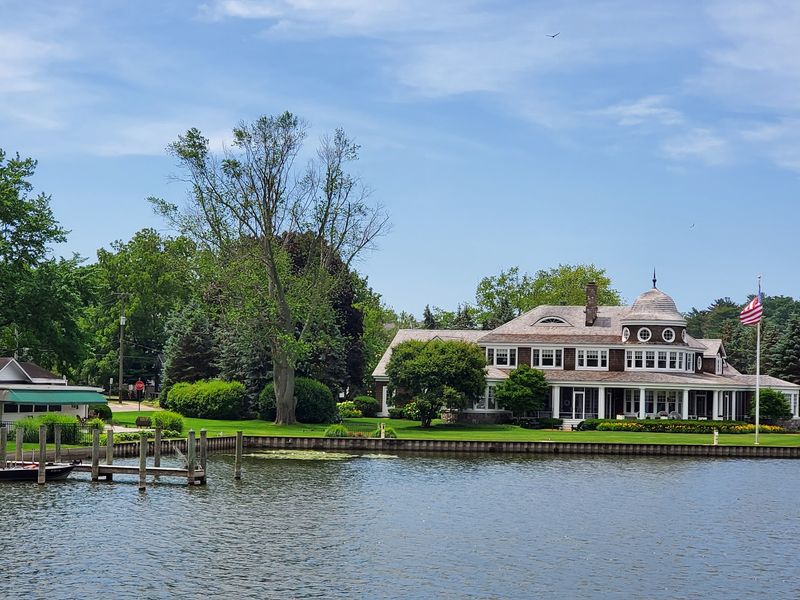
Art galleries outnumber traffic lights here.
Saugatuck hugs the Kalamazoo River near Lake Michigan in the state’s southwest corner, roughly two hours from Chicago.
That closeness explains a lot about both the crowds and the price tags.
Oval Beach regularly lands on national lists of America’s prettiest beaches, and the dune climb behind it will humble your calves.
A hand-cranked chain ferry still carries passengers across the river, one of the last of its kind anywhere.
Downtown, painters, potters, and glassblowers keep studios open to visitors, a tradition dating back to the summer art school founded in 1910.
Now the reality check: weekend inns frequently run three hundred dollars or more in July, and cottage listings often start in the high six figures.
Budget trick: visit midweek, park once, and walk everywhere.
Bring your own picnic since restaurant lines stretch long by seven in the evening.
October brings golden dune grass, empty boardwalks, and rooms at nearly half the summer rate.
4. Charlevoix
Picture a house that looks like it grew from the forest floor.
Charlevoix, tucked between Lake Michigan, Round Lake, and Lake Charlevoix, is famous for Earl Young’s Mushroom Houses, curvy stone cottages built with local boulders starting in the 1920s.
Tourists wander residential streets just to photograph them, and the town leans into the attention.
Volunteers plant tens of thousands of petunias along Bridge Street each spring, so summer visitors walk through a purple corridor.
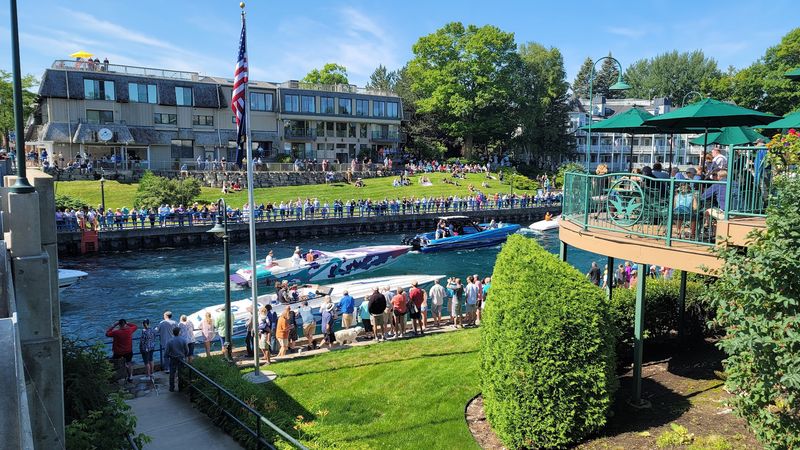
The drawbridge lifts for sailboats heading to the big lake, stopping traffic while everyone happily watches.
Ferries leave from here to Beaver Island, a 32-mile ride into quiet.
Beauty like that carries a bill, with waterfront property here ranking among Michigan’s most expensive, and downtown dining runs pricier than inland towns.
Practical advice: use the free public beach at Michigan Beach Park rather than paying for club access.
Grab breakfast at a bakery, then splurge on one nice dinner instead of three.
September light on the water is unbeatable.
5. Holland
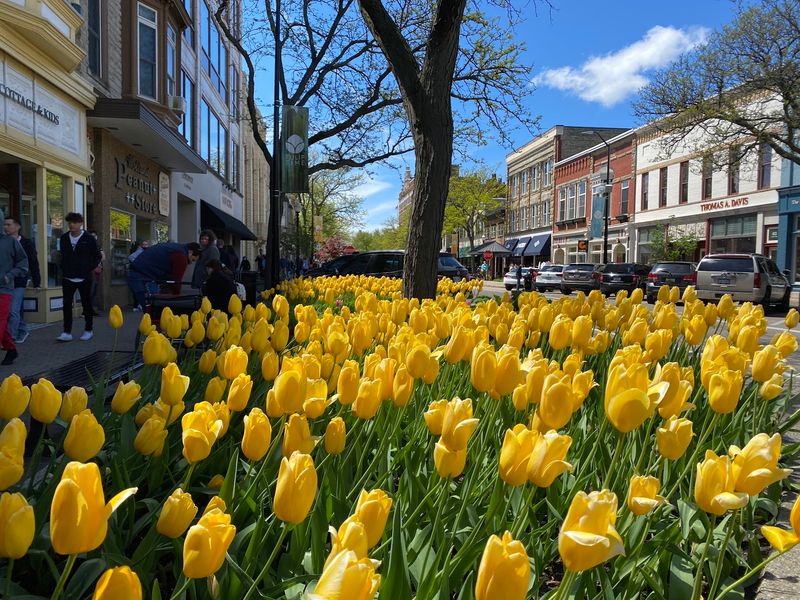
Six million tulips.
That is roughly what Holland plants for its Tulip Time festival each May, drawing crowds from across the country to this Dutch-founded city on Lake Macatawa.
Settlers arrived in 1847, and the heritage still shows in wooden shoe workshops and a genuine 250-year-old windmill named De Zwaan, shipped over from the Netherlands.
Big Red, the candy-colored lighthouse at the channel, might be Michigan’s most photographed structure.
Downtown has a clever trick: heated sidewalks melt snow all winter, so shopping stays pleasant in February.
Costs surprised me most here.
Compared with the resort towns up north, Holland’s housing market stays closer to reasonable, and chain hotels sit just off the highway at fair rates.
The catch is Tulip Time week, when lodging prices spike and reservations vanish early.
Visitor tip: go the week before the festival.
Many beds are already open, tulips are beginning to pop, and Holland State Park’s beach stays blissfully quiet before Memorial Day.
6. Grand Haven
A fountain that dances to music sounds like a gimmick until you see it.
Grand Haven’s Musical Fountain, built in 1962 on the hillside across the Grand River, still performs nightly in summer with lights synced to songs, and families spread blankets along the boardwalk to watch.
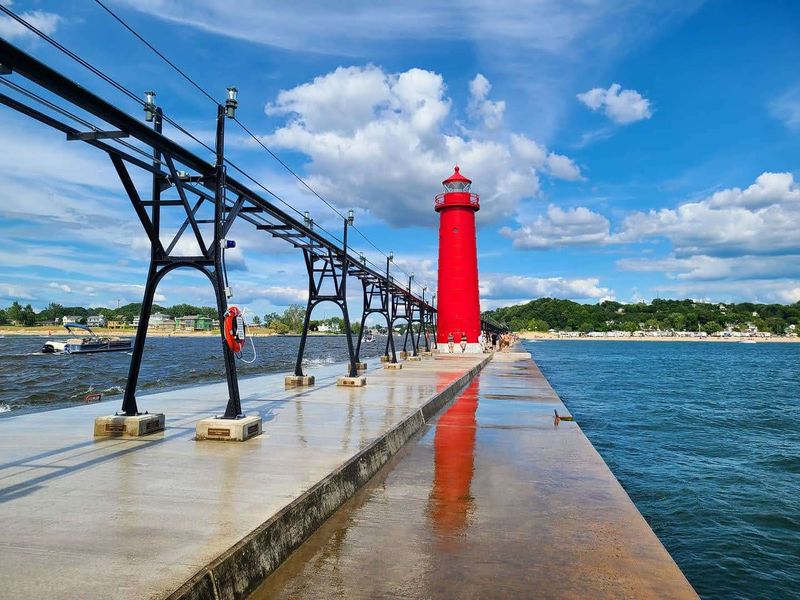
The pier walk out to the red catwalk lighthouse is the town’s signature stroll.
Locals call it Coast Guard City USA, an official title, and the annual Coast Guard Festival packs the streets each August.
Sand dunes at nearby Rosy Mound Natural Area demand about a thousand stairs before rewarding you with an empty beach.
Price reality: summer weekends here are busy and rooms climb, though weekday rates remain far friendlier than northern resort towns.
Housing costs sit moderately above state average, not shocking.
Money-saving idea: ride the free trolley between downtown, the state park, and Spring Lake instead of hunting parking.
Bring quarters for metered spots anyway.
Sunsets from the pier are the real currency here.
7. Ludington
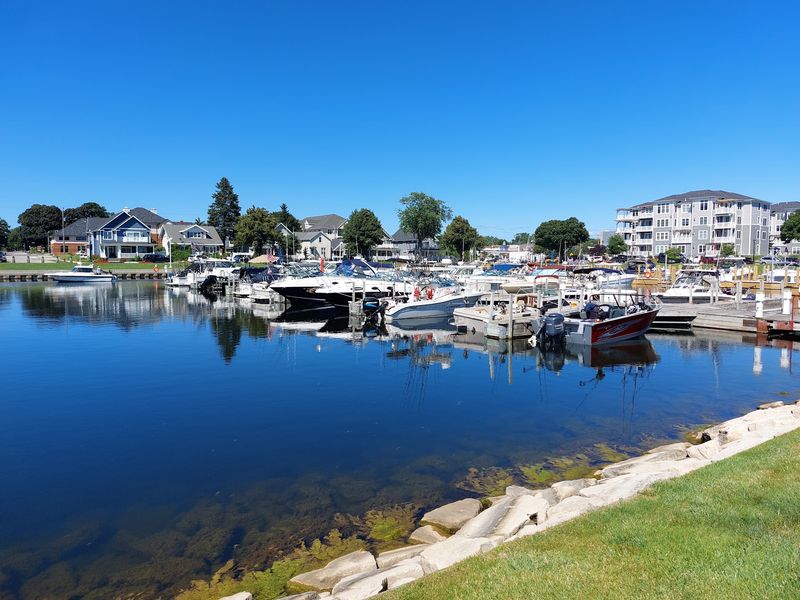
A coal-fired steamship still crosses Lake Michigan from here.
The SS Badger sails between Ludington and Manitowoc, Wisconsin, a four-hour voyage and a National Historic Landmark that doubles as a shortcut across the lake.
The town itself sits about 65 miles north of Muskegon, wrapped around Pere Marquette Lake.
Ludington State Park is the crown jewel, with seven miles of shoreline, canoe trails, and the black-and-white Big Sable Point Lighthouse standing alone in the dunes.
Climbing its 130 steps costs just a few dollars and buys a view you will not forget.
Best part for budget travelers: Ludington remains genuinely affordable.
Home prices trail the flashier northern towns, motels stay reasonable outside August, and a Michigan recreation passport gets you into the park for pocket change.
Advice from experience: reserve state park campsites the moment the booking window opens, because they disappear fast.
Stop at a downtown diner for pancakes, then hit the beach before noon.
Fudge counts as breakfast on vacation, I decided.
8. Manistee
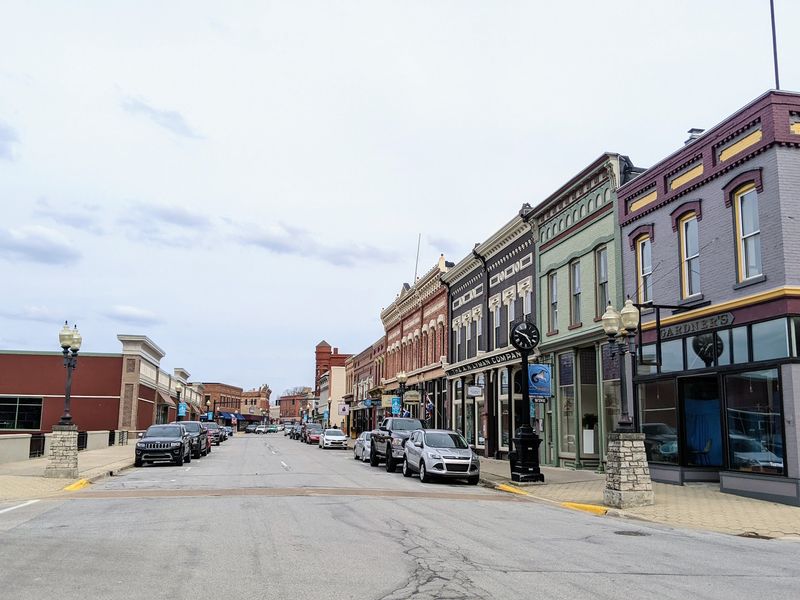
Lumber barons built this place, and they built it fancy.
Manistee’s downtown still shows off Victorian brick facades from the late 1800s, when sawmills along the river made fortunes overnight.
Locals nicknamed it the Victorian Port City, and the Ramsdell Theatre from 1903 remains a working stage.
A wooden riverwalk threads about a mile and a half from downtown to the pierhead lighthouse, passing fishing boats and tugs on the way.
The Manistee National Forest spreads inland with quiet rivers made for tubing and paddling.
Financially, this one surprised me the most.
Real estate here often costs a fraction of what similar water views fetch in Charlevoix or Petoskey, and small inns keep rates modest even in July.
Fewer crowds mean easier parking and shorter restaurant waits too.
Try this: rent a kayak on the Big Manistee River in the morning, then dry off on First Street Beach in the afternoon.
December brings the Sleighbell Parade, complete with horse-drawn logs down the main street.
9. Cadillac
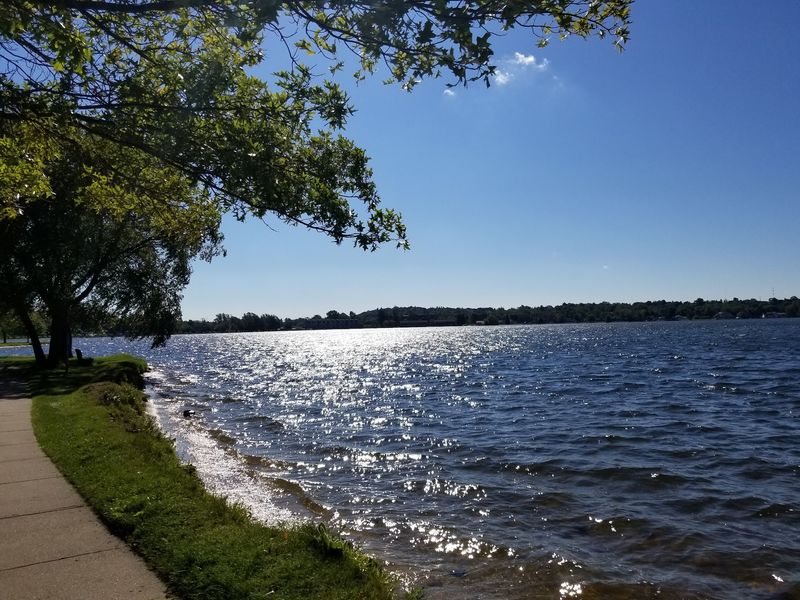
Two lakes, one canal, and a whole lot of fishing stories.
Cadillac sits inland in northern Michigan, joined to Lake Mitchell by a narrow canal dug in 1873 that once carried logs and now carries pontoon boats.
Winter creates a strange local sight: the canal water stays warm enough that cars have historically driven across the ice while the canal itself flows.
Snowmobilers treat this town as headquarters, since hundreds of trail miles branch out from the edge of town.
Autumn along M-115 and the Manistee National Forest turns absurdly colorful.
Affordability is the headline.
Cadillac’s housing prices land well below Michigan’s coastal resort averages, and lakefront cottages here cost what a parking space might in fancier towns.
Meals downtown stay cheap, and the city beach is free.
Suggestion for first-timers: rent a boat on Lake Mitchell, which stays shallow and calm, before tackling breezier Lake Cadillac.
Bring bug spray in June.
Mosquitoes here consider tourists a welcome buffet.
10. Marquette
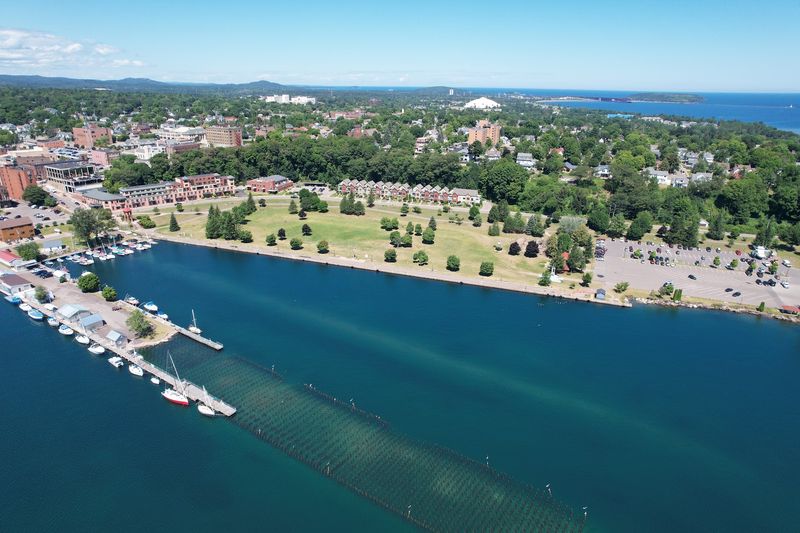
Nothing prepared me for Lake Superior’s color.
Marquette, the largest city in Michigan’s Upper Peninsula, sits on a rocky Superior shoreline where cliffs replace sand and the water runs cold enough to make you gasp in August.
Iron ore built this town, and a massive ore dock still juts into the harbor like industrial sculpture.
Presque Isle Park wraps around a wooded peninsula with black rock ledges locals leap from on hot days.
Sugarloaf Mountain offers a stairway hike with a forest-and-lake panorama that beats most postcards.
Northern Michigan University keeps the food scene lively and prices student-friendly.
On costs, Marquette delivers real value.
Housing stays reasonable compared with the lower peninsula’s resort belt, and breweries plus diners charge fair prices year round.
The trade-off is snow, and lots of it, often over two hundred inches per winter.
Planning note: fly into Sawyer or plan a long drive, because remoteness is part of the deal.
Chase a Superior sunrise once and you will forgive every mile.