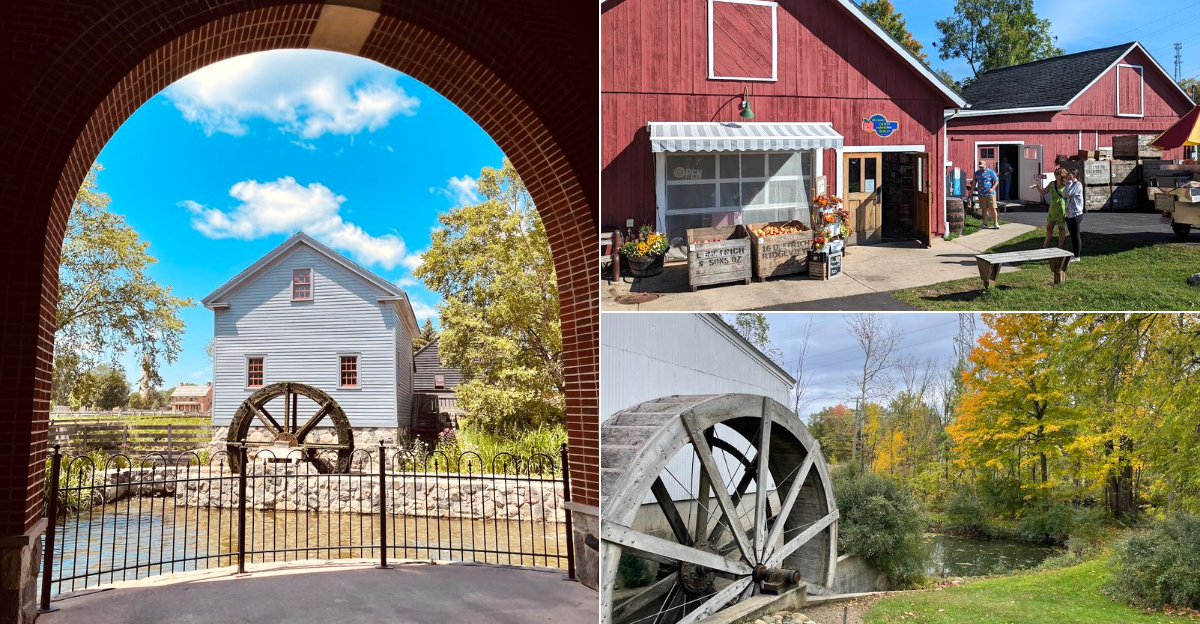
Michigan has a way of surprising people, tucked between its apple orchards, lakefront towns, and hardwood forests are some of the most beautifully preserved historic mills in the entire Midwest, each one telling a story that goes back generations.
These aren’t dusty relics behind velvet ropes; many of them still operate, still smell of fresh-pressed cider in the fall, and still draw long lines of locals who wouldn’t dream of buying their apple goods anywhere else.
From the famous Yates Cider Mill in Rochester to the frontier sawmill reconstructed at Historic Mill Creek Discovery Park near Mackinaw City, the variety across the state is genuinely remarkable.
Some mills are anchored in working farm country, others sit along wooded creeks, and a few are part of living history villages where you can watch craftspeople demonstrate trades that once powered entire communities.
1. Yates Cider Mill, Rochester, Oakland County
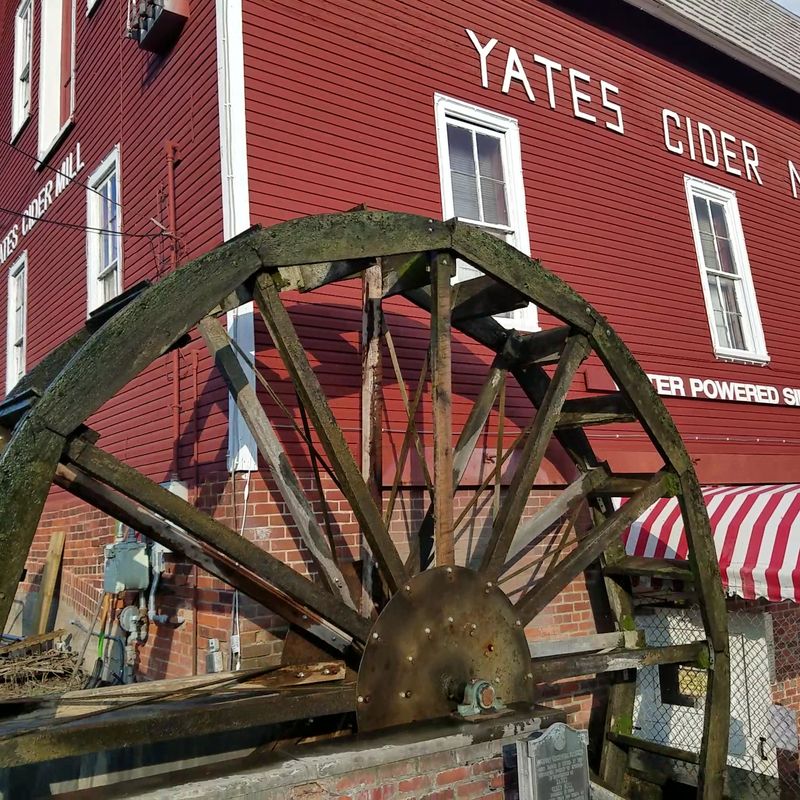
On crisp autumn mornings, the air near the Clinton River smells like apples, sugar, and wood turning with purpose nearby.Tucked in Rochester, Oakland County, Yates Cider Mill has welcomed visitors since the 1800s, blending working history with family traditions.
Water powers parts of the operation, which helps kids and adults picture how mills once served communities before modern factories.
Fresh donuts disappear quickly, so arriving early saves time and gets you better parking, especially on busy weekends in fall.A walk beside the river adds quiet beauty, and the wooden buildings make photos feel warmer than snapshots taken elsewhere.
Inside the store, shelves hold apple butter, pies, and mixes, making it easy to bring home a small taste later.
Parents should keep younger children close near the water and crowds, but the stop feels manageable because paths are simple.
Local fans often return year after year, proving a mill visit can become family tradition rather than single seasonal stop.
If you enjoy places where food, machinery, and scenery all matter, Yates gives a balanced experience without feeling overly polished.
Few outings mix Michigan heritage and simple fun so naturally, which explains why this riverside landmark keeps drawing new visitors.
2. Franklin Cider Mill, Franklin, Oakland County
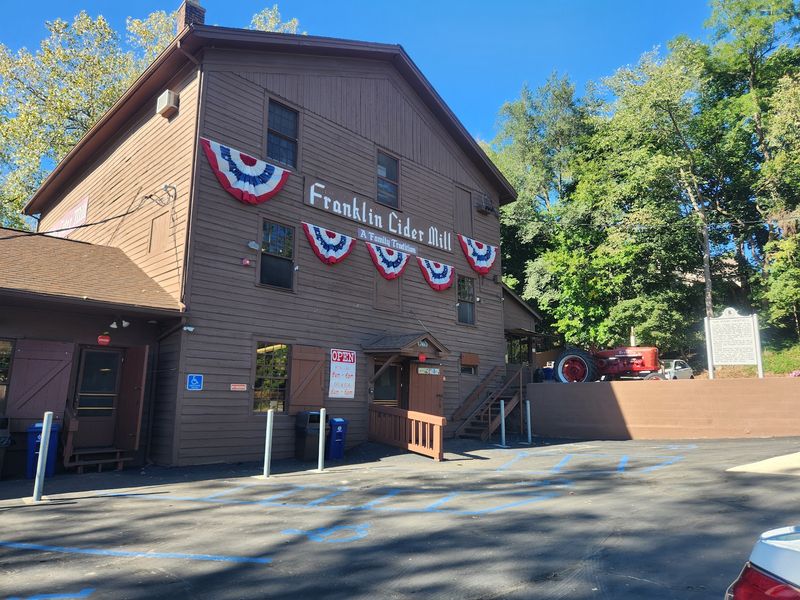
Stone walls, rushing water, and the smell of cinnamon make the village feel storybook before you even spot the mill.In Franklin, Oakland County, Franklin Cider Mill stands as one of the state’s oldest operating cider mills, full of charm.
The building dates back to the 1830s, and that long history shows in the weathered beams, stones, and waterwheel setting.
Because parking can be tricky during peak weekends, visiting earlier in the day helps you avoid extra circling nearby streets.Warm donuts and tart cider create a classic pairing, but the pleasure feels bigger when enjoyed beside the flowing water.
Small shops and tidy streets nearby make it easy to turn your stop into a longer afternoon exploring the village.
Families should expect lines, especially in October, yet the wait moves with cheerful energy and plenty of people watching around.
Photographers love the rustic textures here, since the mill, bridge, and stream offer layers that look great in changing light.
A quick visit works fine, though slowing down reveals how craftsmanship, place, and memory can join together in one landmark.
Few cider stops balance neighborhood beauty and real age so gracefully, which keeps Franklin popular with both locals and travelers.
3. Blake’s Orchard & Cider Mill, Armada, Macomb County
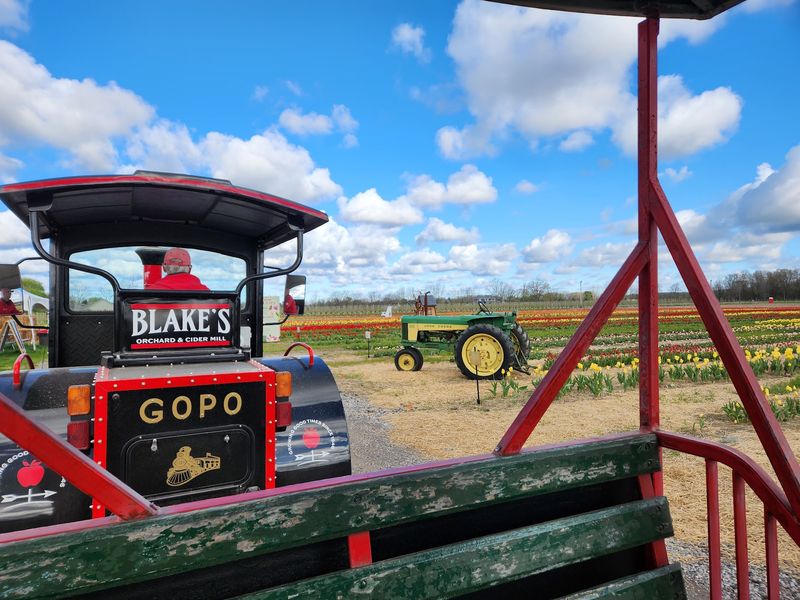
Laughter travels across wide orchards here, and the whole property feels more like a fall festival than a simple mill.Out in Armada, Macomb County, Blake’s Orchard and Cider Mill mixes historic mill appeal with a large, active farm experience.
Long before visitors arrived for hayrides and treats, mills like this helped farming areas turn harvests into useful products daily.
Today, families can pick apples, sip fresh cider, and explore plenty of attractions, so planning ahead helps you fit more.Weekdays are often calmer, which makes them better for younger kids or anyone who wants shorter lines and easier parking.
The bakery selections are broad, and that variety means everyone can leave with something they actually wanted instead of settling.
Broad fields, barns, and market spaces give photos an upbeat look, very different from the quiet mood of older villages.
Parents should set a meeting point because the grounds are bigger than many first time guests expect when crowds gather.
Even with its modern entertainment feel, the mill still connects visitors to farming skill, seasonal work, and food traditions nicely.
For travelers who enjoy energy as much as history, Blake’s offers a lively version of Michigan mill culture for everyone.
4. Historic Mill Creek Discovery Park, Mackinaw City, Emmet County
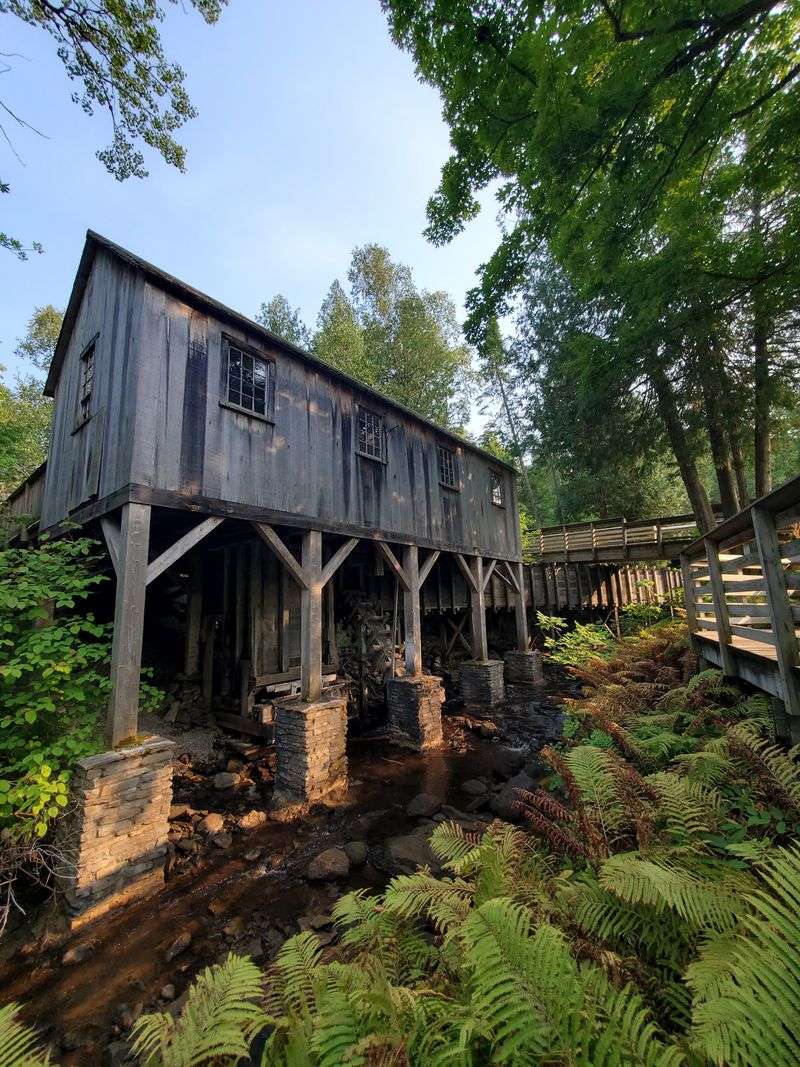
Forest sounds and moving water create a calm mood here, yet the site also buzzes with hands on lessons daily.Near Mackinaw City, Emmet County, Historic Mill Creek Discovery Park shows how an early industrial site worked in northern Michigan.
A sawmill once operated here, using waterpower to cut timber that helped build the nearby fort on Mackinac Island later.
Interpreters and exhibits make complicated history easier for kids, so the visit feels active instead of like reading signs alone.Trails, bridges, and tall trees add scenic value, giving everyone a chance to stretch between demonstrations and museum stops comfortably.
Because weather can change quickly up north, sturdy shoes and light layers will make your day smoother for most visitors.
Families with curious children often linger longer than planned, especially when staff explain tools, labor, and life around the creek.
Photos here feel rich and natural, since wooden structures sit among greenery rather than crowded streets or parking lots nearby.
History fans appreciate the reconstruction work, while casual visitors simply enjoy the peaceful setting and clear storytelling throughout the site.
Few places combine scenery, education, and working machinery so well, making this park a strong stop near the Straits region.
5. Grist Mill at Crossroads Village, Flint, Genesee County
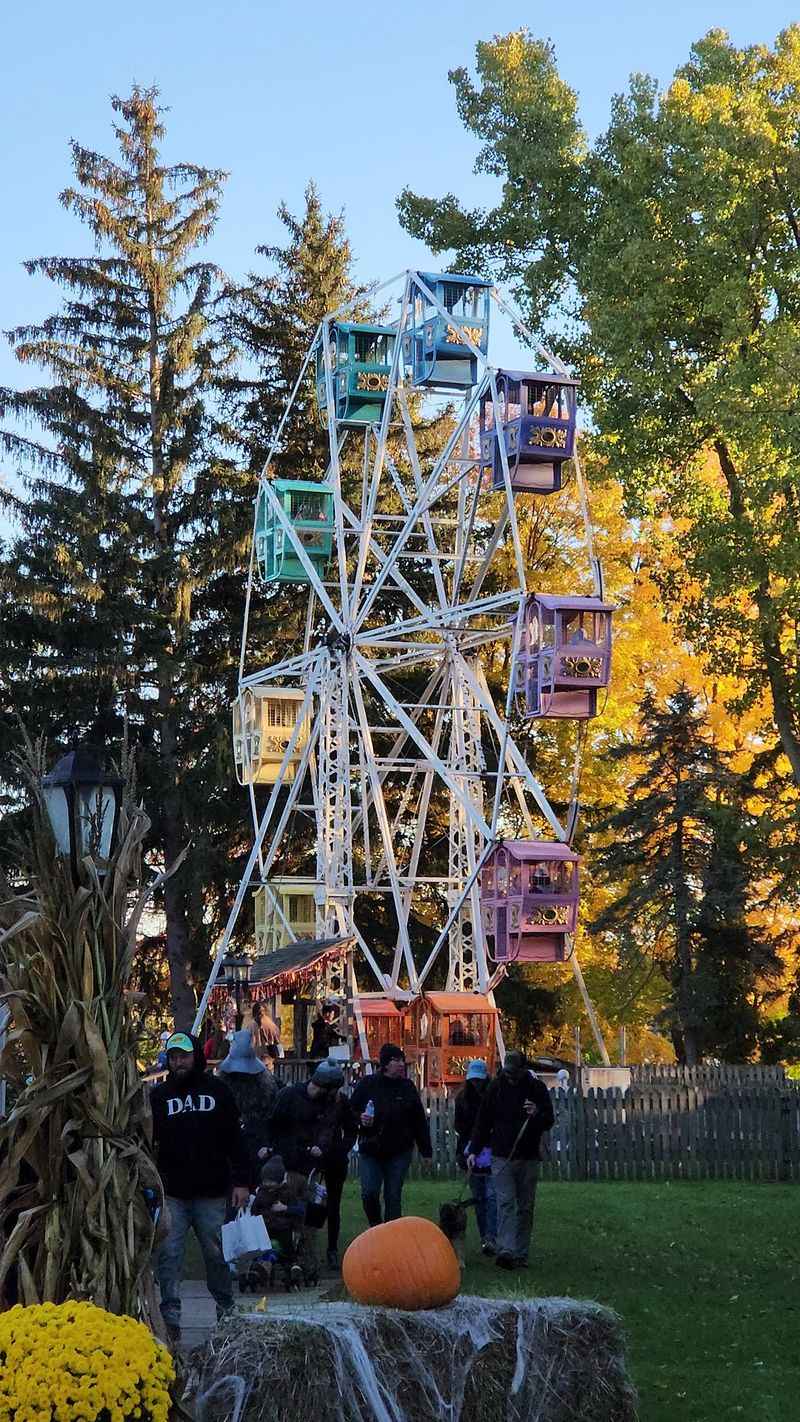
Steam trains, boardwalks, and costumed history create a playful backdrop before you reach one of the village’s most interesting buildings.In Flint, Genesee County, the Grist Mill at Crossroads Village helps explain how grain processing supported daily life long ago.
The recreated historic setting makes the mill easier to imagine, since nearby homes and shops complete the larger story well.
Seeing machinery in context matters, and this village layout shows why mills were central parts of growing communities once nearby.Plan extra time because the train, trades, and seasonal events can easily turn a short visit into a full day.
Younger visitors usually enjoy the movement and sounds here, while adults appreciate the craftsmanship shown in wood, stone, and gears.
The Genesee setting adds leafy charm, especially during festivals, when old fashioned streets feel lively instead of merely preserved displays.
Comfortable walking shoes help since village paths cover more ground than many first timers expect during longer afternoon visits here.
School groups often love this stop because the lessons feel visible, touchable, and connected to everyday needs from the past.
For anyone wanting more than a single building, Crossroads Village offers the mill inside a bigger living history experience setting.
6. Mill Race Historical Village, Northville, Wayne County
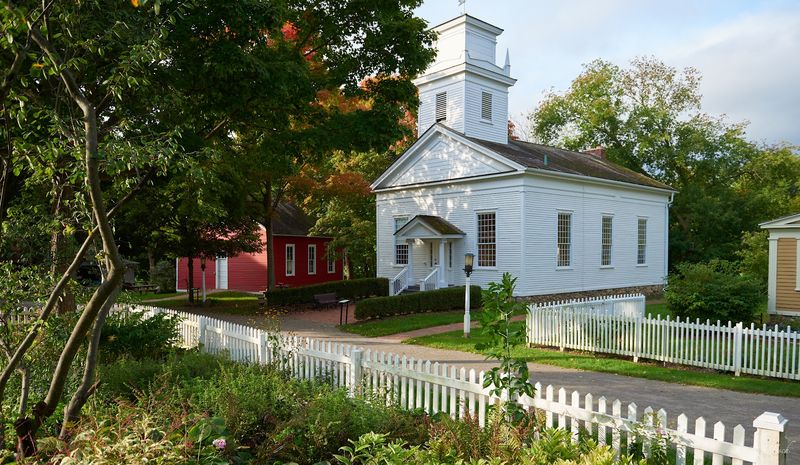
Quiet lawns and white fences give this stop a calm pace, almost like stepping into a small town memory today.In Northville, Wayne County, Mill Race Historical Village gathers historic buildings together, letting visitors understand local life beyond one structure.
A mill race once mattered for power and production, and that idea still anchors the site’s identity and layout today.
Walking here feels gentle and organized, making it great for readers of history signs, casual photographers, and relaxed families alike.Because the grounds include several buildings, you can compare architecture, tools, and daily routines instead of focusing on one trade.
Seasonal events often bring extra energy, but even on quiet days the village has enough detail to reward slow visitors.
Northville’s nearby downtown adds convenience, so a history outing can easily pair with lunch, coffee, or browsing local shops afterward.
Kids may not find nonstop action here, yet patient families often discover that space and simple exhibits keep stress low.
The village setting helps explain community history in layers, which can be easier to remember than facts on a page.
For travelers who enjoy slower places, Mill Race offers architecture, local stories, and a peaceful change from louder attractions nearby.
7. Dexter Cider Mill, Dexter, Washtenaw County
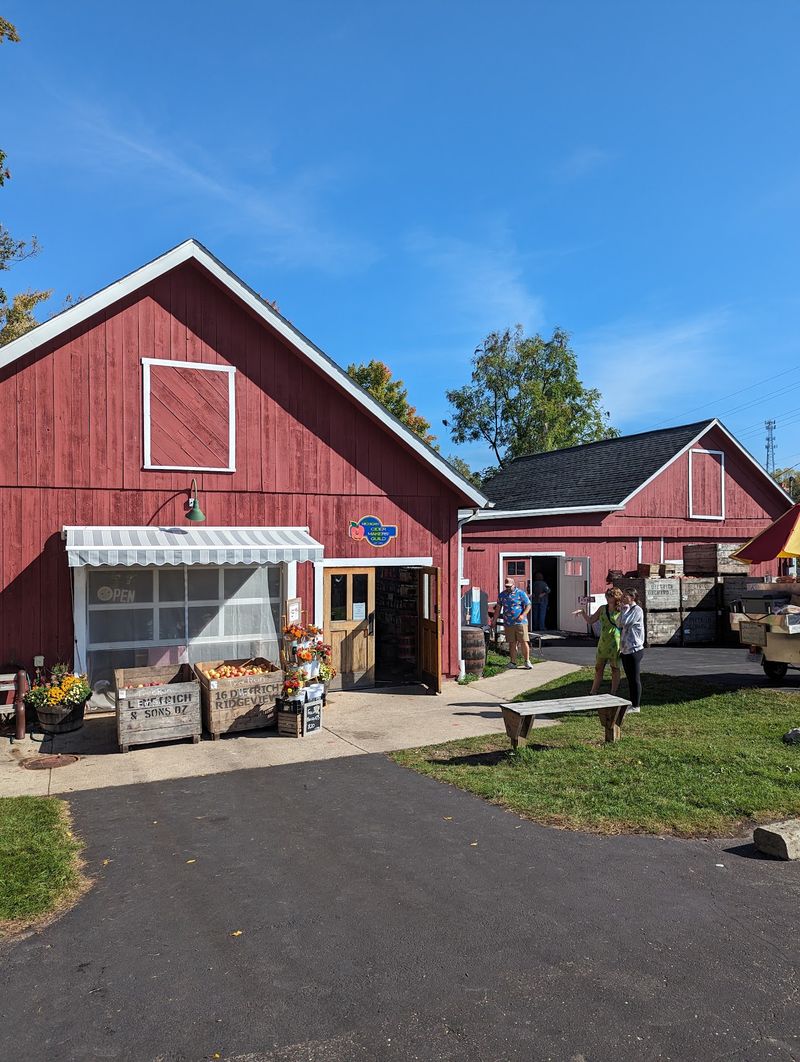
The scent of fresh cider arrives before the building fully appears, which is usually a very good sign for visitors.In Dexter, Washtenaw County, Dexter Cider Mill is often called Michigan’s oldest continuously operating cider mill, and the pride shows.
Set beside the Huron River, it pairs practical milling history with a lovely small town backdrop that feels welcoming instantly.
Crowds can build fast in autumn, so morning visits work best if you want shorter lines and easier parking there.Many people come for cider and donuts, yet the real charm grows from the mill’s age and riverside character too.
The nearby path and bridge make easy extras, especially for visitors who like stretching a snack stop into a walk.
Families with younger children should watch the water’s edge, though the setting remains simple enough for a low stress visit.
Local shops in town help round out the day, giving travelers more reason to linger instead of rushing off afterward.
Photos tend to look especially inviting here because the mill, river, and trees fit together without visual clutter around them.
Few places deliver such a direct link between Michigan food traditions and real working history, which makes Dexter memorable today.
8. Loranger Mill, Exeter Township, Monroe County
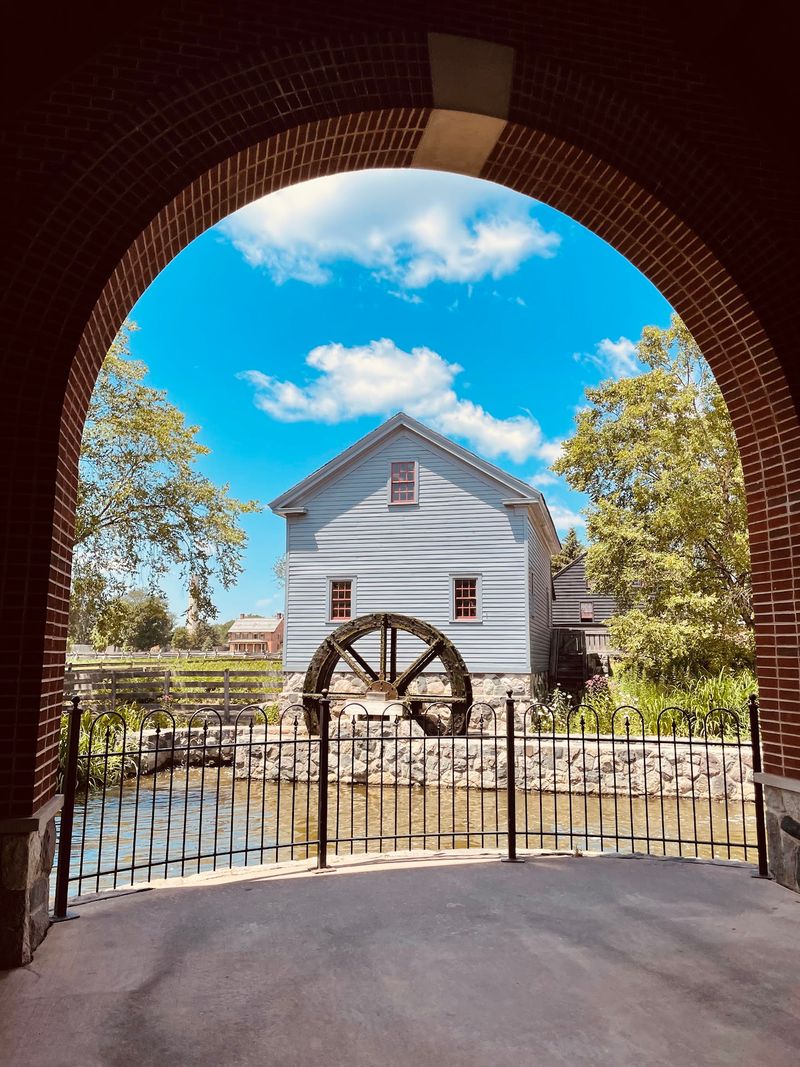
Hidden away from busier tourist routes, this site rewards people who enjoy quieter discoveries and stories that feel less polished.In Exeter Township, Monroe County, Loranger Mill stands as a rare piece of rural milling history with strong local character.
The setting feels more intimate than famous mills, which can be appealing if you prefer space for observation and reflection.
Historic mills mattered because they served nearby farms, and Loranger helps visitors picture that practical relationship between land and labor.Researching hours before visiting is smart, since smaller historic sites may have limited access or seasonal event schedules posted online.
The rural landscape adds beauty without fanfare, offering open views and a slower rhythm than busier destination spots nearby today.
History lovers often appreciate places like this because they preserve community memory, not just architecture or machinery from earlier days.
Photographs here can feel simple and honest, especially when weathered surfaces catch soft afternoon light across the grounds beautifully there.
Casual travelers may pass it by, but curious explorers can gain a more personal sense of Michigan’s working past here.
For readers who like under the radar history, Loranger offers substance, scenery, and a break from crowded attractions nearby often.
9. Spring Hill Farm & Cider Mill, Shelby Township, Macomb County
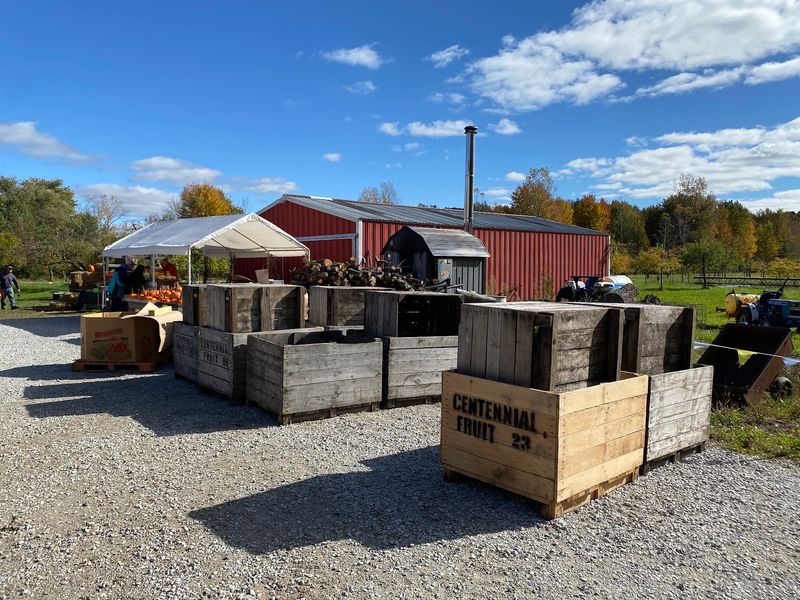
Wide fields and a farm mood make this stop feel comfortable for families who want history with room to roam.In Shelby Township, Macomb County, Spring Hill Farm and Cider Mill mixes countryside scenery with seasonal traditions people return for.
Apples, baked goods, and farm activity create an easygoing visit, especially for guests who prefer simpler outings over packed festivals.
Planning a morning trip can help you enjoy cooler weather, lighter crowds, and fresher choices from the bakery there early.The landscape gives the mill a roomy feel, so families can spread out more than they might elsewhere during visits.
Kids often enjoy seeing the farm setting, while adults appreciate how the place keeps local food traditions visible for everyone.
Pictures here tend to show open skies, orchard rows, and a relaxed pace instead of tight historic streets or alleys.
Bringing cash can be helpful at seasonal spots, and checking social pages may reveal events or specials before you go.
Visitors who like polished museums may want more interpretation, but many people enjoy the straightforward farm atmosphere here each fall.
For a laid back cider stop, Spring Hill offers heritage, harvest flavor, and pleasant space in one trip for visitors.
10. Alden Mill House, Alden, Antrim County
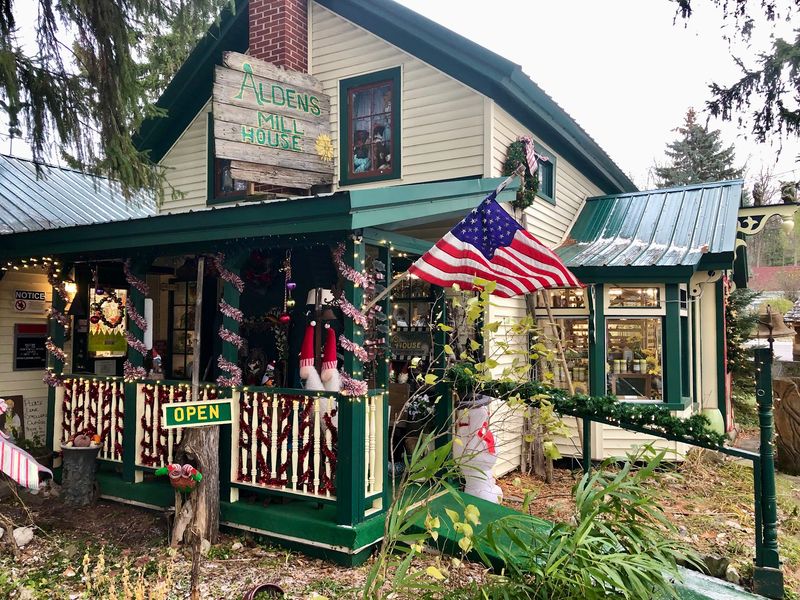
Lake country quiet surrounds this place, giving it a reflective mood that suits people who enjoy history without big crowds.In Alden, Antrim County, the Alden Mill House recalls the village’s milling past near some of northern Michigan’s prettiest water.
The restored building helps visitors imagine how small communities used mills as both workplaces and gathering points for daily life.
Nearby Torch Lake and the Chain of Lakes area add appeal, making your history stop feel like part of vacation.Walking the village and waterfront can round out the visit, especially if you like mixing architecture with natural beauty nearby.
Smaller destinations often feel more personal, and Alden rewards that slower style with charm instead of constant activity for visitors.
Checking local schedules is wise, because hours and access can vary more at small historic properties through the year there.
Photos shine here when old wood, village details, and blue water are captured in the same frame during clear afternoons.
Travelers heading north may find this stop especially rewarding, since it combines a restful break with meaningful local history nicely.
For anyone drawn to lakeside villages, Alden Mill House offers a modest but memorable window into regional heritage for visitors.
11. Wolcott Mill Metropark Historic Center, Shelby Township, Macomb County
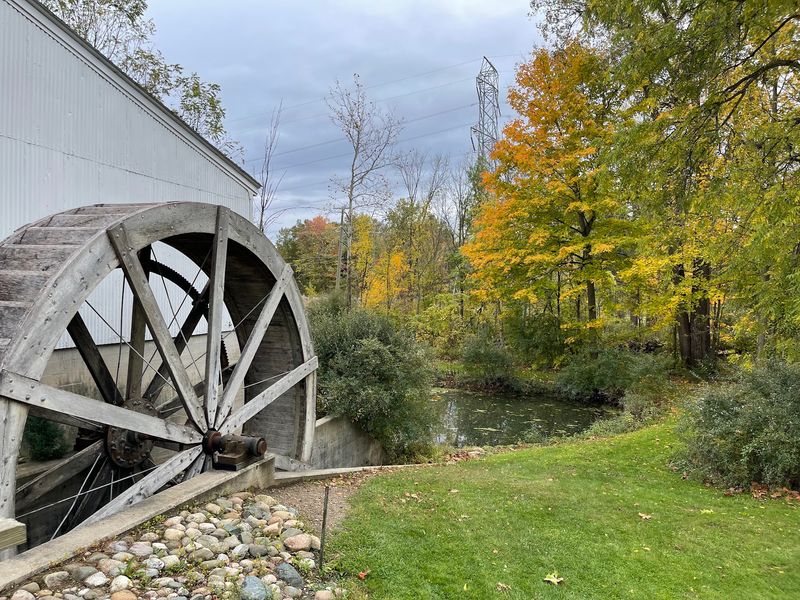
A cheerful orchard feeling sets the tone here, where snacks, scenery, and tradition come together in an easy visit nicely.
In Shelby Township, Macomb County, Wolcott Mill Metropark Historic Center offers a popular cider stop with broad family appeal throughout autumn.
The setting feels welcoming rather than formal, which helps first time visitors relax and enjoy the seasonal rhythm here easily.
Fresh cider and bakery treats lead the experience, but the historic mill identity gives the outing deeper roots for families.
Weekends can get lively, so earlier arrivals usually mean better parking and a little more breathing room for most guests.
Open areas and farm surroundings help children burn energy, which can make the visit smoother for parents during busy days.
The scenery is less village like and more harvest focused, giving photos a bright, active, seasonal look through the grounds.
Checking event details before going is useful, since many cider mills add attractions or special weekends through fall for families.
Travelers who want a classic cider outing without too much planning often find Pine Ridge an easy choice each autumn.
For simple fun tied to Michigan’s mill tradition, Wolcott Mill Metropark Historic Center brings flavor, scenery, and local custom together for many visitors.