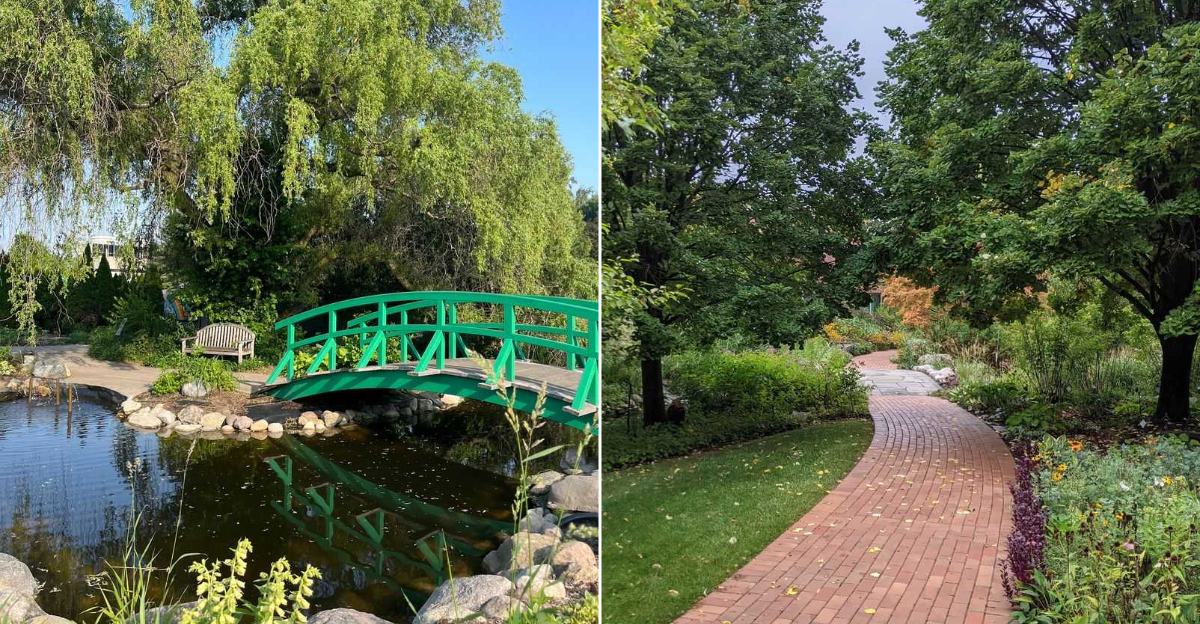
You do not need a ticket, a reservation, or a long weekend away to find a beautiful place to breathe. In Michigan, quiet garden paths can lead past blooming flowers, leafy trees, shaded benches, and small corners that make the rest of the day feel a little less hurried.
Across the state, free public gardens in Michigan offer an easy way to enjoy nature without spending a dime. Some are tucked into lively college towns, while others unfold beside parks, waterfronts, or city landmarks.
Each has its own rhythm, from carefully arranged flower beds to peaceful paths where you can simply wander.
For anyone craving fresh air and a slower afternoon, these gardens offer a welcome escape. We found 11 free public gardens in Michigan where flowers, greenery, and peaceful surroundings make even a simple walk feel worthwhile.
Matthaei Botanical Gardens
The first thing you notice is how quickly the noise fades. One minute you are thinking about errands and traffic, and the next you are listening to birds, wind, and the soft crunch of gravel under your shoes.
It feels like stepping into a calmer version of the day.
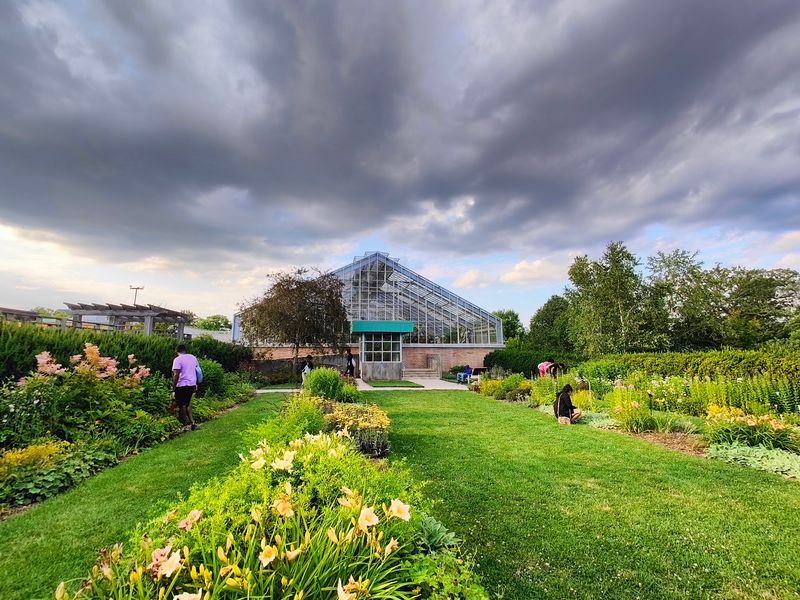
Later, the path opens into Matthaei Botanical Gardens in Ann Arbor, where 11 outdoor gardens give you plenty to explore without feeling rushed. The bonsai collection draws people in with its tiny, carefully shaped trees, while the Great Lakes Garden offers a look at plants tied to Michigan’s natural story.
Kids often enjoy the Children’s Garden, and adults usually linger near the Perennial Garden.
A smart plan is to wear walking shoes and give yourself time to wander instead of trying to see everything at once. Bring water, pause on a bench, and notice small details like herbs releasing scent in the sun.
Since admission is free, it is easy to return in another season and watch the gardens change.
University of Michigan Nichols Arboretum
Some places feel made for long breaths and slower steps. Sunlight slips through tall trees, trails curve out of sight, and every turn makes you curious about what is waiting ahead.
Even on a busy day, the land seems to ask you to quiet down.
That feeling settles in fast at the University of Michigan Nichols Arboretum in Ann Arbor. Locals call it the Arb, and its wide lawns, wooded paths, and river views make it feel bigger than a regular city park.
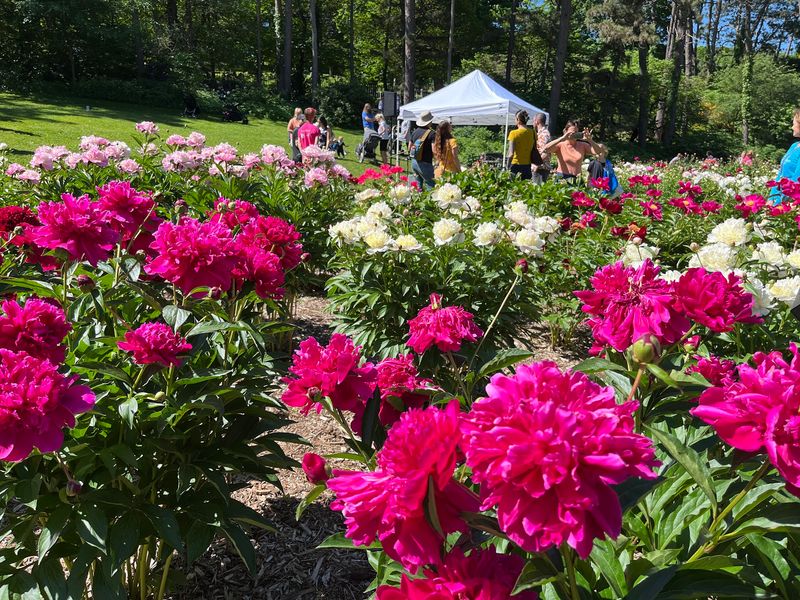
The famous Peony Garden is the star in late spring, when the blooms arrive in layers of pink, white, and deep red. At other times of year, the trails and open scenery are the real reward.
If you visit, go near sunrise or early evening for softer light and fewer crowds. Bring a snack, but pack out everything you bring in.
Good walking shoes matter here because the grounds are large, and part of the fun is wandering until you find a bench, a quiet slope, or a favorite view to remember.
Beal Botanical Garden
There is something charming about a garden that feels both scholarly and relaxed. Labels sit beside plants, old trees cast wide patches of shade, and the whole place carries the quiet energy of people learning without needing a classroom.
It is peaceful, but it also wakes up your curiosity.
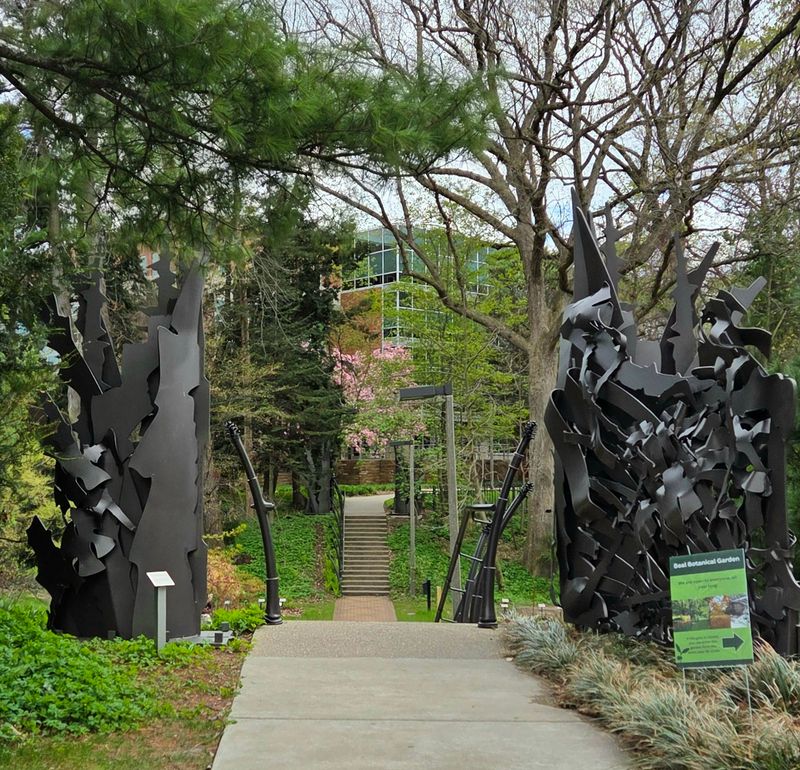
You feel that blend clearly at Beal Botanical Garden in East Lansing, right on the Michigan State University campus. Founded in the 1800s, it has a lived-in character that newer gardens cannot copy.
Beds filled with medicinal plants, native species, and unusual specimens invite slow reading as much as slow walking. It is not flashy, and that is part of the appeal.
Visitors who enjoy history will appreciate how the garden connects past plant study with present-day beauty. Come with a phone or notebook if you like identifying things, because you may leave with a list of plants to research later.
The garden is open year-round and free, which makes it a smart stop for students, families, or anyone needing a quiet break between other plans in town.
Horticulture Gardens
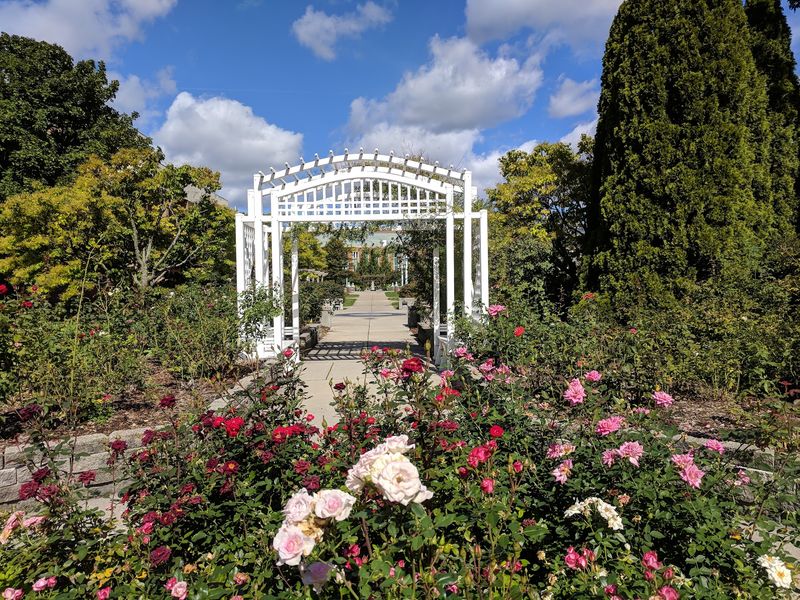
Color seems to gather here in waves. One bed glows with bright blossoms, another leans into texture and shape, and nearby paths invite you to keep moving just to see what changes next.
The whole experience feels lively without becoming overwhelming.
That rhythm defines the Horticulture Gardens in East Lansing at Michigan State University. Because the grounds include specialty plantings and teaching spaces, you get more variety than many small public gardens can offer.
Some corners feel polished and formal, while others feel almost experimental, like a place where gardeners and students are testing ideas in plain sight. If you enjoy seeing how different plants work together, this is a rewarding stop.
It helps to visit with a loose plan instead of a strict one. Let yourself follow the beds that catch your eye, whether that means roses, shrubs, or seasonal annuals.
Photos come out especially well in morning light, and the paths are easy for a relaxed stroll. Since admission is free, you can keep the visit simple, pair it with other campus stops, and still feel like you spent the day somewhere thoughtfully designed.
Michigan 4-H Children’s Garden
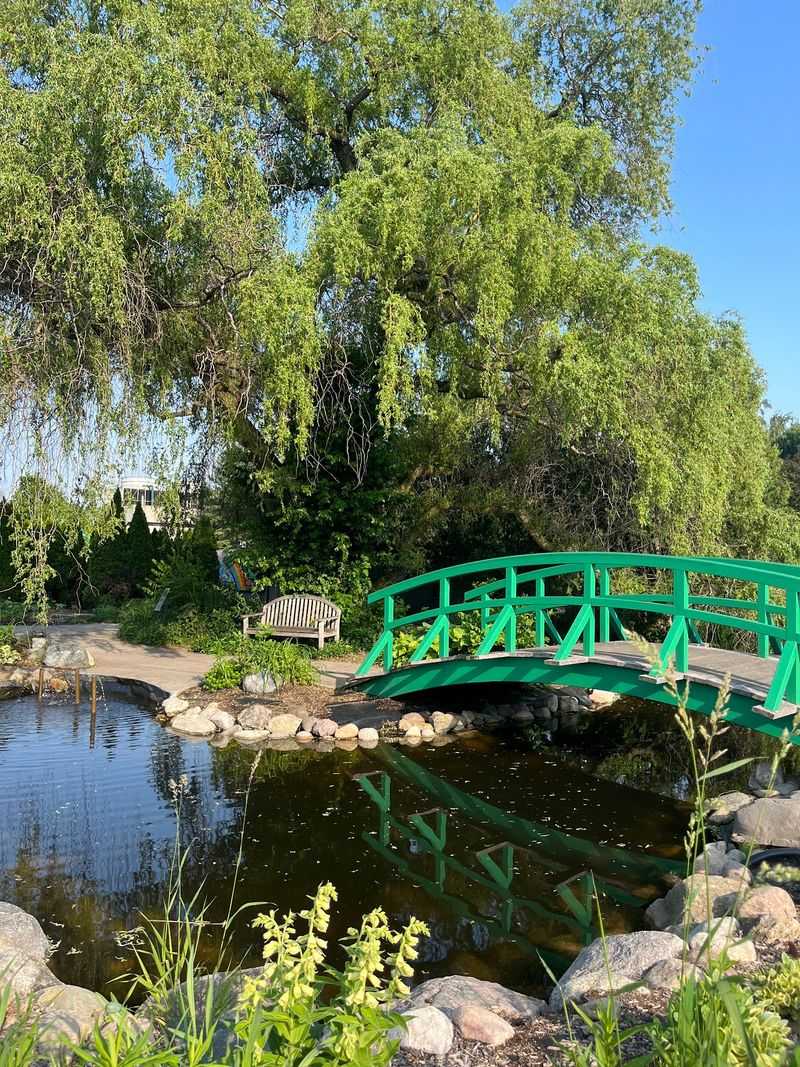
Laughter carries differently in a garden built with imagination in mind. Paths feel a little more playful, colors seem brighter, and even adults start looking closer at the details.
It is the kind of place that makes people slow down and notice things they might usually walk past.
That mood comes naturally at the Michigan 4-H Children’s Garden in East Lansing. With nearly 100 themed garden areas, it offers much more than a few flower beds and benches.
Families often move from one section to the next like they are turning pages in a picture book, finding surprises in design, texture, and plant choice. There is room for curiosity here, not just quiet observation.
A visit works best when you leave extra time for wandering, because children usually want to stop often and adults tend to get drawn in too. Bring water, sunscreen, and maybe a camera for colorful snapshots.
Even if you are not traveling with kids, the creativity of the space makes it memorable. Free admission also means there is no pressure to rush, so you can enjoy a light, easy outing that feels both cheerful and calming.
Clarence E. Lewis Landscape Arboretum
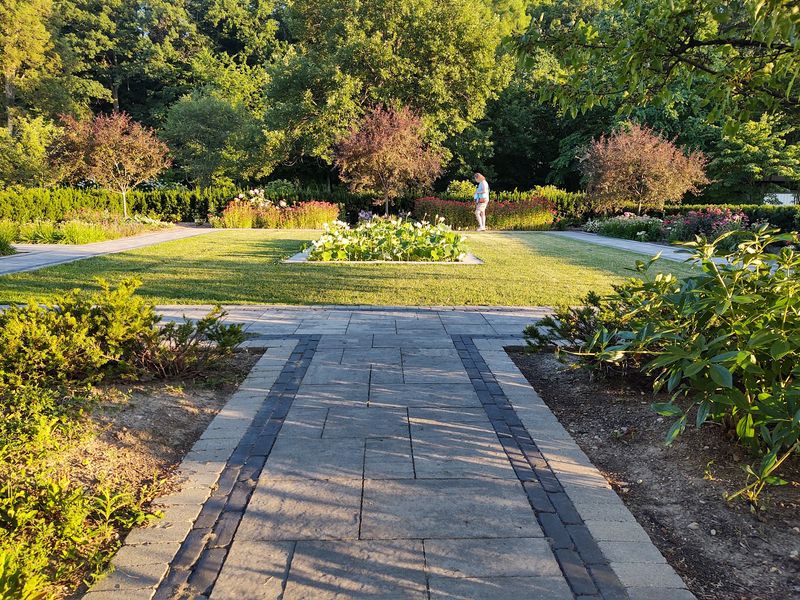
Quiet can feel full when a landscape is designed well. Leaves flicker in the light, taller trees frame the sky, and different garden rooms unfold without needing signs to tell you what matters.
The beauty here is subtle, which makes it stick with you longer.
Inside Michigan State University’s garden areas, the Clarence E. Lewis Landscape Arboretum in East Lansing offers more than 15 featured spaces to explore.
Native plantings bring a sense of place, while the Japanese garden introduces a more deliberate, balanced style. Because the arboretum is part of a larger horticultural setting, it feels both expansive and carefully organized.
You can move from broad landscape views to smaller planted details in just a few minutes.
People who like trees, textures, and thoughtful design will likely enjoy this stop most. Instead of racing through, pick one section and spend time noticing how shade, height, and color work together.
Early fall can be especially rewarding when leaves begin to shift. Since it is free to visit, the arboretum makes a peaceful add-on to a campus day and a solid choice for anyone who prefers calm beauty over crowded attractions.
Michigan State University Radiology Healing Gardens
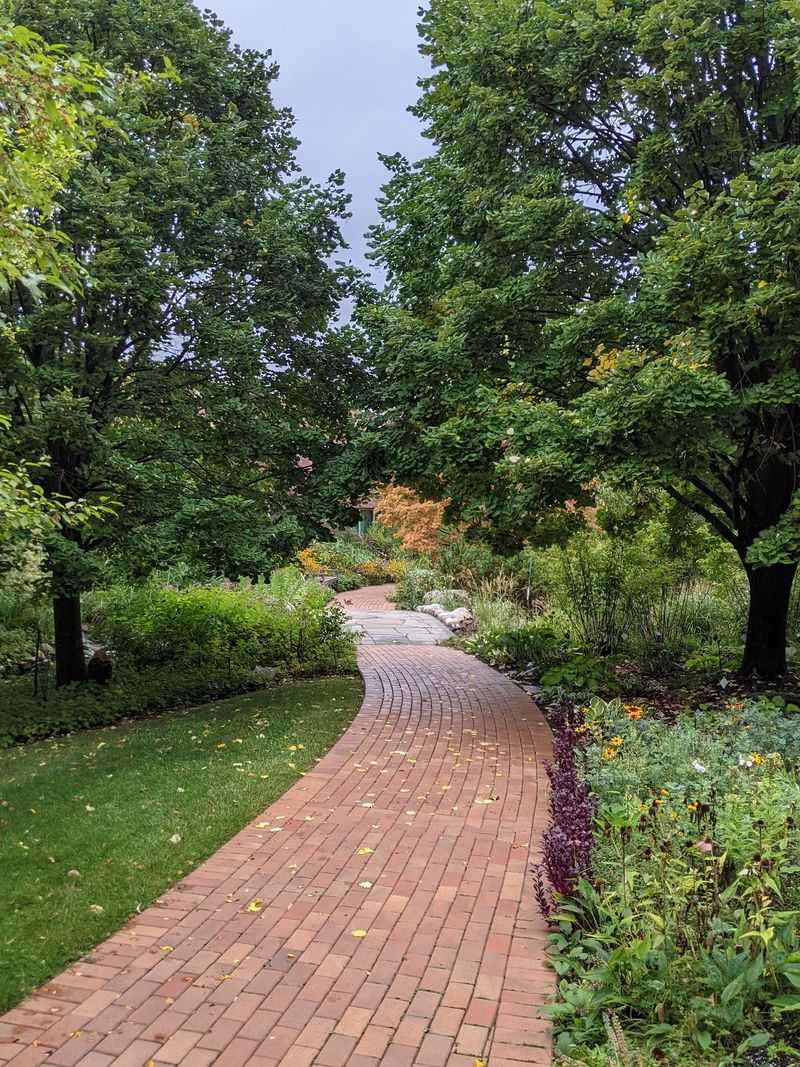
Not every memorable garden announces itself loudly. Some are tucked away, almost secretive, and that hidden feeling makes the calm seem even deeper once you arrive.
Water sounds soften everything, and the pace of the world drops almost right away.
The Michigan State University Radiology Healing Gardens in East Lansing are one of those quietly special places. Ponds, waterfalls, and rich plantings shape the space into something more intimate than a broad arboretum or campus lawn.
It feels designed for reflection, but not in a stiff or formal way. Instead, the garden welcomes anyone who needs a few minutes of peace, whether they come for a careful walk or a short rest on a bench.
This is a good place to keep your phone in your pocket for part of the visit and simply listen. Look for the way moving water changes the mood of each corner, and notice how the planting choices create privacy without closing the space off.
Because admission is free and the garden is open to the public, it is an easy reminder that some of the most restorative places are also the simplest to access.
Oudolf Garden Detroit
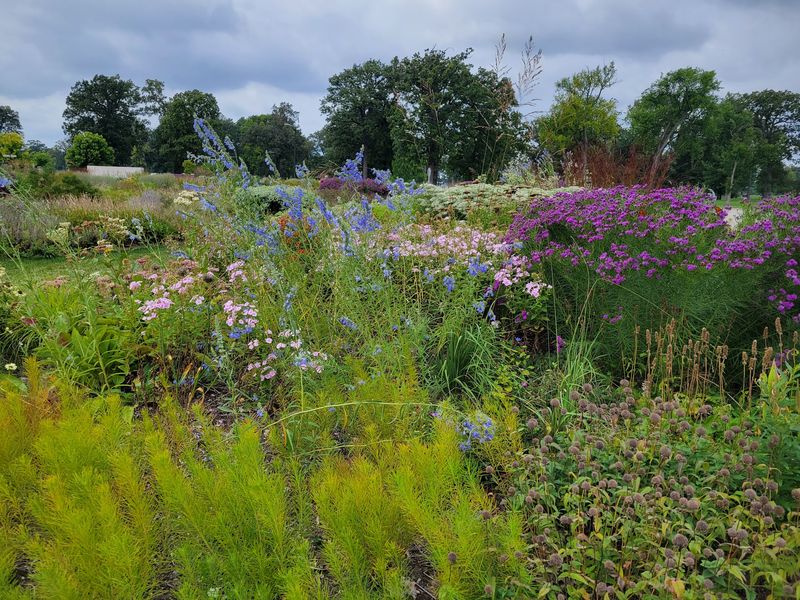
At first glance, the planting almost looks wild, like nature decided to arrange itself with a painter’s eye. Grasses sway, flower heads catch the light, and the garden changes shape depending on where you stand.
It feels less like a formal display and more like a living piece of art.
That is the pull of Oudolf Garden Detroit on Belle Isle. Designed in the naturalistic style that made Piet Oudolf famous, the three-acre space values movement, texture, and seasonality as much as bright color.
Instead of relying on neat rows, the garden creates drama through drifts of perennials and layered plantings. Even when some flowers fade, the structure remains beautiful, which makes repeat visits worthwhile.
Try walking slowly and looking at the garden from more than one angle, because the design reveals itself differently each time. Late summer and early fall can be especially striking when seed heads and grasses take center stage.
Since the garden itself is free, it offers a thoughtful, almost meditative experience without asking much from your wallet. For visitors who enjoy design, photography, or just a quieter side of Detroit, it leaves a strong impression.
Anna Scripps Whitcomb Conservatory
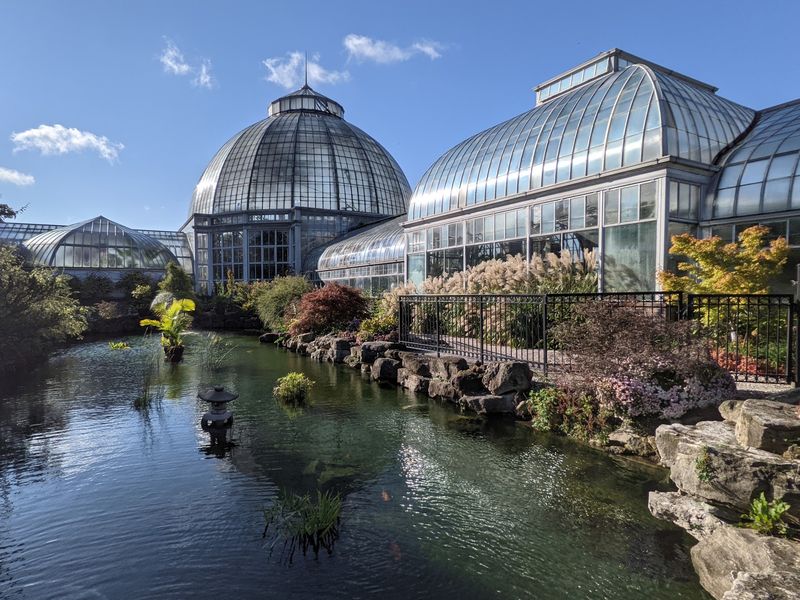
Glass, stone, and flowers create a setting that feels almost storybook, especially when the light hits just right. There is a little grandeur here, but it never feels distant.
Instead, the formal layout and island setting make the whole experience feel timeless.
On Belle Isle in Detroit, the Anna Scripps Whitcomb Conservatory and its surrounding gardens offer that rare mix of historic charm and easy public access. Even before stepping inside the conservatory, the outdoor beds and landscaped grounds set the tone.
Palms, seasonal blooms, and carefully shaped paths create scenes that feel elegant without being hard to enjoy. The fact that pedestrian and bicycle access to Belle Isle is free makes it even more inviting for a casual visit.
If you go, pair the gardens with a longer island walk so the day feels unhurried. Morning visits tend to be quieter, and the conservatory’s architecture looks especially striking in softer light.
Bring a camera if you enjoy old buildings and garden symmetry. The stop works well for plant lovers, but also for anyone who appreciates places where history, design, and fresh air share the same space in a surprisingly relaxed way.
Leila Arboretum Society
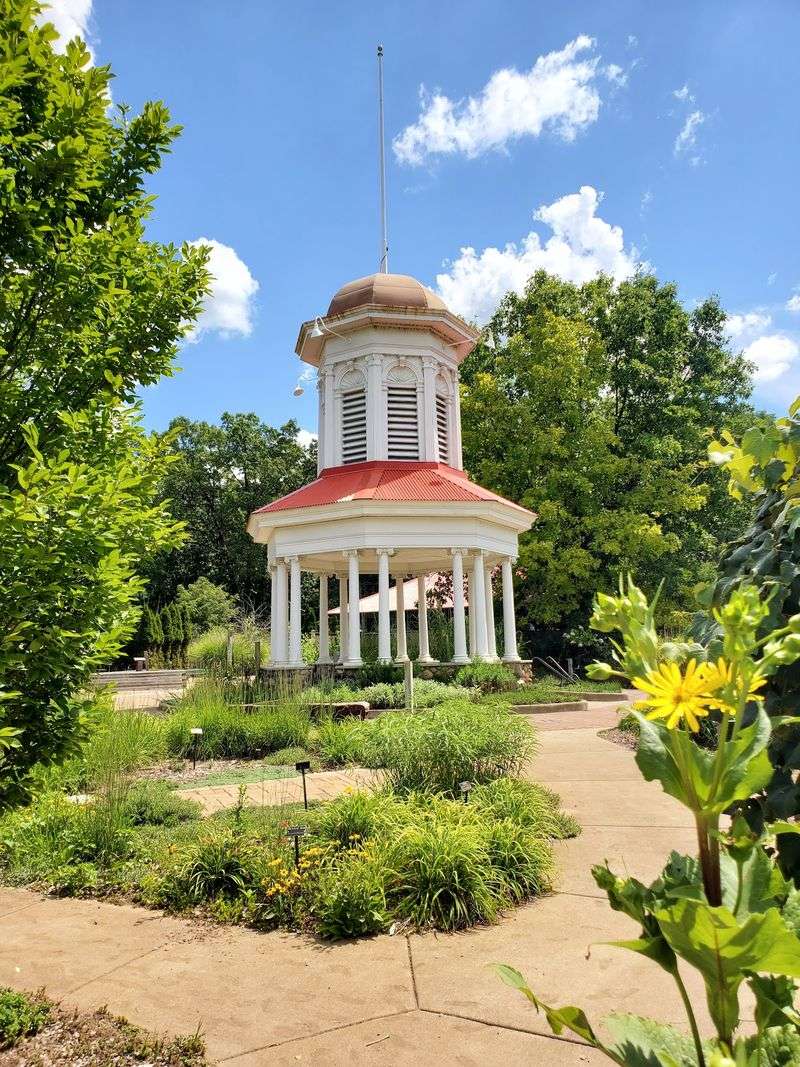
Wide open space can be just as calming as a tucked-away garden room. Here, the landscape stretches out, trees shape the horizon, and there is enough room to walk without feeling crowded.
The setting invites you to settle into a slower rhythm almost without trying.
That sense of ease defines Leila Arboretum in Battle Creek. Spread across 72 acres, it holds more than 2,000 species of trees and shrubs, giving the grounds a rich, layered character that changes with the seasons.
Some people come for a quiet walk, while others enjoy the sculpture areas and the feeling of having many different landscapes in one place. It is more expansive than a small neighborhood garden, yet still gentle and welcoming.
Good walking shoes are helpful because the property encourages wandering. If you enjoy tree identification, bring a field guide or use a plant app to make the visit more interactive.
Spring and fall each offer their own rewards, from fresh growth to colorful leaves. Since admission is free and the grounds are open during daylight hours, it is easy to build your own pace here, whether you stay for twenty minutes or half a day.
The Botanic Garden at Historic Barns Park
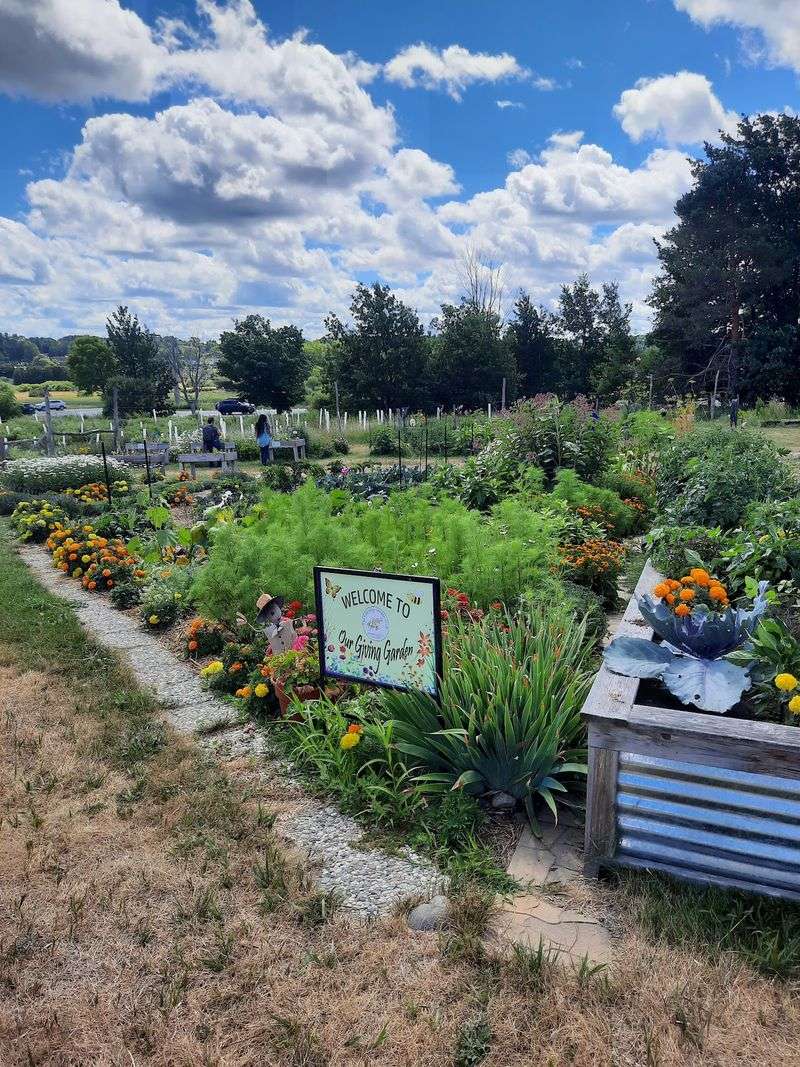
Some gardens feel like they were made for wandering with no real plan. A turn in the path reveals a new bed, a quiet corner appears where you did not expect it, and suddenly an ordinary afternoon feels a little more memorable.
The charm builds slowly, then stays with you.
That is exactly the mood at The Botanic Garden at Historic Barns Park in Traverse City. The setting combines trails, themed plantings, a labyrinth, and even a secret garden, all woven into historic grounds that give the place extra character.
The old barns nearby add a sense of story, so the landscape never feels generic. Instead, it feels local, layered, and thoughtfully cared for.
Come with time to explore at an easy pace, especially if you enjoy finding smaller details like tucked-away paths or unusual planting combinations. The labyrinth offers a different kind of quiet, one based on movement and focus rather than sitting still.
Because the garden is free and public, it works for all kinds of visitors, from solo walkers to families. In a town known for scenic beauty, this stop offers a softer, more reflective version of that appeal.