These Michigan restaurants are serving up stories that are almost as unforgettable as their food.
From hidden taverns to century-old dining rooms, these places carry the memories of generations who walked through their doors.
Behind every meal is a piece of Michigan history waiting to be discovered. Some began as stagecoach stops, others welcomed lumberjacks after long days of work, and a few helped create the flavors locals still love today.
These restaurants are more than places to grab a bite.
They are time capsules filled with immigrant dreams, family traditions, and stories of people who helped shape the state.
Get ready to uncover the surprising pasts behind ten Michigan favorites where every table has a story and every visit feels like a trip through history you won’t soon forget.
White Horse Inn – Metamora, Michigan
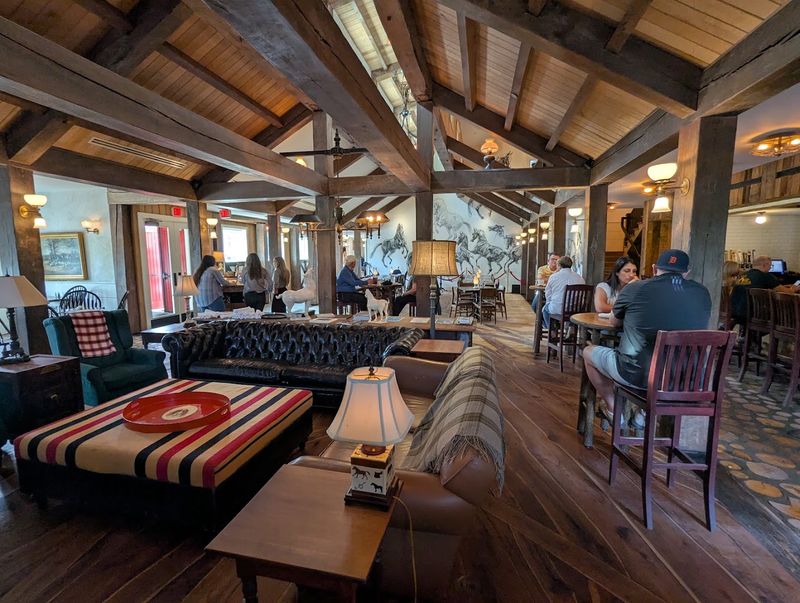
Picture travelers stopping their horses outside a general store in the 1800s, tired and hungry from their journey. That’s exactly what happened at White Horse Inn, which served as both a shop and stagecoach stop during Michigan’s early days.
Back then, horses needed rest and people needed food before continuing their travels.
Today, the restaurant keeps that old-time feeling alive with wooden beams, historic decorations, and stories displayed on the walls. When you walk through the door, you can almost imagine what it was like when stagecoaches pulled up outside.
The building has changed over the years, but it still honors the travelers who stopped here long ago.
What makes this place special is how it preserves Michigan’s transportation history. Before cars and highways existed, spots like White Horse Inn connected communities and helped people move across the state.
Eating here means experiencing a piece of Michigan’s pioneer past while enjoying a modern meal.
Schuler’s Restaurant & Pub – Marshall, Michigan
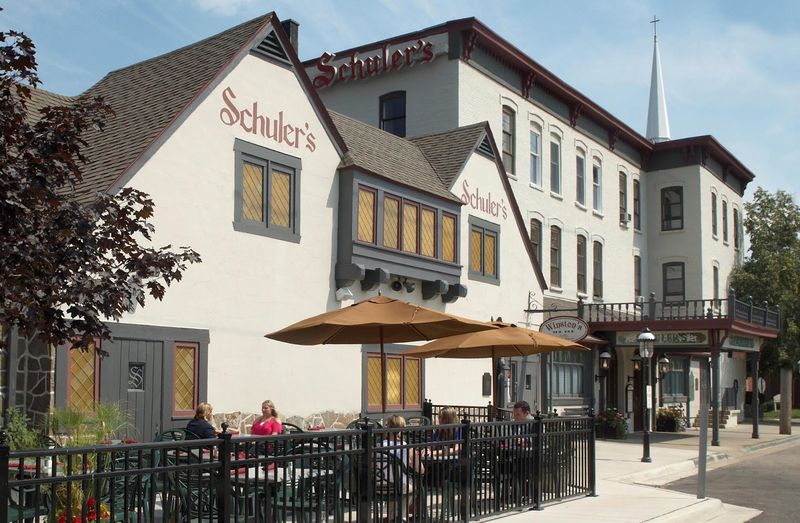
Family businesses that last over a century are rare, but Schuler’s has been feeding Michigan families since 1909. What started as a dining room inside a hotel grew into something much bigger.
The Schuler family believed in serving great food with genuine kindness, and that philosophy kept customers coming back generation after generation.
The restaurant became famous for its classic American dishes and warm atmosphere. Grandparents who ate here as children now bring their own grandchildren, creating memories that span decades.
The walls hold photos and artifacts from different eras, showing how the restaurant evolved while keeping its core values.
Running a restaurant for more than 100 years takes dedication and passion. Through economic ups and downs, changing food trends, and shifting communities, Schuler’s remained committed to quality and hospitality.
The family’s long-term vision turned a simple hotel dining room into a beloved Michigan landmark that continues serving tradition on every plate.
Sleder’s Family Tavern – Traverse City, Michigan
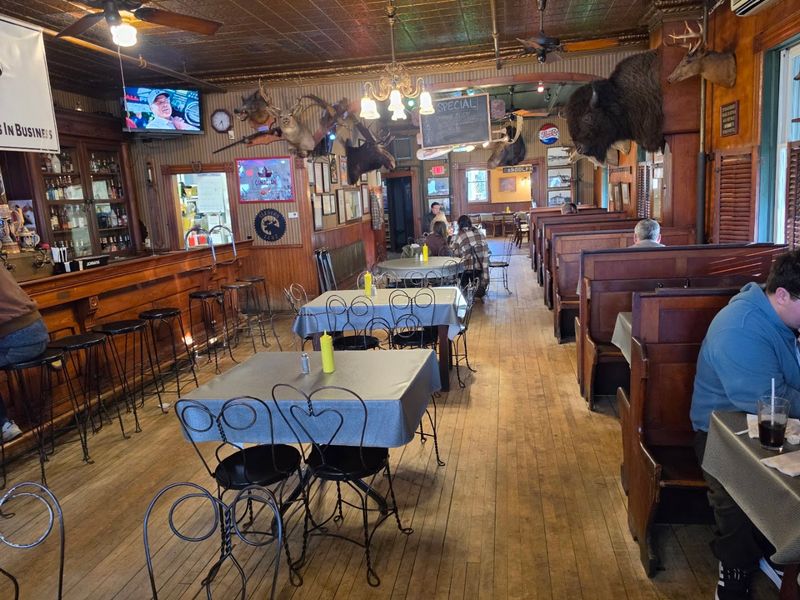
Lumberjacks needed a place to gather after long days cutting timber in Michigan’s northern forests. Sleder’s opened in 1882 to serve those hardworking men, offering drinks, food, and a warm place to share stories.
The tavern became part of the lumber boom that shaped Michigan’s economy and landscape.
The wooden bar inside is legendary, worn smooth by over a century of elbows resting on it. You’ll also find traditions that make visitors smile, like the mysterious sliding of shot glasses that seems to happen on its own.
These quirky touches give the tavern personality and make people remember their visit.
While Traverse City has changed from a lumber town to a tourist destination, Sleder’s hasn’t forgotten its roots. The vintage atmosphere transports you back to Michigan’s rough-and-tumble logging days.
Sitting at that famous bar, you’re connecting with workers, travelers, and locals who sat in the exact same spot more than 140 years ago.
Roma Café – Detroit, Michigan
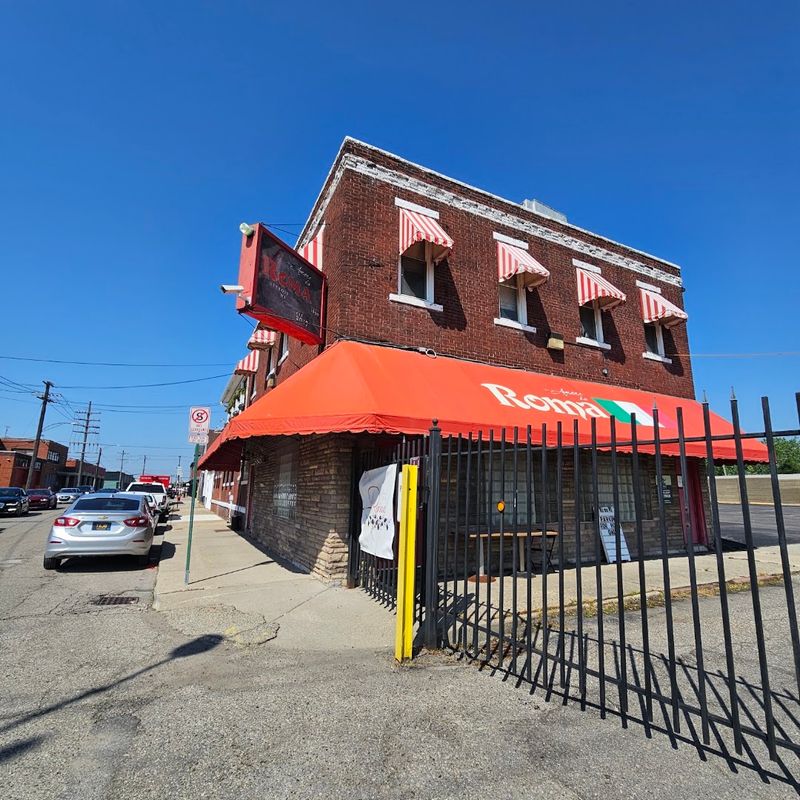
Italian immigrants arrived in Detroit with recipes, dreams, and determination to build better lives. In 1890, Roma Café opened to serve the growing Italian community, offering familiar flavors from home.
The restaurant became more than just a place to eat; it was a gathering spot where families celebrated weddings, shared news from Italy, and supported each other.
As Detroit grew into an industrial powerhouse, Roma Café grew too. What began as a small neighborhood spot gained a reputation that spread throughout the city.
The restaurant preserved authentic Italian cooking methods and family recipes passed down through generations, refusing to compromise quality for quick profits.
Today, Roma Café stands as Detroit’s oldest Italian restaurant and a testament to immigrant contributions. The families who started it helped shape Detroit’s culture, food scene, and neighborhoods.
Dining here means tasting history and honoring the courage of people who crossed an ocean to create something lasting.
Miller’s Bar – Dearborn, Michigan

Sometimes the best restaurants are the simplest ones. Miller’s Bar proves this by doing one thing extremely well: making delicious burgers in a no-nonsense setting.
Since 1941, this tiny joint has built a massive reputation without fancy decorations, trendy ingredients, or expensive marketing campaigns.
The space itself is small and unpretentious, with a bar, some tables, and a grill where magic happens. Regulars know to arrive early because seating fills up fast, and the burgers run out when they run out.
There’s no pretending to be something it’s not, which is exactly why people love it.
What turns a simple burger place into a historic landmark? Consistency, quality, and staying true to your vision.
While other restaurants chase trends, Miller’s keeps grinding out the same great burgers year after year. Dearborn residents treat it like a treasure, and visitors who discover it understand why word-of-mouth can be more powerful than any advertisement.
Jacoby’s German Biergarten – Detroit, Michigan
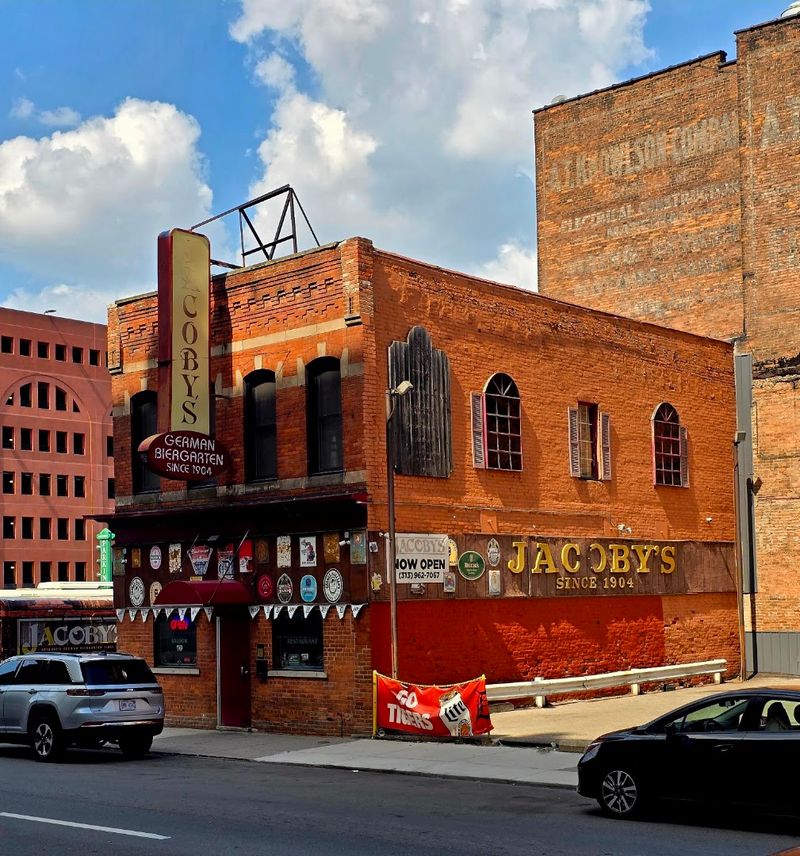
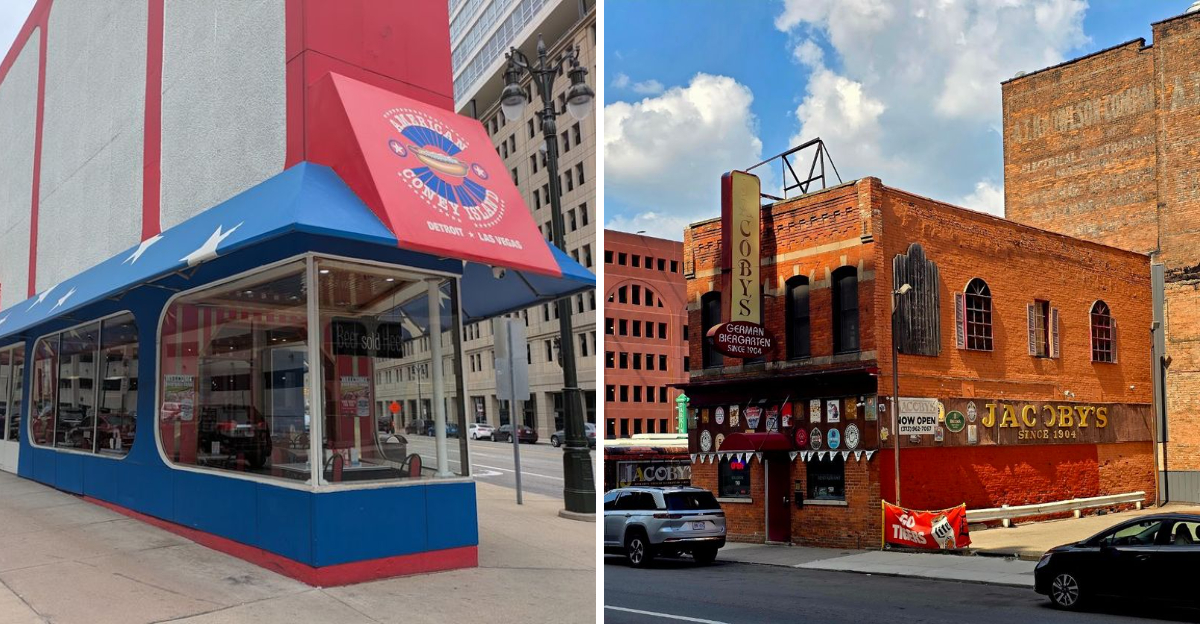
German immigrants brought more than work skills to Detroit; they brought culture, traditions, and recipes that enriched the entire city. Jacoby’s German Biergarten has preserved these traditions for generations, serving authentic German food in a setting that honors the neighborhood’s heritage.
The restaurant keeps alive flavors that might otherwise be forgotten.
Walking into Jacoby’s feels like entering a different world. The atmosphere reflects German beer garden traditions where people gather to eat, drink, and enjoy community.
You’ll find classic dishes prepared the old-fashioned way, using recipes that haven’t changed much since the restaurant’s early days.
Detroit’s German community played important roles in the city’s development, working in factories, starting businesses, and building neighborhoods. Jacoby’s serves as a living reminder of their contributions and cultural impact.
The restaurant proves that food can preserve history and connect present-day diners to the immigrant experiences that shaped Michigan cities.
Tahquamenon Falls Brewery & Pub – Paradise, Michigan
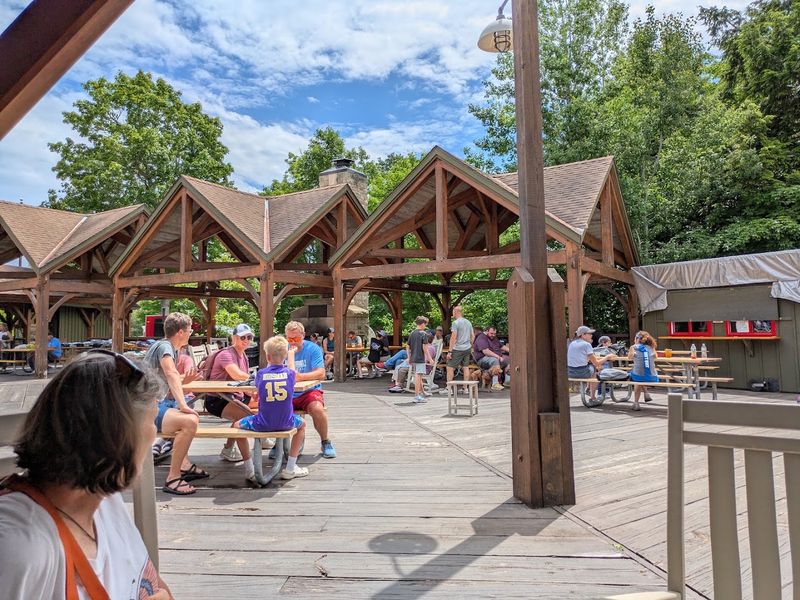
Michigan’s Upper Peninsula has always attracted outdoor lovers, and Tahquamenon Falls stands as one of its most spectacular natural features. Near these famous waterfalls, a small roadside stop grew into something much bigger.
The brewery and restaurant evolved alongside the region’s tourism, serving visitors who came to explore Michigan’s wild northern beauty.
Logging heritage runs deep in the Upper Peninsula, and this restaurant connects to that history while celebrating local flavors. The brewery makes beers inspired by the region, and the food reflects Upper Peninsula traditions.
It’s become a must-stop destination for people exploring the area, combining great meals with stunning surroundings.
What started as a convenient pit stop transformed into a beloved gathering place. The restaurant understands that people come to Paradise seeking authentic Upper Peninsula experiences, not generic chain food.
By honoring local culture and natural beauty, it earned its place in Michigan’s dining history.
The Whitney – Detroit, Michigan
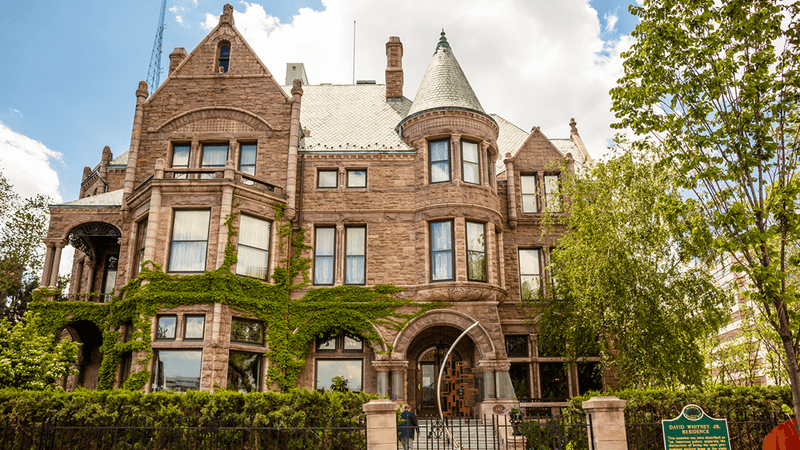
Lumber baron David Whitney Jr. built himself a spectacular mansion in 1894, filling it with the finest materials money could buy. Think carved woodwork, colorful stained glass, and grand staircases that showed off his wealth during Detroit’s Gilded Age.
The mansion represented success during a time when Detroit was growing rapidly and fortunes were being made.
After serving as a private home for decades, the mansion became a restaurant in the 1980s. This transformation gave regular people access to a building they could only dream about visiting before.
Now anyone can dine surrounded by the same elegant details that once impressed Detroit’s high society.
Eating at The Whitney isn’t just about food; it’s about experiencing Detroit’s prosperous past. The preserved Victorian features transport you to an era of grand parties and elaborate dinners.
This restaurant proves that historic buildings can find new purposes while maintaining their beauty and significance for future generations.
New Hudson Inn – New Hudson, Michigan
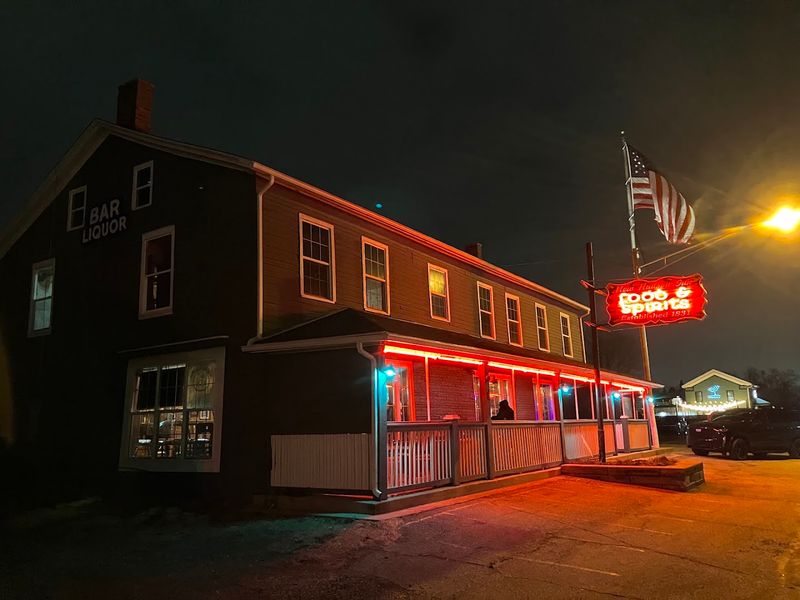
Before modern highways crisscrossed Michigan, travelers relied on different routes and roadside stops. New Hudson Inn served these travelers for generations, offering food, drinks, and friendly faces along the journey.
The inn witnessed Michigan’s transportation evolution from dirt roads to paved highways, adapting while keeping its historic character intact.
Old-fashioned neighborhood taverns like this one created community bonds that modern chain restaurants can’t replicate. Locals knew they’d see familiar faces, and travelers found welcoming strangers who might share local stories or directions.
The building itself holds memories of countless conversations, celebrations, and simple meals shared between people.
Many historic inns have been torn down or completely modernized, losing their original charm. New Hudson Inn resisted this trend by preserving its tavern atmosphere and connection to Michigan’s past.
It remains a community favorite precisely because it honors its heritage rather than erasing it for trendy updates that might not last.
American Coney Island – Detroit, Michigan
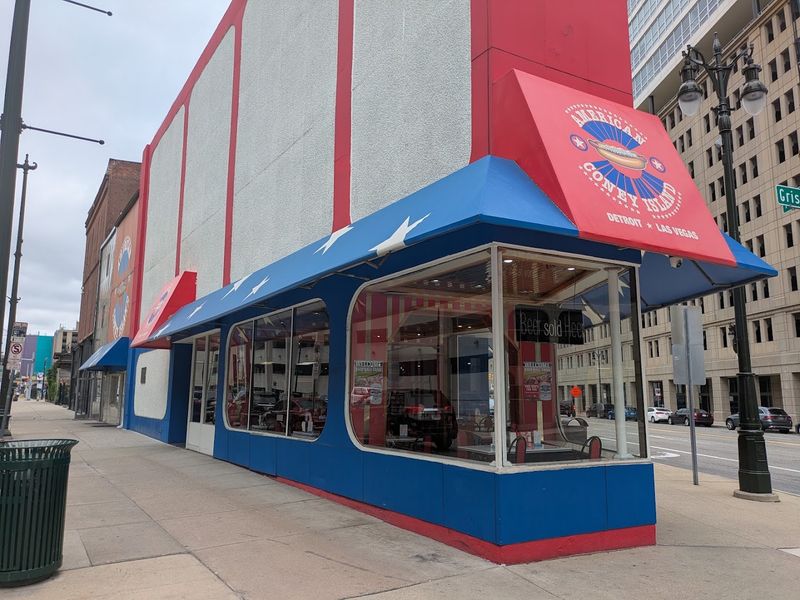
Detroit’s coney dog tradition started with immigrant entrepreneurs who created something uniquely Michigan. American Coney Island, founded in 1917, played a starring role in making this happen.
The restaurant served simple, affordable food that working people could enjoy, and the coney dog became Detroit’s signature street food.
Downtown Detroit workers, late-night crowds, and tourists have all squeezed into American Coney Island’s tight quarters for over a century. The restaurant sits right next to its famous rival, creating a legendary competition that adds to Detroit’s food folklore.
People debate passionately about which coney joint makes better dogs, keeping both businesses thriving.
What makes a simple hot dog restaurant historically significant? American Coney Island helped define Detroit’s food identity and immigrant success stories.
The coney dog represents how different cultures blend together to create something new and delicious. This unassuming downtown spot proves that humble food served with heart can become a lasting cultural icon.