Iowa’s historic downtowns hold a quiet kind of magic that rewards a slower pace and a curious eye.
Brick storefronts, century-old opera houses, and hand-painted signs still line these small-town main streets.
Each block carries stories of immigrant settlers, riverboat trade, and Main Street revivals that shaped the state. You can wander from a family bakery to a restored theater without ever needing a map.
Local shop owners are happy to share the tale behind a building or a mural if you simply ask.
From river towns to farm communities, every downtown here has its own personality and hidden surprises.
Grab a coffee, take your time, and let these eleven charming districts show you a side of Iowa many travelers miss.
1. Dutch Bricks and Blooming Streets, Pella, Marion County
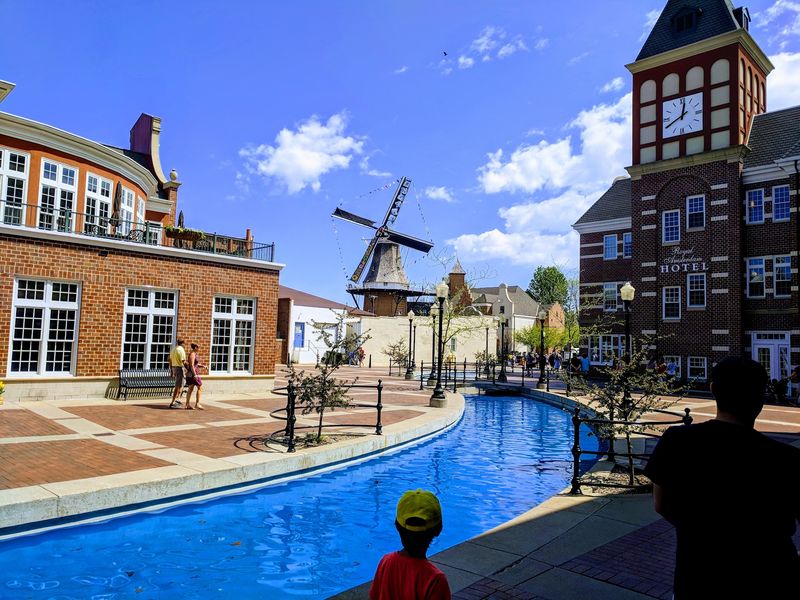
Fresh tulips, tidy brick walks, and bakery smells make a first stroll feel almost storybook.
In Pella, the downtown grew from Dutch settlers who arrived in 1847 seeking religious freedom and a new start.
Look for the Vermeer Windmill, the Molengracht canal area, and storefronts with stepped gables that echo the Netherlands.
Even small signs and window displays often carry clues about family businesses, crafts, and old-world traditions.
Plan extra time for a bakery stop, because Dutch letters and almond pastries are part of the local experience.
The best visit is during Tulip Time, but weekdays outside the festival are calmer for photos and slow exploring.
History fans should add the Pella Historical Village, where restored buildings show school, church, and home life from earlier days.
Bring comfortable shoes, since the fun is in noticing carved trim, flower beds, and little plaques along the way.
Parking is usually easier near the square, then you can wander without rushing.
Before leaving, pause by the canal, because Pella proves a small downtown can keep immigrant roots bright, welcoming, and useful for every curious visitor today.
2. Norwegian Echoes on Water Street, Decorah, Winneshiek County
Cold spring water, painted storefronts, and bluff views give this downtown a lively mountain-town feeling.
Decorah sits in northeast Iowa, where Norwegian settlers helped shape the shops, festivals, food, and family stories that still fill Water Street.
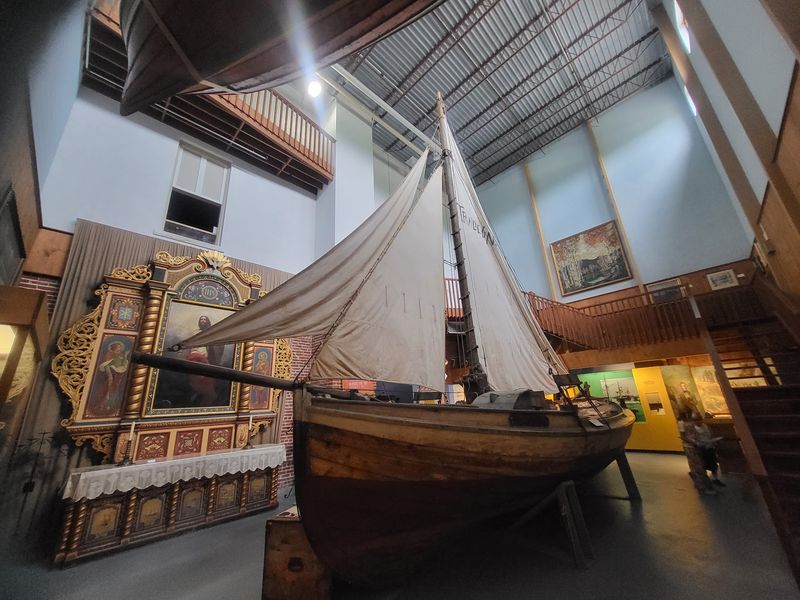
Start with the Vesterheim Norwegian-American Museum, which explains immigration, folk art, rosemaling, and the courage behind long ocean journeys.
Afterward, walk the downtown blocks and notice how old brick buildings now hold bookstores, cafes, galleries, and outdoor stores.
The hidden stories here are not locked behind glass.
They appear in carved bowls, church records, local menus, and the way people still celebrate Nordic music and crafts.
If you enjoy nature with history, pair the downtown with nearby Dunning Spring or the Trout Run Trail.
Morning is a smart time to visit, especially if you want easier parking and quiet photos.
Ask shopkeepers about local makers, because many can point you toward quilts, pottery, or snacks with real Decorah roots.
For families, the museum offers a clear way to connect a pretty street with real people who built new lives far from home.
That mix makes Decorah feel thoughtful, active, and deeply human.
3. Covered Bridges and Courthouse Corners, Winterset, Madison County
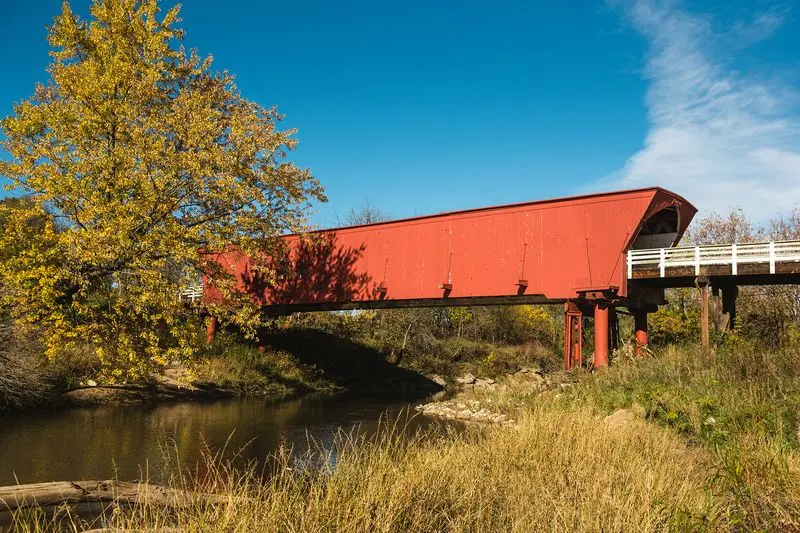
A handsome courthouse square sets the stage before the famous covered bridges even enter the story.
Winterset is the Madison County seat, and its downtown gives visitors a friendly base for exploring one of Iowa’s most beloved historic areas.
The 1876 courthouse stands at the center, surrounded by shops, restaurants, and brick buildings that reward slow walking.
Movie fans often come because The Bridges of Madison County brought worldwide attention to the area’s romantic wooden bridges.
Downtown also has its own surprises.
The Iowa Quilt Museum brings color and craft into the square, while the John Wayne Birthplace Museum nearby shares the early life of a film icon.
Together, they show how one town can hold art, cinema, pioneer roads, and family memories in a few walkable blocks.
Pick up a bridge map before driving into the countryside, since some routes are gravel and cell service can vary.
Back in town, grab lunch near the square and study the old upper-story windows, where offices and meeting halls once buzzed.
Fall is especially pretty, but any clear day works well.
Winterset feels like a scrapbook you can walk through, one page at a time.
4. Riverboat Tales and Antique Signs, Le Claire, Scott County
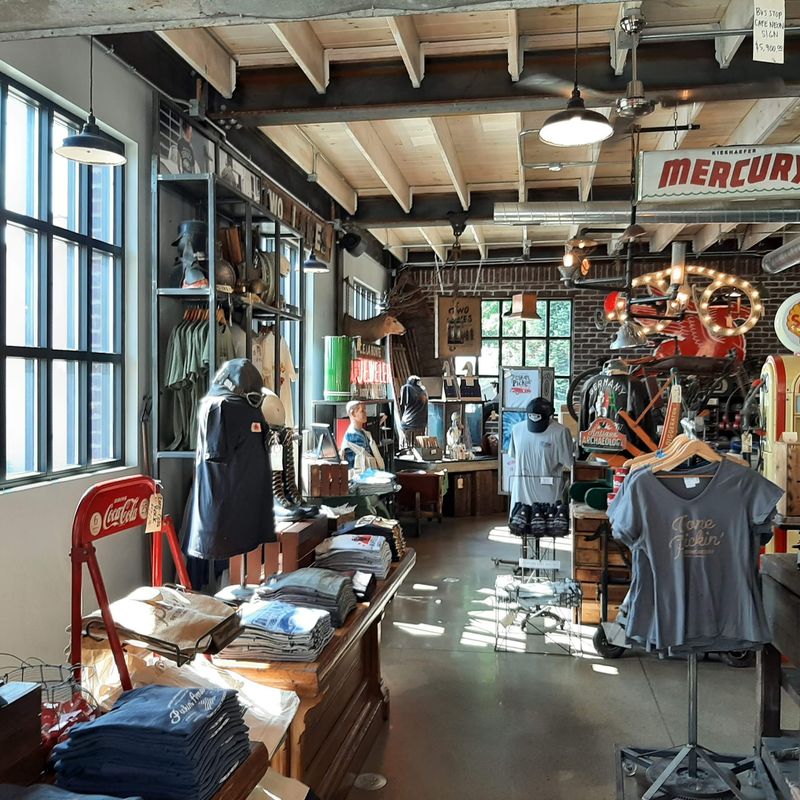
River traffic still feels close enough to touch along this narrow, busy stretch of downtown.
Le Claire rests on the Mississippi River, where pilots once needed sharp skill to guide boats through tricky rapids.
That river history is tied to Buffalo Bill Cody, who was born nearby in 1846, and to the town’s long role in shipping and trade.
Today, Cody Road is lined with antique stores, gift shops, tasting rooms, and old buildings that face the water.
The Buffalo Bill Museum is a smart first stop because it explains steamboats, local life, and the famous showman without making history feel dusty.
From there, walk toward the riverfront and watch barges move past, just as working boats have done for generations.
Fans of vintage treasures may recognize the town from American Pickers, but the real charm is older than television.
Come on a sunny afternoon if you want bright river views, or near sunset for softer photos.
Parking can fill during festivals, so arrive early on weekends.
Leave time to read historical markers and look up at second-floor brickwork.
Le Claire turns the Mississippi into a moving timeline, with every horn blast adding another chapter.
5. A River Valley with Global Roots, Elkader, Clayton County
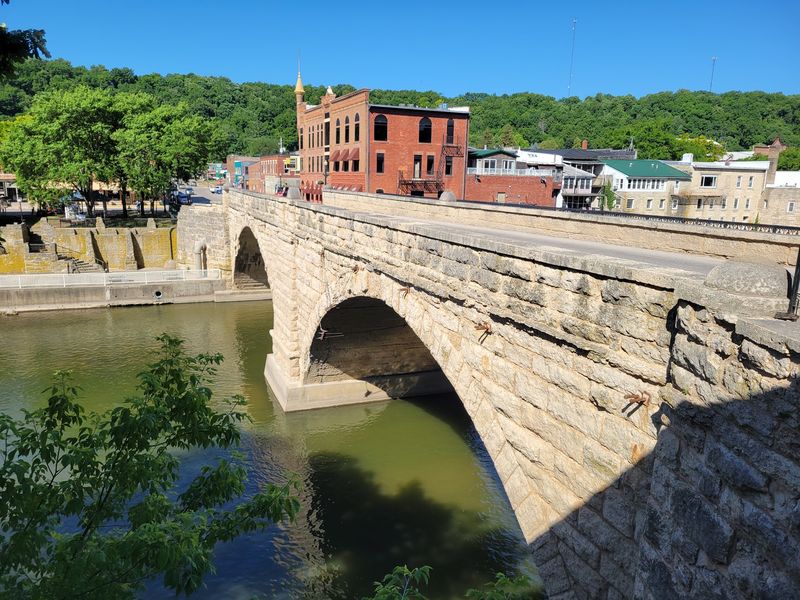
Stone walls, river bends, and hillside views make this town feel quietly dramatic from the first glance.
Elkader was named for Emir Abd el-Kader, an Algerian leader admired by the town’s founders in the 1840s.
That unusual name is one of Iowa’s most interesting hidden stories, linking a small Turkey River community to world history.
Downtown’s limestone buildings, historic bridge, and riverfront setting give the place a strong sense of age and character.
Start near the Keystone Bridge, then follow the streets past shops, cafes, and preserved facades.
Many buildings were shaped by local stone and by the practical needs of mills, merchants, and travelers.
The Carter House Museum can help visitors understand daily life, early settlement, and the area’s changing economy.
Elkader is a good stop for people who like history without crowds.
Bring a camera, because the mix of water, stone, and storefronts creates great views in almost every season.
If you have extra time, drive through the surrounding Driftless Area, where hills and valleys look different from much of Iowa.
Back downtown, read the name again and remember how far a story can travel.
Here, local pride and global memory share the same streets.
6. College Charm on a Brick Main Street, Mount Vernon, Linn County
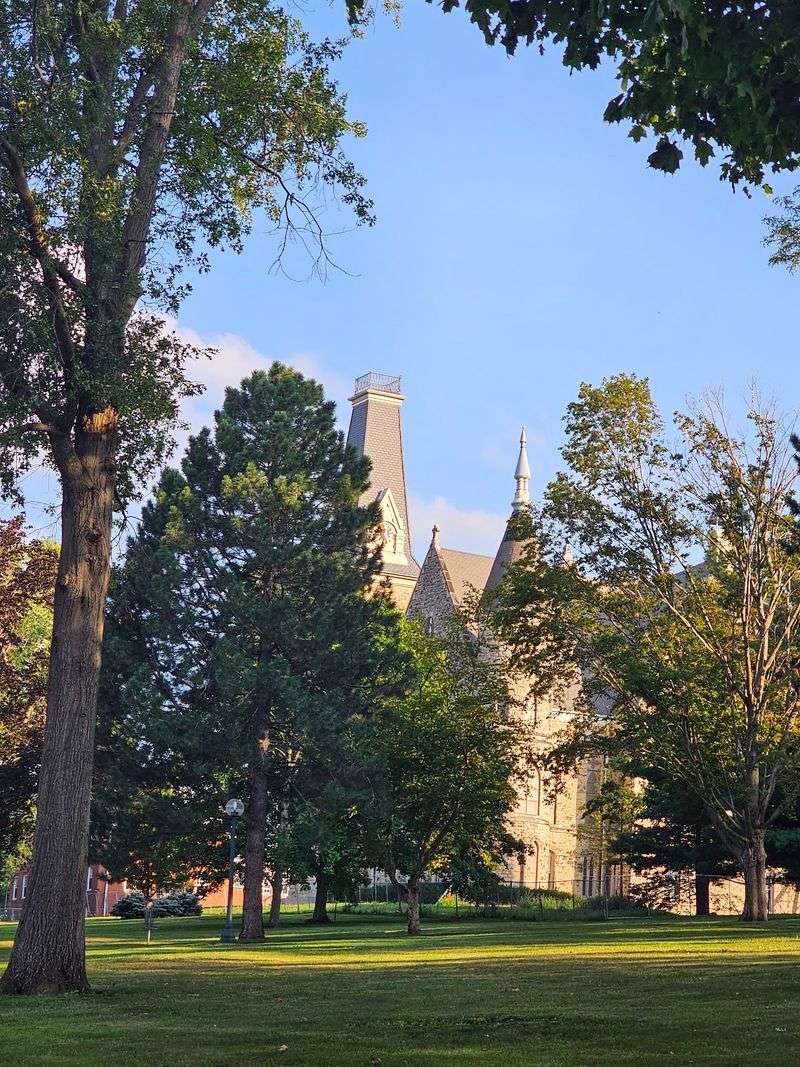
There is a cheerful college buzz here, but the old storefronts keep the mood grounded in the past.
Mount Vernon sits beside Cornell College, whose hilltop campus is known for handsome stone buildings and a long academic tradition.
Downtown is compact, colorful, and easy to explore on foot, with brick shops, public art, cafes, and local events that spill onto Main Street.
The connection between town and college gives the area a thoughtful energy, where bookish corners meet small-town friendliness.
Look closely at the building fronts, because many upper windows and cornices show how the commercial district grew during Iowa’s railroad and market-town years.
The First Street Community Center, housed in a former school, adds another layer with studios, classes, and community gatherings.
That reuse helps visitors see how historic spaces can stay useful instead of becoming frozen displays.
Visit during a festival if you like music and busy sidewalks, or choose a weekday for a slower pace.
Wear good walking shoes, since the campus hill is worth the climb for views and architecture.
Students, artists, and longtime residents all leave marks here.
Mount Vernon feels creative without feeling crowded, making it a smart stop for travelers who enjoy history with a spark of young ideas.
7. Communal Kitchens and Quiet Craft, Amana, Iowa County
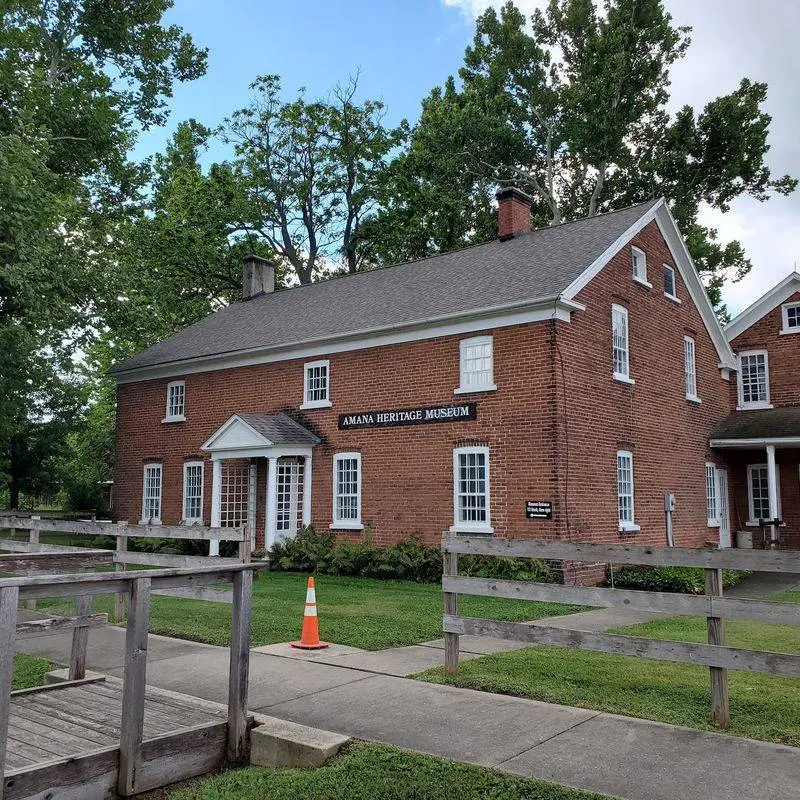
At first, the calm streets seem simple, until you learn how carefully this community once worked together.
Amana is part of the Amana Colonies, founded by German Pietists who practiced communal living for many decades.
In the historic village center, old kitchens, woolen shops, furniture stores, and sandstone or brick buildings tell a story of shared labor and faith.
People ate in communal kitchens, worked in assigned trades, and built a way of life that lasted until the Great Change in 1932.
Visitors can start at the Amana Heritage Museum to understand the colonies before shopping or eating.
That background makes the bakeries, meat shops, and craft stores feel less like tourist stops and more like pieces of a living tradition.
Look for practical design in the buildings, since many were made for work, storage, and community needs.
Go hungry, because family-style meals, smoked meats, and pastries are part of the experience.
Weekends are lively, while mornings give quieter views of gardens and lanes.
The full Amana Colonies include several nearby villages, so leave time for a short drive.
Amana shows that hidden history can be found in recipes, tools, wool blankets, and the steady rhythm of ordinary work.
8. Artful Storefronts and Big Ideas, Fairfield, Jefferson County
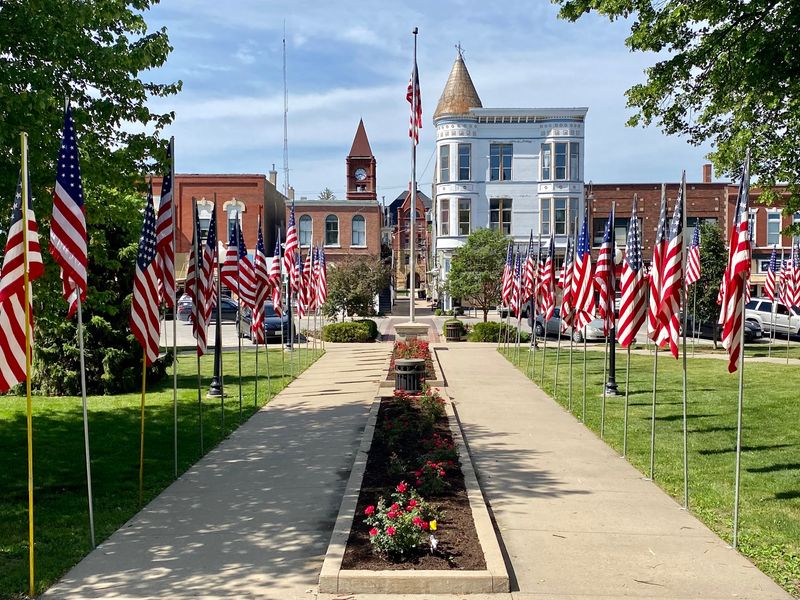
Color, music, and conversation seem to pop out from every side street around the square.
Fairfield has a historic downtown centered on the Jefferson County Courthouse, but its personality stretches far beyond a typical county-seat scene.
Old brick buildings hold cafes, shops, galleries, and performance spaces, while murals and public art add a fresh layer to the streetscape.
The town is also known for Maharishi International University, which brought people from around the world and gave Fairfield an unusually global feel.
That mix of courthouse history, farm-town roots, and creative culture makes the downtown especially fun to explore.
You might find a restored facade, a meditation center, a local band poster, and a farm-to-table menu all within a short walk.
Instead of one single story, Fairfield offers many overlapping ones.
Start with a loop around the square, then step into shops that feature Iowa-made art, books, or food.
Check event calendars before visiting, because concerts, markets, and theater nights can change the whole mood.
Street parking is usually straightforward, though big events bring more traffic.
Fairfield rewards open-minded wandering.
It reminds visitors that historic downtowns are not only about the past, since they can also become places where new ideas keep arriving.
9. Baseball Dreams Beside Basilica Towers, Dyersville, Dubuque County
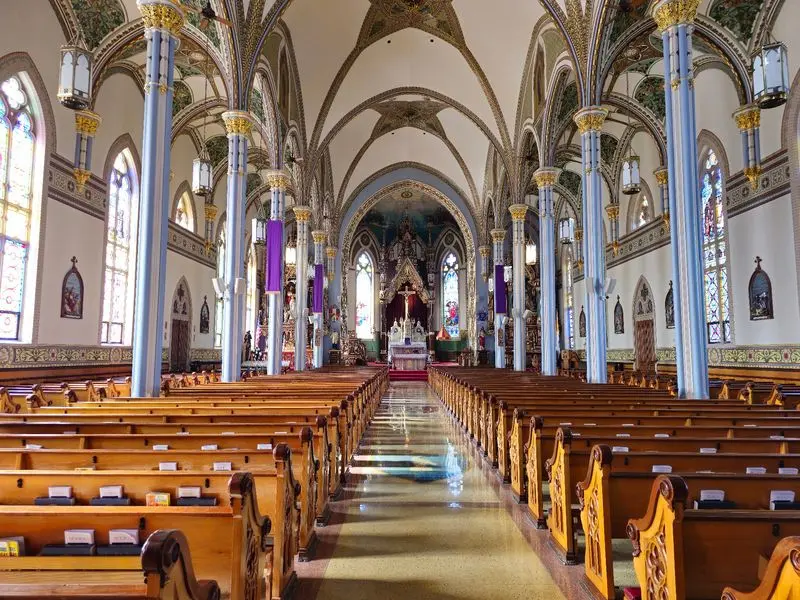
Few Iowa towns mix grand church towers and baseball magic quite like this one.
Dyersville’s downtown is watched over by the twin spires of the Basilica of St. Francis Xavier, a stunning landmark that shows the strength of the area’s Catholic immigrant history.
Inside, detailed stained glass, tall arches, and carved features make the church feel much larger than expected in a small city.
Nearby streets include older storefronts, local restaurants, and community spaces tied to farming, faith, and family life.
Many travelers know Dyersville because the Field of Dreams movie site sits outside town.
Still, downtown deserves time of its own before or after that famous stop.
The National Farm Toy Museum is another highlight, especially for anyone who grew up around tractors or wants to understand Iowa’s farm culture in miniature form.
Visit the basilica respectfully, checking hours and service times before entering.
Then walk the nearby blocks and notice how the church towers appear between buildings like a compass point.
Baseball fans should allow extra time during special events, when crowds grow quickly.
Dyersville feels sincere and proud, with hidden stories found in pews, toy tractors, storefront signs, and a ballfield that made people believe in second chances.
10. Lake Breezes and Rock and Roll Memories, Clear Lake, Cerro Gordo County
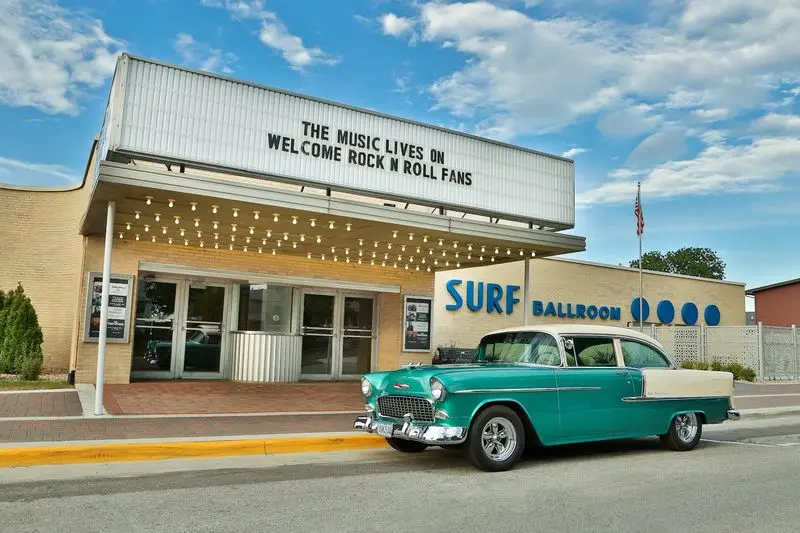
Summer air feels different here, with lake wind, music history, and vacation energy sharing the same streets.
Clear Lake’s downtown sits close to the water, so shops, restaurants, and parks all feel tied to boating, fishing, and family trips.
The biggest hidden story is the Surf Ballroom, where Buddy Holly, Ritchie Valens, and J. P.
Richardson, known as The Big Bopper, played their final show in 1959.
That night became part of rock and roll history, and the ballroom still welcomes visitors, concerts, and music fans.
Beyond the famous venue, downtown Clear Lake has a classic resort-town feel.
Older buildings, lake cottages nearby, and seasonal events show how people have come here for rest and fun for generations.
Walk toward City Park for water views, then loop back for ice cream, coffee, or a meal.
Summer weekends are busy, so arrive early if you want easy parking.
Winter visits are quieter and can make the Surf Ballroom feel even more powerful.
Music lovers should also consider the nearby crash site memorial, approached with respect because it marks a real tragedy.
Clear Lake proves that a cheerful downtown can carry deep memories, especially when songs, shoreline, and local pride meet.