

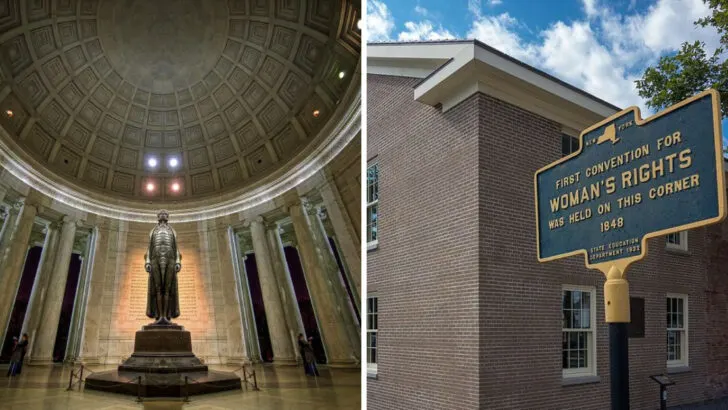
Freedom in America is not just an idea, it is a landscape you can walk, touch, and feel.
From soaring statues to quiet meeting halls, each place tells a story about how liberty was imagined, fought for, and expanded.
As you explore these sites, you begin to see how freedom is both a promise and a practice, renewed by every generation.
Let this guide help you plan meaningful visits that connect past struggles to the choices you make today.
Statue of Liberty (New York City, NY)
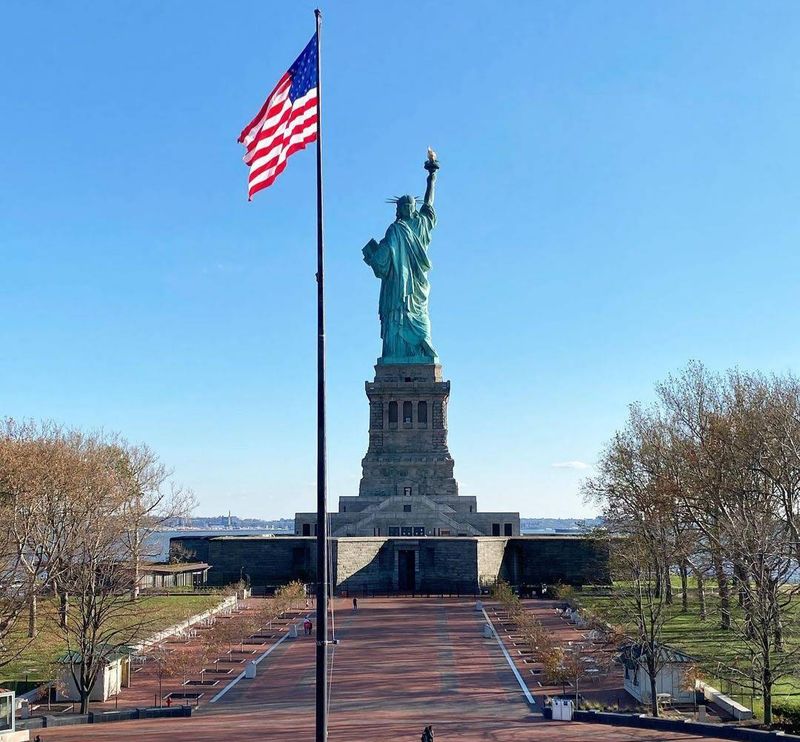
There is a moment on the ferry when the wind shifts and you first catch the full sweep of Liberty Island. Lady Liberty rises from the harbor with her torch lifted high, a familiar figure that still surprises in person. The copper has weathered to sea green, but the symbolism remains vivid: enlightenment in the torch, law in the tablet, and hope in the gaze toward open water.
Gifted by France in 1886, the statue celebrated a shared belief that governments should answer to the people. Its unveiling followed a grassroots effort, with ordinary donors funding the pedestal penny by penny. At her feet, broken chains signal liberation from tyranny, a detail easy to miss until you circle around and look closely.
Millions of immigrants saw this monument after long Atlantic crossings, reading possibility into the skyline beyond. You can still feel that emotion at the museum, where artifacts and stories capture the journey and the nerves of first arrival. Step outside, and the city hums like a promise kept.
The climb to the crown requires reservations and a bit of grit, but the view makes the effort feel like ritual. Looking out, you understand how symbol and city shaped each other, how light and liberty define the horizon. Bring comfortable shoes and patience for security, then give yourself time just to stand and breathe.
Liberty remains a verb here, an action more than a word. The statue does not conclude the story, it invites you into it. Let the wind, the salt, and that steady flame remind you why freedom requires both courage and welcome.
Independence Hall (Philadelphia, PA)
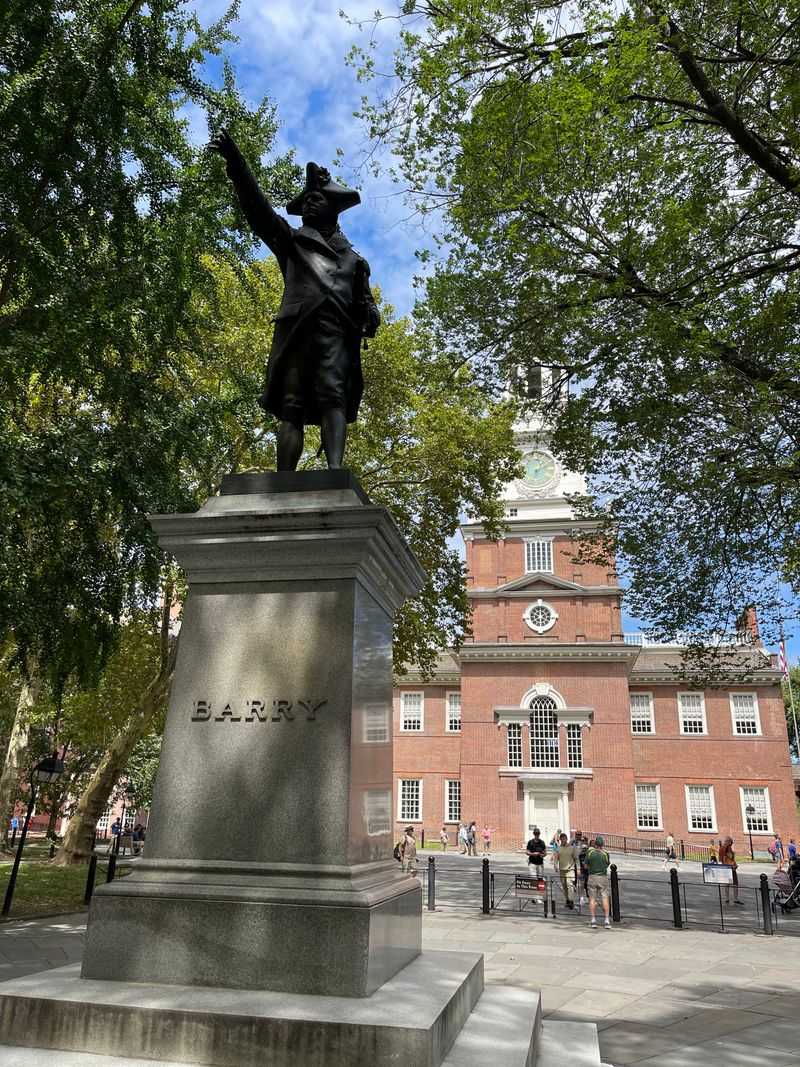
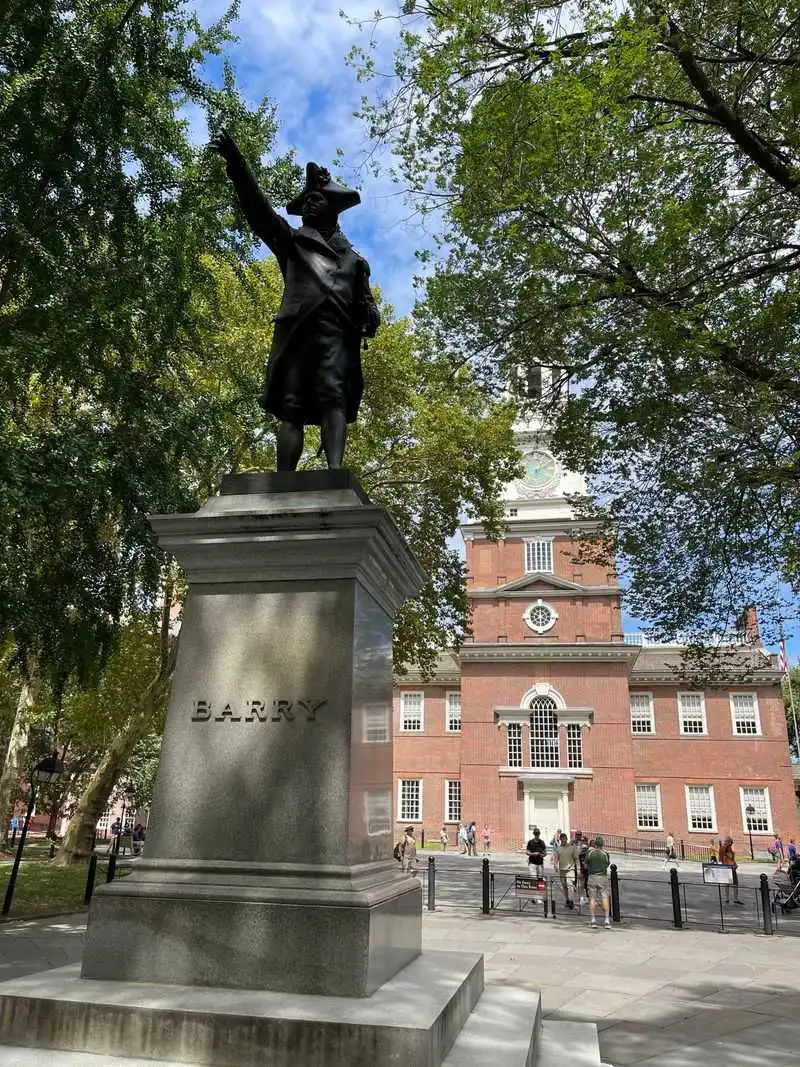
Walk into the Assembly Room and the air feels charged, as if debate still lingers between paneled walls. Here, delegates argued, revised, and finally adopted the Declaration of Independence and later the U.S. Constitution. The room is modest, the furniture practical, yet the ideas born here reached far beyond the windows.
You can stand by the Rising Sun chair and imagine the tension of 1776, quills scratching, tempers quickening. Guides explain how compromise and conviction shared the table, how freedom had to be wrestled from uncertainty. Nearby, the ink of revolution dried while war loomed and futures hinged on signatures.
Outside, the bell once associated with liberty waited in the tower, its crack not yet a legend. Streets that now host food carts and school groups once echoed with the steps of messengers and militias. The scale helps you see that big changes can grow from tight rooms and meticulous drafts.
Philadelphia invites you to slow down and read the words that changed the world. The park includes exhibits that show early printers, newspapers, and the rhythms of colonial life. You learn that freedom depended not only on lofty rhetoric but on logistics and relentless organizing.
Reserve timed tickets, arrive early, and let the guide’s stories fill the spaces between chairs and inkstands. When you step back into the sunlight, you carry a new respect for deliberate decision making. The hall reminds you that liberty is argued into being, then tested in public life.
Liberty Bell (Philadelphia, PA)
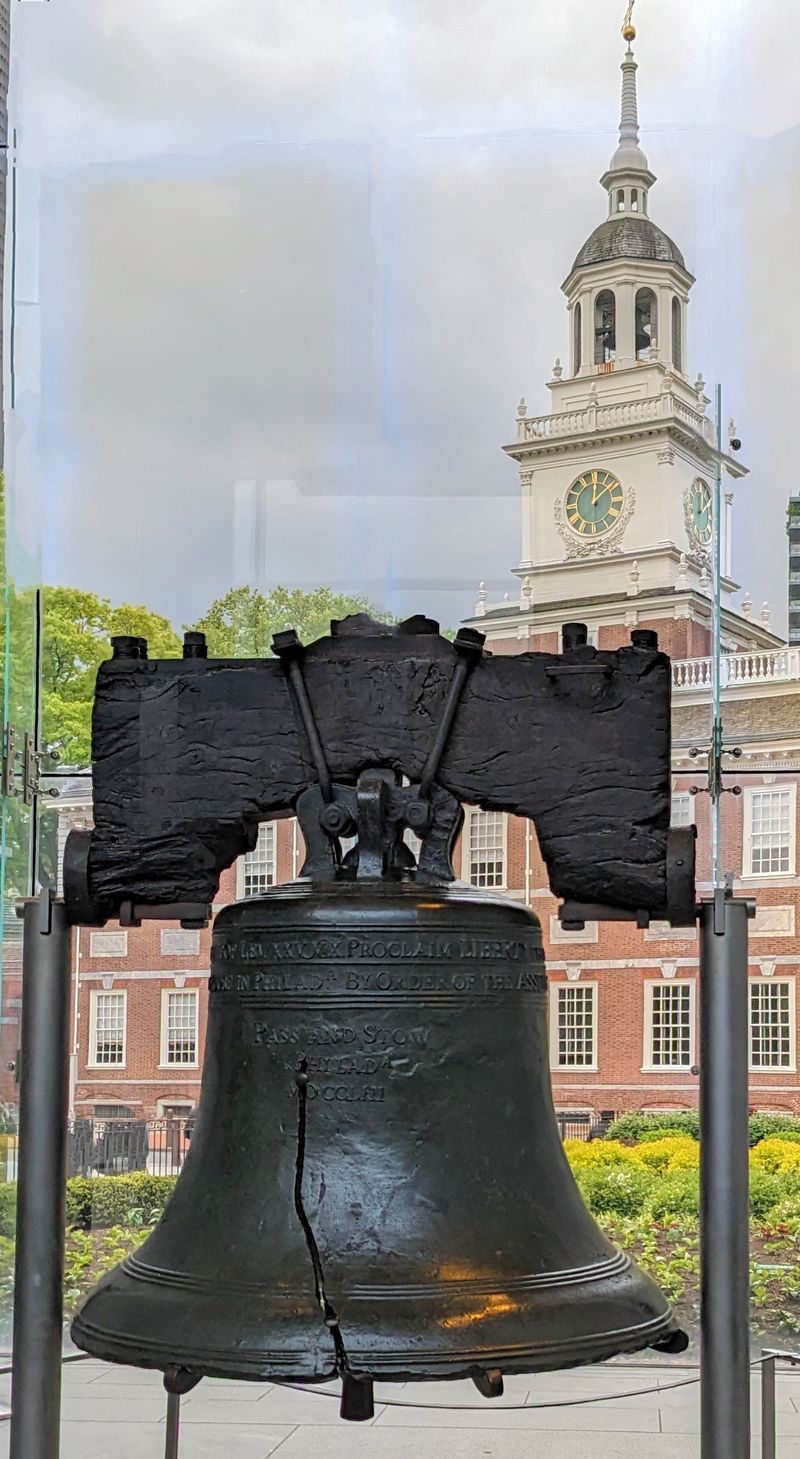
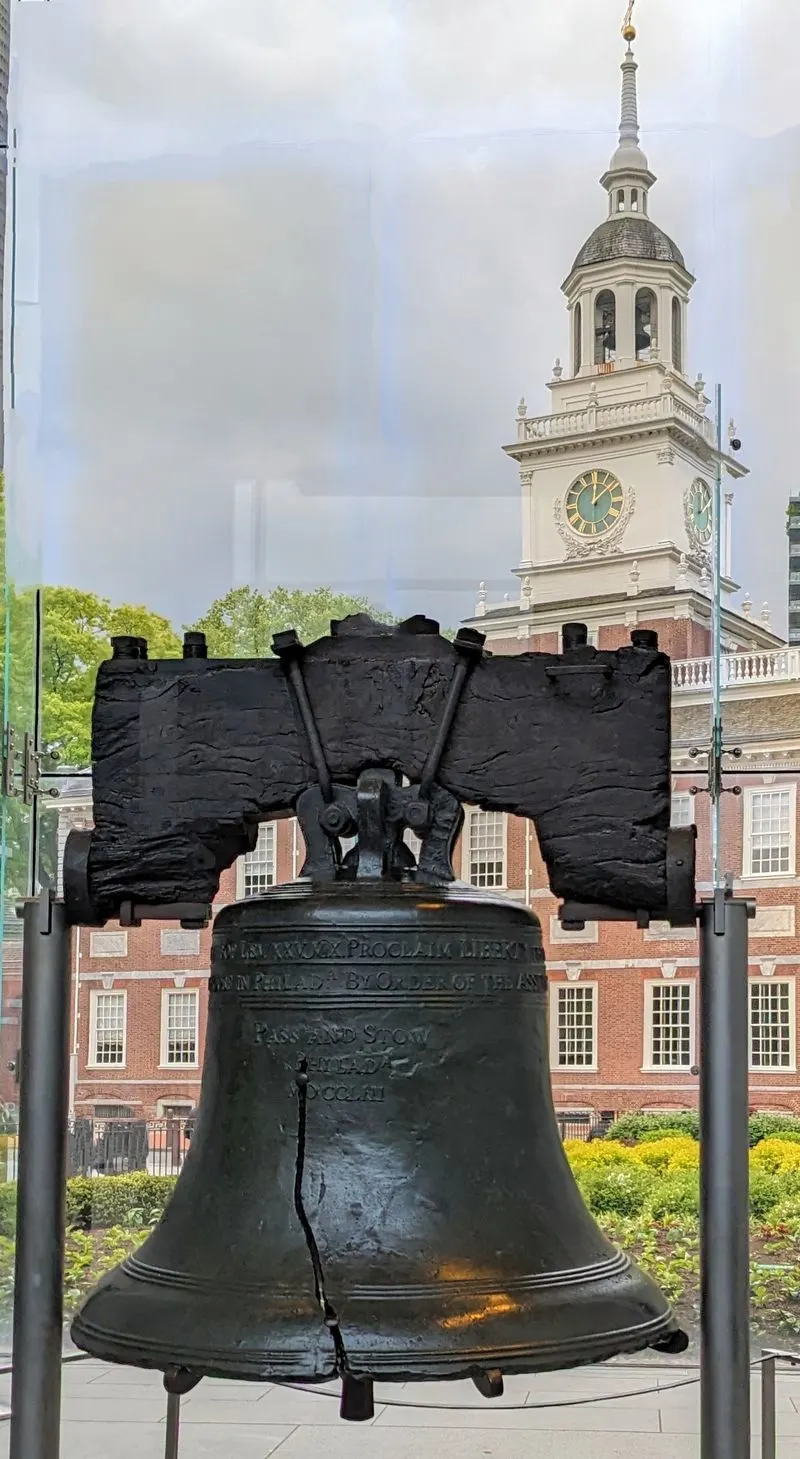
When you turn the corner and see the crack, your eyes go straight to imperfection. The Liberty Bell’s flaw makes it honest, a reminder that freedom’s message is carried by weathered voices. Its inscription calls out across time: proclaim liberty throughout all the land unto all the inhabitants thereof.
The bell did not ring on July 4, 1776, yet it rang loudly in the imagination of abolitionists decades later. Activists adopted it as a banner for emancipation, proof that symbols can evolve as justice expands. In the museum, panels trace how communities claimed the bell for different causes, always returning to the idea of universal rights.
Through glass, Independence Hall stands across the street like a conversation partner. You can frame both in a single view, words cast in metal and ideas penned in ink. That pairing helps you see liberty as both declaration and practice, lofty goal and daily work.
Visiting is straightforward, with security screening and a steady flow of people. Take your time reading the stories of repair attempts, public exhibitions, and civic pilgrimages. You might catch a quiet moment near closing, when reflection comes easier.
The bell’s silence speaks with surprising power. It refuses perfection and still insists on proclamation. Standing there, you feel invited to continue the sentence that began in bronze.
Gettysburg National Military Park (Gettysburg, PA)
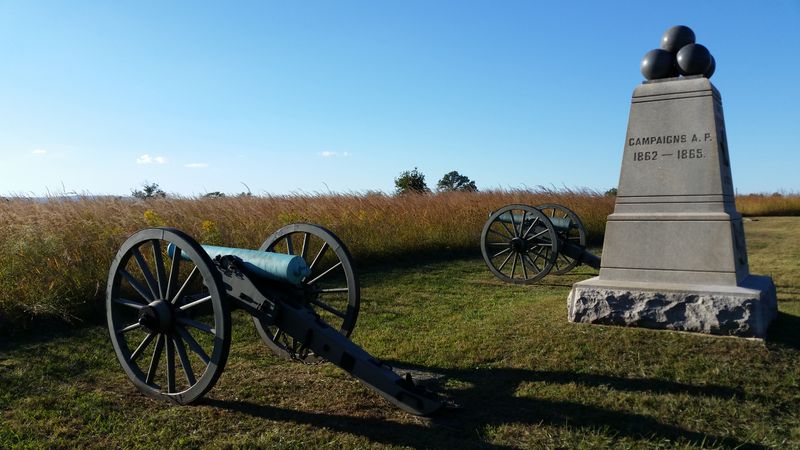
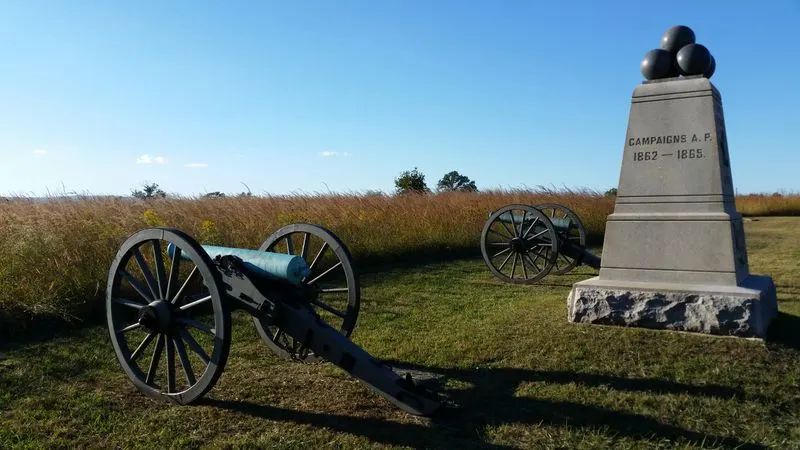
The rolling fields of Gettysburg seem peaceful until you learn the ground beneath carries three days of struggle. July 1863 turned fences and ridges into lines of decision where the Union held and the Confederacy failed. Walking here, you feel how terrain and tactics shaped the war’s turning point.
The museum orients you with artifacts and the Cyclorama, a sweeping painting that drops you into Pickett’s Charge. Then the auto tour traces Seminary Ridge, Little Round Top, and the Angle. At each stop, monuments speak quietly, names and regiments etched into granite and bronze.
Lincoln arrived months later to consecrate the cemetery and redefine the nation’s purpose. In fewer than 300 words, he reframed freedom as a promise owed to all, not just a possession of some. Read the address on site and it lands differently, paired with the wind and the steady rows of graves.
Guides can help you picture troop movements and the human cost behind them. You notice the small details: a stone wall, a farm lane, a line of trees giving cover. The ordinary landscape becomes a lesson in consequence and courage.
Give yourself a full day and comfortable shoes. Sunrise or sunset adds solemn light to the fields and statues. The park teaches that preserving a union demands sacrifice and renewed dedication to equal liberty.
Lincoln Memorial (Washington, D.C.)
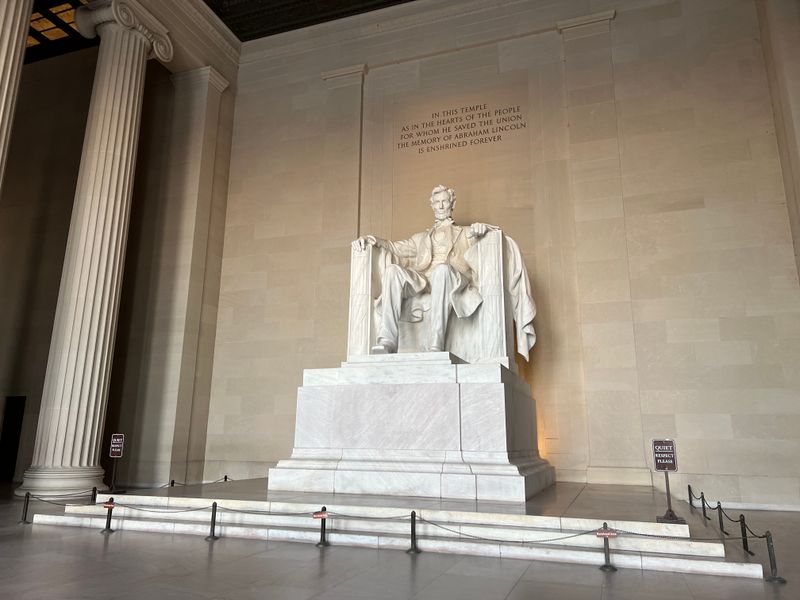
Climb the steps, turn, and the Reflecting Pool stretches toward the Washington Monument like a long breath. Inside the chamber, Lincoln sits steady, gaze lifted, hands balanced between resolve and restraint. His words flank him in carved stone, phrases that sound like steady thunder in quiet minds.
This memorial honors the leader who preserved the Union and pushed the nation toward emancipation. It later became a stage for civil rights, most famously when Dr. King delivered his I Have a Dream speech. The echoes of those crowds still live in the marble and the water outside.
Go early or late to feel the calm before tour buses arrive. Light changes everything here, turning columns into soft pillars at dawn and sharp ribs at noon. You can hear languages from around the world, proof that the idea of liberty travels widely.
Park rangers share thoughtful context about design choices, from the Greek temple form to symbolic inscriptions. The steps invite rest, conversation, and reflection, making it both monument and meeting place. Stand in the speech marker and try reading a line aloud, letting the space hold your voice.
Leave with a renewed respect for patience, courage, and the slow craft of union. The memorial asks you to be worthy of the sacrifices it represents. In that quiet, you feel freedom as a commitment to one another.
Martin Luther King Jr. National Historical Park (Atlanta, GA)
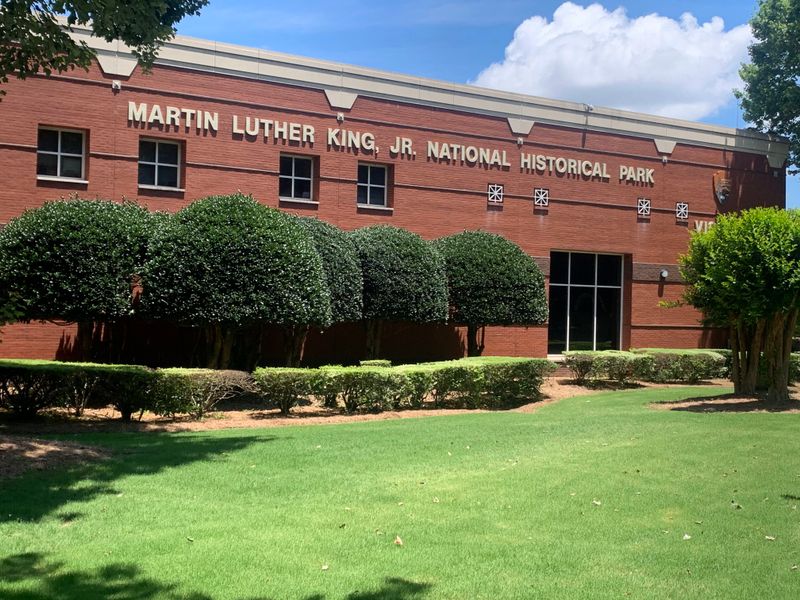
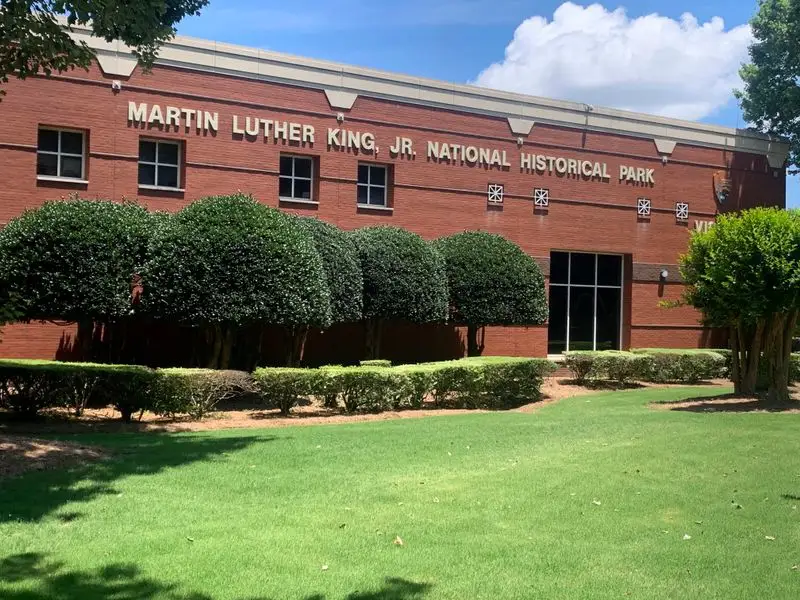
Here, the civil rights movement feels close enough to reach. You can visit Dr. King’s birth home, Ebenezer Baptist Church, and the reflecting pool where he and Coretta Scott King rest. The neighborhood setting makes the story personal, rooted in porches, classrooms, and hymn-filled Sundays.
Inside exhibits, nonviolence is not an abstract theory but a disciplined practice. You see training manuals, arrest records, and photos that capture courage under pressure. The message is simple and demanding: love, organize, march, and keep going when the night gets long.
Step into the sanctuary and the wooden pews invite you to sit, breathe, and listen. Recorded sermons carry conviction across decades, speaking to justice in everyday choices. Outside, the eternal flame steadies your focus on unfinished work.
Rangers and volunteers share local stories that anchor national headlines. Children ask sharp questions, and adults leave with action lists folded in pockets. The park’s layout encourages walking between sites, turning the visit into a gentle pilgrimage.
Give yourself time to linger, read the small placards, and stand on sidewalks where marches formed. You leave understanding that freedom moves on two feet and speaks in community voices. Courage feels teachable here, and you are invited to practice it.
Ellis Island (New York Harbor, NY)
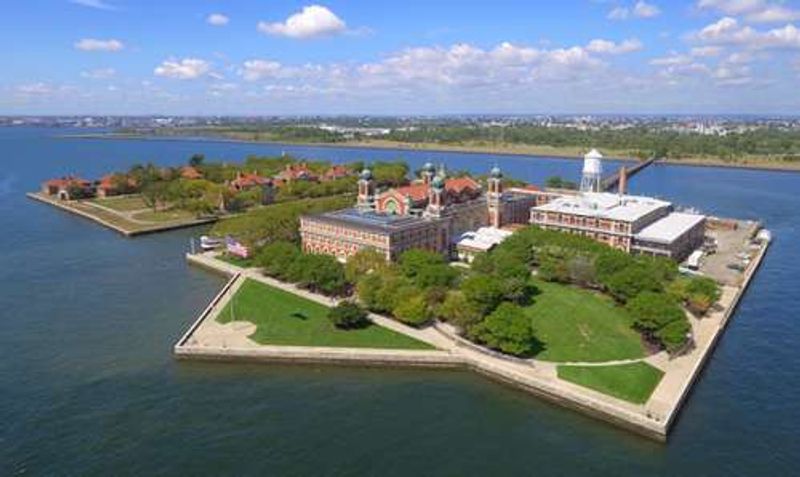
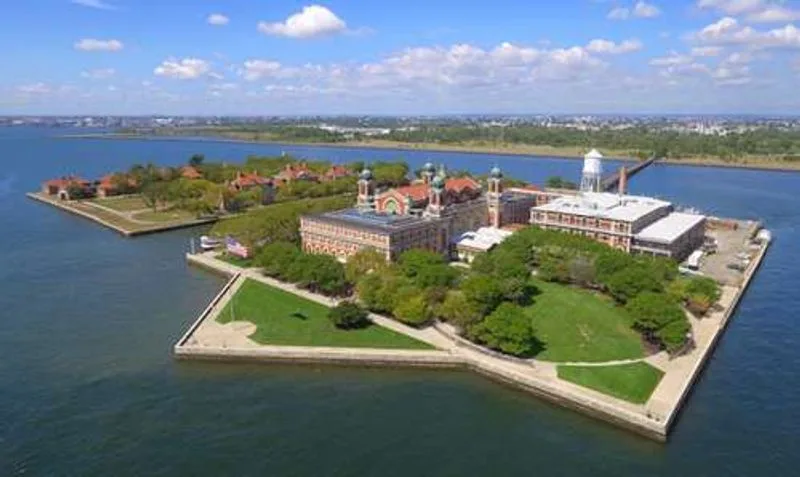
Ellis Island is a hall of questions and beginnings. Sunlight floods the Great Hall where inspectors once checked eyes, papers, and hopes. More than 12 million immigrants passed here, stepping into interviews that could shape entire family futures.
Walk the exhibits and you encounter trunks, letters, and photos that carry weight across oceans. Voices from many languages mingle through audio stations, narrating worry, relief, and above all persistence. The experience turns statistics into human stories, each journey sharpened by risk and resolve.
The American Family Immigration History Center lets you search ship manifests and discover names that echo your own. Finding a relative transforms the room, as if walls expand to fit your story. Even without a personal match, you feel the collective momentum of people seeking freedom through opportunity.
Pair your visit with Liberty Island for a full day on the water. Ferries run regularly, and the skyline tracks your crossing like a moving welcome sign. Bring a light jacket, because harbor winds make even summer days brisk.
Ellis Island reminds you that freedom often begins with paperwork and patient queues. It is a promise honored through hard work, translation, and first paychecks. Leaving, you carry a renewed respect for arrivals and the courage they require.
Freedom Trail (Boston, MA)
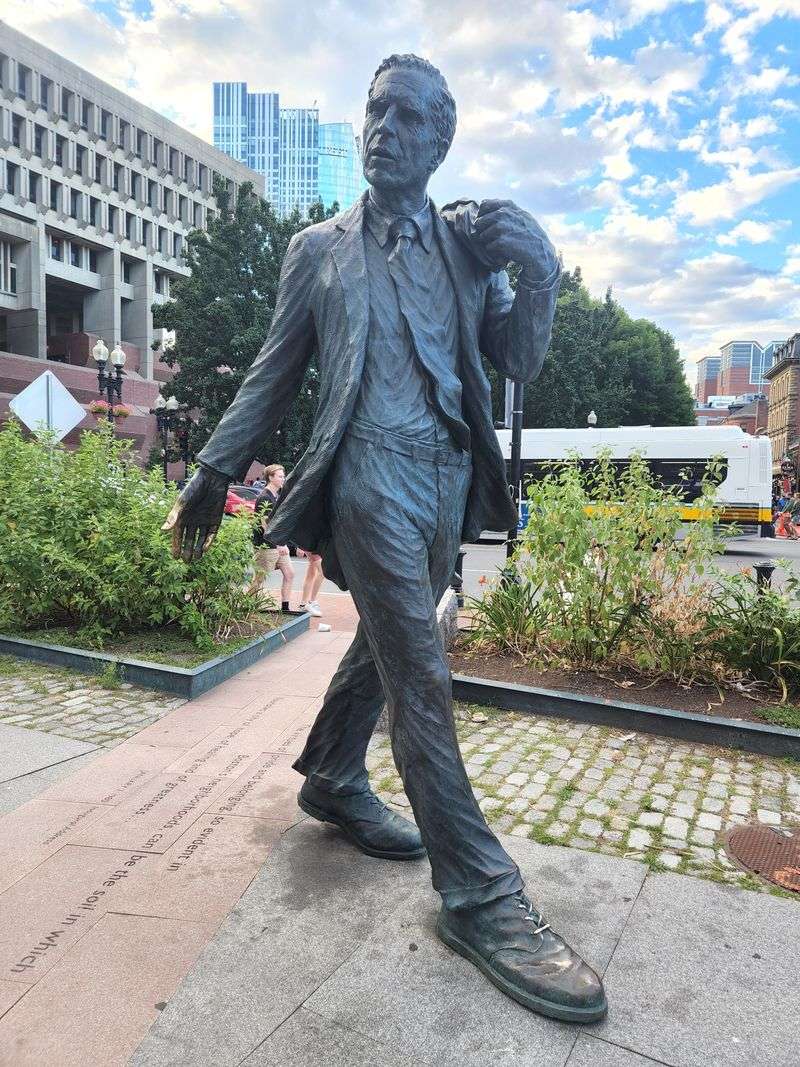
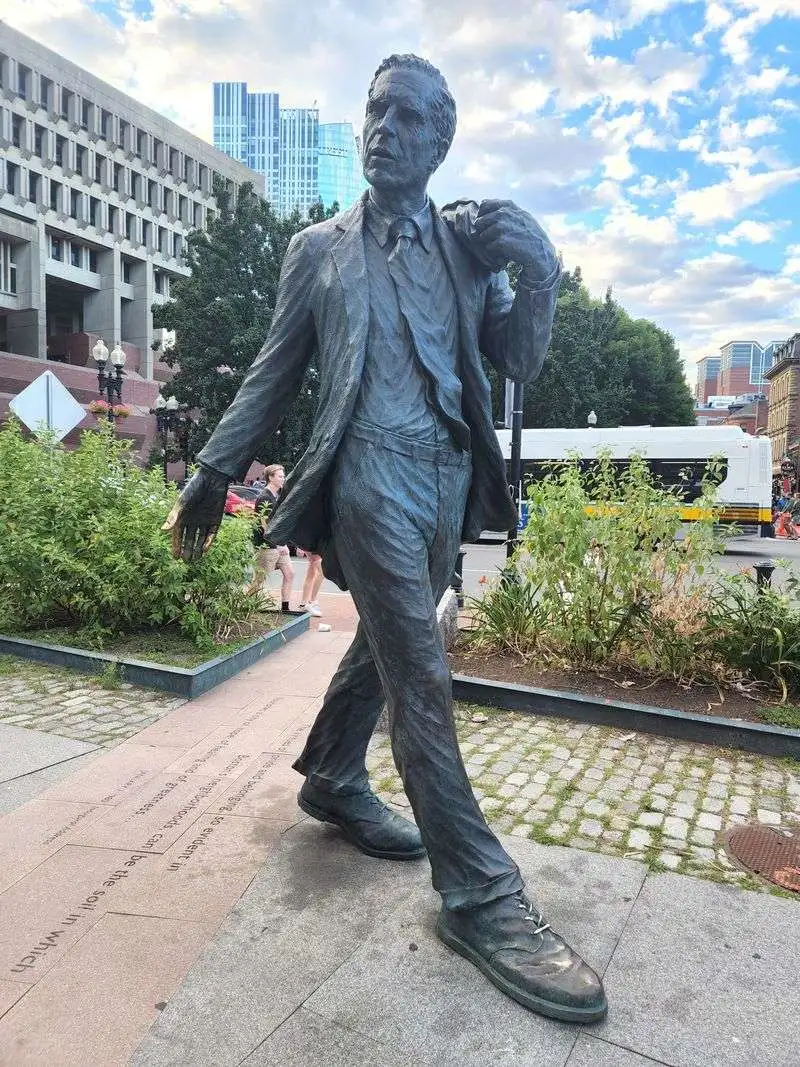
Lace up your shoes and follow the red line through Boston’s old streets. The Freedom Trail links meeting houses, burial grounds, and the sites where arguments became action. Each stop adds a voice to the story of self governance and civic courage.
You will cross Boston Common, step into Faneuil Hall, and climb to the Old North Church. Guides in period dress may appear with jokes and sharp facts, keeping the past lively. The route invites you to pause for chowder, then return to revolution with renewed energy.
What makes the trail special is how ordinary city life wraps around historic milestones. You hear traffic, smell coffee, and still feel the weight of 1775 pressing forward. It proves that freedom grows next to bakeries and bookshops, not just in grand chambers.
Map out the 2.5 mile walk and choose which interiors to tour. Some sites require tickets or timed entry, so planning saves you wait time. A good pair of sneakers and a water bottle are your best companions.
By the end, your steps assemble a narrative of dissent, debate, and risk. You leave with a mental map of ideas that traveled from whispered plans to public squares. The trail shows how freedom is a path you walk, not just a page you read.
National Mall (Washington, D.C.)
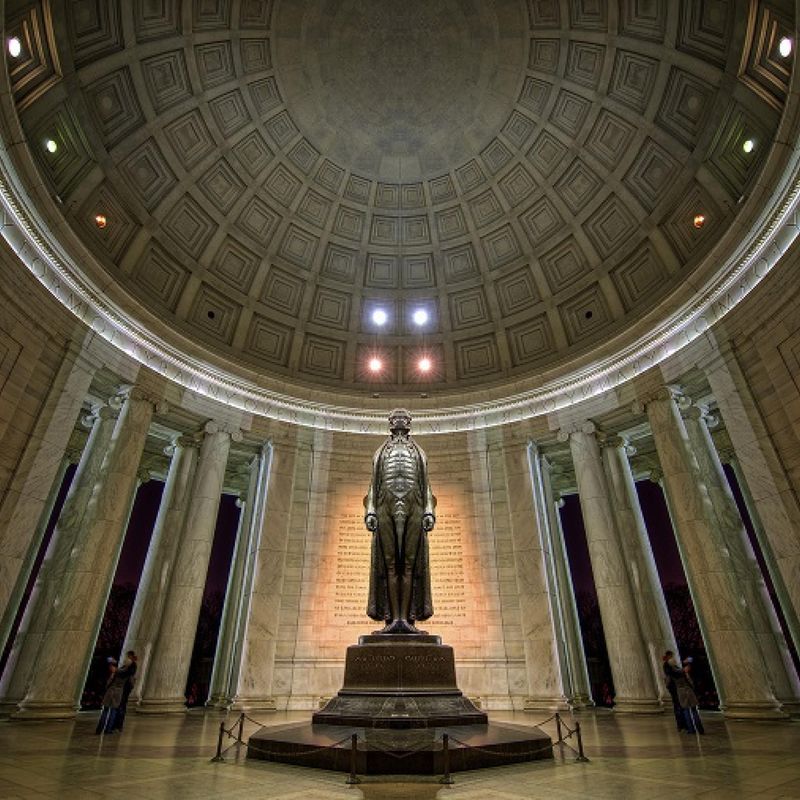
The National Mall feels like America’s front yard. Monuments rise along broad lawns where families picnic and movements gather. It is a stage for memory and a megaphone for change, open to anyone with a voice and purpose.
Walk from the Capitol to the Lincoln Memorial and time folds across the reflecting pools and museums. You can step into the Smithsonian for context, then back onto the grass for conversation. The space invites both learning and speaking, a loop that keeps democracy breathing.
Major marches and vigils have left their footprints here. You can stand where jobs and freedom were demanded, where science was defended, where peace was pleaded. The Mall keeps score in stories rather than statues alone.
Go early for quiet or join a rally to feel the collective pulse. Bikeshare stations and metro stops make movement easy between memorials. Even on ordinary days, you sense that public life is practiced in view of neighbors.
Leave with a plan to return, because the Mall changes with seasons and news. It is more than scenery, it is civic muscle memory. Every visit trains you to participate, not just observe.
Alcatraz Island (San Francisco, CA)
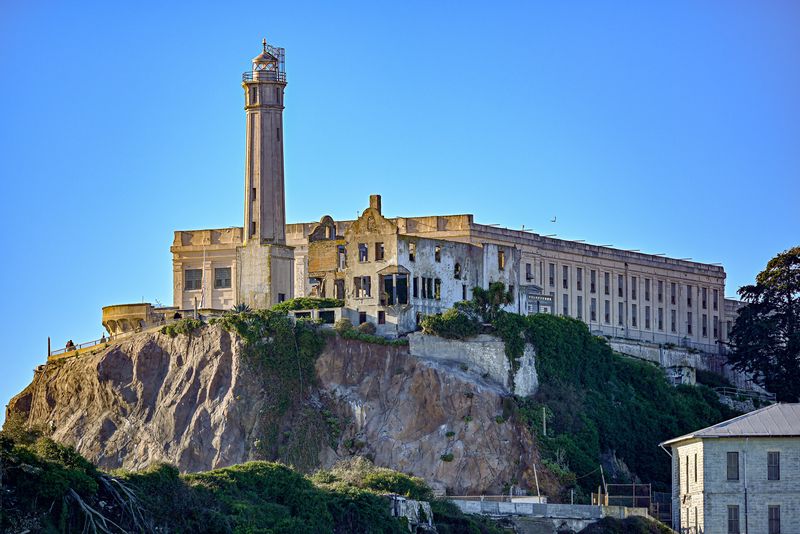
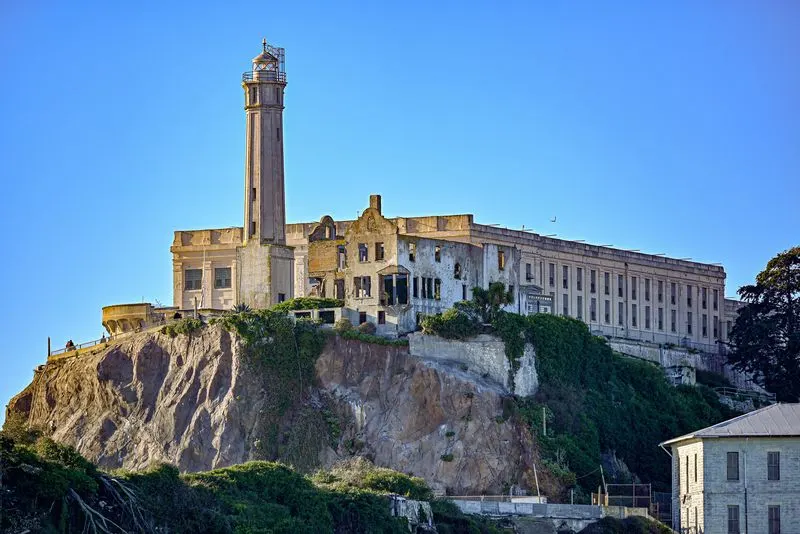
Alcatraz sits like a stone in the bay, beautiful and severe at once. The ferry ride gives you city views and a growing sense of isolation. Stepping onto the island, you feel how freedom can be measured by fences and water.
The cellhouse audio tour, narrated by former guards and inmates, makes the stories immediate. You hear keys, footsteps, and the quiet of long nights. Cells barely wider than a wingspan hold graffiti, memories, and cold air that settles on your shoulders.
Yet the island also hosted a remarkable act of resistance. In 1969, Native American activists occupied Alcatraz, asserting treaty rights and sovereignty. Their bold stand reframed the island as a site of voice, not only confinement.
Look for gardens tended by staff and families, small pockets of life against concrete. The lighthouse and seabirds add texture to the stark geometry of bars and tiers. Fog can sweep in fast, turning corridors into ghostly tunnels.
Book early, especially for night tours that heighten atmosphere and history. Wear layers, because the wind cuts sharper here than it looks from the pier. Leaving, you carry a layered story about limits, dignity, and the will to be heard.
Harriet Tubman National Historical Park (Auburn, NY)
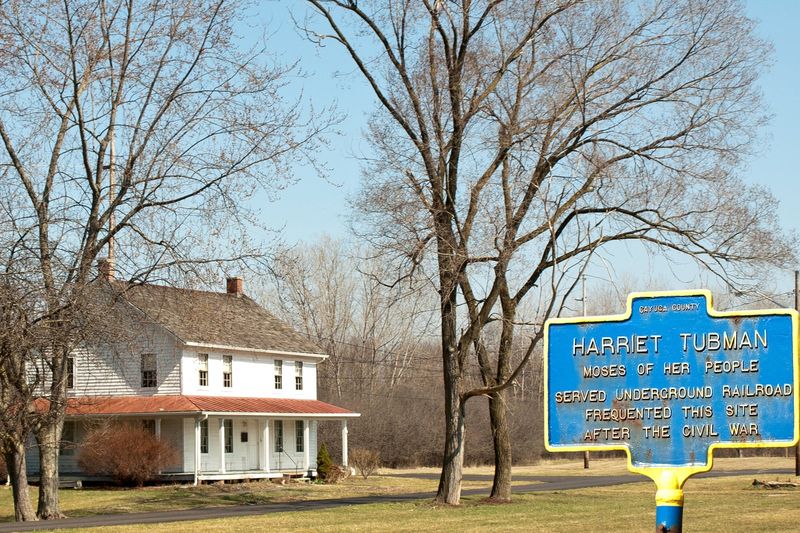
In Auburn, freedom looks like a farmhouse, a chapel, and steady footsteps along hidden routes. Harriet Tubman’s home anchors a story of daring rescues and lifelong service. Here, the Underground Railroad feels tangible in the quiet of upstate air.
Exhibits detail her missions south, her military work, and her later years supporting community health and faith. You learn logistics as much as legend: passwords, networks, and winter strategies. Tubman’s courage shows up as planning, resilience, and a refusal to surrender anyone to bondage.
The Thompson Memorial A.M.E. Zion Church offers a sacred space to reflect. Sit for a moment and picture decisions made under pressure and prayer. The grounds invite a slow walk that turns admiration into resolve.
Guides describe how Tubman invested in land, family, and care for elders, expanding the meaning of liberation. Freedom did not end at the state line, it continued in housing, work, and dignity. That lesson carries weight for every generation facing new barriers.
Check hours and tour availability, as sites sometimes operate seasonally. Bring questions and leave with a plan to read more and support local causes. You will feel braver for having stood where her choices became action.
Seneca Falls Convention Site (Seneca Falls, NY)
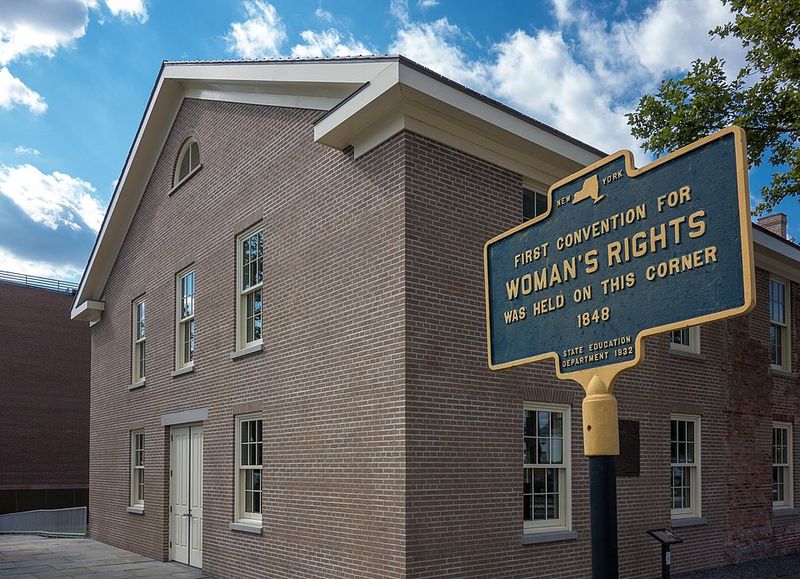
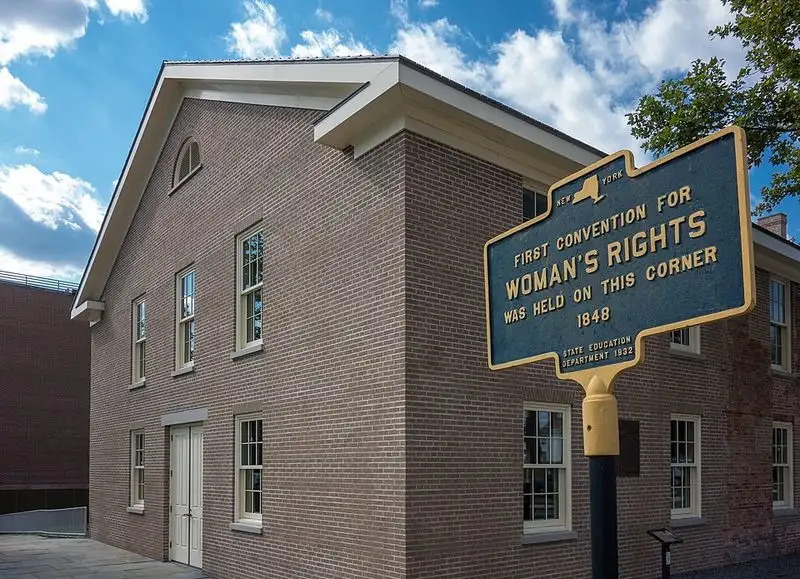
At Seneca Falls, a small town hosted a seismic declaration. In 1848, reformers gathered here to demand equal rights, drafting the Declaration of Sentiments with bold clarity. The Visitor Center sets the stage with artifacts, transcripts, and the rhythm of a movement being born.
Walk to the Wesleyan Chapel and picture the crowded room, windows open to summer air. Debates flowed over property, education, and the radical idea of women voting. The language of the document mirrored the nation’s founding promises, asking them to finally include women.
Exhibits highlight figures like Elizabeth Cady Stanton and Frederick Douglass, collaborators who knew progress travels in coalitions. Photos and first person accounts turn history from portrait to pulse. The canal nearby suggests how ideas move along networks and routes of daily life.
Spend time reading the full declaration on the wall. Then consider how each demand echoes in workplaces, courts, and homes today. It is sobering and motivating to see how far change has come and how far remains.
Seneca Falls is best explored on foot, with stops at the homes and heritage sites. Plan a calm afternoon and let the story expand as you walk. You will leave hearing those signatures as footsteps still moving.
Stonewall National Monument (New York City, NY)
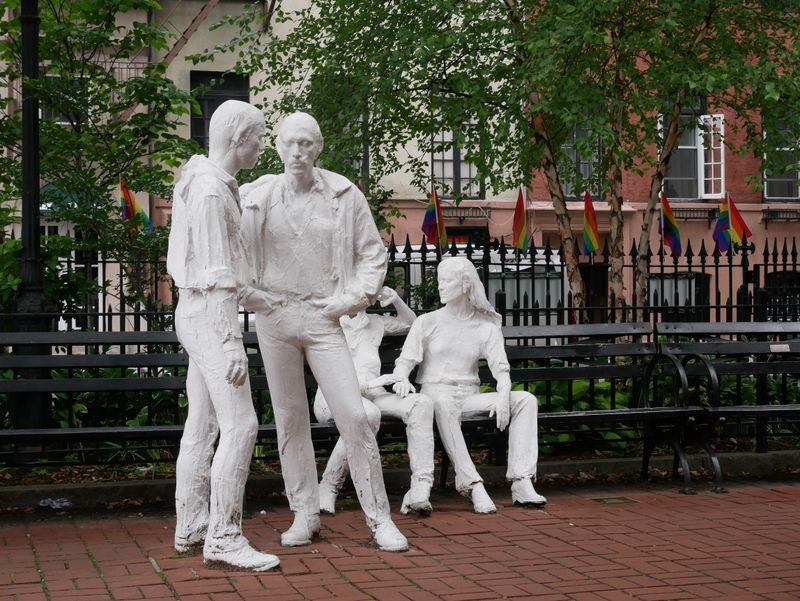
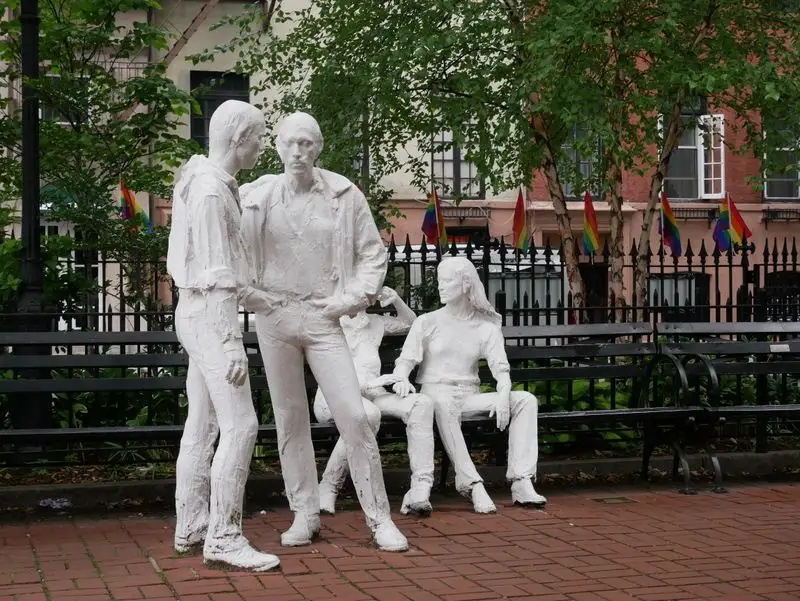
On a short block in Greenwich Village, history steps off the curb. The Stonewall Uprising in 1969 marked a turning point in LGBTQ rights, sparked by resistance to police raids. Today, Christopher Park and the surrounding streets form a small monument with a powerful echo.
You can stand by the statues and read interpretive signs that ground headlines in human lives. Bars, stoops, and sidewalks become a classroom for courage and community. The site reminds you that personal freedom and public safety must include everyone or neither is secure.
Nightfall gives the area a different energy, but daytime visits reveal the layers of neighborhood life. Rainbow flags flutter beside brownstones and coffee shops, resilience woven into routine. The park’s trees cast soft shade that invites quiet reflection before conversation resumes.
Pair your visit with the nearby LGBTQ history exhibits and archives if available. Voices from marches, families, and chosen communities fill out the timeline since 1969. You feel how visibility, law, and daily affirmation build freedom together.
Stonewall is compact, so linger and read, then look up and imagine the crowd that would not back down. You leave with a steadier spine and a broader definition of us. Freedom here looks like dancing without fear and walking home in safety.
Pearl Harbor National Memorial (Honolulu, HI)
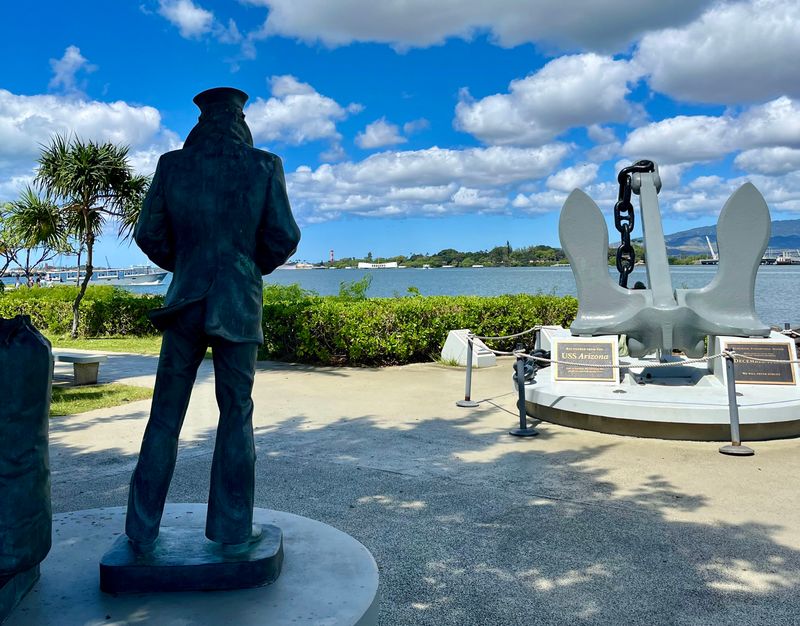
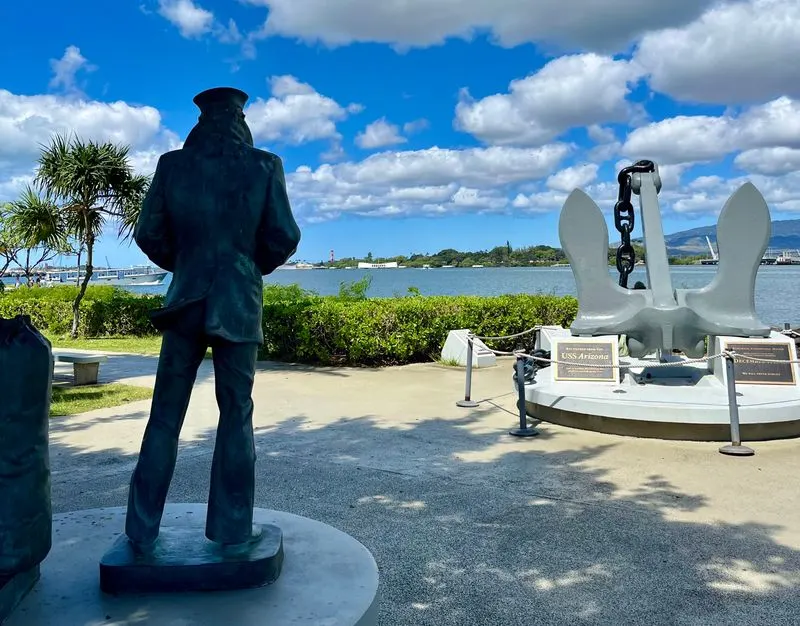
At Pearl Harbor, the water holds memory. The USS Arizona Memorial spans a sunken battleship where oil still beads to the surface like black tears. Visitors fall quiet as names etched in white stone rise in the soft light.
Exhibits and films explain the December 7, 1941 attack and the entry into World War II. You see uniforms, letters, and radio calls that collapse distance between then and now. The story is strategic and deeply human, threaded with courage and loss.
Boat rides to the memorial are free with reserved tickets, and timing matters on busy days. The gentle glide across the harbor feels ceremonial, a pause before stepping into the bright white structure. You look down through the water and feel the weight of service and sacrifice.
Other sites, including the Battleship Missouri and the Pacific Fleet Submarine Museum, broaden the picture. Walking their decks connects defense of freedom to engineering and teamwork. The contrast between attack and armistice brackets a hard won peace.
Bring respect, sunscreen, and time for reflection. As you leave, the trade winds carry a quiet resolve. The memorial teaches that protecting liberty demands vigilance and empathy.
Mount Rushmore (Keystone, SD)
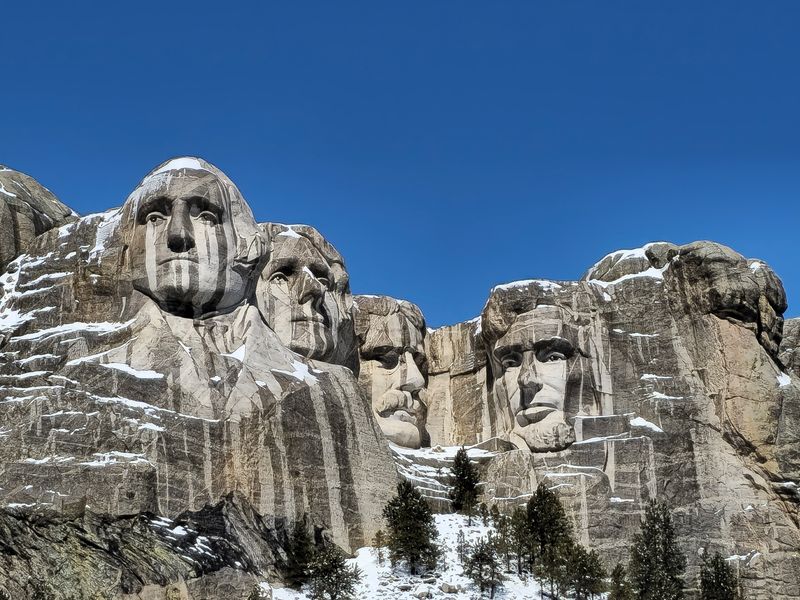
Mount Rushmore appears suddenly through the pines, faces emerging from granite like a reveal. Washington, Jefferson, Roosevelt, and Lincoln look out over the Black Hills with stoic confidence. The scale amazes, and so does the precision cut into stubborn rock.
Trails and exhibits explain the engineering feats and the artistry behind the carving. Drills, dynamite, and careful finishing work turned vision into monument. Evening lighting ceremonies add a hush as the sky darkens and faces glow.
Yet the mountain also prompts necessary conversations about land, history, and memory. The Black Hills hold sacred meaning for the Lakota, and that story belongs in the frame. Freedom grows when more voices are heard, and the visitor center now reflects that broader context.
Walk the Presidential Trail for changing angles and a sense of scale. Listen for chipmunks, wind, and the echo of your footsteps on boardwalks. The gift shop and exhibits offer details you can carry into deeper reading later.
Arrive early to avoid crowds and bring layers for shifting mountain weather. The site leaves you with a mix of admiration and questions, which is a healthy way to travel. You depart understanding liberty as achievement and conversation.
National Museum of African American History and Culture (Washington, D.C.)
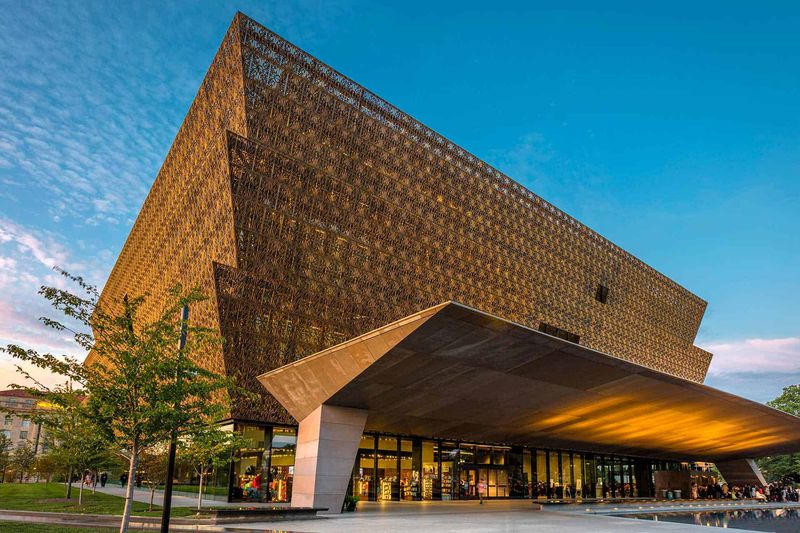
The museum rises like a bronze crown on the Mall, its lattice shining with stories. Inside, you descend into the depths of slavery before ascending through reconstruction, Jim Crow, and cultural brilliance. The building itself teaches that light follows hard history.
Exhibits blend artifacts with voices: a shawl, a lunch counter, a choir robe, a protest sign. You move through rooms that insist on truth and invite resilience. The journey honors grief and genius in equal measure, making space for complexity.
Timed entry keeps flows manageable, but you should plan several hours. The history galleries can feel intense, so pacing matters. Quiet corners and reflection spaces help you process before you continue upward.
Music and sports sections burst with energy, proof that joy is a form of strength. You might find yourself swaying to a beat or grinning at a long remembered play. Freedom here is not just legal status, it is expression, excellence, and community.
Leaving, you carry more than facts. You carry names, rhythms, and a commitment to keep widening the circle. The museum makes freedom feel like work you can join.