Virginia has a wonderfully weird side that deserves way more attention.
Sure, the Old Dominion is packed with historic battlefields, grand estates, mountain views, and beautiful beaches. But wander a little farther, and things get downright strange.
You might stumble upon towering dinosaurs, a full-size foam Stonehenge, or concrete ships resting just offshore.
These aren’t ordinary tourist stops. They’re the kind of places that make you pull over, grab your camera, and wonder how you never heard about them before.
From bizarre roadside creations to unexpected museums and curious pieces of history, these ten attractions reveal a side of Virginia that most visitors completely miss.
Some are funny, some are fascinating, and a few are so peculiar that you’ll be talking about them long after the road trip ends.
Dinosaur Kingdom II – Natural Bridge
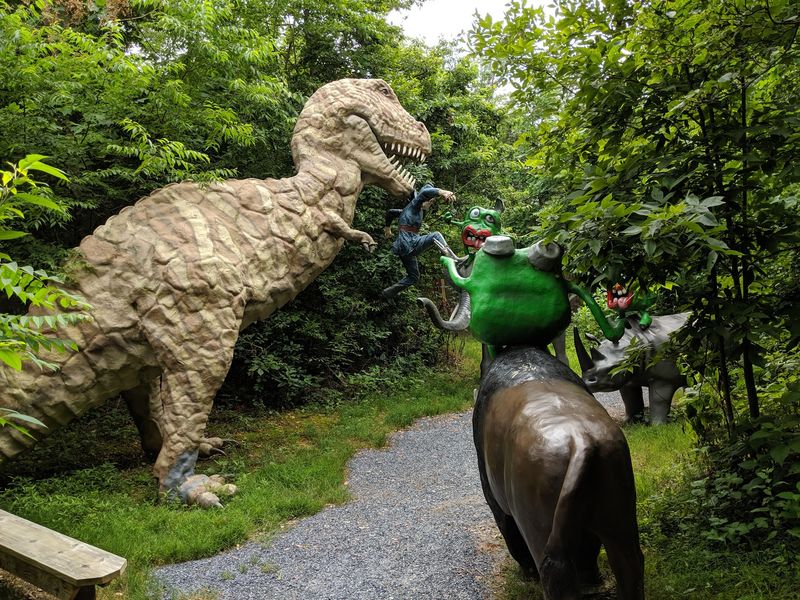
Picture this: Confederate soldiers battling giant dinosaurs in the Virginia woods. Artist Mark Cline brought this wonderfully bizarre vision to life, creating one of the state’s most talked-about roadside attractions.
Visitors walk a wooded trail where massive prehistoric creatures attack historical figures in scenes that make absolutely no sense but feel completely unforgettable. A T-Rex chomps on a Union spy.
Dinosaurs stomp through 1860s battle scenes. The combination sounds ridiculous because it is, and that’s exactly the point.
Cline’s creative genius turned a simple walking path into an experience you won’t find anywhere else. Families love the absurdity while history buffs and dinosaur fans enjoy the sheer audacity of mixing two completely unrelated subjects.
Photography opportunities abound at every turn, making this attraction highly shareable on social media. The installation proves that Virginia’s quirky side thrives when creativity ignores all rules.
Whether you’re passing through Natural Bridge or planning a specific visit, this attraction delivers laughs, confusion, and memories that stick around long after you leave.
Foamhenge – Centreville
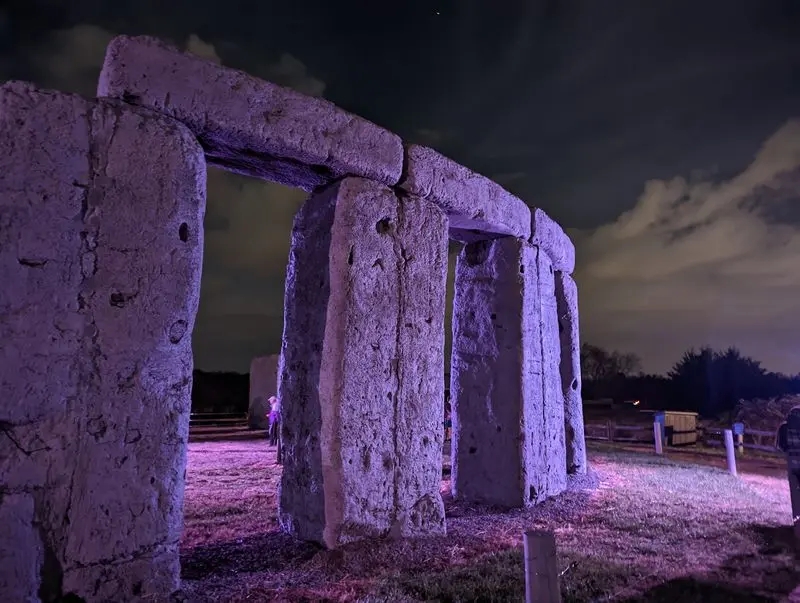
England’s Stonehenge took thousands of years and massive stone slabs to build. Mark Cline recreated it using foam and finished in considerably less time.
The result stands proudly in Centreville, offering visitors a chance to walk among towering ancient-looking monuments without traveling across the ocean.
Each foam stone mimics the original monument’s impressive scale, creating photo opportunities that rival the real thing. People climb on the structures, pose dramatically, and generally enjoy themselves in ways the actual Stonehenge would never allow.
The lightweight material makes the whole installation feel playful rather than sacred.
Cline originally built Foamhenge elsewhere before moving it to its current location, where it continues attracting curious travelers and roadside attraction enthusiasts. Admission is free, making it an easy addition to any Virginia road trip.
Bring your camera and your sense of humor.
The attraction proves that history doesn’t always need to be serious to be memorable. Kids especially love the accessible, climbable nature of these foam megaliths, turning a quick stop into an unexpected adventure that celebrates pure creative fun.
Kiptopeke State Park’s Concrete Ship Fleet – Cape Charles
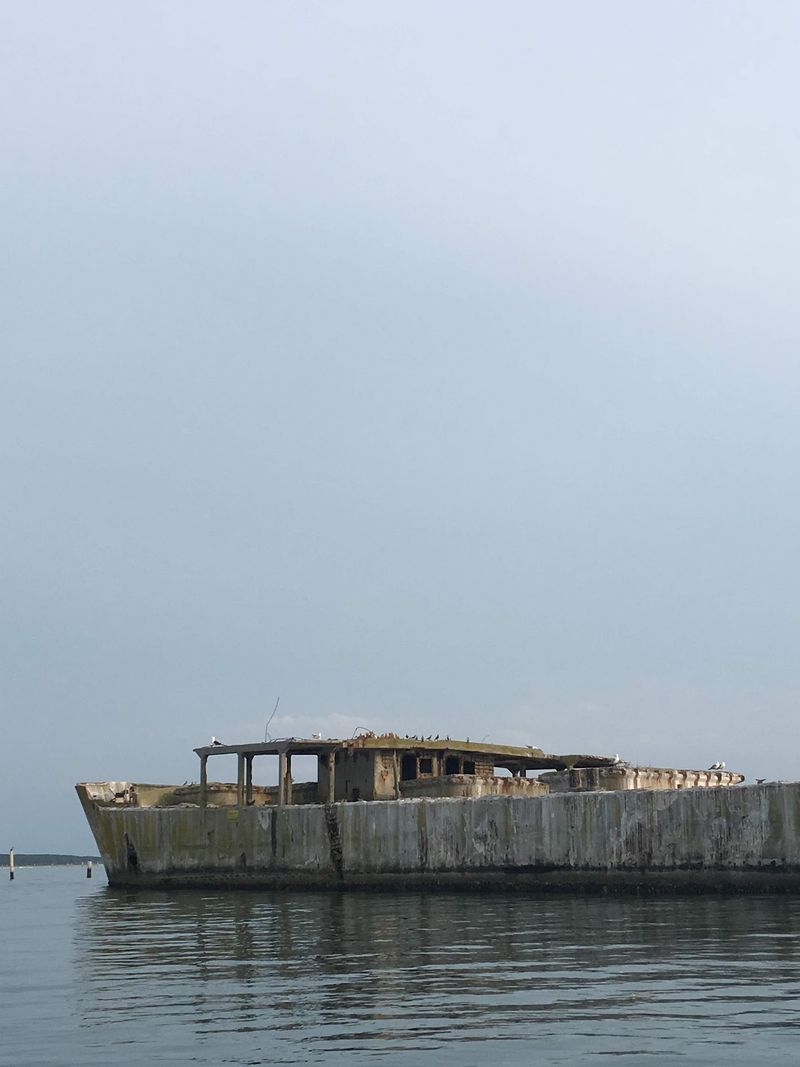
Nine massive concrete ships rise from the water like industrial ghosts along Virginia’s Eastern Shore. These aren’t your typical shipwrecks.
Built during World War II when steel shortages forced innovative solutions, the vessels served their purpose before finding a second life as an unusual breakwater.
The ships sit partially submerged just offshore from Kiptopeke State Park, creating one of the most unexpected coastal sights in Virginia. From the beach, visitors can see the weathered hulls jutting from the waves, reminders of a fascinating chapter in wartime engineering.
Low tide offers the best views of these concrete giants.
Birdwatchers flock here because the ships have become important nesting sites for various species. The artificial reef below the waterline attracts fish, which in turn draws anglers hoping for good catches.
Nature reclaimed these manmade structures in remarkable ways.
Unlike most historical attractions behind museum glass, these ships remain visible and free to observe from the shore. The combination of military history, engineering innovation, and natural adaptation makes this fleet genuinely unique among Virginia’s coastal attractions.
Dinosaur Land – White Post
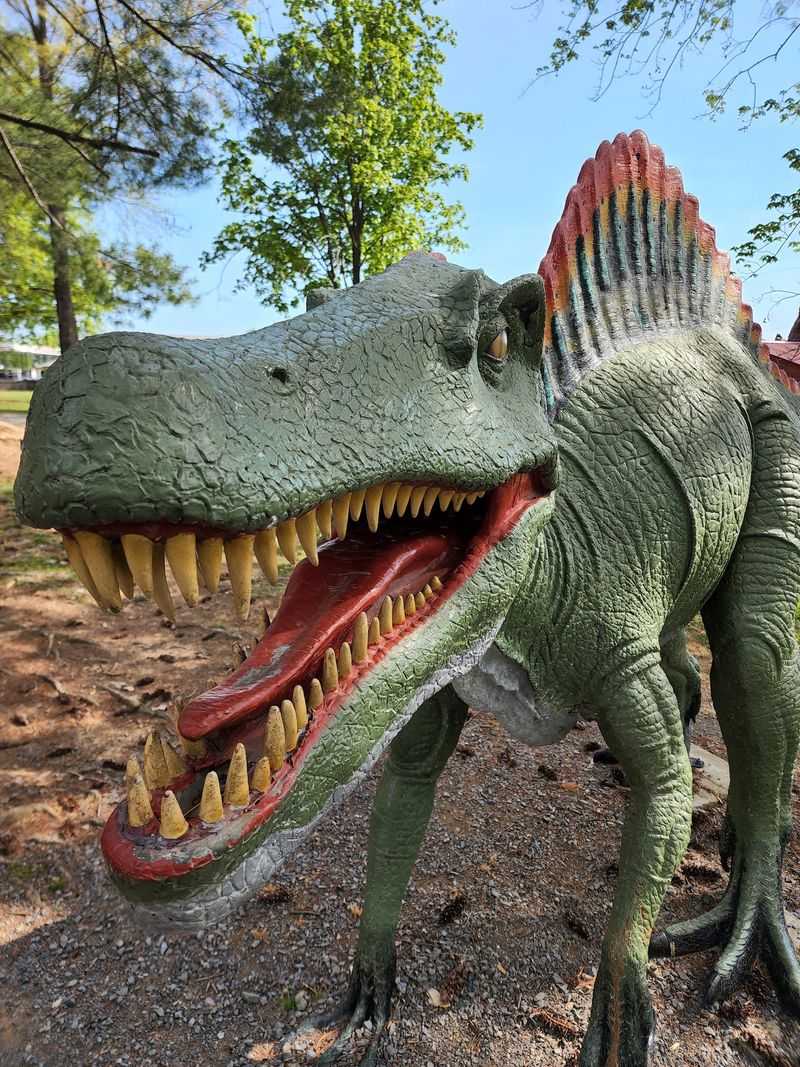
Long before Jurassic Park made dinosaurs cool again, Dinosaur Land was already entertaining families with enormous prehistoric creatures beside a Virginia highway. Opening in 1963, this roadside attraction embraces its vintage charm with more than 50 giant dinosaur figures that feel wonderfully old-school.
Bright colors and exaggerated features give these fiberglass creatures a personality that modern scientific accuracy might miss. A massive T-Rex towers over visitors.
Brontosauruses stretch their long necks across the property. Each figure invites photographs and inspires kids’ imaginations in ways that polished museum displays sometimes can’t match.
The attraction also includes a small gift shop filled with dinosaur-themed souvenirs and fossils. Families appreciate the affordable admission price and the chance to let children run around enormous prehistoric beasts without worrying about museum rules or roped-off exhibits.
Dinosaur Land represents classic American roadside culture at its finest. The slightly worn appearance only adds to the nostalgic appeal, transporting visitors back to simpler times when giant fiberglass dinosaurs beside the highway represented the height of family entertainment.
It remains genuinely fun decades later.
Natural Tunnel State Park – Duffield
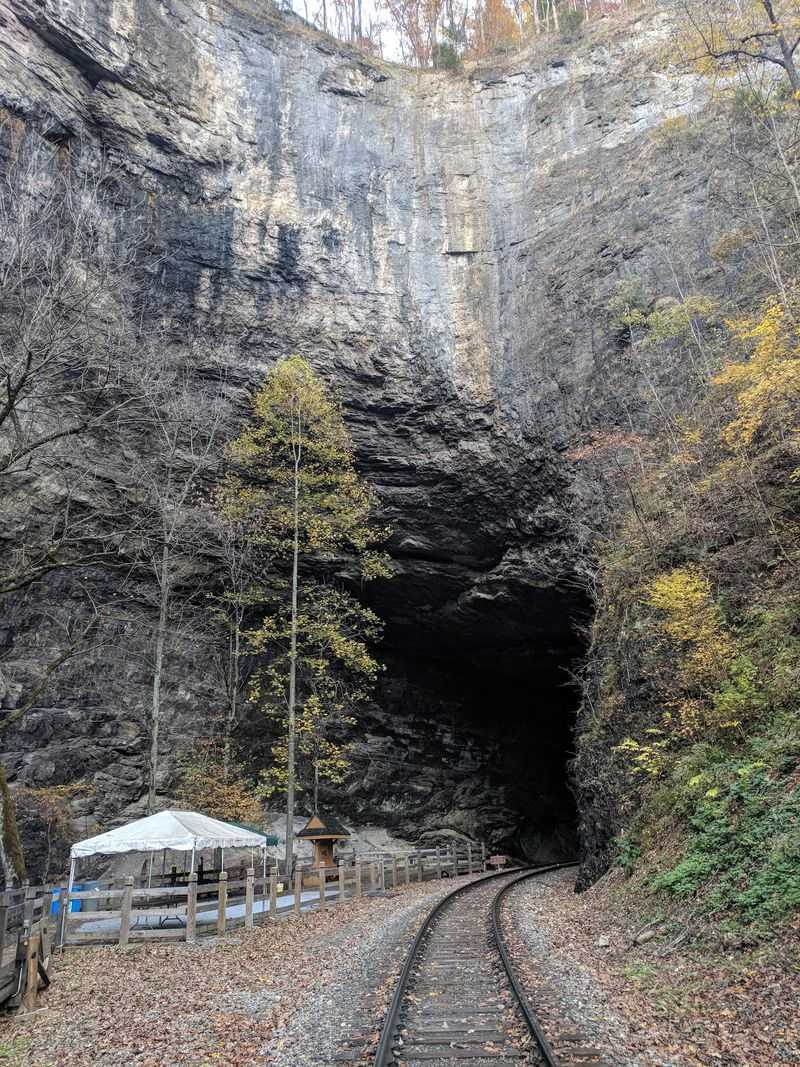
A working train rumbles through a natural limestone tunnel tall enough to fit a ten-story building. Natural Tunnel State Park protects this geological wonder that stretches more than 850 feet through solid rock, carved over millions of years by natural forces.
Most natural tunnels this size exist in remote wilderness areas. This one lets visitors watch modern trains pass through the same opening that amazed early settlers.
The scale becomes apparent when you stand near the tunnel floor and realize how tiny humans appear compared to the towering rock walls.
Multiple viewing options let visitors experience the tunnel from different perspectives. Hiking trails lead down to the tunnel floor for close-up exploration.
A seasonal chairlift carries riders across the chasm for spectacular aerial views. Each vantage point reveals new details about this natural masterpiece.
Daniel Boone reportedly explored this area, and indigenous peoples knew about the tunnel long before European settlement. The combination of natural wonder and ongoing railroad use makes this attraction particularly special.
You’re witnessing both geological history and modern transportation in one incredible location that defies easy categorization.
Saltpeter Cave – Natural Bridge
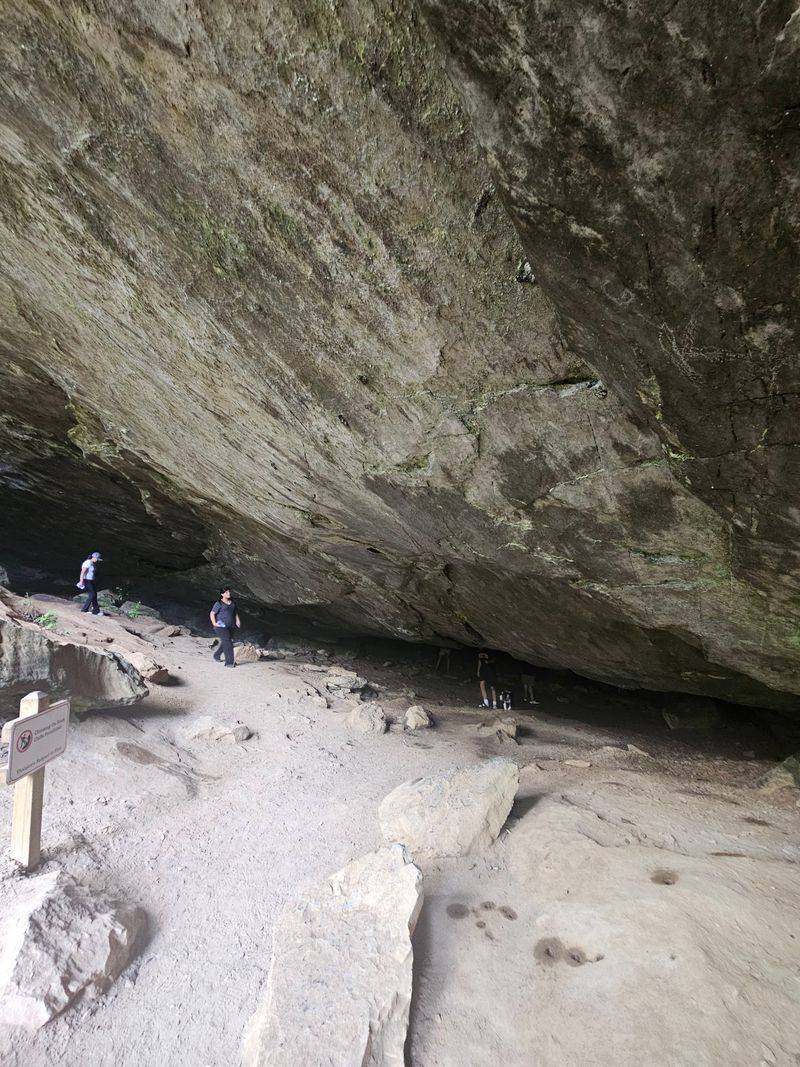
Hidden within Natural Bridge State Park sits a cave with an explosive past. Saltpeter Cave earned its name from deposits created by bats and birds over countless years, material that early Americans harvested for a crucial purpose: making gunpowder.
Potassium nitrate, commonly called saltpeter, forms naturally inside certain caves. During various conflicts, including the War of 1812 and the Civil War, this cave provided raw materials for ammunition production.
Workers would collect the cave deposits, process them, and ship the saltpeter to munitions manufacturers. History literally accumulated on the cave floor.
The cave itself remains closed to public exploration for safety and preservation reasons. However, interpretive information at Natural Bridge State Park explains the cave’s unusual role in American military history.
Understanding this hidden story adds depth to a park visit that most tourists experience only for the famous natural bridge.
Few visitors expect Virginia caves to connect with warfare and chemistry, but Saltpeter Cave demonstrates how natural resources shaped historical events. The story transforms a simple geological feature into a reminder of how people used whatever nature provided during desperate times.
The Poe Museum – Richmond
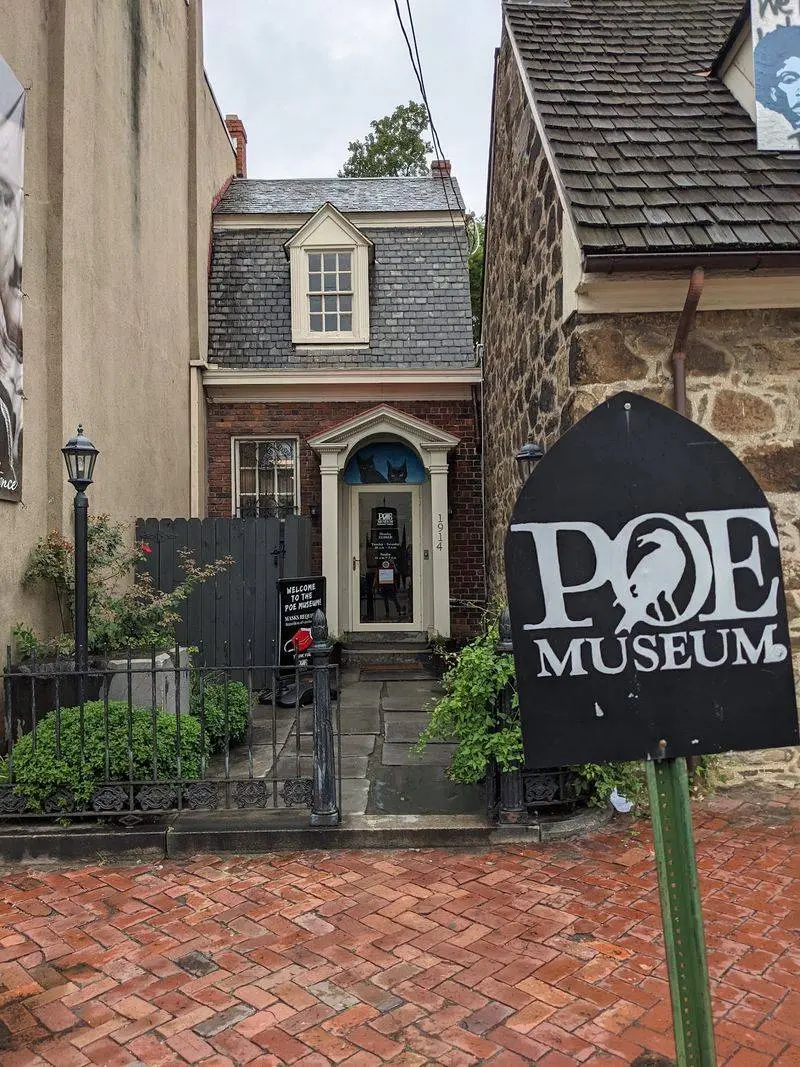
Step into the shadowy world of America’s master of macabre at Richmond’s Poe Museum, where Edgar Allan Poe’s life and work come alive in atmospheric exhibits. Rather than presenting another standard historical collection, this museum embraces the eerie mood that made Poe’s writing unforgettable.
The museum holds the world’s finest collection of Poe artifacts, manuscripts, and personal belongings. Visitors discover the human side of the troubled genius who created The Raven and The Tell-Tale Heart.
Original letters, first editions, and period furnishings transport guests to 19th-century Richmond when Poe called Virginia home.
Outside, the secluded Enchanted Garden provides an unexpectedly peaceful retreat in downtown Richmond. Stone walls and carefully chosen plants create an environment that feels removed from the modern city surrounding it.
The garden’s mysterious atmosphere perfectly complements Poe’s dark romanticism.
Many tourists skip smaller specialty museums, but this one deserves attention for its focused dedication to one writer’s legacy. The intimate setting allows deeper connection with Poe’s story than any grand institution could achieve.
Literature fans and casual visitors alike find something compelling in these rooms where darkness meets creativity.
Air Power Park – Hampton
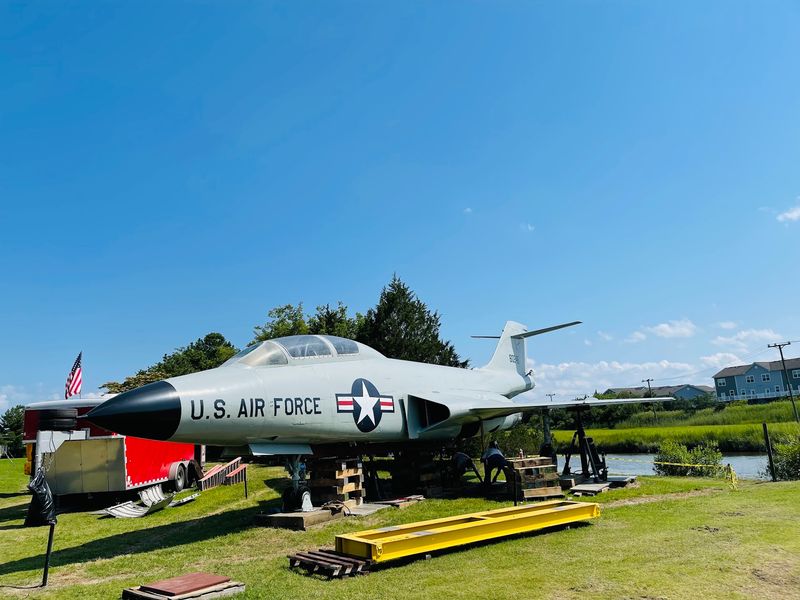
Massive rockets and historic aircraft sit outdoors at Air Power Park, turning Hampton’s aerospace heritage into a hands-on attraction that ditches traditional museum walls. Visitors walk among genuine artifacts from America’s early space program and military aviation history without paying admission or waiting in lines.
The park showcases Virginia’s deep connections to both air and space exploration. Hampton’s proximity to Langley Air Force Base and NASA facilities made it central to American aerospace development.
These displayed vehicles and equipment represent decades of technological achievement that transformed how humans travel and explore.
Children especially love the accessible nature of these exhibits. Kids can get close to rockets, study fighter jets from multiple angles, and imagine themselves as pilots or astronauts.
The outdoor setting encourages active exploration rather than quiet museum observation.
Other Hampton attractions focus heavily on colonial history, but Air Power Park celebrates 20th-century innovation instead. The free admission makes it perfect for quick stops or longer afternoon visits.
Families seeking something different from Virginia’s typical historical offerings find this park refreshingly modern and interactive, proving that not every attraction needs indoor galleries to educate and inspire visitors effectively.
Luray Caverns’ Car & Carriage Caravan Museum – Luray
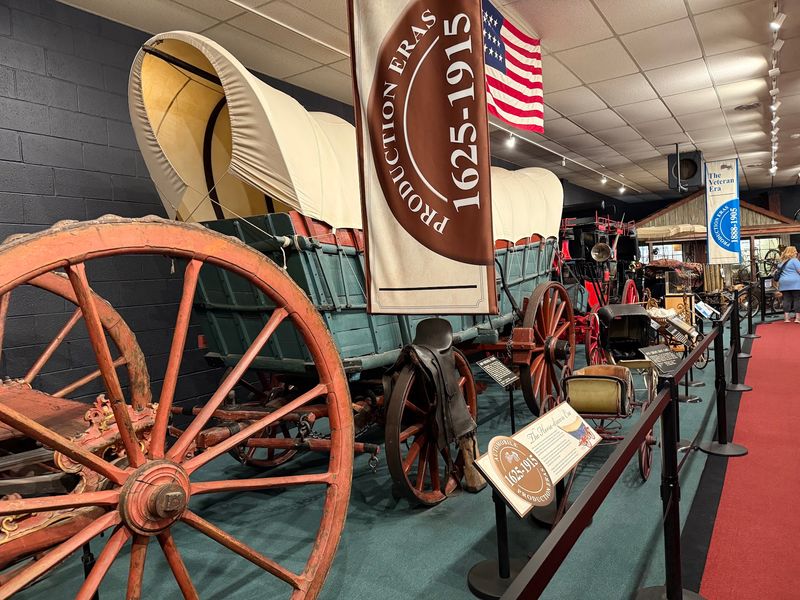
Everyone visits Luray for the spectacular underground caverns, but above ground sits an unexpected treasure: the Car & Carriage Caravan Museum. This collection celebrates historic transportation through carefully preserved vehicles that show how Americans traveled before modern automobiles dominated the roads.
Vintage cars gleam under museum lights alongside elegant carriages that once carried wealthy passengers. Each vehicle tells stories about changing technology, social class, and American innovation.
The oldest pieces date back to when horses provided the only reliable transportation. Later automobiles show the rapid evolution of engine design and manufacturing.
Many cavern visitors skip this museum entirely, missing out on fascinating transportation history. The collection includes rare models and beautifully restored examples that car enthusiasts particularly appreciate.
Even people with casual interest find themselves drawn to the craftsmanship and historical details.
Combining this museum with the caverns creates a full day of completely different experiences. Underground natural wonders contrast sharply with human-made mechanical achievements displayed upstairs.
Luray’s attraction complex proves that variety keeps visitors engaged longer than single-focus destinations. The transportation museum adds value that surprises people expecting only geological formations.
The Giant Pencil – Wytheville
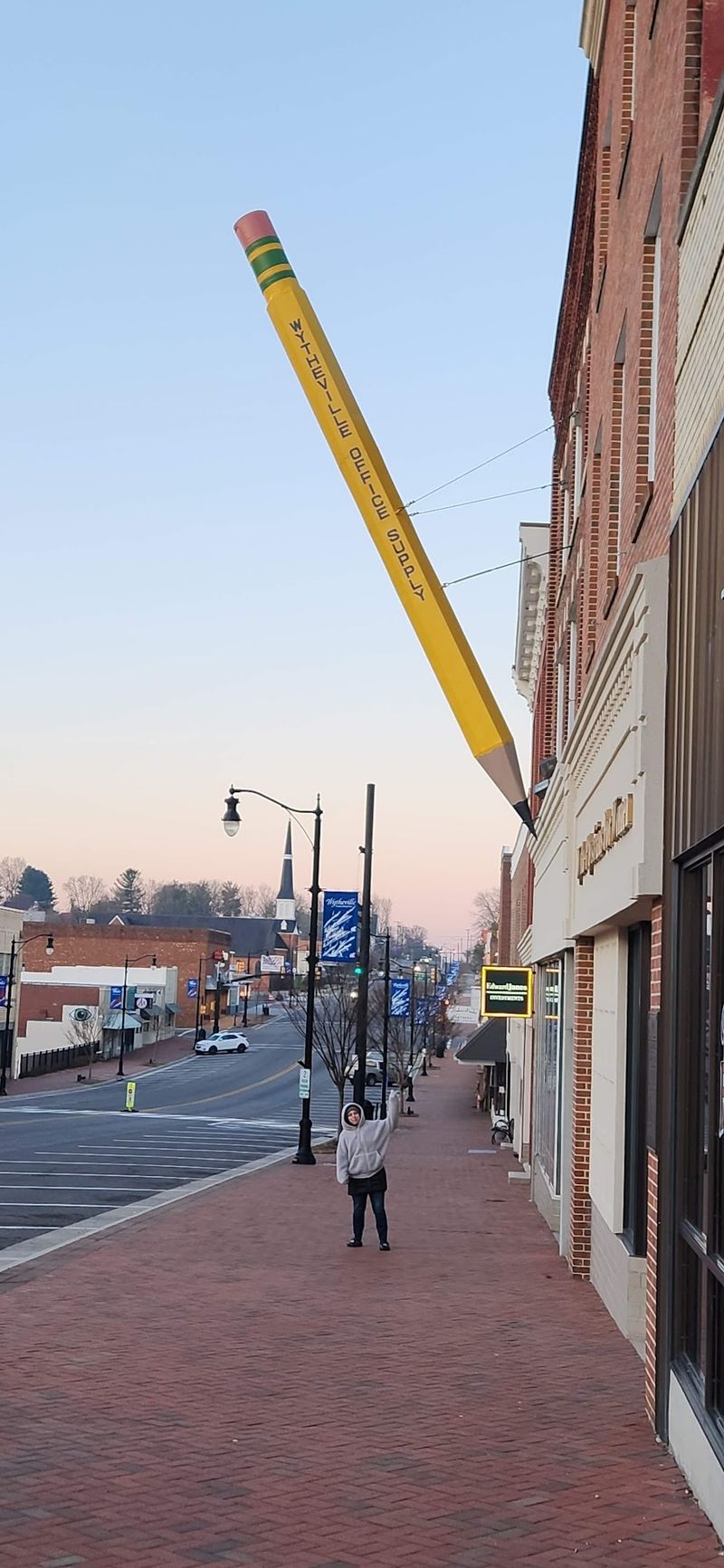
A truly enormous pencil towers over downtown Wytheville, turning an ordinary Main Street into a quirky photo opportunity that celebrates education and local character. This is exactly the kind of wonderfully weird roadside oddity that makes Virginia road trips memorable for reasons tourists never expect.
The giant pencil stands as a tribute to Wytheville’s commitment to education and learning. While most towns erect traditional monuments to historical figures or military events, Wytheville chose an oversized school supply.
The choice reflects community values in a playful, accessible way that brings smiles rather than solemn contemplation.
Photographers love the visual absurdity of this landmark. The scale creates hilarious forced-perspective shots where visitors appear to hold or lean against the massive pencil.
Social media posts from Wytheville often feature this bright yellow giant rather than conventional scenic views.
Virginia Breeze specifically highlights the Giant Pencil among the state’s kitschiest roadside attractions, recognition that confirms its cult status among roadside architecture fans. The pencil requires only minutes to visit but provides conversation material for years.
It represents Virginia’s lighthearted side, proving that not every attraction needs historical significance to become genuinely beloved by locals and travelers alike.