Iowa is hiding an artistic secret that deserves the spotlight.
Beyond the endless fields and small towns, you’ll find a world of sculptures, galleries, gardens, and unforgettable art adventures waiting to be discovered.
These places turn ordinary visits into experiences filled with color, curiosity, and imagination. From massive outdoor creations to underground wonders shaped by nature, Iowa proves creativity can appear in the most unexpected corners.
Whether you’re creating something with your own hands, exploring a museum, or stepping into a larger-than-life artwork, these destinations invite you to see the state from a fresh perspective.
Get ready to uncover 13 immersive art experiences that reveal a side of Iowa many travelers never expect to find.
These memorable stops show the Midwest has plenty of artistic surprises waiting around every corner for curious explorers.
Des Moines Art Center – Des Moines
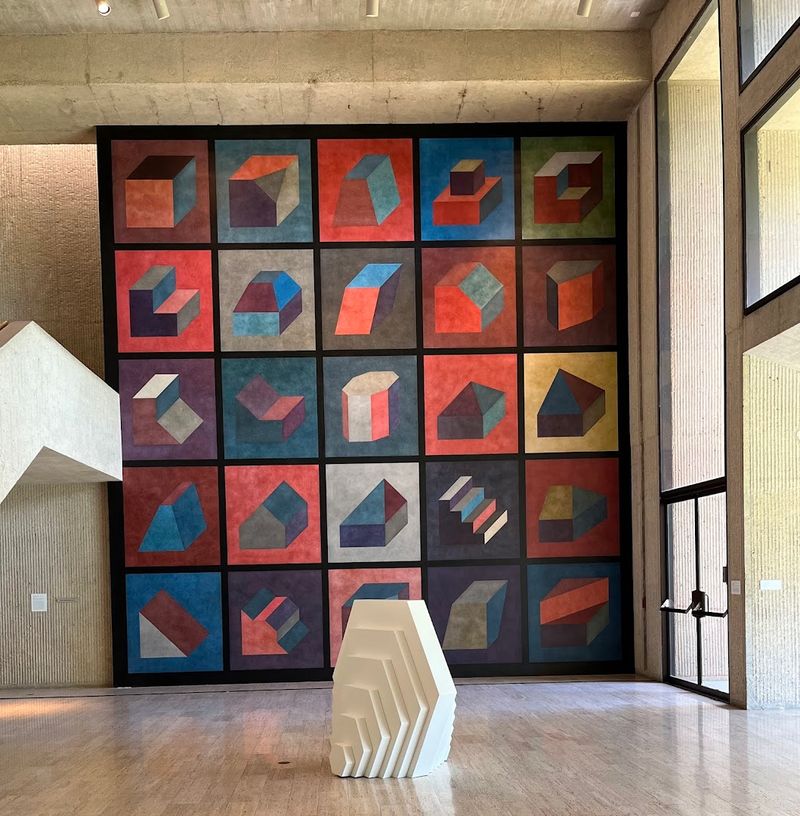
Walking through three separate buildings designed by famous architects feels like traveling through time itself. Each addition represents a different era, yet somehow they work together perfectly.
The permanent collection spans centuries and continents, from Renaissance paintings to contemporary video installations. I spent an entire afternoon here once and barely scratched the surface.
Free admission means you can pop in whenever inspiration strikes without worrying about ticket prices.
What really sets this place apart is how the rotating exhibitions push boundaries. One month you might encounter abstract sculptures that challenge your definition of art, the next you’re face-to-face with photographic storytelling that hits you right in the feelings.
The building itself becomes part of the experience, with natural light streaming through massive windows to illuminate paintings in ways galleries elsewhere can’t match.
Educational programs run year-round, making art accessible whether you’re five or ninety-five. The museum shop stocks unique gifts you won’t find at typical tourist stops.
Pappajohn Sculpture Park – Des Moines
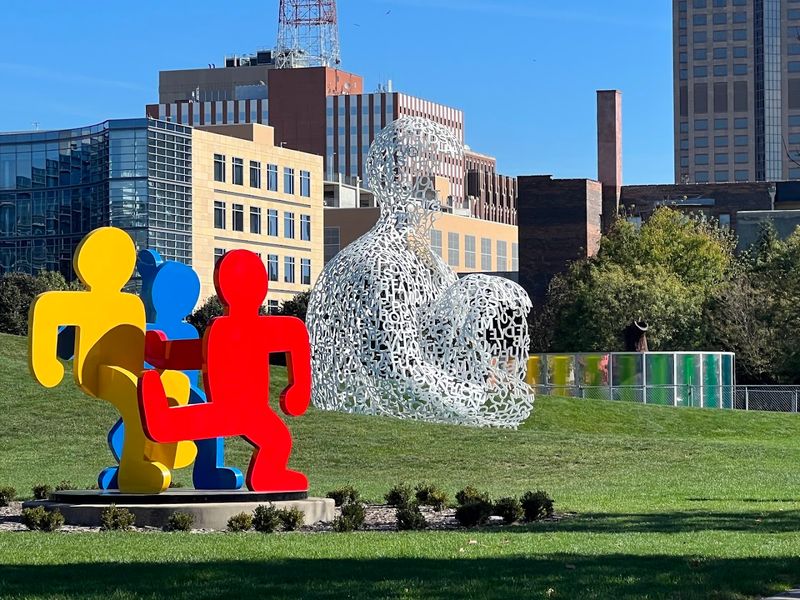
Forty acres of downtown real estate transformed into a free outdoor gallery sounds too good to be true, but here we are. Massive sculptures by world-renowned artists dot the landscape like giant toys left behind by creative giants.
You can actually touch most pieces here, which feels revolutionary after years of “don’t touch” museum rules. Kids run between installations while adults snap photos, and nobody’s telling anyone to quiet down.
The park encourages interaction rather than silent observation, making art feel democratic and fun.
My favorite piece changes depending on the season and lighting. A bright red sculpture pops against winter snow, while metallic works reflect summer sunshine in dazzling ways.
Late afternoon visits offer the best photography opportunities when shadows add dramatic flair.
The park hosts events throughout warmer months, from yoga sessions among the sculptures to outdoor concerts. Grab takeout from nearby restaurants and picnic beside million-dollar artworks.
It’s the kind of casual art experience that makes you wonder why every city doesn’t do this.
American Gothic House Center – Eldon
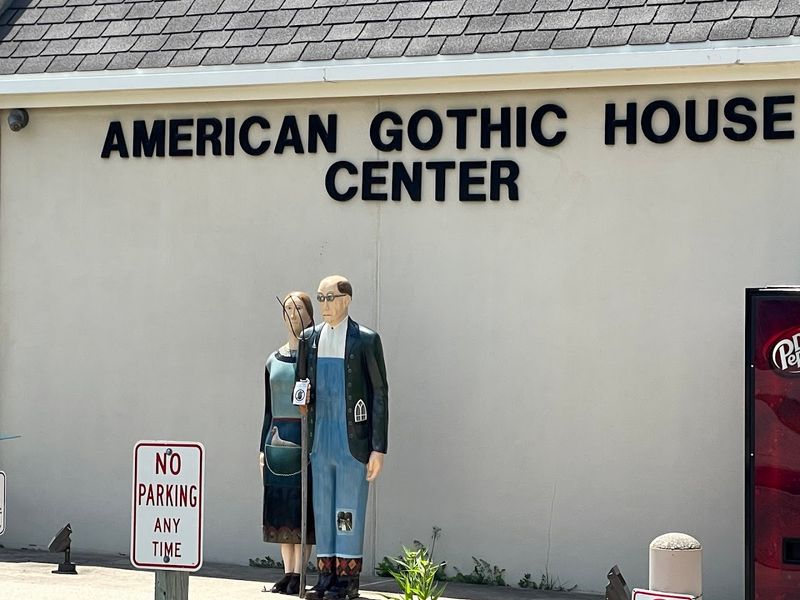
That tiny white house with the pointy window exists in real life, and yes, you can recreate the famous painting pose. The center provides period costumes and a pitchfork for the full experience, because they understand exactly why you drove here.
Grant Wood spotted this humble home in 1930 and imagined the stern-faced farmers who might live there. His painting became an American icon, though locals didn’t always appreciate being depicted so seriously.
The visitor center shares the fascinating backstory, including how Wood’s dentist and sister served as models.
Beyond photo opportunities, the center explores Wood’s artistic vision and the regionalist art movement he championed. Interactive exhibits explain his techniques and how one small-town building sparked international recognition.
You’ll gain newfound appreciation for how artists find inspiration in unexpected places.
The surrounding town of Eldon embraces its claim to fame with murals and art-themed businesses. Plan your visit during their annual Gothic Days celebration when the whole community dresses in character.
It’s quirky, educational, and genuinely entertaining.
Iowa Quilt Museum – Winterset
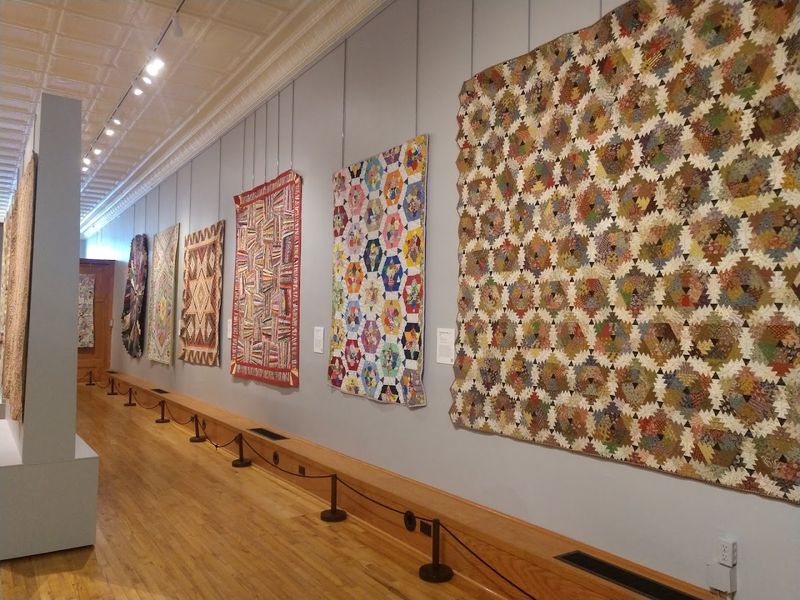
Dismissing quilts as simple blankets would be like calling the Sistine Chapel a painted ceiling. These textile artworks tell stories through color, pattern, and painstaking craftsmanship that can take hundreds of hours to complete.
The museum rotates exhibitions throughout the year, showcasing everything from nineteenth-century heirlooms to contemporary art quilts that push creative boundaries. Some pieces look traditional until you step closer and notice modern themes cleverly woven into classic designs.
Others explode with bold colors and abstract shapes that challenge everything you thought quilting could be.
I never understood the appeal until I saw one quilt commemorating a family’s immigration journey, each square representing a different generation. The emotional weight hit harder than any painting could.
Quilts document history, preserve memories, and create beauty simultaneously.
Workshops teach basic techniques if you’re feeling inspired to try your hand at this art form. The gift shop features handmade items from local quilters, supporting artists while giving you something genuinely special to take home.
Winterset itself charms visitors with covered bridges and small-town hospitality.
National Czech & Slovak Museum & Library – Cedar Rapids
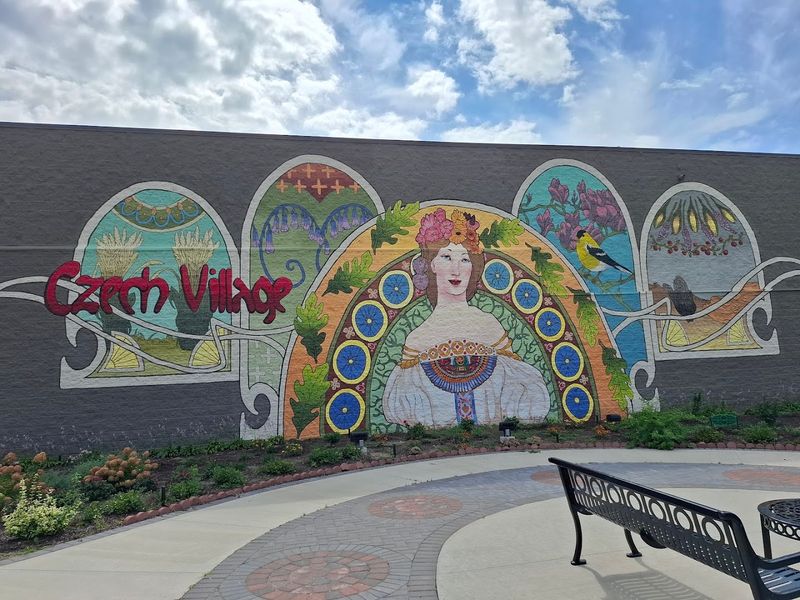
Stepping inside feels like boarding a time machine headed straight to Eastern Europe. Authentic artifacts, traditional costumes, and immersive exhibits transport you across the Atlantic without airport security hassles.
The immigrant experience comes alive through personal stories, photographs, and belongings families carried across the ocean. You’ll see how Czech and Slovak traditions shaped Iowa communities, from distinctive architecture to festival celebrations still happening today.
Interactive displays let you explore language, music, and customs in hands-on ways that beat boring textbook lessons.
What impressed me most was how the museum balances honoring the past with celebrating living culture. Contemporary art installations share space with historical collections, showing how traditions evolve while maintaining their essence.
Temporary exhibitions tackle modern issues facing Czech and Slovak communities worldwide.
The library houses genealogical resources if you’re researching family connections. Even without Czech or Slovak heritage, you’ll appreciate how immigrant stories reflect universal themes of courage, adaptation, and preserving identity.
Plus, the museum’s architectural design earned awards for innovative rebuilding after devastating floods.
Figge Art Museum – Davenport
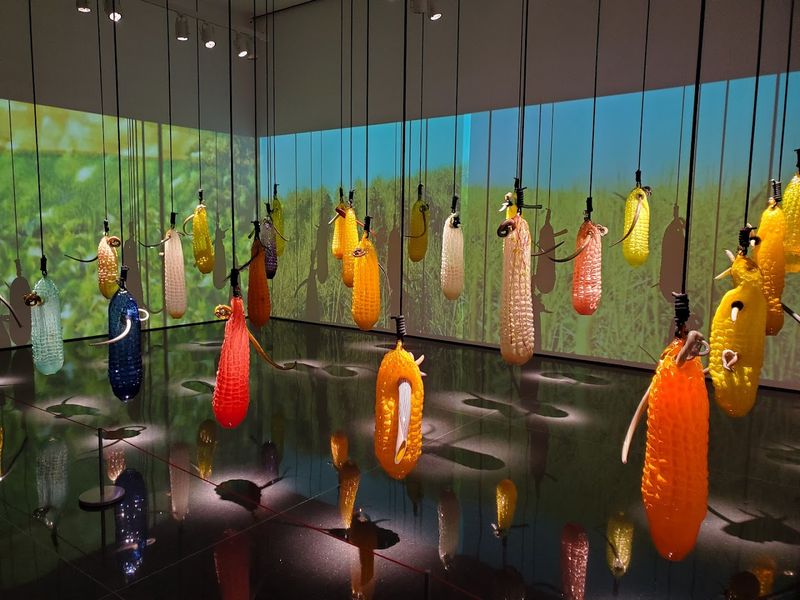
Perched along the Mississippi River, the building’s sleek glass exterior promises the contemporary experience waiting inside. Natural light floods galleries through carefully designed windows, making paintings practically glow.
The collection spans five hundred years, which sounds overwhelming until you realize the thoughtful curation makes exploring feel like following a story rather than wandering randomly. Medieval religious works transition into American colonial pieces, then modern movements take over with bold colors and experimental techniques.
European paintings share space with regional artists, creating conversations between different styles and eras.
Special exhibitions bring blockbuster shows to the Midwest that typically skip flyover states. I caught a Warhol retrospective here that would’ve required flying to New York otherwise.
The museum proves Iowa can attract major artistic talent when institutions invest in bringing culture to communities.
Family programs on weekends turn gallery visits into creative adventures for kids. The riverfront location means you can stroll outdoors before or after viewing art, combining cultural enrichment with scenic beauty.
Free admission days remove financial barriers to accessing world-class collections.
Vesterheim Norwegian-American Museum – Decorah
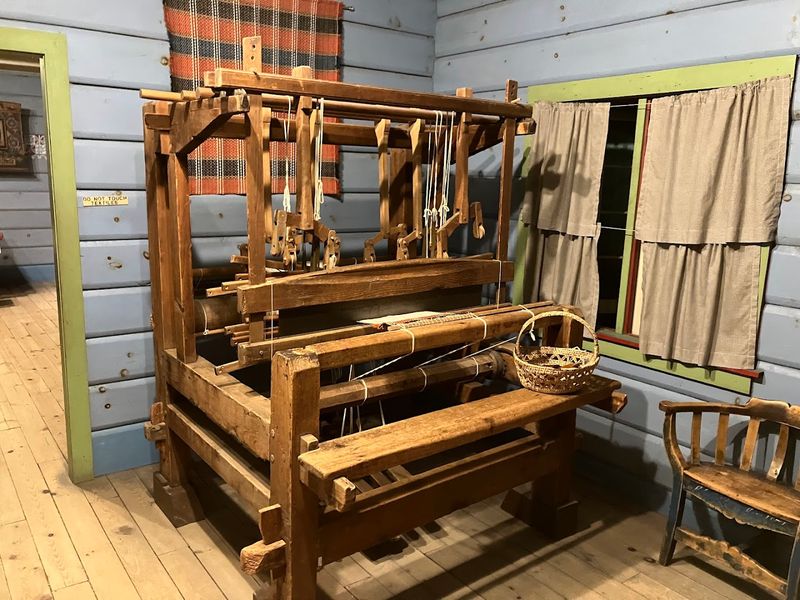
America’s oldest Norwegian-American museum doesn’t just display artifacts behind glass—it brings traditions to life. Costumed demonstrators practice rosemaling painting, traditional woodcarving, and textile arts using techniques passed down through generations.
The historic building collection alone justifies the visit. Preserved structures from the 1800s show how Norwegian immigrants adapted their architectural style to Iowa landscapes.
You can walk through actual homes, churches, and workshops, imagining daily life when these buildings bustled with activity. It’s like a living history book where you’re invited to turn the pages yourself.
Folk art collections dazzle with intricate details and vibrant colors. Rosemaling designs transform ordinary objects into decorative masterpieces through flowing patterns and precise brushwork.
Learning the cultural significance behind each design element adds depth to appreciating the craftsmanship.
Workshops teach traditional skills if you want hands-on experience. I tried tablet weaving and discovered why people respect textile artists—my crooked attempt looked nothing like the perfect examples surrounding me.
The museum shop sells authentic Norwegian imports and handmade items supporting practicing artisans.
Brucemore – Cedar Rapids
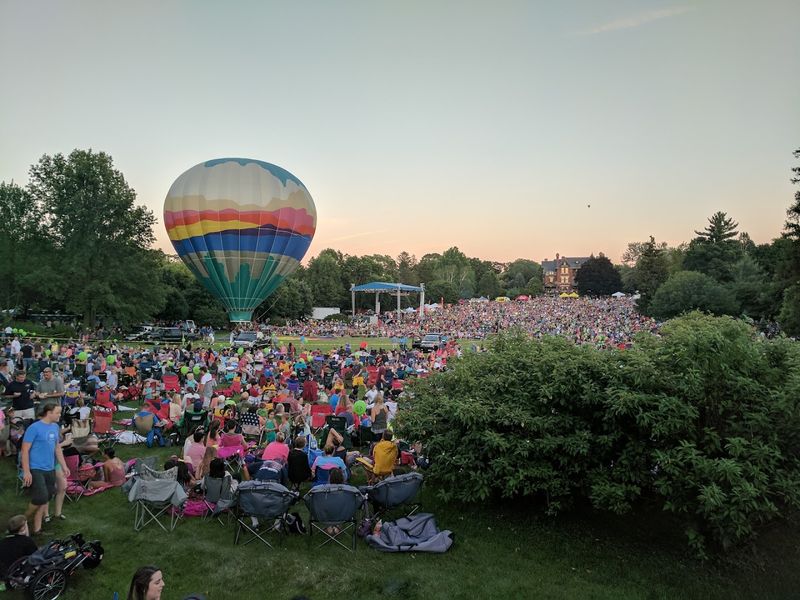
Grand estates usually feel stuffy and disconnected from modern life, but Brucemore manages to stay relevant while honoring its lavish past. The mansion hosts concerts, theater performances, and cultural events that transform historic rooms into living creative spaces.
Walking through this Queen Anne-style home reveals how wealthy families lived during Cedar Rapids’ industrial boom. Original furnishings, artwork, and decorative elements showcase late-nineteenth and early-twentieth century tastes.
The stories of three families who called Brucemore home add personal dimensions beyond just admiring fancy furniture. You’ll hear about philanthropic efforts, community leadership, and how they shaped Cedar Rapids culture.
The gardens deserve as much attention as the mansion itself. Twenty-six acres of landscaped grounds feature formal gardens, winding paths, and unexpected artistic touches.
Summer concerts on the lawn attract crowds who picnic while enjoying live music under Iowa skies.
Educational programs connect historic preservation with contemporary creativity. The estate demonstrates how architectural beauty and cultural programming can coexist, making history accessible rather than intimidating.
It’s fancy without being pretentious, historic without being boring.
Maquoketa Art Experience – Maquoketa
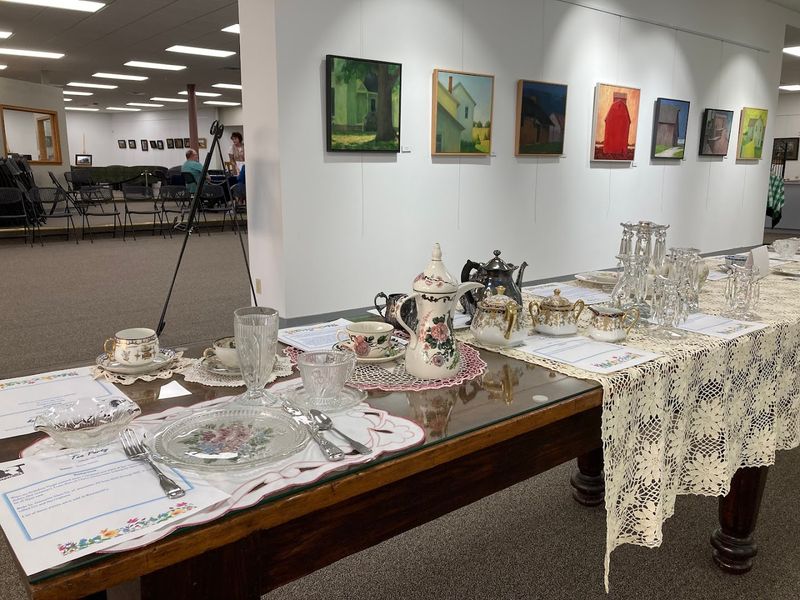
Small-town art centers often fly under the radar, yet they’re where creativity actually happens. Maquoketa’s community space proves you don’t need big-city funding to foster artistic expression.
Unlike museums where you observe from a distance, this center invites participation. Workshops cover everything from pottery to painting, welcoming complete beginners alongside experienced artists.
The vibe stays relaxed and encouraging rather than intimidating. Nobody judges your crooked vase or abstract interpretation that maybe went too abstract.
Rotating exhibitions feature local and regional artists, giving exposure to talent that deserves recognition. You might discover your new favorite painter or sculptor while supporting working artists directly.
Gallery openings create social connections within the community, proving art brings people together beyond just looking at pretty things.
The center represents a growing movement in Iowa toward accessible, participatory art experiences. Creating something with your own hands changes your relationship with art entirely.
Suddenly you understand the skill, patience, and vision required. Plus, you leave with a tangible reminder of your Iowa adventure, even if that reminder looks slightly wonky.
Cedar Rapids Museum of Art – Cedar Rapids
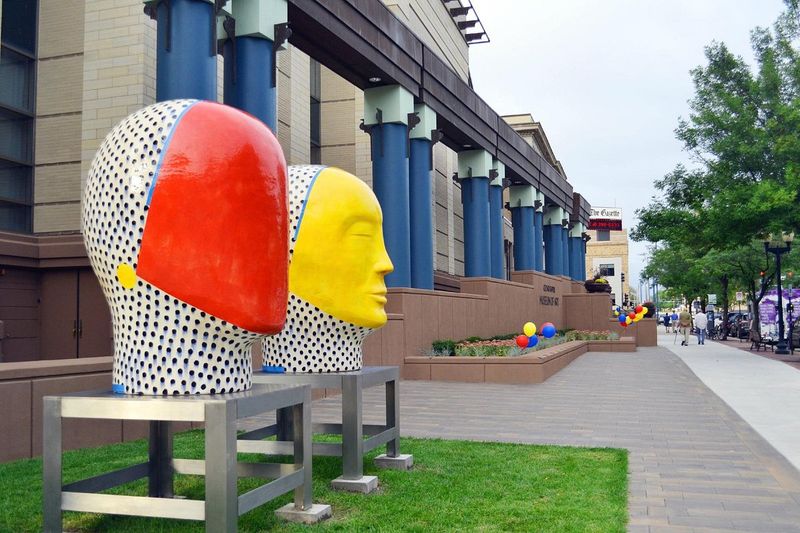
Housing the world’s largest collection of Grant Wood’s work makes this museum essential for understanding Iowa’s artistic legacy. Beyond American Gothic fame, Wood created landscapes, portraits, and murals that captured Midwestern life with affection and subtle humor.
The museum doesn’t just celebrate one famous son, though. Regional artists from past and present fill galleries with diverse perspectives on Iowa culture and landscapes.
You’ll see how different creative voices interpret the same rolling hills, small towns, and agricultural heritage. Some romanticize rural life while others offer grittier, more complex portrayals.
Marvin Cone’s impressionistic works provide fascinating contrast to Wood’s detailed style, despite the artists being lifelong friends. Their artistic dialogue spans decades and offers insight into how individual vision shapes artistic output.
Contemporary galleries prove Iowa continues producing talented artists exploring modern themes through various mediums.
The museum building itself deserves appreciation for its architecture and thoughtful layout. Natural light enhances viewing experiences without damaging delicate artworks.
Special exhibitions bring traveling shows to Cedar Rapids, expanding access to art beyond the permanent collection.
Reiman Gardens – Ames
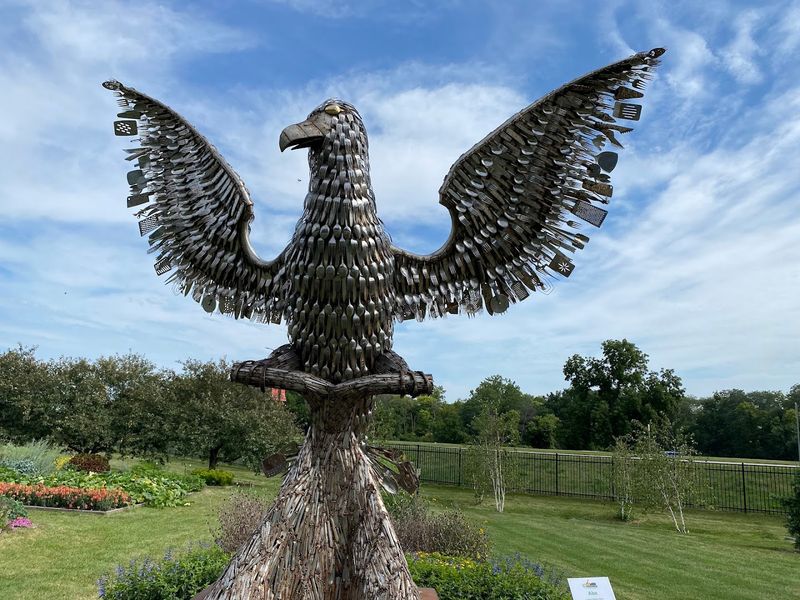
Gardens blur the line between horticulture and art until you can’t tell where science ends and creativity begins. Reiman’s fourteen acres prove plants become living sculptures when arranged with artistic vision.
Seasonal displays transform the landscape throughout the year, ensuring repeat visits reveal completely different experiences. Spring bulbs explode in cheerful colors after gray winter months.
Summer brings lush growth and the indoor butterfly conservatory buzzing with hundreds of species. Fall offers dramatic foliage changes, while winter highlights structural plantings and architectural bones.
The sculpture collection scattered throughout gardens adds permanent artistic elements complementing temporary floral displays. Bronze figures peek from behind bushes, abstract metal pieces contrast with organic shapes, and whimsical installations surprise you around corners.
It’s treasure hunting where nature and human creativity collaborate.
Themed areas like the rose garden, herb garden, and tropical conservatory showcase plant diversity while demonstrating design principles. Educational programming teaches gardening techniques, though you’ll absorb lessons just by observing how professional landscapers create outdoor masterpieces.
The gardens make you want to rush home and reimagine your own yard.
Crystal Lake Cave – Dubuque
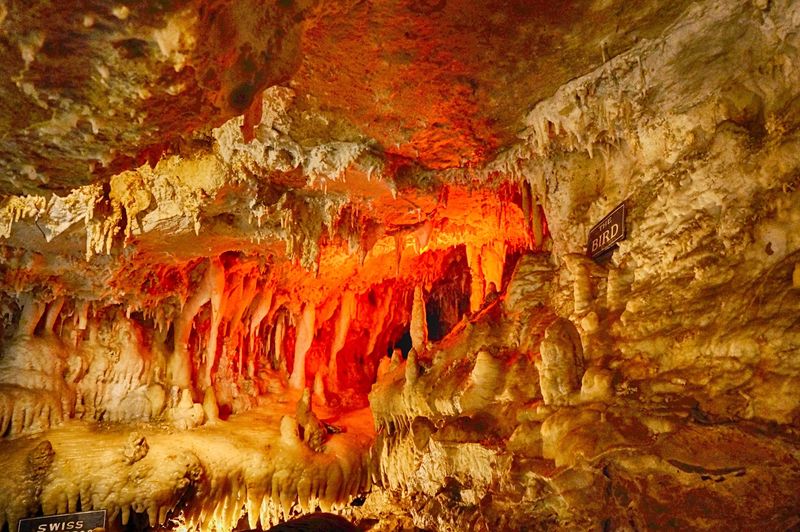
Nature spent millions of years sculpting an underground gallery that no human artist could replicate. Mineral deposits created formations that look deliberately artistic, from delicate stalactites hanging like chandeliers to massive columns supporting ancient ceilings.
Guided tours lead you through passages where every surface tells geological stories. Water carved intricate patterns into limestone, deposited minerals in rainbow layers, and formed crystals that sparkle under carefully placed lighting.
The cave stays a constant fifty-two degrees year-round, making it perfect summer escape from Iowa heat.
What struck me most was the absolute silence broken only by occasional water drips. Standing in darkness older than human civilization puts daily worries into perspective.
The guide’s flashlight reveals new wonders with each turn, proving earth creates beauty without audience or recognition.
Crystal Lake Cave formed differently than most Iowa caves, resulting in unique features and formations. Local geology lessons become fascinating when you’re standing inside the evidence.
The cave also served as a natural refrigerator for storing food before electricity, adding historical interest to natural splendor.
Sioux City Public Museum – Sioux City
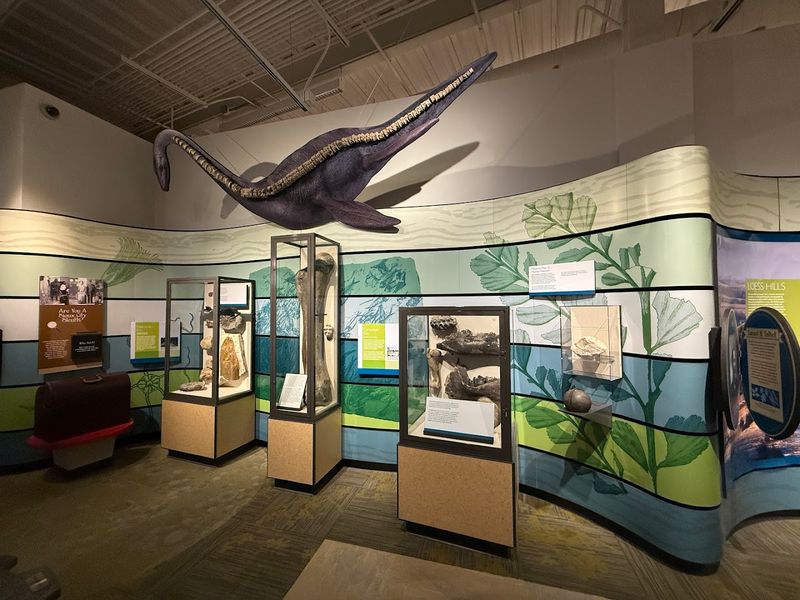
Regional museums often get dismissed as dusty collections of random local stuff, but Sioux City’s approach to storytelling elevates history into immersive experience. Interactive exhibits invite you to touch, explore, and engage rather than just reading plaques.
Native American collections present diverse tribal cultures with respect and context often missing from older museums. You’ll learn about Sioux, Omaha, and other nations who called this region home long before European settlement.
Traditional artwork, tools, and ceremonial objects showcase sophisticated cultures with rich artistic traditions.
Pioneer history comes alive through recreated settings and personal stories documenting how early settlers carved communities from prairie wilderness. The museum doesn’t romanticize hardships or ignore conflicts, presenting complex historical narratives that acknowledge multiple perspectives.
You leave understanding how past events shaped present communities.
Temporary exhibitions cover everything from local industry history to contemporary art installations. The museum serves as cultural hub for northwest Iowa, hosting events, lectures, and programs year-round.
Free admission removes barriers to accessing collections that belong to the entire community. It’s proof that smaller cities can maintain world-class institutions when communities prioritize cultural preservation.