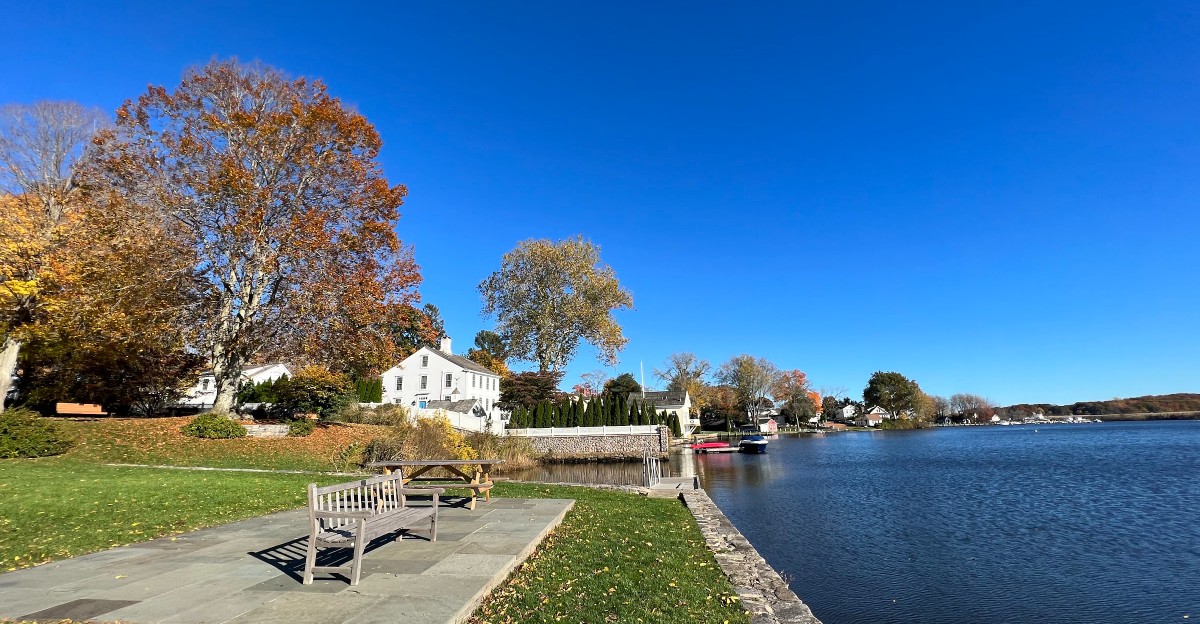
A short walk through Essex can make a busy day feel surprisingly far away. Along the Connecticut River, sailboats drift past old village streets while wooded paths invite you to slow your pace and notice what is around you.
Essex, Connecticut, is made up of three distinct villages—Essex Village, Centerbrook, and Ivoryton—each with its own character and quiet appeal.
In Essex Village, you might pause for a river view before wandering toward shops and historic buildings. Elsewhere, a leisurely lunch, a shaded trail, or the sound of boats moving along the water can easily stretch a planned stop into an unhurried afternoon.
The charm is not about rushing from one attraction to another; it is found in the small moments between them. Leave your schedule a little loose, follow the streets that catch your eye, and you may discover another reason to linger in this easygoing Connecticut town.
Follow Main Street Without Watching the Clock
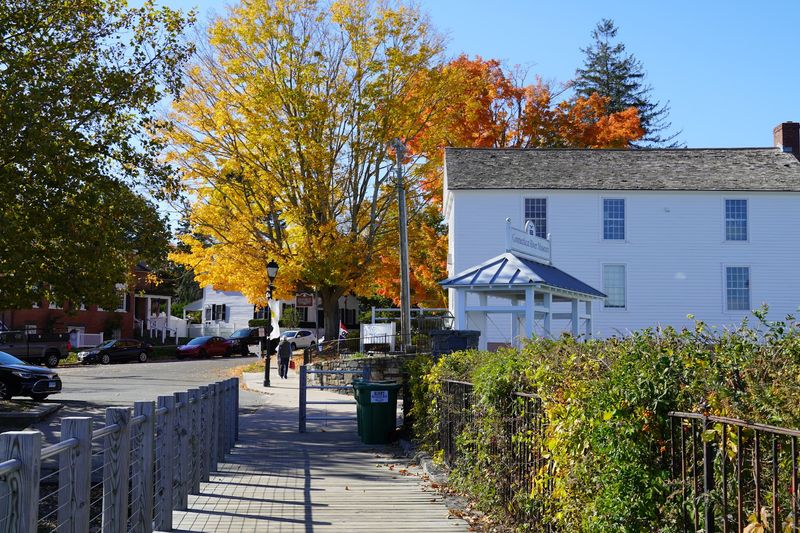
Your best discovery might be the shop you almost walked past. Along Main Street in Essex Village, small storefronts and older homes make a simple stroll feel more interesting than a shopping checklist.
Look up from the windows now and then to notice clapboard siding, tidy doorways, and the changing view toward the Connecticut River. The street rewards attention, especially when you stop trying to cover every block quickly.
Browse whatever catches your interest, whether that means gifts, clothing, or something for your home. Business hours vary, so check ahead if you have a particular shop in mind, and remember that a weekday visit may feel quieter than a sunny weekend afternoon.
Comfortable shoes help, but a loose schedule matters more. Give yourself time to turn around, revisit a window, or sit with a drink before continuing toward the waterfront.
You do not need to buy anything to enjoy this part of town; the pleasure comes from having enough breathing room to notice it. Even an ordinary errand can feel different when the river is waiting at the end of the street.
Let the Connecticut River Set the Pace
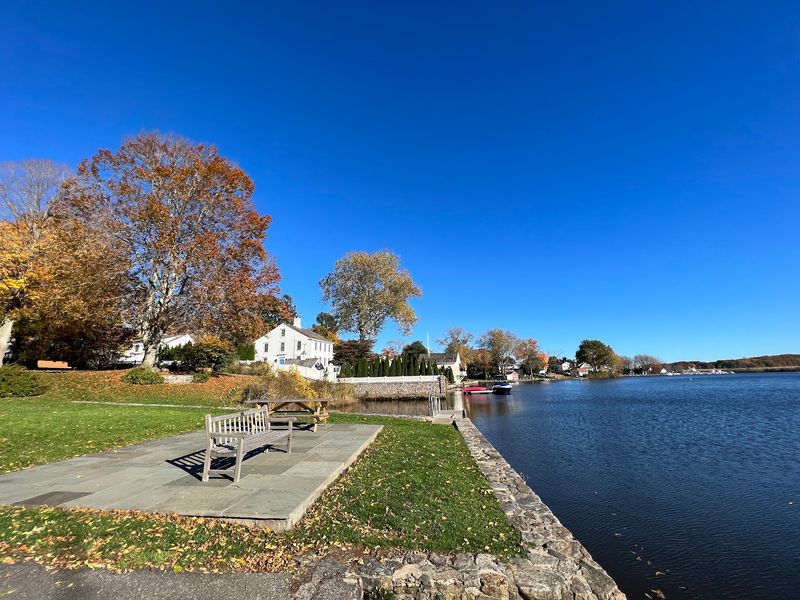
A boat shifts on its mooring, and suddenly there is no reason to hurry. At the river end of Main Street, the Essex waterfront gives you something simple to watch without asking anything in return.
The Connecticut River is broad here, with boats, distant shoreline, and changing reflections filling the view. Some days the water looks almost still; on others, wind puts a lively pattern across its surface.
Use public waterfront spaces and respect signs around marina docks, which are not all open for wandering. Bring a light layer even in pleasant weather, because the breeze beside the water can feel cooler than the air along the village streets.
A short stop works nicely between browsing and lunch, but staying longer has its rewards. Put your phone in your pocket for a few minutes and follow one boat with your eyes.
You may notice birds overhead, ropes moving against masts, or the soft sound of water at the edge. Nothing here needs to become an activity with a goal, and that is exactly what makes the pause feel so useful.
Find River Stories at the Connecticut River Museum

Behind that peaceful river view are stories of work, travel, and remarkable ideas. The Connecticut River Museum in Essex helps turn the scenery outside into something you can understand a little more deeply.
Housed in a historic waterfront warehouse, the museum explores the river’s place in local life. One especially memorable subject is David Bushnell’s Turtle, an early submarine connected with the American Revolution.
Check current hours, admission details, and exhibitions before visiting, since displays and special programs can change. Allow enough time to read at your own pace rather than treating the museum as a quick stop between photographs.
For families, choosing one object or story to discuss can keep the visit lively without trying to absorb every label. Adults may find that the building itself adds to the experience, with its close connection to the waterfront.
Afterward, step outside and look at the river again. Boats and shorelines may seem familiar, but now they belong to a much longer story.
That small shift in perspective makes a quiet afternoon feel richer without making it feel crowded or complicated.
Make Lunch Last at The Griswold Inn
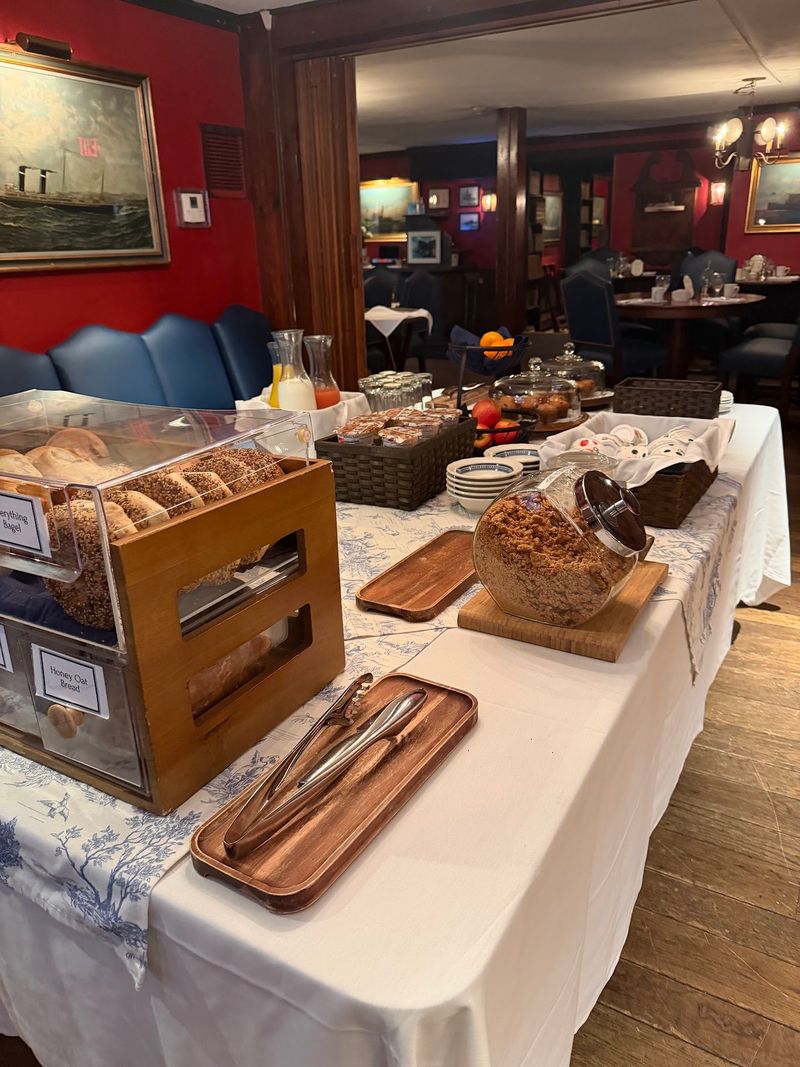
Some lunches deserve more than a hurried sandwich and a glance at the time. At The Griswold Inn in Essex, an old building and a long hospitality tradition give a meal a sense of occasion.
The inn dates to 1776, and its historic rooms are part of the appeal. Maritime artwork and traditional surroundings fit naturally with the village’s river setting, making the atmosphere feel connected to the streets outside.
Look over the current menu before you arrive, especially if your group has dietary needs or younger diners. Reservations are a smart idea during busy periods, and anyone hoping to hear live music should check the schedule rather than assume it happens every evening.
Order something you genuinely want, settle into the conversation, and resist planning the next three stops while you eat. A visit here works best when the meal is allowed to become part of the afternoon, not merely fuel for it.
Afterward, a gentle walk along Main Street gives you a pleasant way to continue. History feels less distant when you have spent an hour sitting comfortably inside it.
Trade Traffic Noise for a Steam Train Ride
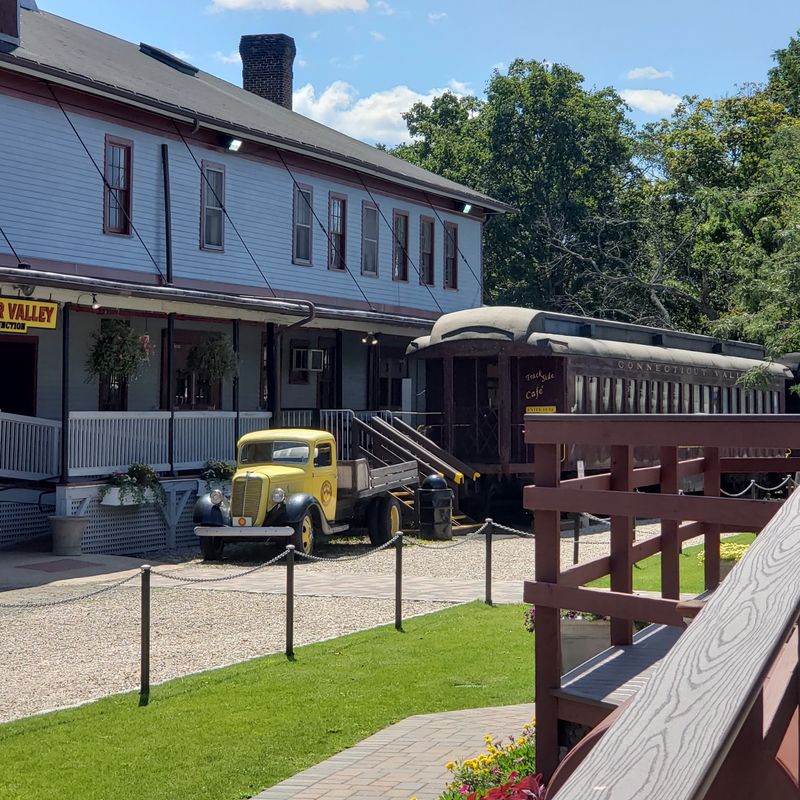
The whistle sounds, the wheels begin moving, and your afternoon takes on an entirely different rhythm. A ride with Essex Steam Train offers the rare pleasure of traveling without needing to watch the road.
Departures begin at Essex Station, where the steam locomotive and vintage coaches are part of the experience. The steady motion and views through the windows make the journey itself the reason to go.
Choose your excursion carefully, because offerings, lengths, and seasonal events vary. Reserve ahead when possible, read boarding instructions, and arrive with enough time to find your departure without rushing across the station grounds.
Children may love the machinery and whistle, while adults can enjoy having permission to sit and look outside. Bring what you need for the weather, and follow staff guidance around tracks and equipment.
Rather than spending the whole ride taking pictures, save a stretch for simply listening to the train. The sounds are part of what separates this outing from an ordinary drive.
Back at the station, you may find that even a familiar afternoon feels different after moving through it another way.
Spend an Evening With the Ivoryton Playhouse
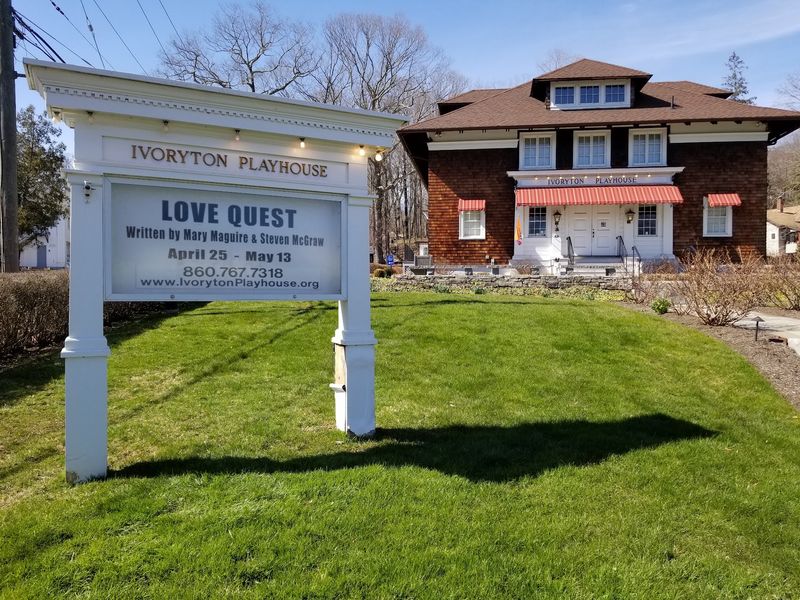
For a couple of hours, somebody else’s story can replace the running list in your head. The Ivoryton Playhouse brings live theater to Ivoryton, one of the three villages that make up Essex.
The historic theater dates to 1911 and has a long performance tradition. Its village setting makes an evening here feel personal, with the building offering a welcome change from a large entertainment complex.
Browse the current season before planning your visit, since productions vary in subject, length, and suitability for children. Buy tickets ahead, check accessibility information if needed, and give yourself extra time for parking and finding your seat.
You can keep the outing simple: an early meal, a show, and a few minutes outside afterward to talk about your favorite scene. There is no need to add several attractions to make the evening worthwhile.
Watching performers work just a short distance away encourages a kind of attention that screens rarely ask of us. When the lights come up, the village is still waiting outside, but your thoughts may have shifted somewhere more interesting than tomorrow’s chores.
Take the Wooded Route Through Canfield Woods

Sometimes the most useful sound is a footstep landing on leaves. In the Essex portion of Canfield Woods, a walk among trees offers a break from storefronts, schedules, and the urge to keep checking messages.
This preserve extends across town boundaries, so use an Essex Land Trust map to choose an appropriate starting point and route. The wooded trails invite closer attention to ordinary details, from rough bark to sunlight moving across the ground.
Wear sturdy shoes and expect roots, uneven footing, and muddy sections after rain. Bring water, use tick precautions, and check current trail guidance before setting out, particularly if you are unfamiliar with the area.
You do not have to cover a long distance for the walk to count. Pick a route that suits your energy, pause when something catches your eye, and turn back before you feel worn out.
Keep dogs under the control required by posted rules, and leave plants and wildlife undisturbed. The reward is not a dramatic finish line.
It is the chance to spend part of your Essex visit paying attention to something other than a screen.
Watch the Water at Mill Pond Park

A patch of grass and a pond can be enough to rescue an overloaded afternoon. Mill Pond Park in Centerbrook offers a quieter stop within Essex, away from the pull of a packed sightseeing plan.
The water gives your eyes somewhere restful to land, while the park provides room for an easy outdoor pause. Centerbrook has its own village character, making this a useful reminder that Essex is more than its riverfront streets.
Bring a drink or a small snack, and choose a comfortable spot without blocking paths or disturbing other visitors. Check posted rules, take your litter with you, and keep a respectful distance from any birds near the pond.
Families can use the stop to reset between outings, while solo travelers might enjoy a few pages of a book. You may also decide to do nothing beyond watching the surface change with the breeze.
That is a perfectly good use of vacation time. Leave space in your schedule for a visit that has no major attraction to finish, and the town starts to feel like somewhere you can actually settle into.
Step Into Everyday History at the Pratt House
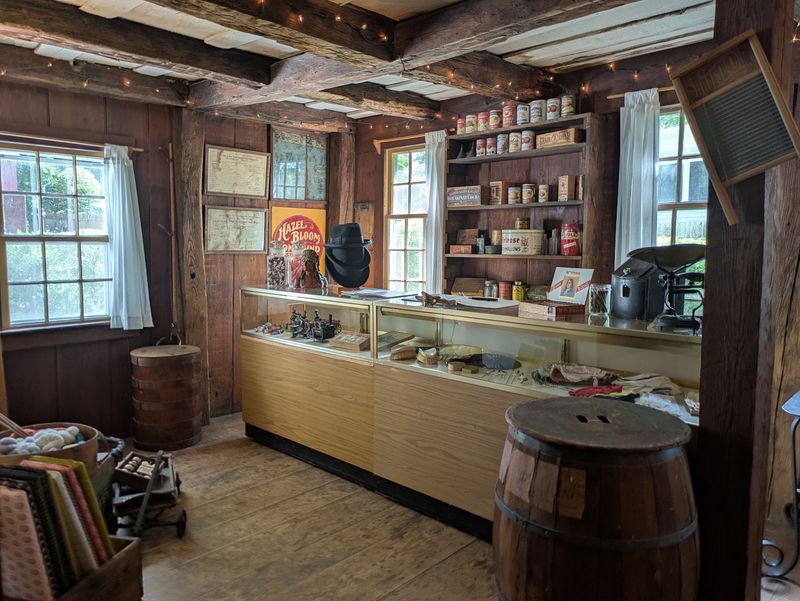
Old houses can make history feel surprisingly close, especially when the story is about daily life. The Pratt House in Essex offers a different kind of visit from a grand mansion or a crowded museum.
With roots reaching back to the early eighteenth century, the property is associated with generations of the Pratt family. Its value lies partly in helping visitors picture ordinary routines across a long stretch of local history.
Consult the Essex Historical Society for current tour opportunities, opening dates, and event information. Access is scheduled rather than something to assume every day, so a little advance planning prevents a disappointing arrival at a closed building.
During a visit, pay attention to the scale of the rooms and the details your guide points out. Ask how people cooked, worked, or shared their space, and let those practical questions shape the experience.
Children often connect more easily with household life than with a list of dates. For adults, the house offers a quiet reminder that this town was lived in long before it became a place to spend a relaxing weekend.
Leave Room for Ivoryton’s Smaller Moments

Not every good travel memory comes with a ticket stub. A slow look around Ivoryton can leave you remembering a doorway, a conversation, or the way afternoon light fell across an older building.
This Essex village grew around the ivory industry, a history that gave it both its name and a distinct identity. Today, its historic streets offer another side of town beyond the boats and waterfront of Essex Village.
Pair a short village walk with a playhouse visit, or come separately when you have time to browse open businesses. Check hours before counting on a particular stop, use sidewalks where available, and respect private homes and their grounds.
The idea is not to turn the neighborhood into a scavenger hunt. Notice what interests you, read public historical information when you find it, and allow a simple stop to stay simple.
If you visit more than one of Essex’s villages, their differences become part of the pleasure. Ivoryton makes a fitting final pause because it asks for curiosity rather than speed.
You can head home with a fuller picture of the town, not just another completed itinerary.