North Carolina is a state of mountain views and coastal towns, but tucked between them are estates and follies that feel like they escaped from a fairytale.
From the misty peaks around Asheville to quiet small towns and historic river cities, these properties carry the architecture, ambition, and imagination of the people who built them.
Some rose from Gilded Age fortunes chasing European grandeur, while others grew from the quirky visions of local dreamers and artists.
Wander through stone towers, grand halls, and gardens that seem pulled from another world, and you will see the Tar Heel State in a whole new light.
So pick a direction, plan your route, and get ready to discover fourteen of North Carolina’s most captivating hidden gems.
1. Biltmore Estate, Asheville, Buncombe County
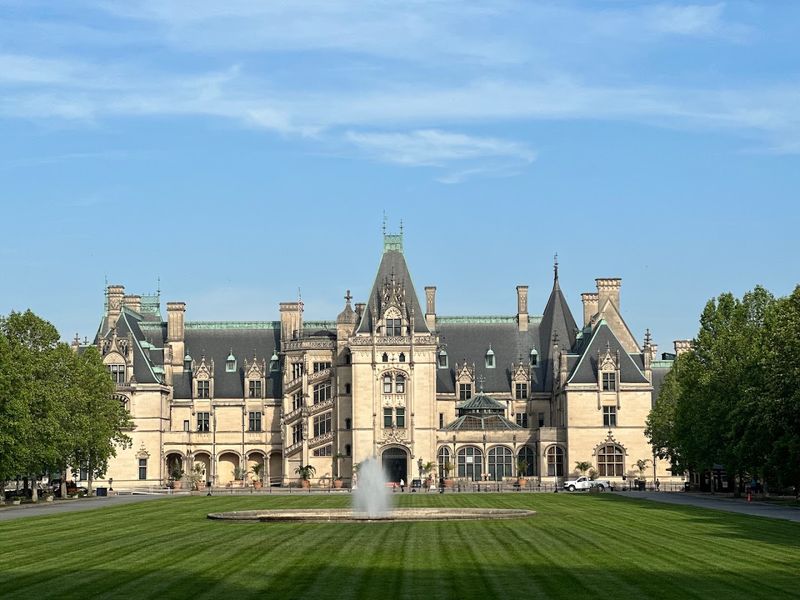
Misty mountain air and sweeping lawns create the kind of first impression that feels almost unreal.
Tucked into Asheville, Biltmore Estate rises like a French chateau translated into Blue Ridge grandeur.
Though it is famous by North Carolina standards, many travelers still do not realize just how castle-like and immersive this enormous home truly is.
Completed in 1895 for George Vanderbilt, the mansion contains 250 rooms filled with carved stone, rich woodwork, tapestries, and art collected from Europe and beyond.
You can move from a soaring banquet hall to intimate bedrooms, hidden service corridors, and a surprisingly elegant indoor pool.
Every turn reveals how architecture, landscape, and hospitality were designed to impress guests without ever feeling random.
Outside, the estate becomes even more transportive, with formal gardens, wooded trails, fountains, and winery spaces that reward a slower visit.
Frederick Law Olmsted planned the grounds, and that thoughtful design still shapes how you experience the property today.
If you visit in spring or fall, the color and mountain backdrop make the whole scene feel especially cinematic.
What makes Biltmore memorable is not only its scale, but the way it still invites curiosity.
For anyone chasing castle magic in North Carolina, this is the place that sets the standard.
2. Castle McCulloch, Jamestown, Guilford County
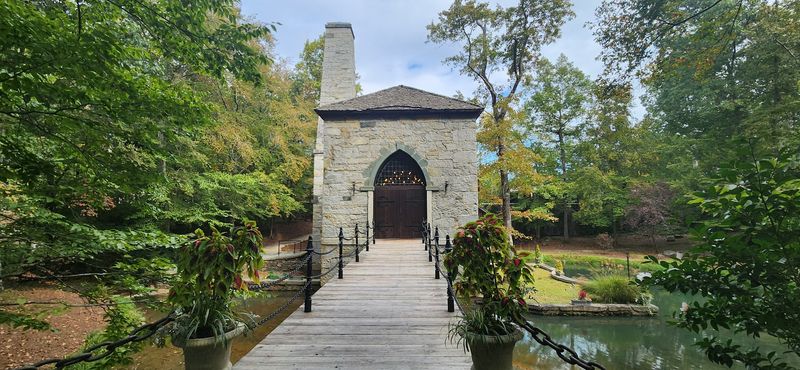
Wooded grounds and a reflective lake make the approach feel more like a legend than a typical Piedmont outing.
In Jamestown, Castle McCulloch stands with battlements, towers, and stonework that immediately invite comparison to a medieval keep.
It is one of those places you do a double take over, because a castle is not what most people expect to find here.
The structure was built in the 1830s by Charles McCulloch, whose fascination with European design shaped its unusual appearance.
Over time, the property developed into a remarkably atmospheric landmark that now hosts weddings, events, and curious visitors.
Even when it is dressed for celebrations, the building keeps its eccentric historical charm firmly intact.
What makes this place memorable is the way fantasy and locality meet without feeling forced.
The castle sits comfortably within North Carolina’s landscape, yet its crenellated profile pulls your imagination somewhere much older and farther away.
That tension gives the site a theatrical quality, especially in evening light or under low clouds.
You come for mood, for storytelling, and for the sheer delight of seeing architectural ambition turned into something so playful and enduring.
Among North Carolina’s overlooked castle-like places, Castle McCulloch remains one of the most distinctive and unexpectedly transportive stops you can make.
3. Flat Top Manor at Moses H. Cone Memorial Park, Blowing Rock, Watauga County
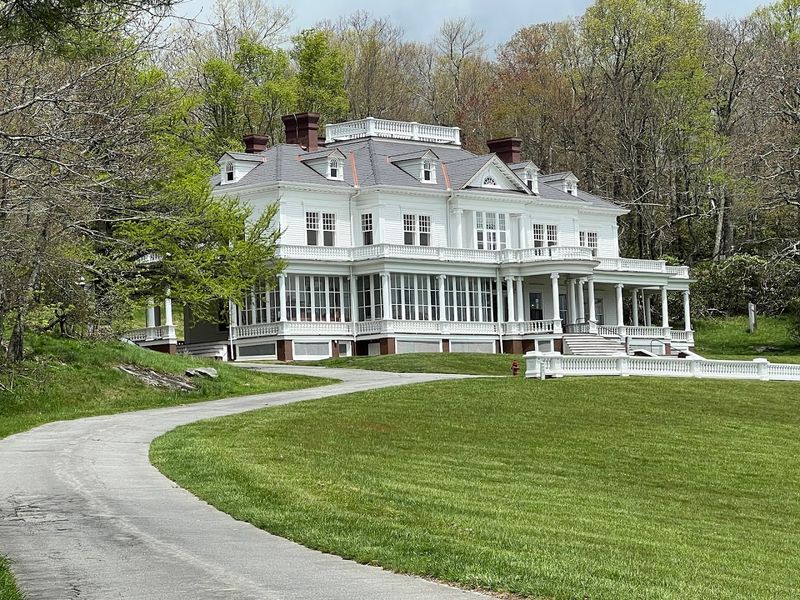
Open meadows, carriage roads, and Blue Ridge vistas create a setting that feels aristocratic before the house even comes into view.
At the center of that landscape stands Flat Top Manor, the striking estate at Moses H. Cone Memorial Park near Blowing Rock.
It is not a castle in the turreted sense, but its scale, setting, and commanding elegance absolutely earn it a place on this list.
Built in 1901 for textile entrepreneur Moses Cone, the twenty-room mansion reflects Colonial Revival design with a polished mountain personality.
Its long porches, symmetrical facade, and elevated site give it the dignified air of a retreat made for privileged escape.
Once you step inside, the craftsmanship and historic interpretation reveal a lifestyle built around leisure, scenery, and quiet prestige.
The broader estate deepens the experience more than most visitors expect.
Miles of carriage trails, orchards, lakes, and gently unfolding views make the property feel like a self-contained world rather than a single house museum.
That sense of scale is exactly why Flat Top Manor leaves such a strong impression.
You may arrive for the architecture, but the landscape will probably keep you longer.
For anyone exploring hidden castle energy in North Carolina, this mountain manor quietly delivers one of the state’s most beautiful surprises.
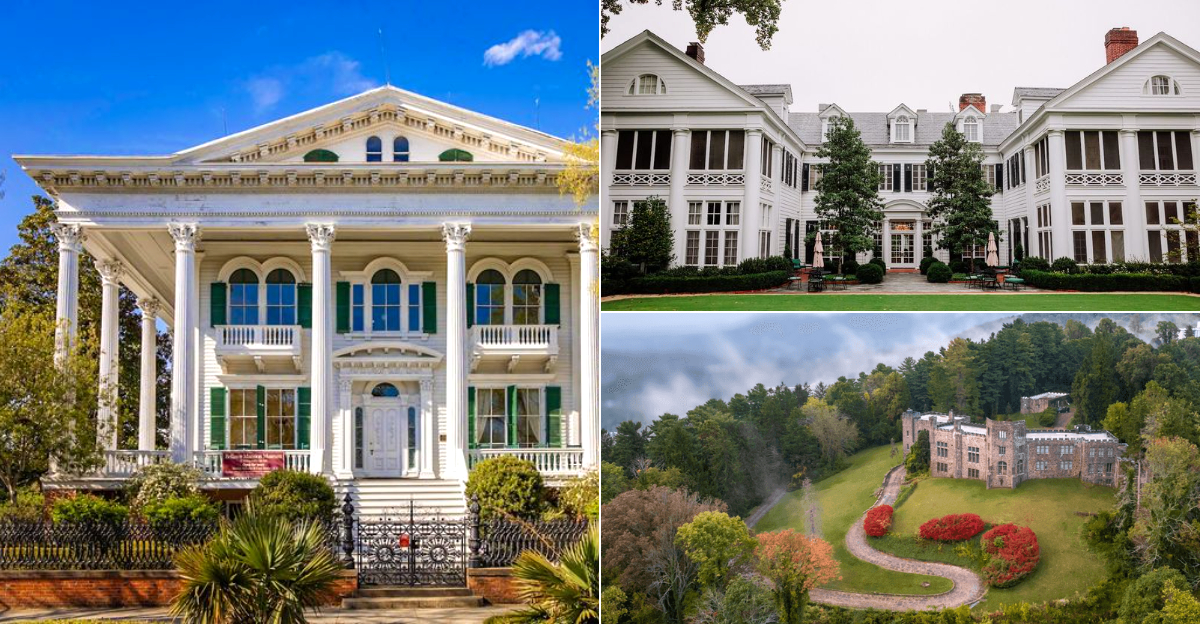
4. The Duke Mansion, Charlotte, Mecklenburg County
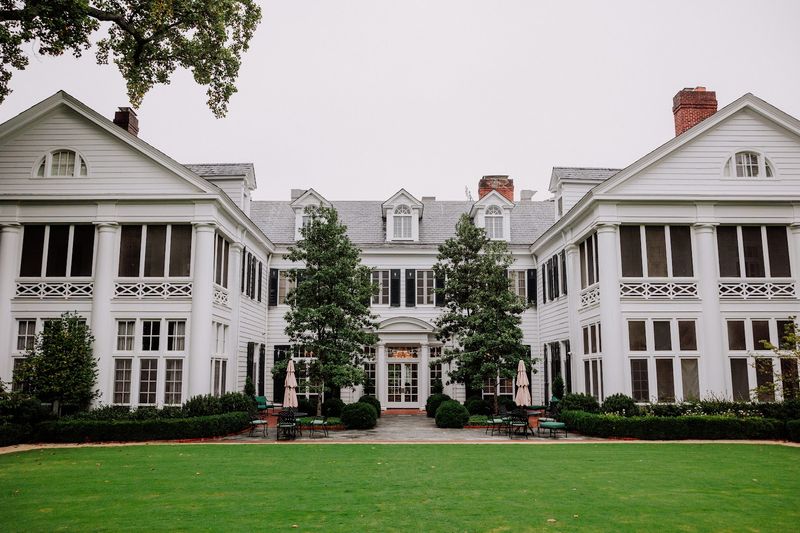
Leafy streets and polished gardens set a tone of quiet privilege long before you step through the doors.
In Charlotte, The Duke Mansion delivers a different kind of castle experience – less medieval fantasy, more Southern aristocratic grandeur.
Its presence is stately rather than theatrical, which is exactly why it feels so enduring and sophisticated.
Originally built in 1915 and later expanded by tobacco and energy heir James Buchanan Duke, the house became one of the city’s signature residences.
The mansion blends Colonial Revival elegance with the scale and ceremonial feel of an urban estate built for influence.
Inside, details remain refined rather than flashy, allowing the home’s history and proportions to speak for themselves.
Today, the property functions as both historic site and inn, so you can experience it in a more intimate way than many museum homes.
That lived-in quality makes the mansion especially memorable, because it still feels connected to hospitality rather than frozen in time.
Walking the grounds, you get a sense of Charlotte’s older social world and its carefully curated image of gentility.
Instead, it wins through atmosphere, pedigree, and the confidence of architecture meant to signal status without strain.
If your idea of a hidden castle includes elegance, legacy, and a deeply local sense of grandeur, The Duke Mansion absolutely belongs on your itinerary.
5. Overlook Castle (Seely’s Castle), Asheville, Buncombe County
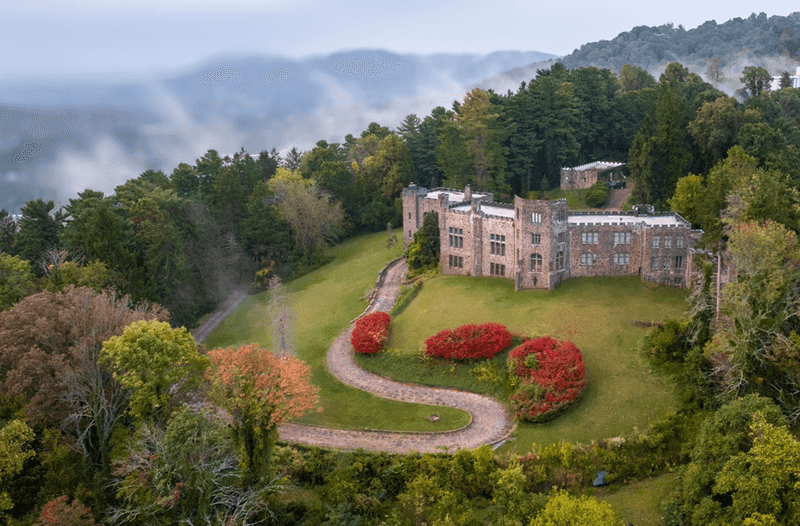
High above the city, behind trees and winding roads, a rugged stone silhouette hints at Asheville’s love for dramatic architecture.
That striking residence is Overlook Castle, also called Seely’s Castle, and it carries the mood of a private mountain fortress.
Compared with larger landmarks nearby, this one feels more secretive, which makes discovering it especially satisfying.
Built in the early twentieth century by E.W. Grove for his son-in-law Fred Seely, the home reflects Asheville’s resort-era ambition.
Its granite walls, turreted profile, and commanding views give it a storybook presence without losing its residential warmth.
You can easily imagine guests arriving in formal dress, expecting mountain air and sophisticated company for the weekend.
Part of the appeal is how naturally the castle fits into the landscape.
Instead of overwhelming the hillside, the structure seems anchored to it, as if it emerged from the stone beneath.
That blend of fantasy and regional texture makes it one of the most visually distinctive homes in western North Carolina.
Overlook Castle is not always the easiest site to experience closely, yet its reputation keeps growing among architecture lovers.
What stays with you is the sense of Asheville as a place where imagination once shaped entire neighborhoods.
6. Graylyn Estate, Winston-Salem, Forsyth County
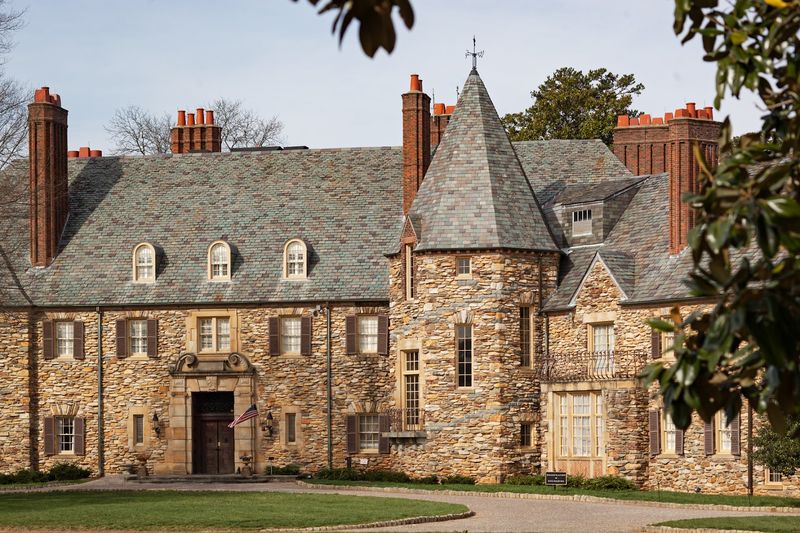
Curving drives, clipped hedges, and dramatic rooflines make this estate feel as if an English countryside fantasy landed in Winston-Salem.
Graylyn Estate carries unmistakable castle energy, with stonework, gables, and carefully composed grounds that immediately suggest old-world luxury.
It is one of North Carolina’s most polished historic properties, yet plenty of visitors still overlook just how enchanting it really is.
Completed in 1932 for Bowman Gray, the mansion reflects Norman Revival design and was built to project wealth, taste, and permanence.
Its exterior feels romantic and slightly theatrical, while the interiors reveal rich finishes, intimate rooms, and a level of detail that rewards slow attention.
Nothing here feels accidental, from the gardens to the way the house occupies its landscape.
What sets Graylyn apart is how successfully it balances grandeur with welcome.
Because it now serves as a conference center and inn connected to Wake Forest University, you can encounter the estate as a functioning place rather than a distant relic.
That accessibility makes its castle-like qualities feel immediate, not merely admired from a distance.
Spend a little time here and you start noticing how atmosphere does much of the storytelling.
The estate suggests power, hospitality, and aspiration all at once, without ever becoming stiff or cold.
7. Reynolda House Museum of American Art, Winston-Salem, Forsyth County
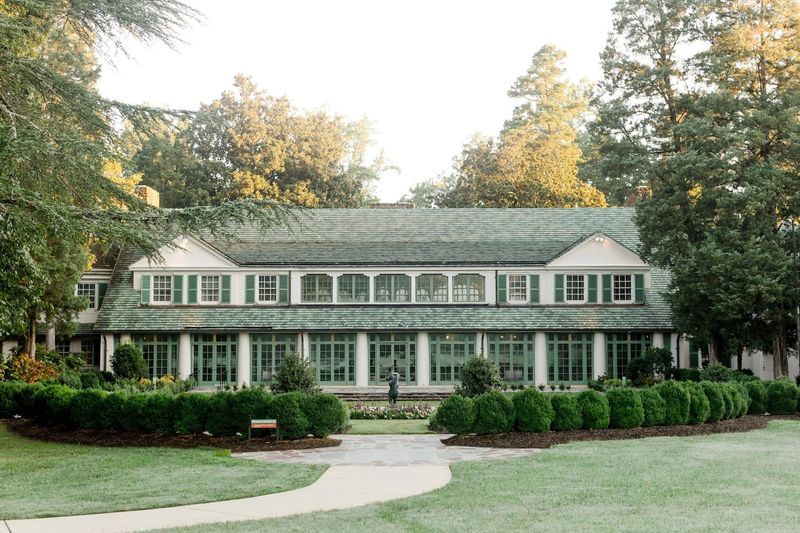
Garden paths, broad lawns, and a house of confident scale create a first impression that feels almost cinematic.
Reynolda House in Winston-Salem is not a literal castle, yet its estate setting and commanding architecture give it the same sense of curated power.
Once you begin exploring, it becomes clear why this place belongs among North Carolina’s most compelling mansion experiences.
Built in 1917 for Katharine and R.J. Reynolds, the home formed the heart of a model country estate that included farms, workshops, and planned landscapes.
Its design blends Southern comfort with upper-class ambition, producing spaces that feel gracious, impressive, and deeply intentional.
Today, the house’s transformation into an art museum adds another layer, allowing architecture and collection to enrich each other.
You move through rooms that still communicate family life, status, and cultivated taste, while American art broadens the conversation beyond domestic history.
That combination makes Reynolda more dynamic than many house museums, because it asks you to consider both how people lived and what they valued.
Outside, the surrounding village and grounds extend the feeling of entering an entire historical world.
Reynolda House stands out because it offers more than a beautiful shell.
If you are searching for hidden castle-style destinations in North Carolina, this estate proves that grandeur does not need turrets to feel unforgettable.
8. Tryon Palace, New Bern, Craven County
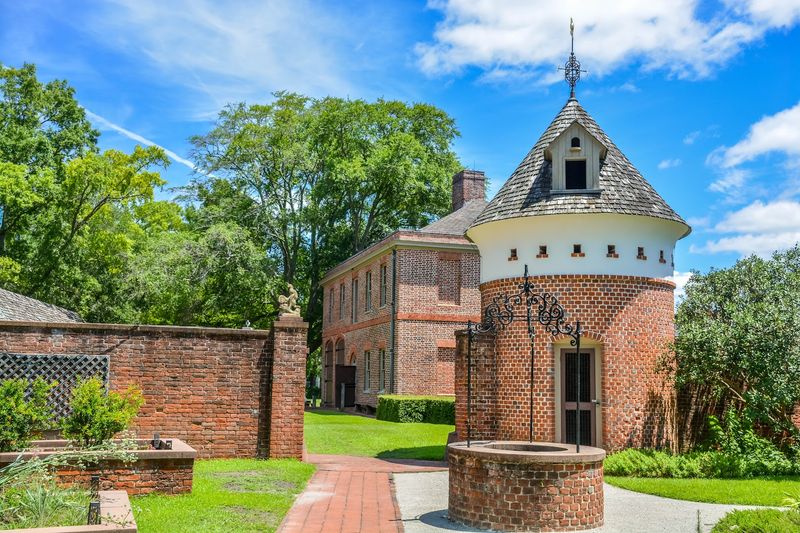
Brick paths, formal gardens, and symmetrical facades create a kind of colonial grandeur that still feels surprisingly theatrical.
In New Bern, Tryon Palace offers a palace rather than a castle, but its ceremonial design and historical weight make it every bit as compelling.
For many visitors, it is a revelation to find something this ambitious and richly interpreted in coastal North Carolina.
The original residence was built in the late 1760s as the home of royal governor William Tryon, signaling British authority in the colony.
Though the structure burned long ago, the reconstructed palace and surrounding historic buildings capture that world with remarkable clarity.
The result is not just a handsome landmark, but a place where architecture helps explain power, politics, and daily life before the Revolution.
Inside, period rooms, decorative details, and costumed interpretation bring the site to life without making it feel gimmicky.
Outside, the gardens and broader historic complex encourage a slower kind of exploration that suits the setting well.
You begin to understand why this palace once stood as one of the most imposing buildings in the American South.
Tryon Palace earns its place on this list because grandeur comes in many forms.
Here, the drama lies in order, ritual, and the confidence of colonial design rather than in battlements or towers.
9. Korner’s Folly, Kernersville, Forsyth County
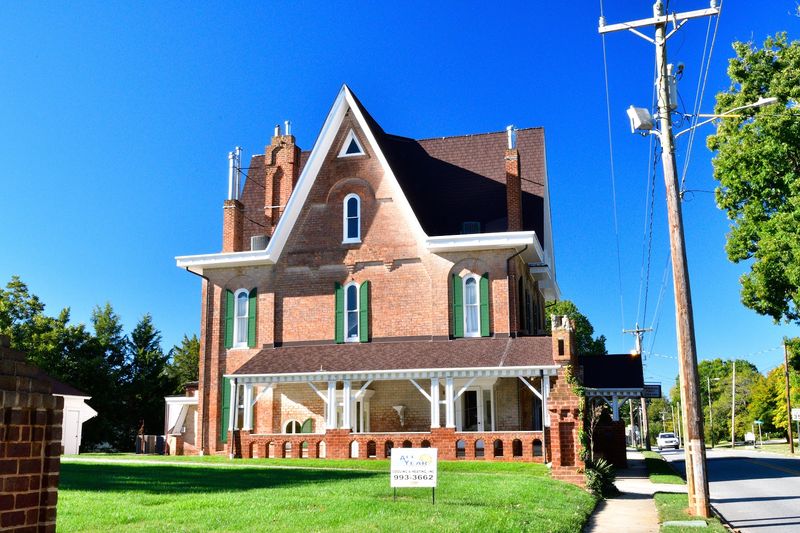
Whimsy hits you before logic has a chance to catch up.
In Kernersville, Korner’s Folly looks like a playful fairytale experiment, with towers, unexpected angles, and details that refuse to behave like a normal house.
That joyful eccentricity is exactly why it remains one of North Carolina’s most unforgettable castle-like landmarks.
Built in 1880 by artist and designer Jule Gilmer Korner, the home was part residence, part showroom, and part creative manifesto.
Inside, ceiling heights shift dramatically, rooms appear where you least expect them, and decorative flourishes keep your attention constantly moving.
The effect is less about old-world defense and more about imagination turned loose in wood, plaster, and color.
What makes the house so compelling is that its oddness never feels random.
Korner designed furniture, interiors, and theatrical spaces, and the building reflects that multidisciplinary vision in every direction.
You are not simply walking through a historic home here – you are stepping inside one person’s exuberant artistic mind.
Because it is so personal and so unlike anything around it, Korner’s Folly tends to stay with you.
This reminds you that a castle can be whimsical, intimate, and proudly strange without losing its sense of wonder.
10. Castle Ladyhawke, Stanley, Gaston County
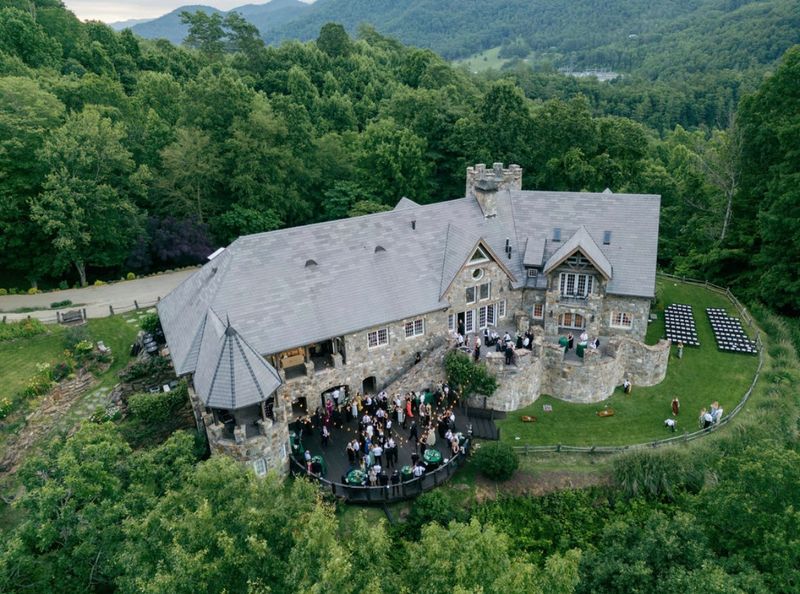
From a distance, the silhouette alone is enough to stop you in your tracks.
Near Stanley, Castle Ladyhawke rises from the landscape with towers, stone walls, and unmistakable medieval inspiration.
It feels less like a relic of another age and more like a dream made solid in the modern South.
Unlike many historic estates on this list, this castle is a newer creation, built to embrace fantasy architecture with total commitment.
Its design borrows from European precedents without pretending to be centuries old, and that honesty is part of its charm.
The result is dramatic, romantic, and wonderfully unexpected for this part of North Carolina.
Because the property is private and primarily known through events and photographs, Castle Ladyhawke carries an aura of mystery.
That slight distance actually strengthens its appeal, allowing imagination to fill in details that public tours might flatten.
You are left admiring how boldly the structure rejects ordinary residential design in favor of something unapologetically storybook.
This is the kind of place that proves castles are not only historical artifacts.
They can also be expressions of longing, personality, and architectural play, especially when built with conviction.
11. Bellamy Mansion Museum, Wilmington, New Hanover County
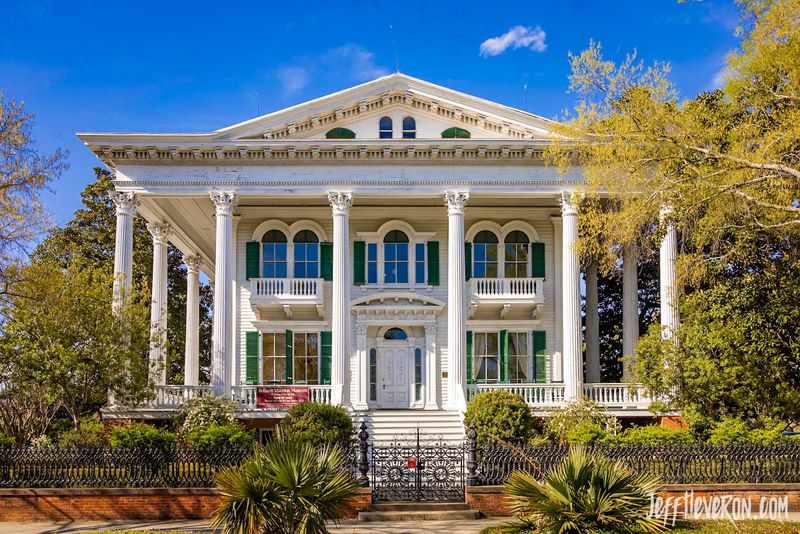
Shaded streets and old Wilmington charm set the scene for a residence that feels both elegant and quietly imposing.
Bellamy Mansion Museum is not a castle by design, yet its scale, ornament, and layered history give it the same gravity you seek in grand defensive houses.
It stands as one of the coast’s most compelling architectural surprises.
Completed in 1861 for planter and physician John Dillard Bellamy, the mansion blends neoclassical style with Italianate flourishes.
Its formal facade, impressive portico, and preserved outbuildings create a fuller picture of antebellum life than many visitors expect.
Just as important, the site’s interpretation addresses both the wealth that built the house and the enslaved labor that sustained it.
You are not only admiring craftsmanship here, but also confronting the social realities embedded in every polished surface and carefully framed room.
The urban setting intensifies the experience, reminding you that this was once part of a living, unequal world rather than an isolated estate fantasy.
Bellamy earns a place on this list because grandeur and discomfort often share the same architecture.
Its beauty is undeniable, but so is the history it carries, and that tension makes the visit memorable.
For those who want a North Carolina landmark that combines visual drama with serious historical substance, this Wilmington mansion deserves your full attention.
12. Julian Price Estate, Greensboro, Guilford County
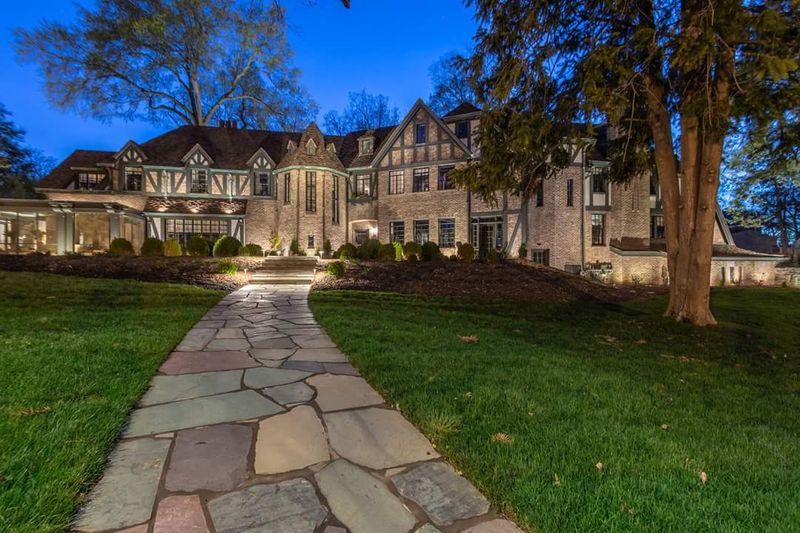
Quiet water, mature trees, and an unexpectedly grand house give this Greensboro property an almost cinematic stillness.
The Julian Price Estate feels like a manor from another world, with Tudor Revival features that lend it a distinctly castle-adjacent personality.
Even people familiar with North Carolina architecture are often surprised by how transporting this estate can feel.
Built in 1929 for insurance executive Julian Price, the home overlooks a lake and uses steep roofs, patterned brick, and timbered details to strong effect.
Its design favors atmosphere over ostentation, which makes the place feel more intimate than some larger Gilded Age residences.
That balance is part of what gives the estate its lasting visual power.
The grounds contribute as much as the architecture.
Water reflections, layered landscaping, and the house’s poised relationship to its setting create the impression of a private retreat shaped for contemplation as much as display.
There is a literary quality here, as if the property belongs in a novel full of weather, memory, and complicated family history.
Though the estate has changed hands and uses over time, its identity remains unusually strong.
You leave remembering not just a handsome building, but a mood – refined, secluded, and quietly dramatic.
13. Castle Mont Rouge, Pittsboro, Chatham County
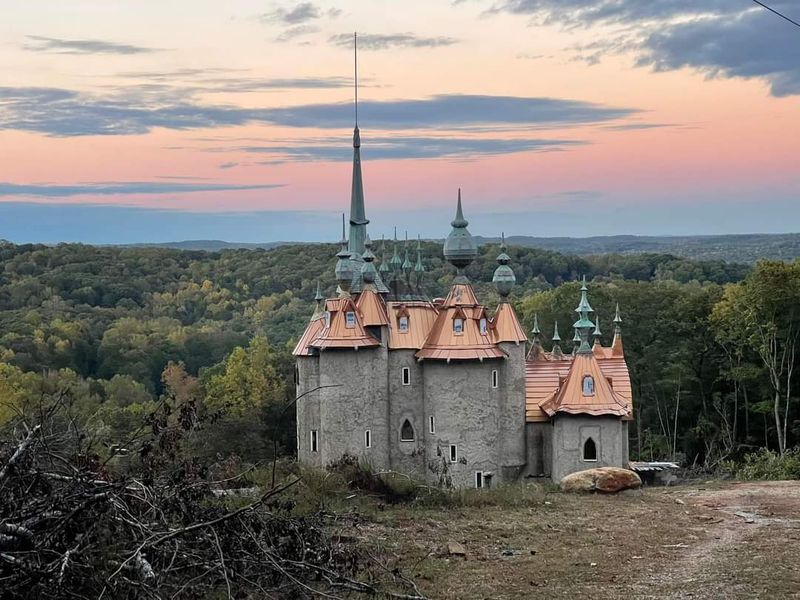
Ruins have a way of making imagination work harder, and this place rewards that instinct immediately.
Outside Pittsboro, Castle Mont Rouge appears as a romantic fragment – part fantasy residence, part unfinished dream, and part modern legend.
Few places in North Carolina feel more mysterious, or more likely to spark stories the moment you see them.
Constructed in the early 2000s by artist Robert Mihaly, the castle was conceived as a creative, European-inspired retreat.
Financial troubles and changing circumstances left it incomplete, and that unfinished state became central to its strange appeal.
Instead of polished grandeur, you encounter weathered walls, dramatic forms, and the haunting beauty of interrupted ambition.
Because the property has long been private and difficult to access legally, much of its reputation spread through photographs, rumor, and curiosity.
That distance has only deepened the myth, turning Castle Mont Rouge into one of the state’s most discussed hidden landmarks.
It feels suspended between reality and folklore, which is a rare accomplishment for such a recent structure.
You should appreciate it respectfully from appropriate public perspectives and never trespass.
Even so, its cultural pull is undeniable, proving that a castle does not need age to feel legendary.
Castle Mont Rouge simply remains one of North Carolina’s most fascinating and elusive sights.
14. Shuford House (Maple Grove), Hickory, Catawba County
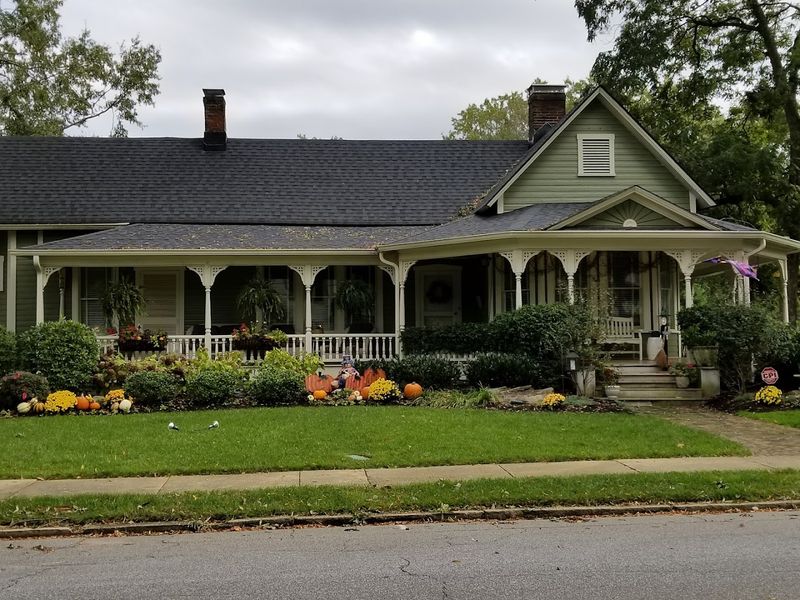
Old trees, broad lawns, and the confidence of late nineteenth-century wealth shape the mood before you even reach the porch.
In Hickory, the Shuford House, also known as Maple Grove, offers a stately experience that feels more manor than cottage.
It may not have towers, but its scale and setting give it the same kind of dignified presence that castle lovers appreciate.
Built in 1893 for the influential Shuford family, the home reflects the prosperity that furniture manufacturing brought to the region.
Its architecture is elegant rather than flamboyant, with generous proportions and historic detailing that speak to status, stability, and regional ambition.
You can read the story of Hickory’s growth directly in the house’s confident design.
What makes Maple Grove especially interesting is how local identity and broader architectural trends meet within one residence.
This was not an imported fantasy, but a home shaped by Southern industry, family legacy, and a desire to build something lasting.
For travelers, the reward lies in seeing how castle-like grandeur can emerge through atmosphere instead of literal medieval features.
Maple Grove represents a quieter kind of magnificence – rooted, prosperous, and unmistakably tied to place.
Should you enjoy discovering overlooked estates that reveal North Carolina’s economic and cultural history, the Shuford House is a thoughtful final stop for your list.