
Indiana in 2026 is packed with climate-proof fun, from hands-on science to arena-level spectacles that do not rely on perfect weather. You will find fresh exhibits, culinary surprises, and behind-the-scenes tours that make a day inside feel anything but routine.
Think smart planning, short lines, and memorable photo moments you can actually replicate. Here are the indoor spots worth planning for now, plus practical tips to make each visit smoother.
The Children’s Museum of Indianapolis
Arrive early and head straight to the newest gallery before crowds thicken, then loop back to fan favorites. Docent chats turn big topics into bite-sized wonder, so catch one on the hour to anchor the visit.
Keep snacks handy, but save the cafe stop for a downtime reset.
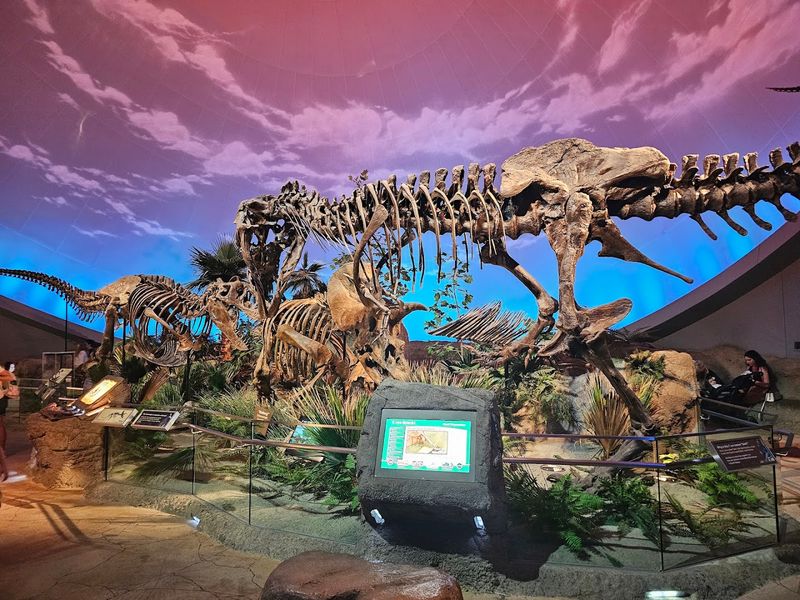
Rotating STEM stations reward curious questions, so encourage kids to test, tinker, and compare results rather than race through. Photo ops near the towering dinos are best from the side ramps, where angles cut glare.
If younger siblings fade, the toddler zones near elevators make an ideal regrouping point.
Timed experiences can vanish quickly on peak weekends, so reserve tickets for special exhibits online. To prevent souvenir overload, set a budget before entering the shop and snap pictures of favorite items as alternatives.
Parking fills fast during convention weeks, and rideshares can use the designated drop zone to avoid loops.
Plan a second pass through the most hands-on floor near closing, when lines shorten dramatically. You will leave with sand under your shoes, stickers on your coat, and an eagerness to compare experiments at home.
That sense of discovery lingers long after bedtime.
Indianapolis Museum of Art at Newfields
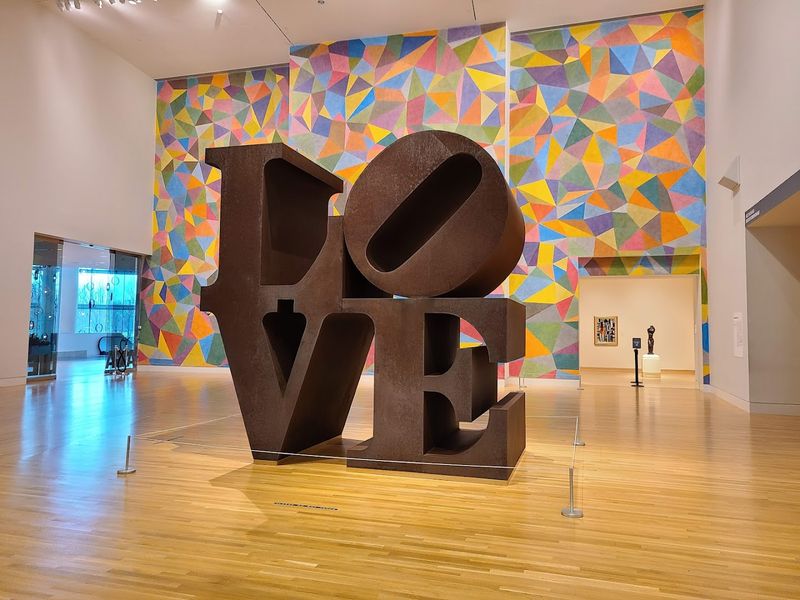
Skip the rush by starting with contemporary wings, then weave backward to classics for a fresh perspective. Benches strategically placed near large-scale works give your feet a break and your brain time to notice hidden details.
Audio guides add context without overwhelming you with jargon.
Temporary exhibitions in 2026 promise bold installations, so check for timed entries. If a room feels crowded, pause in the corridor and reenter when the flow eases.
Curators often place small text nuggets near exits, so glance back before leaving each gallery.
Cafe hours tend to align with peak visit windows, making early lunches smart. A compact notebook helps capture favorite color palettes or lighting tricks for home decor ideas.
Photography policies usually allow phone shots without flash, which keeps the ambiance calm.
Gift shop finds range from design books to Indiana-made ceramics, and setting a theme prevents impulse chaos. Pair your visit with a short talk if schedules align, then reflect in the lobby to cement what stood out.
Expect to feel both grounded and energized by the mix of art and intentional quiet.
Indiana State Museum
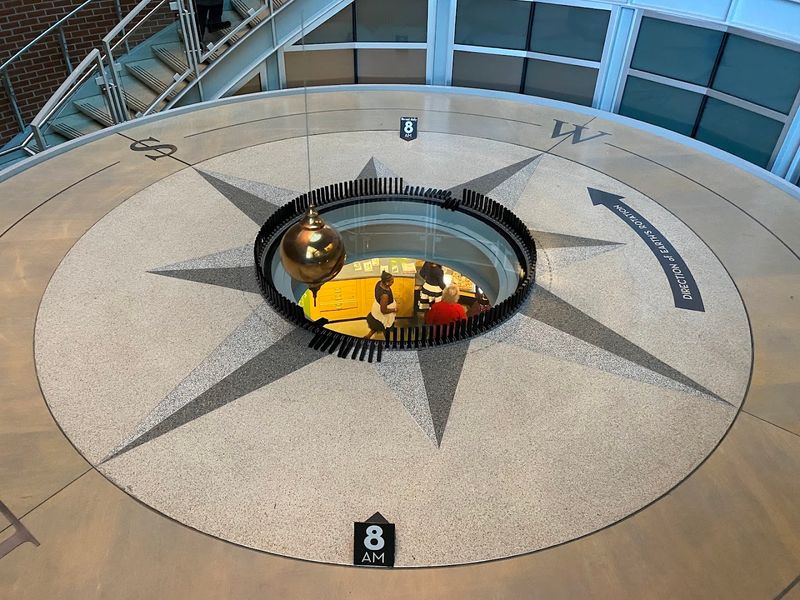
Start in the atrium to orient, then choose a single theme for focus, like natural history or Hoosier innovation. Interactive stations reward patient reading and button-tapping, so slow down and compare outcomes.
Families do best when each member picks one must-see and you build a simple loop.
Seasonal exhibits often highlight local makers, pairing artifacts with multimedia stories that feel personal. If a film is scheduled, treat it as a midpoint break and snack window.
The riverfront views from upper levels are an underrated reset for tired eyes.
Hands-on science corners spark friendly competition, so set mini-challenges like fastest puzzle solver. Volunteers answer technical questions that signage glosses over, and hearing those details adds depth.
Check the app for scavenger hunts that keep teens moving without eye rolls.
Before leaving, revisit the first gallery to notice details missed earlier. The shop’s Indiana-centric goods make easy gifts, from stone coasters to syrup.
You will walk out connecting state history to everyday life, and that connection makes the stories stick long after the ticket stub.
The Eiteljorg Museum of American Indians and Western Art
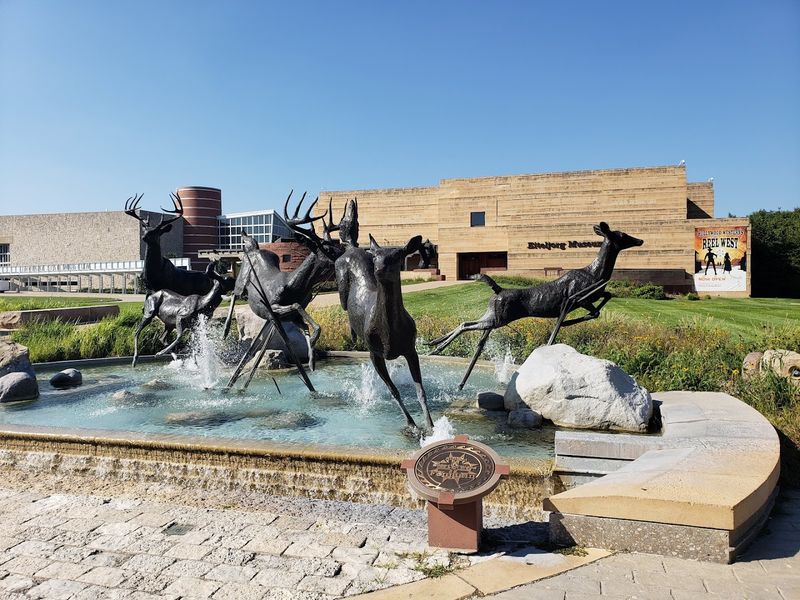
Begin with contemporary Indigenous artists to challenge assumptions, then loop to historical galleries with better context. Reading labels aloud can spark conversation about materials and meaning.
Seating nooks invite slow looking, which suits beadwork and textiles with intricate detail.
Docent tours add nuance on provenance and artist intent, and questions are welcomed. The 2026 program slate includes artist talks that sell out quickly, so reserve early.
Photography without flash is typically fine, but ask before shooting close-ups of delicate pieces.
The cafe leans regional, making it a quiet stop for reflection between sections. If visiting with kids, create a bead motif scavenger list to keep attention anchored.
Audio stories near sculpture installations deepen the sense of place.
Finish in the shop, where prints and jewelry often come with artist bios that extend the learning at home. A final pass through the contemporary wing helps tie threads across time.
Expect to leave with a richer vocabulary for discussing representation, craft, and the evolving West.
Gainbridge Fieldhouse Tours and Events
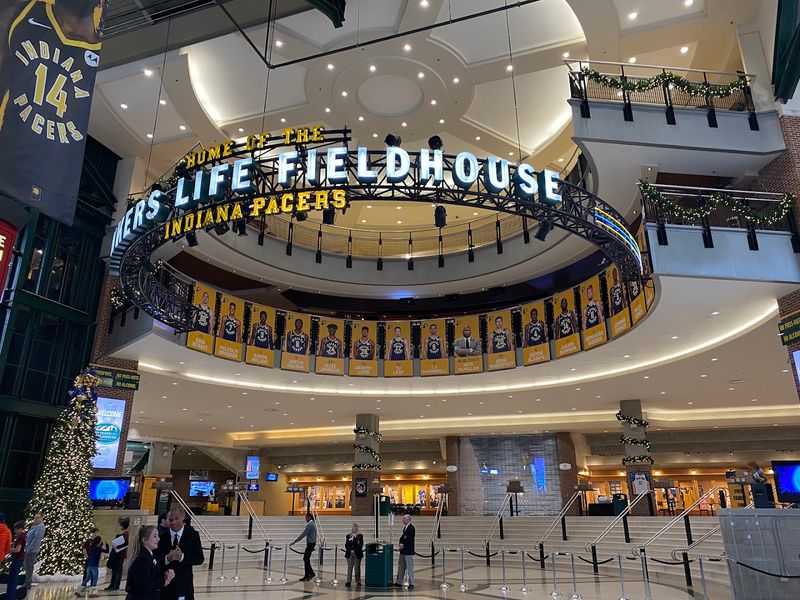
Non-game days are the sweet spot for behind-the-scenes tours that hit locker rooms and media bays. Guides sprinkle stories about clutch shots and production tricks used on TV.
Bring layers because the bowl can feel chilly even without ice.
For concerts and 2026 specialty events, aim for end-of-row seats for quick exits and easy snack runs. Bag policies change, so check the latest before heading out.
Mobile tickets scan fastest with screen brightness up, a tiny move that reduces lines.
Food courts rotate local vendors, and sample sizes make great pre-show tastings. Merch lines peak right after headliners finish, so shop during openers.
Accessibility entrances are clearly marked, and staff are proactive about assisting.
Photography rules vary by event, but small point-and-shoots are usually fine. If taking teens, set a meet-up spot in case of signal drop.
You will leave with a new appreciation for how much choreography goes into a seamless show night.
Indianapolis Motor Speedway Museum
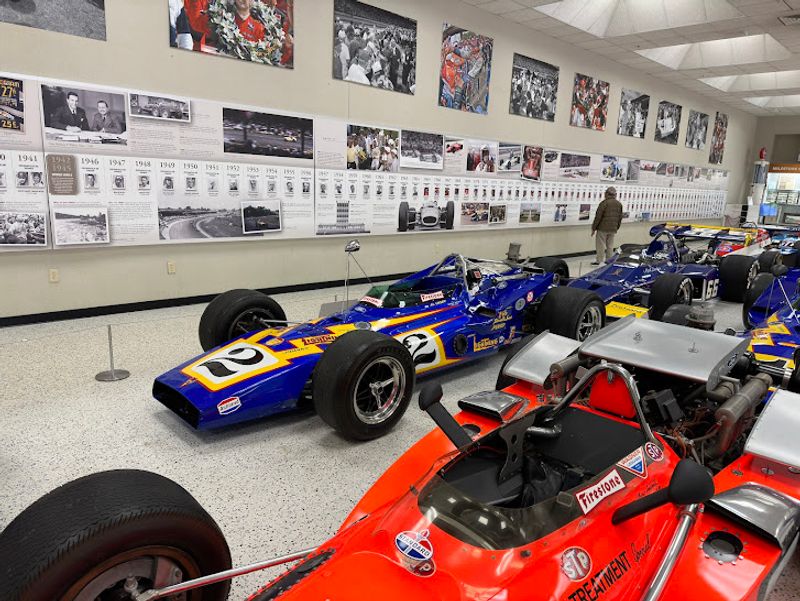
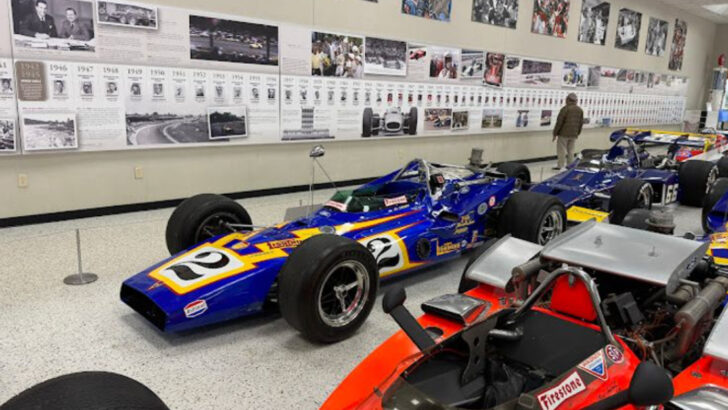
Skip directly to the winning cars gallery to anchor your sense of timeline, then branch to engineering displays. Placards reward careful reading, revealing tweaks that shaved tenths of a second.
Simulators test reflexes, and friendly rivalries make the queue enjoyable.
Track tours in 2026 book up on weekends, so snag times early. Comfortable shoes matter because the museum invites longer loops than expected.
Photos of the Borg-Warner Trophy look best from slightly off-center to avoid reflections.
Mechanics’ cutaway displays are conversation starters for kids who love taking gadgets apart. A small notebook helps log favorite liveries and fun facts to compare later.
Staff docents know deep lore and happily point out hidden design Easter eggs.
The shop carries retro posters and die-casts that spark collection habits, so set limits. If rains hit, you still get the smell of rubber and oil through stories and video.
Walking out, you feel the hum of speed even in quiet hallways.
South Bend’s Studebaker National Museum
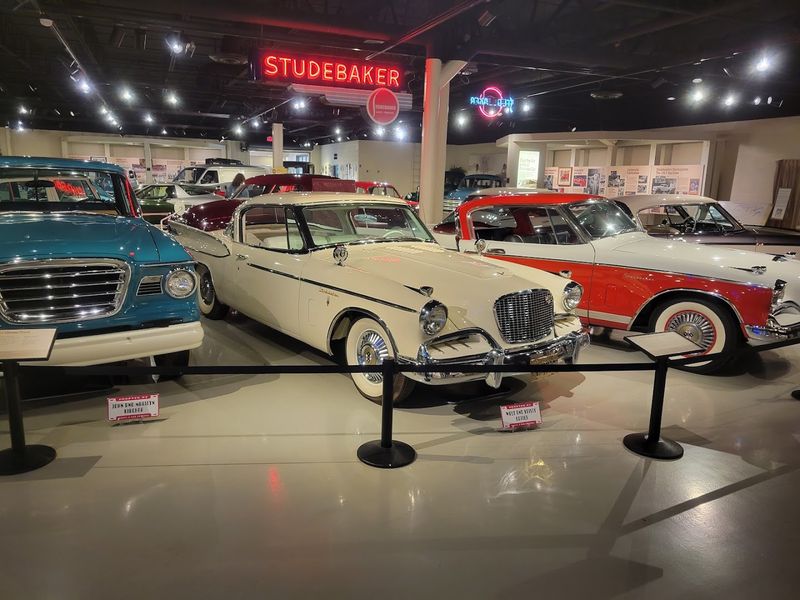
Begin upstairs and work down to feel the timeline shift from carriage to chrome. Detail shots of badges and hood ornaments make satisfying photos without crowding views.
Docents share design quirks like hidden compartments and upholstery secrets.
Interactive kiosks let you compare engine specs, and kids enjoy choosing favorites by color. Bring a light jacket because climate control keeps the cars safe and the air crisp.
Signage mixes technical data with human stories that give models personality.
In 2026, look for restored prototypes that rarely leave storage. If energy dips, park on a bench and sketch a silhouette to notice proportions.
The archives room, when open, rewards patient reading and curiosity.
Gift items range from enamel pins to blueprint prints, and mailing tubes protect posters on the trip home. Pair the visit with the nearby History Museum for a full afternoon inside.
You exit hearing the echo of engines and the quiet pride of American craft.
Evansville Museum of Arts, History & Science
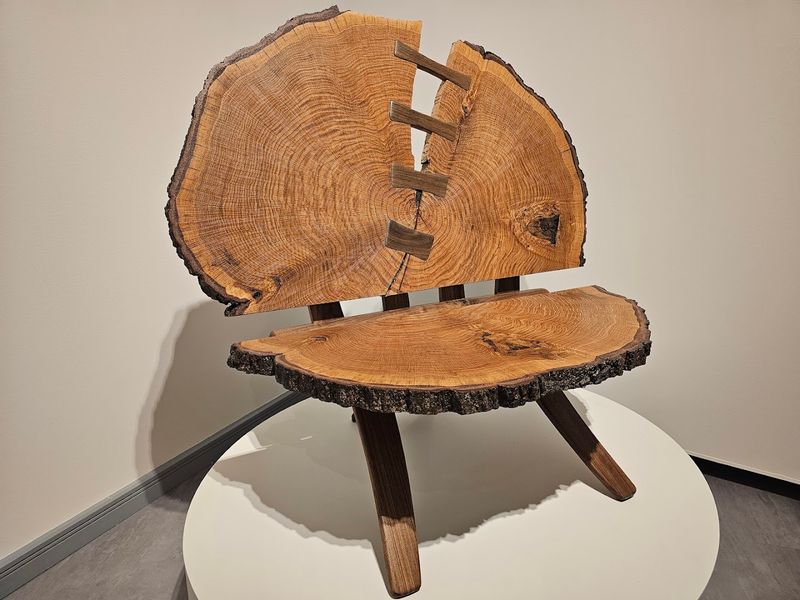
Think of this as three museums in one, best enjoyed by setting a time box per wing. Start with science to spark curiosity, then shift to art when energy turns reflective.
History halls close the loop by situating personal stories in place.
The planetarium is a reliable anchor for mid-visit rest and wonder. Check showtimes right at entry to lock your day around them.
Kids appreciate scavenger cards that send them searching for tiny details in paintings.
Rotating exhibitions in 2026 promise crossovers between technology and regional narratives. Quiet galleries make ideal spots for journaling or sketching, phones on silent.
Cafe seating near windows restores focus without sacrificing time.
Staff recommendations often lead to hidden gems you might skim past. The shop’s science kits and local art prints travel well in backpacks.
By the end, connections form naturally across disciplines, and the city’s character feels newly vivid.
The Palladium at the Center for the Performing Arts, Carmel
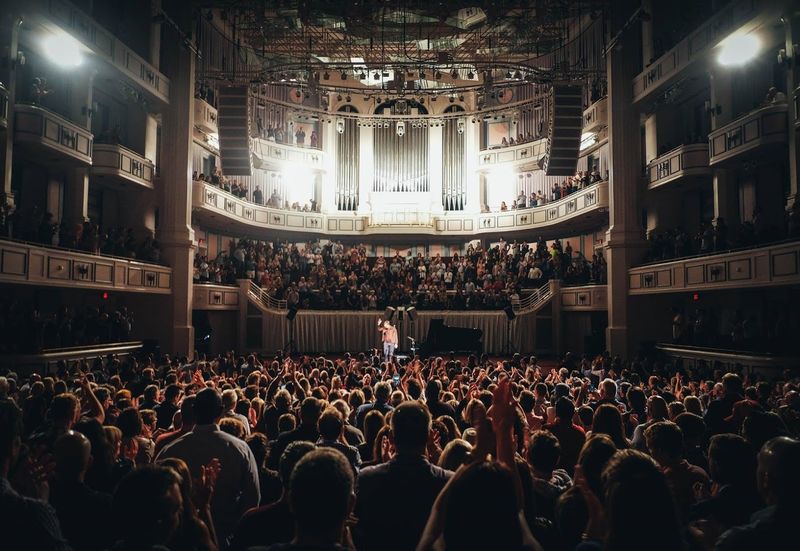
Acoustics here reward early arrivals who sit quietly and let the room bloom. Pre-concert talks unlock composer intent and performance choices that change how you listen.
Choose aisle seats if you plan mid-performance exits to minimize disruption.
For 2026, expect boundary-pushing collaborations that pair classical with indie or world artists. Dress for comfort, not fuss, and bring a wrap for cooler mezzanine air.
Intermission lines stay shortest at the far bars near secondary staircases.
Programs make great keepsakes when annotated with quick impressions and favorite movements. Ushers help decode sightline quirks in balcony corners before you commit.
If attending with friends, agree on a post-show moment to share takeaways while details are fresh.
Photography rules vary, so default to no photos once the conductor steps out. The walkable district nearby simplifies dinner plans, easing the rush.
You leave hearing reverberations lacing the lobby, like a private encore that follows you out.
WonderLab Museum of Science, Bloomington
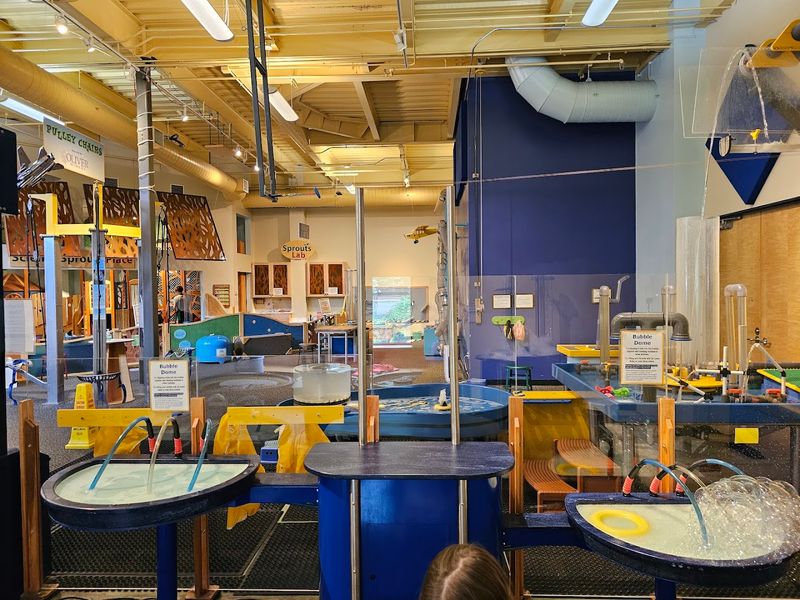
Strategy matters here, so pick two zones to savor instead of chasing everything. Bubble tables are irresistible but wet, so stash a spare shirt in the car.
Volunteers love fielding oddly specific questions, and that is where the best learning happens.
In 2026, maker sessions emphasize quick builds that teach core principles fast. Photograph experiment setups, not just smiles, so you can recreate them at home.
Snack breaks near windows keep energy steady without overstimulation.
Short attention spans improve with micro-goals like finding three forces in one exhibit. The climbing structure rewards spotters who cheer from below and trade turns.
If crowds swell, step into a quieter corner and reset with a single activity.
The gift shop’s science toys double as party favors later. Rotate roles in your group so one person reads instructions while another tries.
You will head out connecting curiosity to everyday problem solving, which sticks beyond the parking lot.
Indiana Historical Society’s Eugene and Marilyn Glick History Center
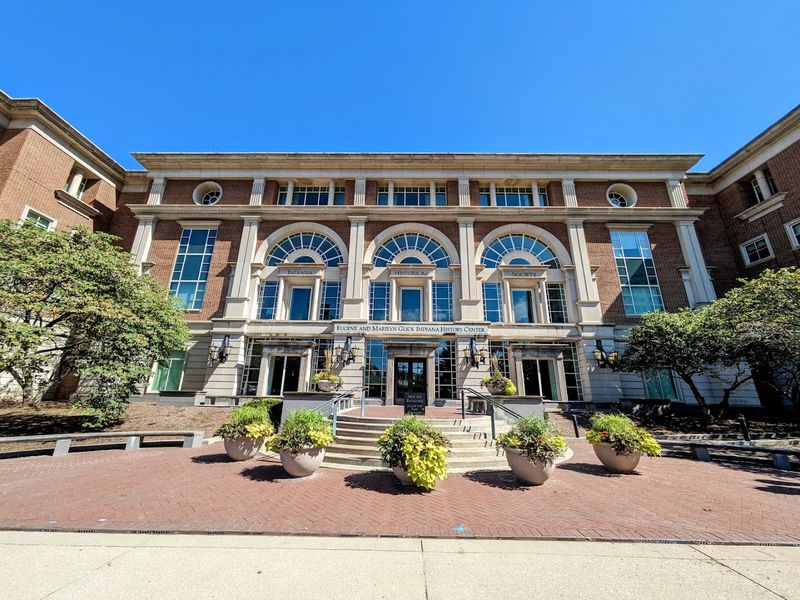
Living history vignettes and digital archives make the past feel immediate here. Start with the immersive theater to frame big story arcs, then browse documents with new curiosity.
Staff happily guide you to family history resources if you are tracing roots.
Exhibit rooms reward attentive listening, so lean in and catch subtle dialogue shifts. Photo rules allow quick snaps of interpretive panels for later review.
Quiet corners near windows are perfect for jotting reflections or names to research.
Check 2026 calendars for author talks that pair scholarship with approachable storytelling. Budget time for the archives if you suspect a relative appears in records.
Breaks in the cafe keep energy even and conversations flowing.
Before leaving, circle back to the first gallery and notice how your perspective shifted. Small souvenirs like postcards double as study aids for kids.
Walking out, you feel anchored to place and more curious about your own timeline.
Bottleworks District Food Hall and Art Deco Arcade, Indianapolis
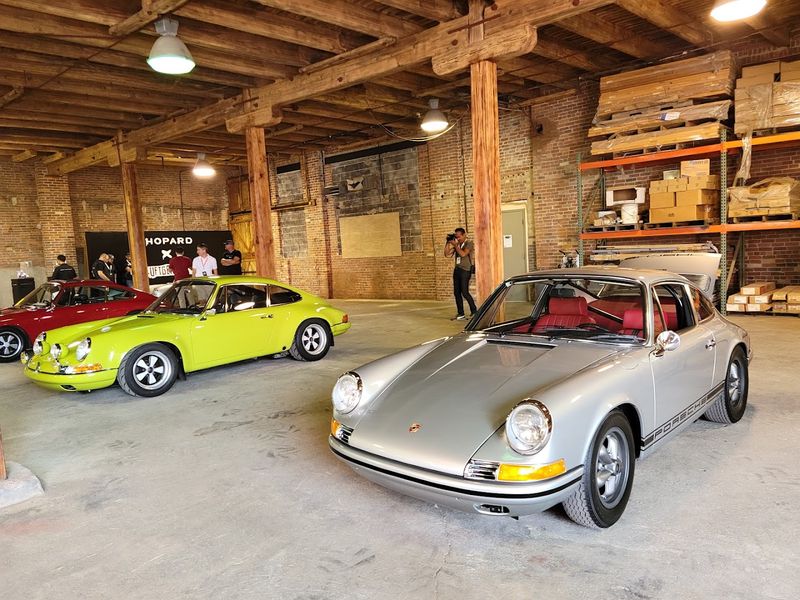
Historic tile and neon make this food hall feel like time travel with great snacks. Strategy is simple: do a walking lap first, then commit.
Sharing small plates lets your group sample more without breaking budgets.
2026 vendors are expected to rotate seasonally, so ask staff for sleeper hits. Off-peak hours mean faster seats and clearer photos of details.
If you have kids, pick a base table and trade ordering missions.
Design lovers should look up at ceilings and moldings that survived careful restoration. Lighting after dusk turns corridors photogenic without filters.
Bring a reusable bottle and use water stations to stay comfortable indoors.
Adjacent boutiques tempt with Indiana-made goods, ideal for gifts. Plan dessert as a separate stop to extend the evening.
You exit with satisfied taste buds and a fresh appreciation for Art Deco glam in the Midwest.