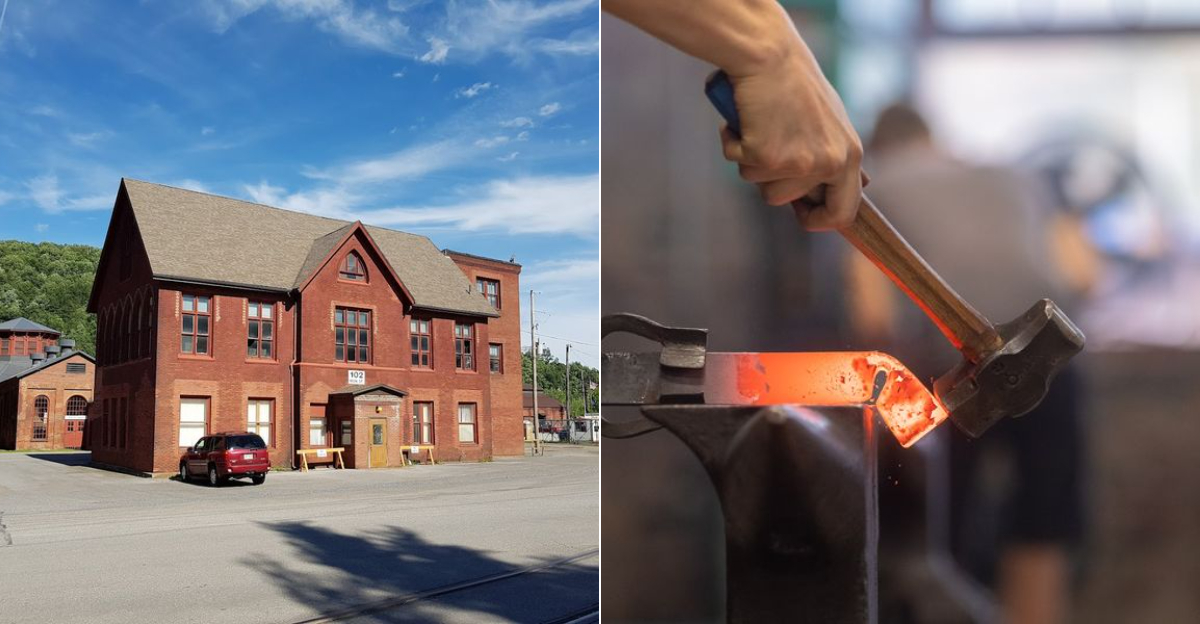
Step inside Center for Metal Arts and the past suddenly feels hot, loud, and wonderfully alive. This captivating environment isn’t a museum exhibit frozen in time.
Rather, it is a thriving, dynamic sanctuary dedicated to preserving the ancient trade of the blacksmith.
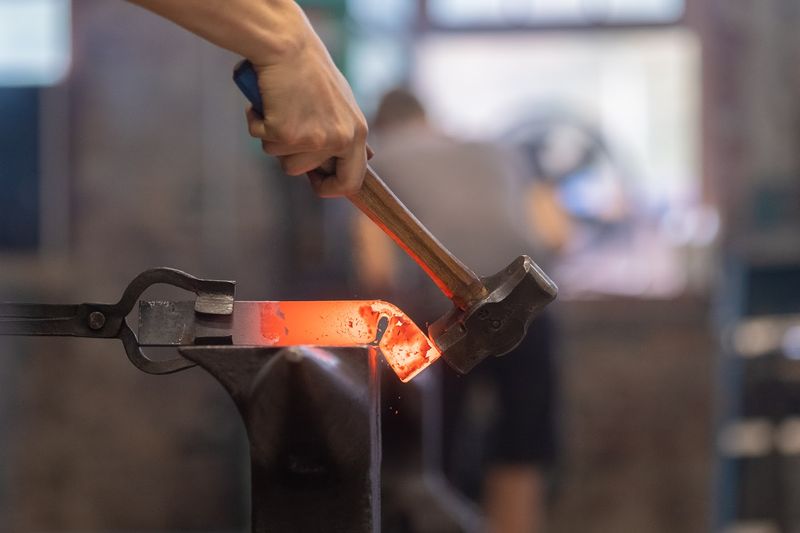
The heavy air carries the distinct scent of coal smoke while passionate makers gather to transform raw steel into breathtaking, functional works of contemporary art.
Here, the sparks fly and history gets put back into human hands.
Tucked inside a historic ironworks setting in Johnstown, Pennsylvania, the place blends industrial heritage, serious craftsmanship, and welcoming instruction.
If you have ever wondered where blacksmithing traditions still feel urgent and real, this is where the story gets good.
A Historic Ironworks With Real Heat
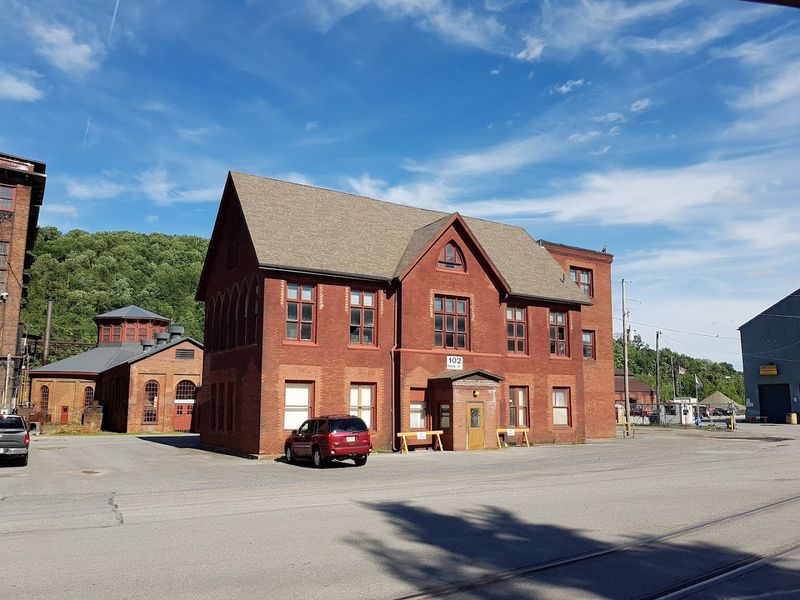
First impressions here hit fast. Center for Metal Arts is not a polished theme attraction pretending to be gritty.
It sits within a historic ironworks setting in Johnstown, and that industrial backbone gives every class, hammer blow, and glowing billet a sense of continuity that feels earned.
You can almost read the building like a time capsule with fresh purpose.
Old structures, heavy tools, and preserved shop character remind you that metalworking helped shape western Pennsylvania long before hobby classes and maker culture became trendy.
At this school, the past is not trapped behind glass. It is part of the working environment.
That is what makes the place memorable. Instead of separating education from history, the school folds them together in a way that feels natural, practical, and exciting for visitors and students alike.
Reviews repeatedly praise the beautiful facility and its historic feel, and that reaction makes sense once you picture forge fires burning where industrial labor once defined daily life.
The result is bigger than a class session. It is a living connection between regional ironworking heritage and the modern hands determined to keep those techniques relevant.
If you care about places where craftsmanship still carries weight, this one immediately stands out as the real thing, not a staged imitation built for easy nostalgia.
Where Students Actually Learn To Forge
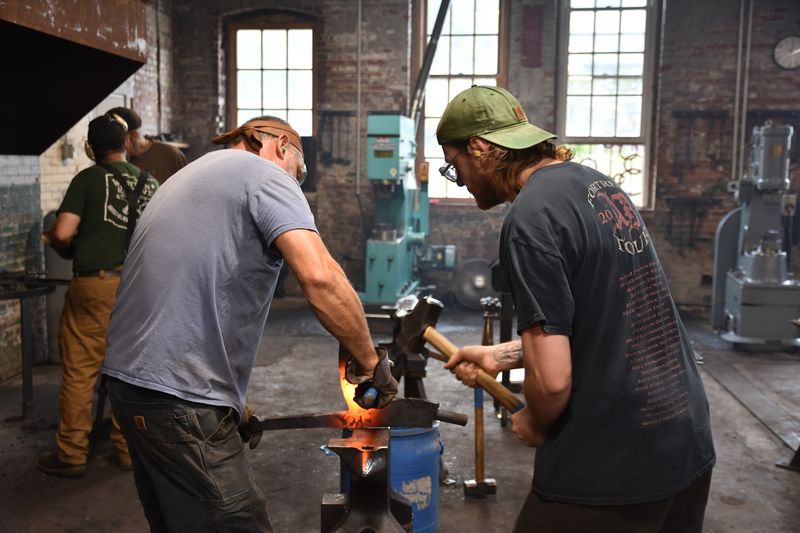
What really gives Center for Metal Arts its reputation is the teaching.
According to multiple reviews, the school works for complete beginners and seasoned professionals, which is a tricky balance that many craft programs talk about but do not truly achieve.
Here, instruction seems built around clear demonstrations, hands on repetition, and patient guidance at the anvil.
That is important because blacksmithing can look romantic from a distance and intimidating up close.
Heat, timing, hammer control, and tool use all demand attention, so a supportive teaching style is not a bonus.
It is the difference between a student feeling overwhelmed and a student leaving with confidence, skill, and the urge to come back for another workshop.
The reviews paint that picture again and again. People mention competent instructors, good attitudes, a willingness to help, and a range of guest teachers who bring specialized topics into the yearly schedule.
That variety keeps the school dynamic instead of repetitive.
One student highlighted the path from novice to advanced learning, while another praised a weekend knife making class led by an expert instructor with humor and deep knowledge.
Those details tell you something valuable.
This is not a place where students are left to struggle in silence.
It is a teaching environment where craft knowledge is passed directly, generously, and with enough structure that even difficult processes become approachable for people willing to work.
The Shop Is Built For Serious Work
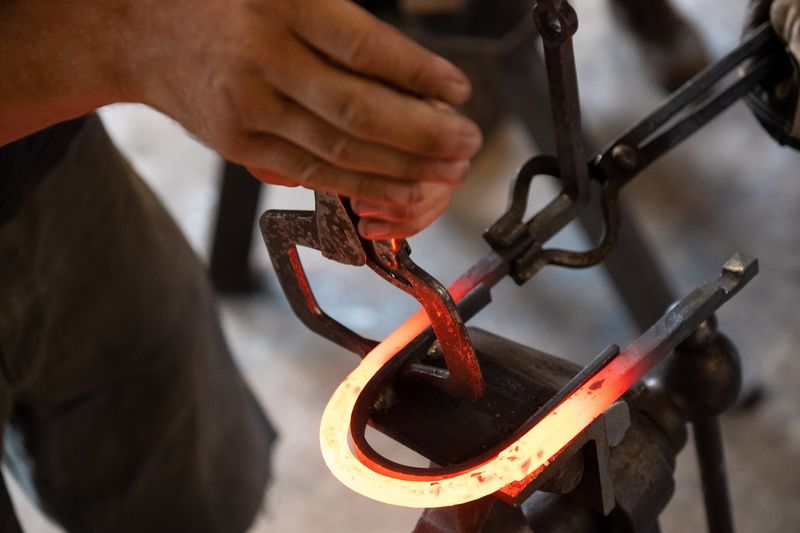
A great metal arts school needs more than atmosphere. It needs equipment that can handle real use, and reviews suggest this shop is impressively prepared for that job.
Students mention plenty of space, well made tools, solid anvils, and equipment maintained with obvious pride, which says a lot about the standards in the building.
That kind of setup shapes the whole learning experience.
When tools are reliable and workstations are organized, students can focus on technique instead of fighting the environment.
Good shop design also signals respect for the craft itself. It tells you the staff understands that forging is physical, technical work that deserves sturdy infrastructure and careful upkeep.
One reviewer specifically praised the firmly mounted anvils and the overall quality of the school shop, while another admired how tools were maintained.
Those are not flashy compliments, but they are meaningful ones.
In blacksmithing, details matter. Loose equipment, cramped layouts, or neglected tools can drain confidence and slow progress fast.
At Center for Metal Arts, the opposite impression comes through.
The facility seems built to support both instruction and production style workflow, which gives students a more authentic feel for the discipline.
Instead of learning in a watered down setup, they get close to the rhythm and demands of a serious smithing environment.
That makes each project more satisfying and every successful hammer blow feel genuinely earned.
Preservation Is Part Of The Mission
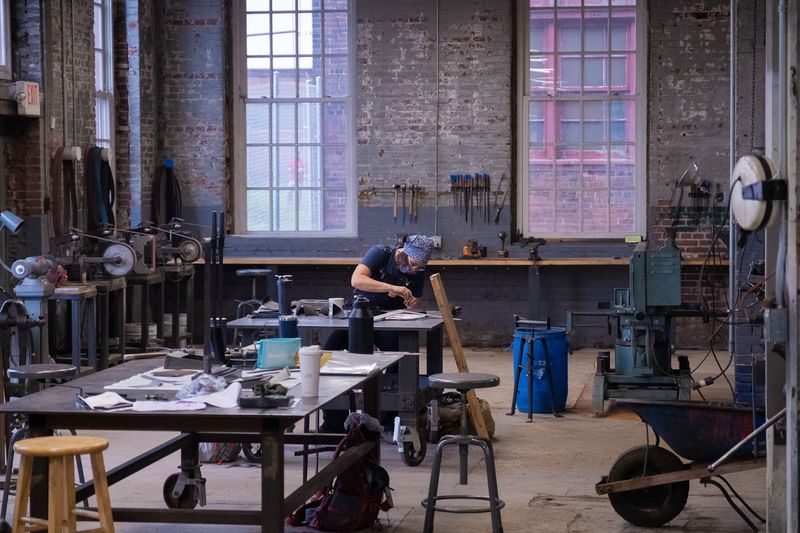
One of the most compelling things about Center for Metal Arts is that it does not treat preservation as a side note.
Visitors and reviewers describe the school as an important bridge between America’s industrial past and its future, and that phrase feels exactly right.
The organization is teaching skills while also honoring the physical spaces, tools, and stories tied to historic ironworking.
This mission gives the school unusual depth. Plenty of places can offer a weekend workshop, but far fewer can connect technique to a larger preservation effort that protects industrial history from disappearing.
When students learn in a site with real historical meaning, the craft stops feeling abstract. It becomes part of a longer chain of labor, invention, and local memory.
Reviewers clearly notice that larger purpose. One praised the onsite historic preservation as vital educational work, and another looked forward to the restoration of historic power hammers and the original blacksmith shop.
Those comments reveal why this place resonates beyond the class list.
It is preserving knowledge in two forms at once: the hands on methods of forging and the industrial environment where those methods once thrived at scale.
That dual effort gives Center for Metal Arts a bigger cultural role than a standard art school.
It is helping keep regional heritage legible, tactile, and useful.
In an era when many old workspaces vanish quietly, that kind of stewardship feels rare, practical, and deeply worth paying attention to.
Classes That Turn Curiosity Into Skill
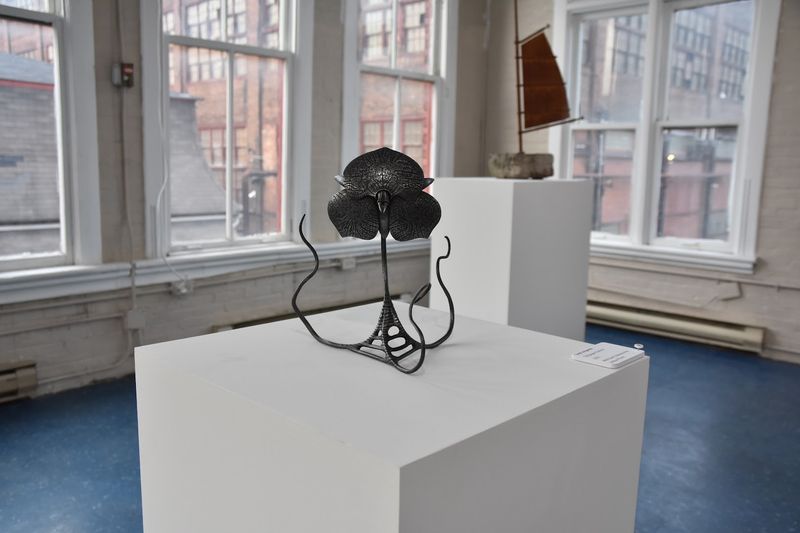
The class lineup appears to be one of the school’s biggest draws, because it turns broad curiosity into specific, satisfying projects.
Reviews mention everything from a ball pein hammer class to a bottle opener workshop and a Damascus chef knife course.
That range matters because people enter metalworking with different goals, comfort levels, and attention spans.
Project based learning gives students a clear target.
You are not just swinging a hammer for the romance of it. You are shaping steel into an object with form, function, and a visible record of every decision made under heat.
This keeps beginners engaged and gives more advanced students a way to refine process, efficiency, and finish.
The tone of the reviews makes those classes sound genuinely fun without downplaying the skill involved.
One student said the hammer class taught a lot while still being enjoyable. Another loved the knife forging weekend and praised both the instructor’s expertise and sense of humor.
Someone else came away from a bottle opener workshop eager to recommend the experience.
Put those reactions together and you get a strong picture of the school’s appeal.
It offers approachable entry points, but the work remains real, demanding, and grounded in authentic blacksmith practice.
That is a hard combination to pull off. Center for Metal Arts seems to understand that the best way to keep traditional trades alive is to let students make something tangible they are proud to carry home.
A Destination In Johnstown Worth Finding
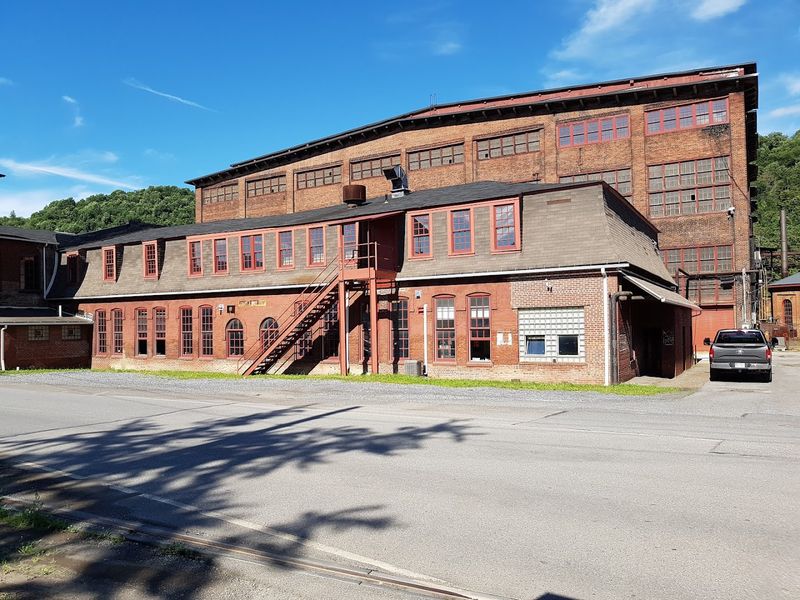
Center for Metal Arts is located at 106 Iron Street in Johnstown, Pennsylvania 15906. It is listed as an art school, carries a strong 4.7 star rating, and typically operates Monday through Friday from 9 AM to 5 PM.
It is closed on weekends, which makes planning ahead a smart move.
The location itself adds character to the experience. Johnstown has deep industrial roots, so the school feels grounded in a city that understands the history of labor, steel, and resilience.
You are not visiting a random workshop dropped into an unrelated place. The setting and the subject matter reinforce each other in a way that feels especially fitting.
For visitors who like to follow up with direct information, the school can be reached at +1 814-418-0409, and its website is centerformetalarts.org.
Those details may sound basic, but they matter when a destination is this specialized.
Niche schools can sometimes feel hidden unless you know exactly where to look.
Here, the address on Iron Street feels almost too perfect, like the building was named by a novelist with a fondness for sparks and history.
Add in the positive reviews and clear hours, and the picture becomes inviting rather than mysterious.
If you are already exploring Johnstown’s industrial story, this stop makes excellent sense.
If you are traveling specifically for metalworking, the city gives the school an even richer backdrop than a generic classroom ever could.
The Community Feel Comes Through
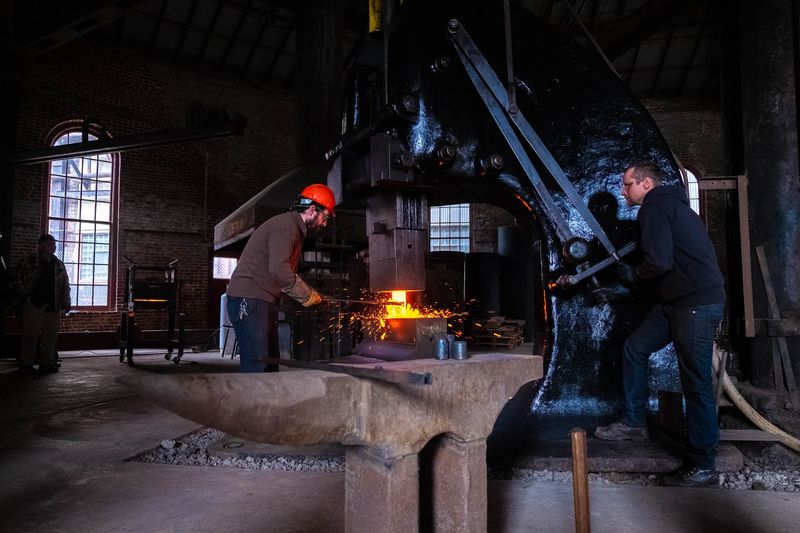
Not every great school feels welcoming, but that quality comes through strongly here.
It is not just the classes that get praises but also fabulous people, patient instructors, smooth workshop experiences, and an atmosphere that encourages students to return.
For a hands-on discipline that can seem intimidating, this sense of openness is a major strength.
Good craft education depends on trust. Students need room to ask questions, make mistakes, and keep practicing without feeling foolish.
The comments about eager instructors, good humor, and strong support suggest a culture where people are taken seriously without being made uncomfortable.
That can be the difference between a one time visit and a lasting commitment to the craft.
Students strongly recommended the school to anyone wanting to learn about working with metal and even praised the nearby rectory lodging with a functional kitchen and laundry.
They also call it a must visit for serious students and blacksmiths.
Others described terrific experiences in short workshops and said they looked forward to taking more classes.
Those responses point to something beyond technical competence. They suggest a place where people feel cared for, challenged, and welcomed into a tradition rather than simply processed through a course.
That kind of environment helps preserve old skills in the most practical way possible: by making students excited to keep learning.
At Center for Metal Arts, the human side of the experience seems as durable as the steel on the anvil.
Why This Place Matters Right Now
The strongest reason to care about Center for Metal Arts is simple: it keeps endangered knowledge active.
Blacksmithing and forging are easy to admire in theory, but they only survive when people can still practice them, teach them, and adapt them to modern students.
This school appears to be doing exactly that, inside a setting that makes the mission feel vivid instead of abstract.
There is also something refreshing about its honesty. Nothing in the reviews suggests a gimmick driven operation.
People talk about hard skills, historic spaces, excellent instruction, and meaningful preservation.
Even the praise for humor and hospitality lands better because it sits beside serious respect for tools, facilities, and the discipline required to shape hot metal well.
That combination gives the school unusual staying power. It serves curious beginners, committed smiths, heritage advocates, and travelers who want to see a piece of Pennsylvania’s industrial story still doing useful work.
In a culture crowded with fast digital experiences, there is real value in a place that asks you to slow down, focus, and learn through heat, force, and repetition.
Center for Metal Arts feels important not because it is nostalgic, but because it proves older trades still have educational and cultural power right now.
The sparks are not just decorative. They signal transmission; from teacher to student, from local history to living practice, and from one generation of makers to the next.
That is a future worth forging carefully.