
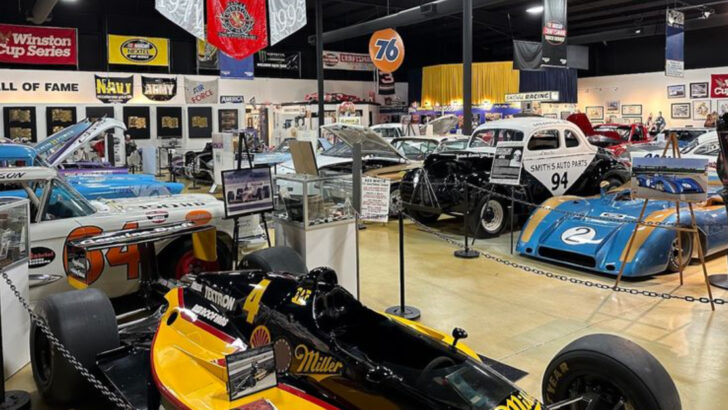
Tucked away in Mooresville, North Carolina, the North Carolina Auto Racing Hall of Fame is one of the most exciting stops for any racing fan.
Known as “Race City USA,” Mooresville is packed with NASCAR teams and race shops, making it the perfect home for a museum celebrating stock car history.
From vintage racers to legendary trophies, this museum brings the thrilling world of NASCAR to life in a way that feels personal and real.
Whether you’re a lifelong fan or just curious about the sport, there’s something here that will leave you amazed.
Located in Race City USA
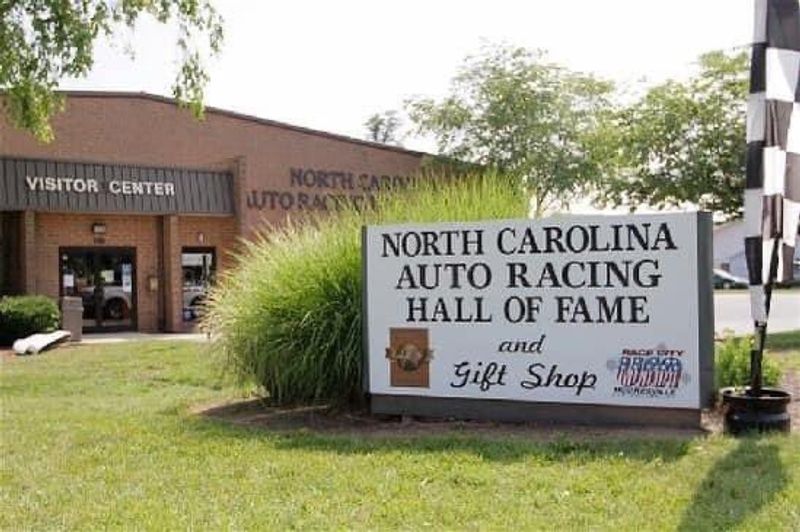
Mooresville, North Carolina wears its nickname proudly. “Race City USA” isn’t just a catchy label — it’s a real reflection of what makes this small city unlike anywhere else in America. More than 60 NASCAR-related businesses call Mooresville home, including race shops, engine builders, and team headquarters.
Walking through town, you might spot haulers carrying race cars or engineers grabbing lunch between shifts. The energy here is unmistakably tied to motorsports.
It’s one of those rare places where racing isn’t just a hobby — it’s the heartbeat of the community.
The North Carolina Auto Racing Hall of Fame sits right in the middle of all this action at 119 Knob Hill Road. Choosing Mooresville as its home wasn’t a random decision.
The museum exists where racing lives and breathes every single day. For visitors making the roughly 20-mile drive north from Charlotte, the hall of fame feels like the natural destination at the center of everything that makes this region special to motorsports fans worldwide.
A Museum Dedicated to the Evolution of Stock Car Racing
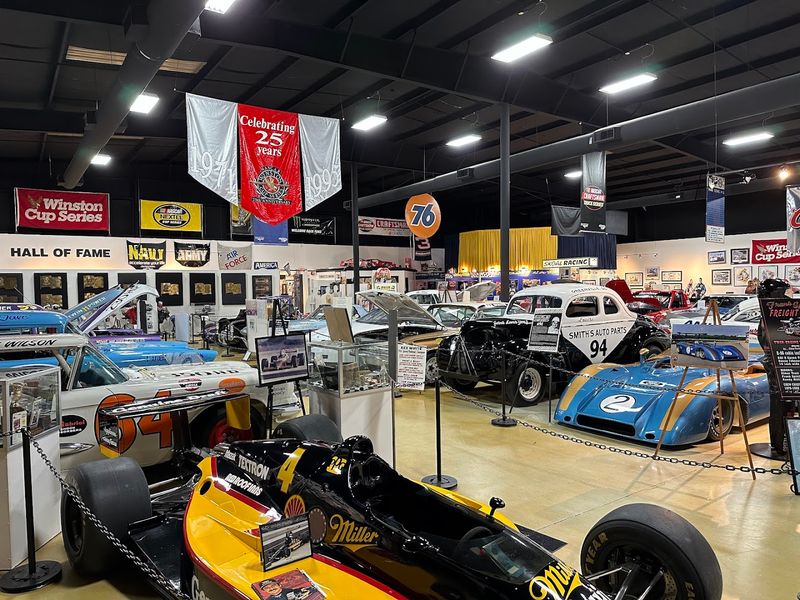
Stock car racing didn’t start in a fancy stadium — it started on dirt roads. Early racers were often moonshine runners who needed fast cars to outrun law enforcement in the rural South.
Those wild, lawless roots eventually grew into one of America’s most-watched sports, and this museum traces every twist of that remarkable journey.
Exhibits walk visitors through the decades, showing how cars, rules, and technology changed dramatically over time. You can see where raw speed and guts gave way to aerodynamic engineering and computerized setups.
The shift from those early modified street machines to today’s purpose-built racers is genuinely jaw-dropping when you see it laid out visually.
What makes this museum so compelling is that it doesn’t just celebrate winners — it tells the full story of how an entire sport was built from the ground up. Engineers, mechanics, sponsors, and drivers all played roles that are honored here.
If you’ve ever wondered how NASCAR became the massive enterprise it is today, this museum answers that question in a way that’s both educational and deeply entertaining for visitors of all ages.
More Than 35 Historic Race Cars on Display
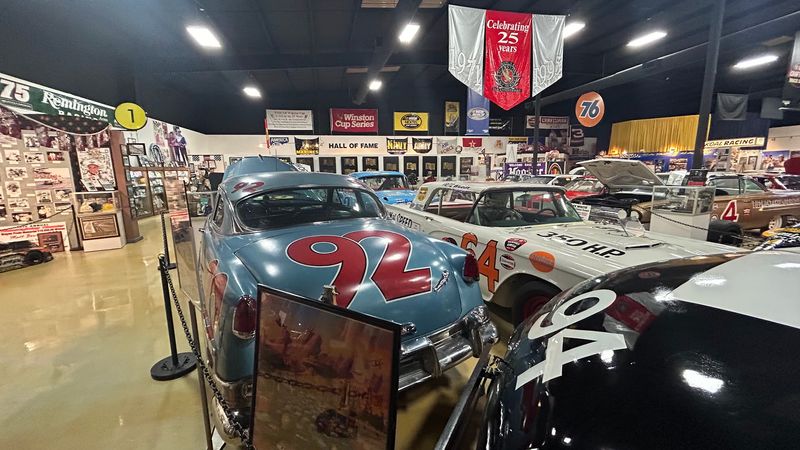
Imagine standing inches away from a car that once hit 200 miles per hour on a superspeedway. That’s the kind of moment waiting for you inside the North Carolina Auto Racing Hall of Fame.
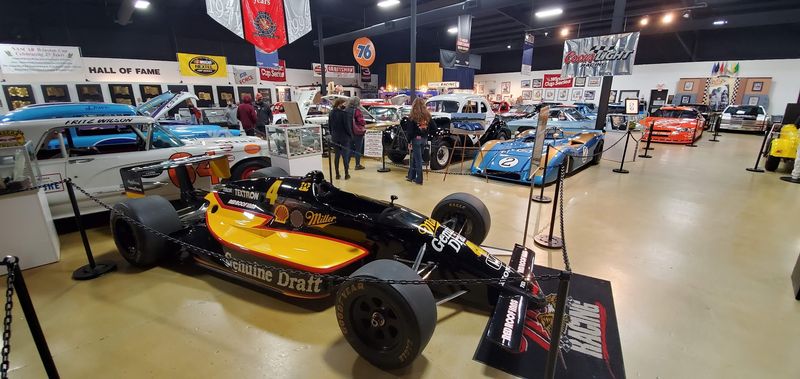
With over 35 historic race cars spread across the museum floor, the sheer variety of machines is staggering.
Classic stock cars sit alongside drag racers, covering multiple eras of competition. Some cars still wear their original paint schemes, complete with sponsor logos and battle scars from real races.
Others have been fully restored to showroom-perfect condition, gleaming under the museum’s bright lights.
Getting up close to these vehicles gives you a totally different appreciation for what racing actually involves. These aren’t video game cars — they’re real machines built by real people who pushed engineering to its limits.
Seeing the narrow cockpits, the handmade roll cages, and the intricate mechanical details makes the bravery of the drivers feel very real. For car enthusiasts, this collection alone is worth the price of admission.
For casual visitors, it’s a genuine surprise just how fascinating each individual vehicle turns out to be when you take the time to really look.
Cars Driven by NASCAR Legends
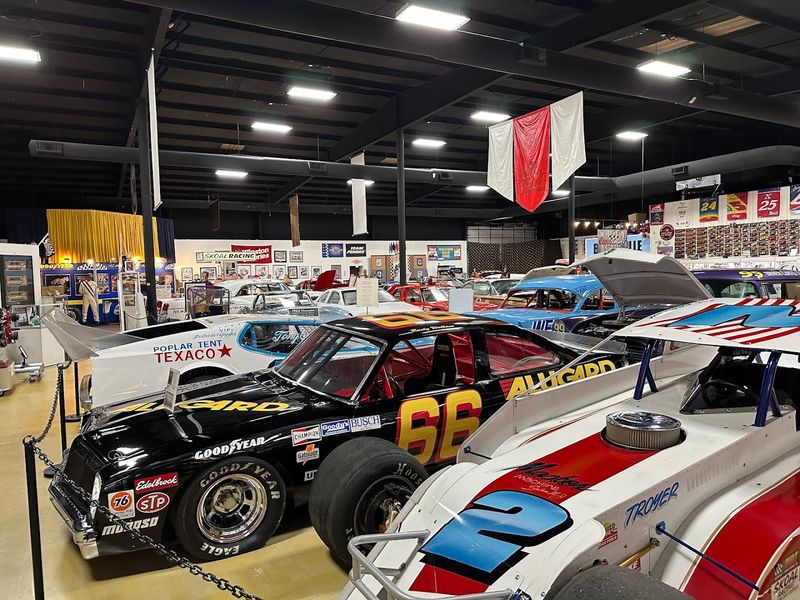
There’s something almost magical about standing next to a car that was actually driven by a NASCAR legend. These aren’t replicas or movie props — they’re the real machines that famous drivers strapped into, race after race, often putting their lives on the line for the love of speed and competition.
The museum features vehicles connected to some of the biggest names in stock car racing history. Each car carries its own story, from the wins and rivalries to the mechanical breakdowns that changed race outcomes.
Placards and displays help visitors connect each vehicle to the driver and the specific moments that made them famous.
For younger visitors, this is a great opportunity to learn about the athletes who shaped NASCAR into the cultural institution it is today. For older fans, seeing these cars in person can feel surprisingly emotional — like reuniting with a piece of childhood memory.
Racing legends aren’t just statistics on a record book. They were real people who climbed into these exact machines, felt the heat, heard the roar, and chased something greater than themselves.
The cars on display here are proof of that extraordinary human story.
Rare Vintage Stock Cars from NASCAR’s Early Days
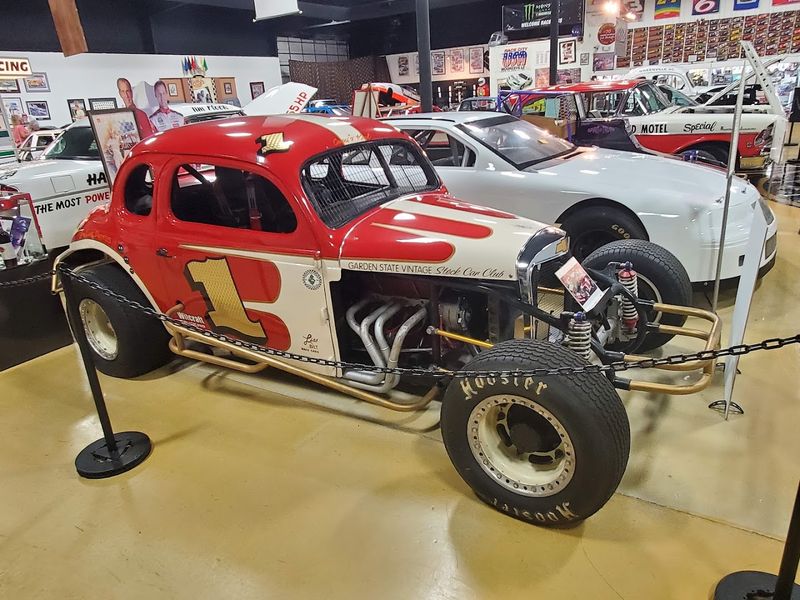
Back in NASCAR’s earliest days, race cars looked a lot like the vehicles sitting in your neighbor’s driveway. That’s because they essentially were.
Early NASCAR rules required cars to be based on production models that regular people could actually buy at a dealership. Racers would modify these street cars with stronger engines and better handling, then take them to the track.
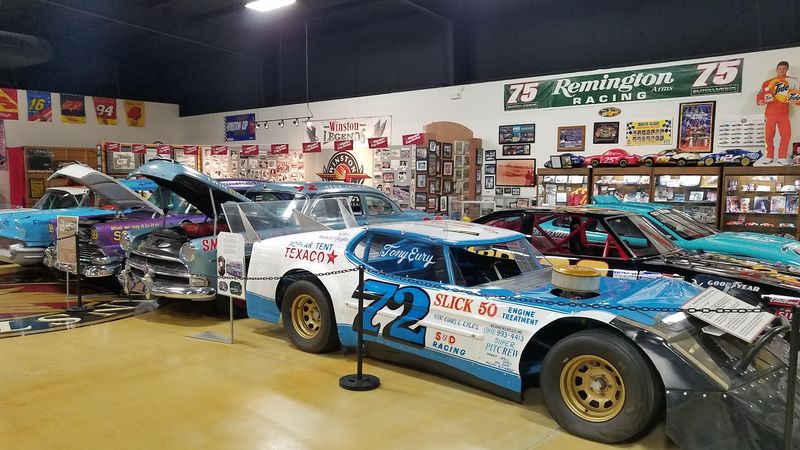
Seeing one of these vintage machines in person is a fascinating experience. The chrome bumpers, rounded body lines, and period-correct details make them look almost gentle compared to today’s aggressive, aerodynamic racers.
But don’t let the looks fool you — these cars were pushed brutally hard on rough tracks with very little safety equipment protecting the driver.
The contrast between these early vehicles and the modern cars displayed nearby tells the whole story of NASCAR’s evolution better than any textbook could. You can literally see decades of progress just by walking from one end of the museum to the other.
For history lovers and car enthusiasts alike, these vintage stock cars are among the most fascinating artifacts in the entire collection, offering a rare window into a rougher, rawer era of American motorsports that most people only read about.
A Gallery of Racing Memorabilia and Artifacts
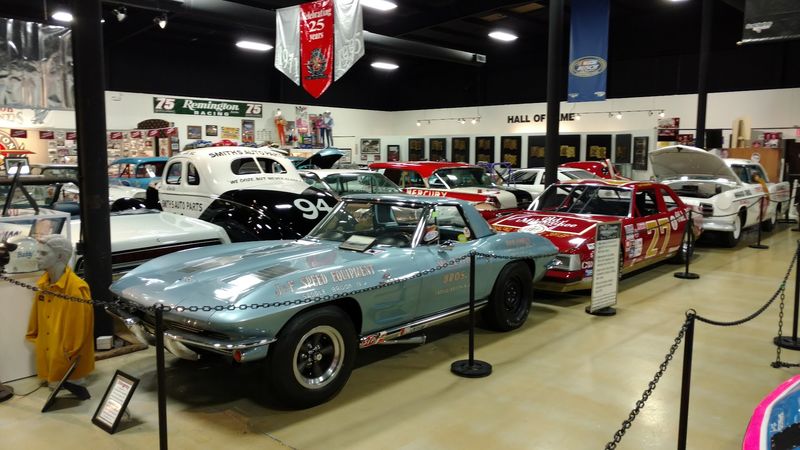
Racing is about more than just cars — it’s about the people, the rivalries, and the unforgettable moments that fans carry with them for a lifetime. The memorabilia gallery at the North Carolina Auto Racing Hall of Fame captures all of that in one remarkable space.
Trophies from legendary races sit alongside fire suits worn by famous drivers. Photographs document pit stops, crashes, victory lane celebrations, and the quiet moments between the chaos.
Signed helmets, old race programs, and personal items from drivers add a deeply personal dimension to the exhibits that no car display can fully replicate.
What really stands out here is how the artifacts connect visitors to the human side of motorsports. You’re not just looking at old objects — you’re seeing the physical evidence of careers, rivalries, heartbreaks, and triumphs.
A worn racing glove once belonged to a real person who used it to grip a steering wheel at terrifying speeds. A trophy represents years of sacrifice by an entire team working toward a single goal.
The memorabilia gallery transforms the museum from a car show into something far richer and more meaningful for anyone who takes the time to truly absorb what’s on display.
The Goodyear Mini-Theater Experience
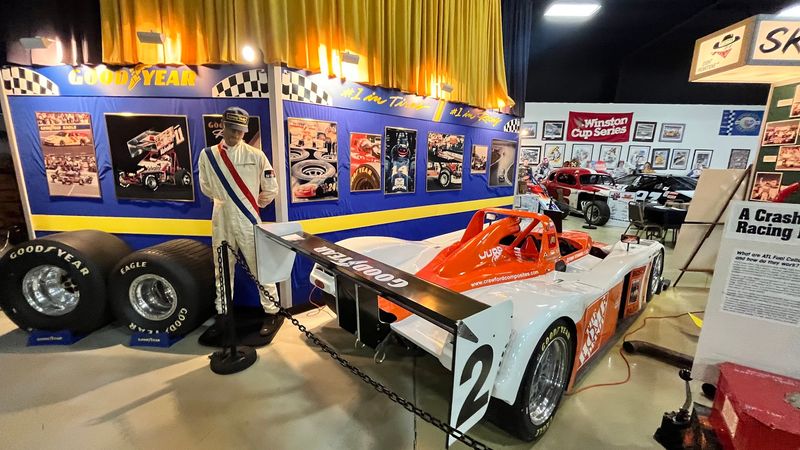
Some stories are best told through moving pictures. The Goodyear Mini-Theater inside the North Carolina Auto Racing Hall of Fame gives visitors exactly that — a chance to sit back and watch NASCAR history unfold on screen in a way that static exhibits simply can’t replicate.
Footage of legendary races plays alongside historical documentaries and driver interviews, putting famous moments into context. Hearing a driver describe the pressure of a final lap or watching a dramatic last-second pass at Daytona brings the sport’s history to life with an electricity that photos and placards can’t match.
The theater is a welcome break from walking, too, especially if you’re visiting with younger kids who need a moment to recharge.
Goodyear’s long relationship with NASCAR makes them a fitting sponsor for this space. The tire manufacturer has been part of stock car racing for decades, and their involvement with the museum reflects just how deeply the sport is woven into American industrial history.
Plan to spend at least 15 to 20 minutes in the theater — you might find yourself staying longer once the footage starts rolling. It’s one of those unexpected highlights that visitors often mention as a favorite part of the entire museum experience.
A Dedicated Motorsports Art Gallery
Art and racing might not seem like obvious companions, but the motorsports art gallery inside the North Carolina Auto Racing Hall of Fame proves otherwise in the most compelling way. Paintings and illustrations line the walls, each one capturing a moment from racing history with a vividness that photographs sometimes can’t achieve.
Notable motorsports artists contributed work that celebrates famous drivers, iconic race cars, and legendary venues. Some pieces have an almost photographic realism, freezing a dramatic moment mid-race with incredible detail.
Others take a more expressive approach, using color and movement to convey the raw energy that defines stock car racing at its most intense.
Walking through this gallery feels like a different kind of time travel compared to the main car exhibits. Where the vehicles give you a mechanical connection to the past, the artwork gives you an emotional one.
You can almost hear the engines and smell the burning rubber when you stand in front of certain paintings. For visitors who appreciate both sports and creative expression, this gallery is a genuinely pleasant surprise.
It adds a cultural layer to the museum experience that elevates the hall of fame beyond a typical car collection into something with broader artistic and historical significance.
A Gift Shop Full of Racing Memorabilia
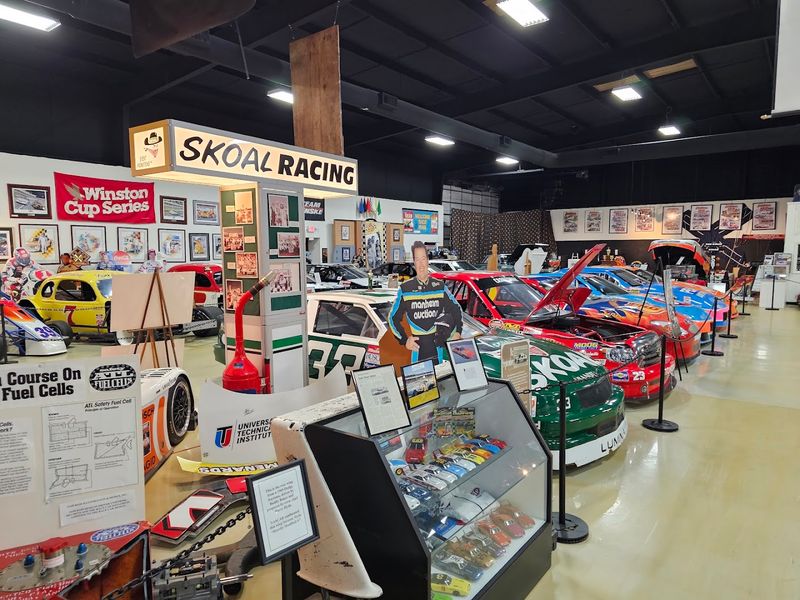
No museum visit feels truly complete without a stop at the gift shop, and the one at the North Carolina Auto Racing Hall of Fame does not disappoint. Shelves are packed with racing merchandise that ranges from affordable souvenirs to serious collectibles worth displaying at home or in the office.
Die-cast car models, driver hats, t-shirts, pins, and signed memorabilia give shoppers plenty of options at various price points. It’s a great place to grab something for a NASCAR fan back home who couldn’t make the trip.
Kids tend to gravitate toward the smaller collectibles, while adult fans often linger over the more premium items and limited-edition pieces.
Shopping here also feels like an extension of the museum experience rather than a commercial afterthought. Many items tie directly to the cars and drivers featured in the exhibits, so picking up a souvenir carries a bit more meaning than buying something at a random gift shop.
If you’re visiting Mooresville and plan to explore other racing-related stops in the area, the gift shop is a smart final destination before heading back out. Take your time browsing — you might find something you didn’t know you needed until you spotted it on the shelf.
Essential Visitor Information
Planning a visit to the North Carolina Auto Racing Hall of Fame is pretty straightforward. The museum is located at 119 Knob Hill Road in Mooresville, roughly 20 miles north of Charlotte.
Hours typically run Monday through Saturday from 9 a.m. to 5 p.m., giving most visitors a comfortable window to explore everything without feeling rushed.
Admission is reasonably priced, with discounted rates available for children and seniors. Young children often get in free, making this a budget-friendly outing for families.
Most visitors find that one to two hours is enough time to see the car collection, browse the memorabilia gallery, catch a short film in the theater, and check out the gift shop.
Because Mooresville is packed with motorsports attractions, many visitors turn their trip into a full day of racing-related exploration. Several NASCAR team headquarters offer public viewing areas, and other automotive museums and race shops are scattered throughout the area.
Pairing a hall of fame visit with a drive past some of these facilities gives you a fuller picture of just how deeply racing is embedded in this community. Always check the museum’s official website or call ahead to confirm current hours and admission prices before making the trip.