Summer is a wonderful time to explore Virginia’s most stylish shopping destinations, where tree-lined walkways, sunny plazas, and inviting cafés turn a day of browsing into a leisurely outing. These upscale centers offer more than designer storefronts—they’re places to linger over lunch, enjoy outdoor spaces, and discover everything from luxury fashion to locally inspired boutiques.
Whether you’re strolling through Northern Virginia’s elegant retail districts or spending an afternoon near the coast, each destination reflects its own sense of place and style. Beautiful landscaping, welcoming gathering spots, and thoughtfully designed streets make every visit feel relaxed rather than rushed.
From iconic malls to open-air lifestyle centers, these are the Virginia shopping destinations where luxury and atmosphere come together. Let’s explore the state’s most expensive shopping centers, one stop at a time.
Tysons Galleria
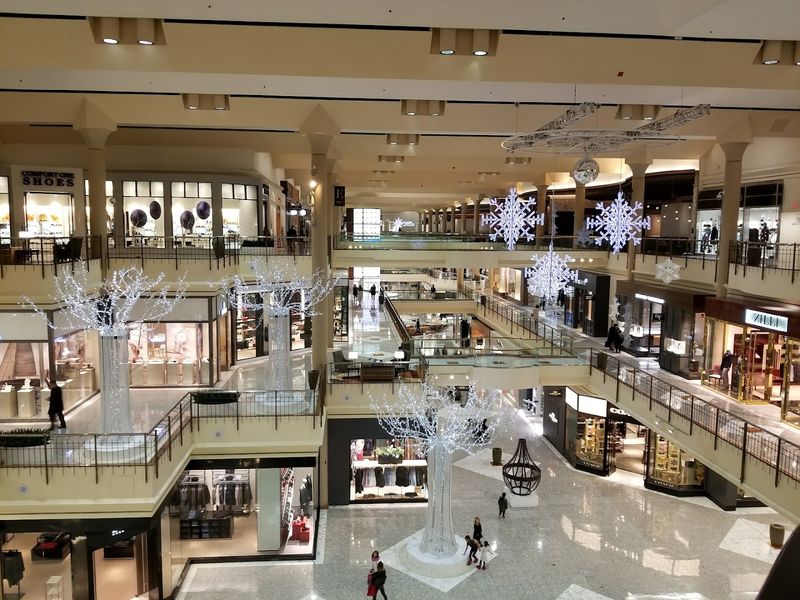
Polished marble, quiet confidence, and designer window displays set the tone before you even glance at a price tag. This is the kind of place where valet parking, luxury labels, and understated service make shopping feel like an event instead of an errand.
In Northern Virginia, few retail destinations project affluence as clearly as Tysons Galleria in McLean.
Its tenant mix has long defined the center’s reputation, with brands like Chanel, Cartier, Gucci, Louis Vuitton, Burberry, and Versace reinforcing its elite status. Upscale dining options and concierge-style amenities add another layer to the experience, making it appealing to shoppers who expect convenience with polish.
You can feel how closely the center is tied to the wealth of Tysons and the broader Washington region.
Location matters here just as much as branding. Surrounded by major corporate offices, luxury residences, and high-income neighborhoods, the mall benefits from a customer base with serious spending power.
That combination supports high rents, premium buildouts, and a carefully curated atmosphere that feels more international than suburban.
If you want the clearest example of Virginia luxury retail at its highest level, this is usually the benchmark. Tysons Galleria is not simply expensive because of what it sells.
It feels expensive at every turn, and that is exactly the point.
Short Pump Town Center
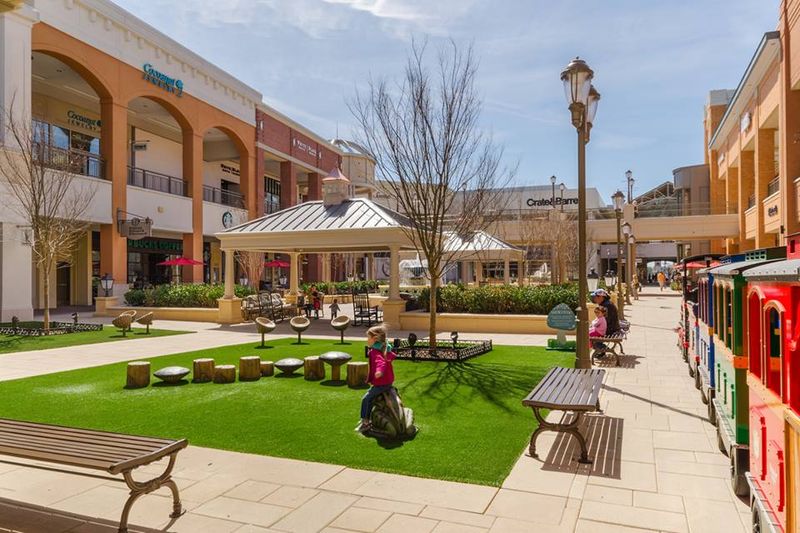
Sunlit walkways, polished storefronts, and a carefully planned open-air layout create a shopping experience that feels relaxed while still signaling money. You can browse, dine, and people-watch without ever losing the sense that this is one of central Virginia’s premium retail addresses.
That balance is exactly what gives Short Pump Town Center its upscale appeal.
Located in Richmond’s affluent western suburbs, the center serves a market with strong spending power and a taste for recognizable premium brands. Stores such as Apple, lululemon, Coach, and other higher-end retailers help anchor its reputation, while restaurants and entertainment options turn the property into a full lifestyle destination.
It is less about rush-in convenience and more about spending time in a polished environment.
The surrounding Short Pump area has grown into one of the Richmond region’s most desirable commercial and residential zones. With wealthy households nearby and constant development pressure, retail space here carries more weight than at typical suburban centers.
The open-air format also adds perceived value, making the whole property feel current and aspirational.
What makes this center expensive is the combination of branding, demographics, and experience. Short Pump Town Center attracts shoppers who want convenience without sacrificing atmosphere.
In the Richmond market, that gives it a clear edge and a very premium identity.
Stony Point Fashion Park
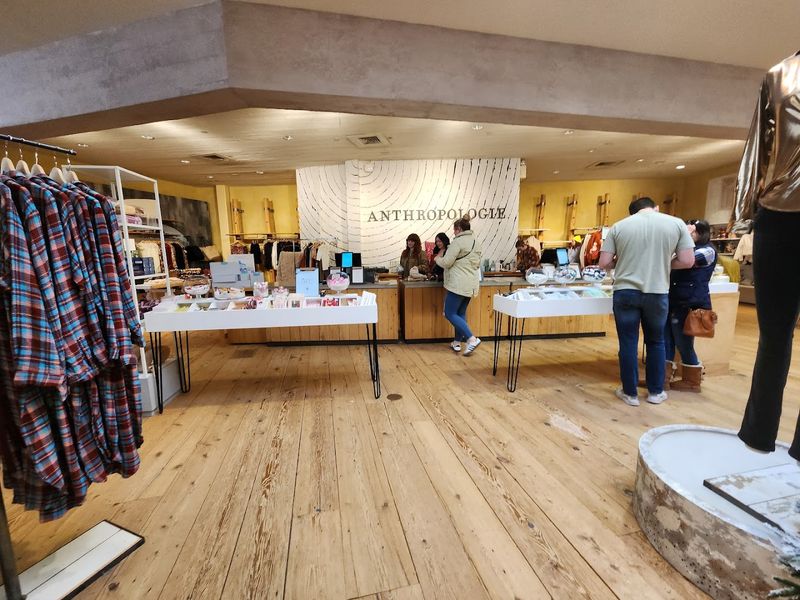
Fountains, landscaped paths, and a quieter, more polished mood make this destination feel deliberately removed from everyday retail chaos. The atmosphere invites slower browsing, better outfits, and a little more intention with every purchase.
In Richmond, that refined personality belongs to Stony Point Fashion Park.
Designed as a fashion-oriented open-air center, it has long aimed for a more elevated niche than the average mall. Upscale names such as Tiffany and Co., RH, Brooks Brothers, and other premium retailers have helped define its image, while the architecture reinforces a sense of exclusivity.
Even when tenant mixes shift, the property’s design still communicates luxury first.
Its location in a well-established, affluent part of Richmond matters a great deal. This is a center built to serve shoppers who value aesthetics, convenience, and recognized brands in the same trip.
Because it operates as one of Virginia’s few dedicated luxury lifestyle centers, the expectation for quality remains higher than at standard regional retail properties.
That is what keeps Stony Point Fashion Park on this list. It is not simply a place to buy things, but a place that sells a more curated shopping mood.
When a center is built around elegance, image, and premium positioning, expensive naturally becomes part of its identity.
The Shops at Stonefield
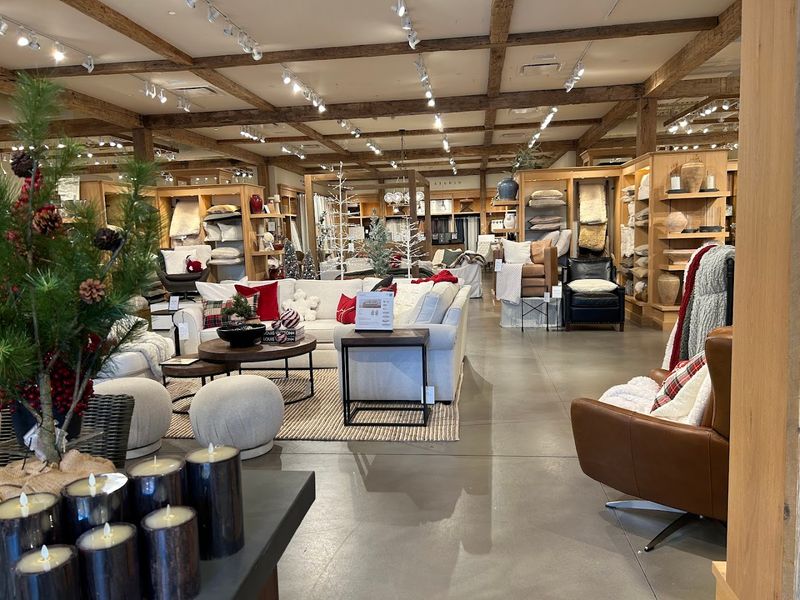
Modern lines, stylish patios, and a mixed-use layout give this center a different kind of upscale energy. Instead of feeling like a traditional mall, it comes across as a polished neighborhood where shopping, dining, and living all blend together.
That formula is exactly why The Shops at Stonefield stands out in Charlottesville.
The development pairs boutique retail with premium restaurants, entertainment, and upscale residences, creating a built-in audience for higher-end businesses. Its location near affluent neighborhoods and the University of Virginia professional community adds consistent demand from shoppers who value convenience with a polished setting.
You can sense that it was designed for people who want lifestyle and retail in one walkable package.
Stonefield’s pricing power comes from more than labels alone. Mixed-use projects often command higher rents because they create daily traffic from residents, diners, and office visitors, not just occasional shoppers.
In a market like Charlottesville, where growth is selective and desirable commercial space is limited, that matters even more.
What makes this center expensive is the combination of real estate strategy and upscale presentation. The Shops at Stonefield is built to feel current, comfortable, and just exclusive enough.
For Charlottesville, it represents a distinctly modern version of luxury shopping and spending.
Reston Town Center
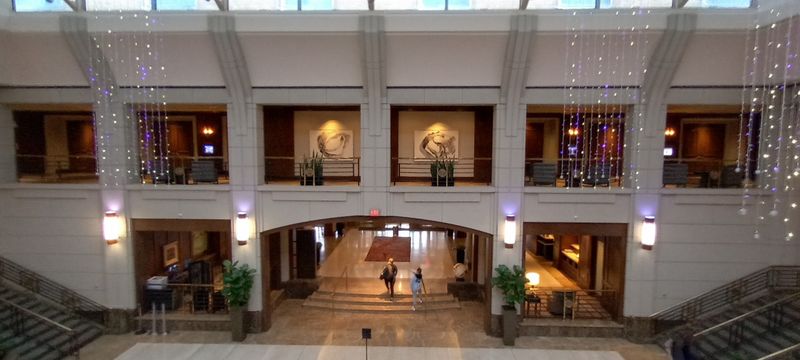
Street-level boutiques, polished plazas, and office towers rising above the storefronts give this district an unmistakably prosperous look. It feels less like a single shopping center and more like a carefully planned urban core built for high earners.
In Northern Virginia, that identity is best represented by Reston Town Center.
Located in Reston, the property serves a population shaped by technology, consulting, and government careers, which means strong incomes and strong expectations. Upscale fashion shops, fine dining, events, and premium services create an environment where spending is part of everyday life, not just a special outing.
Luxury residences nearby only deepen that sense of built-in affluence.
Its value also comes from being mixed-use in the truest sense. Office workers, residents, visitors, and diners all keep the district active throughout the day and evening, giving retailers more exposure than they might get in a conventional mall.
That constant flow helps support premium leases and a highly curated tenant mix.
Reston Town Center earns its place on this list because expensive here is not accidental – it is structural. The real estate, demographics, and experience all reinforce one another.
If you want to see how upscale retail integrates into an entire district, this is one of Virginia’s clearest examples.
Mosaic District
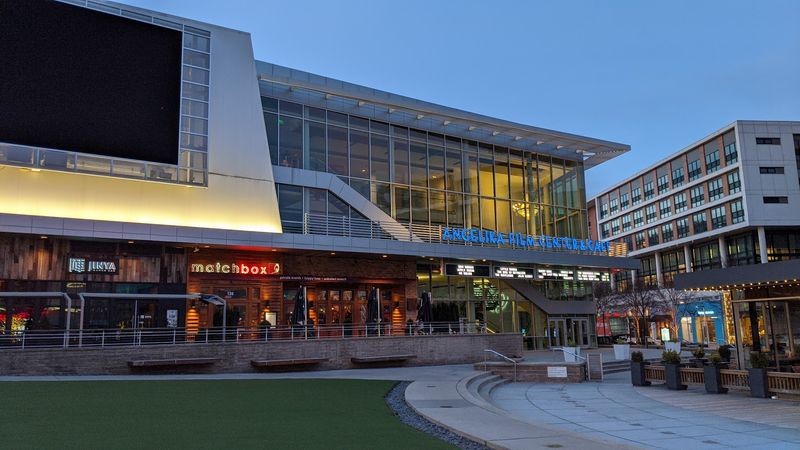
Trendy without trying too hard, this district blends polished retail with urban energy in a way that feels current the moment you arrive. Stylish storefronts, chef-driven dining, and well-designed public spaces make it especially appealing to shoppers who want atmosphere with their purchases.
That mix is what gives Mosaic District in Fairfax its premium reputation.
Rather than relying on a classic enclosed-mall formula, the property leans into walkability, architecture, and a carefully selected tenant mix. Boutiques, national premium brands, entertainment, and restaurants all work together to create a destination that feels social as much as commercial.
It attracts affluent young professionals, families, and visitors who are willing to pay more for convenience and style.
The surrounding Northern Virginia market gives it a major advantage. High household incomes, dense employment centers, and expensive nearby housing support retailers that might struggle in less affluent suburbs.
Add in luxury apartments and a well-programmed community atmosphere, and the district becomes more valuable than a simple collection of stores.
Mosaic District is expensive because it sells a lifestyle as effectively as it sells merchandise. You are paying for curation, location, and the sense that everything has been designed to feel fresh.
In Fairfax, that kind of retail environment commands attention and strong pricing.
Pentagon City Fashion Centre
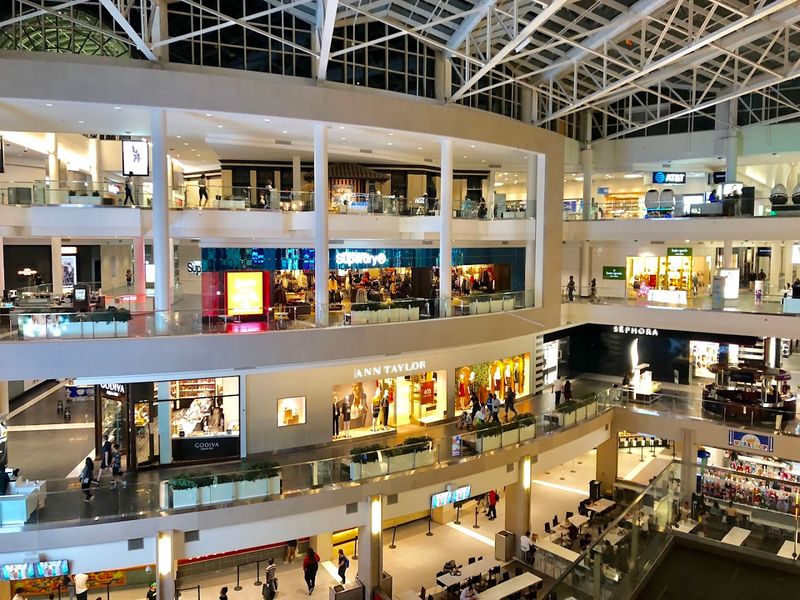
Fast-moving foot traffic, sleek interiors, and an address just outside Washington give this mall a high-pressure retail advantage. It serves locals, commuters, business travelers, and tourists all at once, creating a level of visibility many centers can only envy.
That is a big reason Fashion Centre at Pentagon City ranks among Virginia’s pricier shopping destinations.
Located in Arlington, the mall benefits from proximity to dense, affluent neighborhoods as well as one of the nation’s strongest visitor markets. Premium fashion brands, department stores, and recognizable national retailers help keep the merchandise mix competitive, while the location near hotels, transit, and major employers strengthens daily demand.
You can feel how valuable the real estate is simply by watching the crowd.
High-performing malls often become expensive because retailers are paying for access, not just square footage. Here, access means local wealth, tourist spending, and cross-river convenience for Washington shoppers.
That combination makes the center one of Northern Virginia’s strongest commercial assets.
What stands out most is how efficiently it turns location into retail power. Fashion Centre at Pentagon City does not need to be the quietest or most exclusive place to feel upscale.
Its value comes from density, visibility, and a customer base ready to spend in a prime urban setting.
Fairfax Corner
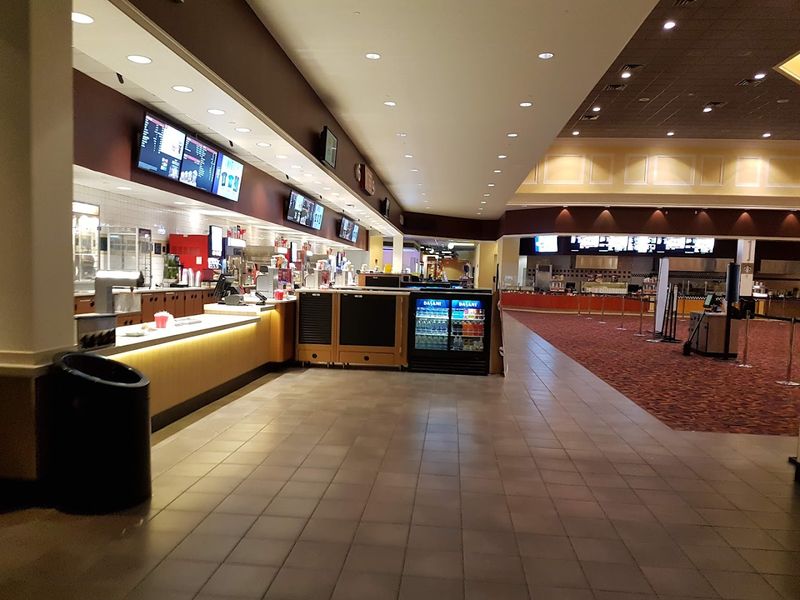
Walkable streets, polished storefronts, and a lively mix of dining and entertainment give this center a more social feel than a traditional shopping plaza. You are just as likely to see people meeting for dinner or a movie as carrying armfuls of bags.
That blended lifestyle appeal helps make Fairfax Corner one of Northern Virginia’s more expensive retail environments.
Located in Fairfax, the property serves a customer base with significant spending power and high expectations for convenience. Premium retail, restaurants, fitness offerings, and entertainment all support a longer visit, which is exactly what lifestyle centers aim to achieve.
Instead of feeling purely transactional, the space invites people to linger, which increases its value for tenants.
The broader Fairfax County market strengthens everything around it. Strong household incomes, nearby office concentrations, and expensive residential communities create steady demand for better retail and higher-quality services.
Because the center is built around walkability and mixed uses, it feels more elevated than a standard suburban strip development.
Fairfax Corner earns its place here by combining practicality with polish. It may not chase luxury in the most formal sense, but it captures affluent everyday spending extremely well.
In a competitive region full of high-value real estate, that makes it an expensive and important shopping destination.
Virginia Gateway
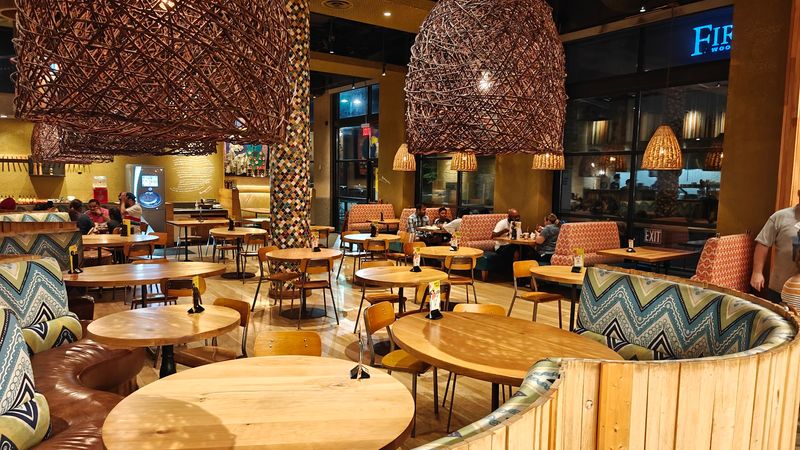
Spacious promenades, modern storefronts, and a steadily growing suburban backdrop give this property a sense of momentum. It feels like the kind of place built to keep rising with the community around it.
That ongoing growth is a major reason Virginia Gateway in Gainesville has become one of the more valuable shopping centers in the state.
The center serves affluent parts of Prince William County, where residential expansion and increasing household wealth have supported stronger retail demand over time. Premium stores, popular restaurants, and a broad lifestyle mix make it more than a stop for errands.
You can see how the development was positioned to capture both daily convenience spending and more aspirational purchases.
Large mixed-use and lifestyle-oriented centers often become expensive because they dominate their local trade area, and Virginia Gateway benefits from exactly that advantage. Its scale, visibility, and growing surrounding population give retailers a strong reason to be present here.
As nearby communities continue to mature, the center’s importance only deepens.
Virginia Gateway may not carry the most formal luxury image on this list, but its economics are undeniably premium. Growth, demographics, and regional reach all work in its favor.
In a fast-developing market, that makes its retail space especially significant and increasingly expensive.
Hilltop North Shopping Center
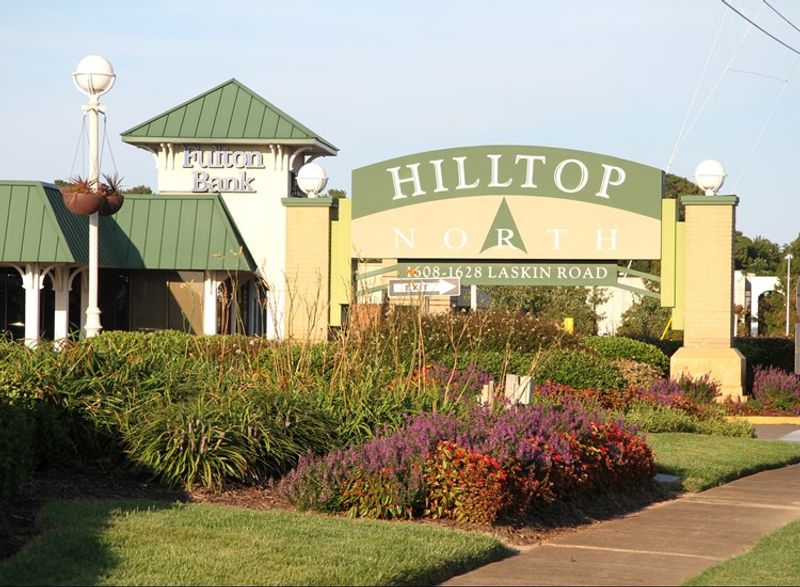
Coastal affluence has a different rhythm, and you can feel it in the polished storefronts, boutique energy, and easy confidence of this district. Shopping here feels tied to a lifestyle shaped by upscale neighborhoods, beach proximity, and local loyalty.
That is what gives Hilltop North Shopping Center in Virginia Beach its premium identity.
Serving one of Hampton Roads’ more affluent areas, the center is known for boutique fashion retailers, specialty shops, and quality dining options that cater to residents with both taste and spending power. It is not trying to be the biggest retail destination in the region.
Instead, it succeeds by fitting closely with the preferences of its surrounding community.
That local alignment matters. Centers in wealthy coastal submarkets often command stronger rents because they benefit from stable demographics, high visibility, and a shopper base that values convenience close to home.
The result is a retail environment that can support more upscale concepts than a generic neighborhood center could ever handle.
Hilltop North makes this list because expensive does not always mean flashy. Sometimes it means being exactly where an affluent market wants to shop, dine, and browse regularly.
In Virginia Beach, this center has become a reliable expression of that kind of everyday upscale spending.
Greenbrier Market Center
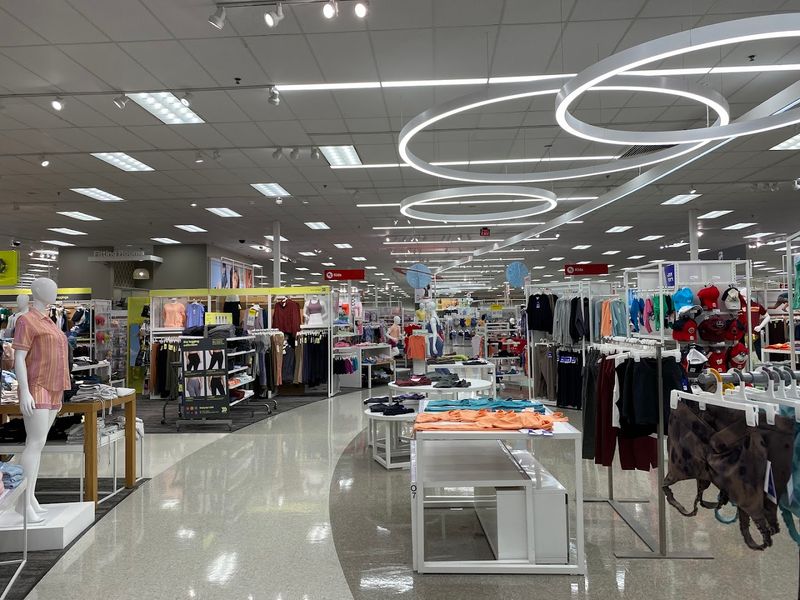
Regional draw can create its own kind of prestige, especially when a center becomes one of the first names shoppers mention across an entire metro area. Busy access roads, broad retail variety, and strong consumer recognition all add to the property’s value.
In Chesapeake, that role belongs to Greenbrier Market Center.
The center benefits from serving the larger Hampton Roads region, not just one neighborhood. A strong concentration of premium retailers, restaurants, and lifestyle-oriented businesses helps it attract shoppers from multiple cities, giving tenants a larger audience than many local centers can offer.
That wider reach increases both competition for space and the importance of the location.
Its position within the Greenbrier commercial corridor also adds weight. This part of Chesapeake has long functioned as a major shopping and business hub, which means established traffic patterns, nearby offices, and consistent regional familiarity.
When a center sits inside a proven retail district, its long-term desirability often rises along with its pricing power.
Greenbrier Market Center earns a spot here because it combines scale, accessibility, and broad appeal in a way that supports premium performance. It may not lean heavily on ultra-luxury branding, but it holds high regional importance.
In Hampton Roads retail, that significance translates into expensive commercial value.