Old mills have a special way of making history feel real, because you can hear the water, see the heavy gears, and imagine the busy days when local farmers brought grain or wool to be worked by hand and machine.
Across Iowa, these preserved places tell stories about small towns, hard work, river power, and the clever people who built businesses around the state’s streams long before modern factories and highways changed daily life for everyone.
Some sites still grind grain, some work like museums, and some come alive during special events, giving visitors a close look at tools, buildings, and traditions that might otherwise fade into old photographs and family memories.
If you enjoy road trips, local history, or quiet places with character, these Iowa mills offer a fun reason to explore, learn something new, and picture a slower time that still leaves its mark on the landscape today.
1. Motor Mill Historic Site – Elkader, Clayton County
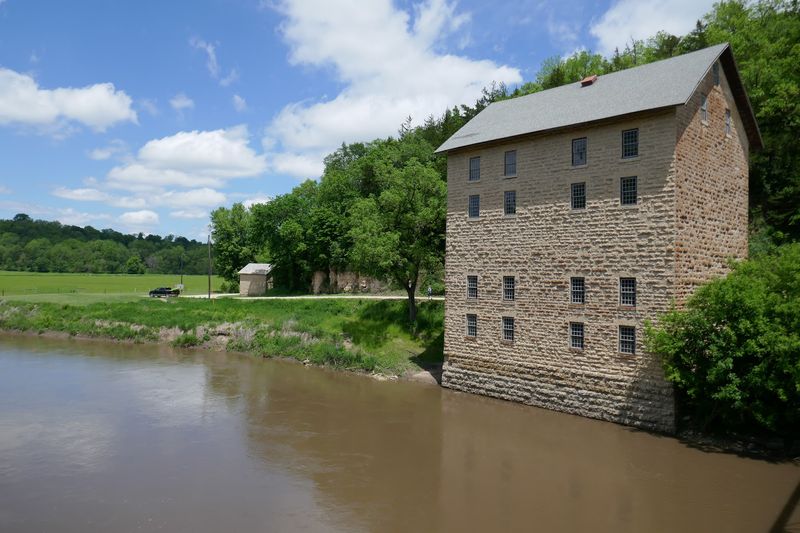
Standing in a lonely bend of the Turkey River, Motor Mill feels like a movie set that somehow escaped the cameras.
Its tall limestone walls and grand windows make it one of Iowa’s most striking mill buildings.
Built in the 1860s, it once promised big business, but floods, distance, and hard luck kept the dream from fully taking hold there.
Visitors today can tour the site, walk nearby trails, and study details that show how ambitious the builders were.
Bring sturdy shoes, because the grounds are wide and uneven in spots.
If you like photos, aim for morning or late afternoon light, when the stone glows warmly and the quiet valley adds a dramatic, almost storybook feeling to the visit.
A trip here works best when paired with Elkader or other Clayton County stops, so you can turn history into a full day out.
Picnic areas and open space make the setting relaxing for families.
Even kids who claim they hate museums often perk up here, because the building looks huge, mysterious, and wonderfully different from everyday life around them.
2. Wapsipinicon Mill – Independence
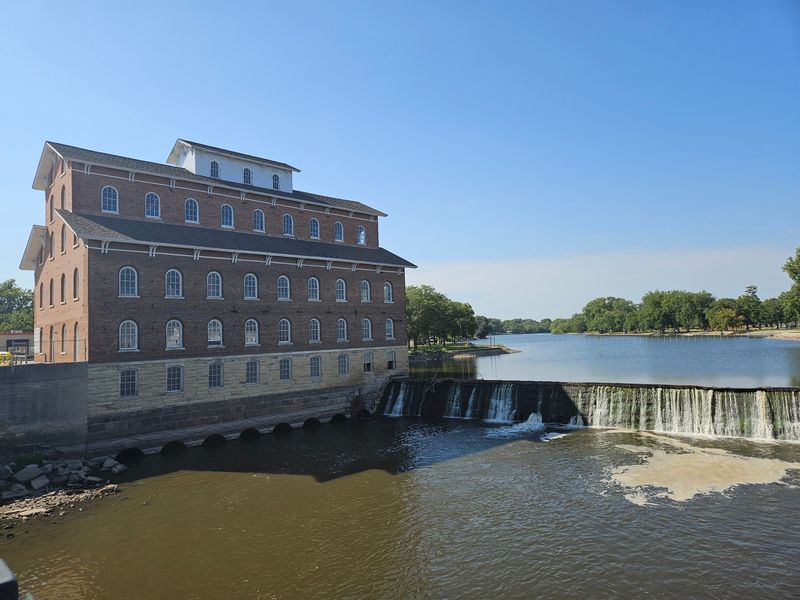
Right in the heart of Independence, Wapsipinicon Mill mixes small town pride with riverfront beauty.
The handsome brick building rises beside the water and has become one of the city’s best known landmarks.
Since the 1860s, the mill has served many uses, and today it welcomes visitors who want local history without needing a long hike or complicated plan first.
Inside, exhibits explain milling, town growth, and daily work from earlier years in a way that feels clear instead of dusty.
Families can stroll the nearby riverwalk before or after visiting.
That makes this stop easy for mixed age groups, because someone can enjoy the scenery while another person studies machinery, maps, or old photographs at a relaxed pace together.
Try checking the local schedule before you go, since special events can add music, demonstrations, or extra access.
The setting is especially nice in warmer months, when the river area feels lively.
Instead of racing through the exhibits, slow down and notice the brickwork, windows, and surrounding park, because those details help the whole place come alive for curious visitors.
3. Lidtke Mill – Lime Springs
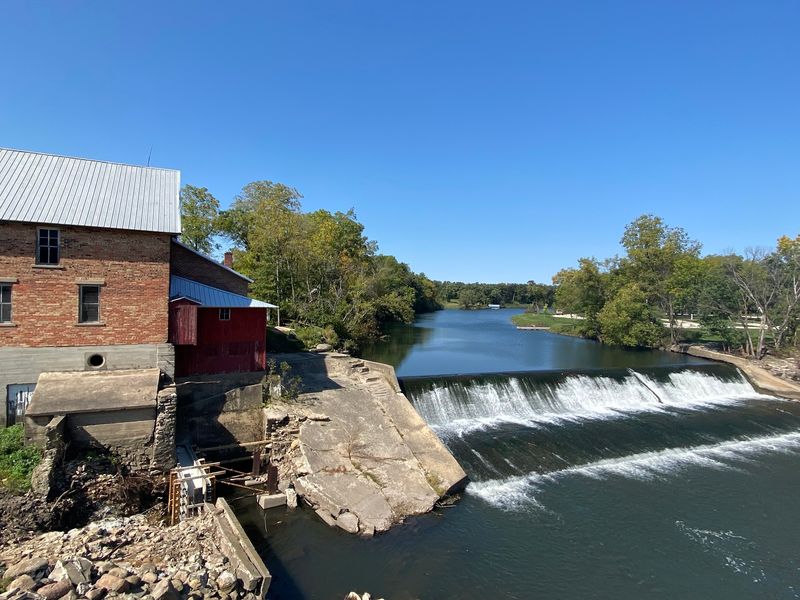
Tucked into the little town of Lime Springs, Lidtke Mill feels wonderfully close to the everyday life of old Iowa.
The mill stands along the Upper Iowa River and shows how communities once depended on waterpower for useful work.
Its simple shape may seem modest at first, but the story behind it gives the place real heart and staying power.
What many visitors enjoy most is the setting, because the river, trees, and old structure create a peaceful scene without much fuss.
It is a good stop for travelers who like history served with fresh air.
Bring a camera and take time outside, since the building looks especially charming from a small distance rather than only up close to it.
Because smaller sites sometimes have limited hours, planning ahead is smart and can save disappointment.
Pair the visit with other scenic drives in northeast Iowa if you want a fuller outing.
The quiet character here is part of the appeal, reminding guests that not every important landmark needs crowds, noise, or giant exhibits to leave an impression on your day.
4. Bonaparte Pottery and Bentonsport Historic Mill District – Bonaparte
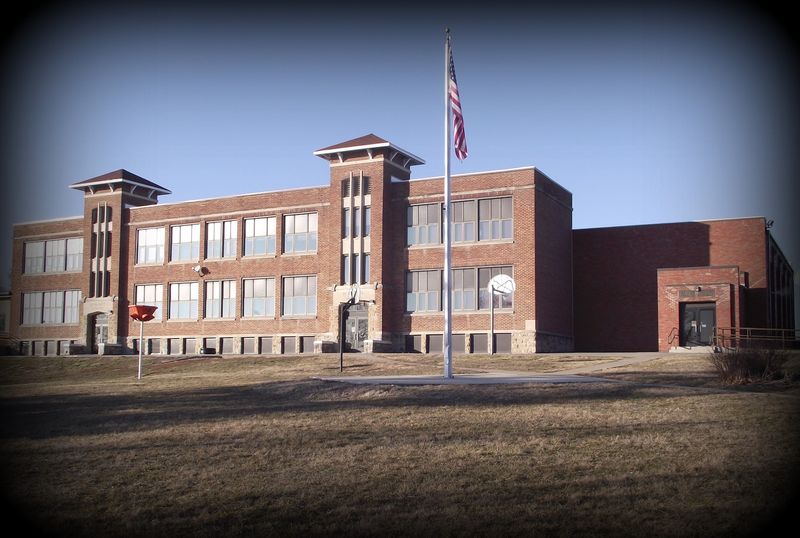
History fans who like a little variety will have fun in Bonaparte, where preserved mill buildings share attention with pottery, river views, and old village streets.
The district offers more than one structure, so the visit feels like stepping into a neighborhood.
During tours and special events, the area gives a fuller picture of how industry once shaped community life.
Bentonsport nearby adds even more atmosphere, especially if you enjoy browsing old buildings while imagining wagons, trade, and river travel.
Check event calendars before you go, because open access can depend on tours or festival days.
That little bit of planning often pays off with better storytelling, more rooms to see, and local guides who know the details quite well.
A slower pace suits this district best, so wear comfortable shoes and leave time for unexpected discoveries.
One doorway, one millstone, or one weathered beam can suddenly make the past feel close.
Visitors who enjoy small towns with texture and personality usually remember Bonaparte not as a single stop, but as a place that unfolds bit by bit for visitors.
5. Old Mill Museum – Pella
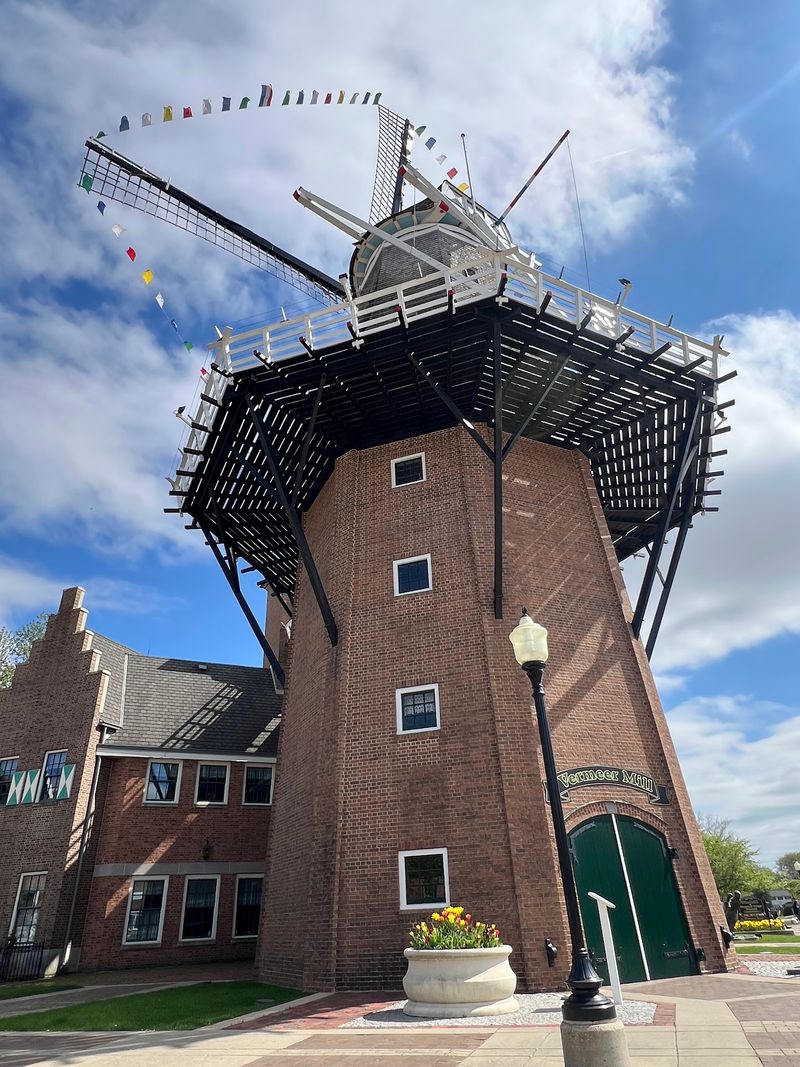
Pella brings a different flavor to mill history, mixing Dutch heritage with hands on learning that feels lively rather than stiff.
The Old Mill Museum includes the Vermeer Mill and exhibits that explain how grain became flour and why mills mattered so much.
For many families, it is a place to connect machinery, farming, and immigrant traditions in one visit.
If you are visiting Pella anyway, this stop fits naturally with bakeries, canals, and other historic sights around town.
Kids often enjoy seeing large moving parts and learning that food production once depended on local skill.
Ask questions when guides are available, because a short explanation about stones, belts, or grinding can make the exhibits much clearer for young visitors.
Try not to rush through the museum spaces, even if the windmill outside grabs your attention first.
Small displays often hold the clues that tie the bigger story together.
By the time you leave, you may start noticing mills in a new way, not as old buildings alone, but as engines that helped shape whole communities across the region too.
6. Amana Woolen Mill – Main Amana
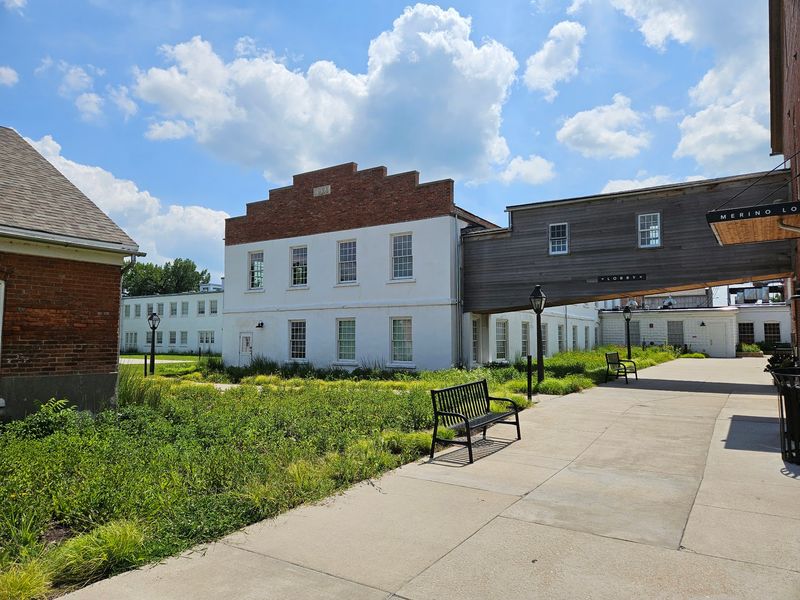
Not every historic mill in Iowa handled grain, and that is what makes Amana Woolen Mill stand out right away.
Operating since the 1850s, it still produces woolen goods and lets visitors see a long industrial story that never fully stopped.
Walking in feels less like entering a frozen museum and more like meeting history at work each day there.
The scent of fibers, the hum of activity, and the shelves of finished products give the visit a practical feeling.
You are not just reading about old tools behind glass.
Because the mill remains part of Amana’s culture, it pairs well with nearby shops, restaurants, and colony sites, making the town feel connected rather than split into past and present.
Plan extra time if you think you might browse for blankets, scarves, or gifts, because many visitors do.
A quick stop can easily turn longer once you start looking around.
For travelers who want heritage with a useful modern side, this mill offers one of the clearest examples in Iowa of history that still earns its keep today for visitors.
7. Flour Mill Museum, Mason House Inn Mill Complex – Bentonsport
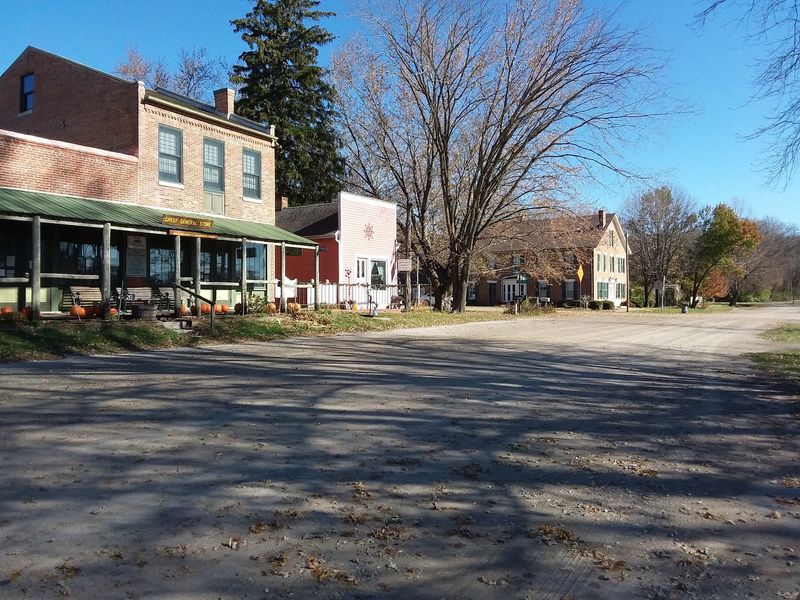
Bentonsport has a knack for making visitors slow down, and the Flour Mill Museum is a big reason why.
Set within the Mason House Inn Mill Complex, it helps explain how milling fit into river town life.
The building’s age, the village setting, and the nearby water give the visit a cozy, almost tucked away feeling that many people love.
Because the museum sits in a historic district, you get more than a single room of facts.
You can step outside and keep the story going by walking the streets and studying neighboring buildings.
That makes it a smart stop for travelers who prefer places where history is spread through the landscape, not packed into one display case at once.
If you stay at the inn or visit nearby shops, the whole area feels pleasantly layered.
Bring curiosity, because small museums often reward careful looking more than quick scanning.
A beam overhead, an old wheel, or a milling tool can open up conversations about trade, travel, and daily chores in ways that surprise people who expected only a short stop.
8. Fertile Mill – Fertile
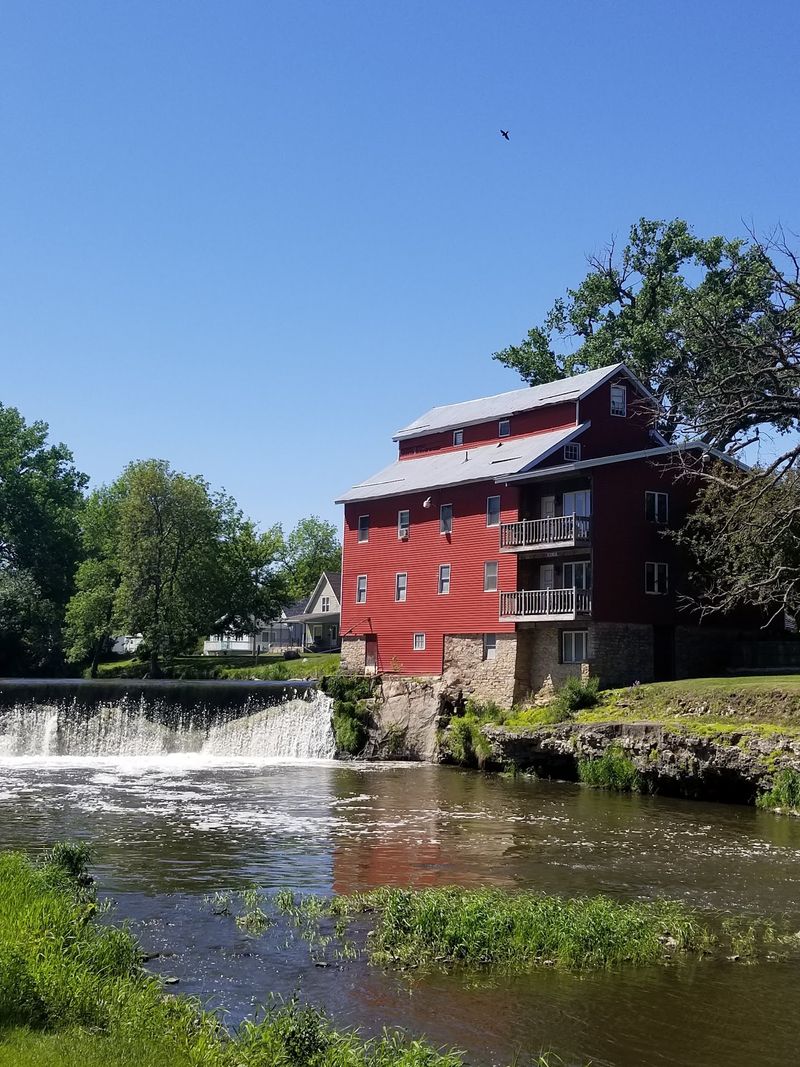
Fertile is a small town with a memorable name, and its old mill site gives visitors reason to stop.
The grist mill connects local history with outdoor space that feels easy to enjoy.
Instead of facing a crowded attraction, you can explore at a relaxed pace and let the setting share the story.
Families often like places like this because children can move around while adults read signs or study the building.
Pack water, wear comfortable shoes, and use the park timefully, especially in nice weather.
A bench by the pond or a short walk nearby can turn a history stop into a gentle break during a longer road trip for many travelers.
Since smaller community sites can vary in access, checking local information before arriving is a smart move.
Even if the museum areas are limited, the park itself still offers atmosphere and context.
The mix of water, green space, and preserved milling history makes Fertile feel welcoming, practical, and pleasantly unhurried in a way many visitors appreciate on quiet afternoons there.
9. Cedar Valley Grist Mill, George Wyth State Park area – Cedar Falls
A reconstructed mill can still teach a great deal, and Cedar Valley Grist Mill proves that nicely.
Located in the George Wyth State Park area, it gives visitors a chance to picture how earlier grist mills worked without needing every original board to survive.
Seasonal opening times add a little treasure hunt feeling, so planning ahead matters here for visitors.
Because the mill sits near outdoor recreation, it works especially well for people who do not want a museum only day.
You can combine history with walking, biking, or simply enjoying the park landscape.
That balance makes the stop attractive for families or groups where some people love exhibits and others would rather be outside moving around most of all.
Bring bug spray in warm months and check seasonal hours before setting out, since both steps can improve the visit.
When the mill is open, listen carefully to demonstrations and ask how the machinery worked.
Those practical details help turn an old building into a real lesson about labor, food, and daily problem solving in earlier Iowa communities for everyone.