A quiet trail can suddenly open onto an old stone structure, a weathered mill, or a river crossing that has witnessed generations come and go. In places like these, history is not tucked away behind glass.
It remains part of the landscape, waiting to be noticed as you walk.
Across Iowa, historic parks preserve landmarks and landscapes that reveal how earlier communities lived, worked, traveled, and built their lives. Old mills, stone lodges, historic structures, and other enduring features give visitors a chance to connect the scenery with the people who shaped it.
For families and curious travelers, these places can make the past easier to picture and remember.
A visit can offer both a peaceful day outdoors and a closer look at Iowa’s history. Here are 10 Iowa historic parks where you can walk through real pieces of the past.
Backbone State Park
Stone steps, cool shade, and the sound of wind moving through the trees make this park feel older than a quick map glance suggests. Around each bend, there is a sense that people have been caring for this land for a very long time, and that feeling is part of what makes a visit memorable.
Backbone State Park, near Dundee, was Iowa’s first state park, dedicated in 1920. Its historic story becomes even clearer when you spot the Civilian Conservation Corps work still standing today, including rustic buildings, stone features, and an outdoor auditorium that blends into the landscape instead of fighting it.
The small CCC museum helps put faces and purpose behind the craftsmanship. After learning a little there, walking the trails feels different, especially near the lake, the old structures, and the rocky backbone ridge that gave the park its name.
Bring water, wear sturdy shoes, and give yourself time to notice details in the stonework. The park is not only scenic, it quietly shows how conservation, labor, and local pride shaped Iowa nearly a century ago.
Lacey-Keosauqua State Park
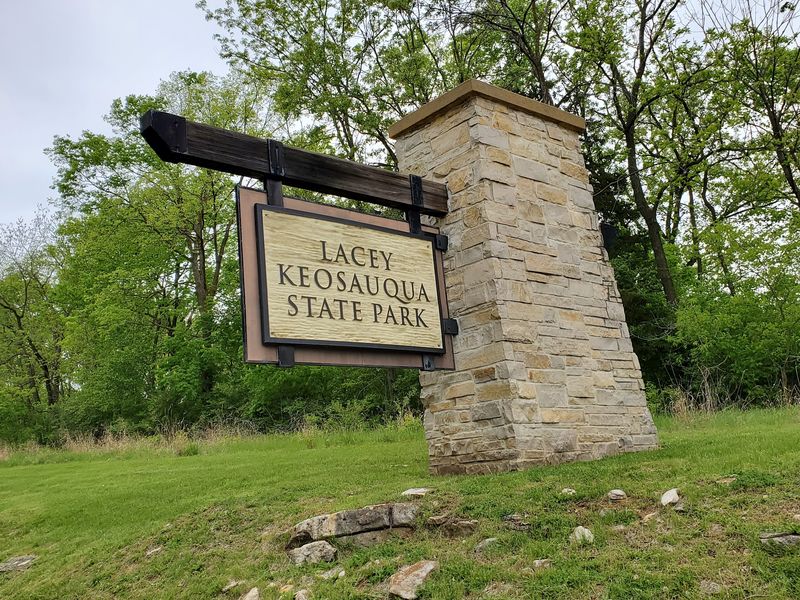
Mist over the river can make the morning feel almost hushed, as if the land is holding onto old footsteps. That mood fits a place where travel, hardship, and hope once crossed paths long before modern visitors arrived with hiking shoes and snacks in the car.
Lacey-Keosauqua State Park in Keosauqua sits near a historic crossing connected to the Mormon western trek, which gives the landscape a powerful human story. It also became Iowa’s second state park in 1920, and the Civilian Conservation Corps later added stone buildings and other features that still help define the park today.
You can spend part of the day watching the Des Moines River, then wander toward the historic structures and imagine the many different travelers who moved through this area for very different reasons. The mix of river views, wooded trails, and old park architecture gives the place unusual depth.
It works well for families because the history feels tied to real ground instead of a distant textbook. Slow down near the overlooks and shelter areas, and the park starts to feel like a meeting point between migration, memory, and Iowa’s early park movement.
Wildcat Den State Park
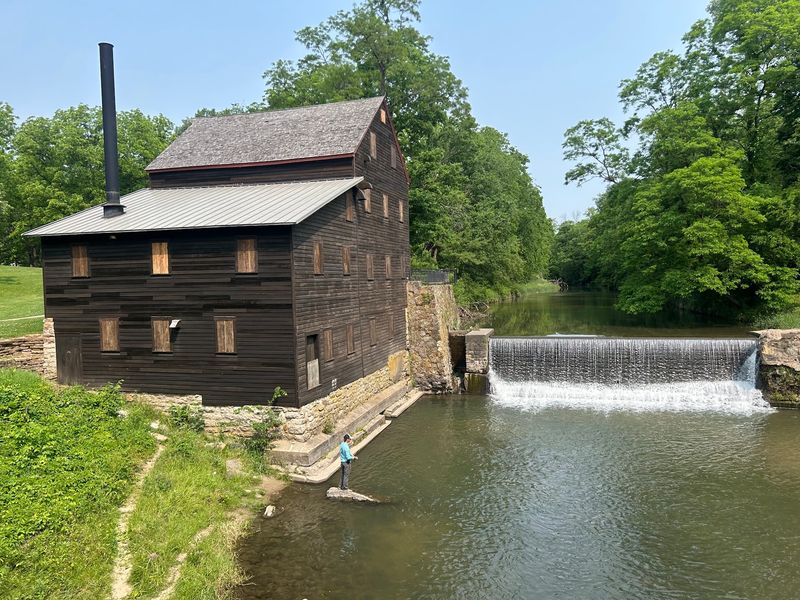
Few places make the past feel as close as the creak of wood beside moving water. When you hear Pine Creek and see an old mill sitting where it has stood for generations, history stops feeling abstract and starts looking wonderfully ordinary, like a day from another century frozen in place.
Wildcat Den State Park near Muscatine is home to the 1848 Pine Creek Grist Mill, one of Iowa’s best preserved historic landmarks. Not far away, the Melpine one-room schoolhouse and an 1878 iron bridge add even more texture, turning a simple walk into a string of scenes from nineteenth-century life.
The park’s rocky paths and wooded setting make the old structures feel earned rather than staged. Kids often remember the bridge and mill most, while adults tend to notice how useful and hardworking every building seems.
If you go, wear shoes with good grip because the trails can be uneven near the creeks and sandstone areas. Plan time for photos, but also stand still for a moment and listen.
Between the mill wheel, the schoolhouse, and the rugged landscape, Wildcat Den gives visitors one of the clearest chances in Iowa to picture how people learned, worked, and traveled in an earlier age.
Red Haw State Park
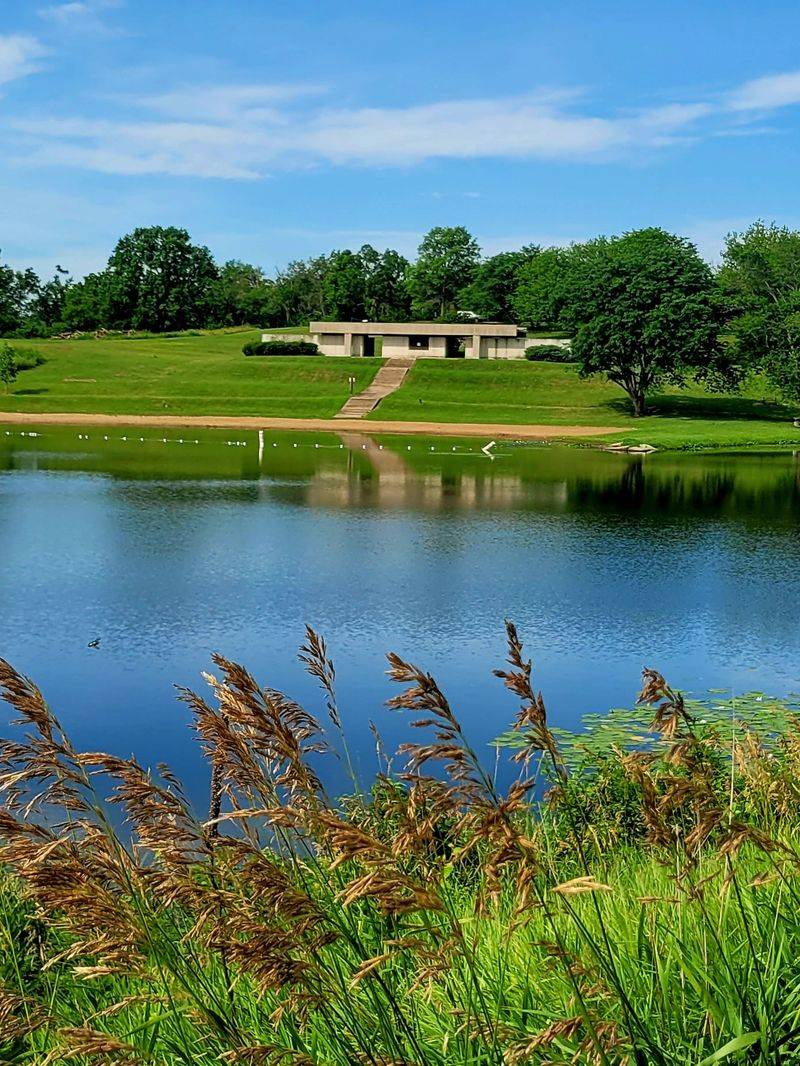
At first glance, the calm lake and trees seem to tell a simple park story. Then the stonework comes into view, solid and patient, and suddenly the place feels connected to a tougher chapter in American life, when public parks were shaped by people who needed work and left behind something lasting.
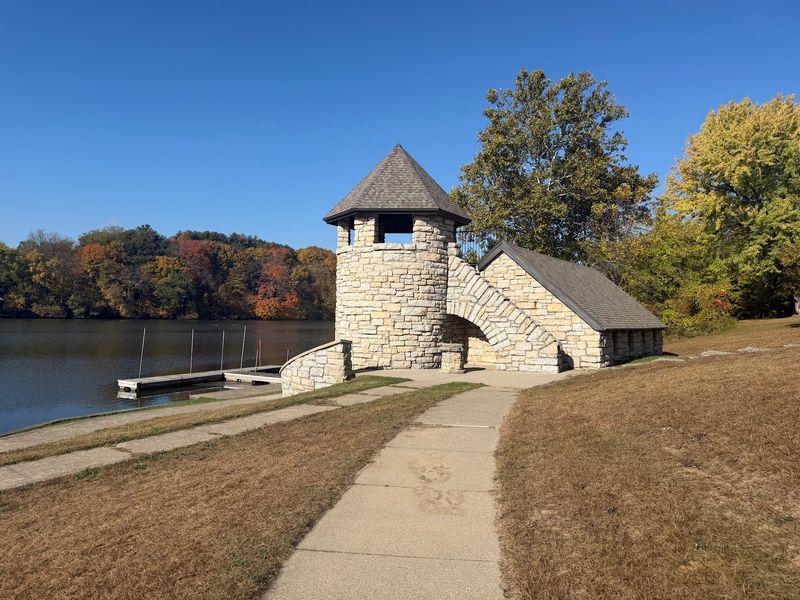
Red Haw State Park near Chariton opened to the public in 1939 after major help from the Civilian Conservation Corps and the Works Progress Administration. One of its surviving treasures is a CCC stone shelter, and seeing it up close reveals the care that went into even practical park buildings during the Depression era.
It is easy to pair a quiet walk here with a little history lesson that never feels forced. Pack a picnic, spend time near the water, and then stop by the shelter to notice the hand-laid stone and sturdy design.
Those details matter because they show how public spaces were built to serve communities for generations, not just a season. The park does not overwhelm you with signs or big speeches.
Instead, Red Haw leaves its story in the materials, the layout, and the quiet endurance of a place created during hard times and still welcoming people today.
Pikes Peak State Park
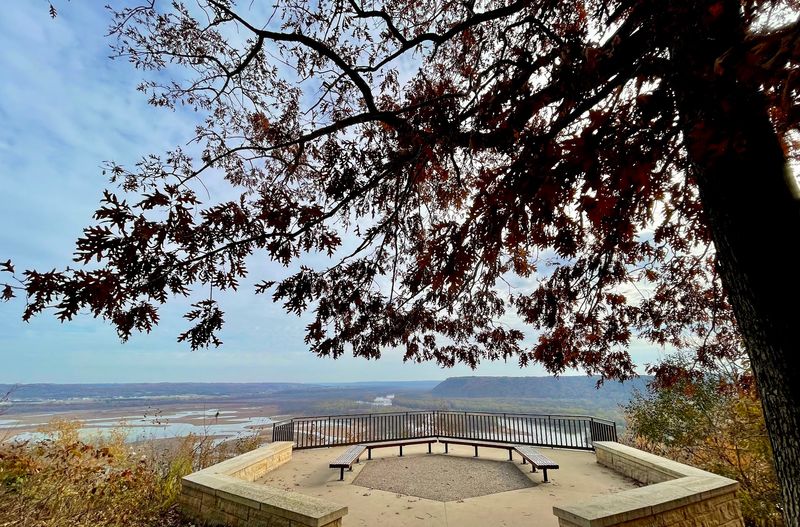
The first thing that grabs you here is the view, wide and powerful enough to make almost anyone go quiet. Looking out over the Mississippi River from high bluffs, it is easy to picture explorers, traders, and Native communities all seeing this same stretch of country in very different centuries.
Pikes Peak State Park in McGregor carries stories that reach back far beyond its official park years. The area connects to the 1673 journey of Louis Joliet and Father Jacques Marquette, the 1805 expedition of Zebulon Pike, and the long history of Native presence, including an effigy mound within the park.
Waterfalls, overlooks, and wooded paths give the park the kind of beauty that draws people in fast, but the deeper reward is the layered history under your feet. Bring binoculars if you have them, because river traffic and distant bluffs add even more interest from the main viewing areas.
If you are traveling with kids, this is a good place to talk about how rivers once worked like highways. Few parks in Iowa combine such dramatic scenery with such a long human timeline.
The result feels less like a simple stop and more like standing at a lookout over several chapters of the past at once.
Dolliver Memorial State Park
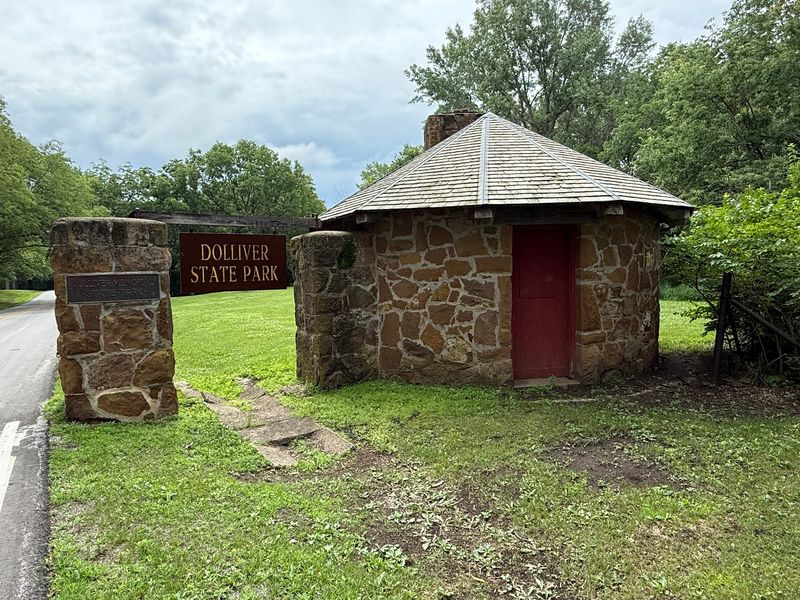
There is something deeply comforting about old lodges built from timber and stone. They seem to belong to the hillside, as if they rose from the ground naturally, and that quiet fit between architecture and landscape is one reason this park leaves such a strong impression.
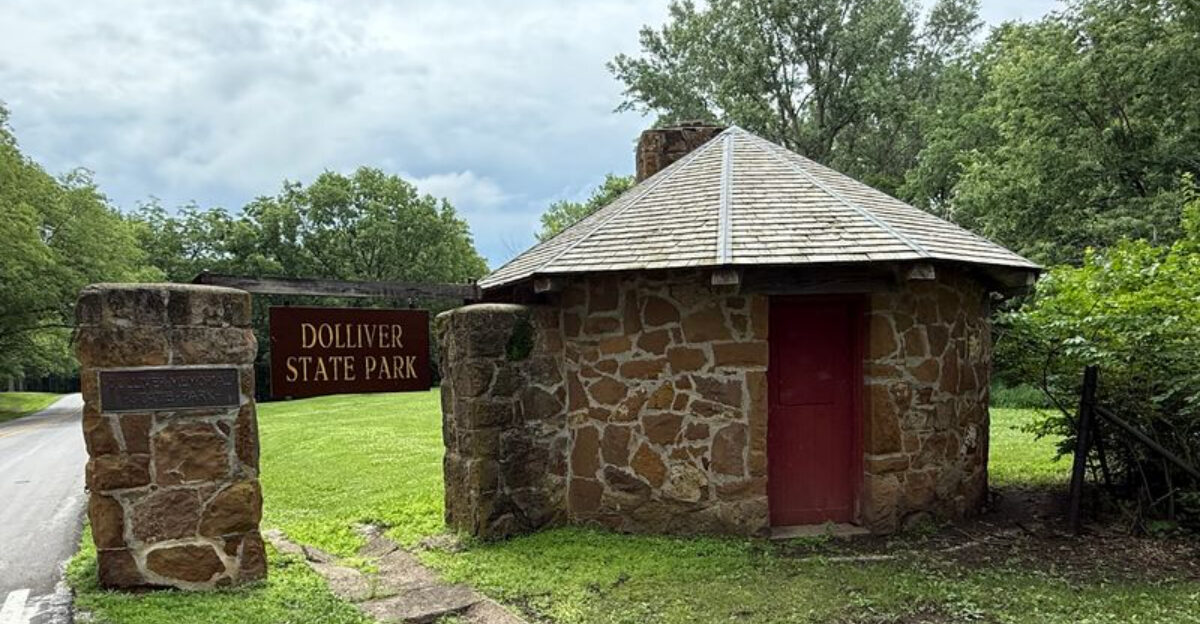
Dolliver Memorial State Park near Lehigh was shaped in the 1930s through New Deal programs, especially work by the Civilian Conservation Corps and the WPA. The South Lodge and Center Lodge still stand as historic reminders of that period, showing off sturdy craftsmanship in a beautiful stretch of the Des Moines River valley.
Even if you come for the trails or river scenery, the buildings deserve slow attention. Look at the beams, the stone walls, and the way the structures settle into the terrain instead of dominating it.
That design tells its own story about how parks were once built with patience and pride. A short visit can easily turn into a longer one if you add a picnic or a walk to nearby overlooks.
Dolliver feels less flashy than some destinations, but that is part of its charm. It offers a calm, grounded way to understand Depression-era public works while enjoying one of Iowa’s most quietly beautiful historic park settings.
Ledges State Park
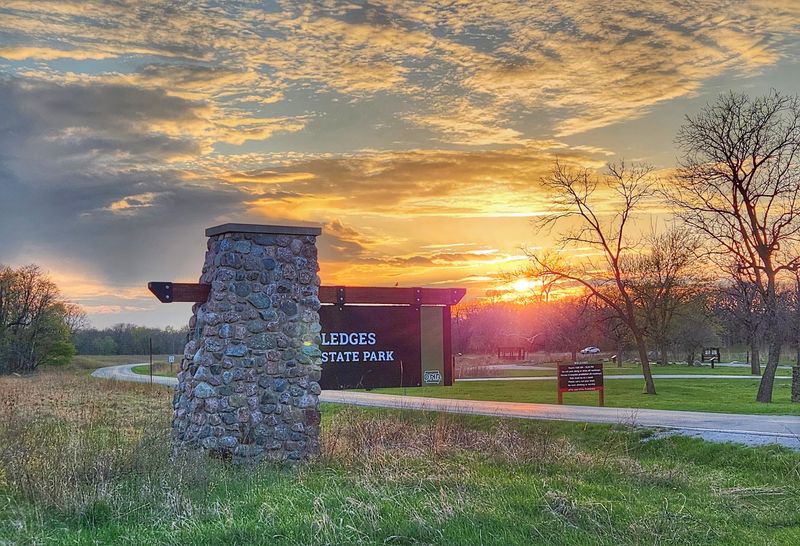
Water slipping across the road and sandstone walls rising nearby give this park an almost storybook feeling. Then you notice the old stone bridge and other carefully built features, and the place becomes more than dramatic scenery.
It becomes a conversation between nature’s rough edges and human skill.
Ledges State Park near Madrid is famous for its striking canyon landscape, but its historic side is just as interesting. During the 1930s, the Civilian Conservation Corps built several lasting structures here, including the distinctive stone bridge over Peas Creek that has become one of the park’s best known sights.
Walking through the lower areas can feel playful and adventurous, especially after rain when the creek crossings stand out. Yet the craftsmanship around you keeps pulling the mind back to the workers who shaped paths and bridges in a place that was never simple to build in.
Bring shoes you do not mind getting damp, and check conditions before heading into lower sections. The mix of cliffs, water, and historic masonry gives Ledges a personality unlike any other park in the state.
It is the sort of place where a family outing, a geology lesson, and a piece of Depression-era history can all fit into the same afternoon.
Wapsipinicon State Park
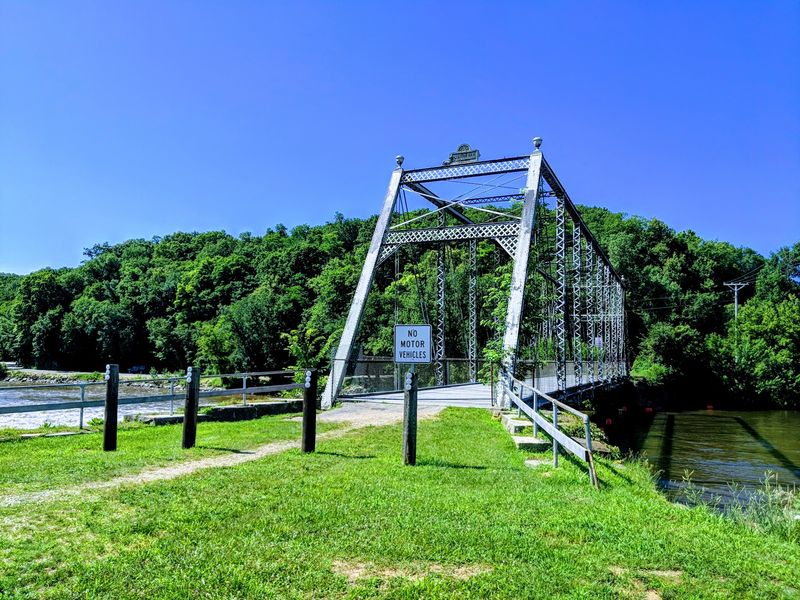
Some parks feel pretty right away. Others reveal themselves slowly, layer by layer, until you realize you are standing in a place with far more history than you expected.
That slower kind of discovery is what makes this park especially rewarding for curious visitors.
Wapsipinicon State Park in Anamosa is listed on the National Register of Historic Places, which already tells you it is no ordinary green space. Historic stone structures, bridges, and a lodge help shape the setting, and part of the park’s story includes work done by prisoners from the nearby Anamosa State Penitentiary.
That detail alone gives the landscape a different weight, but there is more here than one surprising fact. Archaeological sites add older layers of human presence, while the rolling terrain and river scenery keep the experience grounded in nature.
It is a smart place for travelers who like history but still want a relaxed outing with trails and scenic stops. Bring a camera for the stonework and a little patience for reading signs, because context matters here.
Wapsipinicon stands out by showing how many kinds of people have shaped one piece of Iowa land over time, from early inhabitants to laborers whose work still frames the park today.
Palisades-Kepler State Park
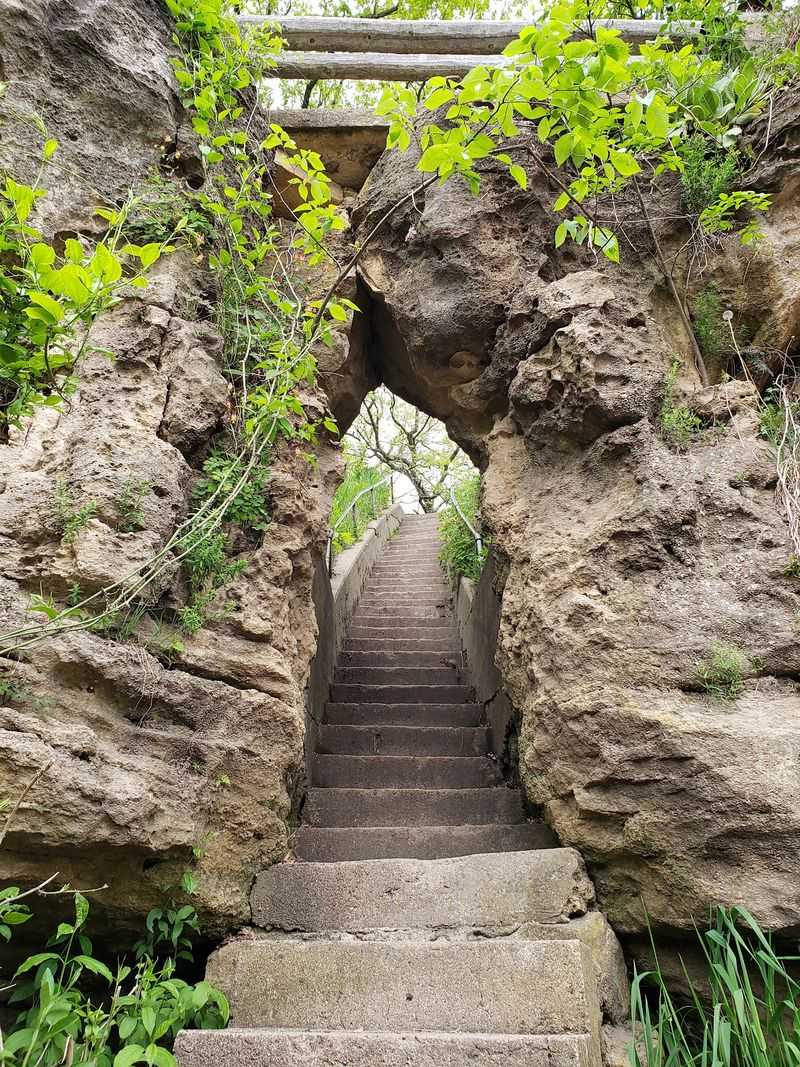
Tall bluffs and river bends create a scene that feels ancient before you even read a sign. The land has that rare quality of seeming busy with hidden stories, as if every ridge has watched generations come and go and kept a careful record in silence.
Palisades-Kepler State Park near Mount Vernon was established in 1922 and later expanded through Louis H. Kepler’s donation of his estate.
Its historic importance comes from several directions at once, including Native American mounds, Civilian Conservation Corps structures, and trails that help visitors explore the Cedar River landscape at a thoughtful pace.
The stone lodge is worth a good look, especially if you appreciate buildings that feel handmade and solid. Pair that with a bluffside walk, and the park begins to show why it matters beyond its natural beauty.
You are moving through a place shaped by very different people across very different eras, yet the setting still feels surprisingly unified. Bring a snack, take your time, and look for moments where the river opens below the trees.
Palisades-Kepler rewards visitors who enjoy scenery, but it especially rewards people who like to sense the long human timeline of a place. Few Iowa parks make that blend of ancient, early modern, and Depression-era history feel so natural.
Lewis and Clark State Park
Adventure hangs in the air a little differently when a place is tied to one of the most famous journeys in American history. Instead of just looking at water and shoreline, you start imagining maps not yet finished, supplies packed tight, and a crew pushing into country that felt vast and uncertain.
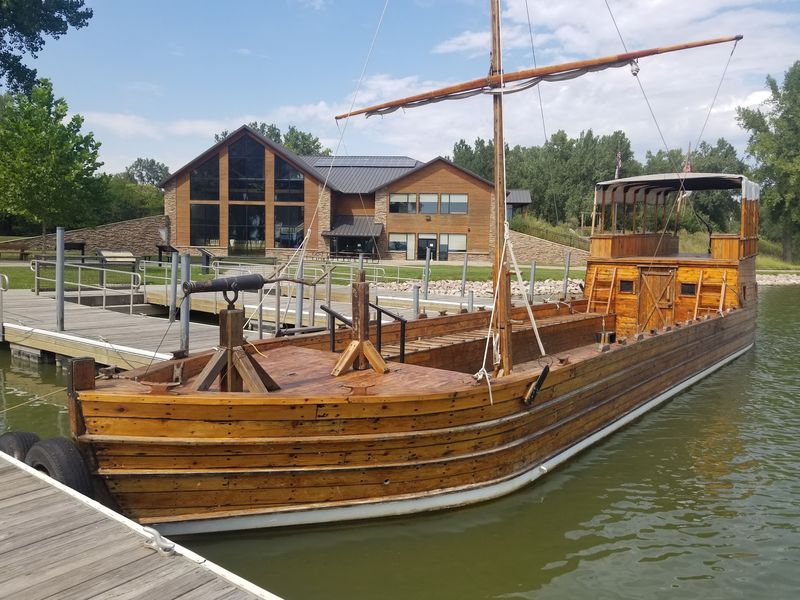
Lewis and Clark State Park near Onawa sits along the route of the 1804 Lewis and Clark expedition, which gives the park a direct connection to that story of exploration. One of the best features is the full-size reproduction of the expedition’s keelboat at the visitor center, an object that helps turn distant history into something kids and adults can picture clearly.
The park also includes a lodge from the Civilian Conservation Corps era, adding another time layer to the visit. That mix makes the stop more interesting than a simple expedition monument because it connects early national exploration with twentieth-century park building.
Spend time at the visitor center first, then head outside to let the landscape finish the story. Open skies and broad views suit the subject well.
Lewis and Clark State Park gives visitors a solid sense of movement, risk, and discovery, while still being easy to enjoy as a calm Iowa outing close to water and wildlife.