You can drive through a busy part of Ohio and, within minutes, find yourself listening to church bells instead of traffic. In northern Summit County, Hudson feels remarkably removed from the rush, with brick sidewalks, towering maples, white steeples, and a historic downtown that invites you to slow your pace.
This peaceful Ohio small town is beautiful, but its story runs much deeper. Hudson played an important role in the region’s history, including John Brown’s early antislavery activism and connections to the Underground Railroad.
Today, historic buildings, tree-lined streets, independent shops, and welcoming gathering places give the community a distinctly timeless character. A walk through town can shift easily from quiet window-shopping to discovering a story etched into the landscape.
That blend of tranquility and history is part of what makes Hudson so appealing. Look a little closer, and its streets reveal plenty of unexpected details, memorable places, and reasons to linger.
The Clock Tower That Anchors Everything
Hudson
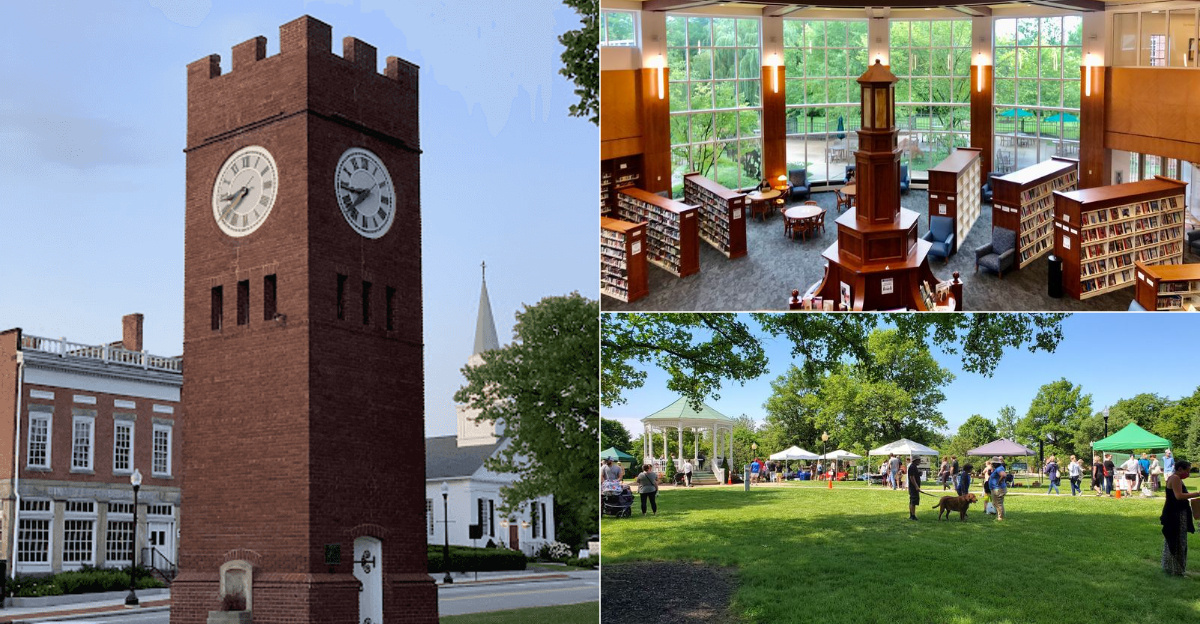
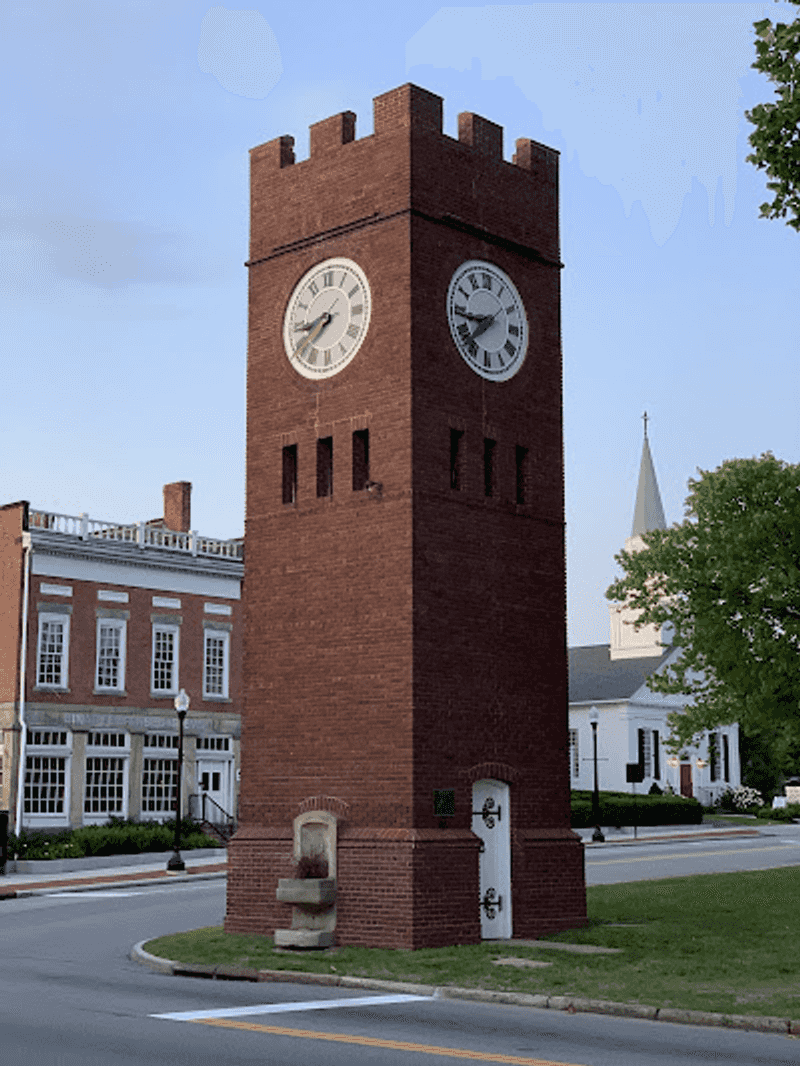
Every town has a landmark, but few have one that people actually plan their day around. Locals meet under the tall white and brick clock tower, check the time out of habit, then wander off toward coffee.
Built in 1912 as a gift from businessman James W. Ellsworth, the tower stands at the heart of Hudson’s green and has become the town’s unofficial symbol.
Photographers love it at golden hour, when the brick warms up and the shadows stretch long across the grass.
Sit on a nearby bench for ten minutes and you will hear the chimes, a few passing cars, and not much else. Kids sprint across the lawn while parents chat, and dogs get more attention than they probably deserve.
During the holidays, lights wrap the surrounding trees and the whole square glows. Come in December for that postcard feeling, or in June when the lawn hosts concerts and the air smells like fresh-cut grass.
It is a small thing, really, yet it explains the town’s calm better than any brochure could.
First and Main, Where Shopping Feels Like Strolling
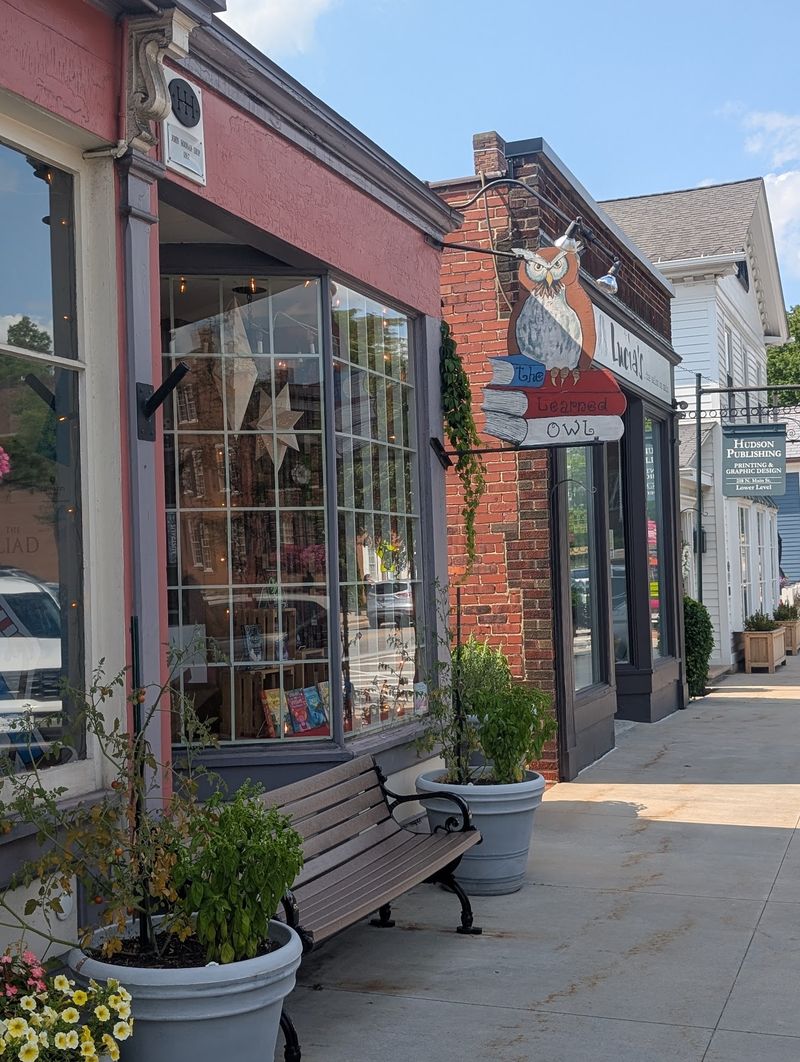
Strip malls have their place, but this is not one of them. Brick storefronts, flower planters, and wide walkways make the First and Main district feel less like errands and more like an easy afternoon.
The shops here lean local: a bookstore worth losing an hour in, boutiques with clothing you will not see on everyone else, gift stores where the owner remembers your name after two visits. Restaurants spill onto patios in warm months, and the smell of pizza and espresso drifts down the block.
What makes Hudson’s version special is how naturally it blends with the older buildings just across the street. New construction was designed to match the town’s historic look, so nothing feels bolted on.
Park once and leave the car. Grab a scoop of ice cream, sit near the fountain, and watch families stroll past with shopping bags and strollers.
Weekday mornings are quietest if crowds are not your thing. Weekend evenings buzz just enough to feel alive without ever feeling rushed.
Walking the Grounds of Western Reserve Academy
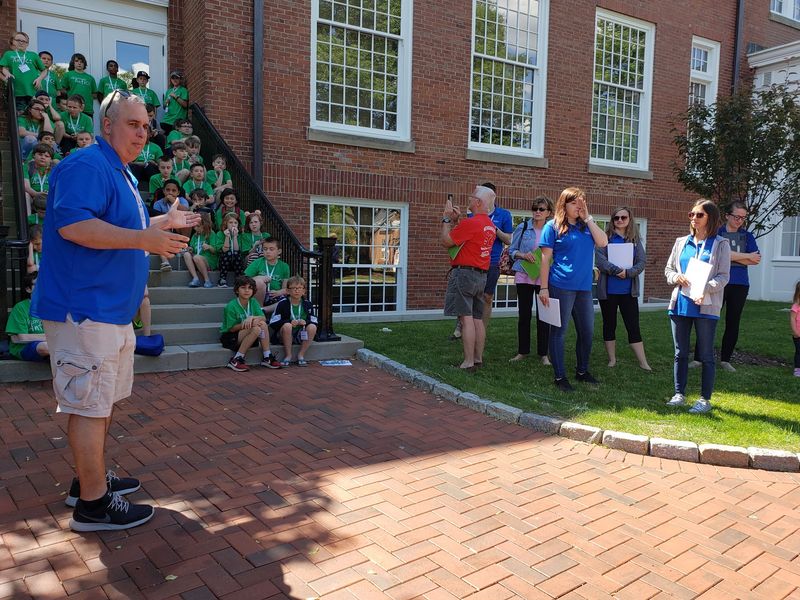
Imagine a New England prep school campus somehow dropped into northeast Ohio. That is the first thought most visitors have when they see the white columns and red brick of Western Reserve Academy.
Founded in 1826, the school helped shape Hudson from the very beginning, back when the town hoped to become the region’s college center. The old brick chapel and the Loomis Observatory, one of the oldest observatories in the country, still stand as reminders.
Visitors are generally welcome to walk the public paths, and the tree-lined lawns invite a slow lap. In October the maples turn ridiculous shades of orange, and students crossing between classes make the place feel timeless.
Check the academy’s calendar before you go, since the observatory occasionally opens for public viewing nights and the campus hosts art shows and concerts. Even without an event, a quiet stroll here is one of the best free things in town.
Bring a camera. You will want proof this place looks exactly like it does in your memory.
Standing Where John Brown Made His Vow
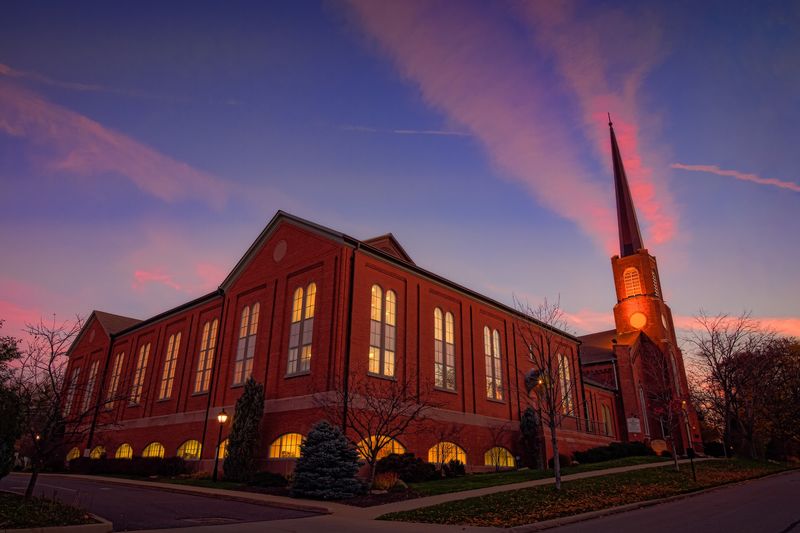
In 1837, a man stood up in a Hudson church during a memorial for a murdered abolitionist printer and publicly swore to devote his life to destroying slavery. His name was John Brown, and he grew up right here.
Hudson’s role in that story runs deep. Several homes in town were part of the Underground Railroad, offering shelter to people escaping enslavement, and historical markers around the village point the way.
You can find the Brown family connection scattered through town, from marked sites to exhibits at the Hudson Library and Historical Society, which keeps an impressive local archive open to the public.
Walking these streets with that knowledge changes the mood a little. The peace people love about Hudson today was not always the whole story, and the town does not hide it.
Take an hour for a self-guided history walk. Ask a librarian for a map.
Then head back out into the sunshine with a much richer sense of the ground under your feet.
Hudson Springs Park and Its Two-Mile Loop
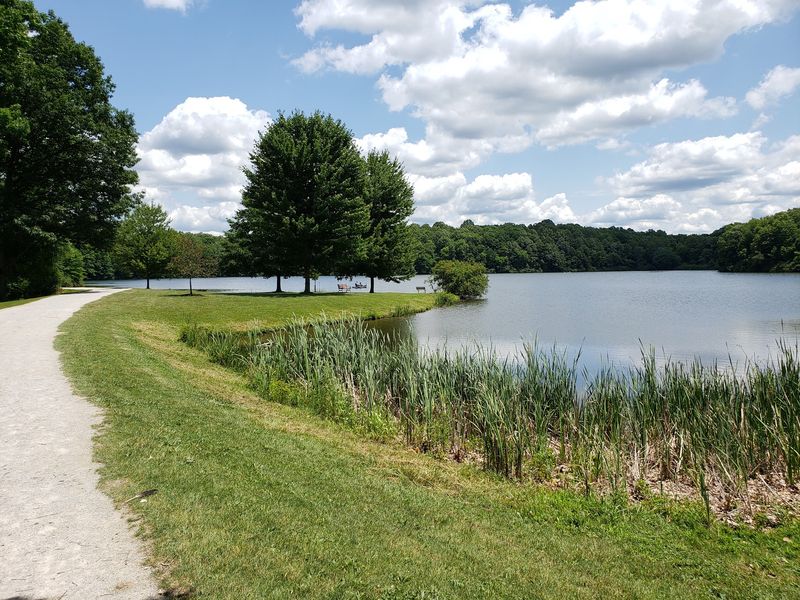
Fifty acres of water, a shoreline trail, and geese who clearly own the place. Hudson Springs Park is where locals go when they need to shake off a rough week.
The loop trail runs roughly two miles around the lake, mostly flat and easy enough for kids or grandparents. Fishing is popular from the banks, and small non-motorized boats slide out on calm mornings when the water looks like glass.
There is also a disc golf course tucked into the trees, plus playgrounds and picnic shelters for anyone traveling with restless children. Dogs love it here, and you will meet plenty of them.
Autumn is the showstopper, with the far shore reflecting red and gold. Winter has its own appeal though, quiet and stark, with boot prints the only sign anyone came before you.
Bring water, bug spray in summer, and no particular agenda. An hour walking this loop does more for your head than most things that cost money.
A Library That Doubles as the Town’s Living Room

Most towns this size get a modest branch library. Hudson got something closer to a community centerpiece.
The Hudson Library and Historical Society sits right near the green and pulls in serious authors for talks, sometimes big names on national book tours. Locals show up early for good seats, then stay to argue about the ending over coffee.
The historical collection is the hidden treasure, packed with genealogy records, old photographs, and documents tracing families and buildings back generations. Researchers drive in from out of state for it.
Even if you never crack a book, the building is worth stepping into. Big windows, comfortable chairs, and the low hum of people quietly doing their own thing.
Check the events calendar before your trip, because a free author lecture makes a great addition to a weekend visit. On rainy afternoons, this is where the whole town seems to gather, and nobody minds sharing the space with a stranger.
Saturday Mornings at the Farmers Market
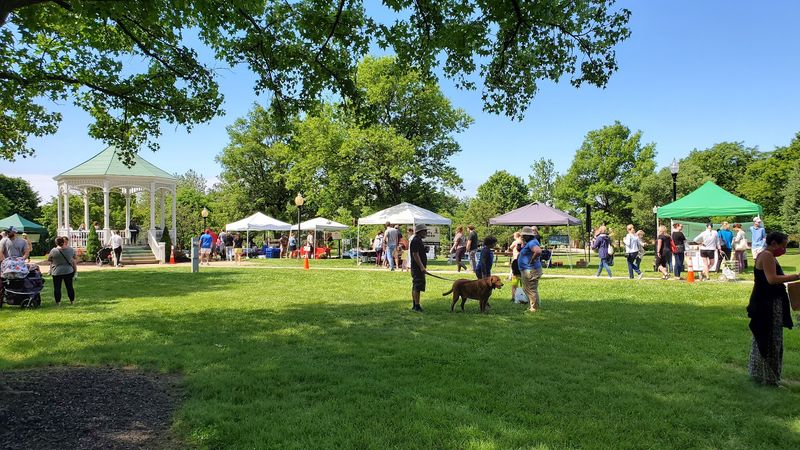
The smell of warm kettle corn hits before you even find parking. Summer Saturdays in Hudson mean white tents on the green and farmers hauling crates of sweet corn out of pickup beds.
Vendors bring Ohio-grown tomatoes, peaches, honey, cut flowers, goat cheese, and bread still warm enough to steam when you tear it. Live music usually plays somewhere near the edge of the crowd.
What makes this market feel different is the pace. Nobody elbows past you.
Sellers explain how to cook the odd-looking squash you just picked up, and regulars trade recipes across the tables.
Arrive early for the best produce, though showing up late has its own reward when vendors start discounting whatever is left. Bring cash and a tote bag.
Afterward, walk a block for breakfast and eat outside while your bag of peaches slowly perfumes the car. It is a small ritual, but it explains why people who move here rarely leave.
Cuyahoga Valley Adventures Just Down the Road
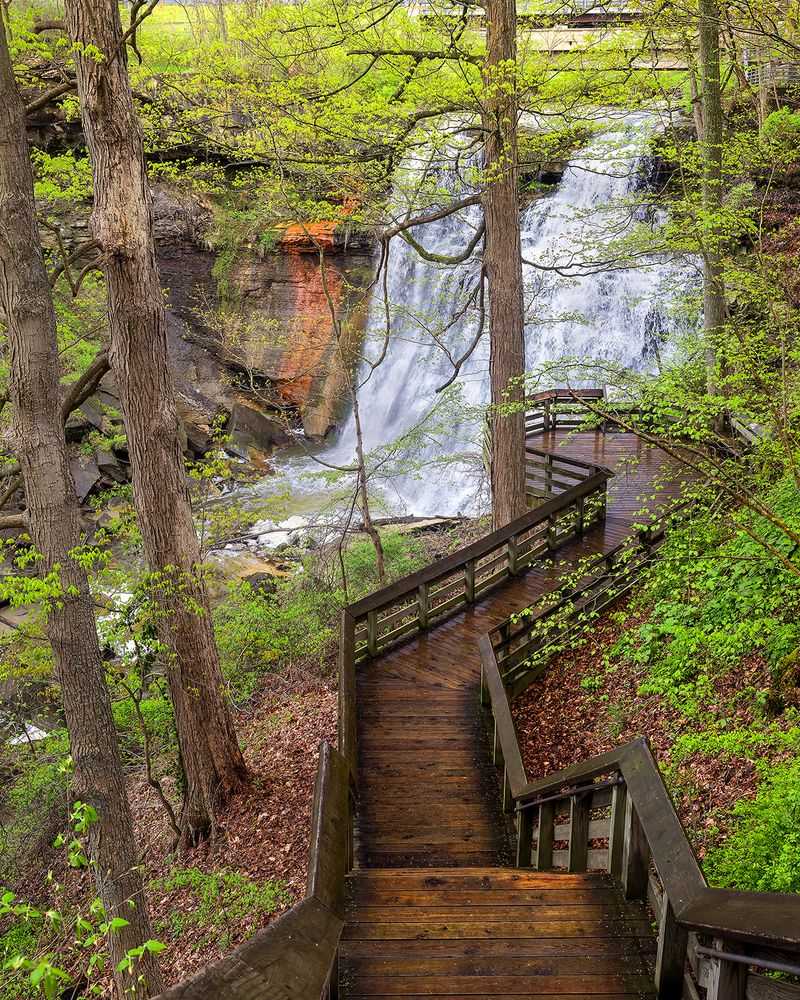
Here is Hudson’s not-so-secret advantage: a national park sits practically next door.
Cuyahoga Valley National Park is a short drive west, with waterfalls, the Ohio and Erie Canal Towpath Trail, and the Cuyahoga Valley Scenic Railroad rolling through the woods. Brandywine Falls draws the crowds, and honestly it earns them at sixty-five feet tall.
Cyclists love the Towpath because it is flat, shaded, and long enough to make you feel accomplished. Some riders bike one direction and catch the train back, bike included.
Because Hudson is so close, the town works beautifully as a home base. Hike or bike all morning, then return for a real dinner and a quiet street instead of a highway motel.
Spring brings roaring water and wildflowers. Fall brings color that photographs cannot quite capture.
Either way, pack layers and comfortable shoes, and give yourself more time than you think you need out there.
Historic Homes on Every Shaded Street
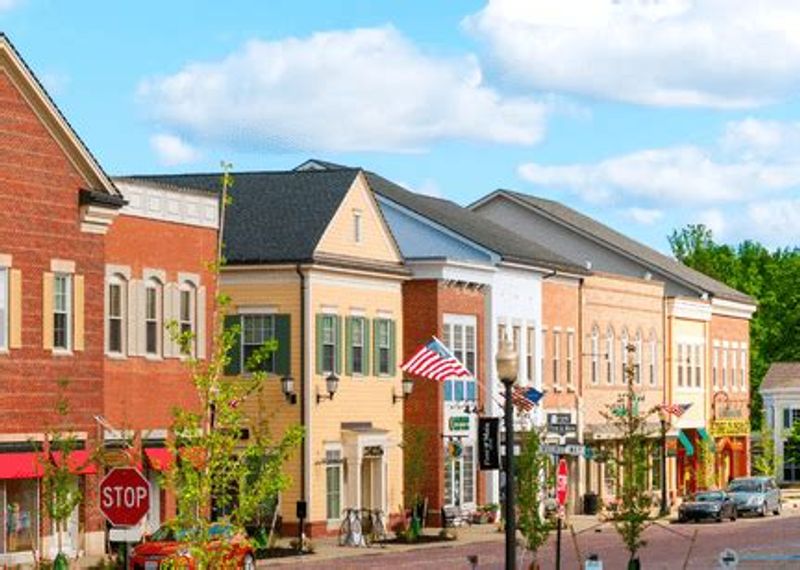
Drive slowly. Seriously, the residential streets are half the attraction.
Hudson protects one of Ohio’s better collections of nineteenth-century architecture, with Greek Revival farmhouses, Victorian porches, and clapboard homes shaded by trees planted long before anyone alive remembers. Much of the village core sits within a historic district, which is why the town still looks like itself.
Walking is the best way to see it. Sidewalks connect most of the old neighborhoods, and plaques on many houses list construction dates that will make you stop and stare.
Ask locals and you will hear stories about which homes sheltered freedom seekers and which families founded what. History here is not roped off, it is lived in.
Go in early evening when porch lights flick on and kids ride bikes in the street. That quiet, unhurried feeling is exactly what people mean when they call Hudson peaceful.
Small-Town Festivals Worth Planning Around
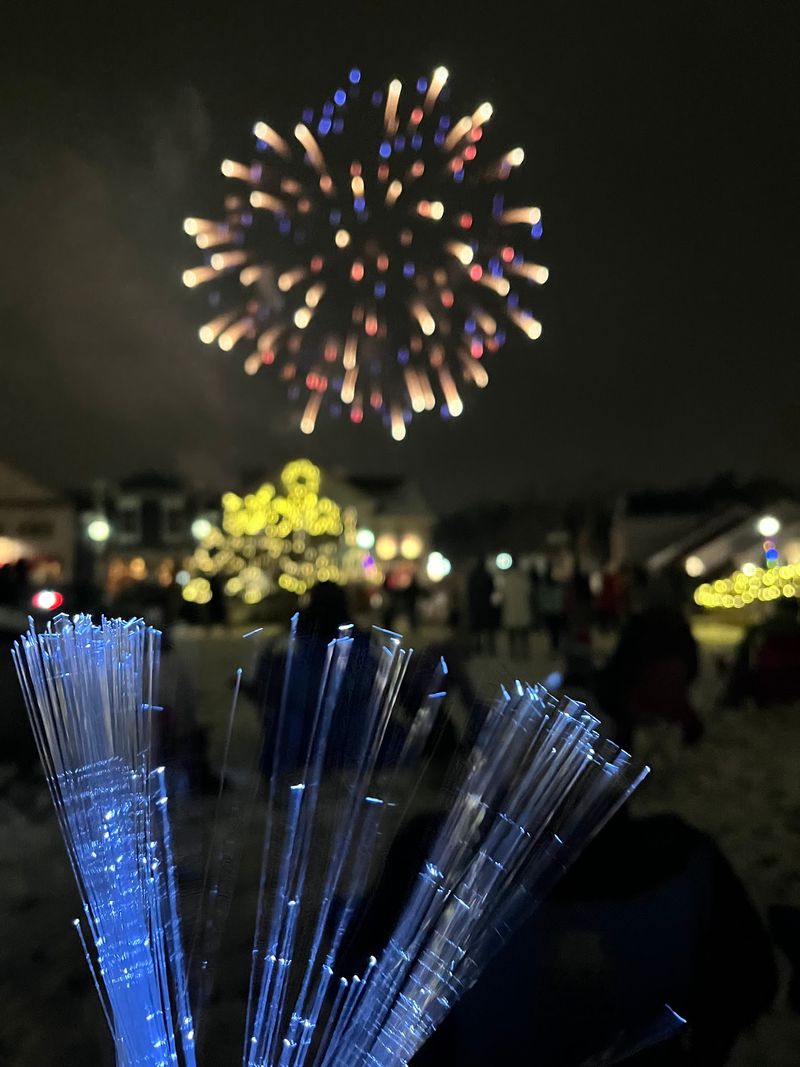
Nothing reveals a town’s personality faster than a festival, and Hudson throws several worth marking on a calendar.
Summer brings concerts on the green, where people spread blankets and let dinner turn into a two-hour hangout. Taste of Hudson pulls restaurants into the streets, so one afternoon can cover pierogies, barbecue, and something deep-fried you will regret in the best way.
Autumn adds home tours and school football games that draw what feels like the entire population. Winter closes the year with a holiday lighting on the green, complete with carolers and hot chocolate cupped in mittens.
Because the town is compact, festivals never feel overwhelming. You can park a few blocks out, walk in, and still find room to breathe.
Check the city website before booking a trip, then plan your weekend around whichever event sounds best. Showing up during one is the fastest way to stop feeling like a visitor here.