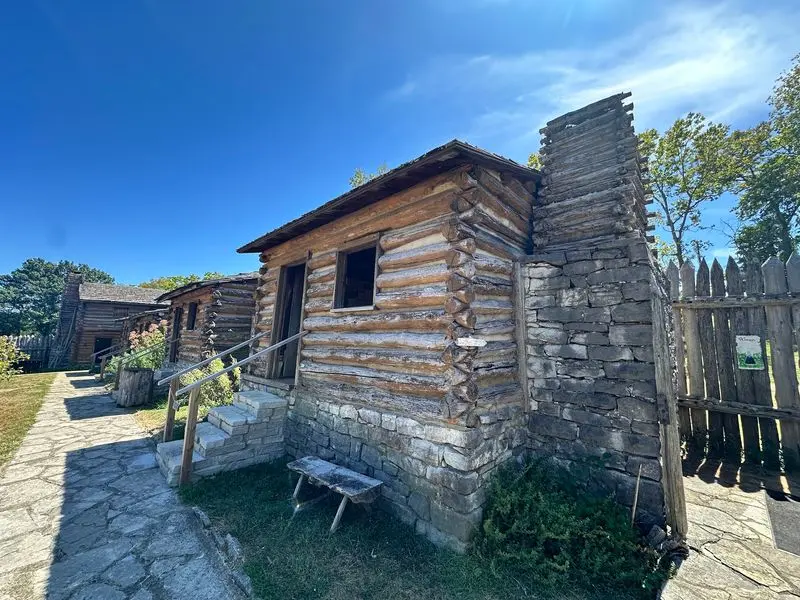
A full-size log fort sits a short walk from a working downtown in Kentucky. Kids can duck through its gates, peek inside cabins, and see how the first settlers lived.
The fort is a reconstruction, but the ground under it carries real weight. Pioneers arrived here in 1774, before Kentucky was even a state.
A pioneer cemetery rests nearby, and a giant Osage orange tree spreads its branches over the grounds.
I like how this town stacks centuries on top of each other. You can tour the frontier in the morning, eat lunch downtown, and sleep in a columned building from the 1840s.
I believe that kind of day sticks with families for years.
So which Kentucky town pulled this off first, and why do so many families still drive there to find out?
Where Kentucky’s Story Actually Starts
Harrodsburg holds a title no other Kentucky town can claim. It’s the oldest permanent settlement in the state, founded in 1774.
The town sits in Mercer County, where it also serves as the county seat. Roughly 9,000 people call it home, according to the 2020 census.
That small size works in your favor. Most of the big attractions cluster close together, so your family won’t spend the day stuck in the car.
Harrodsburg lies in central Kentucky, southwest of Lexington and within easy driving range of Danville and Frankfort. Rolling farmland surrounds the town in nearly every direction.
What makes it special is the mix. You get a pioneer fort, a historic inn, an old Main Street, and a famous Shaker village just up the road.
For Kentucky families, the visit can feel like a homecoming of sorts. Many school kids learn about early settlers in class, and this is where those lessons take physical shape.
It’s also a reasonable day trip from much of the state. Families can plan a quick afternoon or stretch things into a relaxed weekend.
Either way, the town rewards curiosity. Every few blocks seems to hold another piece of the frontier story.
James Harrod’s Bold 1774 Gamble
A surveyor named James Harrod led a small party into this wilderness in 1774. They laid out a settlement and started building cabins near a reliable spring.
The timing was risky. Kentucky was still part of Virginia, and the frontier was far from tame.
Harrod’s group left for a stretch, then returned in 1775 to stay for good. That return is what made the place permanent.
Back then, the town went by Harrodstown. The name later shifted to Harrodsburg, which sounds a bit more settled.
Picturing that era takes a little effort today. The pioneers had no roads, no stores, and very little room for mistakes.
Still, the settlement grew. It became an early center for courts, trade, and families pushing west across the mountains.
Kids often love this part because it feels like a true adventure story. A handful of people walked into the woods and built a town that still stands.
That history isn’t tucked away in a dusty book here. It shows up on markers, in museum displays, and right at the reconstructed fort.
Knowing the backstory first makes every stop afterward more fun. You’ll recognize names everywhere you go.
Log Walls, Blockhouses, And A Real Frontier Feel
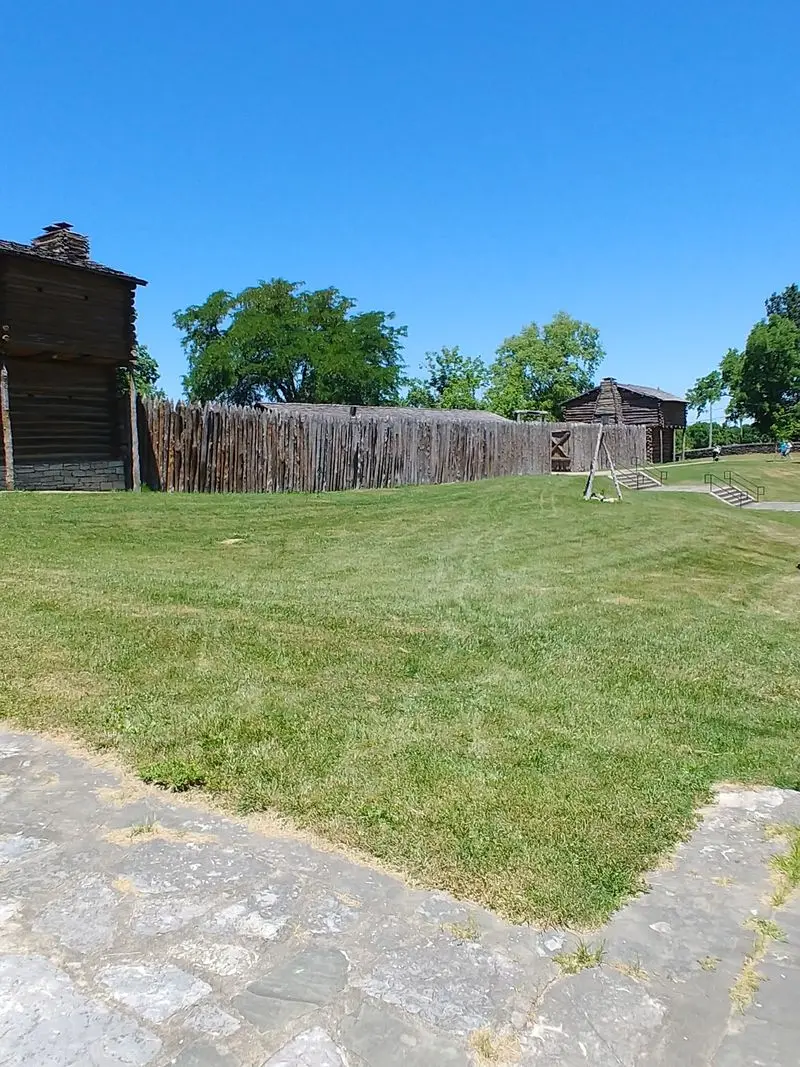
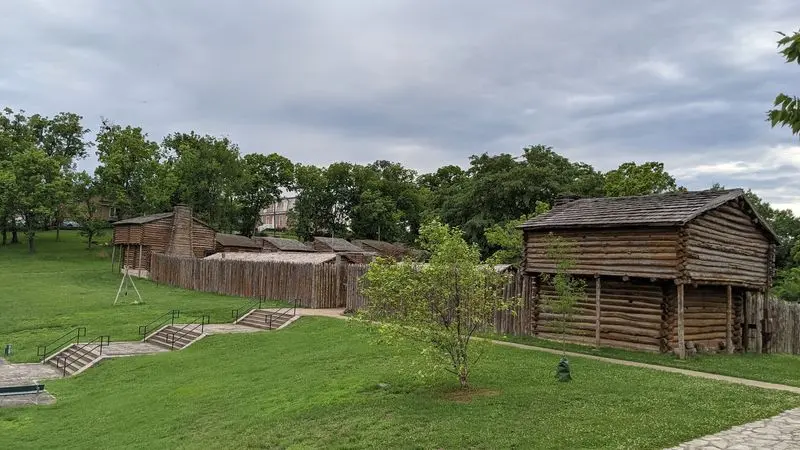
Tall log walls rise right in the middle of town at Old Fort Harrod State Park. The park sits at 100 S.
College St., Harrodsburg, KY 40330.
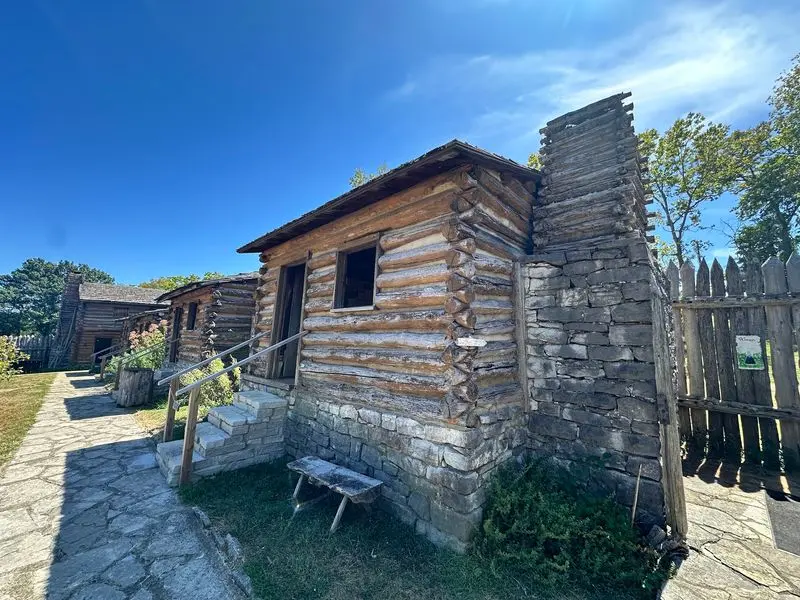
Inside, families find a reconstruction of the original fort. Cabins and corner blockhouses help show how settlers lived and protected one another.
Children can explore the spaces at their own pace. Low doorways and rough-hewn timber make the past feel surprisingly close.
During warmer months, the park often hosts costumed interpreters. They may demonstrate pioneer chores and crafts, though schedules can vary by season.
Nearby, a pioneer cemetery marks the resting place of early settlers. It’s a quiet, respectful spot and a good moment to slow down.
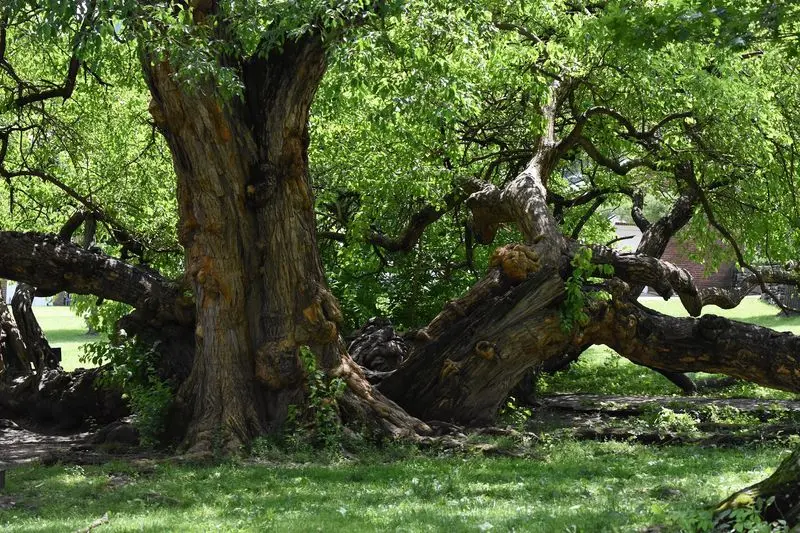
Don’t skip the huge Osage orange tree on the grounds. It’s considered one of the largest of its kind, and kids tend to stare up in amazement.
The park is one of Kentucky’s state parks, so the setting stays well kept. Picnic areas make it easy to pack lunch and linger.
Hours and admission can change, so checking ahead is smart. A quick look before you leave saves surprises at the gate.
The Cabin Where Lincoln’s Parents Said I Do
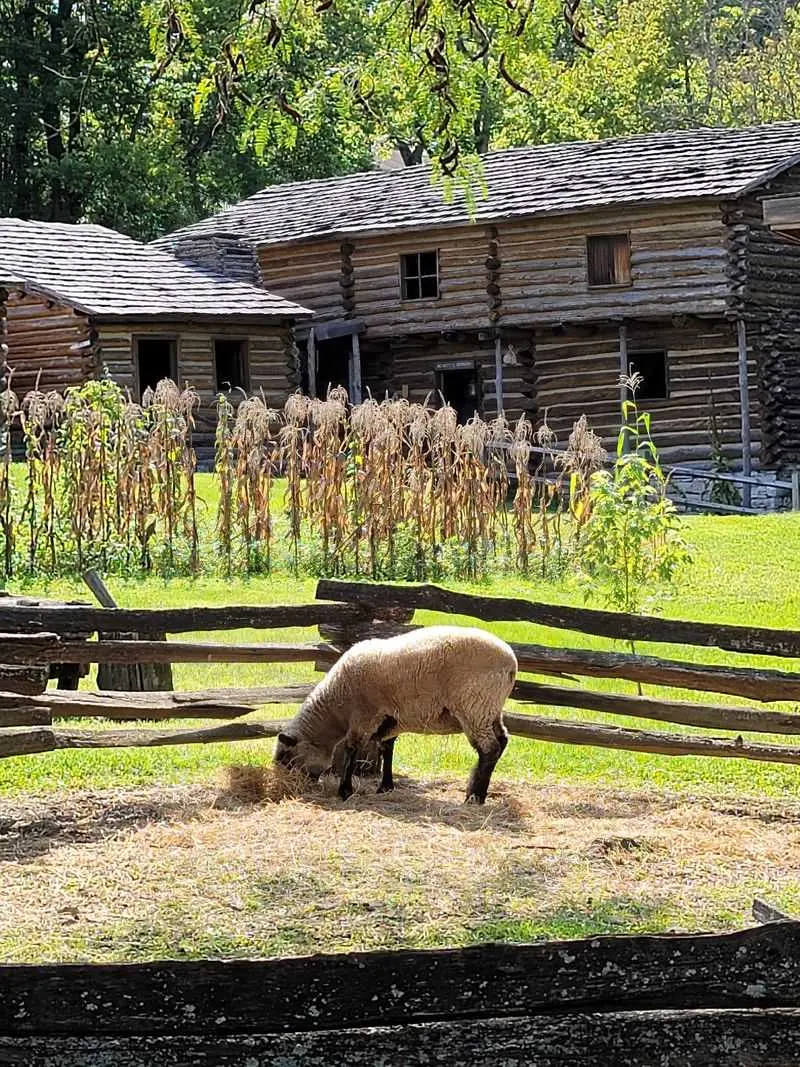
Abraham Lincoln’s parents tied the knot in a humble log cabin. That very cabin now rests inside a brick shelter at Old Fort Harrod State Park.
The building is called the Lincoln Marriage Temple. Thomas Lincoln and Nancy Hanks married in 1806, a few years before their famous son was born.
The cabin was moved to the park to protect it. Seeing it surrounded by brick walls feels a bit like finding a treasure in a display case.
For Kentucky families, this stop carries extra pride. Lincoln was born in Kentucky, and this cabin connects directly to his family’s beginnings.
Kids usually know Lincoln from pennies and history lessons. Standing near the place his parents married makes him feel more like a real person.
The visit doesn’t take long, which helps with younger travelers. You can step in, look around, and keep moving.
It pairs nicely with the fort and cemetery since everything shares the same grounds. One parking spot covers several chapters of history.
Bring questions for the drive home. Who knew a wedding from 1806 could spark so much dinner-table conversation?
Columns, Porches, And A Night At Beaumont Inn
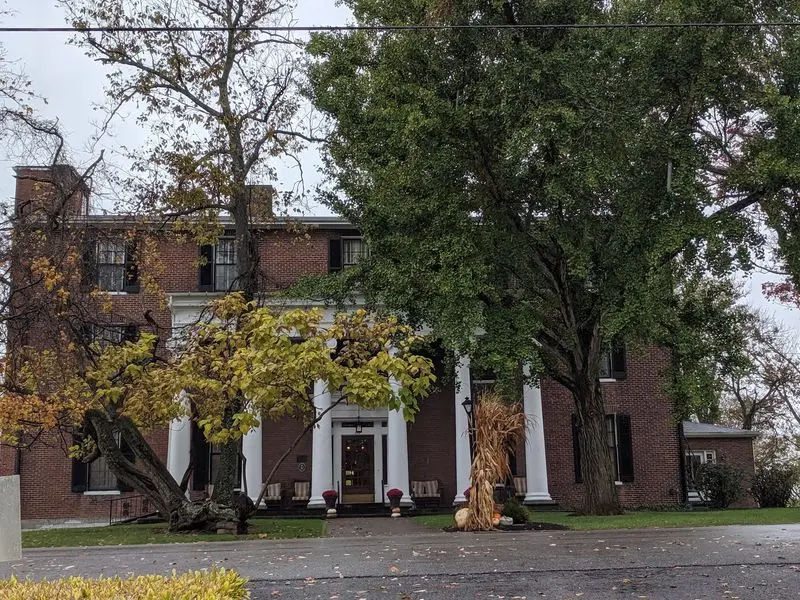
Sleeping in a building from 1845 sounds fancy, and Beaumont Inn delivers that feeling. Its tall white columns greet guests on Beaumont Inn Drive.
The structure started life as a school for young women. It later became an inn in 1919, and the same family has long guided it.
That kind of continuity is rare. Generations of one Kentucky family keeping a historic inn running is a story by itself.
The inn is known for traditional Southern cooking. Its restaurant has earned a reputation for classic Kentucky dishes served in a gracious setting.
Families who want a slower pace may enjoy the grounds and porches. It’s a nice change from a highway hotel with a vending machine down the hall.
Room options and dining hours can shift with the season. Calling or checking ahead helps you plan the stay that fits your crew.
Staying here turns a day trip into a mini getaway. You wake up already in town, ready for Main Street or the fort.
Kids might not care about Greek Revival architecture. They will remember sleeping somewhere older than their great-great-grandparents, though.
Brick Storefronts Made For Slow Strolling
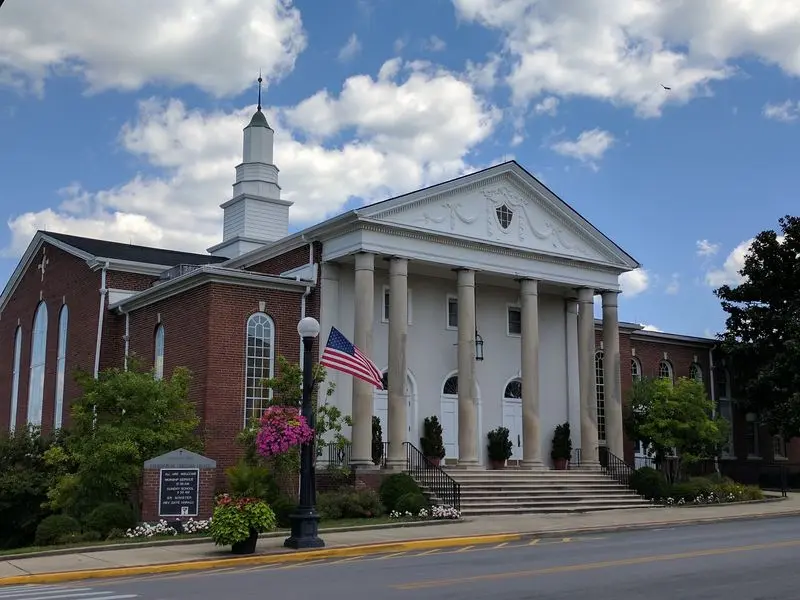
Main Street in Harrodsburg looks like it was built for wandering. Brick buildings line the sidewalks, many dating back generations.
The downtown area anchors Mercer County as the county seat. Its courthouse and older storefronts give the street a classic small-town look.
Families can stroll without a strict plan. Local shops, cafes, and antique stores often fill the storefronts, though specific businesses can change over time.
Historical markers dot the area too. Reading them together turns a casual walk into a light history scavenger hunt.
Downtown also connects easily to Old Fort Harrod State Park. You can walk between the fort and Main Street, which keeps the day simple.
The pace here is relaxed. Nobody rushes you, and the short blocks suit little legs that tire quickly.
Local events sometimes bring extra life to the streets. Checking the town calendar before you go can reveal a festival or seasonal celebration.
Grab a snack, find a bench, and let the kids people-watch. Sometimes the best part of a road trip is doing nothing in a charming place.
It’s an easy, low-cost outing too. Walking around costs nothing at all.
Old Houses And Museums Worth A Detour
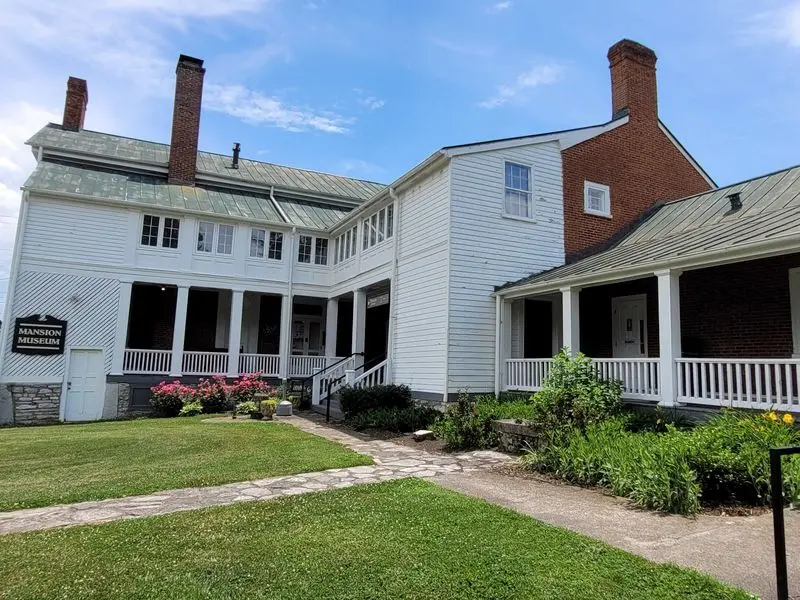
History buffs get bonus material right on the fort grounds. The Mansion Museum at Old Fort Harrod State Park adds another layer to the visit.
The house dates to the 1830s. Exhibits inside have covered local history, including items connected to the region’s past.
Displays and open hours can vary, so a quick check ahead helps. Seasonal schedules are common at Kentucky historic sites.
Around town, older homes and churches show off different architectural eras. A slow drive through residential streets can feel like flipping through an old photo album.
Harrodsburg also offers the Ragged Edge Community Theatre downtown. Catching a local show could cap off an evening nicely.
Mixing museum time with outdoor time keeps kids engaged. Fifteen minutes indoors followed by running room outside tends to work well.
These stops highlight how layered the town really is. Pioneer days, the early 1800s, and modern life all share the same few square miles.
For families who love asking how people used to live, this is fertile ground. Every building seems to answer one question and raise two more.
Bring a notebook for young historians. They may want to sketch what they spot.
Shaker Village Sits Just Up The Road
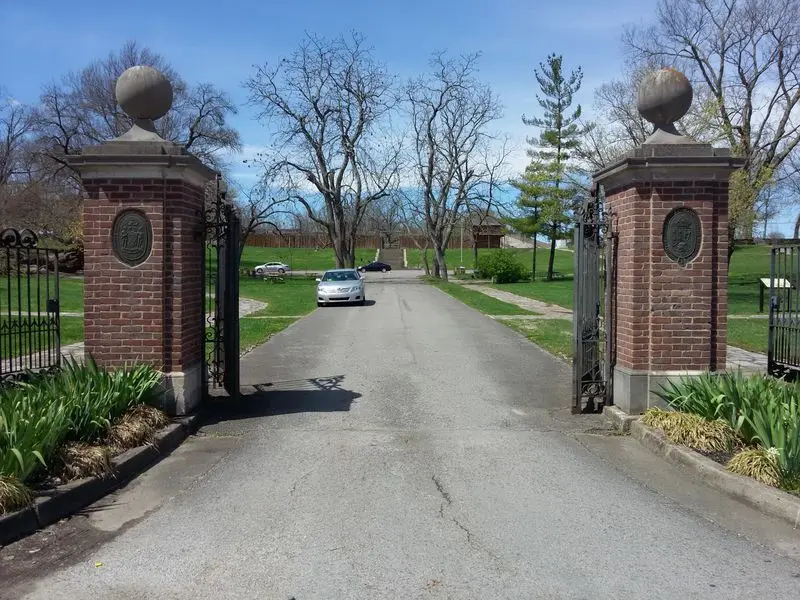
Only a short drive northeast of town, an entire village of historic Shaker buildings waits. Shaker Village of Pleasant Hill makes a natural add-on to any Harrodsburg trip.
The Shakers built a community here in the early 1800s. Dozens of original structures still stand across rolling farmland.
Families can explore buildings, walk trails, and see working farm areas. Programs and activities often change with the seasons.
The site also offers dining and overnight stays. That gives you another lodging choice if you want to split nights between two historic spots.
Kids often enjoy the open space most. Wide lawns and long paths give them room to burn energy after museum time.
The Shakers’ simple, careful craftsmanship shows up everywhere. Even the staircases have a reputation for clean, graceful design.
Admission and hours vary, so check before heading over. Some areas or programs may require tickets.
Pairing Pleasant Hill with Old Fort Harrod creates a strong Kentucky history weekend. One shows frontier survival, while the other shows a community built on order and craft.
Together, they tell a bigger story about early Kentucky life.
Planning The Trip Without Any Headaches

Good news for road-trippers: Harrodsburg is easy to reach from much of Kentucky. US 127 and US 68 both pass through or near town.
Lexington sits about 30 to 40 miles away, depending on your route. Louisville families can expect a longer but manageable drive.
Old Fort Harrod State Park makes a smart first stop. Hours and fees may change seasonally, so confirm before you leave home.
Spring through fall often brings the most activities. Interpreter programs and outdoor events tend to happen in warmer months.
Winter visits can still work well. Indoor spots like the Lincoln Marriage Temple and local restaurants keep things cozy.
Plan at least half a day for the fort and downtown. Add Shaker Village or an overnight stay, and a full weekend fills up quickly.
Comfortable walking shoes help a lot. Grounds, sidewalks, and trails all invite plenty of steps.
Budget-minded families have options too. Strolling Main Street and reading markers cost nothing, and picnic areas at the park save on meals.
Booking lodging early helps during busy weekends. Historic inns often have limited rooms.
A Kentucky Weekend Your Kids Will Retell
Few towns let you tour the frontier, a presidential family landmark, and a columned inn in one weekend. Harrodsburg makes that look easy.
The town offers something rare for Kentucky families. It’s a chance to stand where the state’s story really began.
Younger kids get log walls, cabins, and giant trees. Older kids get real history they can connect to school lessons.
Parents get a relaxed pace and walkable streets. Nobody needs a theme park budget to enjoy the day.
Maybe your family visited years ago on a school trip. Going back with your own kids could create a fun full-circle moment.
Small details tend to stick the longest. A cabin from 1806, a pioneer cemetery, or breakfast in an old inn can become family lore.
It also builds a sense of belonging. Kentucky’s past suddenly feels personal when you can touch the logs.
So pack snacks, charge the camera, and point the car toward Mercer County. The oldest town in Kentucky is still writing new memories.
Who knows which part your kids will talk about first? My guess is that giant tree.