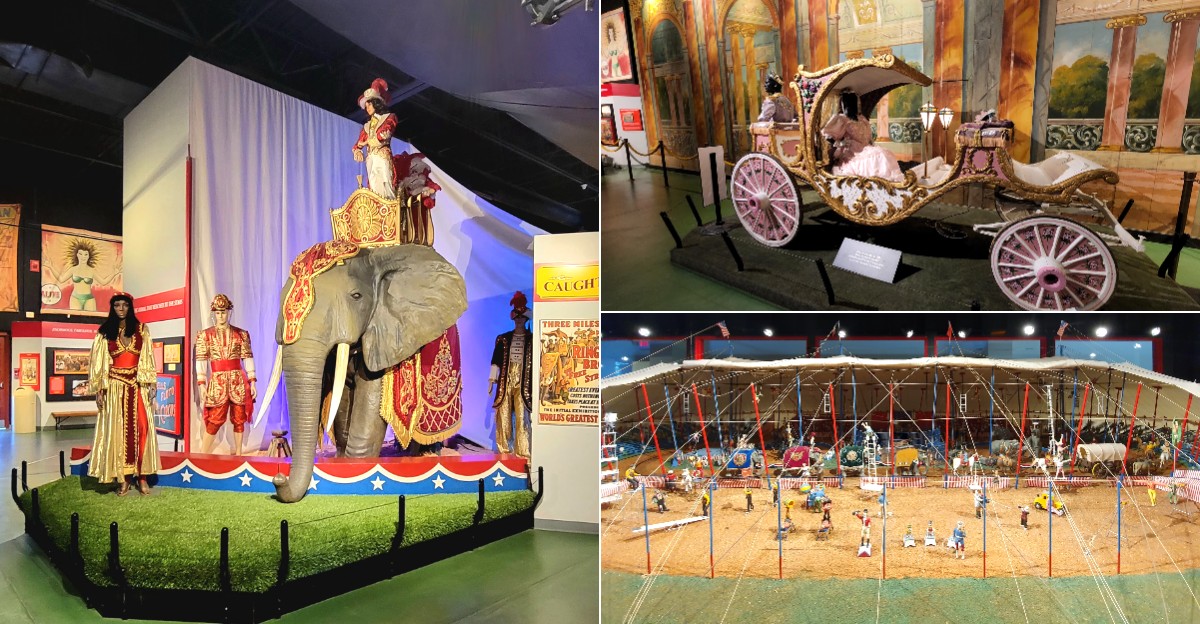
The smell of popcorn, the blare of a circus band, and a big top tent under the summer sky set the stage for a truly magical day.
Circus World sits along Water Street in Baraboo, Wisconsin, on the very grounds where the Ringling Brothers once spent their winters.
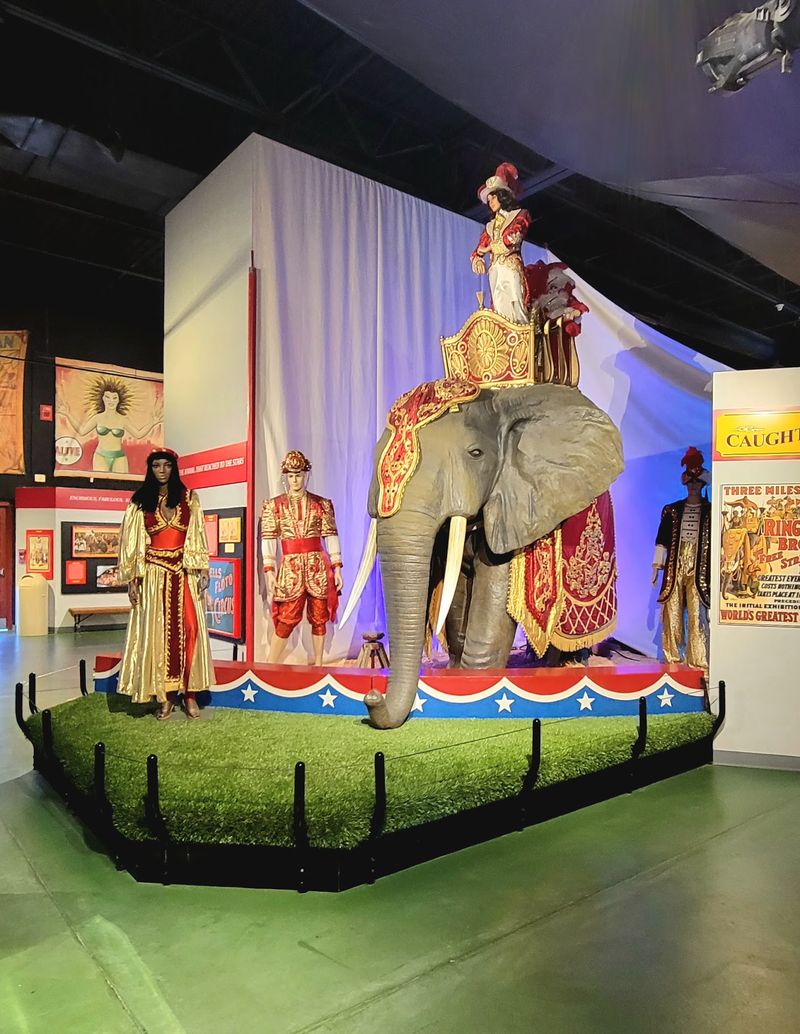
The museum celebrates the golden age of the American circus with colorful exhibits and a remarkable collection of ornate circus wagons.
During the summer season, live big top performances bring acrobats, clowns, and daring acts right up close.
Kids light up learning how the circus traveled from town to town and what life under the big top was really like.
Check the summer show schedule before you go, grab a snack, and settle in for the greatest show in Baraboo.
The Big Top Feels Like a Real Circus
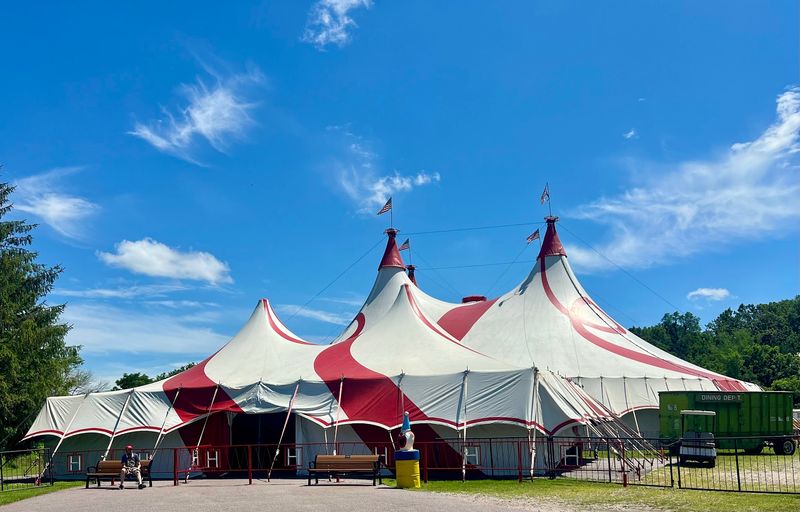
The music starts, the audience settles in, and suddenly nobody is thinking about a quiet museum visit. The live Big Top Show is a major reason families come to Circus World, 550 Water St, Baraboo, WI 53913. Acrobats and other performers bring circus traditions to life in front of a real crowd.
For children, watching a skill happen nearby can feel different from seeing it on a screen. They can hear the applause, follow a performer across the ring, and share the surprise with everyone around them. Adults get to enjoy the excitement too, rather than spending the whole visit explaining display cases.
Check the official daily schedule before you arrive, since performance times and acts can change. Give your group enough time to find seats without rushing through the grounds. If younger kids are sensitive to loud sounds, prepare them for music and cheering before the show begins.
Afterward, ask each child to name a favorite moment. One might remember a daring trick, while another recalls a funny exchange with the crowd. The answer can help guide the rest of your visit, especially if you want to explore exhibits connected to what you just saw. That shared memory is often what makes another summer trip sound so appealing.
Colorful Wagons Have Stories to Tell
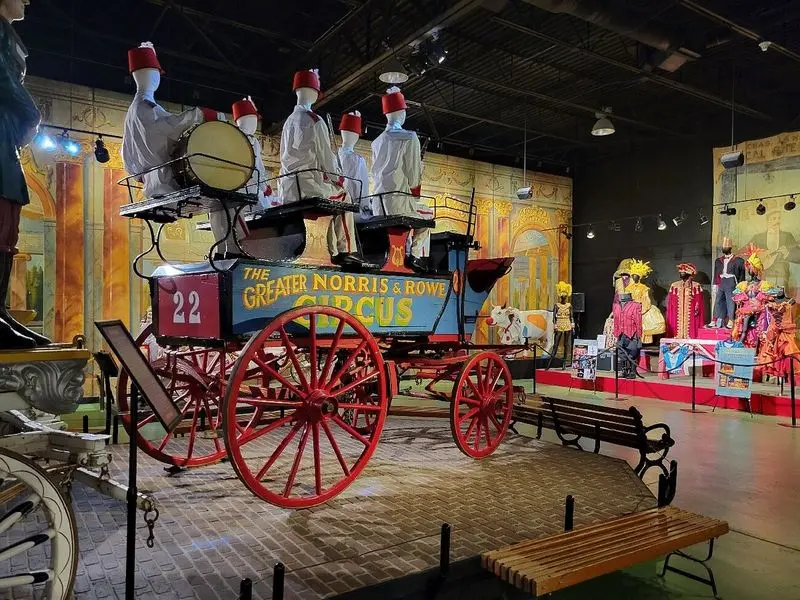
Gold trim, painted pictures, and enormous wheels can stop a child in their tracks. The historic circus wagons at Circus World are more than bright photo backgrounds. They show how performers moved equipment, advertised shows, and carried their work from town to town.
Invite kids to look closely before reading a sign. What pictures do they notice, and what job might the wagon have done? Making a guess first turns the exhibit into a small mystery rather than a long lesson. Families may also be able to learn about wagon restoration, which shows how much care preserving an old object takes.
Wagons help children picture a time when a circus could not simply post a video to announce its arrival. Bold colors and detailed artwork caught people’s eyes in person. A wagon’s size also hints at the effort needed to move a show before modern trucks made travel easier.
Allow extra time here if your group likes drawing or taking pictures. A child might choose one painted detail to sketch later at home. Older kids can compare wagon designs and decide which would have made the strongest first impression. It is an easy way to connect art, travel, and history without making the afternoon feel like homework.
Circus History Becomes Something Kids Can Picture
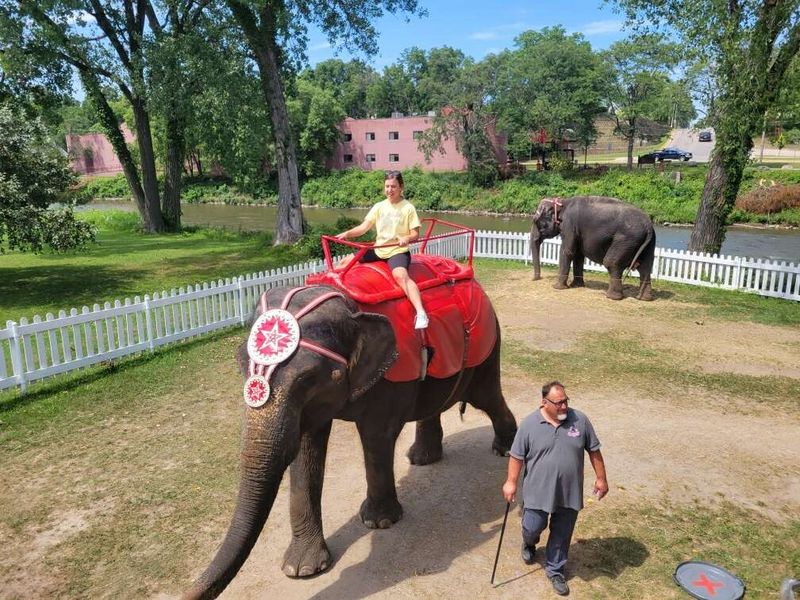
Old posters and photographs can raise surprisingly lively questions. Why were circus advertisements so bold, and how did a huge show reach its next stop? Exhibits at Circus World give families a way to explore the people, travel, and planning behind the entertainment.
Instead of trying to read every panel, let each child pick one object that catches their eye. A costume, photograph, or piece of memorabilia can become the start of a short conversation. Ask what the object might have meant to the person who used it. You can read the nearby information together to test that first guess.
The museum also helps put famous circus names into a broader story. Children can see that a performance depended on many workers, not just the artists in the ring. Building, moving, caring for, and promoting a show all took skill. That idea may interest a kid who enjoys making things more than watching tricks.
Save a few exhibits for after a live performance, when everyone has fresh questions. A child who just saw an act may suddenly want to know how earlier performers practiced or traveled. Following that curiosity makes history feel useful. It also gives families something new to notice on a return visit.
A Juggling Lesson Makes Kids Part of the Fun
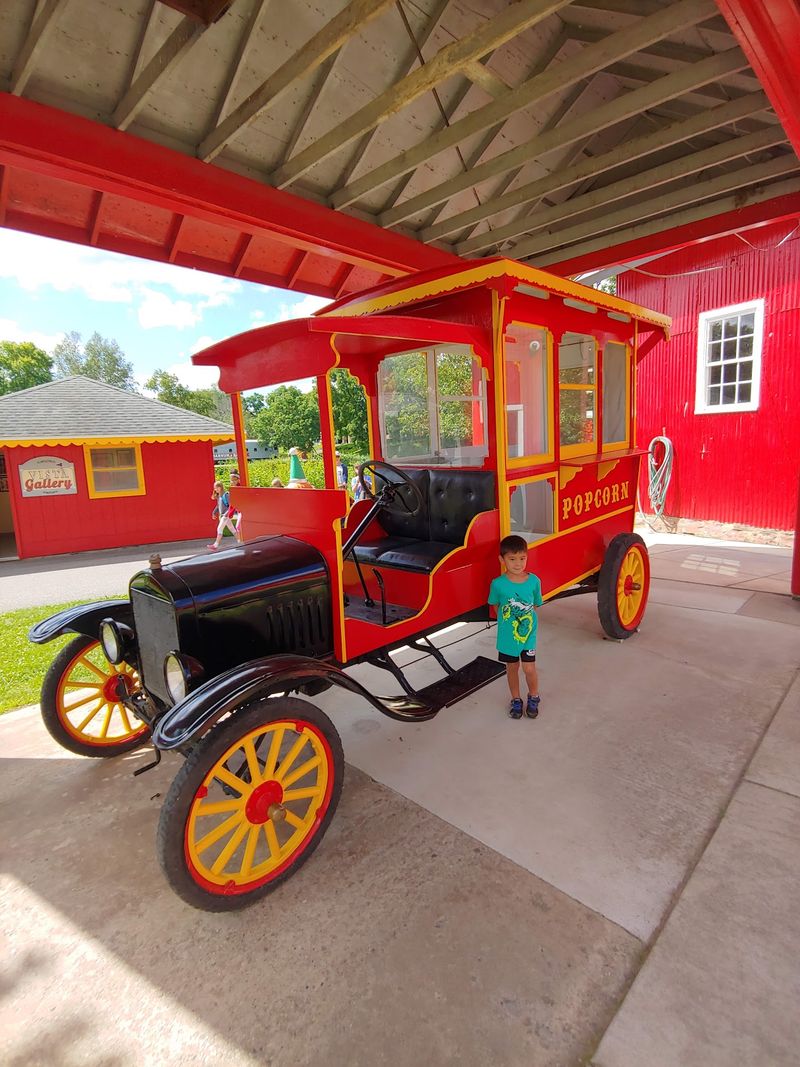
Dropping a juggling prop can be the funniest part of learning. Some visitors report getting a chance to try juggling at Circus World, making the day feel more active than a typical museum outing. Hands-on activities can vary, so ask staff what is available when you arrive.
A first attempt is not about becoming a performer in five minutes. It is about finding a rhythm, trying again, and laughing when a toss goes sideways. Kids who usually sit back during a show may surprise themselves by wanting a turn. Parents can join in without worrying about being good at it.
If an activity is offered, encourage children to listen to the instructions before grabbing a prop. Give them room to practice safely and remind them that performers build skills over many hours. Watching a polished act afterward can feel even more impressive when everyone has tried a simple version.
For a quiet follow-up at home, ask your child to explain what made the task tricky. Was it timing, focus, or keeping track of both hands? Their answer turns a funny vacation story into a lesson about patience. Even if no lesson is scheduled during your visit, watching the artists closely can spark that same conversation.
The Carousel Offers a Slower Kind of Magic
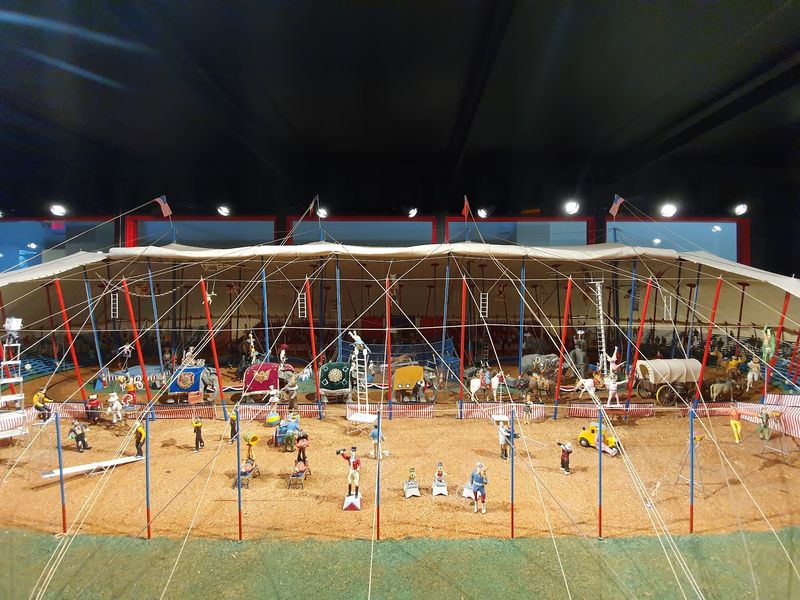
After the noise of a show, a carousel can feel like a welcome change of pace. Circus World has a historic 1917 Herschell Spillman carousel that visitors have singled out as a favorite. Its old-fashioned character gives families another way to experience entertainment from a different time.
Before promising a ride, check whether the carousel is operating that day and whether any rules apply. Young children may need help choosing a seat and getting on safely. Once everyone is settled, take a moment to notice the motion and mechanical details rather than rushing toward the next attraction.
The carousel can also start an easy history conversation. Ask your child how a ride like this differs from a modern amusement park attraction. They might notice its look, its pace, or the way people gather around to watch. There is no need to turn the question into a quiz.
For some families, a familiar ride becomes the small tradition that marks each return trip. A photo taken in the same spot every summer can show how much a child has grown. Check current operating details before visiting, because seasonal activities can change. That bit of planning helps keep a favorite moment fun instead of disappointing.
Clowns Know How to Win Over a Crowd
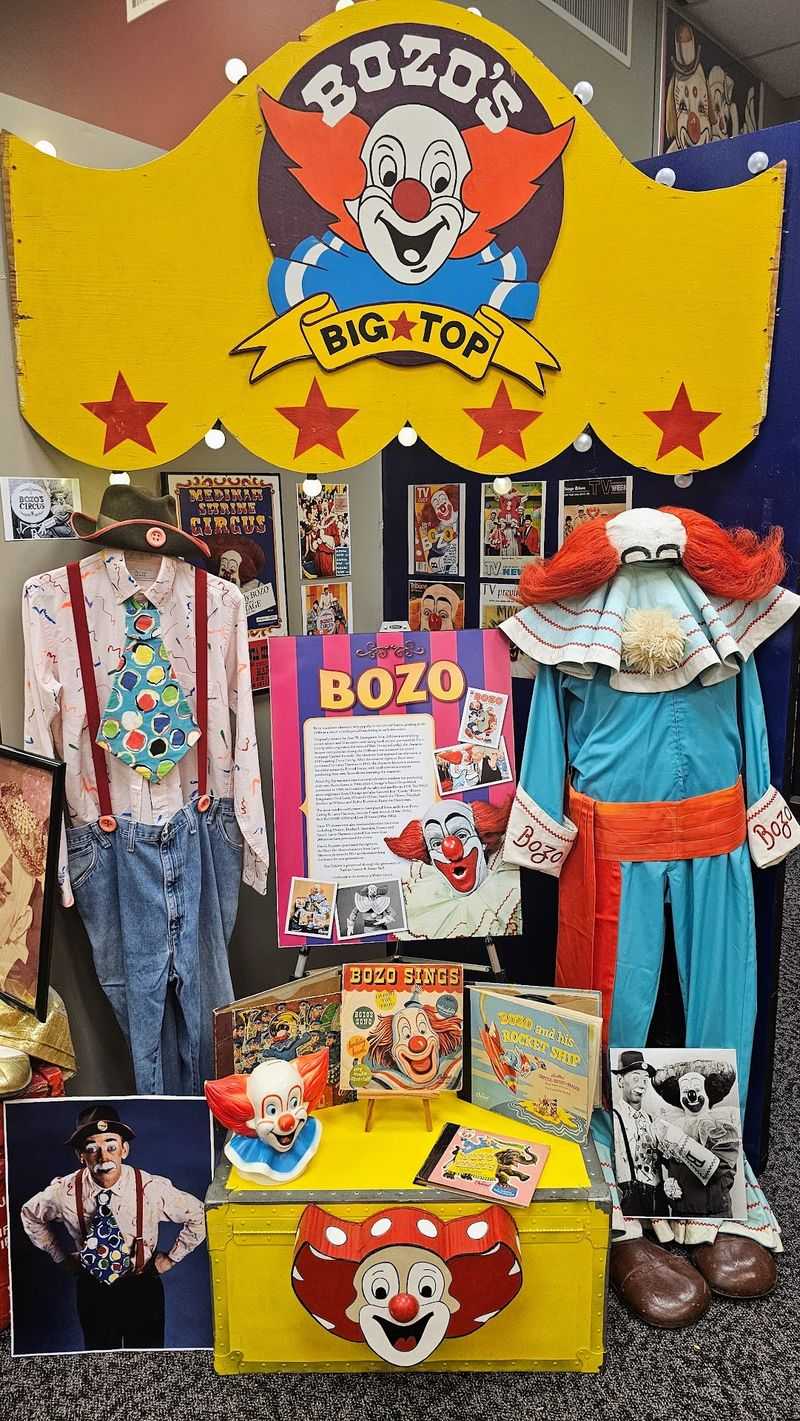
A funny face can cross the ring faster than any acrobat. Clown acts give many children a chance to relax between moments that make them hold their breath. Visitors have praised the humor in Circus World’s live performances, including playful exchanges that bring the audience into the fun.
Different kids react to clowns in different ways. One child may laugh before the joke is finished, while another needs time to get used to the makeup and noise. If your child feels unsure, let them watch from their seat without pressure to wave or join an activity.
Comedy also shows that circus skill is not only about strength or balance. A performer has to read the room, choose the right moment, and make a mistake look wonderfully silly. Older children may enjoy spotting how a joke is built: a clear setup, a surprise, and a big reaction.
Talk about the funniest moment after the show, especially if family members picked different favorites. Retelling a gag often brings back the laughter. Keep in mind that acts may change from season to season, so a returning family might meet a new comic performer next summer. That surprise can make an old favorite feel fresh again.
The Grounds Reward an Unhurried Day
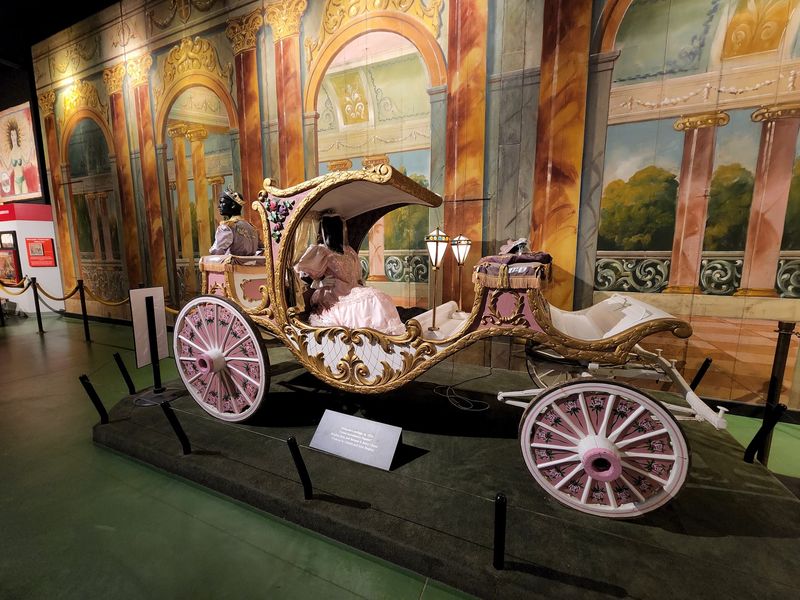
One show can be the reason you arrive, but it does not have to be the whole visit. Circus World spreads its performances, historic buildings, and exhibits across a large museum campus. Families who plan only a quick stop may find themselves wishing they had left more room in the day.
Start by checking the performance schedule, then fit exhibit time around the acts you most want to see. This keeps children from having to leave a display just as they become interested. It also leaves space for a snack, a rest, or a second look at something they missed.
Comfort matters during a summer outing. Wear shoes suited to walking, carry water, and plan breaks for younger visitors. If someone in your group has trouble covering long distances, ask staff about current transportation or accessibility options before heading out across the grounds.
Let the day have a little flexibility. A child may spend ten extra minutes studying a wagon, while another wants to reach the next performance early. You do not have to see everything for the visit to feel worthwhile. Choosing a few highlights and enjoying them fully often makes for better memories than racing through every building.
A Return Visit Can Bring a New Surprise
Kids love knowing what comes next, but they also love a good surprise. That balance helps explain why Circus World can appeal to families more than once. Its museum collection offers familiar favorites, while live performances and seasonal schedules can give returning visitors something different to watch.
The museum has said its Big Top Show changes each year. That does not mean every activity will be available on every visit. Before making summer plans, check the official website for current dates, showtimes, admission details, and any special activities. It is the best way to match your family’s expectations to the actual day.
Children may also notice things they overlooked when they were younger. A small child might remember the music and colors; a few summers later, that same child may ask how a wagon was restored or how an acrobat learned a routine. Returning lets their questions grow along with them.
Try making one simple tradition, such as choosing a favorite wagon or sharing a post-show snack. Then leave room to explore something new. The combination gives children a reason to feel at home and a reason to stay curious. That is a strong recipe for hearing, before summer is even over, when can we go back?