The loudest sound at the Science Museum of Virginia might be a child asking to try something one more time, especially when a race, a surprising animal, or a giant screen turns learning into a game they can actually play.
Inside, families can explore hands-on exhibits about motion, the human body, animals, and space, so kids get to test ideas instead of simply reading about them, while adults often find themselves joining the fun without much encouragement at all.
A visit can also change with the day, since live programs and special exhibitions add fresh things to see, which makes checking the schedule a smart move before promising anyone a particular show or creature encounter.
If your family likes to move, wonder, laugh, and occasionally discover that the grown-ups are surprisingly competitive, this Richmond museum offers plenty of reasons to stay awhile and plenty of stories for kids to bring up on the ride home afterward.
Race Against the Animal Kingdom
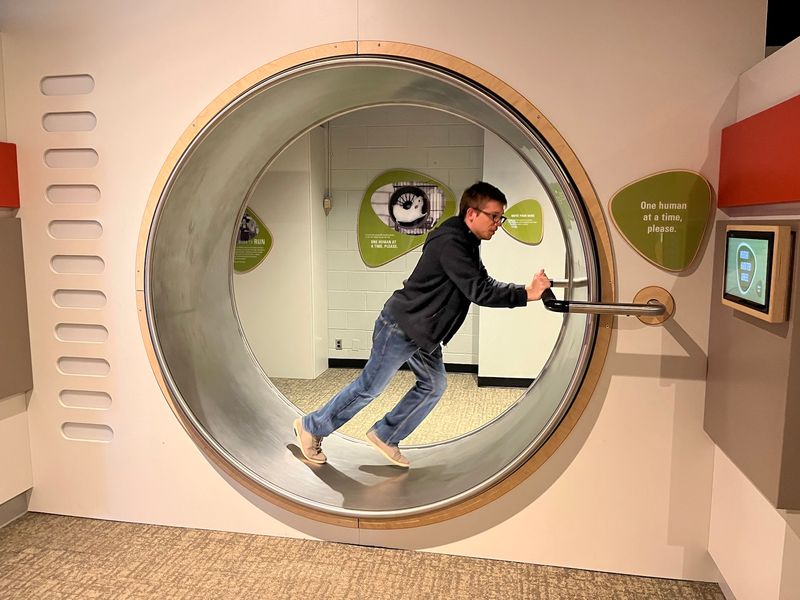
Ready, set, science! At the museum’s animal racing activity, kids can test their speed against creatures built for very different kinds of movement. A cheetah may win the imaginary trophy, but the real prize is seeing how a body moves.
Before anyone runs, ask your child which animal they expect to beat and why. Then compare the result with their guess, because a prediction makes the activity feel like a small experiment. Even a short sprint can lead to big questions about legs, muscles, and why animals move at different speeds.
Take turns if your group includes children of different ages, and give everyone room to finish safely. A younger visitor can cheer, watch, or compare results without feeling pressure to be the fastest. Parents may want a turn too, although challenging a cheetah is a brave choice for anyone wearing everyday shoes.
Physical activities offer a welcome break from standing still and reading displays. They also show that science is not locked inside a textbook: you can feel a faster heartbeat and notice your breathing change. If your child wants another race, ask them what they would change on the next try, then let the rematch begin.
Look Up in The Dome

Stars overhead can make even a chatty kid pause. The Dome gives families a giant screen for films and presentations that can make space and other science topics feel much bigger than a classroom page. Because programs change, check the museum’s daily schedule before choosing a show.
Picking a program together is part of the fun. Read its description with your child, and look for a topic that fits their interests and attention span. A space fan might love a sky-focused presentation, while another child may prefer a different film on the schedule.
Settle in a little early so nobody misses the start while finding a seat. Ask about ticket options before your visit, since Dome admission may cost extra. If your family is sensitive to loud sound or huge moving images, learn about the program in advance and choose what feels comfortable.
Afterward, skip the pop quiz and ask which moment surprised everyone most. The curved screen can spark questions about planets, animals, or places beyond your neighborhood. That conversation is the best souvenir: a child may forget the exact facts, but remember the feeling of looking up and wanting to learn more.
Meet Science’s Smallest Stars
Not every museum star needs a telescope or a race lane. Sometimes the most memorable creature is small enough to make a visitor lean close to its display. Families have reported seeing insects, including Madagascar hissing cockroaches, among the museum’s animal experiences.
Give a cautious child permission to watch from a comfortable distance. Looking carefully is still a hands-on science habit, even when hands stay away from an animal’s home. Try noticing how it moves, where it hides, and what features help it survive.
Animal programs and encounters can vary, so check the day’s schedule rather than counting on one particular species. If staff members are answering questions, invite your child to ask something specific, such as what the animal eats. A good question turns a quick peek into a lesson about habitats and behavior.
Some kids will say an insect is creepy, then spend several minutes studying it anyway. That change of mind is worth celebrating. Learning about an unfamiliar animal can replace a little fear with curiosity, and it gives the family a story to tell later. Just remember to follow signs and staff directions around every living exhibit.
Watch a Brain at Work
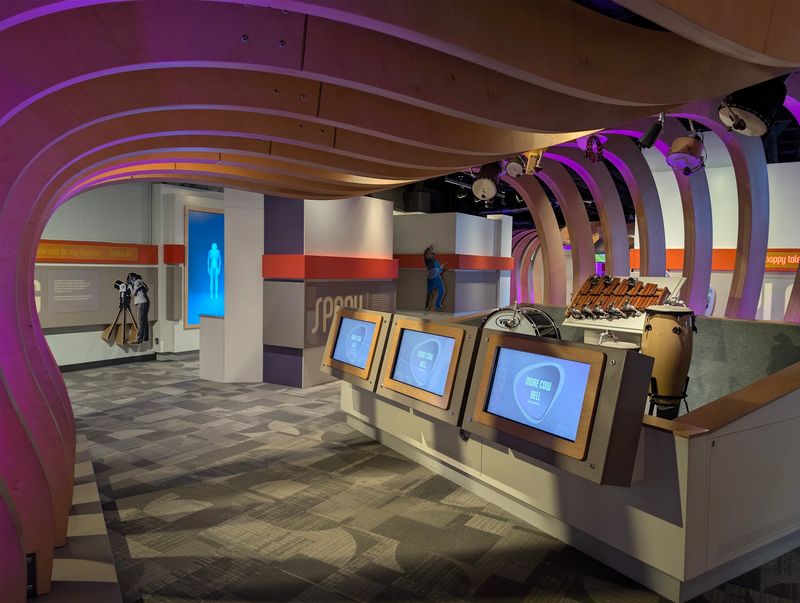
Rat basketball sounds like a joke someone told in the lunch line. At the Science Museum of Virginia, visitors have described it as a memorable way to see animal learning in action. A tiny player can help make a big idea easier to understand: animals can learn behaviors through practice and rewards.
Before watching, ask your child how they learned a skill, such as shooting a basket or riding a bike. Did they master it instantly, or did small successes help them improve? That comparison gives the demonstration a familiar starting point without turning the visit into homework.
Check the daily schedule and ask staff whether the activity is available during your visit. Animal demonstrations may have set times, limited viewing space, or changes that protect the animals’ well-being. Arriving a little early can help children see without trying to peek between taller visitors.
Keep voices calm near the animals and follow any instructions from museum staff. Afterward, talk about the difference between teaching an animal and forcing it to perform. Kids may leave laughing about the unusual game, but they can also carry away a thoughtful new question about how living creatures learn.
Find the Rhythm Downstairs
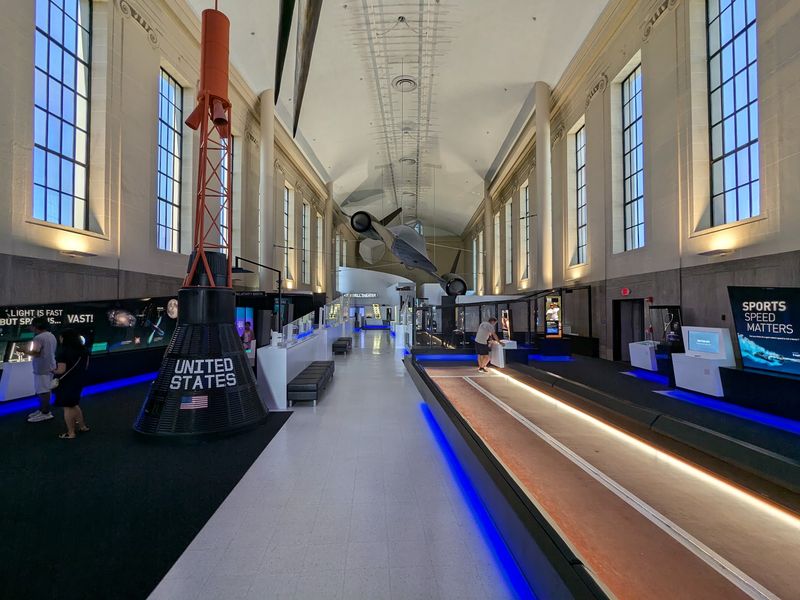
Clink, tap, listen, repeat. A visitor favorite on the museum’s lower level is a bottle wall, alongside hands-on activities involving sound and movement. It is the sort of place where a child can make a little noise and discover that a different action can create a different result.
Invite your child to try one change at a time. Can they spot a pattern in the sounds, or notice how moving a hand differently changes what happens? Experiments do not need lab coats; sometimes they start with a careful tap and an eager ear.
Busy exhibits work better when everyone gets a fair turn. If another family is waiting, agree on a short challenge, such as creating three different sounds, before switching places. That small plan keeps the experience playful and makes sharing easier.
Noise can be exciting for some children and tiring for others. If your group needs a pause, step away and return when everyone feels ready. Ask your child to describe the sound they liked best without making it again. Finding words for what they heard builds observation skills, while the chance to try another pattern gives them a reason to come back.
Follow the Tracks of Tiny Particles
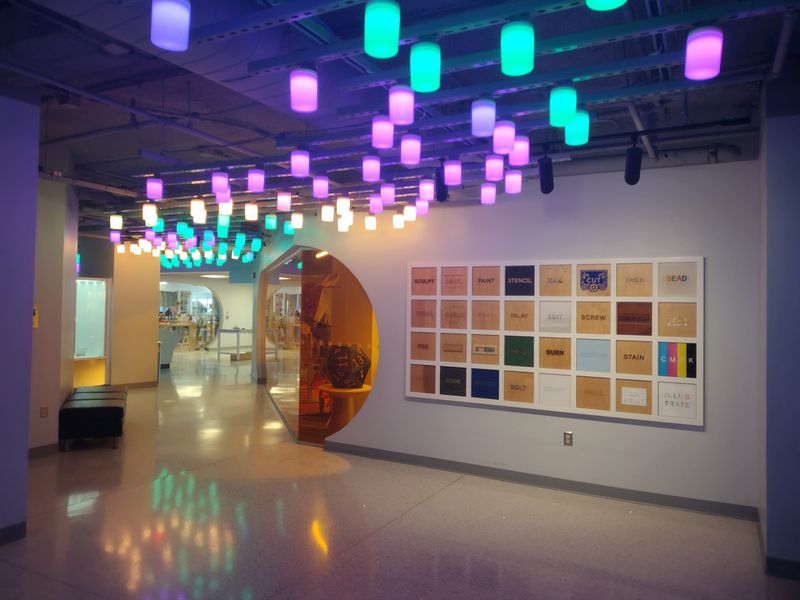
Some discoveries look almost like little trails drawn by a ghost. A museum visitor described seeing particle tracks in a cloud chamber, an exhibit that offers a glimpse of things too small to see directly. For a curious older child, that can be a memorable change from exhibits they can push or pull.
Take a moment to watch before reading every label. Ask what your child notices about the lines, including whether they look straight, curved, long, or short. Then use the nearby explanation or ask a staff member to help connect those observations to the science.
You do not need to explain every detail of particle physics to enjoy the display. A simple idea is enough: scientists often use evidence they can see to learn about things they cannot see. Footprints tell you someone walked past, even if that person has already left.
If the chamber is not operating or is hard to spot, ask staff what is available that day. Science equipment can require care, and displays may change. The lesson still travels with you: slow down, look closely, and give a surprising sight enough time to become an interesting question.
Let the Special Exhibits Surprise You
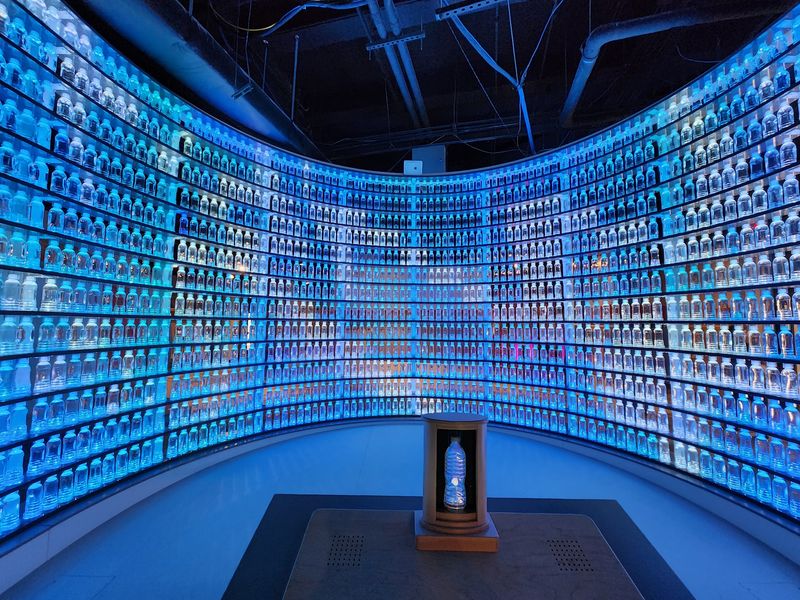
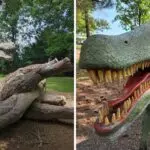
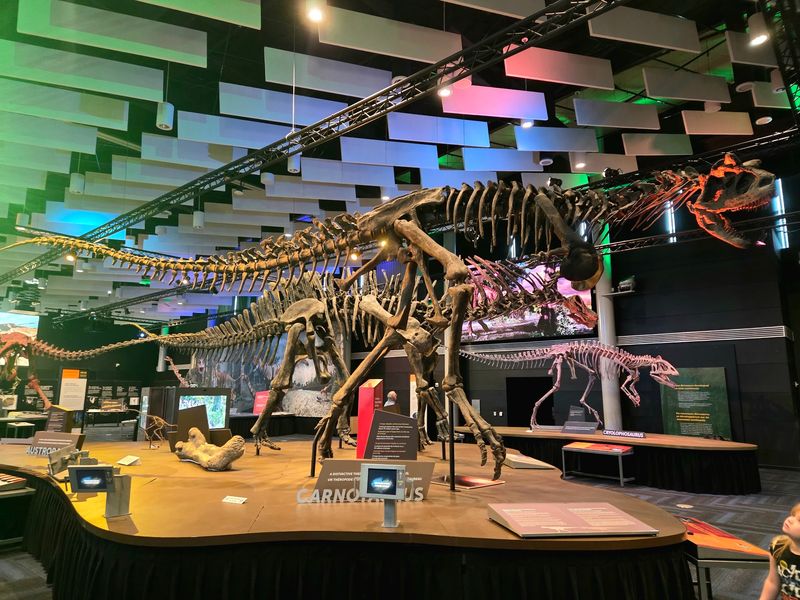
A giant dinosaur can steal the show, but it may not be waiting on every visit. The museum hosts changing exhibitions, and past visitors have praised dinosaur displays as well as exhibits on other topics. That changing lineup is one reason a return trip can feel different from the last one.
Check the museum website before promising your child a specific attraction. Look for dates, recommended ages, and whether special admission is needed. A quick check can prevent a disappointed dinosaur fan from discovering that their favorite prehistoric guest has already moved on.
When an exhibit is open, let your child choose one thing to investigate closely instead of racing past every display. They might compare a model with a diagram, read about a surprising fact, or ask how experts know what happened long ago. Slow looking often leads to better questions than a speedy lap.
New topics can also help siblings with different interests enjoy the same outing. One child might notice a creature’s teeth, while another studies its size or habitat. If the current exhibit does not match your original plan, treat that as an experiment too: see what unexpected subject catches everyone’s attention.
Make Room for One More Floor
One more floor can sound like a challenge after hours of exploring. The Science Museum of Virginia gives families several levels of exhibits, so leaving breathing room in the day matters more than checking every box. Visitors often recommend at least a few hours, with extra time if your children like to repeat activities.
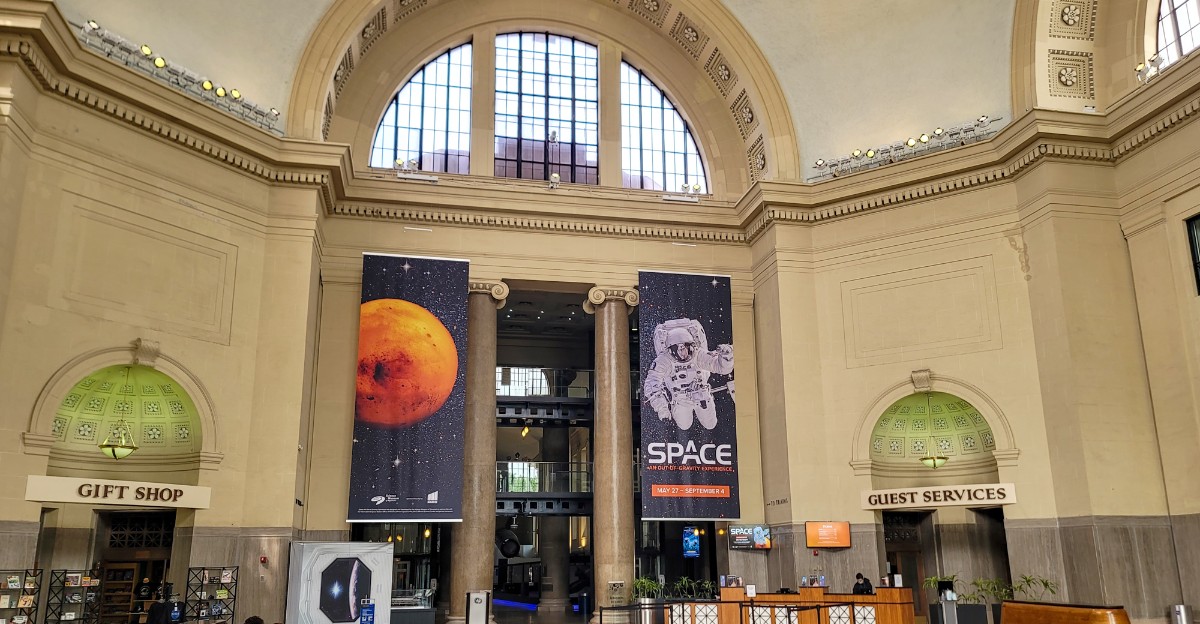
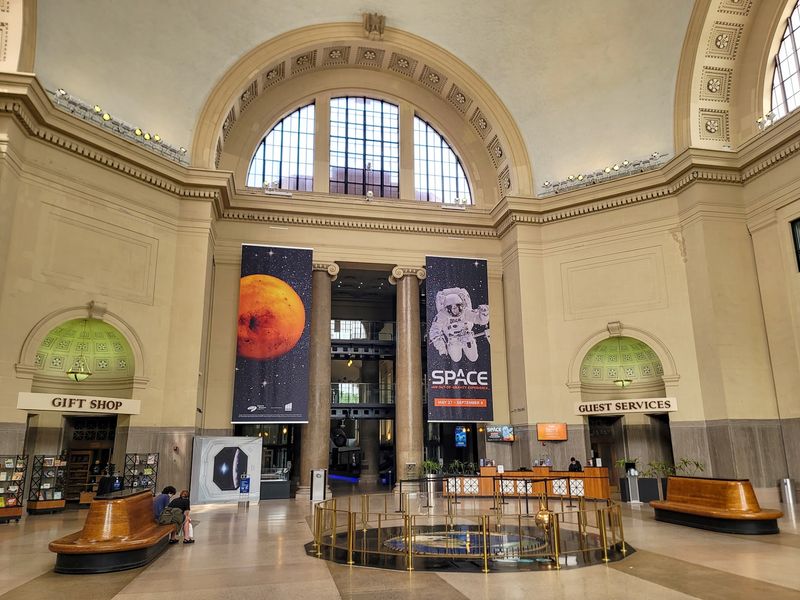
The museum is at 2500 W Broad St in Richmond, inside a former train station. Its regular posted hours are 9:30 AM to 5 PM Tuesday through Sunday, with Mondays closed, but confirm hours before traveling. Visitors have reported free parking in the nearby garage; check current parking details on the museum website.
Start by looking at the daily schedule, then build your route around any timed show or program your family wants to catch. Save flexible exhibits for the spaces between scheduled activities. A snack or rest break can help a tired child recover their curiosity faster than another hurried stop.
Do not worry if you miss a gallery. Letting each child pick a favorite activity makes the day feel personal, and leaving something unseen creates an easy answer when they ask to return. The best plan leaves room for surprises, not just a route across a map.