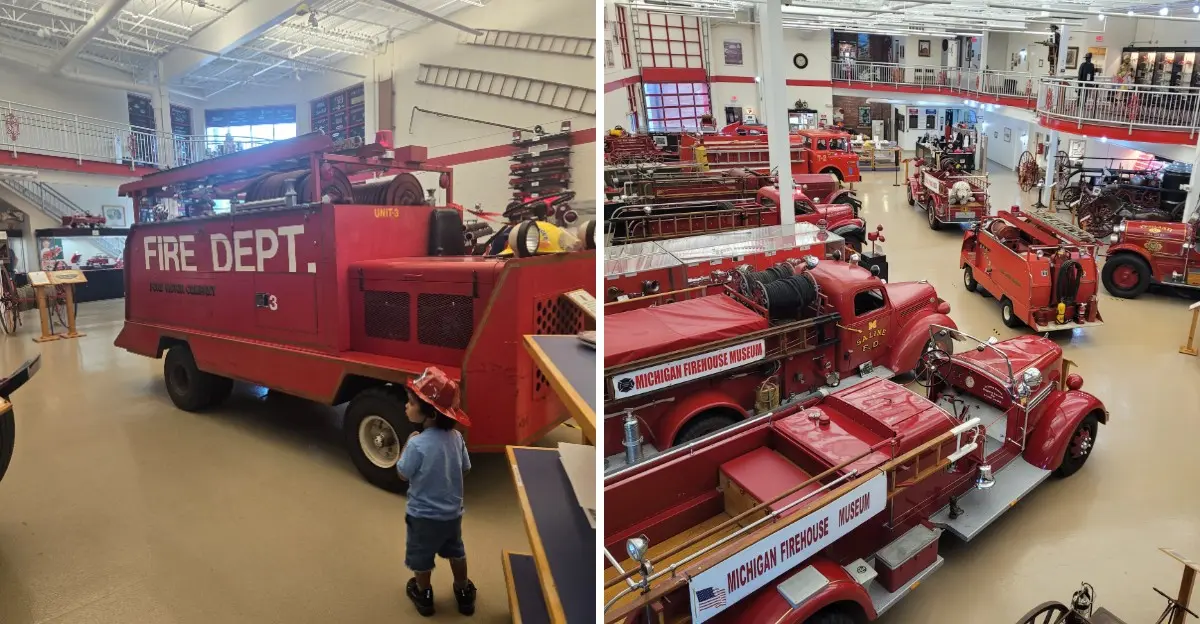
Forget the “look but don’t touch” museum—this Michigan spot lets kids get right into the action.
In Ypsilanti’s historic Depot Town, the Michigan Firehouse Museum and Education Center packs more than a century of firefighting history into a place built for curiosity.
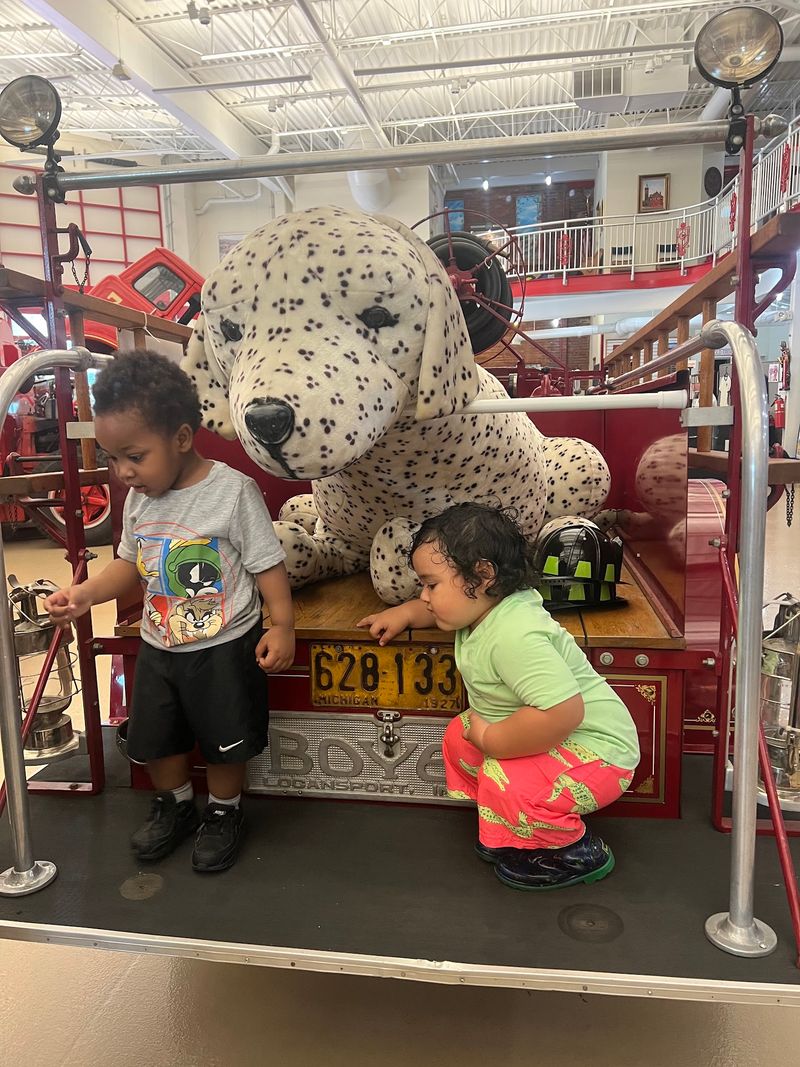
Kids can climb into antique fire trucks, check out old firefighting gear, and imagine answering an emergency call.
There’s a brass pole, too, adding an extra dose of firehouse fun.
The museum’s collection shows how firefighters worked long before today’s trucks, technology, and protective equipment became standard.
For families, it’s a chance to turn a rainy afternoon or weekend outing into a hands-on history adventure.
Every truck, bell, helmet, and hose has a story—and kids get to see that story from much closer than they might expect inside.
Step Inside A Real 1898 Firehouse
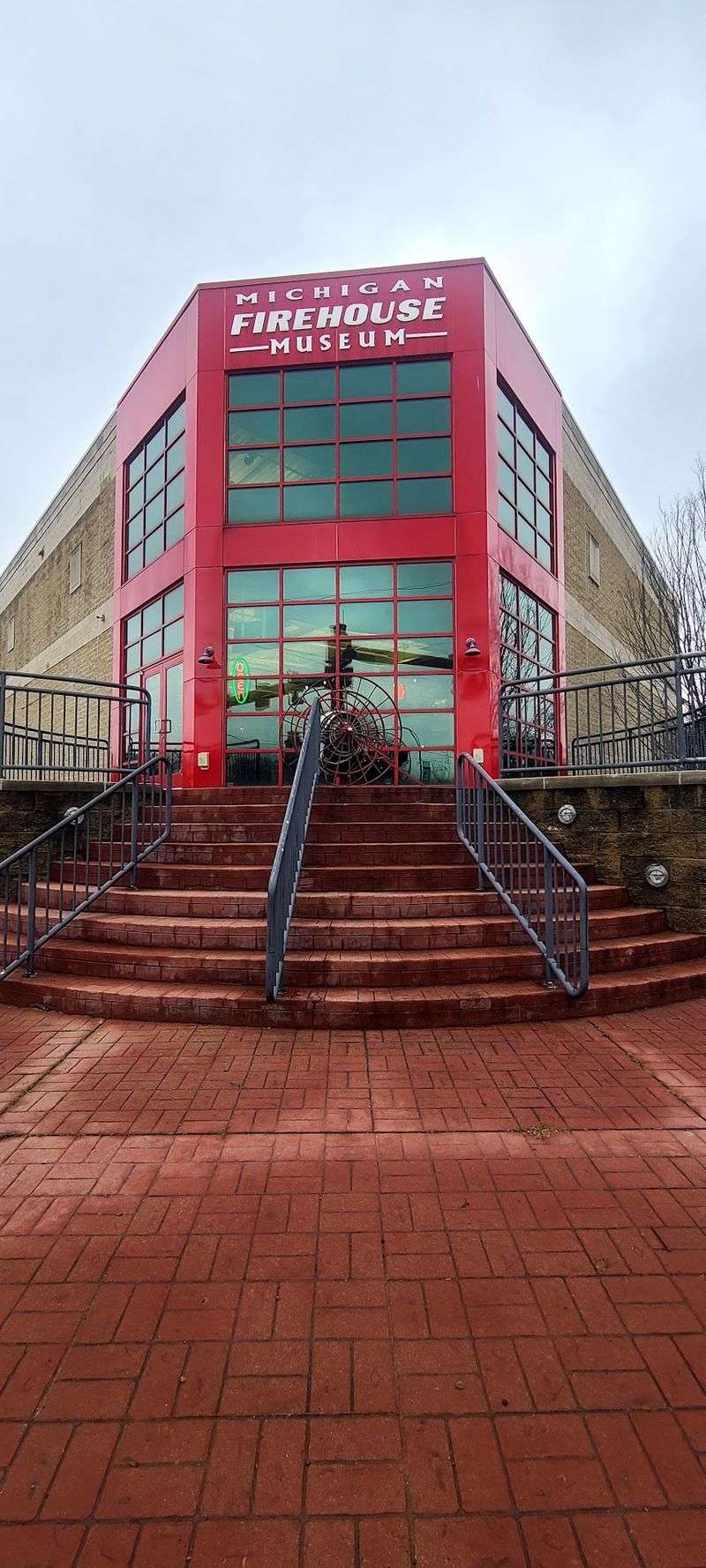
Walking through the museum’s entrance means stepping back to 1898, when this building served as Ypsilanti’s actual fire station. The structure itself tells a story that modern firehouses simply can’t match.
Red brick walls and tall ceilings create an atmosphere that immediately transports families to another era.
Original architectural features remain intact throughout the building. Kids notice details like the high doorways designed for horse-drawn equipment and the layout that allowed firefighters to respond within seconds.
The preservation work maintains authenticity while keeping everything accessible for young explorers.
Unlike reconstructed exhibits, this building housed real firefighters who answered actual emergencies. That authenticity makes history tangible rather than abstract.
Children can imagine the rush of activity when bells rang and firefighters sprang into action, sliding down the brass pole and racing to harness horses to their equipment before speeding off to save homes and lives across the community.
Get Up Close To Antique Fire Trucks
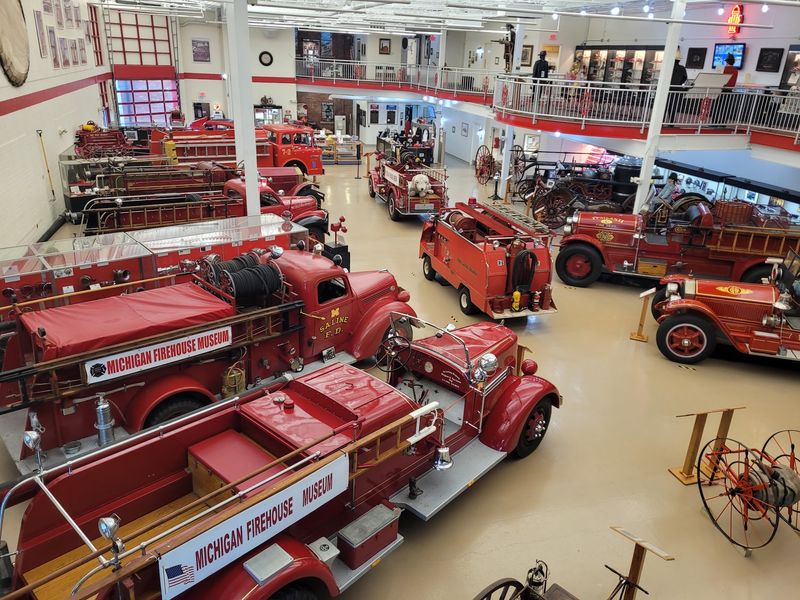
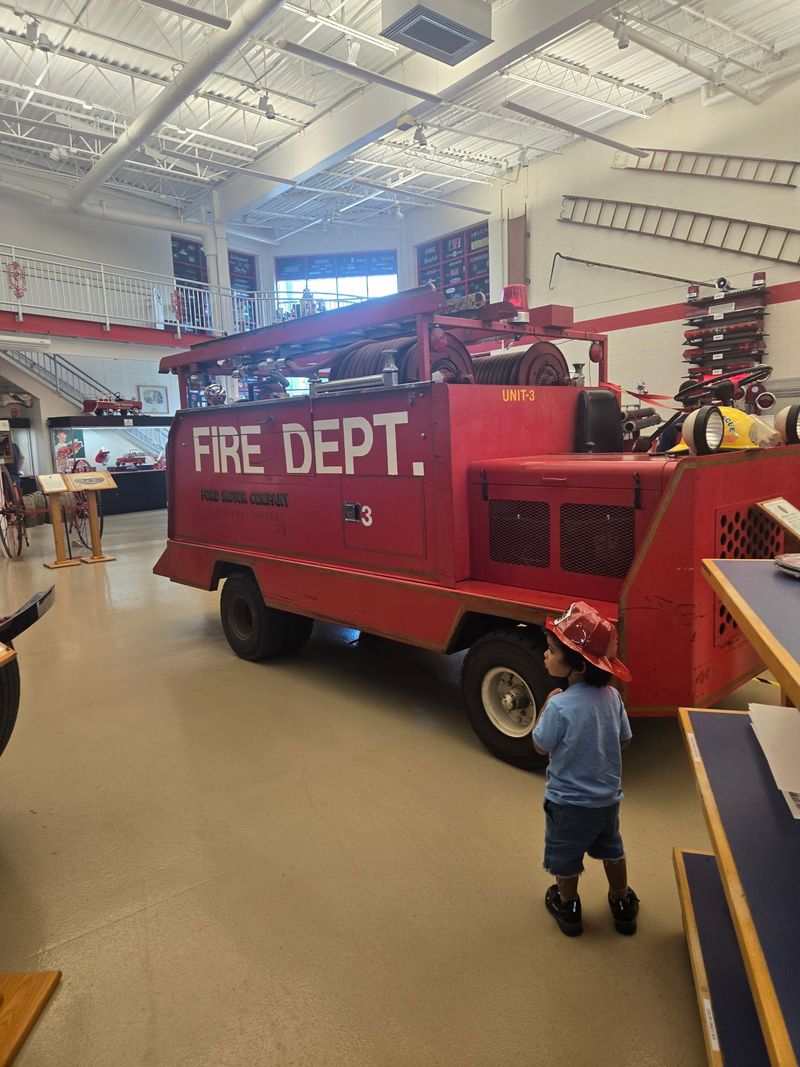
Thirteen fully operational fire engines fill the main floor, and every single one has been lovingly restored to working condition. These aren’t replicas or rusty relics.
The collection showcases genuine apparatus that once raced through Michigan streets when emergencies struck, now gleaming with fresh paint and polished brass fittings that reflect the overhead lights.
Each truck represents a different chapter in firefighting evolution. Early hand-pumped models sit alongside steam-powered engines and motorized vehicles.
Kids immediately spot the differences, from wooden wheels to rubber tires, from open driver’s seats to enclosed cabs.
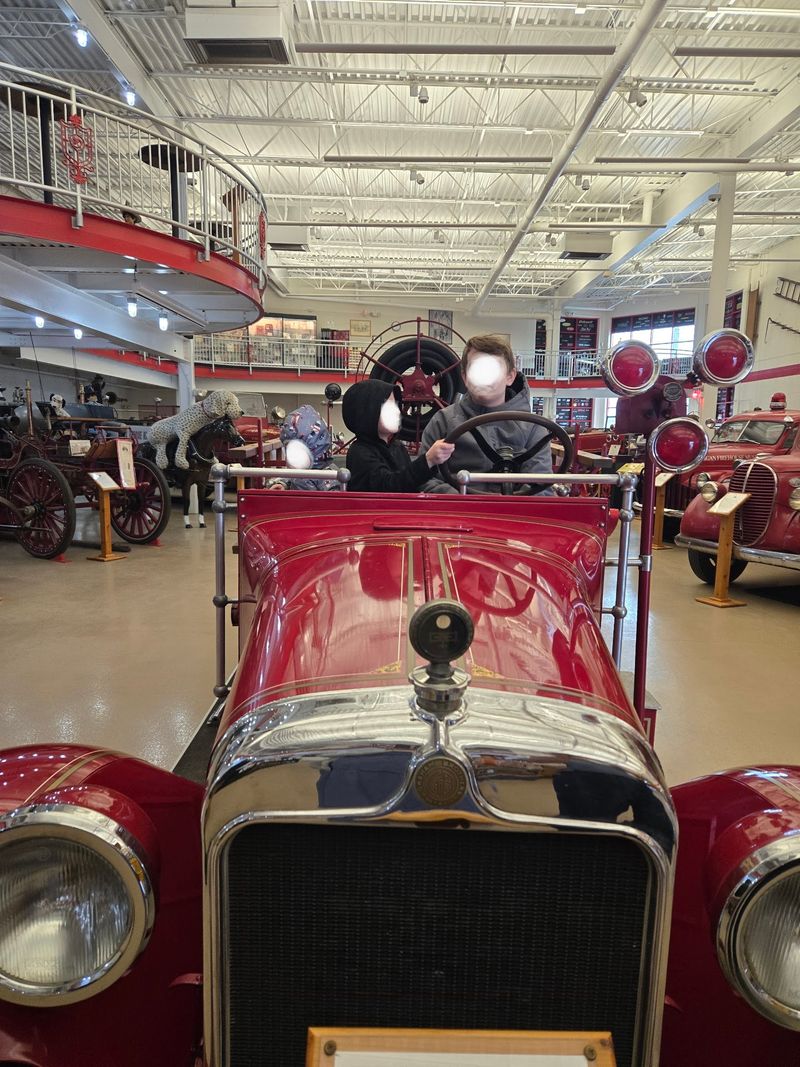
The best part? Children can actually climb aboard many of these historic vehicles.
They grip the same steering wheels firefighters once held, sit in seats where brave men rode toward danger, and imagine the clanging bells and roaring engines. This hands-on approach transforms what could be a boring history lesson into an adventure that sparks genuine excitement about the past.
See What Firefighters Used Before Modern Gear
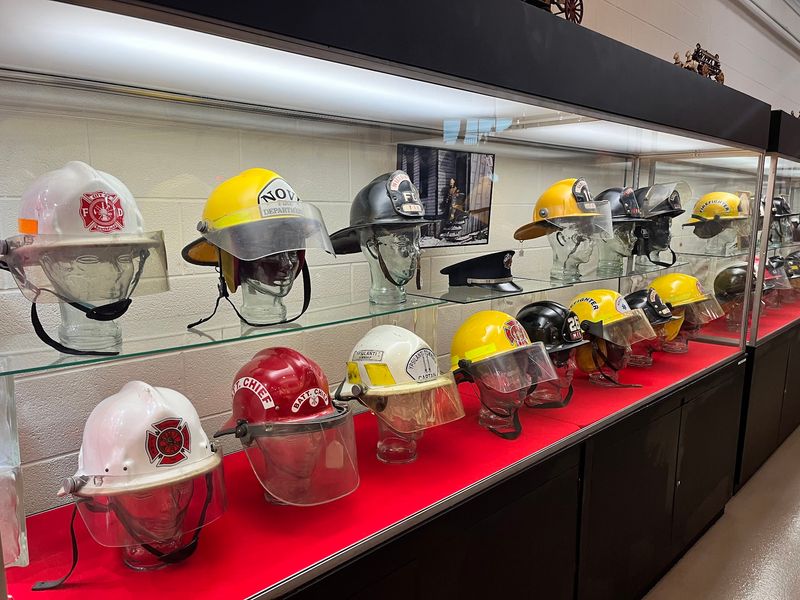
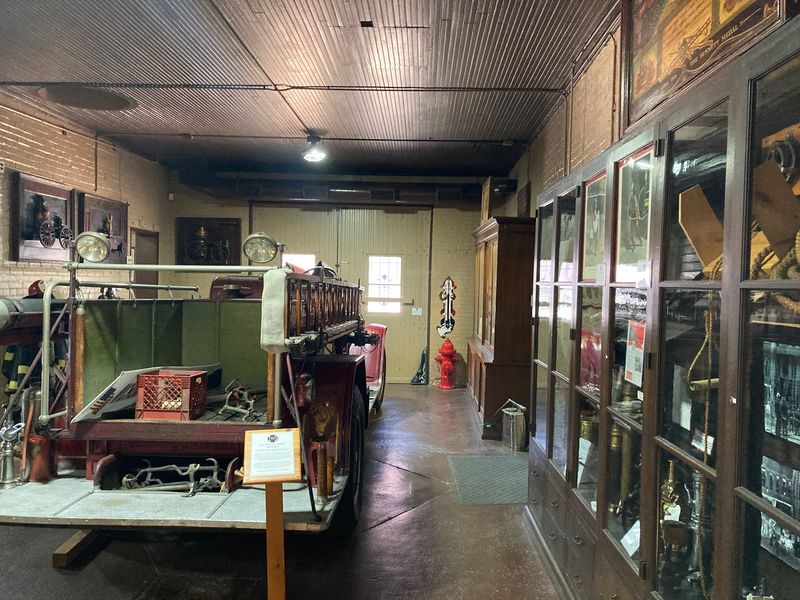
Before modern technology revolutionized emergency response, firefighters relied on equipment that looks almost primitive by today’s standards. Glass display cases throughout the museum showcase helmets without face shields, thick canvas coats instead of flame-resistant fabric, and breathing apparatus that offered minimal protection compared to what today’s firefighters wear.
The contrast startles most children who’ve only seen contemporary gear.
Historic ladders demonstrate how firefighters reached upper floors using equipment that weighed significantly more than modern aluminum versions. Hose carts required multiple men to maneuver through streets.
Early extinguishers operated with hand pumps rather than pressurized chemicals.
Nozzles evolved from simple brass fixtures to complex designs that allowed firefighters to control water flow and spray patterns. Each piece of equipment tells a story about innovation born from necessity.
Kids often ask questions about how firefighters managed without the advantages of modern materials and engineering, leading to discussions about bravery and problem-solving that make history memorable.
Ring The Museum’s Collection Of Fire Bells
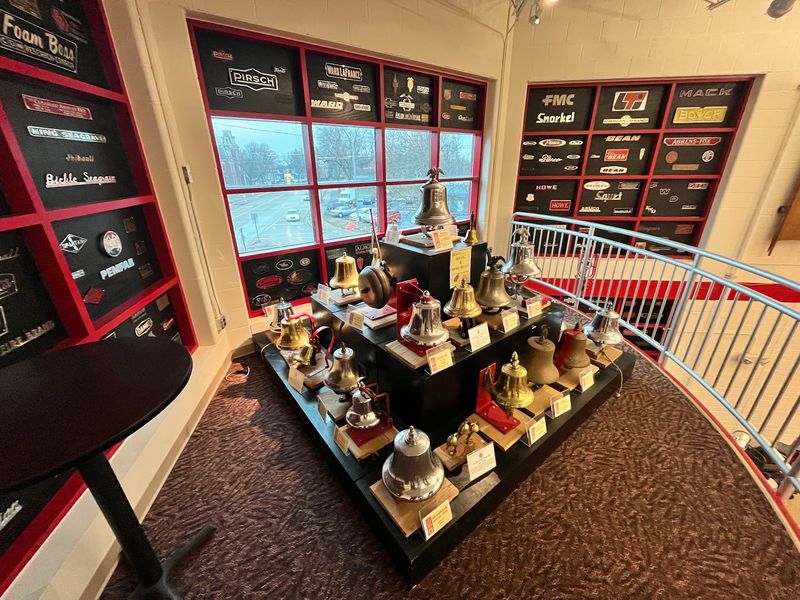
Long before sirens wailed through city streets, fire bells served as the urgent voice calling firefighters to action. The museum’s extensive collection includes bells of all sizes, from small hand-held models to massive bells that once hung in station towers.
Each one produced a distinct sound that community members instantly recognized as an emergency alert.
Many of these bells bear scars from decades of service. Dents and worn metal surfaces show where clappers struck thousands of times, summoning brave men to battle flames.
Some bells came from firehouses across Michigan, while others served on the trucks themselves.
Interactive elements let children experience these communication tools firsthand. The sound of a genuine fire bell ringing creates an immediate connection to the past.
Kids understand how urgent that clanging must have sounded to sleeping firefighters or citizens who heard it echoing through their neighborhoods, signaling that somewhere nearby, someone desperately needed help from the local fire brigade.
Discover How Firefighting Changed In Michigan
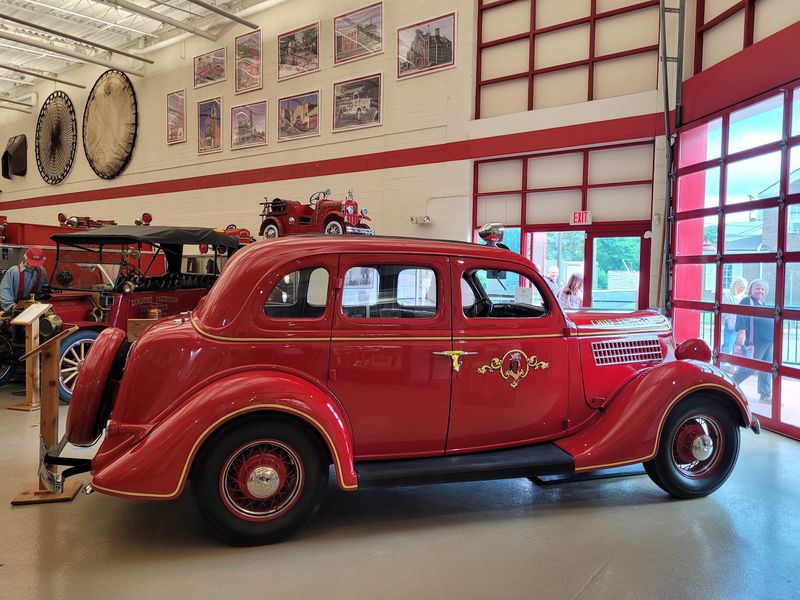
Michigan’s firefighting history spans from bucket brigades to modern emergency response systems. The museum traces this remarkable transformation through carefully curated exhibits that show how technology, training, and tactics evolved across generations.
Vintage photographs capture firefighters in action during different eras, their techniques and equipment reflecting the knowledge and resources available at the time.
Early firefighting in Michigan relied heavily on community volunteers and manual labor. As cities grew, professional departments formed and invested in better equipment.
The progression from hand pumps to steam engines to motorized trucks happened surprisingly quickly, driven by devastating fires that demonstrated the need for improvement.
Children gain perspective on how innovation happens when exhibits explain why certain changes occurred. A major fire might have prompted a city to purchase new apparatus.
New building materials required different firefighting approaches. This contextual storytelling helps kids understand that history isn’t just dates and objects but rather people solving problems and learning from experience to protect their communities better.
Explore The Firehouse Bunk Area And Brass Pole
The preserved sleeping quarters reveal the everyday reality of firehouse life that kids rarely consider. Simple bunks line the walls where firefighters rested between emergency calls, ready to spring into action at any moment.
The dormitory-style arrangement emphasizes the communal nature of station life, where men lived together as a tight-knit team.
That famous brass pole stands as the room’s centerpiece, polished from decades of use and gleaming under museum lighting. Firefighters installed poles because stairs took too long when seconds mattered.
Sliding down offered the fastest route from sleeping quarters to the apparatus floor below.
The pole remains functional, allowing children to imagine the adrenaline rush firefighters experienced when bells rang in the middle of the night. Kids picture themselves jerking awake, grabbing their gear, and sliding down to waiting trucks.
This glimpse into the human side of firefighting makes the profession feel real rather than abstract, showing that firefighters were ordinary people who chose an extraordinary calling.
Look For Firefighter Gear, Toys, And Memorabilia
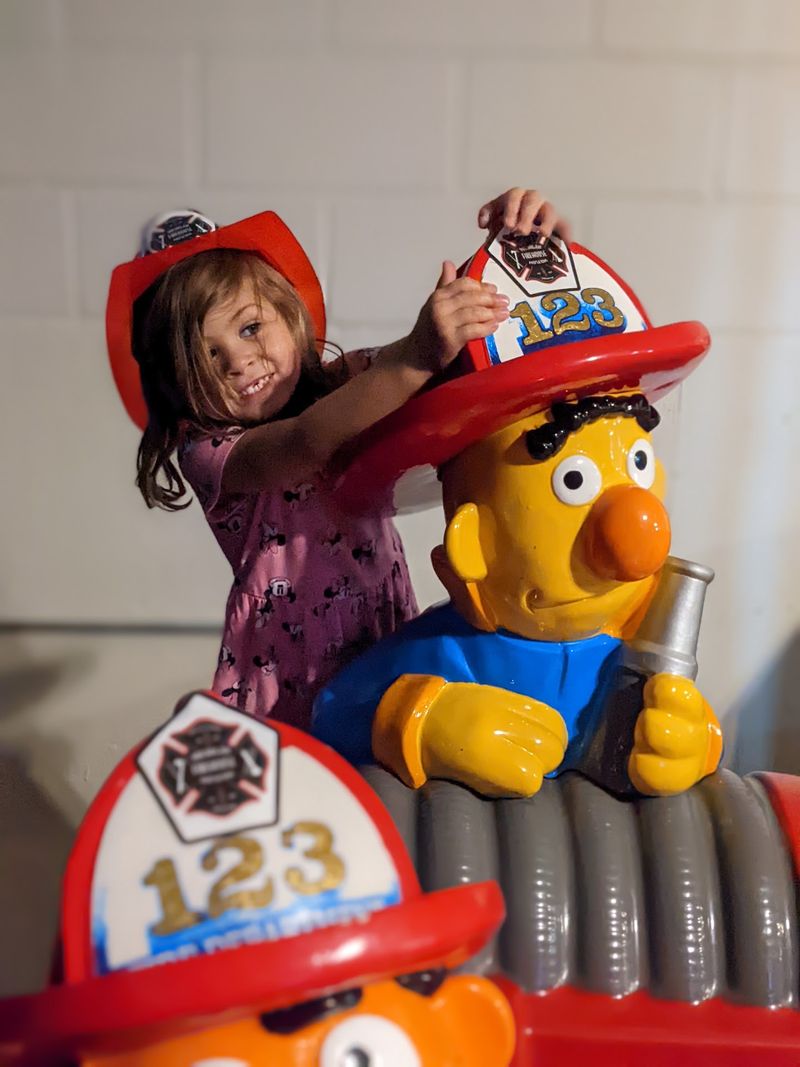
Beyond the large apparatus and equipment, smaller treasures fill display cases throughout the museum. Toy fire trucks from different decades show how children’s playthings mirrored real firefighting equipment.
Miniature versions of actual trucks helped generations of kids dream about becoming firefighters. The evolution of these toys parallels changes in real apparatus, creating an unexpected way to track technological progress.
Badges, patches, and department insignias represent firehouses from across Michigan and beyond. Each design carries meaning, with symbols and colors that identified specific companies and honored local traditions.
Collectors spent years assembling these items, preserving pieces of firefighting culture that might otherwise have been lost.
Memorabilia includes everything from commemorative plates to vintage calendars featuring firefighting themes. These everyday objects demonstrate how deeply firefighters were woven into community life.
Kids compare old toy trucks to the real antique vehicles nearby, spotting similarities and differences that make both more interesting. The collection proves that firefighting captured public imagination long before modern media.
Learn About Fire Safety While Exploring
Education sits at the heart of the museum’s mission, transforming fascination with fire trucks into practical knowledge about safety and prevention. Interactive displays teach children essential fire safety concepts in ways that stick with them long after they leave.
The connection between historic firefighting challenges and modern prevention strategies helps kids understand why safety rules exist.
Exhibits explain how fires start, spread, and can be prevented through simple precautions. Kids learn about smoke detectors, escape plans, and what to do if their clothing catches fire.
The museum presents these lessons within the context of real firefighting history, showing how preventable fires claimed lives and property before modern safety awareness.
Firefighting heroes of the past fought blazes that better fire safety could have prevented entirely. This historical perspective gives weight to seemingly basic safety rules.
Children absorb lessons more readily when they’re connected to real stories rather than presented as abstract warnings, making the museum’s educational approach particularly effective for young visitors.
Make It A Family Day In Ypsilanti’s Depot Town
The museum’s location at 110 W. Cross Street places families right in the heart of Depot Town, Ypsilanti’s charming historic district along the Huron River.
Victorian-era buildings house unique shops, locally-owned restaurants, and other cultural attractions within easy walking distance. The neighborhood’s compact layout makes exploring on foot simple and enjoyable.
After touring the firehouse, families can grab lunch at casual eateries or browse antique stores and specialty shops. The nearby Riverside Park offers green space where kids can burn off energy.
Historic architecture throughout the district provides visual interest, with many buildings dating back to Ypsilanti’s railroad boom era.
Combining the museum visit with exploration of Depot Town creates a fuller family outing than visiting a single attraction in isolation. Parents appreciate having multiple activities within a small area, reducing the need for constant driving and transitions.
The district’s walkability and concentration of family-friendly businesses make planning a complete day trip straightforward without requiring extensive research or complicated logistics.
Plan Your Visit
The Michigan Firehouse Museum and Education Center operates Thursday through Sunday from noon until 4 p.m., giving families flexible weekend options for visits. Admission prices remain affordable at $15 for adults and teens 13 and older, $5 for children ages 3-12, and free entry for toddlers under 3.
Group tours can be arranged outside regular hours by calling ahead.
Street parking on N. Huron and N.
Washington Streets provides convenient access to the museum’s entrance. The location at 110 W.
Cross St., Ypsilanti, MI 48197 is easy to find using GPS navigation. Families should contact the museum at 734-547-0663 with questions about accessibility, special programs, or current exhibits.
Checking the museum’s event calendar before visiting is highly recommended, as special programs and seasonal closings occasionally affect regular hours. Birthday party packages and educational group visits offer alternatives to standard admission.
Planning ahead ensures families don’t make a wasted trip and allows time to explore both the museum and surrounding Depot Town attractions thoroughly.