A dinosaur footprint can make a child forget everything else around them. At Dinosaur Valley State Park in Glen Rose, Texas, families can stand beside real dinosaur tracks preserved in the riverbed, follow wooded trails, and explore the banks of the Paluxy River.
Suddenly, a family outing becomes a chance to imagine creatures that walked across this landscape millions of years ago.
The tracks are the obvious stars, but the surrounding park adds plenty to the experience. Kids can examine impressions in the rock, search along the river, and turn each discovery into another question about prehistoric life.
River conditions can change, so checking conditions before your visit and bringing sturdy footwear can make exploring easier. Leave room for curiosity rather than rushing from one stop to the next.
From ancient footprints to shady trails and the moving water nearby, Dinosaur Valley has plenty of details waiting to be discovered.
Meet the Giants Before Following Their Footsteps
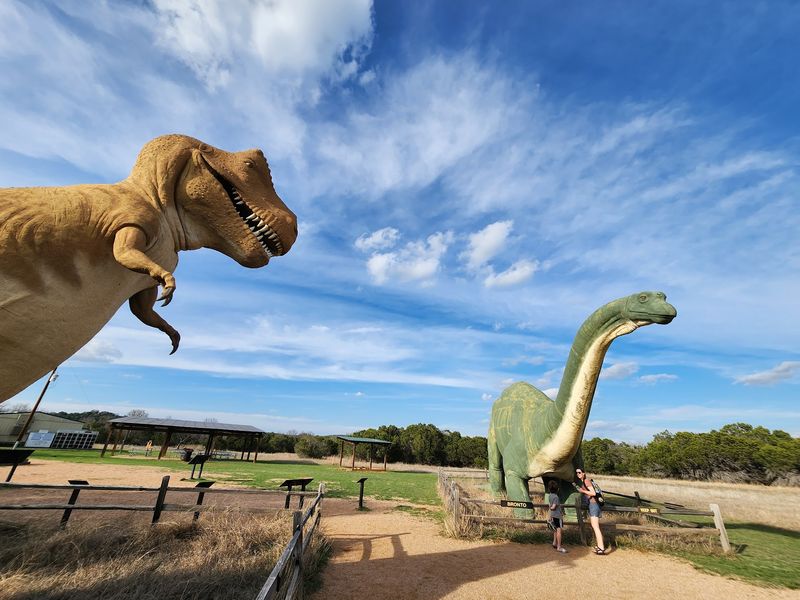
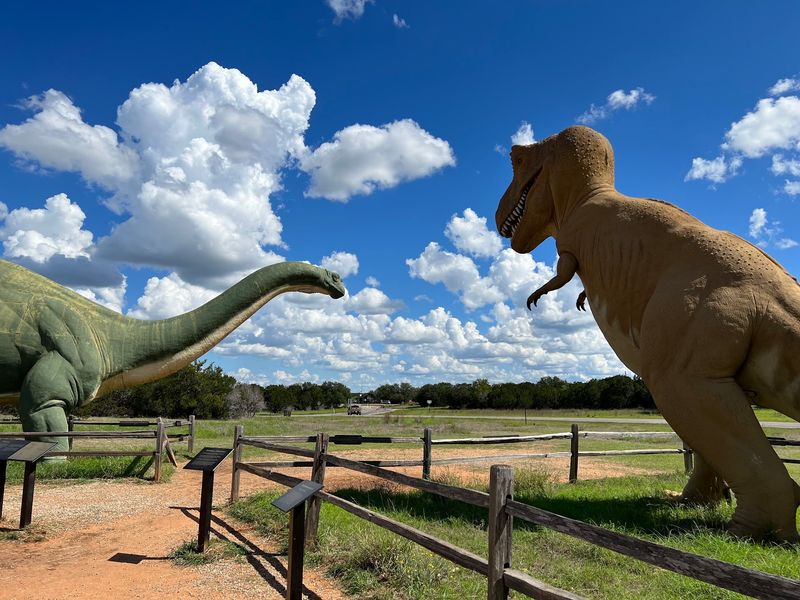
Before anyone spots a footprint, enormous dinosaur models can set young imaginations racing. Standing near them gives children a simple way to picture the size of animals that once made tracks across muddy ground, long before this landscape looked like modern Texas.
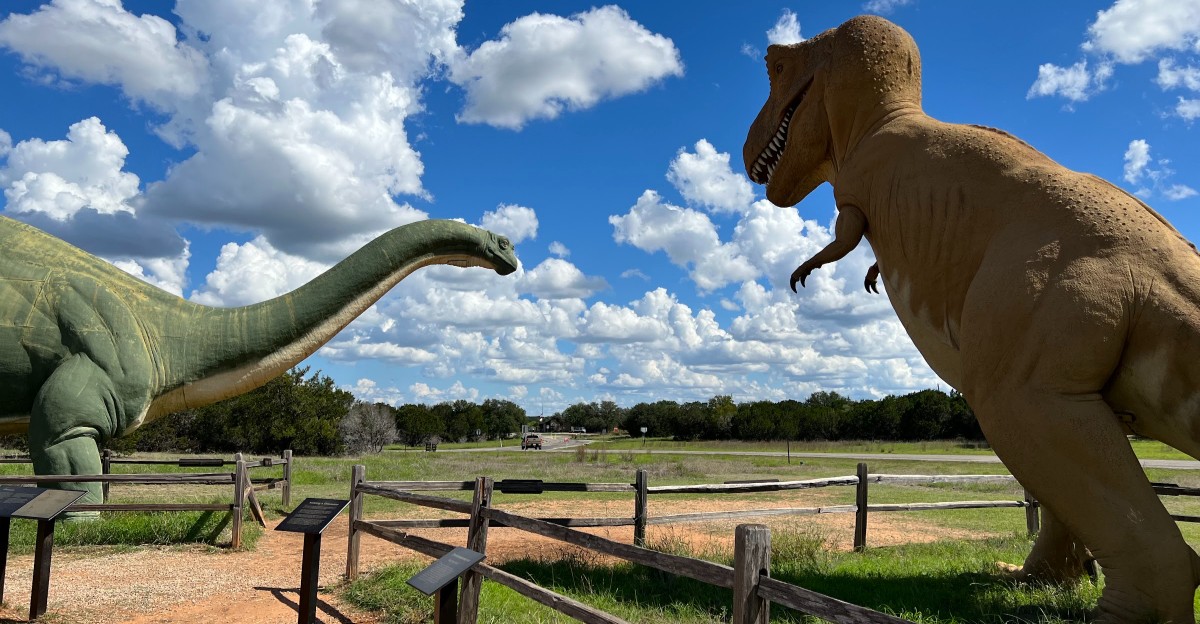
At Dinosaur Valley State Park in Glen Rose, two famous models represent a Tyrannosaurus rex and a long-necked dinosaur historically labeled Brontosaurus. They came from the Sinclair dinosaur exhibit at the 1964 New York World’s Fair, adding an unexpected chapter to the park’s story.
Use this stop for a family photo, then explain that the models are not a guide to every dinosaur responsible for the park’s footprints. Children can compare long necks, powerful legs, and different body shapes without needing to memorize a list of scientific names.
Keep the visit playful by asking which animal would need the biggest lunch or longest bed. Follow posted rules around the displays, and save the climbing for approved play areas.
This introduction makes the real tracks feel less like marks in stone and more like messages from enormous living animals.
Find Ancient Clues at the Main Track Site
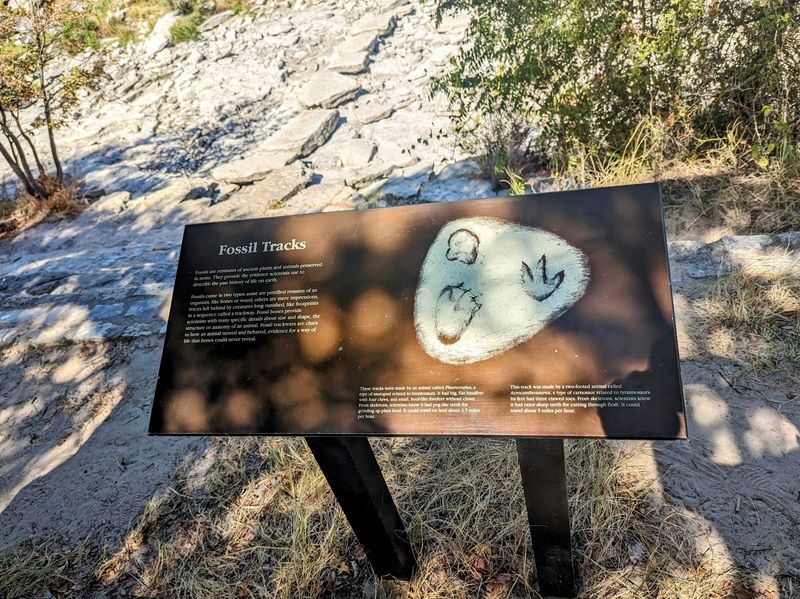
A footprint suddenly becomes much more exciting when it is bigger than your shoe. The Main Track Site offers families a place to look for preserved dinosaur impressions and imagine the moment a heavy foot pressed into soft ground millions of years ago.
Within Dinosaur Valley State Park, the Paluxy River exposes rock layers holding these ancient records. Track visibility changes with water levels, sediment, and weather, so check the park’s current updates before promising children a clear view of any particular set of prints.
Once you arrive, slow down and let young visitors study the shapes. Ask them to notice toes, rounded edges, or a line of repeating impressions, then compare what they see with nearby information rather than guessing that every mark belongs to the same animal.
Wear shoes with dependable grip and keep children close around wet rock. Observe from permitted areas, respect barriers, and never scrape or dig into a track.
Even a brief look can spark a conversation about evidence, patience, and how scientists learn about creatures they will never see alive in person.
Become a Dinosaur Track Detective
Three toes, a broad impression, a trail that seems to continue around a bend: suddenly, a child has a mystery to solve. Watching for patterns turns a dinosaur outing into detective work, with each footprint offering a small piece of a much larger story.
The tracks at Dinosaur Valley State Park include evidence of meat-eating theropods and large, long-necked sauropods. Their footprints can look quite different, giving families a useful starting point for comparing shape and size without treating every identification as certain.
Bring a notebook and let children sketch what they observe from a safe viewing spot. They can record how many toes appear, whether several prints form a line, and what questions they would ask a paleontologist about the animal’s movement.
A photo can help preserve details, but leave the actual rock and any loose natural objects where they belong. No digging, casting, or cleaning is needed for this investigation.
The reward is learning to look carefully, accept uncertainty, and build an explanation from clues rather than simply choosing the dinosaur with the coolest name in a book.
Read the River Like a History Book
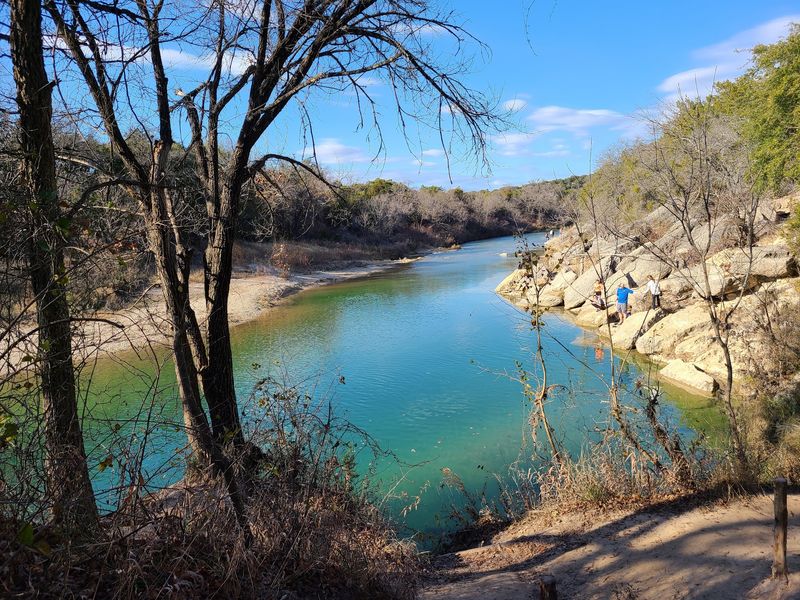
The river keeps changing the page, sometimes revealing ancient footprints and sometimes hiding them beneath flowing water. That shifting view is part of the experience, not a flaw in the visit, and it gives children a real example of how nature shapes discovery.
At Dinosaur Valley State Park in Glen Rose, dinosaur tracks formed about 113 million years ago in sediment near an ancient shoreline. Over time, that material hardened into rock, preserving impressions that the Paluxy River now helps expose.
Explain the process with a familiar comparison: a shoe leaves a mark in wet mud, but most backyard prints soon disappear. These survived because the right conditions preserved them, making the riverbed a special record rather than just another stretch of stone.
Check official track conditions close to your trip, and have a backup plan if the water is high or cloudy. Never enter unsafe water to search for a better view.
A riverside conversation, a careful look at exposed layers, and a child’s thoughtful questions can still turn an uncertain track day into a memorable science lesson for everyone.
Trade Hot Feet for a Careful River Break
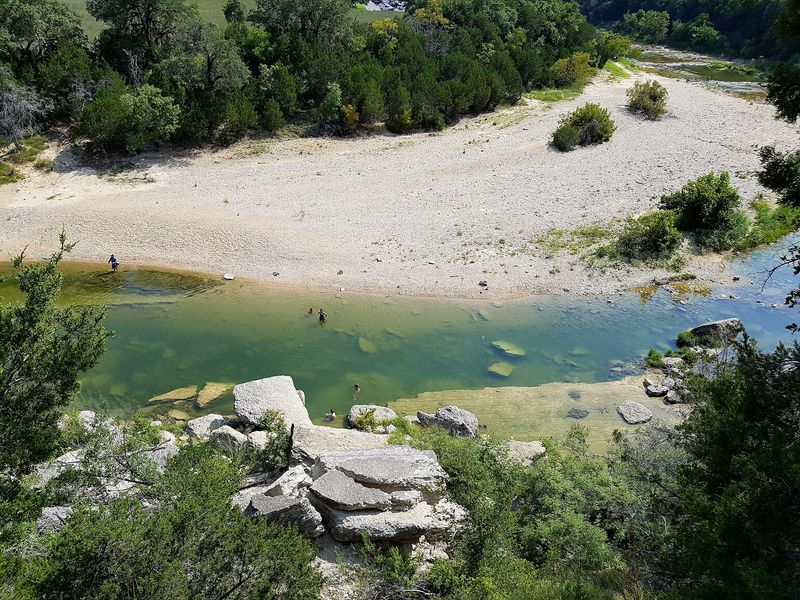
After studying prehistoric footprints, a cool splash can feel like the day’s biggest reward. The Paluxy River adds a playful side to the outing, although every family needs to judge conditions carefully instead of assuming a familiar swimming spot is always safe.
Visitors to Dinosaur Valley State Park often enjoy wading or swimming when conditions allow, and the Blue Hole is a well-known river feature. Water depth, clarity, flow, and access can change, so ask park staff about current conditions before choosing your stopping place.
Pack secure water shoes, towels, dry clothes, and suitable life jackets for children entering the water. Rocky surfaces can be slick even in shallow areas, and adults should stay close enough to help immediately rather than watching from a distant picnic blanket.
Skip swimming during unsafe flows, storms, closures, or uncertain conditions, and never jump into water whose depth you cannot judge. Keep snacks and trash away from the river, too.
With sensible boundaries, a short water break gives children room to laugh, cool off, and return to dinosaur discoveries with fresh energy and plenty of curiosity.
Follow a Trail Toward a Bigger View
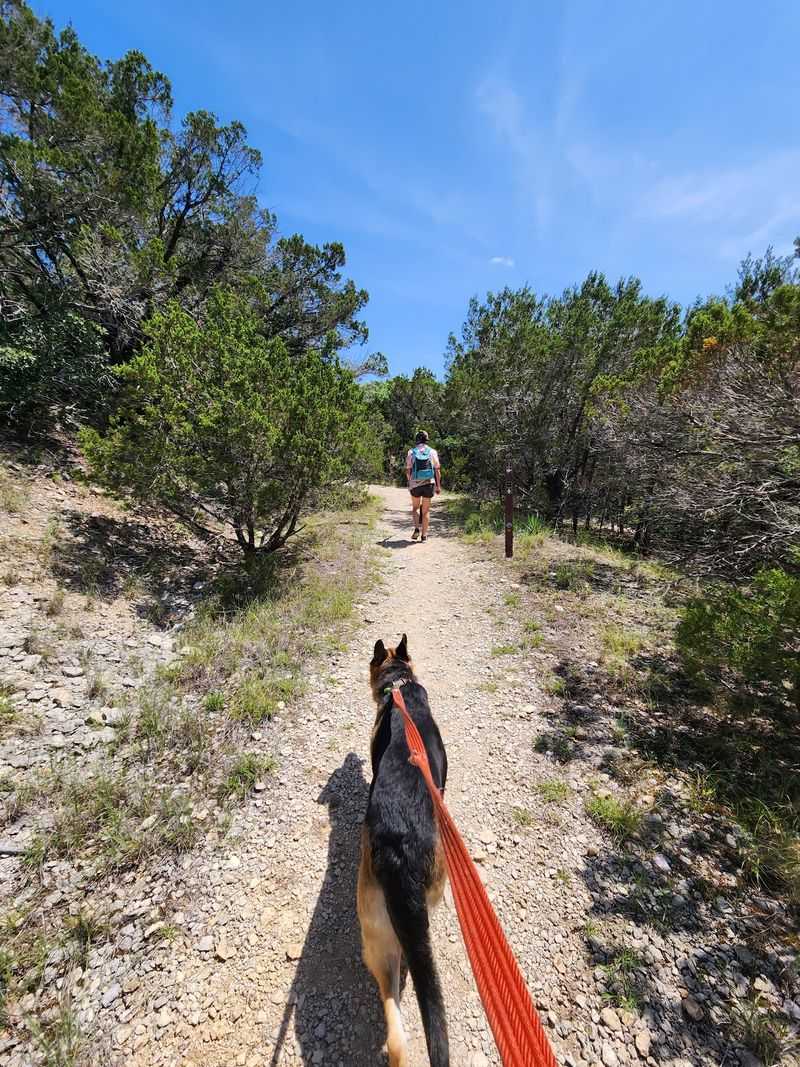
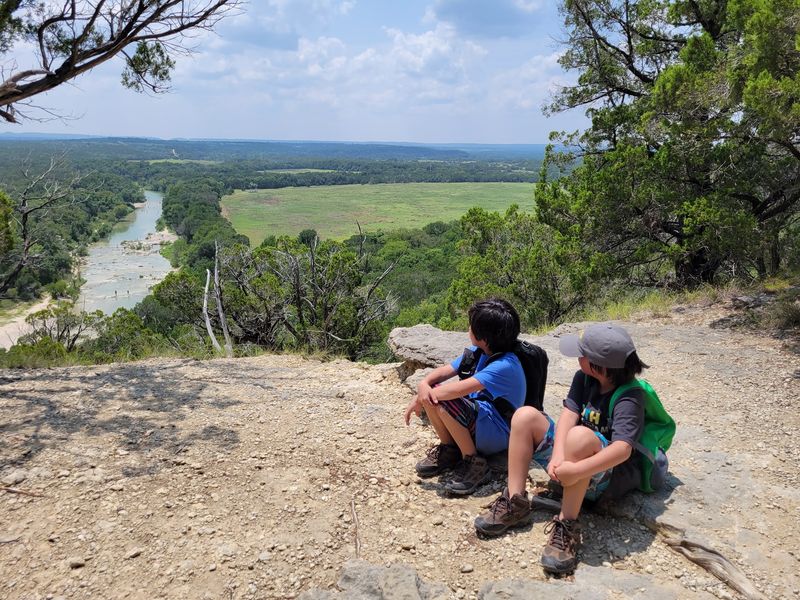
Sometimes the best way to understand a river is to see the land rising around it. A hike toward the Scenic Overlook trades close-up fossil hunting for a wider view, giving active children another reason to keep exploring after their first track discovery.
Dinosaur Valley State Park has a network of trails through wooded and rocky terrain. Routes toward higher ground can involve elevation changes, and access may depend on river crossings or closures, so confirm the day’s route with staff before heading out.
Choose distance based on your youngest walker, not the strongest adult in the group. Carry drinking water, sun protection, a trail map, and snacks, and turn around early if heat, fatigue, or changing weather makes the walk less comfortable.
Along the way, pause for small discoveries: a twisted root, a bird call, or sunlight moving across a limestone ledge. Avoid cliff edges and never attempt a questionable crossing just to reach a viewpoint.
The hike works best as a shared adventure, with enough breathing room for children to notice the landscape rather than simply chase the destination ahead.
Turn Ranger Advice Into a Family Discovery
One thoughtful question can change the whole afternoon. Asking why a footprint has three toes, or why yesterday’s visible tracks disappeared, gives children a reason to listen closely and reminds them that learning does not end when the classroom door closes for vacation.
At Dinosaur Valley State Park, start by asking staff about current track visibility, safe access, and any scheduled educational activities. Ranger programs and family activities can vary, so check the official park calendar rather than assuming a particular event happens every day.
If a program fits your visit, let children bring a question they developed while exploring. Hearing an answer beside the landscape itself can make ideas about fossils, rivers, and animal movement easier to understand than reading the same facts at home.
No event available? Make your own short discovery session with park signs, a map, and a sketchbook.
Each child can choose one thing to explain to the family before leaving. Keep the goal friendly, not competitive.
A trip feels more personal when young visitors become the storytellers, sharing an observation that an adult might otherwise have walked straight past.
Make Lunch Part of the Adventure
A sandwich tastes different when the morning included a footprint older than anything in your hometown. Lunch gives families a chance to settle down, compare discoveries, and recharge before deciding whether the next stop should be another trail or a quiet riverside look.
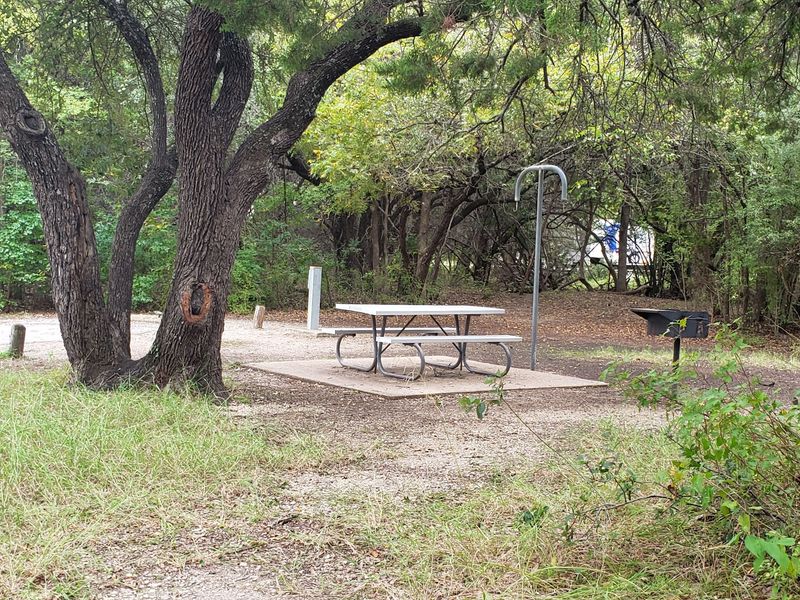
Dinosaur Valley State Park offers picnic areas, making a packed meal a useful part of a family day trip. Bring familiar foods, plenty of drinking water, and a cooler for anything that needs to stay cold in the Texas heat.
Let children choose the lunch conversation: the strangest track shape, the biggest dinosaur model, or the animal they almost missed along the path. A quick sketch on scrap paper can help younger visitors explain what caught their attention without turning the break into homework.
Use designated facilities, follow current fire restrictions if cooking, and clean the table before leaving. Secure food against wildlife and carry out all trash.
Restrooms and other facilities may be busy during popular periods, so allow extra time. A relaxed meal often keeps the afternoon enjoyable by preventing tired feet and empty stomachs from taking over.
Stretch the Story Into an Overnight Stay
When the tent zipper closes, dinosaur day becomes a story told under the evening sky. Staying overnight gives families more time to enjoy the park without squeezing every footprint, trail, and snack break into a single crowded afternoon.
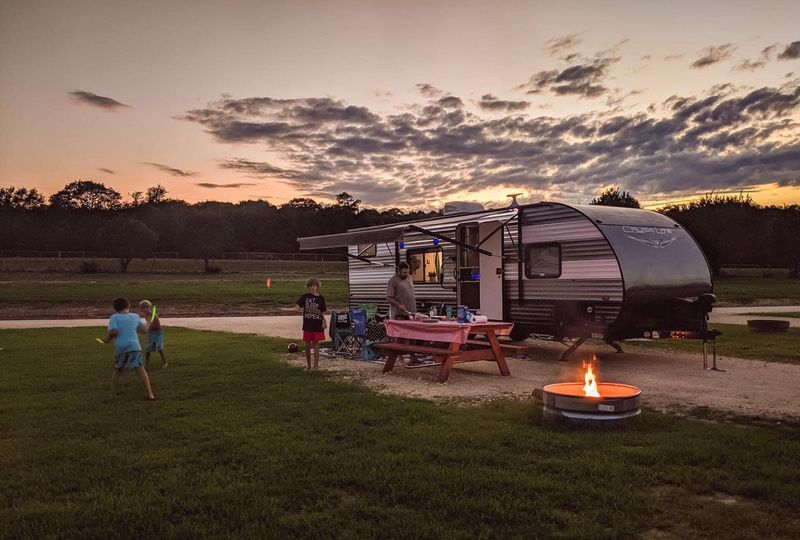
Camping at Dinosaur Valley State Park can extend the visit into a quieter morning of outdoor discovery. Reserve ahead through the official booking system, review the campsite’s listed features, and check park alerts before packing, especially during holidays or unsettled weather.
For a first family camping trip, keep dinner simple and bring bedding suited to the forecast. Flashlights, insect protection, drinking water, and a change of clothes make small problems easier to manage, while securely stored food helps avoid unwanted animal visitors.
Before bedtime, ask each child to share one discovery and one question for tomorrow. Follow quiet hours and current fire rules, and do not promise that morning will reveal more tracks because river conditions still control visibility.
The real advantage is time: time to linger over breakfast, revisit a favorite view, and let curiosity set a gentler pace for the whole family together.