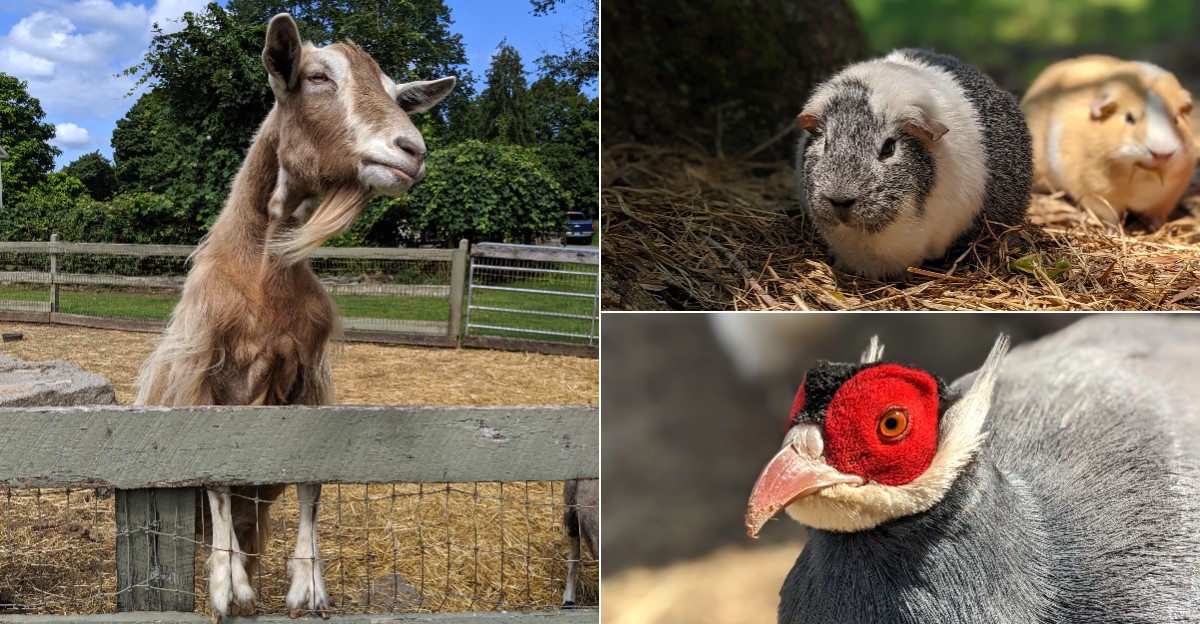
Tucked among the quiet country roads of the Connecticut River Valley, a small farm is giving rescued animals a second chance.
Ray of Light Farm, on Town Street in East Haddam, is a nonprofit sanctuary that cares for horses, donkeys, goats, sheep, and other animals in need.
Every animal here has a story, and kids quickly learn how kindness and patience can change a life.
The farm also shares its animals with children and families through programs that build confidence and connection.
Visitors can meet friendly residents up close and see what daily care on a rescue farm really looks like.
Check upcoming events and visiting options ahead of time, and bring curious questions for the caring team.
A Farm Visit With a Purpose
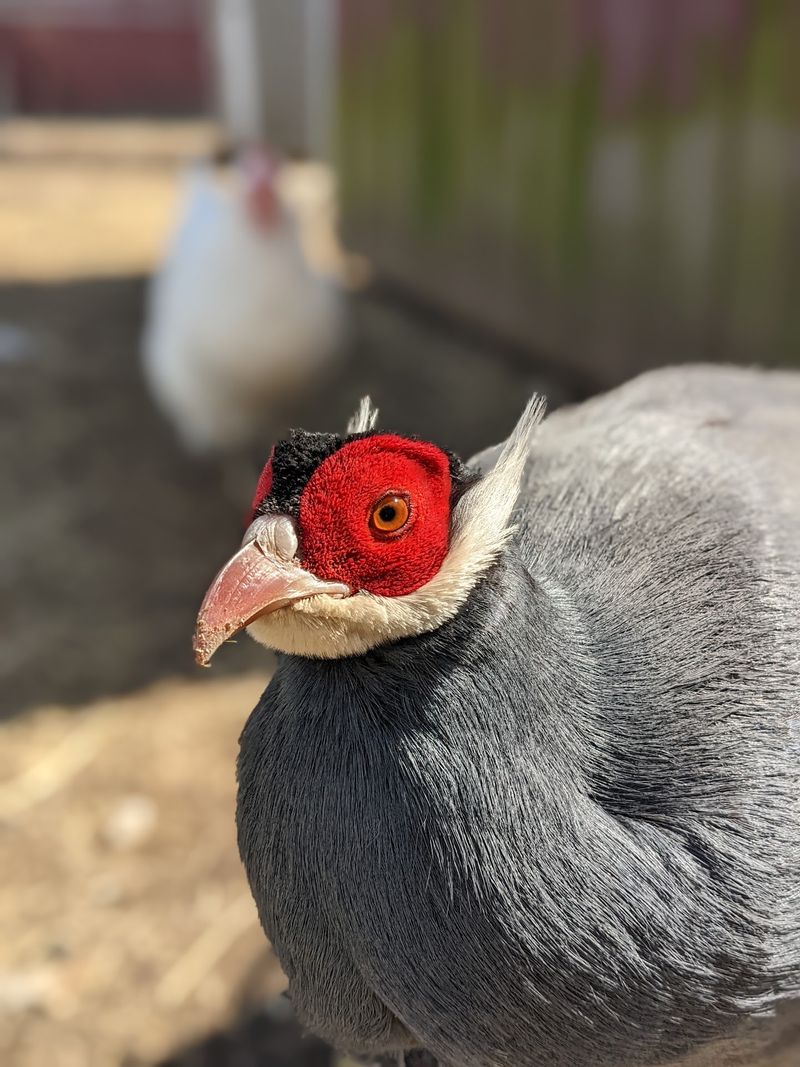
A quiet walk past the animal pens can turn into a lesson that stays with a child long after the visit ends. Ray of Light Farm, at 232 Town St, East Haddam, CT 06423, is an animal rescue where families can meet farm animals and learn why safe, lasting care matters. Visitors have described friendly staff and volunteers who help make the experience welcoming.
Before you arrive, tell kids that a rescue is different from a regular petting zoo. Some animals have faced difficult situations, and the people caring for them work to meet their needs. Ask children to watch how each animal moves, eats, or reacts to nearby people before trying to interact.
A calm visit helps everyone, including the animals, enjoy the day. Let staff guide any close contact, respect signs and barriers, and give an animal space if it steps away. Afterward, ask your child what the farm does for its residents; even young visitors can understand that food, shelter, and patient care take daily work. That conversation turns a fun outing into a simple, memorable lesson about responsibility and kindness. It also reminds families that supporting a rescue can begin with paying attention to the animals in front of them.
Donkeys Deserve a Slow Hello
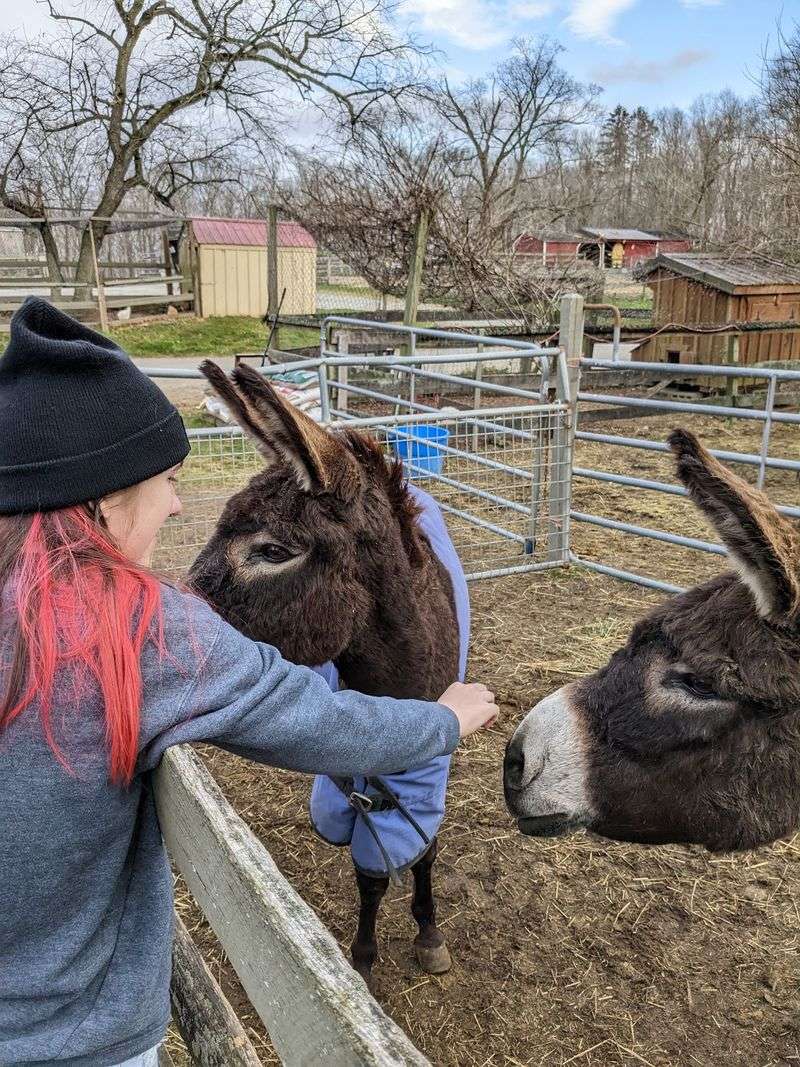
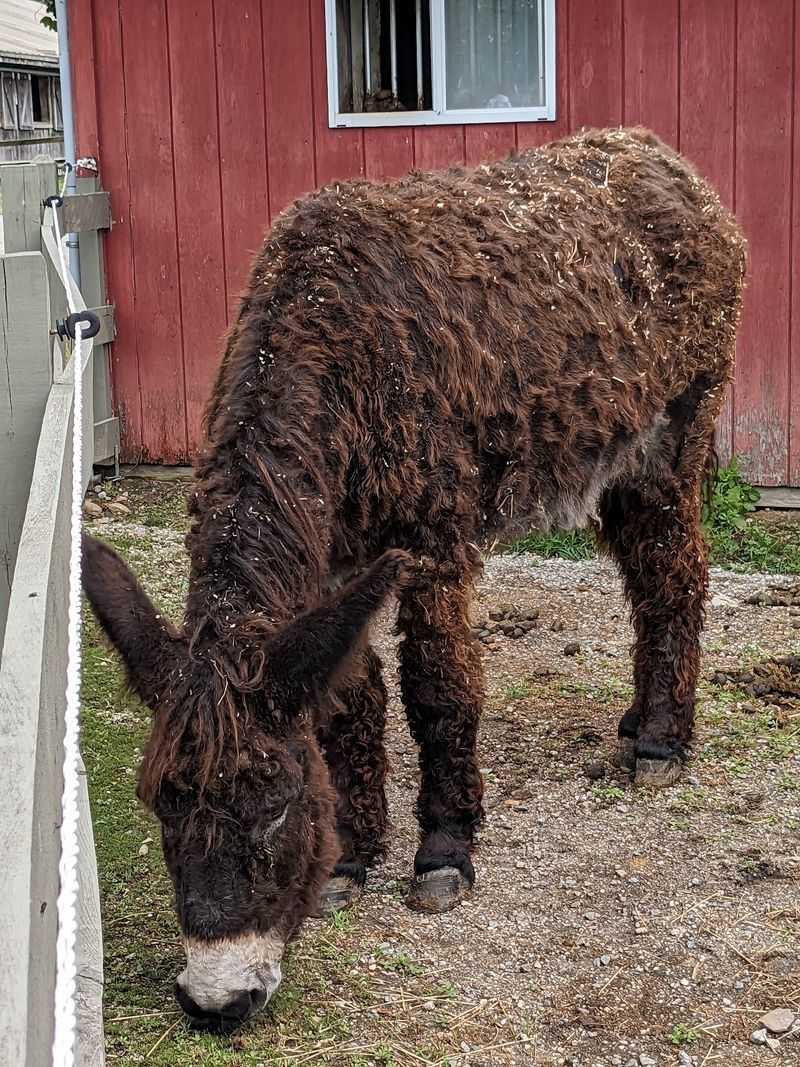
Long ears rising above a fence can stop a whole family in its tracks. Donkeys are among the animals visitors have reported seeing at Ray of Light Farm, and their curious faces invite children to pause and look closely. For a child who has only seen donkeys in books, noticing their sturdy bodies and alert ears can be exciting enough without rushing forward.
Start by asking a staff member whether approaching or touching a donkey is allowed that day. An animal may need rest or personal space, even when it looks friendly. If contact is permitted, encourage kids to stand calmly, keep their voices low, and follow the handler’s directions instead of reaching suddenly over a fence.
Watching is part of getting close, too. Kids can notice whether a donkey is eating, standing with another animal, or turning toward a sound. Try asking what its ears seem to be listening for, then explain that people cannot know exactly what an animal feels just by looking at it. That small reminder teaches respect while keeping the encounter fun. Leave snacks in your bag unless staff specifically provides or approves food, since the wrong treat could cause trouble for an animal with special needs. A patient hello is often the best one.
Goat Feeding Brings Plenty of Giggles
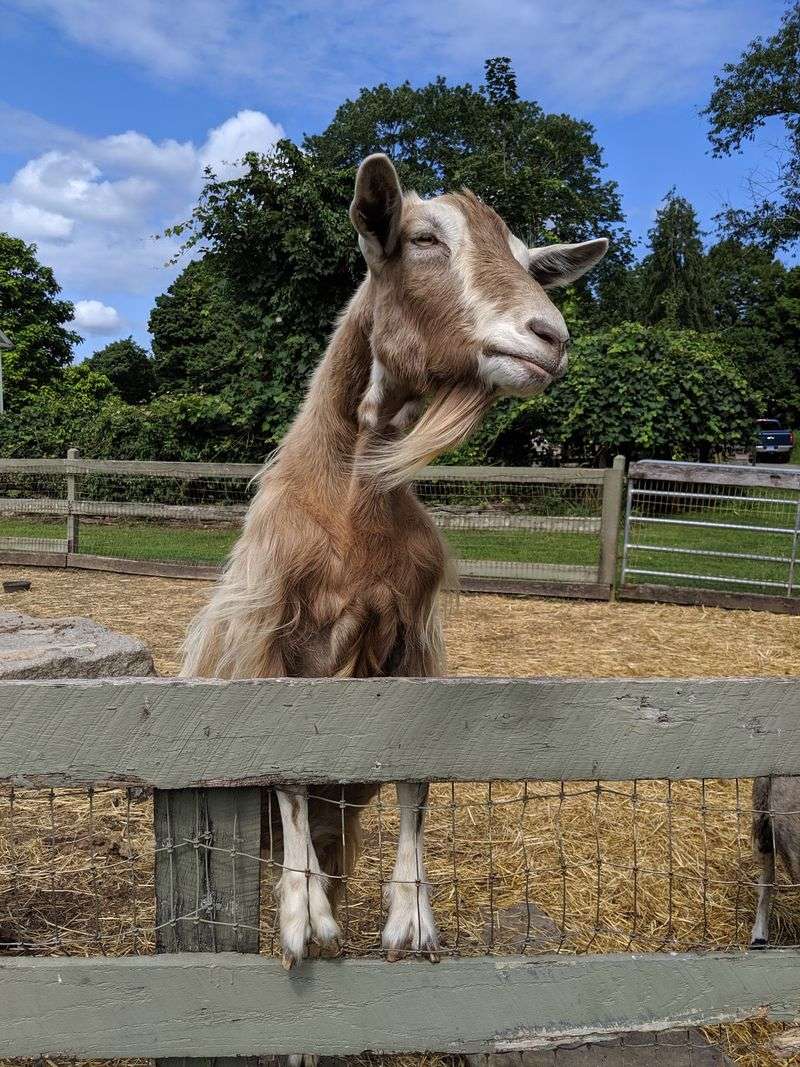
A goat spotting a cup of feed may become the quickest greeter on the farm. Visitors have often mentioned goat feeding as a favorite activity at Ray of Light Farm, especially for children who want more than a look from the path. The chance to offer food creates a close encounter, but it works best when kids understand the rules first.
Ask staff whether feed cups are available and what they cost during your visit. Older reviews mention inexpensive cups, yet prices and feeding times can change. Use only food supplied or approved by the farm, and have an adult help younger children hold the cup steady.
Goats can be eager eaters, so remind kids that a quick movement toward food is normal, not a reason to shout or chase them. If a child feels unsure, watching from beside a parent is still a complete farm experience. Take turns, keep fingers where staff directs, and step back once the feeding is over. A simple question, such as why goats need a planned diet, can turn all those giggles into learning. Bring a way to wash hands afterward, and always clean hands before eating, even if the interaction lasted only a minute. The goats get a safe snack, and children get a story to tell.
Small Animals, Careful Hands
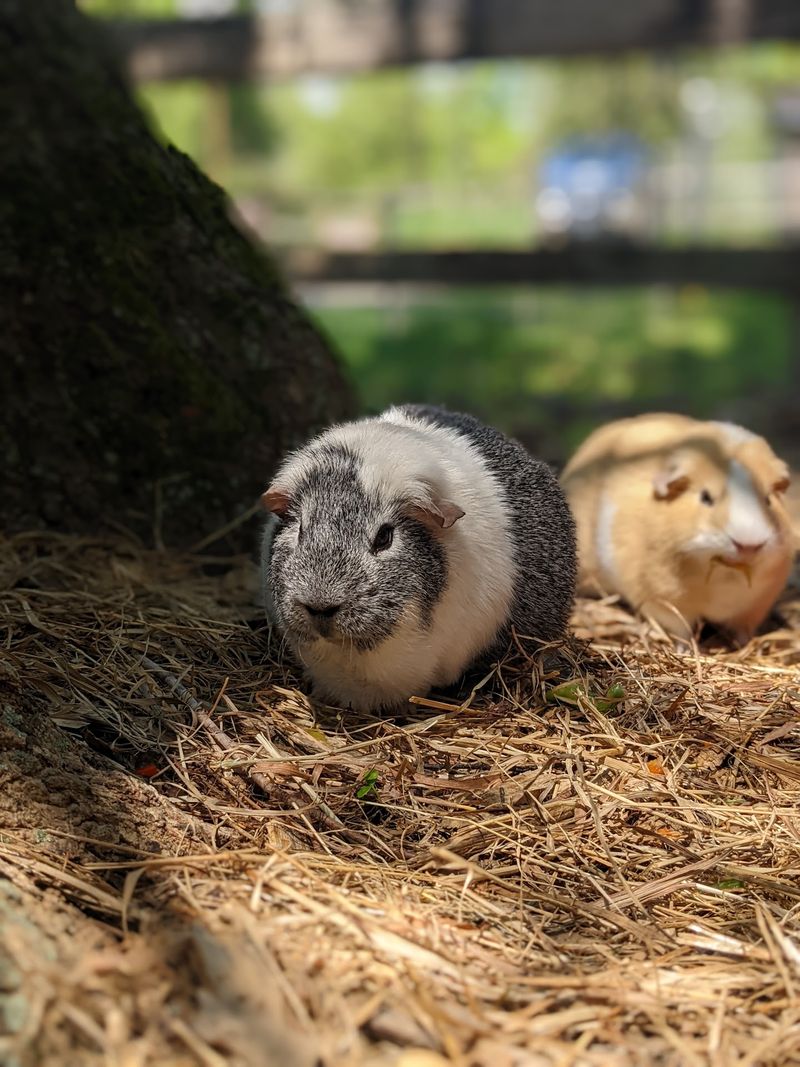
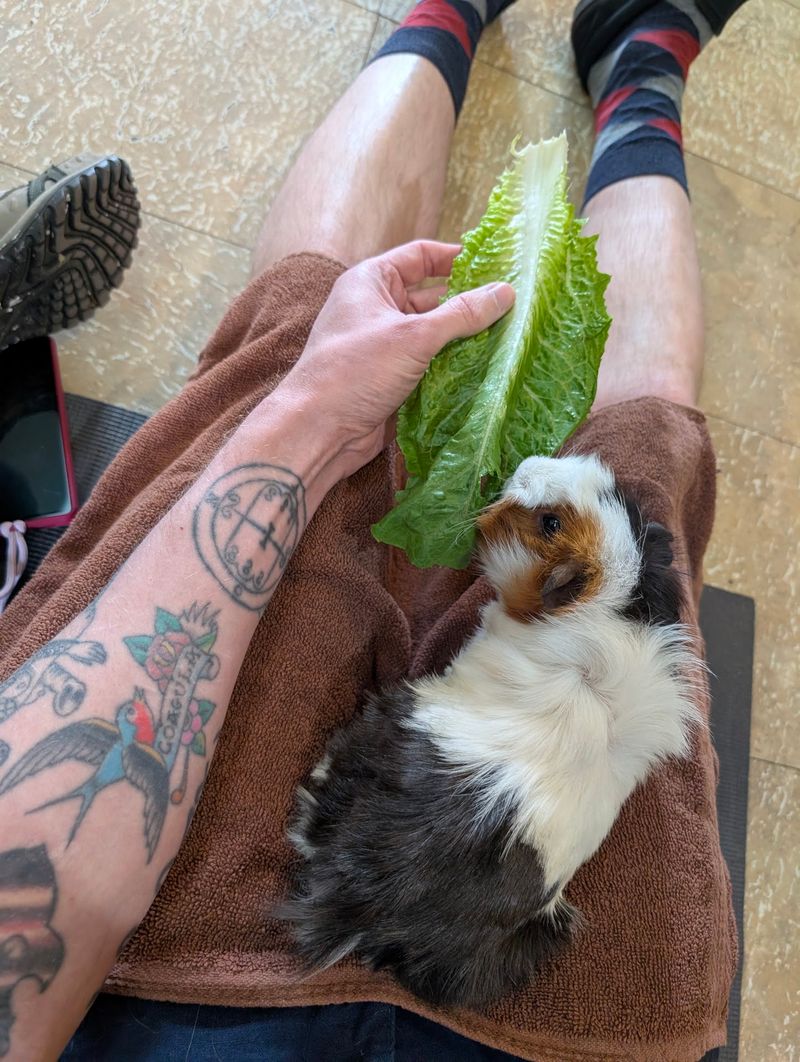
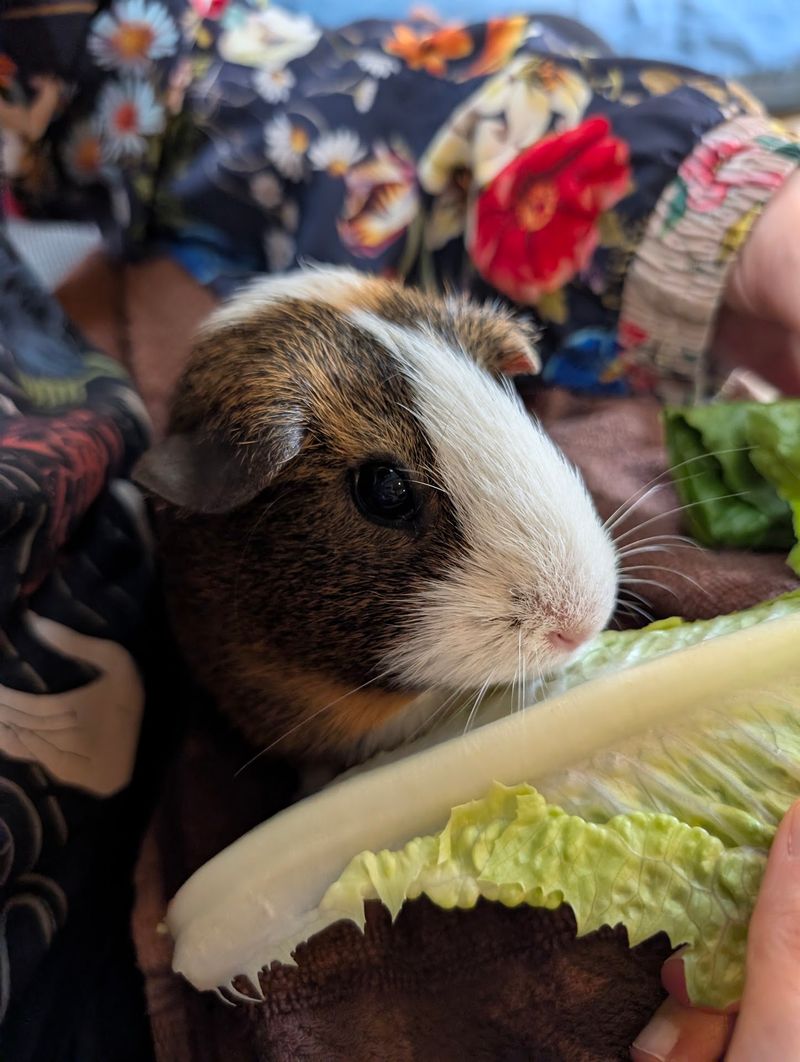
Not every memorable farm meeting comes with hooves and a loud greeting. Families have also praised close encounters with guinea pigs at Ray of Light Farm, where small animals can capture a child’s full attention. Watching a guinea pig nibble its food gives quieter kids a chance to connect without the size or energy of a goat.
Ask staff which small-animal activities are available before promising one to your child. Reviews describe guinea pig feeding, but experiences may depend on staffing, schedules, and the animals’ needs. If an encounter is offered, show children how to sit still and wait for instructions rather than lifting or grabbing an animal themselves.
Small bodies need careful handling, and even an excited child can learn to be soft and steady. Encourage your child to notice tiny details, like a guinea pig’s whiskers or the way it holds a piece of food. Keep voices gentle, give other families room, and accept it if staff says an animal needs a break. After the visit, wash hands thoroughly with soap and water before anyone eats a snack. For families with children who are nervous around larger animals, starting with a supervised small-animal experience may make the rest of the farm feel easier to explore.
More Neighbors Around the Barn
A feathered visitor or a horse near the barn might become the surprise favorite of the day. Guests have reported seeing a mix of animals at Ray of Light Farm, including horses, ducks, chickens, llamas, and other small residents. The animals present can change, so treat any list as a starting point rather than a promise.
Instead of racing from pen to pen, let your child choose one animal to watch for a few minutes. Ask what it uses to move, how it gets food, and whether it seems to prefer company or space. Comparing a bird’s quick steps with a horse’s slower walk makes an easy observation game that needs no supplies.
Keep to visitor paths and follow posted instructions, especially near gates and larger animals. A horse may look calm but still needs room to move, while birds can become stressed if people follow them too closely. Staff may offer guided or scheduled activities involving certain animals; check directly rather than assuming every encounter happens each day. Bring a camera if you like, but skip flash and never lean into an enclosure for a better picture. The best part of exploring is finding out which resident your child connects with and hearing their own reason why.
A Good Plan for Little Visitors
Farm days go better when nobody is hungry, hurried, or wearing slippery shoes. Ray of Light Farm can make an easy family outing, and visitors have described spending around an hour enjoying the animals. Your own pace may be faster or slower, especially if a child wants to watch every goat twice.
Dress for outdoor paths, check the weather, and bring water for your family. Tell children before entering that fences are boundaries, not invitations to climb, and that staff decides when an animal can be touched. A simple rule works well: look first, ask next, and move gently if invited closer.
Plan for handwashing after animal contact and before snacks, even if you also carry hand sanitizer. One visitor reported trouble finding a washing spot during an earlier event, so ask staff where facilities are when you arrive. If your child gets overwhelmed by noise or crowds, step aside together and take a short break instead of pushing through every activity. Letting kids help set the pace can keep the visit pleasant for them and calmer for the animals. Before leaving, do a final pocket check for dropped items, and remind everyone not to feed residents food from home.
Check the Schedule Before You Head Out
A little planning can prevent a disappointed child at a closed gate. The supplied listing shows Ray of Light Farm open Thursday through Sunday from 10 a.m. to 3 p.m., with Monday through Wednesday listed as closed. Hours, special events, and animal activities can change, so confirm the current schedule with the farm before traveling.
Its website is rayoflightfarm.org, and the listed phone number is 860-873-1895. Call if a particular experience matters to your family, such as goat feeding, a guinea pig activity, or a ride. Ask whether the activity requires a booking, has an extra charge, or depends on the weather and available staff.
Several visitors have described free admission and low-cost feeding options, but those reports are not a current price list. Check fees directly, bring a little money if you hope to buy approved feed, and consider a donation if you can. For young children, explain that an animal might be resting even when the farm is open. Making one flexible plan, such as watching the donkeys if feeding is unavailable, helps the day stay fun. Checking ahead also gives you a chance to ask practical questions about parking, restrooms, and accessibility for your group.
Take the Rescue Lesson Home
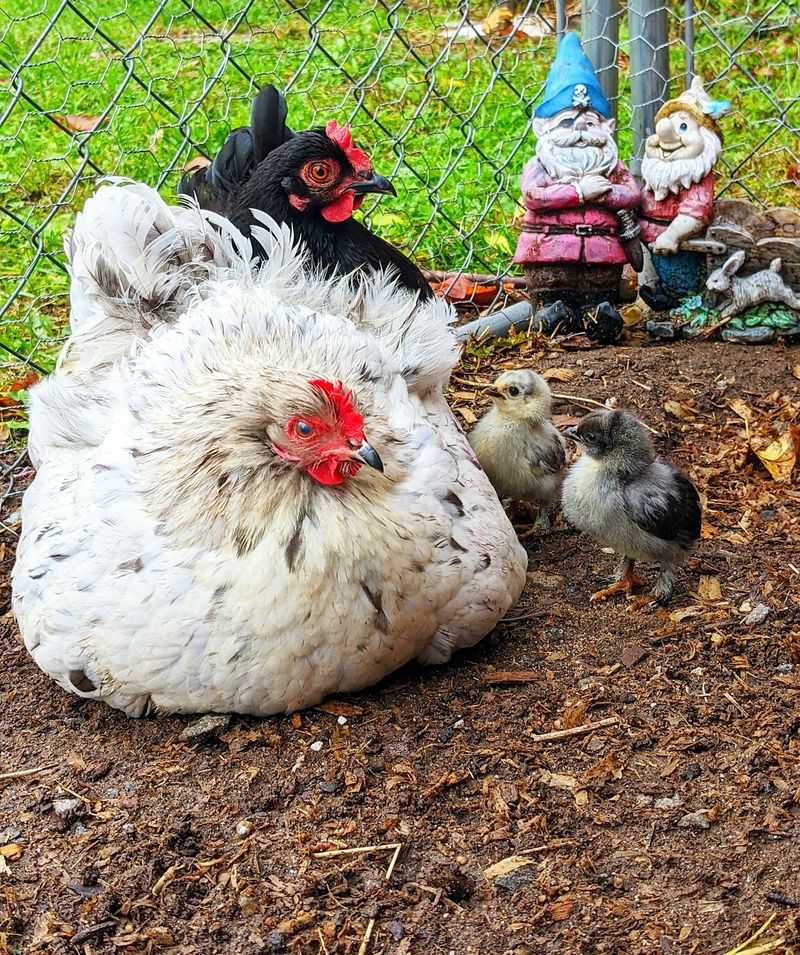
The ride home is a good time to ask which animal your child still thinks about. Maybe it was a donkey with watchful ears or a goat that hurried toward its food. Those small memories can open a larger talk about why rescued animals need steady meals, safe shelter, and people willing to care for them.
Ray of Light Farm is an animal rescue service, and visitors often mention its staff, volunteers, and mission in reviews. Ask a staff member how families can support the work if your child wants to help. Donations and purchases, when available, may be ways to contribute, but it is best to check what the farm currently needs.
Children can also help by being thoughtful guests. Respecting an animal’s space, using only approved feed, and listening to instructions protect the residents without costing anything. Back at home, invite your child to draw an animal they met and write down one fact they learned about caring for it. A drawing can become a reminder that rescue is not just about a happy meeting; it is about care that continues after visitors leave. That idea gives a simple farm trip a meaning kids can carry into how they treat animals everywhere.