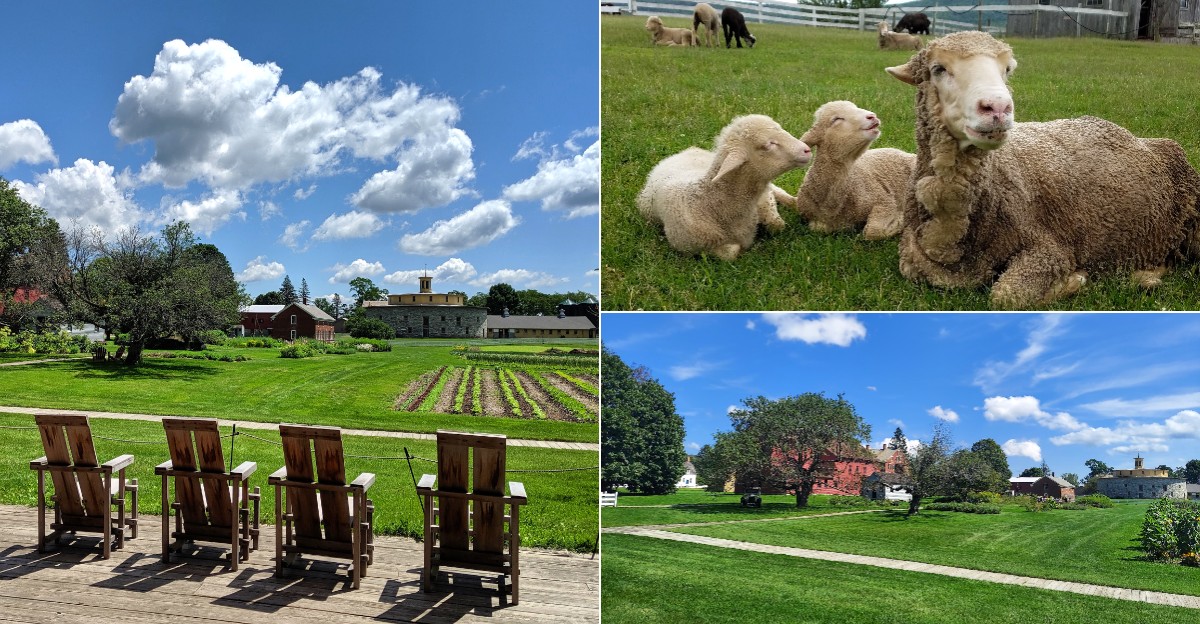
A striking round stone barn rises from green Berkshire fields, hinting at the fascinating community that once lived and worked here.
Hancock Shaker Village, on the edge of Pittsfield in the Massachusetts Berkshires, preserves the home of a Shaker community that thrived for nearly two centuries.
Historic buildings, simple wooden furniture, and thoughtful craftsmanship reveal how the Shakers lived, worked, and worshipped.
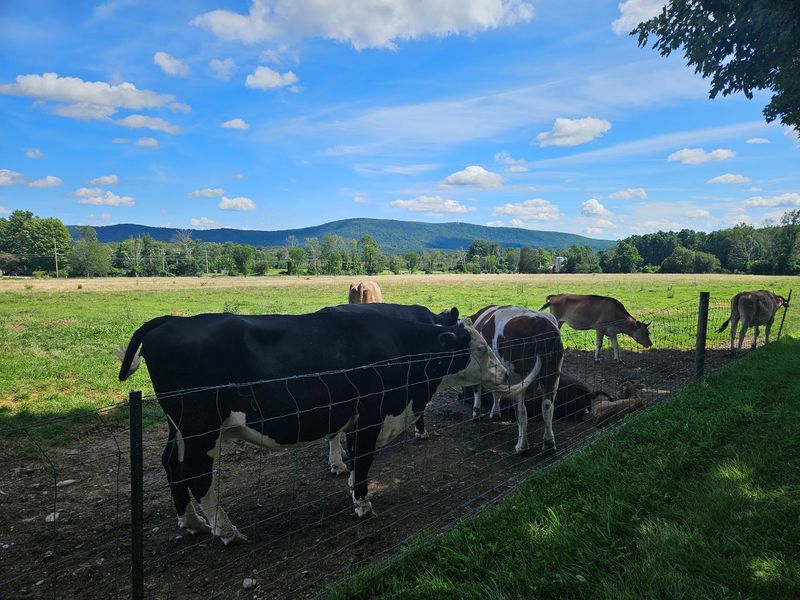
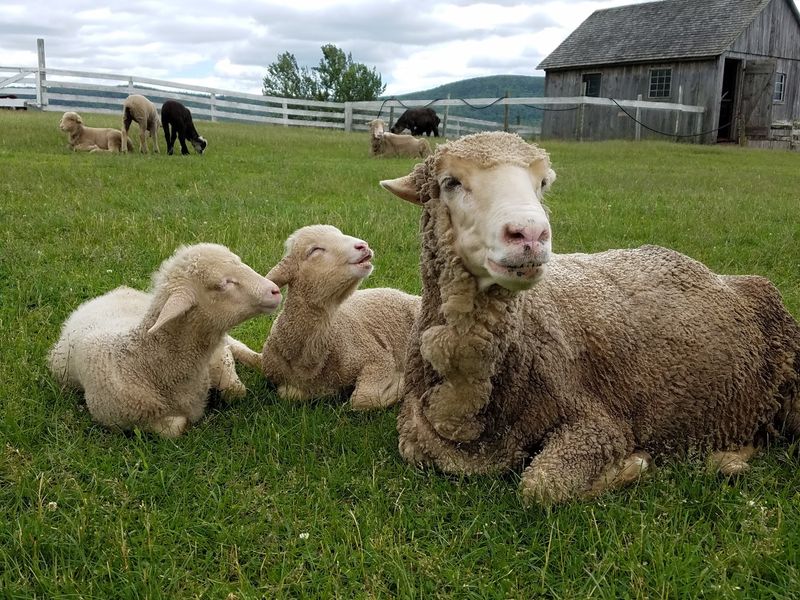
The village is still a working farm, where kids can meet cows, sheep, goats, pigs, and chickens up close.
Hands-on activities, gardens, and seasonal events make it easy for families to learn while having fun.
Wear comfortable shoes, pack a picnic, and plan to spend a relaxed day exploring this peaceful piece of history.
Meet the Farm Animals
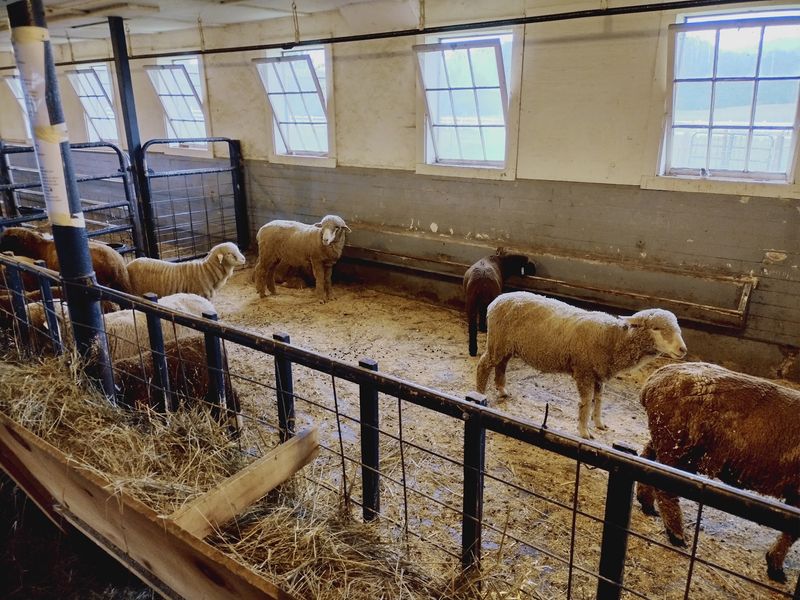
A curious nose at a fence can stop a whole family in its tracks. The farm animals are an inviting reason to explore Hancock Shaker Village in Hancock, Massachusetts, but they also help tell a larger story. Families can talk about why a farming community needed animals and how daily care shaped its work.
Begin by letting kids watch quietly before trying to get closer. Ask what an animal is eating, where it can find shade, or how its shelter keeps it safe. Those small questions turn a quick look into a lesson about responsibility. Animals can have different routines and may not always be near a viewing area, so leave time to explore rather than promising a particular encounter.
Follow posted signs and staff instructions, and never offer food unless a staff member specifically invites it. A calm voice and a little space make the visit better for animals and people alike. Handwashing after time near animals is a smart habit, especially before snacks. If your child feels shy, watching from farther away still counts as meeting the farm. The best moment may be something simple, like noticing how carefully an animal moves through its familiar home.
See How a Working Farm Fits the Story
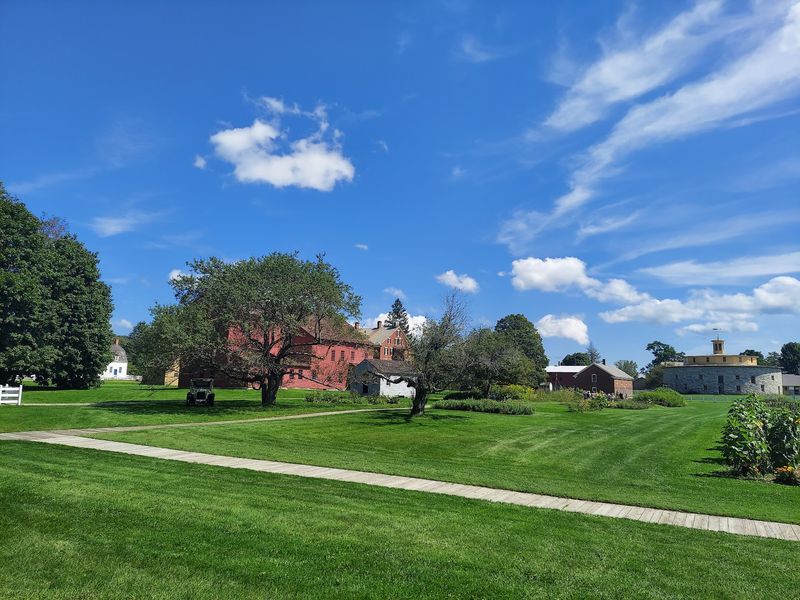
Fields and barns make the old village feel less like a picture in a history book. Farming was part of the Shakers’ daily work, alongside building, making goods, and caring for their community. At the village today, the farm setting helps children connect those jobs to the land around them.
Invite kids to look for clues as they walk. A barn needs room for animals and supplies, while a path makes it easier to move between places where work happens. Ask your family to imagine carrying feed, tending a garden, or finishing chores before dinner. The point is not to pretend the past was easy. It is to notice how much planning and effort ordinary days required.
Some farm activities change with the season, weather, and the village’s schedule. Check current visitor information before you go if seeing a particular demonstration matters to your family. Once there, give children time to compare what they see with a farm today. Which jobs still need human attention, even when tools have changed? A working landscape gives them something valuable to take home: a clearer picture of where food and other everyday necessities begin.
Look Inside the Round Stone Barn
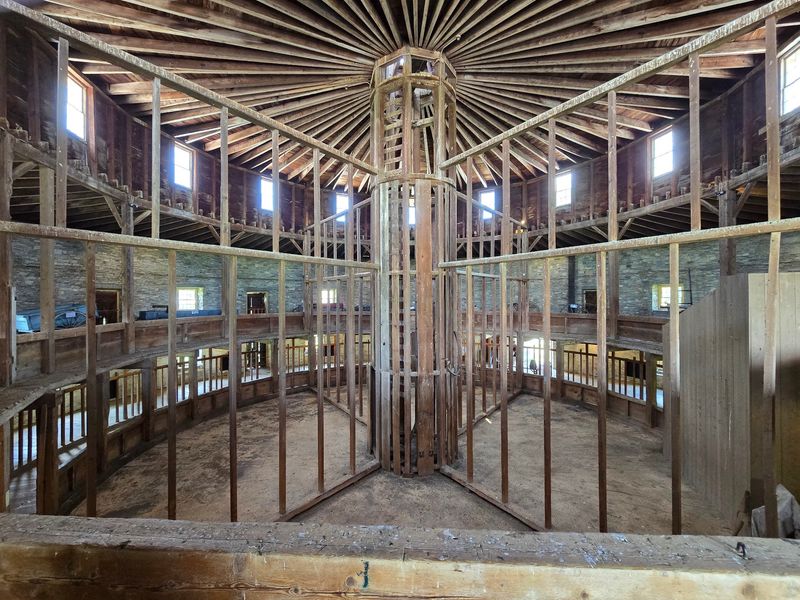
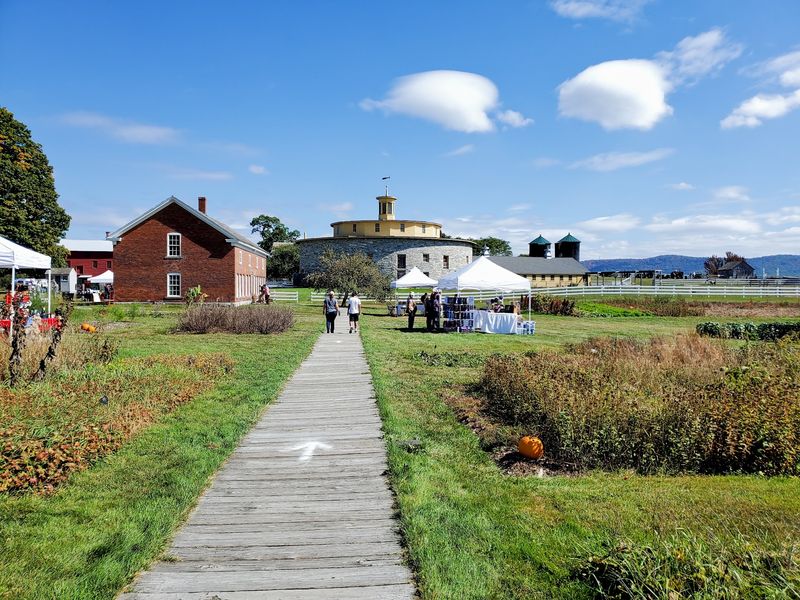
A round barn is the kind of building that makes kids stop and ask, why that shape? The Round Stone Barn is one of the village’s most striking sights and a memorable place to discuss practical design. Its circular form supported an organized way to move feed, animals, and workers through farm chores.
Before reading an exhibit sign, challenge your group to make a few guesses. How might the shape help people carry out repeated tasks? Where would supplies need to go so workers could reach them? Then look for explanations on site and compare them with your ideas. Children do not need to know every building term to understand that a useful structure solves a problem.
Spend a moment noticing the stonework, the scale, and the spaces around the barn. The building was made for work, not just for photographs, and that purpose makes it even more interesting. Access to particular areas can change, so respect barriers and follow the visitor route available on your trip. If you can go inside, slow down and observe how the layout guides your eyes. If you cannot, the outside still offers a terrific lesson in how creative design can make a demanding job more manageable.
Step Into Shaker History
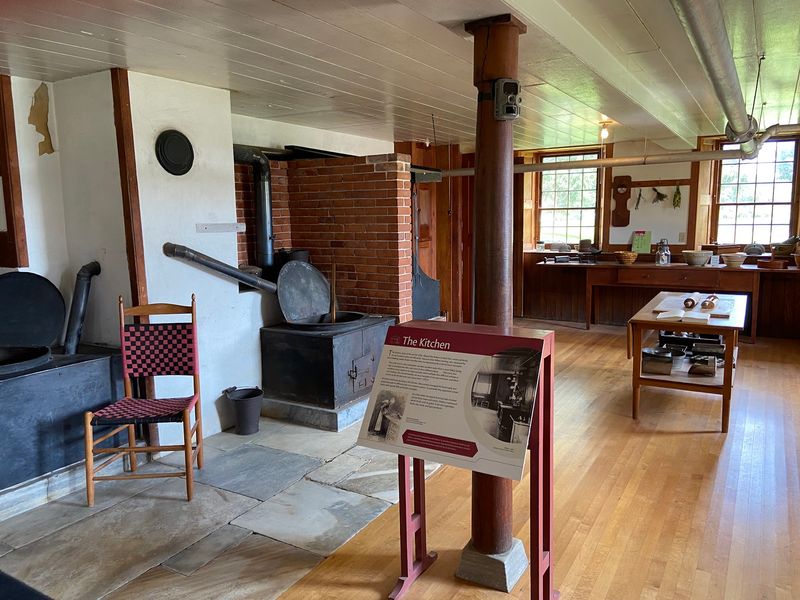
Quiet rooms can tell lively stories when children know what to look for. Established in 1790, the former Shaker community is now a museum where preserved buildings help visitors learn about its history and culture. The Shakers lived and worked together, and their choices shaped everything from rooms to daily routines.
Try giving each child a small mission before entering a building. One might search for storage spaces, while another notices tools or signs of shared work. Ask what seems familiar and what feels different from home. These observations are easier to remember than a long list of dates. They also open the door to thoughtful questions about how people lived together.
Museum spaces deserve a gentle pace. Keep hands off objects unless signs or staff clearly invite touching, and leave room for other visitors to see. You can make the experience playful without treating the buildings like a playground. Have kids choose one detail they would describe to a friend who could not come. Maybe it is a doorway, a work space, or an unexpectedly clever feature. By the end of the visit, history feels less distant because it has walls, floors, and real places where people once spent their days.
Spot the Thinking Behind Simple Design
Not every clever invention flashes, beeps, or runs on batteries. Shaker design often focused on making useful things carefully, and the village gives families many chances to notice that approach. A plain piece of furniture or a tidy work space can spark a conversation about what makes an object helpful.
Ask your child to pick one feature and explain its job. Does it save space, hold supplies, or make cleaning easier? Then imagine changing it for a different task. That simple game turns looking into problem solving, especially for kids who enjoy making things with their hands. It also shows that simple does not mean careless.
Pay attention to materials and construction as you move through exhibits and historic spaces. People had to think about what they could build, maintain, and use again and again. Staff explanations and exhibit labels can add context when a detail is hard to figure out alone. Back at home, let kids sketch a practical idea inspired by the visit, such as better storage for art supplies. No special skills are needed. The goal is to see design as a series of choices that can make everyday work a little smoother.
Watch for Seasonal Farm Changes
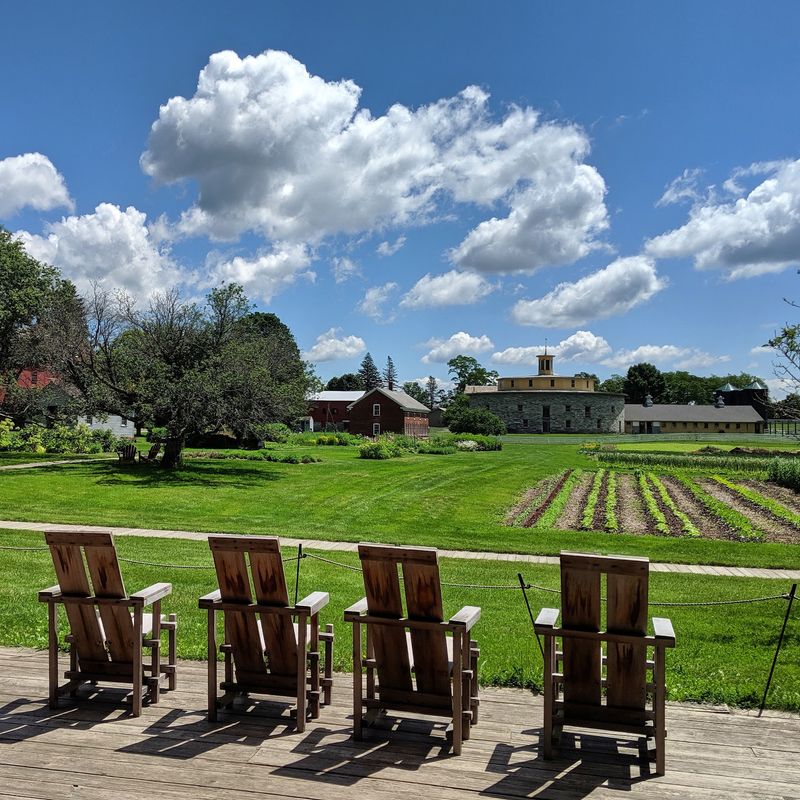
A farm never looks quite the same all year, which gives repeat visits a fresh angle. Changes in plants, weather, and animal routines can help kids understand that farm work follows the seasons. Rather than expecting one fixed experience, treat each trip as a chance to notice what is happening now.
Before leaving home, check the village’s current calendar, hours, and visitor updates. Special programs and demonstrations may be offered at certain times, while outdoor conditions can affect what families see. A quick check helps you set realistic expectations without spoiling the surprise of exploring. Dress for walking outside, and bring layers if the forecast might shift.
Once you arrive, give children a seasonal scavenger hunt that does not require collecting anything. They can point out a plant at a new stage, a sign of changing weather, or a job someone might need to do that month. Leave flowers, crops, and other living things where they are. If you return another season, compare what changed instead of trying to repeat the same day. That habit makes the farm’s calendar feel real. It also reminds kids that caring for animals and land is steady work, even when visitors see only part of it.
Give Curious Kids Room to Ask
One unexpected question can become the best part of a museum day. Why was a barn built that way? Who did the chores? What did children do here long ago? The village offers plenty of starting points for conversations, even if no one in your group knows the answers right away.
Let kids lead for a few minutes at each stop. When something catches their eye, read the nearby sign together or ask a staff member if someone is available. It is fine to say, I do not know, and look for an answer. That response shows children that learning can be shared rather than tested. Keep questions short enough that younger visitors do not feel stuck in a lesson.
A simple comparison works well when attention starts to fade. Ask kids to choose one job they would want to try and one they might find difficult. Their answers can lead naturally to talk about cooperation, tools, and the care animals need. If a program is taking place during your visit, follow its guidance and save questions for an appropriate moment. Leaving space for curiosity helps the whole family notice more than a rushed walk could reveal.
Plan a Comfortable Family Visit
Good shoes may matter more than a packed schedule on a day at the village. Families can enjoy the animals, buildings, and farm setting without trying to see every corner at once. Choosing a few priorities makes the outing easier for kids who need breaks or prefer a slower pace.
Check official visitor information before you travel for current hours, admission, programs, and accessibility details. Farm activities and access to particular spaces can vary, so a plan with room to change works best. Bring water and dress for the weather, especially if you expect to spend time outdoors. Keep snacks for an appropriate eating area and wash hands after visiting animal spaces.
When you arrive, pick an easy meeting spot and talk about staying together near animals and historic buildings. Let each child choose something they hope to see, whether that is the barn, an animal, or an old room. Take a break before everyone gets tired, not after. On the way home, ask each person to share one surprising thing they learned. A relaxed visit can leave children with a lasting idea: farms, buildings, and communities all depend on people paying attention and doing their part.