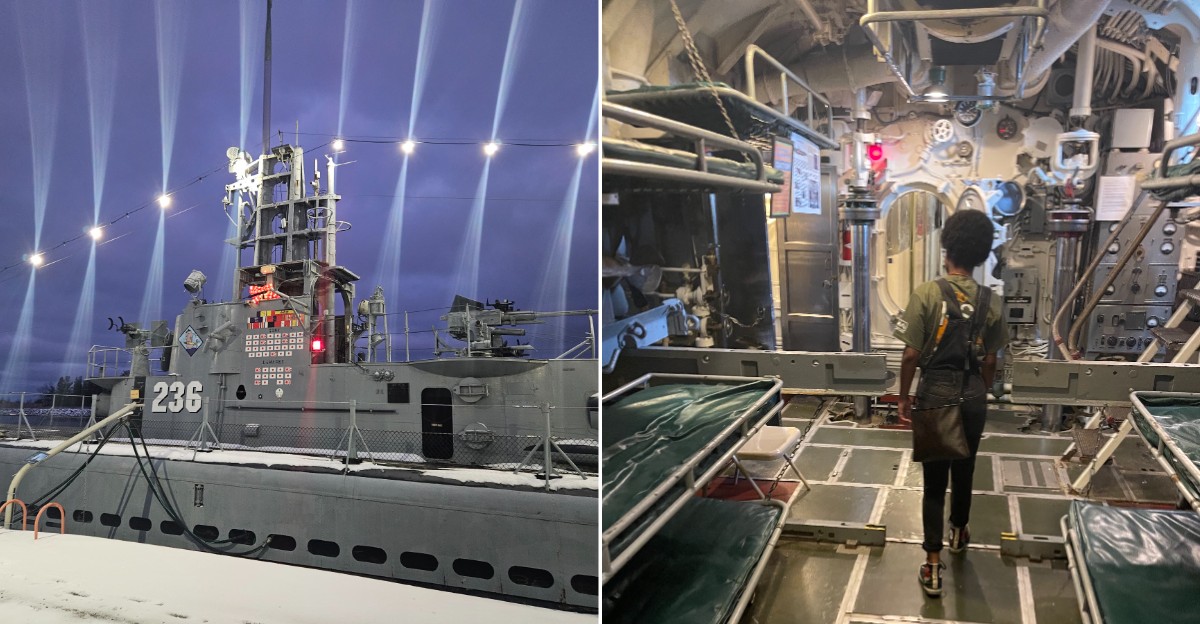
Imagine turning off the lights after climbing into a narrow metal bunk, with the walls of a World War II submarine surrounding you. In Muskegon, Michigan, that unusual overnight experience is possible aboard the USS Silversides at the USS Silversides Submarine Museum, where kids can step into the cramped spaces once occupied by American sailors.
Located at 1346 Bluff St., the museum gives young visitors a chance to explore real passageways, see the torpedo rooms, and experience the tight sleeping quarters firsthand. Staying overnight makes history feel remarkably close: bunks replace hotel beds, steel doors stand where ordinary room entrances would be, and every narrow corridor offers another glimpse into life aboard a wartime submarine.
For families and youth groups, it is an experience built around curiosity rather than simply looking at exhibits behind glass. From the first steps aboard to settling into a sailor’s bunk, there are plenty of details waiting to make the past feel surprisingly real.
A Night Below Deck That Feels Like Time Travel
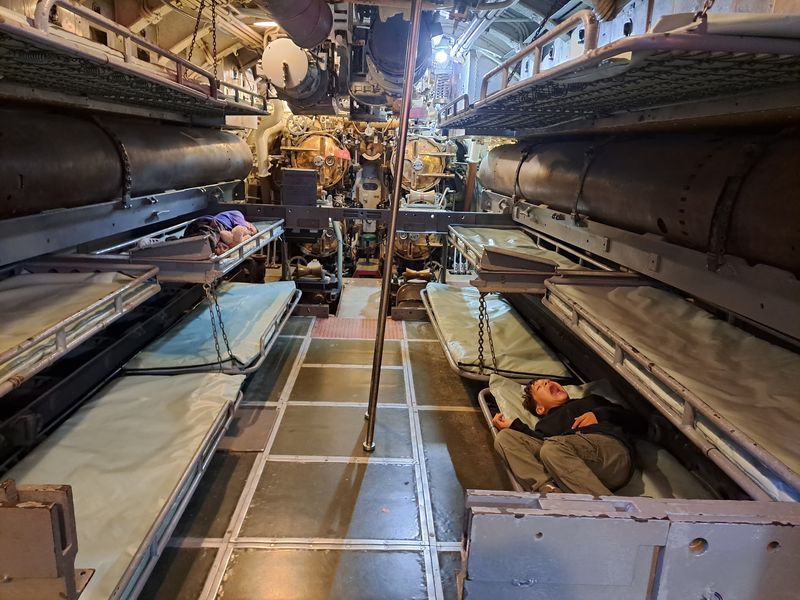
The first clang of a hatch can make the whole evening feel different. Kids step from daylight into a narrow steel world where every pipe, ladder, and dial seems to hold a secret.
At the USS Silversides Submarine Museum in Muskegon, the overnight program lets groups spend the night aboard a real World War II submarine. It is not a pretend ship or a themed hotel.
It is the USS Silversides, SS-236, a historic Gato-class submarine with a serious wartime record.
Families should know the experience is best for organized groups, such as Scouts, schools, or youth clubs, with advance planning required. Bring sleeping bags, comfortable clothes, and a sense of adventure.
The space is tight, the air can smell like old machinery, and that is part of what makes it memorable.
Children leave with more than a fun story. They understand, in a simple and physical way, how sailors lived with courage in close quarters far from home.
Real Sailors’ Bunks Make History Feel Personal
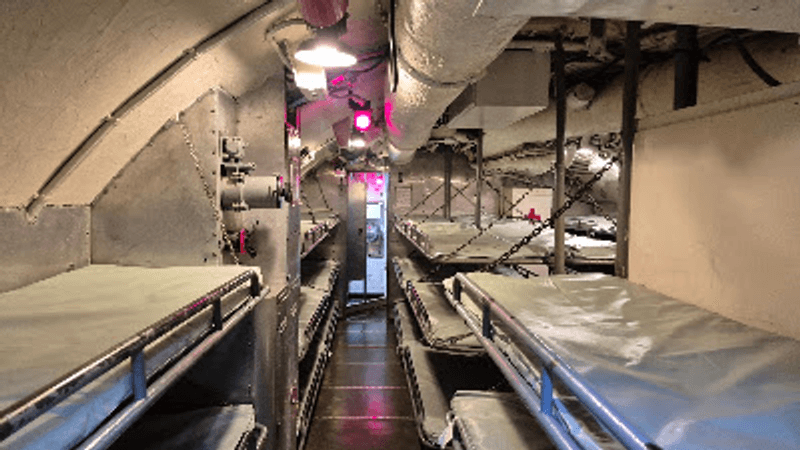
A bunk that barely has room to roll over can teach a lesson faster than a textbook. When kids see those stacked sleeping spaces, the idea of submarine life suddenly becomes real.
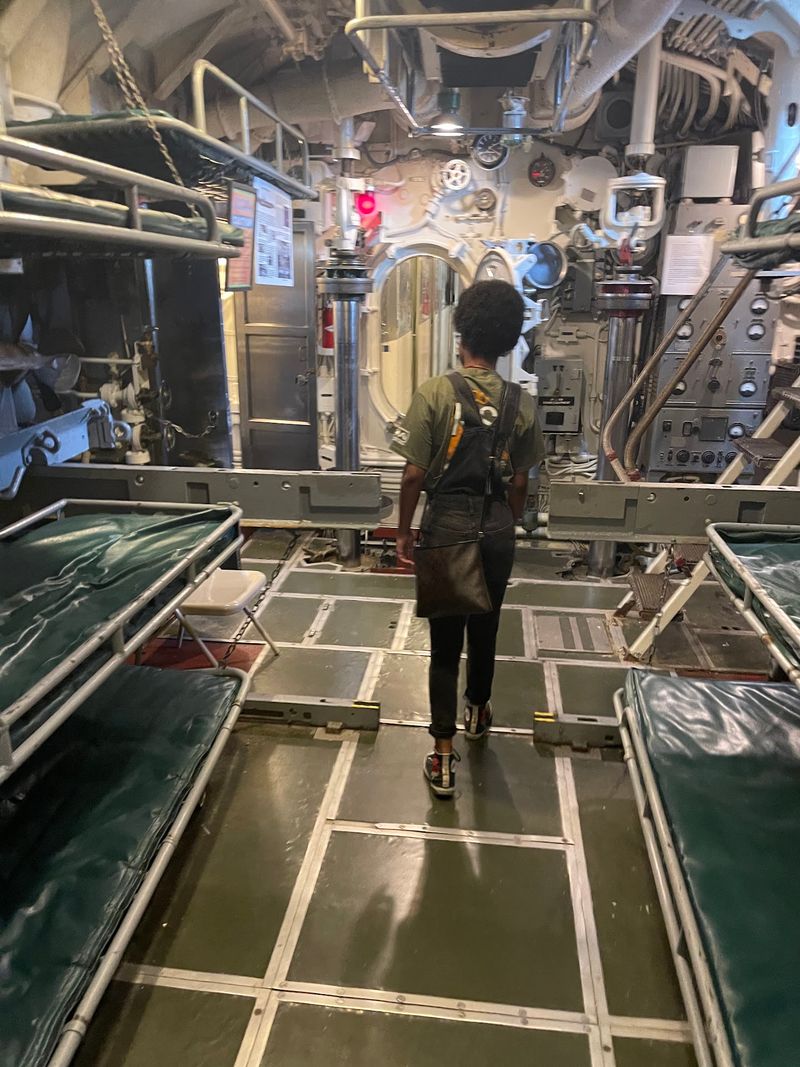
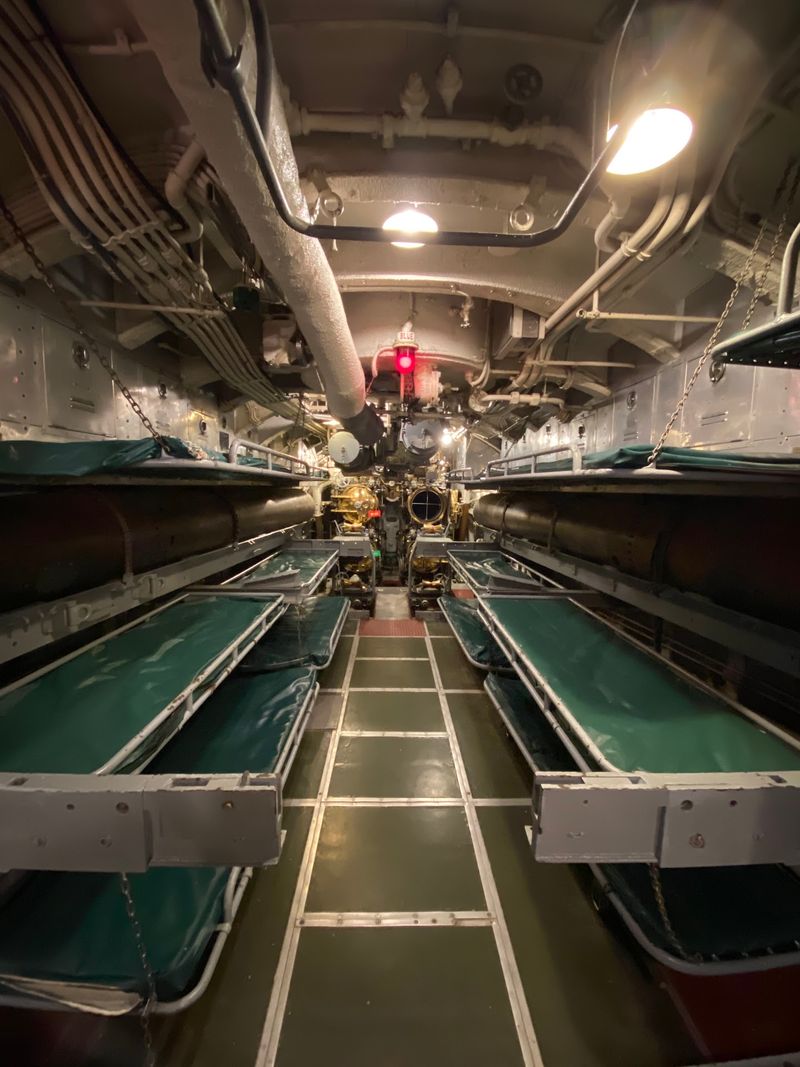
During the live-aboard experience at the USS Silversides Submarine Museum, overnight guests sleep in narrow berths like the ones used by wartime sailors. Some groups may sleep in areas such as the torpedo room or crew quarters, depending on arrangements and availability.
The bunks are practical, close together, and far from fancy.
That simplicity is the point. A child who complains about a small bedroom may look around and realize that dozens of sailors once shared every inch of this vessel while crossing dangerous waters.
Parents can use the moment to talk about teamwork, patience, and service.
Pack light, because there is little extra room. A flashlight, toiletries, and a snug sleeping bag are usually more helpful than a big backpack full of extras.
The WWII Submarine Has a Battle Record Kids Remember
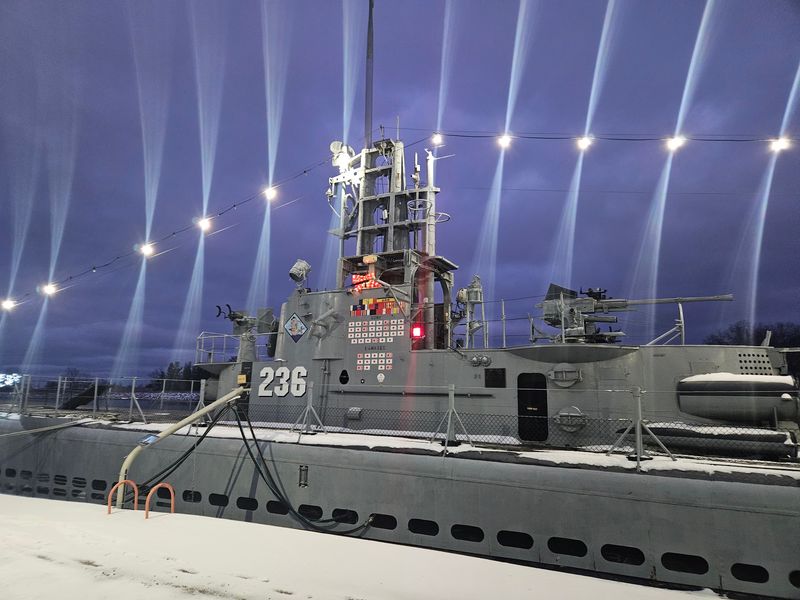
Some museum objects sit quietly behind glass, but this submarine has a story with teeth. The USS Silversides was not just present during World War II, it was one of the Navy’s most successful submarines.
Docked today at the USS Silversides Submarine Museum, the vessel completed 14 war patrols in the Pacific. It is credited with sinking 23 enemy ships and earned 12 battle stars, along with a Presidential Unit Citation.
Those numbers can sound big, so guides and exhibits help turn them into stories kids can understand.
One especially strange wartime tale involves the submarine’s periscope becoming tangled in a fishing net marked with Japanese flags. Another famous moment was the first recorded appendectomy aboard a submarine, performed on the mess hall table.
Details like those keep young visitors listening. They show that history is made of danger, quick thinking, odd surprises, and real people doing hard jobs under pressure.
Tight Passageways Turn the Tour Into an Adventure
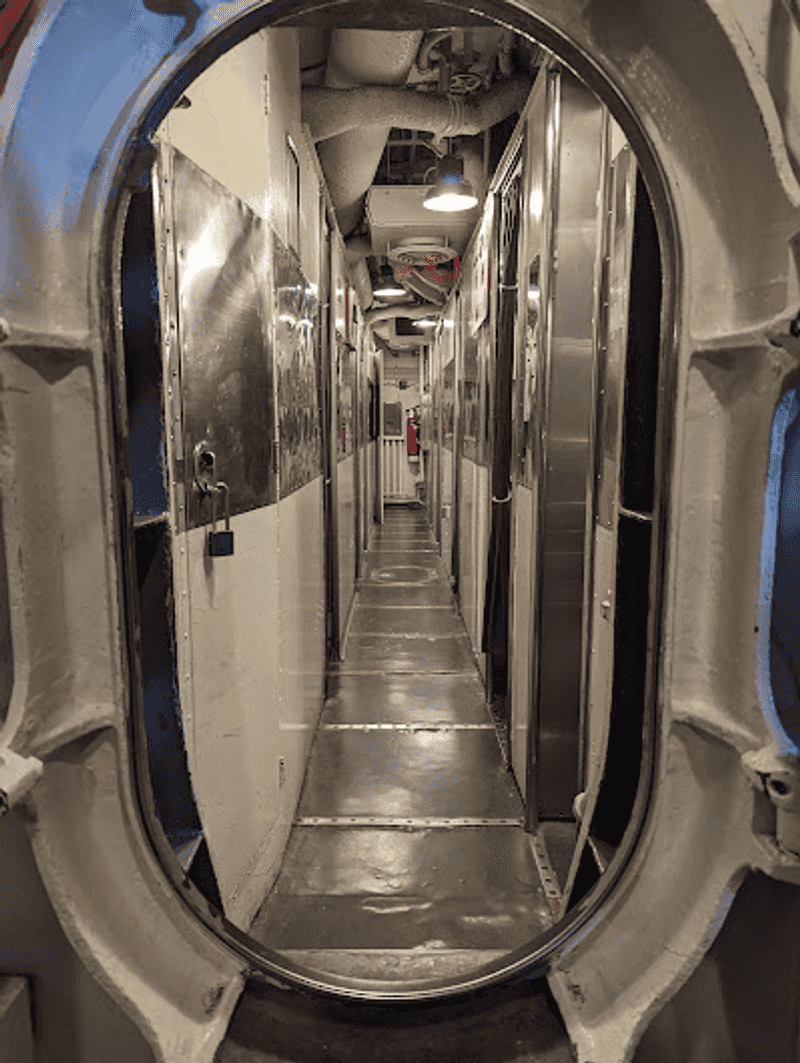
The tour quickly becomes a full-body experience. Visitors duck, turn sideways, grip railings, and squeeze through round hatches that make the submarine feel more like a maze than a museum.
Inside the USS Silversides Submarine Museum’s main vessel, kids can move through spaces where sailors worked, ate, slept, and stayed ready for battle. The control room is packed with gauges and wheels.
The torpedo rooms show how little open space the crew had when equipment filled nearly everything.
Parents should prepare children before entering. The submarine has ladders, low doorways, and narrow passages, so closed-toe shoes are a smart choice.
Visitors who feel nervous in tight spaces can still enjoy the museum building and theater, which may show helpful video views of the interior.
For many kids, the challenge becomes part of the fun. Every hatch feels like a small victory, and every compartment makes the past feel closer.
Hands-On Exhibits Keep Restless Kids Curious
Not every child wants to stand still and read wall panels. Luckily, this museum gives busy hands something useful to do.
The USS Silversides Submarine Museum includes interactive exhibits that help explain submarine history, naval technology, and World War II service. Kids may look through a periscope, try model controls, study artifacts, and watch films that explain what life aboard the submarine was like.
The two-story museum building works well before or after the onboard tour.
Groups can also find educational programs with science and engineering connections. Past activities have included lessons about buoyancy and remotely operated vehicles, which help children understand how underwater machines move and float.
That blend of history and STEM makes the visit feel active instead of dusty.
Allow enough time for slower learners and curious question-askers. A quick stop can be fun, but a longer visit gives children room to connect the exhibits with what they see aboard the submarine.
The Coast Guard Cutter Adds a Second Ship Story
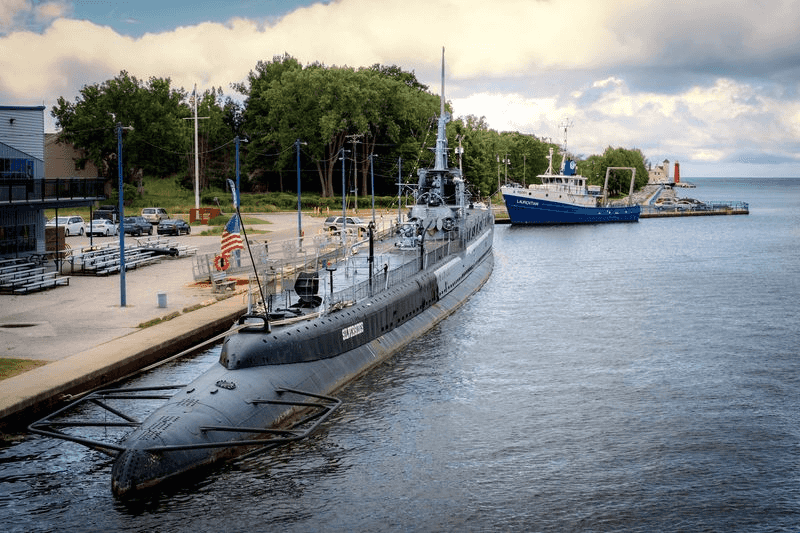
Just when kids think the submarine is the whole adventure, another historic vessel waits nearby. The USCGC McLane gives the museum visit a wider look at life on the water during wartime.
At the USS Silversides Submarine Museum, this Coast Guard cutter is docked alongside the submarine and may be included in the broader experience. Unlike the underwater Silversides, the McLane served as a surface patrol vessel.
Its spaces can feel different, sometimes a little easier to move through, which helps visitors compare two kinds of military service.
The cutter has its own proud history, including World War II service. Exploring it after the submarine can help kids notice how jobs changed from ship to ship.
They may compare sleeping areas, deck views, and the way sailors worked above the water instead of beneath it.
For larger groups, the McLane can also help support overnight programming when arranged through the museum. It adds variety and keeps the visit from feeling one-note.
Group Overnights Build Teamwork in a Steel Time Capsule
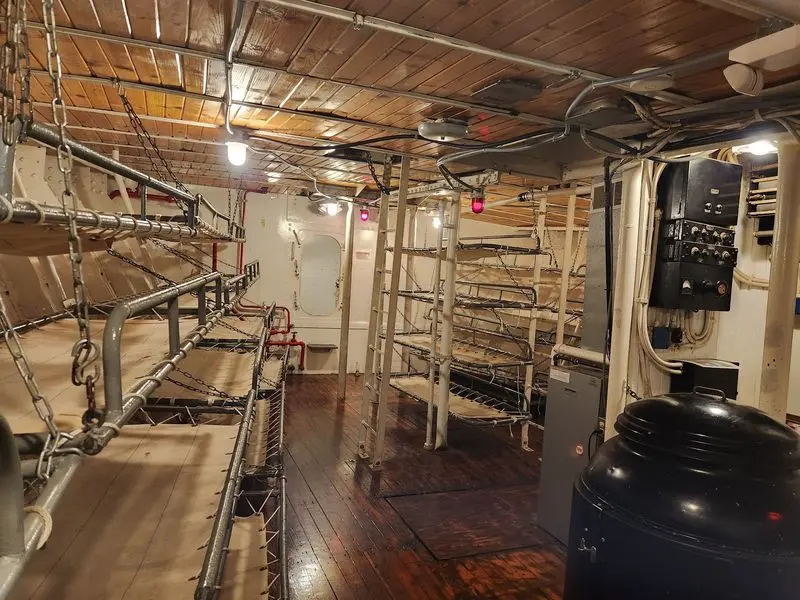
Something changes when a group spends the night in a place built for teamwork. Friends whisper in bunks, leaders count heads, and everyone learns quickly that space must be shared.
The overnight adventure at the USS Silversides Submarine Museum is designed for groups, commonly including Scout troops, school groups, youth organizations, and adult teams. The program generally requires a minimum number of participants, so planning ahead matters.
The submarine can hold many overnight guests, but arrangements should always be confirmed directly with the museum.
Evening schedules can vary, yet groups often mix touring, learning, meals brought or arranged separately, and quiet time aboard the vessel. Some visitors have shared memories of pizza in the museum, films, demonstrations, and sleeping near historic compartments.
The best part may be what happens between the planned activities. Kids help each other climb through hatches, compare bunks, and lower their voices when the lights go down.
It becomes a shared story they retell for years.
Waterfront Views Give the Visit a Michigan Feel
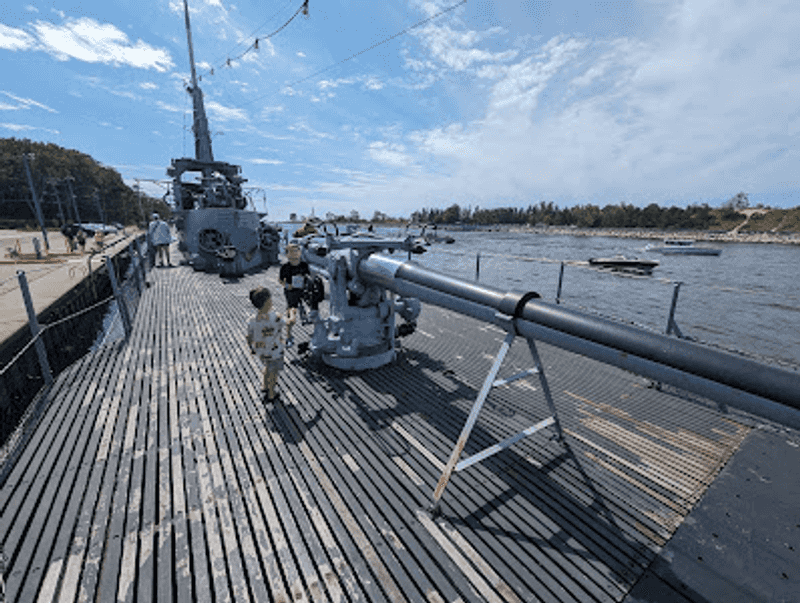
Before stepping below deck, the setting already feels special. The museum sits near the Muskegon waterfront, where boats, open sky, and lake air give the visit a strong Michigan flavor.
The USS Silversides Submarine Museum is located at 1346 Bluff St in Muskegon, close to the Lake Michigan shoreline area. That makes it easy to pair the museum with a beach stop, a harbor walk, or a simple picnic-style break before heading home.
The outdoor views help balance the tight submarine spaces with fresh air.
Families visiting with younger children may appreciate that contrast. After exploring ladders and narrow rooms, kids can stretch their legs outside and talk about what they saw.
The water nearby also helps them imagine the submarine’s original world, even though its wartime patrols happened far from Michigan.
Bring a light jacket if the breeze picks up near the water. Even on sunny days, the lakeshore can feel cooler than expected.
Smart Planning Makes the Overnight Smoother
A little preparation can turn a cool idea into a smooth family memory. The submarine is exciting, but it is still a historic vessel with limits, rules, and tight spaces.
For the USS Silversides Submarine Museum, visitors should check current hours, admission details, and overnight availability through the official website or by phone before traveling. The museum is typically open daily during posted hours, but schedules can change.
Overnight stays require advance booking and are meant for qualifying groups, not casual walk-in sleepovers.
Pack simply for children. A sleeping bag, pillow, small toiletry kit, water bottle, and comfortable clothes should cover most needs.
Bulky luggage is not your friend inside a submarine. Closed-toe shoes are helpful for ladders and metal flooring.
Also confirm any preservation work before promising kids a bunk night. The submarine has planned dry dock work from July 14 to October 16, 2026, during which submarine tours and overnights are expected to be unavailable.
A Family Story That Lasts Longer Than the Trip
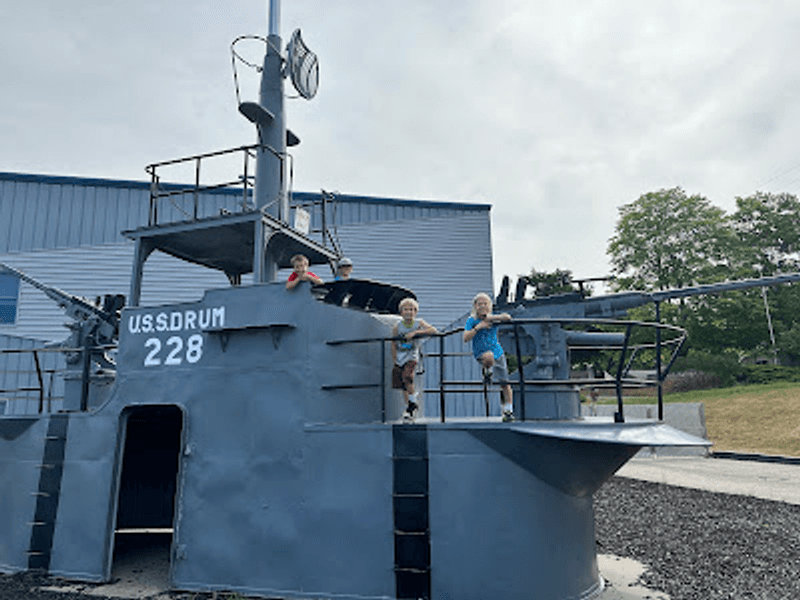
Long after the gift shop bag is forgotten, kids may still remember the sound of metal under their shoes. Places like this stay with families because they make history feel close and human.
At the USS Silversides Submarine Museum, the biggest reward is not only seeing a famous World War II submarine. It is watching children connect small details to big ideas.
A bunk becomes a lesson about sacrifice. A narrow hatch becomes a lesson about bravery.
A periscope becomes a lesson about watching carefully when lives depend on it.
The museum works for history fans, curious kids, grandparents, and group leaders searching for something beyond another ordinary outing. With strong reviews, knowledgeable staff and volunteers, and a preserved submarine visitors can board, it offers a rare mix of education and adventure.
Go for the bunks if your group can arrange the overnight. Stay for the stories, because those are what turn a Muskegon stop into a lasting memory.