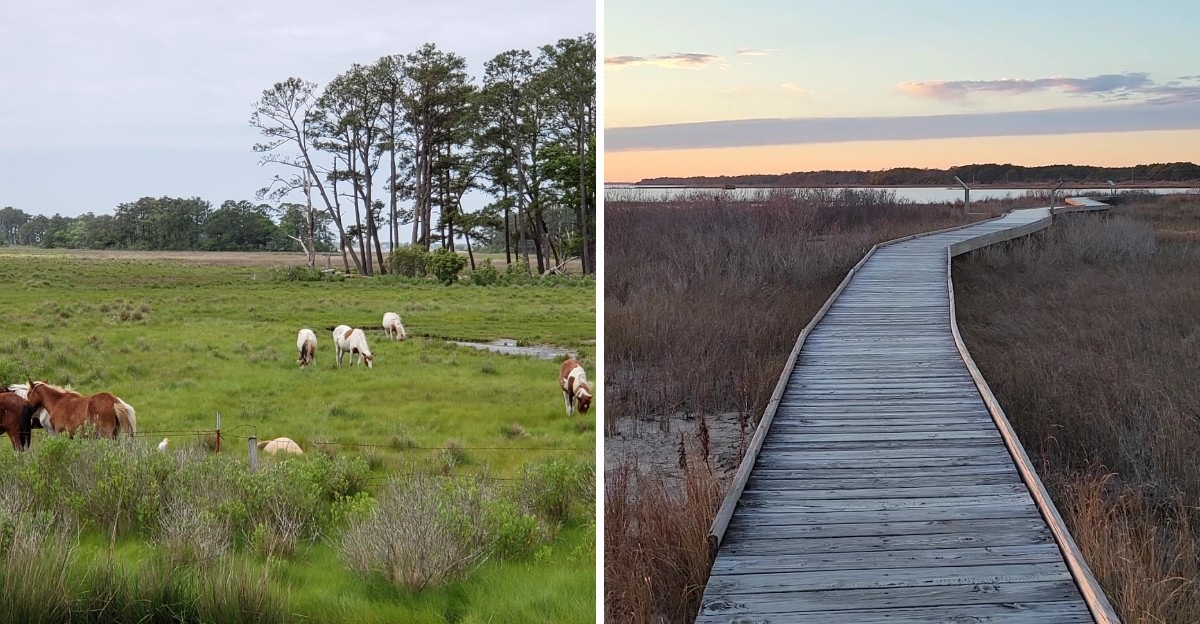
About 150 adult ponies live wild on this barrier island, and a volunteer fire company owns the whole herd. Firefighters as horse owners?
I love that detail more than I probably should.
The ponies are short, stocky, and often sport big round bellies.
That pudgy look comes from munching salty marsh grass, which makes them drink extra water.
They basically look like they just finished a holiday feast.
In 2023, Virginia made this breed its official state pony. Kids already knew they deserved the honor, of course.
I believe any child who spots one grazing near a marsh will remember it for years.
The herd shares its home with dolphins, foxes, and hundreds of bird species. There is also a striped lighthouse and a quiet Atlantic beach.
So where exactly do these famous ponies roam?
The Ponies Have Their Own Island Address, And It Is Not The One You Think
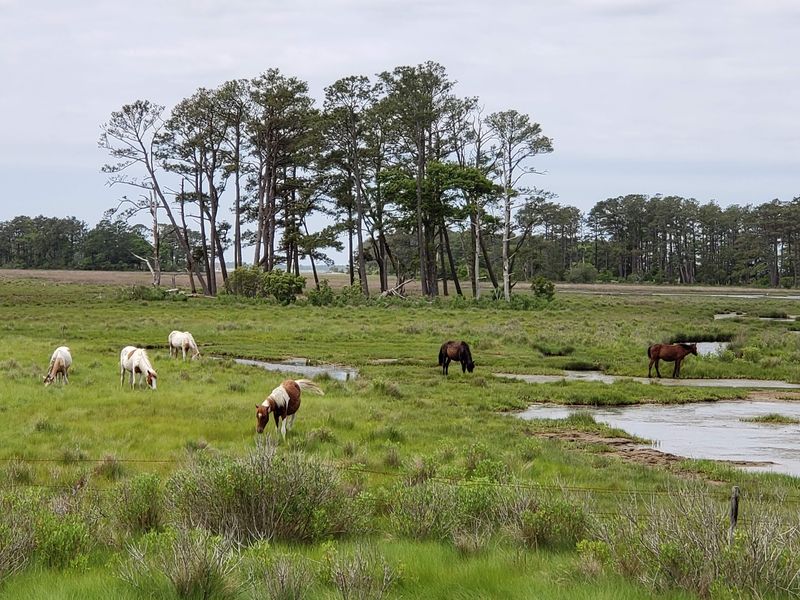
Plot twist time. The famous Chincoteague ponies don’t actually live on Chincoteague Island.
They roam the Virginia side of Assateague Island, inside Chincoteague National Wildlife Refuge. The town of Chincoteague sits right next door, which explains the name mix-up.
The U.S. Fish and Wildlife Service runs this protected land.
It covers more than 14,000 acres of beaches, dunes, marshes, and maritime forest. That’s plenty of room for a pony to stretch its short legs.
The Chincoteague Volunteer Fire Company owns the Virginia herd. Firefighters keep about 150 adult ponies here under a yearly grazing permit.
The herd splits into two main groups for good reason. A northern herd has around 100 ponies, while a southern herd holds about 50.
Kids love learning that these ponies are technically feral, not truly wild. Their ancestors were tame horses long ago.
Now the herd lives outdoors year-round with no stables in sight.
Tell your crew this before you arrive. It turns a simple pony hunt into a fun geography lesson.
Bonus points if they can explain the name mix-up to Grandma later.
Shipwreck Survivors Or Tax Dodgers? Let Your Kids Pick A Side
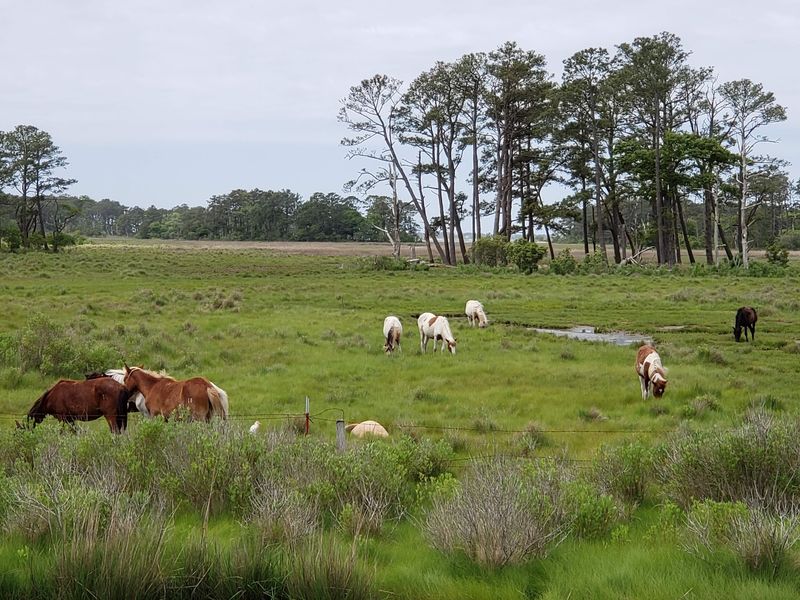
Nobody knows for sure how the ponies first reached the island. That mystery makes for great car-ride debates.
The most popular story sounds like a pirate movie. Many people believe the ponies came from horses that swam ashore after a Spanish galleon wrecked around 1750.
Another theory feels a bit sneakier. Some say early settlers turned horses loose on the island to avoid paying taxes on livestock.
Which one is true? Historians still argue about it, so your kids get to choose a favorite.
My vote goes to the shipwreck because it’s simply more exciting.
Either way, the ponies have lived on Assateague Island for hundreds of years. Generations of foals have grown up chewing marsh grass and dodging summer storms.
Their bodies have changed to fit island life too. Most stand only 12 to 13 hands tall, which counts as pony-sized.
They have thick manes and sturdy builds.
Bring this up before your visit and watch eyes light up. A herd of mysterious shipwreck survivors sounds much cooler than ordinary horses.
Kids might even start sketching their own version of the legend on the drive.
Bring Binoculars Because Pony Spotting Takes A Little Patience
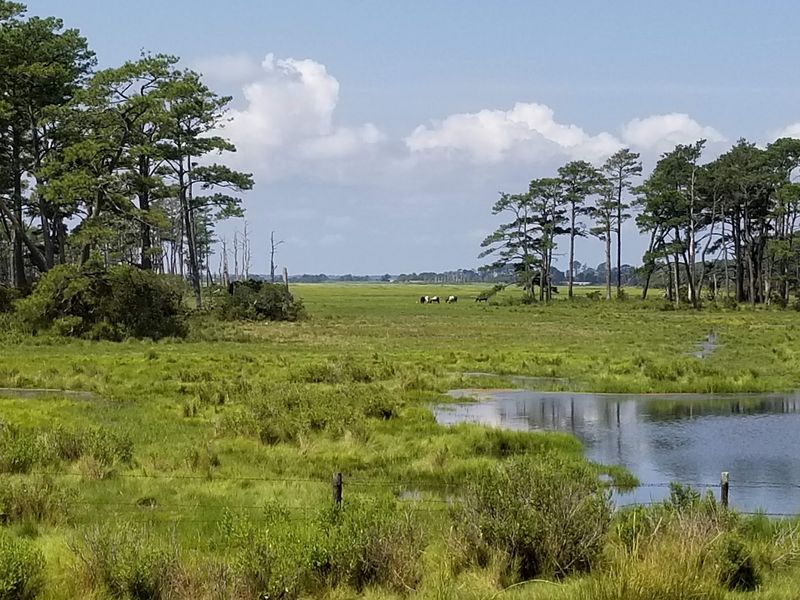
Binoculars might be the best thing you pack. The ponies often graze far out in the marshes.
Sightings are common at Chincoteague National Wildlife Refuge, but nothing is guaranteed. These animals keep their own schedules, and they don’t check yours.
Trails offer good chances for a look. The refuge has about 15 miles of trails for walking and biking, and several are paved.
Some days the ponies wander close to the road. Other days they stay out in the grass like tiny brown dots.
That’s part of the adventure.
The rules matter here. Feeding or petting the ponies is illegal and dangerous, because they can kick and bite.
Teach kids to admire from a safe distance. A zoom lens or binoculars help them see manes and bellies without bothering anyone.
Try making it a game. Whoever spots the first pony picks the snack for lunch.
You’ll suddenly have the most focused wildlife watchers on the whole Eastern Shore. Just keep an eye out for mosquitoes, since bug spray is smart on marshy trails.
Hop On The Refuge Trek For Back-Road Wildlife Views
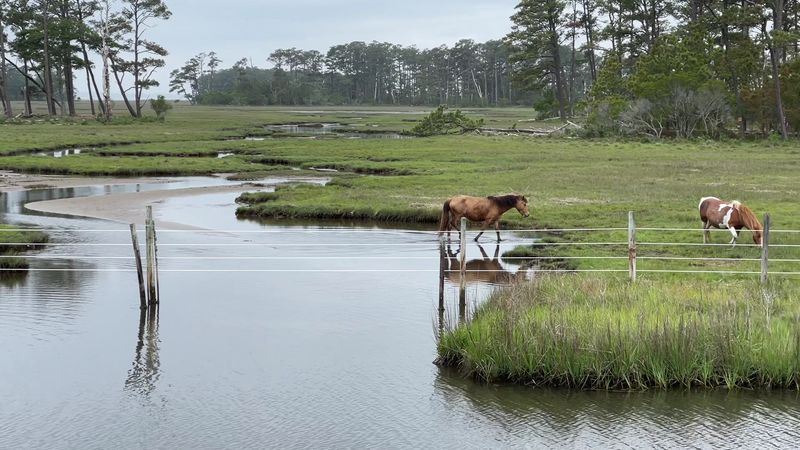
Little legs get tired fast. A guided bus tour fixes that problem nicely.
The Refuge Trek travels along a 7-mile Service Road inside the refuge. That stretch gives riders a chance to scan for wildlife in places most cars can’t reach.
Guides help point out what’s happening outside the windows. Kids can ask questions about ponies, birds, and marsh life while somebody else handles the driving.
Tours run on Saturdays and Sundays through November 22, 2026. You buy tickets at the Nature Store inside the Bateman Visitor Center.
This works especially well for families with younger children. Nobody has to hike miles, and everyone still gets a deeper look at the refuge.
Pack water and snacks before you board. The refuge has no food service, so you’ll want supplies ready.
Think of it as a safari with a Virginia twist. Instead of lions, you might spot snowy egrets, deer, or a pony munching away.
Not a bad trade, honestly. Your kids may even pick up enough facts to teach you a thing or two on the ride home.
Climb A Candy-Striped Lighthouse That Dates Back To 1867
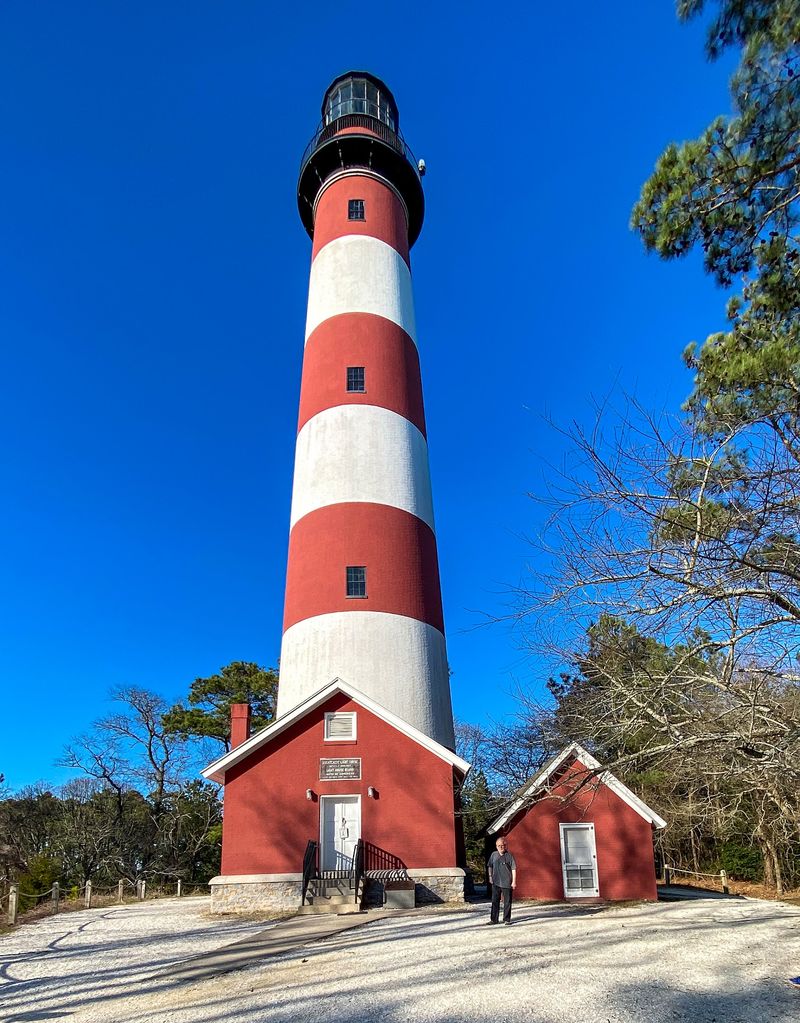
Red and white stripes rise above the pine trees like a giant peppermint stick. Kids tend to notice it fast.
The Assateague Lighthouse was built in 1867 and still stands inside the refuge. It appears on the Virginia historic register, which makes it a real piece of local history.
Here’s the fun part. The lighthouse opens for climbs from spring through fall, usually on Saturdays.
For 2026, climbs run through November 21 from 10 a.m. to 3:30 p.m. Access is free, which parents will appreciate.
A trail leads to the lighthouse, and it’s a manageable walk for most families. You’ll pass through shady woods along the way.
Climbing those stairs might earn some dramatic huffing from the kids. The reward is a lofty view over the island, marshes, and nearby water.
Plan your Saturday around it if you can. Start with the climb, then head toward the beach or a pony overlook.
That gives everyone a big, memorable day without much backtracking. Just remember that climbs depend on the season, so it pays to check ahead.
Sandcastles, Shells, And Summer Lifeguards On A Quiet Atlantic Beach
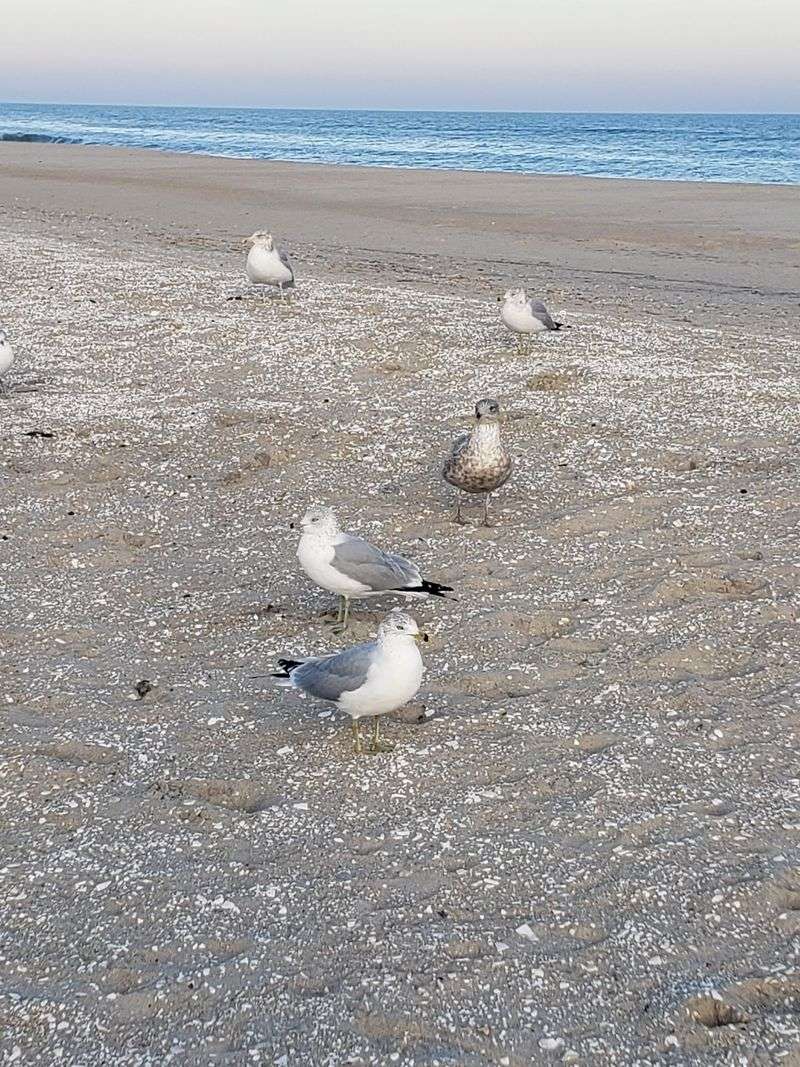
Salty air, soft sand, and rolling waves wait just past the marshes. Yes, the pony refuge comes with a beach too.
Chincoteague National Wildlife Refuge includes a stretch of Atlantic coastline. Families can swim, sunbathe, and hunt for shells all in one spot.
Lifeguards generally work from Memorial Day through Labor Day. That gives parents some extra peace of mind during summer visits.
Shell collecting is allowed, but there’s a limit. Each person can take one gallon of shells per day.
A gallon sounds like plenty until your kid finds the perfect whelk. Then negotiations begin.
Keep the dunes in mind while you play. Climbing or digging in the dunes is not allowed, because they protect the island.
Bring your own lunch, drinks, and sunscreen. No food service exists on the refuge, so a packed cooler will save your afternoon.
Beachcombing kids may also spot crabs scuttling around the shoreline. Add a bucket and a curious attitude, and you’ve got hours of happy entertainment right there.
Parents can grab a towel and enjoy the steady sound of waves.
Ponies Get Plenty Of Company From Birds, Foxes, And Dolphins
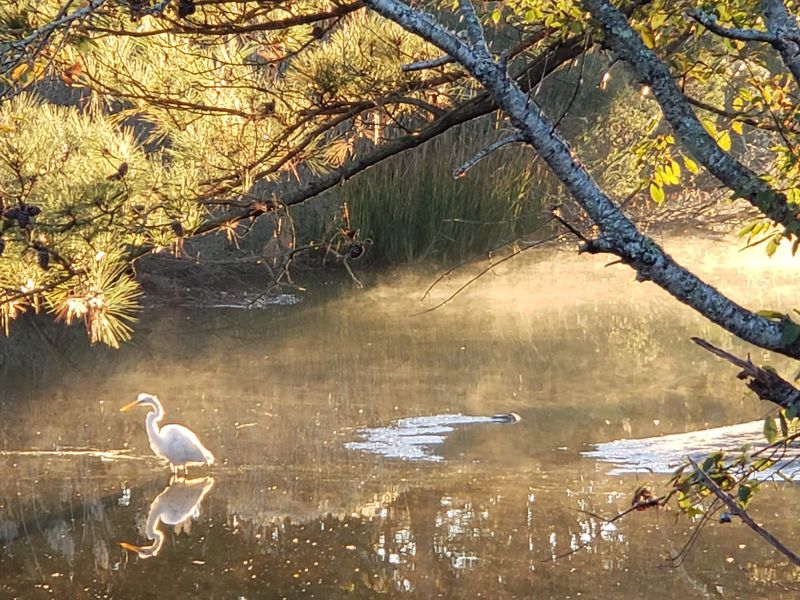
More than 275 bird species have been recorded around this refuge. That makes it a dream spot for young bird nerds.
Greater snow geese, ducks, and shorebirds all pass through during migration. The skies can get busy, especially in cooler months.
Birds are only part of the guest list. Deer, red foxes, raccoons, and otters also call the refuge home.
Look toward the ocean too. Dolphins sometimes appear off the coast, which tends to cause instant excitement.
The refuge protects some rare species as well. The Delmarva fox squirrel and the piping plover both find safe habitat here.
That fox squirrel surprises plenty of people. It’s much larger than a typical backyard squirrel, so kids may do a double take.
Turn your trip into a wildlife scavenger hunt. Make a simple checklist with ponies, geese, deer, foxes, and dolphins.
Every checkmark feels like a tiny victory. Even if the ponies hide, your kids may still leave buzzing about a heron or a fox.
The island always seems to have another surprise ready for curious eyes.
July Brings The Pony Swim, And Crowds Show Up By The Thousands
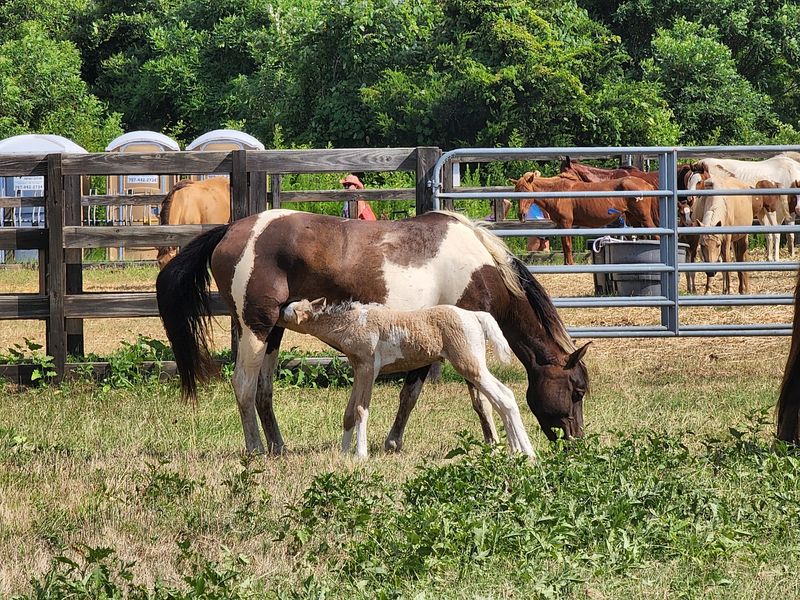
Ponies swimming across a channel? It really happens every July, and it’s one of the coolest traditions in Virginia.
Firefighters guide the herd from Assateague Island to Chincoteague Island during slack tide. The calm water keeps young foals safe during the crossing.
Pony Penning Days usually land on the last Wednesday and Thursday in July. For 2027, the swim is set for Wednesday, July 28.
The Wild Pony Auction follows on Thursday. Most of the foals get auctioned, which controls herd size and pays for veterinary care.
The swim back happens on Friday. That day often draws smaller crowds, so families may find better viewing.
Tens of thousands of spectators gather for the main swim. Watching is free, but planning matters a lot.
Book lodging and tours far ahead, often a year early. The week also includes a firemen’s carnival and showings of the movie Misty of Chincoteague.
Kids who love Misty will feel like they stepped into the story. It’s a busy, joyful week built around the island’s furriest celebrities.
Smart Planning Makes Pony Day Way Easier
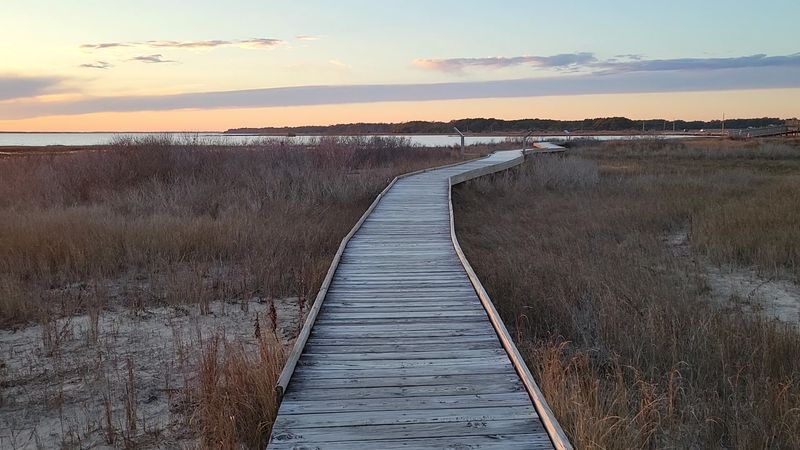
Early birds get the most hours here. In summer, the refuge opens at 5 a.m. and closes at 10 p.m.
Hours shift with the seasons, though. April and October run 6 a.m. to 8 p.m., while winter closes at 6 p.m.
Plug 8231 Beach Rd, Chincoteague, VA 23336 into your GPS. It’s the official address for Chincoteague National Wildlife Refuge.
Cars need an entrance pass, with daily, weekly, and annual options. Walkers and bike riders enter free, which makes biking a clever choice.
Stop by the Herbert H. Bateman Educational and Administrative Center first.
Exhibits, brochures, and helpful staff can point you toward pony hot spots.
A few rules can catch families off guard. Pets are not allowed anywhere on the refuge, even inside your car.
Camping, open fires, and skateboarding are also off-limits. Stay on marked trails and give wildlife plenty of room.
Pack food, water, bug spray, and binoculars before you go. With a little prep, this corner of Virginia can deliver a pony-filled day your kids will happily talk about all year.