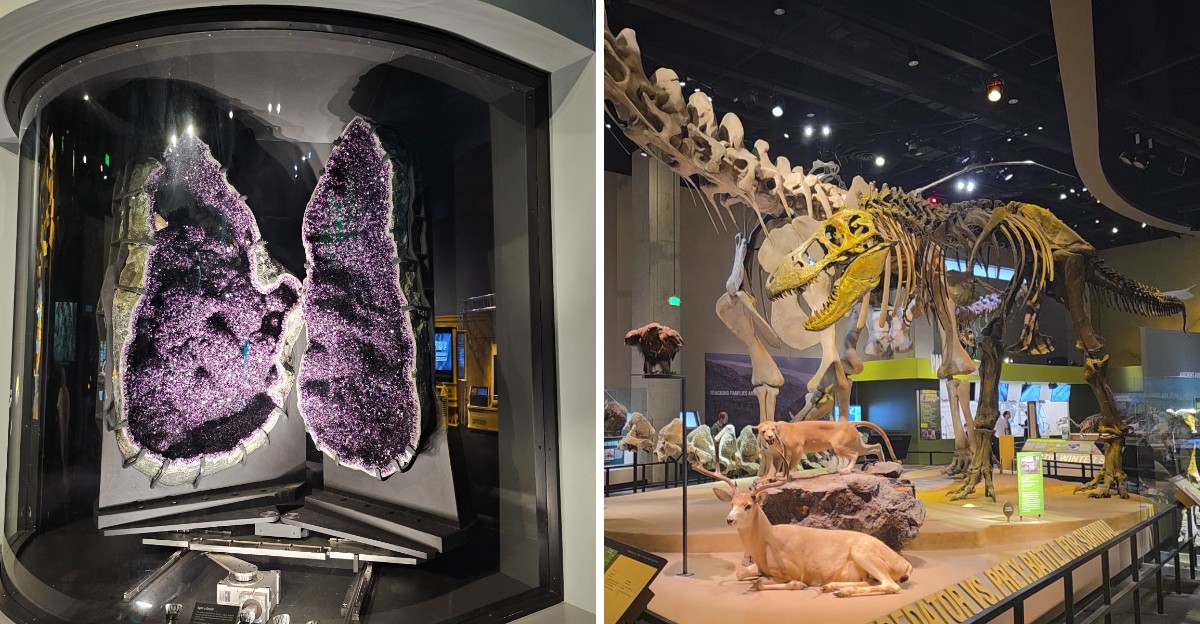
A glass escalator nicknamed the T. Rexcalator climbs 54 feet up the outside of a building.
Kids ride it straight toward a floor packed with dinosaur skeletons. That’s a pretty strong opening move for any museum.
The fun keeps stacking up from there. Five floors hold 11 permanent exhibit halls, each one built for touching, testing, and poking around.
One hall even lets kids race a virtual T. rex on a running track.
I like how this place treats curiosity like a sport.
Kids can shake through a pretend earthquake, steer robots, and pilot a hawk on a screen.
I can’t imagine a better way to burn off energy while sneaking in some science.
Texas has plenty of big attractions, but few feel this playful. So which floor would your crew sprint to first?
Ride A Glass Escalator Straight Up To The Dinosaurs
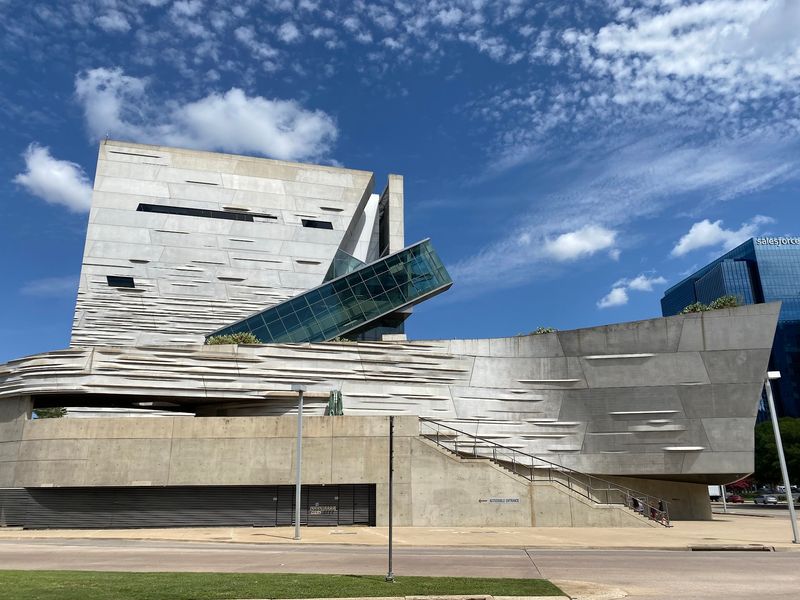
Some museums start with a lobby and a map. The Perot Museum of Nature and Science starts with a ride.
A 54-foot glass-enclosed escalator, nicknamed the T. Rexcalator, carries visitors up the outside of the building.
The view changes as you climb. Downtown Dallas slides into sight through the glass, which makes the trip feel more like a launch than a commute.
Kids tend to treat it as the first exhibit, and honestly, they’re not wrong.
The building itself came from architect Thom Mayne of Morphosis Architects. He designed it as a teaching tool, with sustainable systems like rainwater collection and energy-saving features built right in.
So even the walls have a lesson tucked behind them.
The current building opened to the public on December 1, 2012. It was named for Margot and Ross Perot after their children donated 50 million dollars in 2008.
A smart plan is to ride up first and work your way down. That way, the dinosaurs greet you while everyone still has fresh legs.
Gravity handles the rest of the trip, more or less.
Your Little Paleontologist Is About To Lose Their Mind
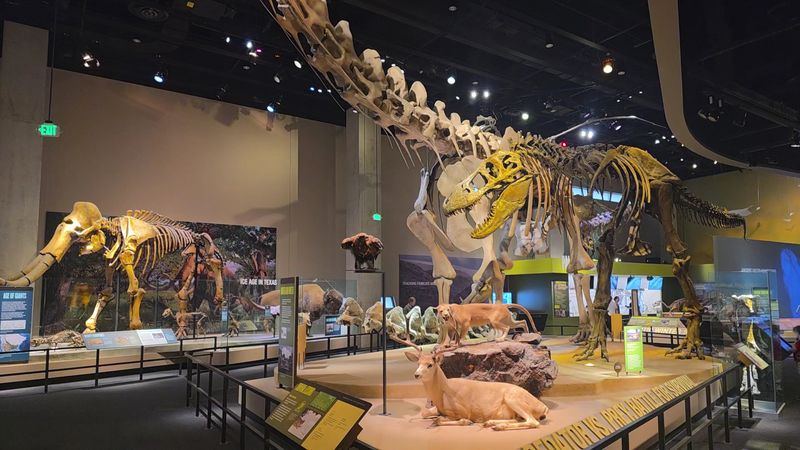
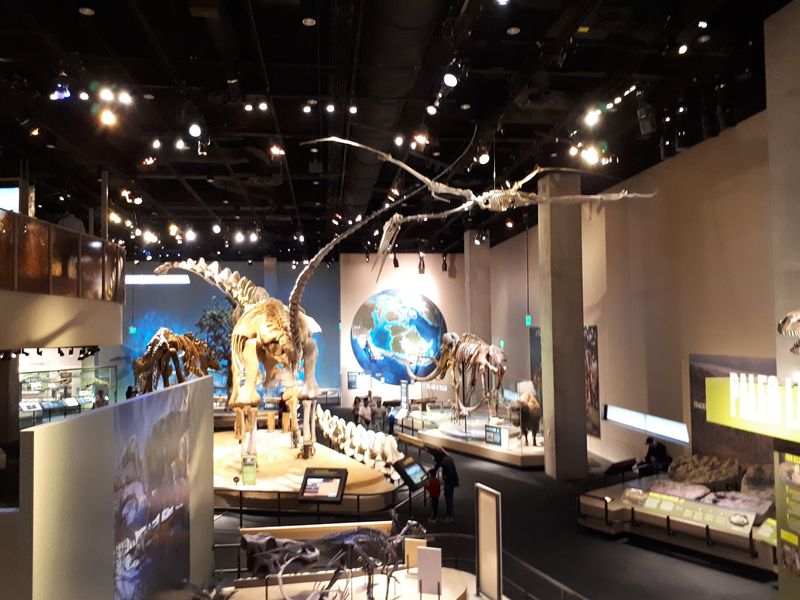
A giant Alamosaurus replica stretches across the T. Boone Pickens Life Then and Now Hall.
Its neck alone could make a giraffe feel short. Nearby, a reconstructed T. rex skeleton holds its ground like it owns the floor.
Dinosaur fans get plenty more to explore here. Virtual habitats show how these creatures may have lived long ago.
It helps kids picture the animals with skin and swagger, not just bones.
Fun fact for the car ride home. The hall features a Triceratops-like species that scientists named for the Perot family.
Not every family gets a dinosaur cousin.
Keep an eye out for the fossil prep work, too. Museum staff can sometimes be seen carefully freeing bones from rock.
It’s real science happening in real time, which beats any cartoon.
Future plans look big as well. A special exhibition called The March of the Triceratops is scheduled for July 2027, with five Triceratops fossil skeletons.
That’s a herd worth marking on the calendar.
Bring patience for photo stops. Every kid wants a picture with the T. rex.
The Littlest Explorers Get A Whole World Of Their Own
Younger siblings don’t have to sit out the fun. The Moody Family Children’s Museum is built for kids 7 and under.
It reopened in May 2025 at nearly double its original size.
That extra space gets put to work. Inside, there’s a water table, climbing structures, a Lego area, and a room for exploring light and color.
A dedicated toddler space gives the tiniest visitors room to wobble safely.
The Creative Makery lets kids build whatever pops into their heads. Then there’s the Imaginarium, a multi-sensory room with digital projections on the floor and walls.
Kids can interact with the images as they move around.
Local touches make it extra fun. A miniature Dallas Farmers Market invites pretend shopping.
Another play zone reflects the Dallas skyline and the Trinity River wetland corridor.
Outside, the action continues with a slanted rock-climbing wall, a slide, bubbles, and a rainbow climbing structure. Water play features are out there too.
Here’s a parent tip worth stealing. Pack a towel and maybe a spare outfit.
Splashy kids rarely stop at just a little wet.
Race A T. Rex And Find Out Who Wins
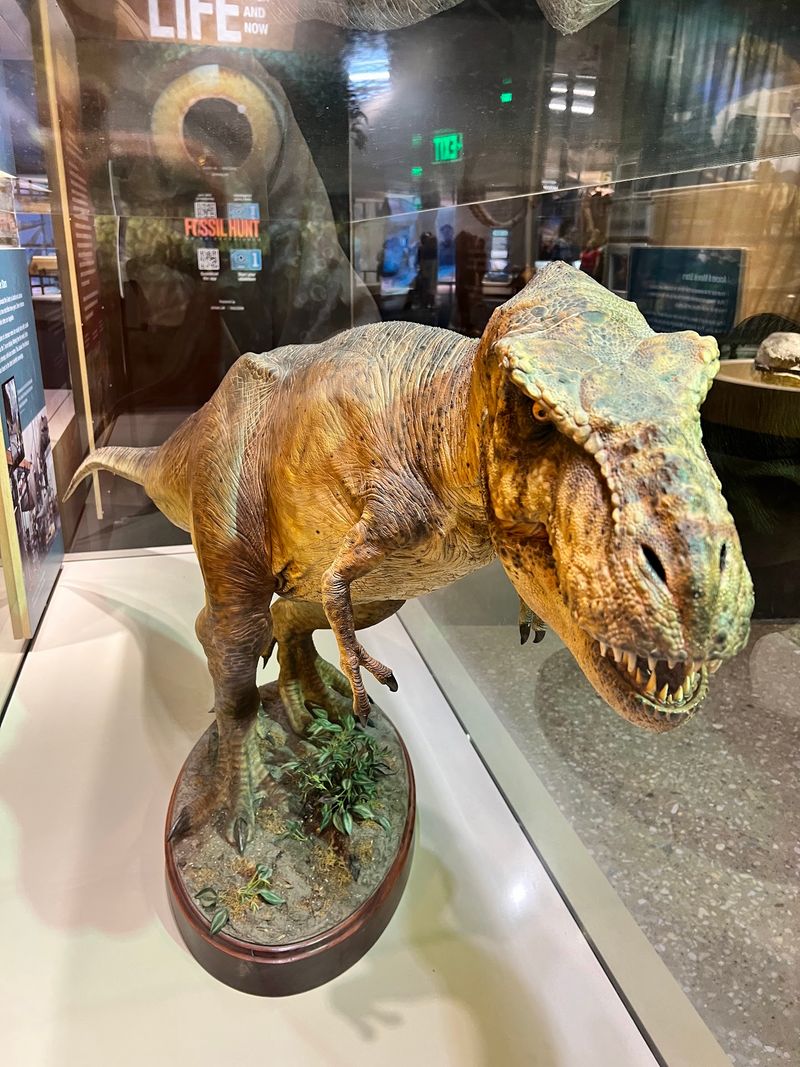
Ever wondered if you could outrun a T. rex? Over in the Lamar Hunt Family Sports Hall, kids can actually test it.
A virtual dinosaur races alongside them on a track.
Spoiler alert, the results may hurt some pride. Still, nobody seems to mind losing to a dinosaur.
Kids usually line up for a rematch anyway.
The hall offers plenty of other challenges. Visitors can measure their reflexes, check their vertical jump, and test how fast they throw a pitch.
Each station turns body movement into numbers you can compare.
Want a human rival instead? There’s an option to race a virtual Olympic sprinter.
That one is humbling for grown-ups too, so stretch first.
What makes this hall clever is the science behind the sweat. Kids learn about speed and reaction time without hearing a single lecture.
They just play, then notice their scores going up.
Parents, this is a great spot when energy levels get wild. Let the kids run hard here.
Calmer halls feel much easier afterward.
Just maybe skip the sprint right after lunch. Trust the T. rex on this one.
Hold On Tight When The Ground Starts To Shake
Earthquakes are scary in real life. Inside the Perot Museum of Nature and Science, though, they turn into a giggle-filled lesson.
The Rees-Jones Foundation Dynamic Earth Hall offers an Earthquake Shake experience.
Kids get to feel how the ground moves when big forces build up underground. It’s a safe way to understand something powerful.
And yes, grown-ups grab the rails too.
This hall covers more than shaking floors. It explores the forces that shape our planet, from weather to the ground beneath our feet.
Interactive displays help those big ideas click for younger minds.
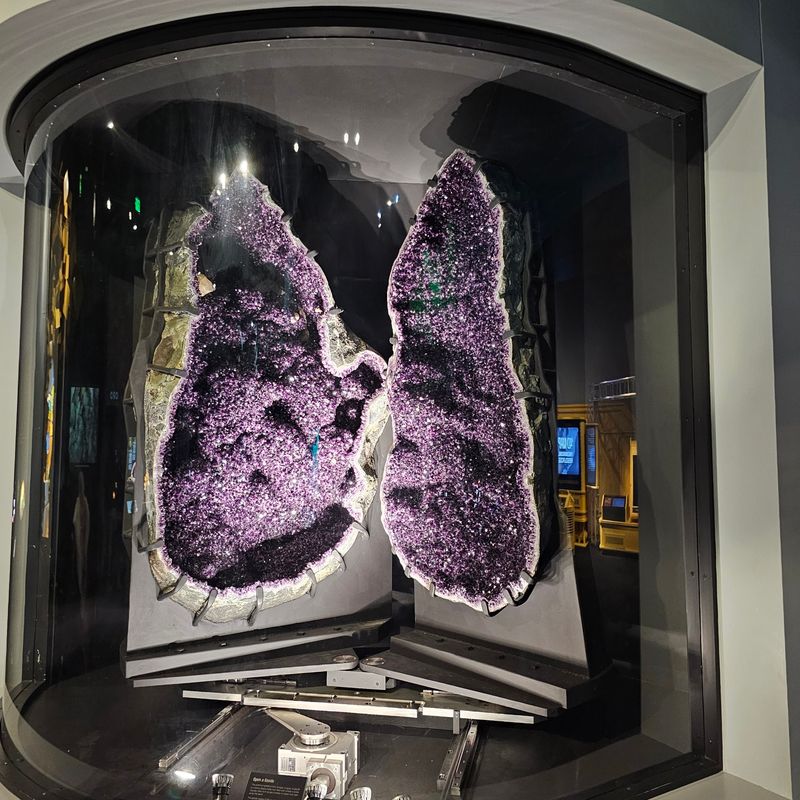
A short walk away sits another favorite stop. The Lyda Hill Gems and Minerals Hall glows with colorful specimens from around the world.
Some of them are even touchable.
Look for the grape jelly amethyst geode. The name alone makes kids curious, and the purple crystals deliver.
It’s hard not to stare.
Many exhibits share information in English and Spanish. That helps more families explore together and read along as a team.
Pair these two halls back to back. Shaking ground, then sparkling rocks makes a fun Earth science combo.
Fly Like A Hawk Without Leaving The Floor
Birds came from dinosaurs, and the Rose Hall of Birds connects those dots in a fun way. Kids can trace how flight developed over time.
It turns a big science idea into a story with feathers.
The star attraction might be the flight simulator. Visitors get to virtually pilot a red-tailed hawk.
Swooping over the landscape feels like a video game with a lesson baked in.
Creativity gets a turn here, too. Kids can design their own birds and see what features help them survive.
There’s also an interactive challenge called the Tournament of Flight.
The hall even covers bird mating behaviors. Some of those dances and displays are pretty silly.
Expect a few laughs and copycat moves.
Next door in spirit is the Discovering Life Hall. There, kids can try DNA extraction and test household chemicals on microbes.
An interactive digital book shows off tiny organisms you’d never notice otherwise.
Families can also identify Texas ecosystems and peek into an underground diorama. It’s a neat way to see the state from a whole new angle.
Nature lovers could spend a long time on this stretch alone.
Robots, Galaxies, And The Human Body All Get Their Turn
Building something and then watching it move never gets old. The Texas Instruments Engineering and Innovation Hall gives kids that thrill.
They can experiment, build, and drive robots.
One screen even uses facial recognition. Kids love seeing a computer figure out who’s standing in front of it.
It sparks great questions about how technology works.
Space fans should head to the Expanding Universe Hall. Interactive stargazing and physics displays take visitors from our solar system to distant galaxies.
It’s a big trip for a small walk.
Then there’s the Being Human Hall, which turns the focus inward. Exhibits explore anatomy, genetics, movement, perception, and the body’s systems.
Kids discover how their own bodies pull off everyday tricks.
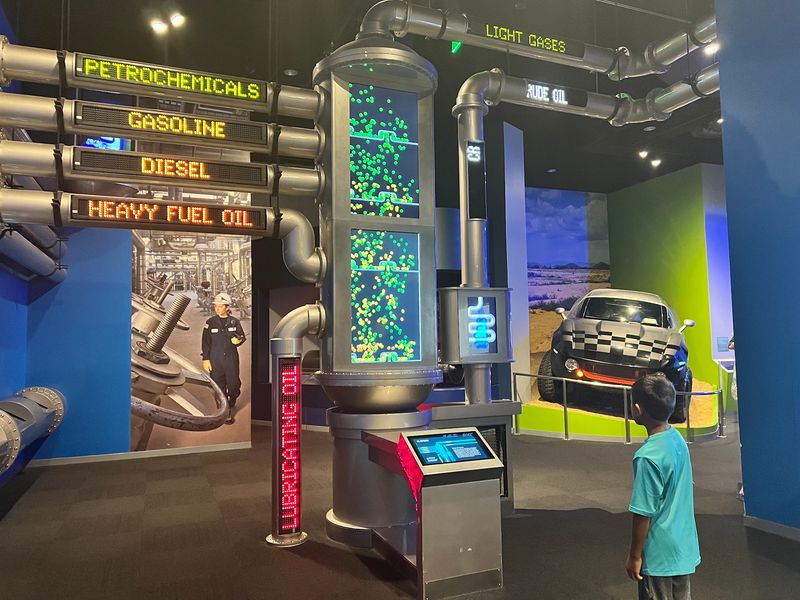
The Tom Hunt Energy Hall rounds things out with an interactive journey through the energy industry. That topic hits close to home in Texas.
It helps kids understand where power actually comes from.
Scavenger hunts are available throughout the museum, too. They add a fun mission to the visit.
Digital maps through QR codes help you find each hall without paper brochures.
Refuel With Pizza Before Round Two Of Exploring

Science burns calories fast. Luckily, the Museum Cafe is run by Wolfgang Puck Catering.
The menu leans kid-friendly with oven-baked pizzas, burgers, hot dogs, and fries.
There are to-go options for families on the move. The cafe also focuses on local Texas ingredients.
It’s open daily from 11 a.m. to 4 p.m.
Members get a sweet bonus on Sundays. Exclusive breakfast and brunch specials run from 10 to 11 a.m., during member-only access hours.
That’s a calm, cozy way to start the day.
Packing your own snacks? Outside food and drinks are allowed on the Plaza or in the Lobby.
They generally stay out of the exhibit halls.
A few exceptions help parents out. Baby food, formula, breast milk, and juice for infants or toddlers are fine.
Water bottles are welcome too.
Before heading home, swing by the Museum Shop in the Atrium. It’s full of gifts and mementos for little scientists.
Expect at least one dinosaur to ride home with you.
Plan a lunch break near the middle of your visit. Tired kids explore better with full bellies.
A Little Planning Makes The Whole Day Smoother
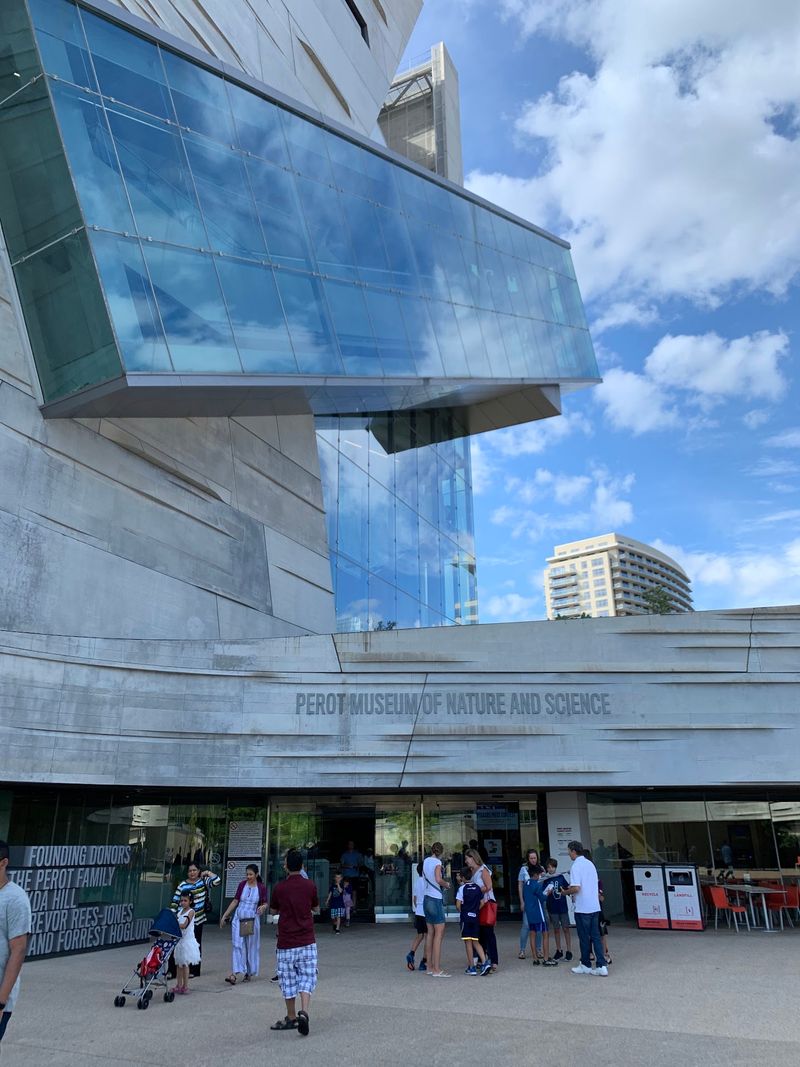
Timing matters more than you’d guess. The Perot Museum of Nature and Science sits at 2201 N Field St, Dallas, TX 75201, in Victory Park near downtown.
The museum opens 10 a.m. to 5 p.m. on Mondays and Wednesday through Saturday. Sunday hours run 11 a.m. to 5 p.m.
It’s usually closed Tuesdays, so double-check before you go.
Last exhibit entry happens at 4 p.m. Most families spend about two to three hours inside.
Bigger fans could easily stay longer.
Getting there is simple. Paid parking sits in Lot B, under Woodall Rodgers Freeway next to the museum.
DART riders can use Akard, West End, or Victory stations.
Strollers, wagons, and stroller-wagons are allowed. Service dogs are welcome too.
Discounts exist for military members, first responders, and Texas educators, and CityPASS can save money.
Members get free general admission and early Sunday access. If your kids beg to return, that membership may pay off quickly.
They probably will beg.
So clear a day, grab tickets, and let curiosity lead.