A 15-foot saltwater crocodile weighing about 1,250 pounds swims past an underwater window here.
His name is Maximo, and kids press right up to the glass to watch him.
He isn’t even the biggest legend on the property.
A crocodile named Gomek once measured nearly 18 feet, and his preserved form still stops families in their tracks.
I like how this Florida zoo turns staring into learning.
It’s the only place in the world showing all 24 recognized crocodilian species.
That means alligators, crocodiles, caimans, and gharials, all in one walkable park.
Then there are the white alligators, the noisy bird nests above the swamp, and a zipline over the jaws.
I can’t imagine a kid getting bored here.
Honestly, can you picture any adult leaving without at least one new favorite reptile?
Every Crocodilian Species On Earth Can Be Found At This Florida Zoo
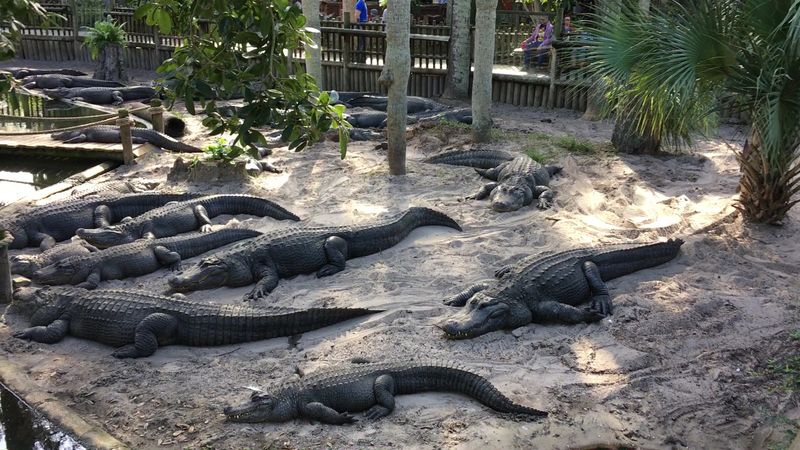
Collecting a full set is a big deal, whether it’s trading cards or reptiles. The St. Augustine Alligator Farm Zoological Park is the only facility in the world exhibiting all 24 recognized crocodilian species.
That list covers alligators, crocodiles, caimans, and gharials. Some are famous, and some are rare animals most people never see outside a textbook.
Kids love comparing snouts as they walk. Gharials have long, skinny noses built for catching fish, while alligators have wide, rounded ones.
It turns the whole park into a living field guide. You can spot differences in size, color, and shape just by moving from one habitat to the next.
The setting matters too. The park has held accreditation from the Association of Zoos and Aquariums since 1989, which means it meets serious standards for animal care.
A good tip is to make the visit a game. Have kids keep a list and check off each new species they find.
Bring a pencil, or snap photos of the signs. By the end, your young explorer might know more crocodilian facts than you do, and that’s a pretty fun problem to have.
Maximo Will Make Your Jaw Drop Through The Glass
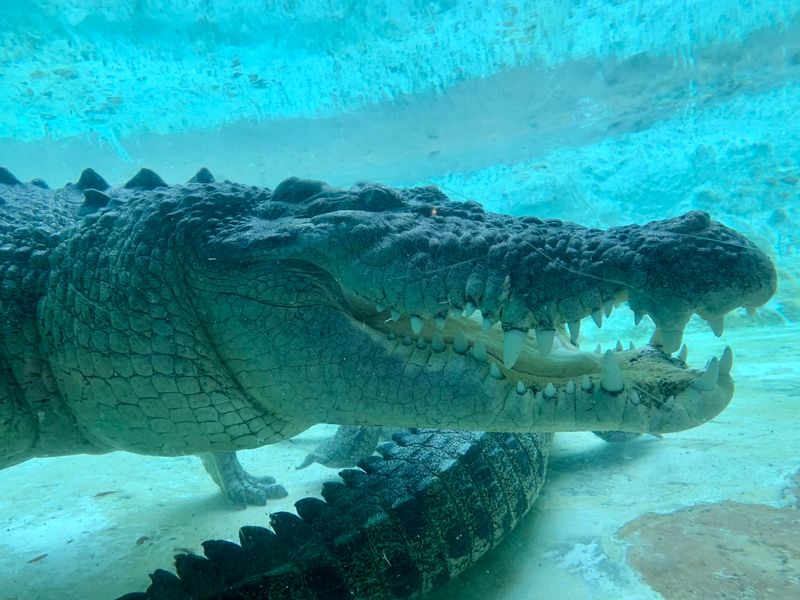
Fifteen feet long. About 1,250 pounds.
Maximo the saltwater crocodile came all the way from Australia, and he owns every inch of his spot.
An underwater window gives families a rare view of him. You can see his massive body below the surface instead of just a pair of eyes poking out.
That angle changes everything for kids. Seeing a crocodile from the side makes his size feel real in a way photos never could.
Little ones can stand at the glass and measure themselves against his head. Spoiler alert, the crocodile usually wins.
For families who want even more Maximo time, the park offers a VIP viewing experience during his feeding. It’s a special add-on, so plan ahead if your crew is crocodile-crazy.
Here’s a smart move for crowded days. Visit the window more than once, since a resting croc might be more active later.
Patience pays off with big reptiles. One slow swim past the glass can become the story your kids tell the whole ride home, and probably at school on Monday too.
Gomek Is Still A Legend Long After His Swimming Days
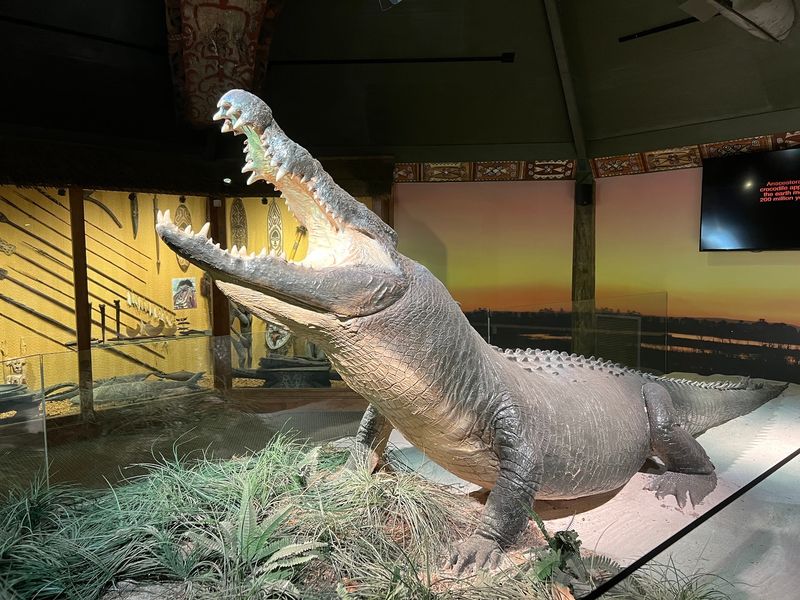
Nearly 18 feet and around 2,000 pounds. Those were the numbers for Gomek, a saltwater crocodile who became one of the most famous reptiles in America.
His preserved form remains on display at the St. Augustine Alligator Farm Zoological Park. Kids often stop cold when they first see how enormous he was.
Gomek gives families a great history lesson without feeling like homework. He shows how big these ancient animals can truly grow when given space and care.
It’s also a chance to talk about why crocodiles matter. They’ve been around since the age of dinosaurs, and they still play key roles in their habitats.
Parents can turn this stop into a quick comparison challenge. Ask kids whether Gomek or Maximo looks bigger, then check the facts together.
Spoiler, Gomek takes the crown by a few feet. That kind of side-by-side thinking makes the numbers stick.
Don’t rush this exhibit. Read the displays, point out his teeth and scales, and let your kids soak in the size of a true giant from the Florida coast’s most famous reptile park.
Noon And 3 P.M. Are The Most Exciting Times On The Clock
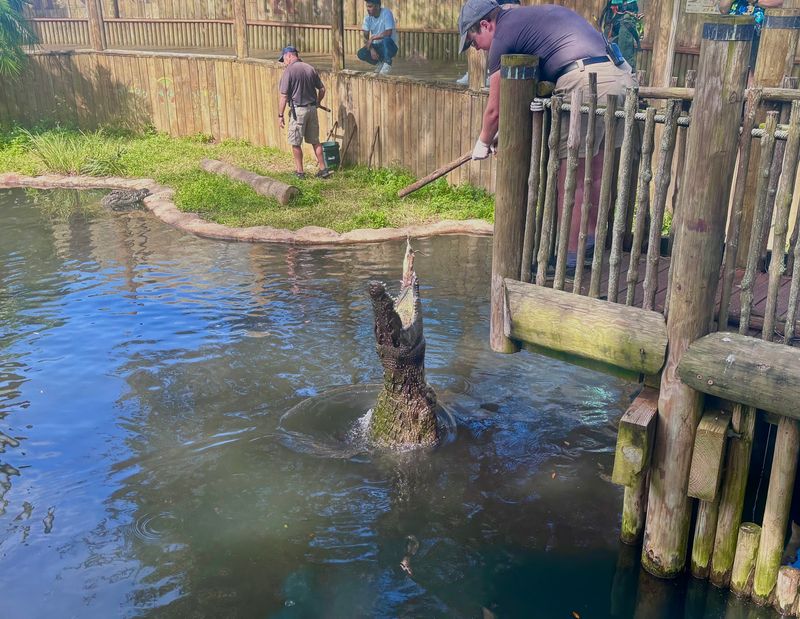
Splash, snap, and a lot of gasping. Daily alligator feedings happen at noon and 3:00 p.m., and they’re one of the park’s biggest kid magnets.
Gators know the routine better than any clock. Watching them gather and lunge for food shows just how quick these calm-looking reptiles can be.
Timing your day around these feedings is a smart plan. Arrive early to grab a good view along the rail, especially if you have shorter kids.
Between feedings, the park also runs daily wildlife shows and educational presentations. These help kids understand what they’re seeing instead of just watching.
Many families like to catch one feeding, explore, then return for the next. It keeps energy up and gives the day a natural rhythm.
Keep snacks and water handy while you wait. Florida sun can be strong, so shade breaks between shows help everyone stay happy.
A quick reminder for little ones helps too. Explain that keepers are trained pros, so nobody at home should try feeding a gator, even a small one.
That lesson might be the most important thing they learn all day.
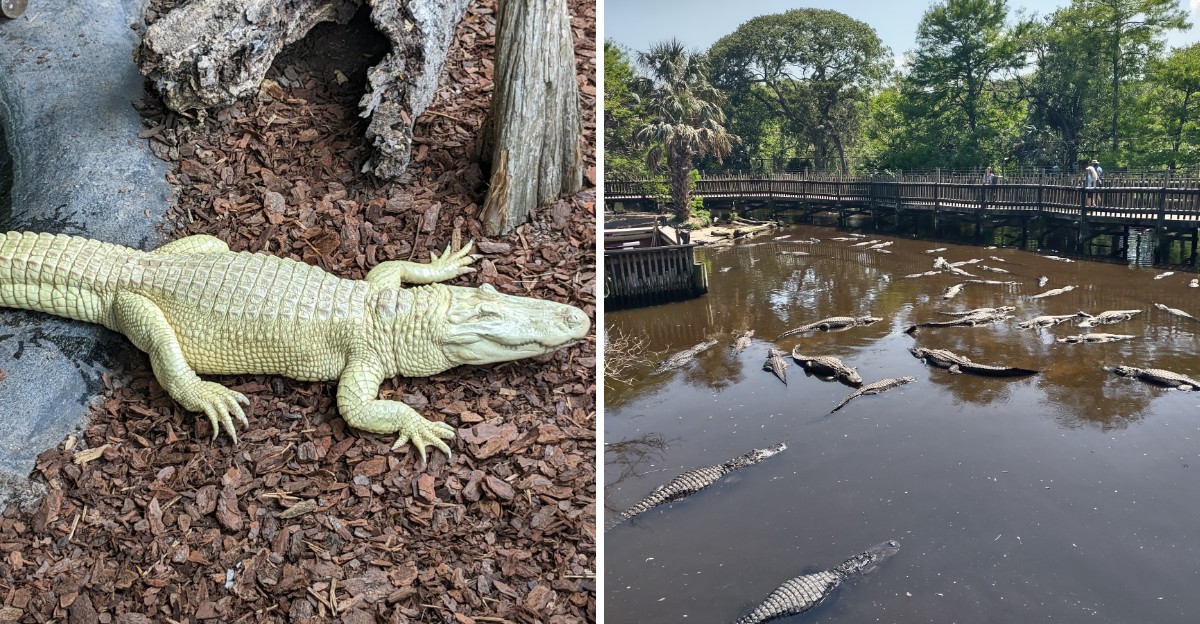
Snow-White Gators Look Like Something From A Storybook
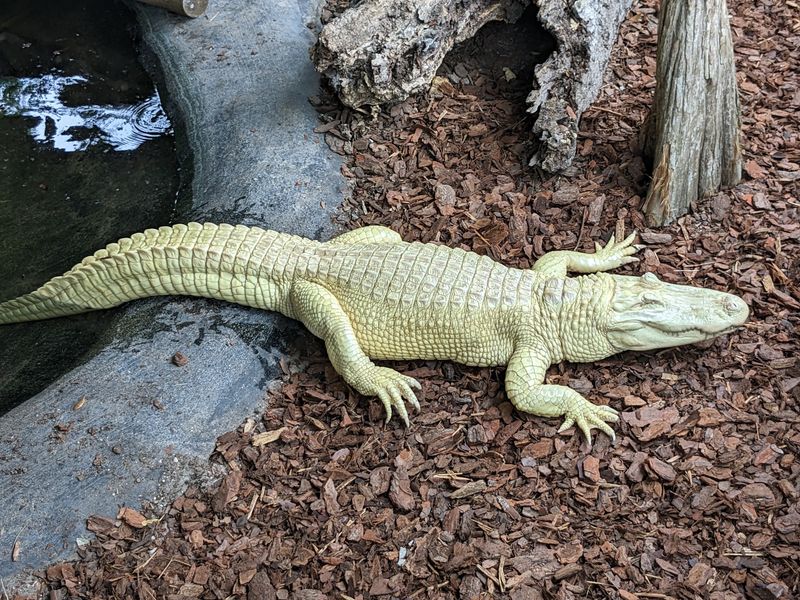
Most gators blend in with dark, muddy water. The albino alligators at this park do the exact opposite, glowing white like they’ve been dipped in frosting.
These rare reptiles lack normal skin coloring. That makes them stand out instantly and gives kids a jaw-dropping surprise.
It also opens up a neat science chat. Albino animals miss the pigment that usually colors skin, which is why they look so pale.
In the wild, that bright color would be a real problem. A white gator can’t hide well from predators or sneak up on prey.
Zoos give these unusual animals a safe home where they can thrive. Kids get to see them up close without the risks they’d face outdoors.
Take your time at this exhibit. White gators photograph beautifully, so it’s a great spot for a family picture with something truly unusual in the background.
Ask your kids what other animals might come in white versions. Their guesses can turn into a fun research project once you get home, and maybe a trip to the library.
Birds Nest Right Above The Jaws In Spring
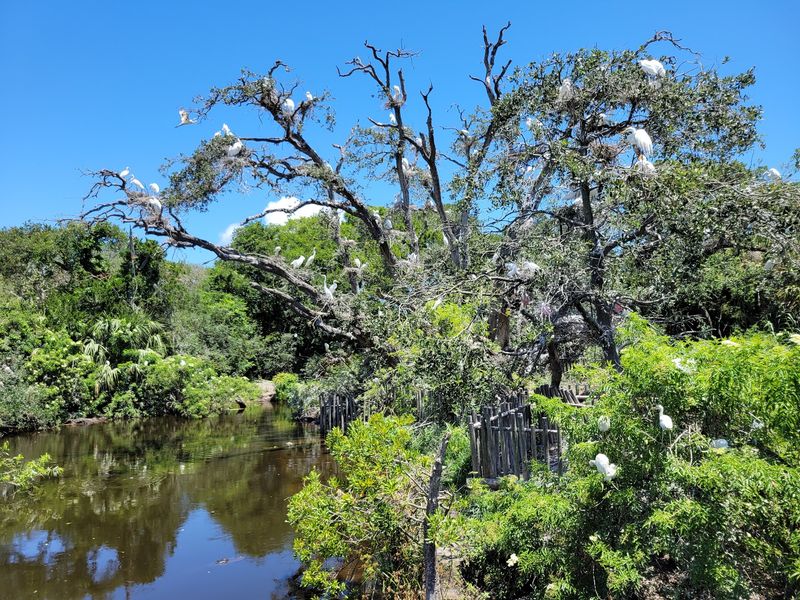
Nature built a strange neighborhood here. Wild wading birds nest in trees right above the alligators, and it’s one of the coolest sights in the park.
The natural rookery gets especially busy from March through June. That’s nesting season, when the trees fill with birds caring for their young.
Why would birds choose a spot full of gators? The reptiles help keep out raccoons and other nest raiders, so the birds get a kind of scaly security team.
Kids can spot egrets, herons, and other wading birds from the walkways. It’s a real lesson in how animals depend on each other.
If you can, plan a spring visit for the full show. Bring binoculars so young eyes can see nests and fluffy chicks more clearly.
Photographers will love it too. The birds sit close enough for great shots without any special gear.
One small heads-up about walking under trees full of birds. Watch where you stand on the boardwalk, since busy nests can mean surprise droppings from above.
Consider it part of the wild experience.
Brave Kids Can Fly Right Over The Crocodiles
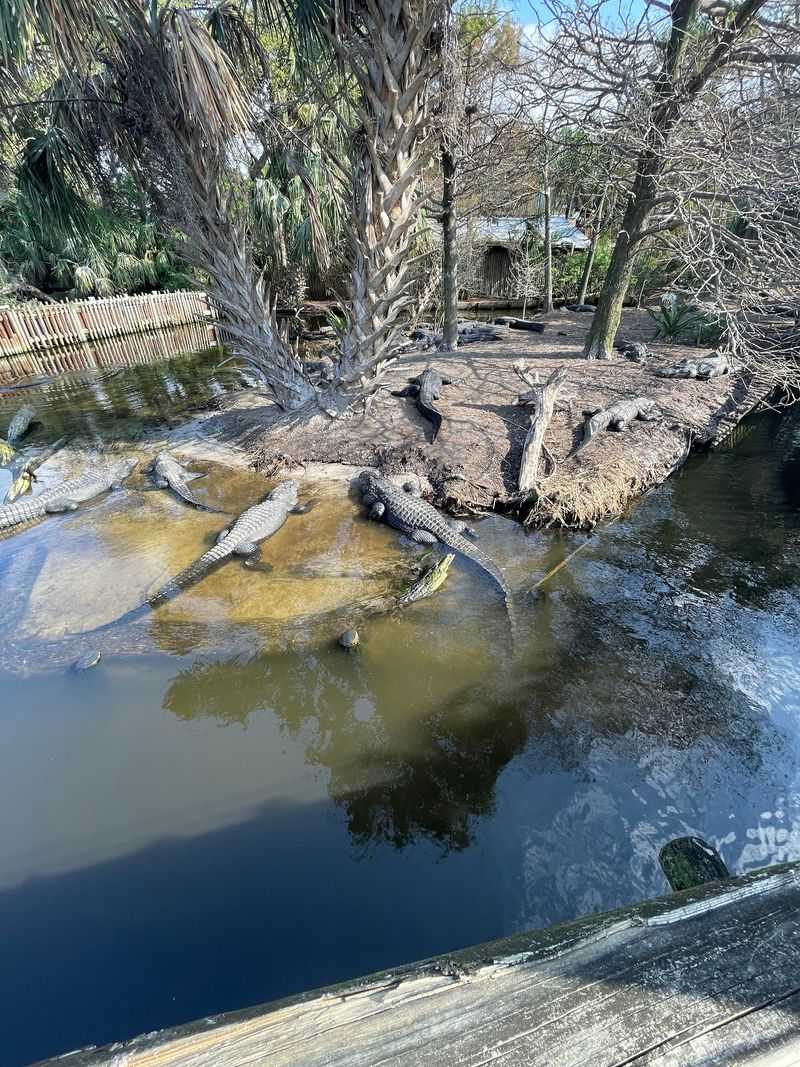
Zooming over a pond packed with gators sounds like a dare from a cartoon. At Crocodile Crossing, it’s a real attraction.
This zipline and climbing challenge sends guests soaring above alligator and crocodile exhibits. It requires a separate ticket from regular admission.
The view from above is wild. Kids can look down at reptiles lounging below and feel like they’re flying through a jungle.
The climbing parts add even more adventure. Guests work through elevated challenges before or between ziplines.
Families should check age, height, and weight rules before planning. Not every young child will qualify, so it’s smart to know in advance.
Nervous kids can still join the fun from the ground. Watching others zip overhead is surprisingly entertaining, especially when the gators don’t even look up.
Wear closed-toe shoes and comfortable clothes if you plan to ride. Booking ahead can help you lock in a time that fits around feedings and shows.
Either way, this adds a thrill most zoos simply can’t match. Few places let you cruise above crocodiles in the Sunshine State.
Little Explorers Get Their Own Playground Break
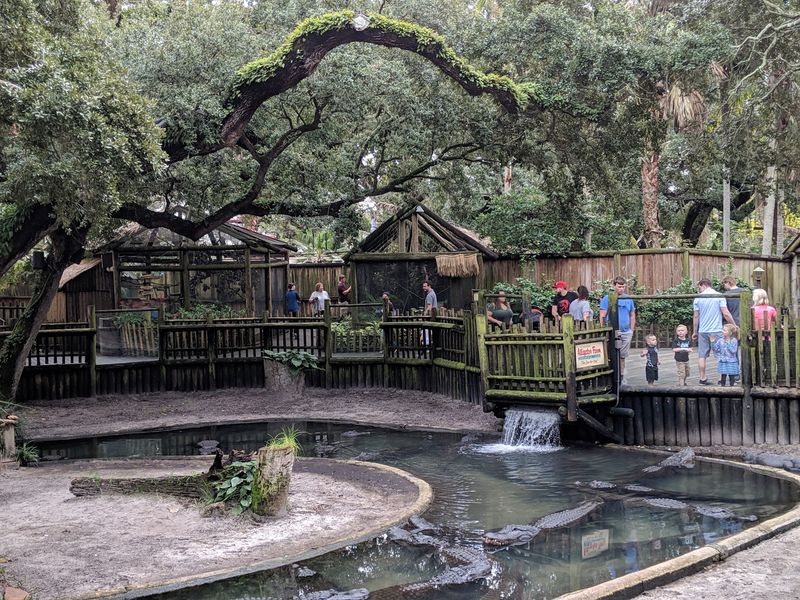
Even the most reptile-obsessed kid needs to burn off energy. The KidZone gives them a place to climb, run, and play between exhibits.
It features a playground, a mini climbing wall, and interactive play structures. Parents get a breather while kids do their thing.
Beyond the reptiles, the park houses over 125 species of birds, reptiles, and mammals. Lemurs, sloths, and tamarins add furry fun for animal lovers.
Exhibits like Land of Crocodiles, Birds of Africa, and the Egyptian-themed Oasis on the Nile keep the walk varied. Nile crocodiles live in that desert-styled area.
The park is wheelchair and stroller accessible. Manual wheelchairs are available to rent, and sensory bags help guests who need a calmer experience.
For hungry crews, ToucanTina Cafe serves snacks overlooking the Galapagos tortoise exhibit. George’s on Green Island handles quick bites and drinks.
Outside food generally isn’t allowed, so plan meals around these spots. A tortoise view with your snack is a pretty good trade.
Plan Your Trip To This 1893 Original Like A Pro
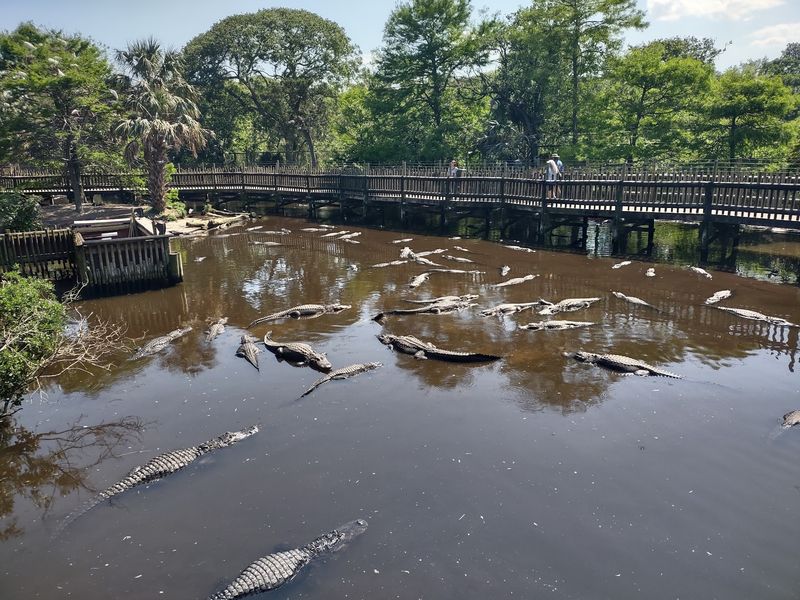
Back in 1893, this attraction started as a small exhibit of Florida reptiles. Today, it ranks among the state’s oldest continuously operating attractions.
The park moved to its current spot in the early 1920s after a severe storm and fire hit its original South Beach location. It was named a U.S.
Historic District in 1992.
You’ll find the St. Augustine Alligator Farm Zoological Park at 999 Anastasia Blvd, St. Augustine, FL 32080. It sits on Anastasia Island, a short drive from the historic downtown.
The park opens daily from 9:00 a.m. to 5:00 p.m. Summer hours stretch to 6:00 p.m. from Memorial Day to Labor Day.
Parking on site is free, which makes life easier. Same-day re-entry is allowed, so you can take a break and come back.
That flexibility helps with young kids. Head out for a nap or lunch, then return for the afternoon feeding.
More than a century later, the gators still steal the show. Few Florida stops blend history and wildlife this well, and your kids will be staring until closing time.