Some kids collect toy trains. A lucky few get to climb into the real thing.
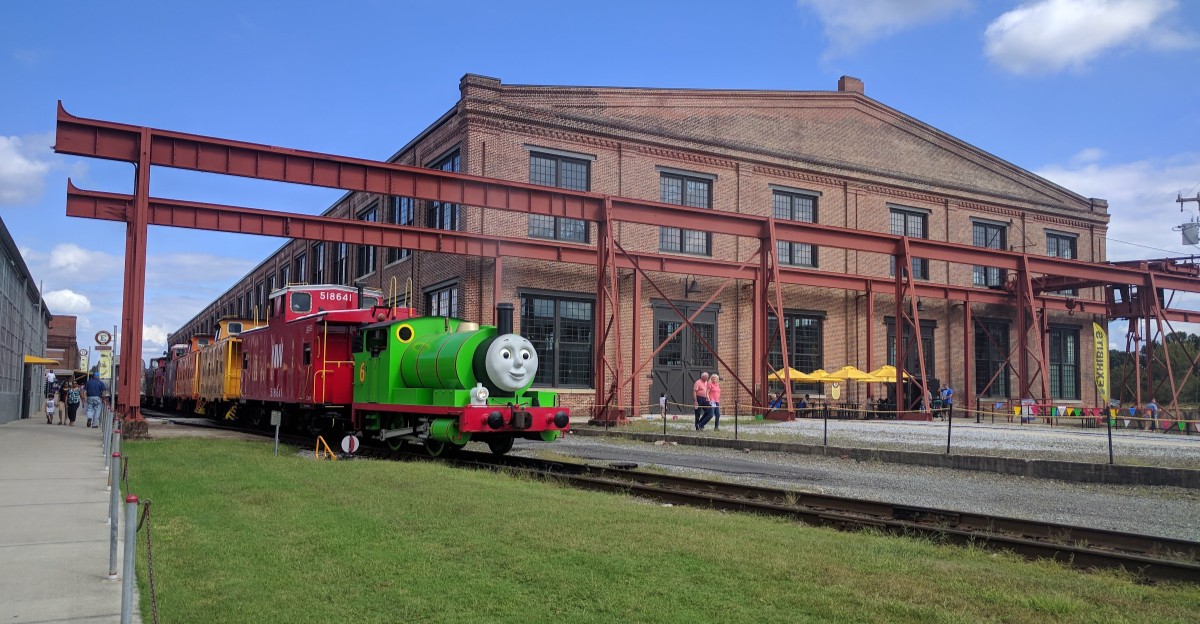
In a small North Carolina town called Spencer, a former railroad repair shop now welcomes families who want to see giant locomotives up close. Long ago, workers here fixed steam engines for one of the biggest railways in the South.
Today, the same buildings hold engines, old cars, fire trucks, and even airplanes. Kids can ride a train, peek inside an engine cab, and explore a huge roundhouse built for hard-working machines.
Keep reading to learn what makes this spot special, when to go, and how to plan a day that keeps every young explorer busy from the first whistle to the last stop.
Where the Tracks Lead
Every great train trip needs a starting point. This one begins at the N.C.
Transportation Museum, 1 Samuel Spencer Dr, Spencer, NC 28159, in the United States.
Spencer sits in Rowan County, close to Salisbury and about an hour northeast of Charlotte. The town grew up around the railroad, so it makes sense that its biggest attraction is all about trains.
The museum covers a 57-acre site. That is a lot of ground, so plan for plenty of walking and bring comfy shoes for everyone in the family.
Hours are simple to remember. The museum is open Tuesday through Saturday from 9 am to 5 pm and Sunday from noon to 5 pm.
It is closed on Mondays, so do not plan a surprise Monday visit.
Parking is usually easy, even during busy event weekends. The ticket office moves lines along at a steady pace.
Check the museum website before you go, since train rides and special events change with the seasons. A little planning keeps the whole day on track.
A Repair Shop With a Big Past
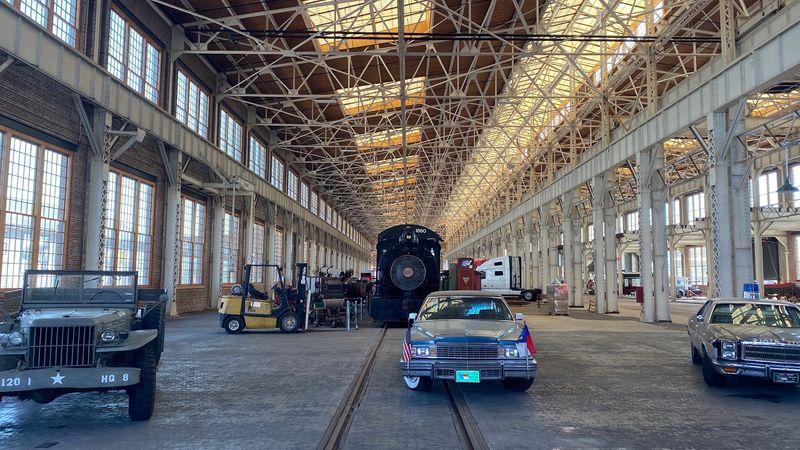
Long before kids came here to play, grown-ups came here to work. The site was once Spencer Shops, a major repair center for Southern Railway.
Steam locomotives rolled in for fixes and checkups. Hundreds of workers kept those engines running so trains could carry people and goods across the South.
When diesel engines took over, the need for a big steam repair shop faded. Instead of letting the buildings sit empty, North Carolina turned the place into a museum.
That history matters to local families. Some people who visit today had parents or grandparents who worked for the railroad, and the museum keeps those stories alive.
Displays explain how the railway shaped the town of Spencer. Kids can learn why a whole community grew up next to the tracks.
Here is a fun idea for families. Ask your kids to spot clues that the buildings were once working shops, like tall doors and old rails.
History becomes a game when you go looking for it.
Round and Round the Roundhouse
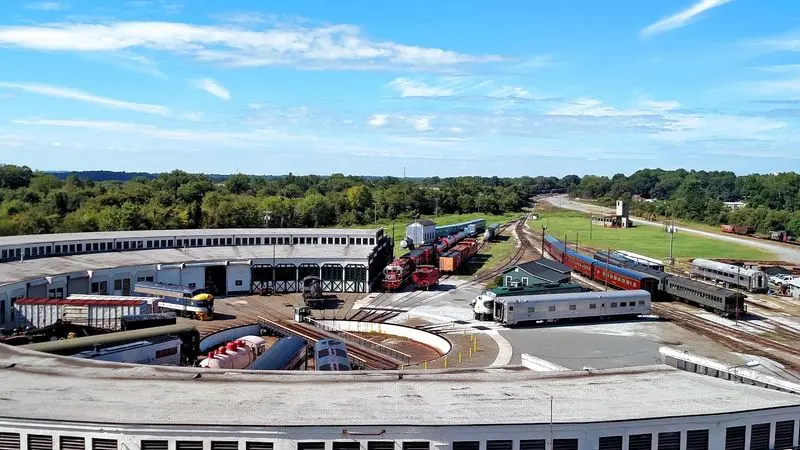
Trains cannot make tight U-turns. That simple problem is the reason roundhouses exist.
The Bob Julian Roundhouse is the star building at the museum. It is shaped like a curve, with many stalls where engines once parked for repairs.
In front of it sits a turntable. A locomotive drives onto the turntable, which spins to line the engine up with the right stall or track.
Kids usually love learning that a huge engine could be turned around like a toy on a plate. Seeing the turntable in action is a treat, though it does not move every day, so ask staff about demonstrations.
Inside, rows of locomotives and train cars fill the stalls. Signs explain what each machine did and where it traveled.
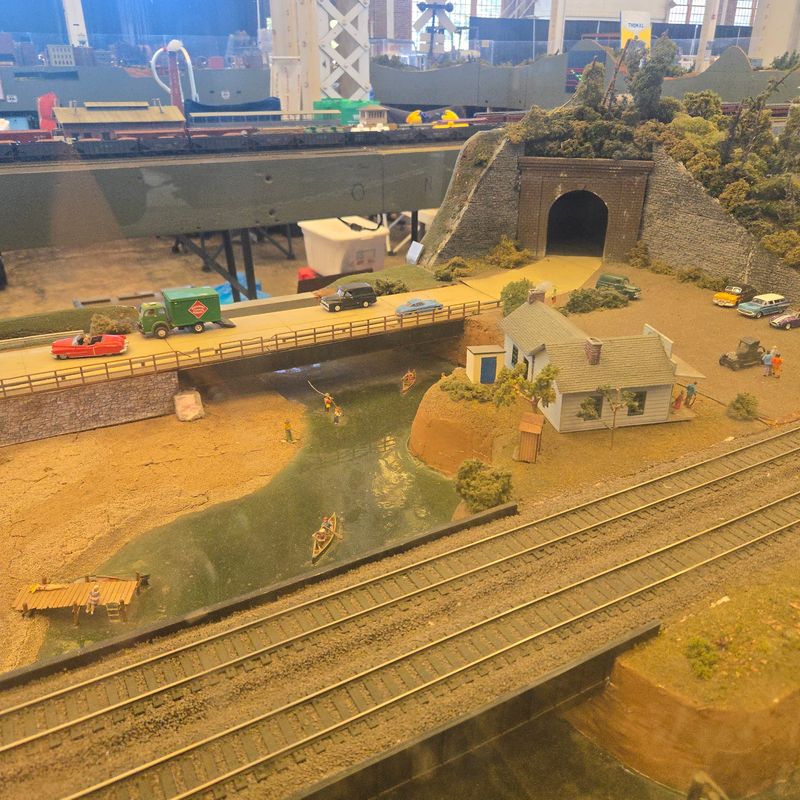
A model train display lives in the roundhouse too. Some parts may need repairs at times, but young fans still enjoy spotting tiny trains.
Give yourself extra time here. The roundhouse is where many families end up staying the longest.
Steam Giants and Diesel Muscle
Steam or diesel? Kids often pick a favorite within minutes.
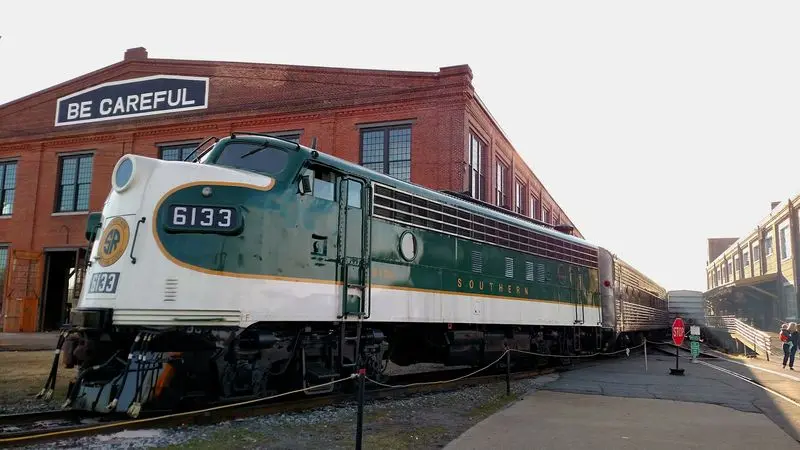
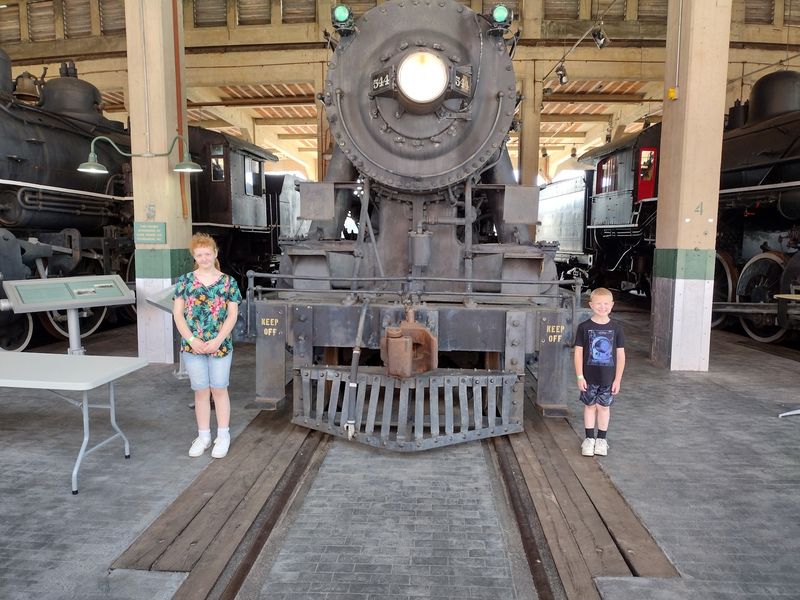
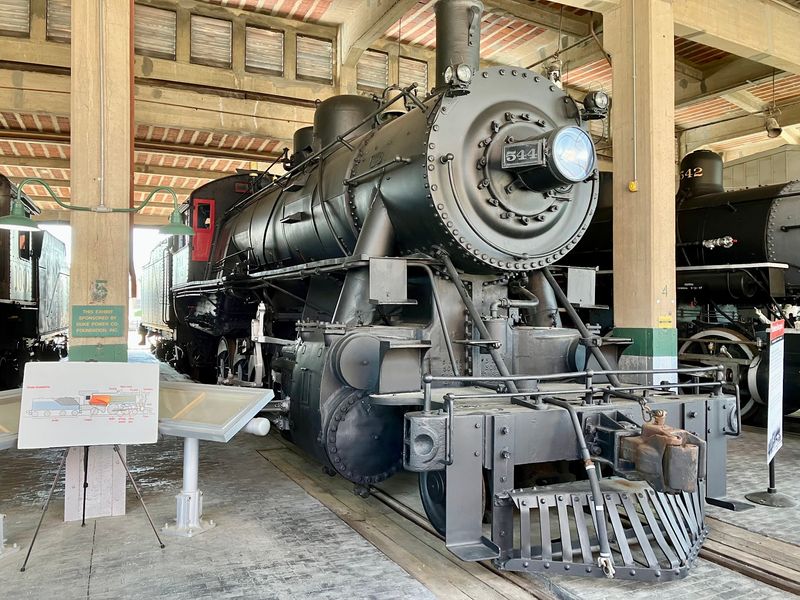
The museum shows both kinds of engines. Steam locomotives used fire and water to make steam, which pushed big parts that turned the wheels.
Diesel engines came later. They were easier to run and needed fewer repairs, which helped change how railroads worked.
Seeing them side by side helps kids understand how technology improves over time. It is like a history lesson on wheels.
The size of these machines surprises most young guests. Wheels can stand taller than a grown-up, and some engines stretch longer than a school bus.
Two steam cranes are also on display. These heavy-duty machines lifted train parts and helped clear tracks.
Try this tip for curious kids. Ask them to count the wheels on different engines and compare.
Wheel patterns once told railroad workers what type of engine they were looking at, so your child will be thinking like a real railroader.
Climb Into the Cab
Plenty of kids dream of being an engineer. At this museum, they get a small taste of that job.
Engine 1031 has an interactive cab that families can explore. Kids can sit where the crew once worked and look at the controls that ran the train.
This hands-on moment tends to be a favorite. Reading about a locomotive is one thing, but sitting inside one makes the history feel real.
Parents, have your camera ready. A photo of your child at the controls makes a great souvenir from the trip.
Use the moment to ask questions. What do they think each lever does?
How would they know when to stop or go?
Kids can also talk with staff and volunteers nearby. Many of them truly love trains and enjoy sharing facts with young fans.
Be patient if there is a short line on busy days. Every future engineer deserves a turn in the driver’s seat, and the wait is usually worth it.
All Aboard the Train Ride
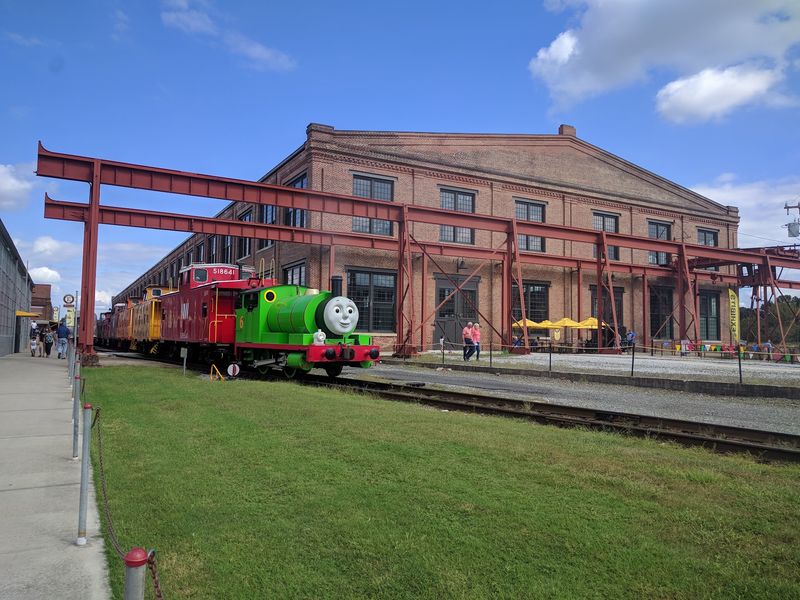
Looking at trains is fun. Riding one is even better.
The museum offers seasonal train rides around the grounds. The trip lasts about 25 minutes, which is a nice length for little ones who cannot sit still for long.
Along the way, guides share facts about the site and the railroad. Kids learn something new without feeling like they are in a classroom.
The ride also gives tired legs a break. Since the property is large, a train trip in the middle of your visit can help everyone recharge.
Ride tickets are sold separately from general admission on many days. Check the website for the schedule, because rides do not run every day of the year.
A handy tip is to buy ride tickets early in the day. Then you can plan the rest of your visit around your departure time.
For many families, this short ride becomes the highlight of the whole trip. It turns a museum day into a real railroad adventure.
More Than Just Trains
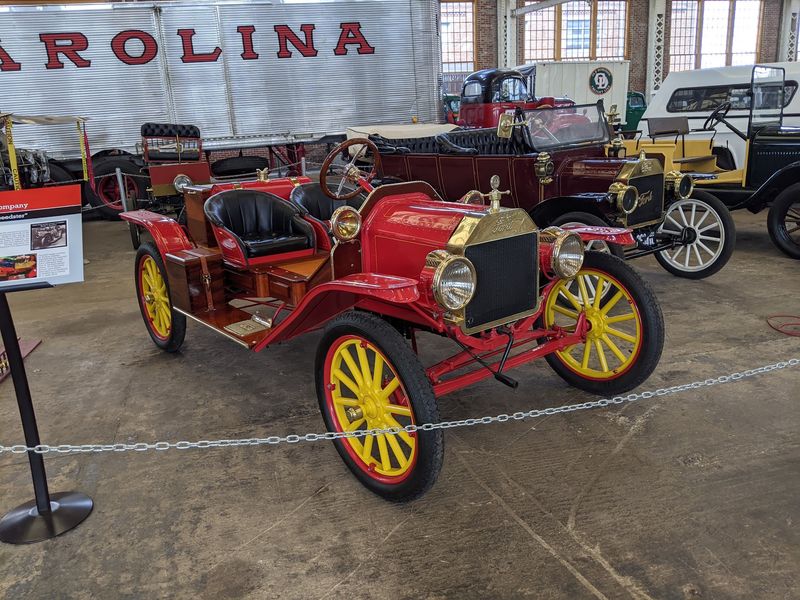
Trains get top billing, but the museum has a few surprises parked inside.
Antique cars fill one large building. Kids can see how autos changed from boxy early models to sleeker designs.
There are also trucks, horse-drawn carriages, and steam and electric cars. Some exhibits even show airplanes, boats, and canoes.
This mix helps kids see the bigger picture. People in North Carolina have traveled by wagon, rail, road, water, and air, and each one changed daily life.
The buildings themselves are part of the fun. Many are restored railroad shops, so the setting is just as historic as the vehicles.
A good game for siblings is a transportation bingo card. List things like a wagon, a truck, a plane, and a boat, then see who finds them all first.
Families often spend hours here and still miss a few corners. That just leaves something fresh to discover on the next trip.
Play Zones for Little Hands
Small kids learn by doing. The museum understands that and has hands-on spots just for them.
During warmer months, there is a sandbox where children can dig and build. It is a nice break from reading signs and looking at big machines.
Indoors, kids can play at grain tables and build with Legos. These areas let younger guests use their imagination while parents take a breather.
A scavenger hunt is another way to keep kids busy. It sends them searching around the exhibits, which turns the whole museum into a puzzle.
Watch for the museum mascot, a friendly character named Mookie. Kids may spot Mookie merchandise in the gift shop too.
One helpful tip is to save play areas for the moment energy starts to drop. A quick play break can reset moods and give you more time to explore.
Restrooms are spread out across the large site, so plan bathroom stops ahead of time with little ones.
Events Worth Marking on the Calendar
Some weekends at the museum look completely different from others. That is thanks to a busy calendar of special events.
Car shows are a big part of the lineup. The grounds have hosted all-Chevy and all-Ford shows, along with antique truck shows.
Fire truck fans can catch a festival with a parade of shiny engines. Kids who love sirens and ladders often call it the best day of the year.
Train shows and locomotive gatherings bring in engines from other places. The America 250 locomotive celebration drew huge crowds, and staff kept things running smoothly.
Holiday events add even more fun. An Easter event has included train rides, activities, and face painting for children.
Event days can be crowded, so arrive early to grab parking and beat lines. Bring water and plan a meeting spot in case your group splits up.
Check the online calendar often. A regular museum visit can turn into a festival day with a little lucky timing.
A Holiday Ride to the North Pole
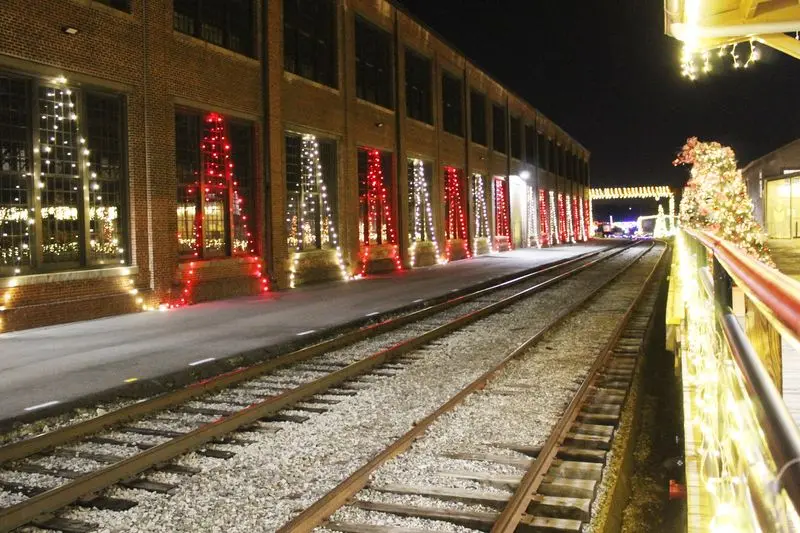
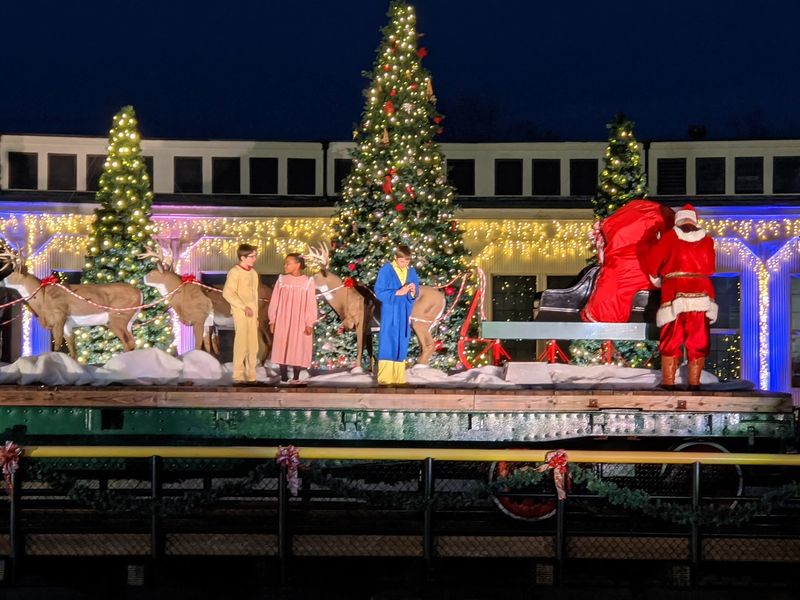
When December rolls around, the museum turns into a winter storybook. The Polar Express train ride is its most famous event.
Families board a train decorated for the season. Performers on board sing and dance, and kids get to join in.
Hot cocoa and a cookie are served during the ride. Many tickets also include a keepsake mug, which makes a nice holiday memento.
At the North Pole stop, Santa climbs aboard and greets each passenger. For young kids, that moment is pure holiday excitement.
Before and after the ride, there are crafts, a model train area, and a gift shop to explore. Volunteers are happy to help snap family photos.
Tickets sell out fast, so buy them as soon as they go on sale. They cost more than a regular visit, but many families return year after year.
Pajamas are a popular choice for kids, just like in the story. Dress warmly too, since winter evenings can get chilly in North Carolina.