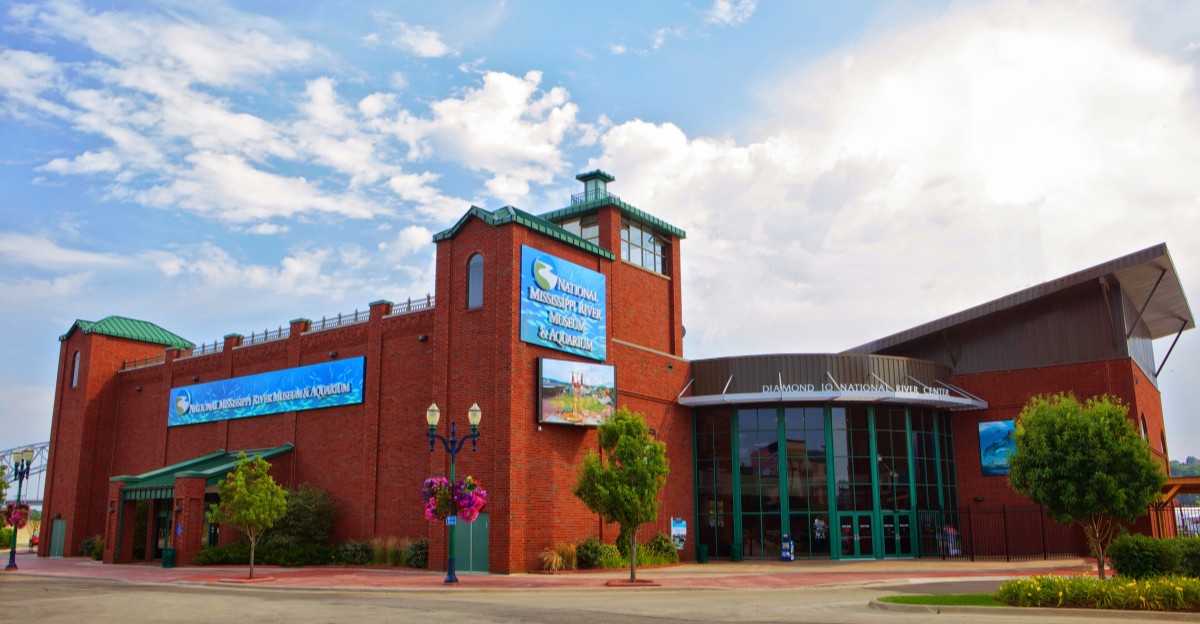
Small hands leave smudges on the glass here, and nobody seems to mind one bit.
Kids stand nose to nose with stingrays, otters, and a curious octopus, while parents quietly learn just as much as their children do.
This riverside spot in Dubuque, Iowa, is far bigger than it looks from the street, with two main buildings, outdoor exhibits, and enough hands-on fun to fill an entire day.
Many families walk in expecting a quick stop and walk out hours later, still talking about the critters they met.
The tickets even work for two days in a row, which says a lot about how much there is to explore.
A River Story Right Downtown
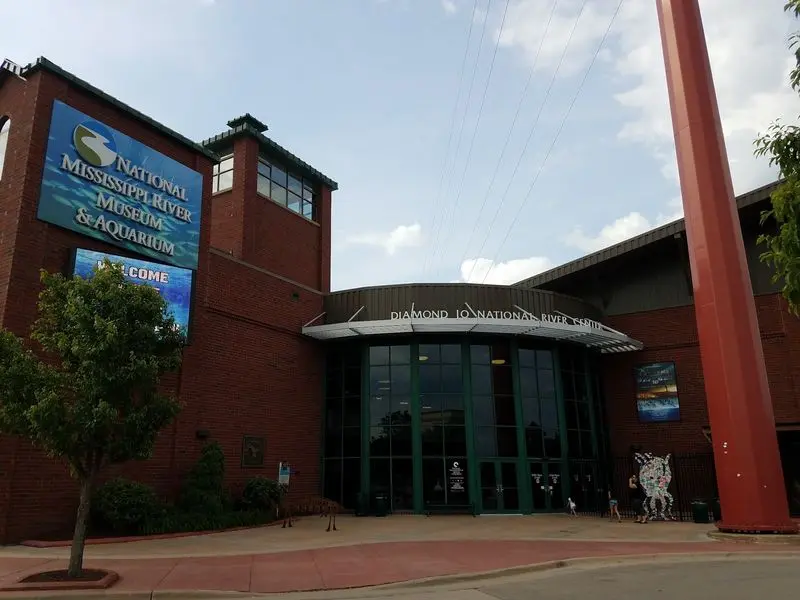
Some museums hide in the suburbs, but this one sits right on the riverfront where the action happens. The National Mississippi River Museum & Aquarium is found at 350 E 3rd St, Dubuque, IA 52001, United States, close to the busy waters it celebrates.
The whole place tells the story of America’s rivers and the life in and around them. That includes fish, birds, boats, and the people who built towns along the shore.
Plenty of folks drive past for years and assume it is a small, quiet stop. Then they finally step inside and discover a huge campus with separate buildings, outdoor areas, and two floors in each main building.
Here is a smart tip before heading out. Hours run from 10 AM to 4 PM on weekdays and 10 AM to 5 PM on Saturday and Sunday, so an early start helps a lot.
Parking is free and plentiful, which makes arriving with a car full of excited kids much easier. That simple perk sets a calm tone for a long day of discovery.
Stingrays Steal the Show
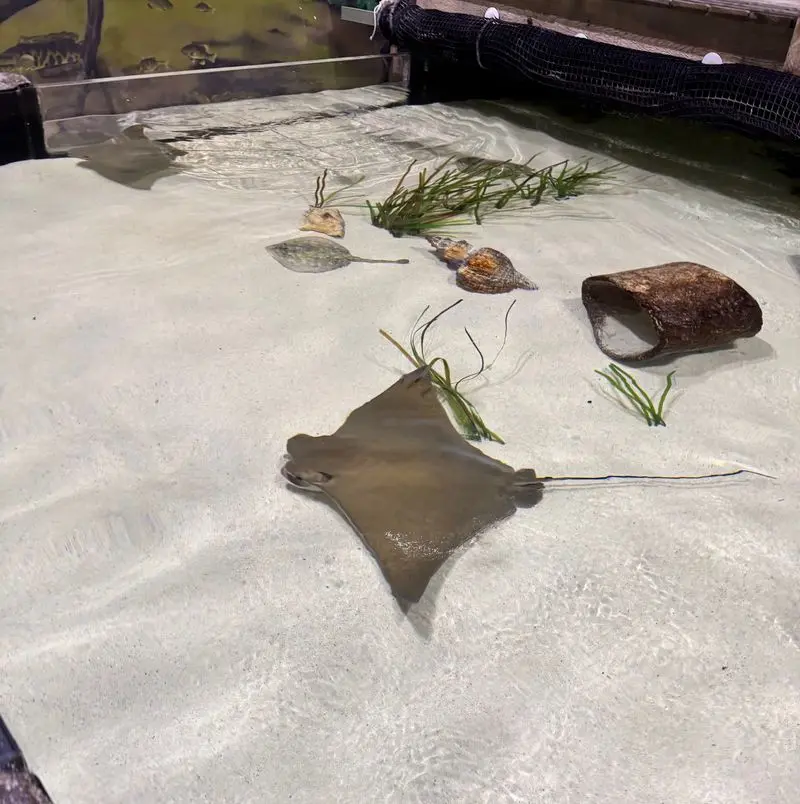
Ask any kid what they remember most, and the answer is usually the stingrays. These flat, gliding animals are the biggest hit of the whole museum.
The stingray touch tank lets guests reach in and gently pet them as they swim past. Staff members stand nearby to explain how to touch them the right way, using two fingers and a soft hand.
Families love that it feels calm and safe, even for nervous first-timers. Little ones often go back for round two, then round three.
For an extra treat, there is a stingray feeding add-on. During this experience, the rays swim right up and take food from between your fingers.
Plenty of guests say this was the highlight of their trip. It is the kind of moment kids brag about at school the next week.
Planning tip: check feeding times when you arrive and explore nearby exhibits while you wait. That way, nobody misses the main event, and nobody gets bored either.
Otters on Comedy Duty

Fair warning: the otters may hold your group hostage for a while. These playful swimmers are among the most loved animals in the building.
Kids line up at the glass to watch them dart, flip, and roll through the water. Adults usually end up just as glued to the window as the children are.
The otter habitat is a great place to slow down and talk about river animals. Otters live along waterways like the Mississippi, so seeing them here connects to the bigger river story.
Here is a helpful idea for families. Make the otters a scheduled stop instead of a quick pass, because their activity can change from minute to minute.
If they are napping, circle back later in the day. Many families find the second visit even better than the first.
Bring a camera, but do not spend the whole time behind it. Some moments are best enjoyed by simply watching these furry acrobats do their thing.
Meet the Giant Pacific Octopus
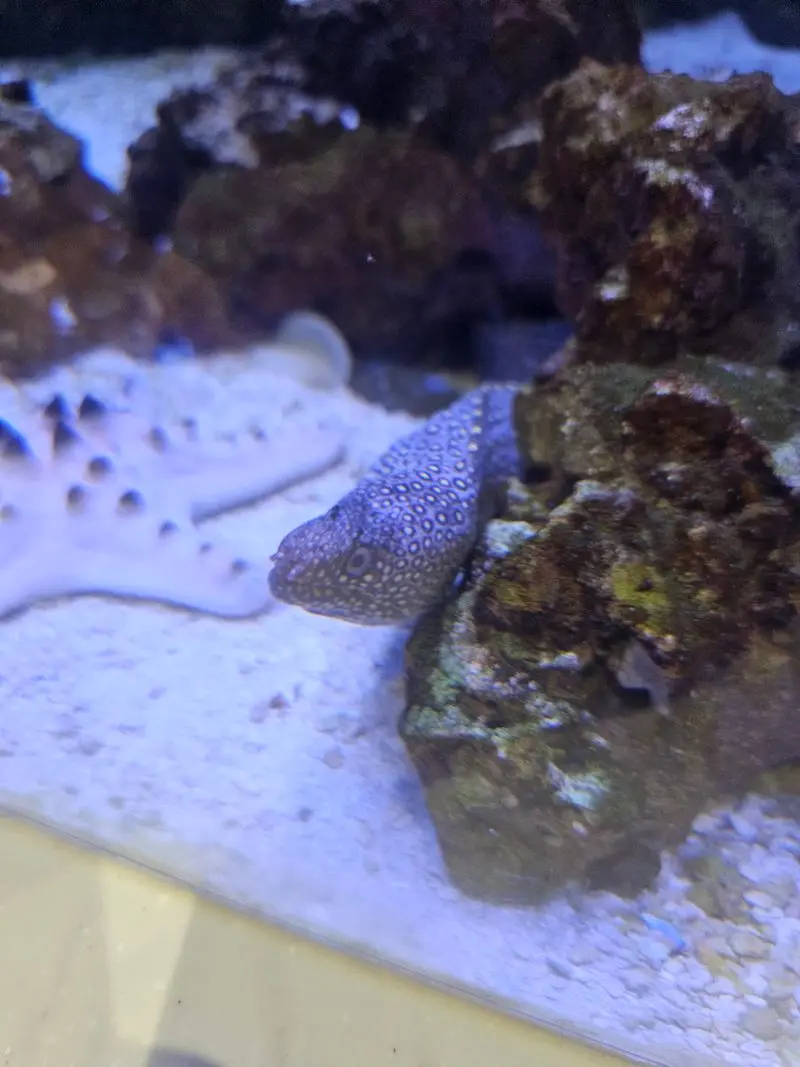
Eight arms, one big brain, and plenty of curiosity. The Giant Pacific Octopus is one of the smartest animals in the aquarium.
Most guests see the octopus through the glass, where it moves and explores its tank. Kids are often amazed at how it changes shape and squeezes into small spaces.
For families who want more, the museum offers a special Giant Pacific Octopus encounter as an add-on. During this experience, the octopus may recognize its caretaker and come up to say hello.
Guests have had the octopus gently wrap its arms around their fingers and wrists. It uses suckers on its arms to explore, which is a fun fact kids love to share.
Some encounters have even included a peek behind the scenes. That can mean seeing filtration systems, animal care areas, and a nursery with tiny baby seahorses.
Spots for add-ons may be limited, so it is smart to check the museum website before your trip. Booking early can save a lot of disappointment.
Sea Stars Within Reach
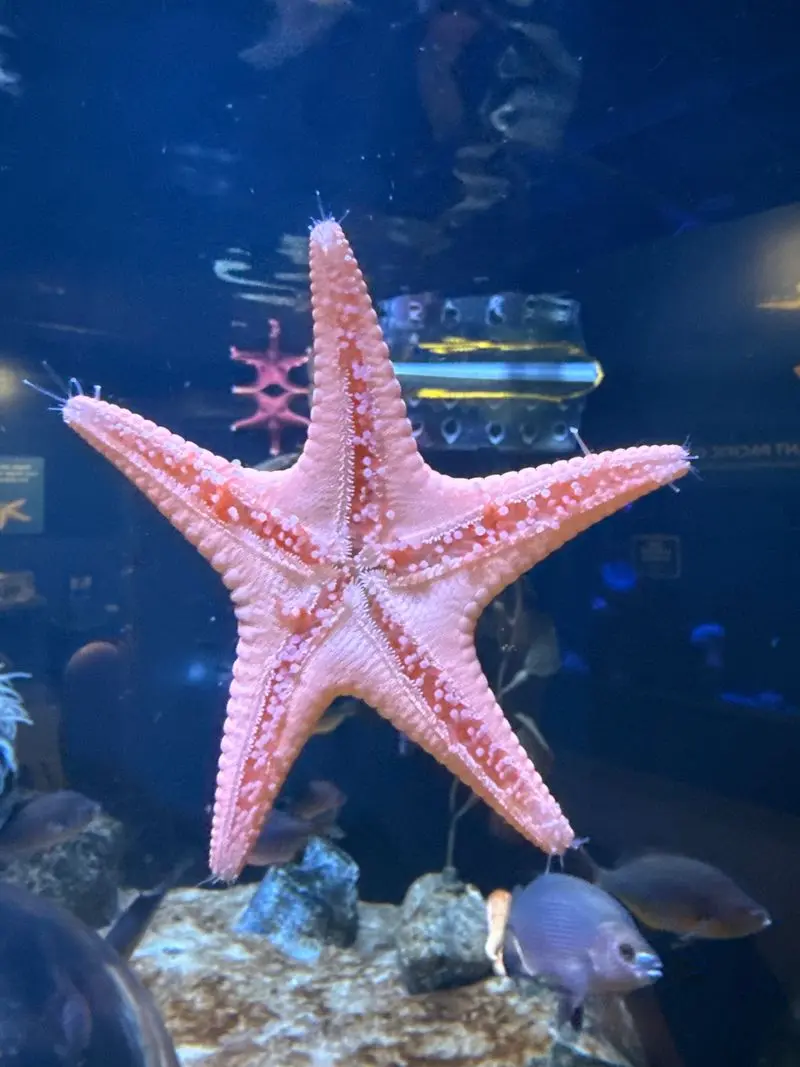
Stingrays are not the only animals you can touch here. A separate touch tank holds sea stars, anemones, and other small ocean creatures.
This is a great stop for younger kids who want something slower and easier. Sea stars do not zoom around, so little hands have time to reach in carefully.
Staff explain how to touch gently and what each animal does in the wild. Kids learn that sea stars have tiny tube feet underneath, which help them move and hold on to rocks.
Even toddlers can enjoy this area with a parent close by. Families with a child under two have called it one of their favorite parts of the day.
Here is a practical tip. Bring hand wipes or plan a stop at the restrooms after the touch tanks, since curious kids may want to touch their faces next.
This exhibit turns a field trip lesson into real-life learning. Few things beat a kid explaining sea star feet at the dinner table that night.
Jellyfish, Gators, and Big Tanks
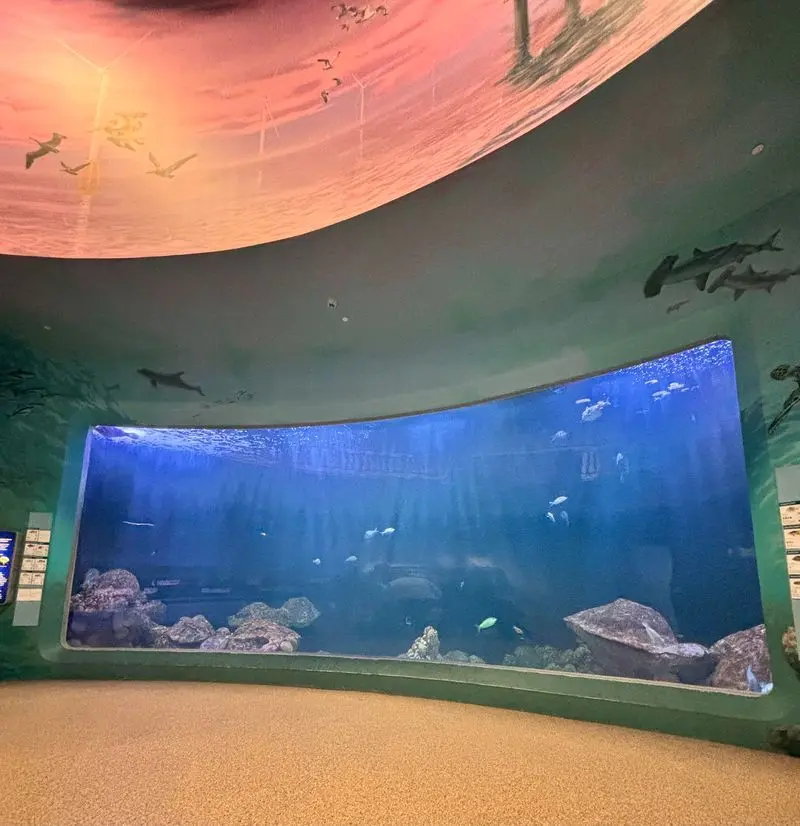
The giant aquariums are the reason so many faces end up pressed against the glass. Tank after tank shows off a wide mix of aquatic life.
Jellyfish drift slowly in their glowing displays, which makes them a favorite photo spot. Nearby, an alligator draws crowds of kids who cannot believe how still it can stay.
River fish get plenty of attention too. Many tanks show the kinds of animals that live in the Mississippi and other waterways, linking them to the history displays.
The tanks are well kept and easy to view, even for shorter kids. Families often say the animals seem curious, almost like they are posing for pictures.
Here is a good strategy for busy days. Move to the next tank when one gets crowded, then come back once the group thins out.
Ask staff about the animals you spot. They know a lot and are happy to answer the endless questions kids tend to ask.
Play Zones for Little Explorers
Toddlers and preschoolers get their own slice of the fun. The museum includes several interactive play areas made just for kids.
There is a water table and a splash zone where little ones can experiment with flowing water. An art room gives kids a chance to make something to remember the day.
A Paw Patrol play area has become a big favorite with young families. Some parents who have visited children’s museums across several states say this spot ranks near the top.
These zones are a lifesaver when energy runs high. After a long stretch of looking at tanks, kids can burn off steam before heading to the next exhibit.
Practical tip: pack a spare shirt for the water play areas. Splashing is half the fun, and dry clothes make the drive home much happier.
Older kids may enjoy the hands-on dam models, which show how water moves and how rivers are controlled. Learning feels like play here, and that is the whole idea.
History Hiding Between the Tanks
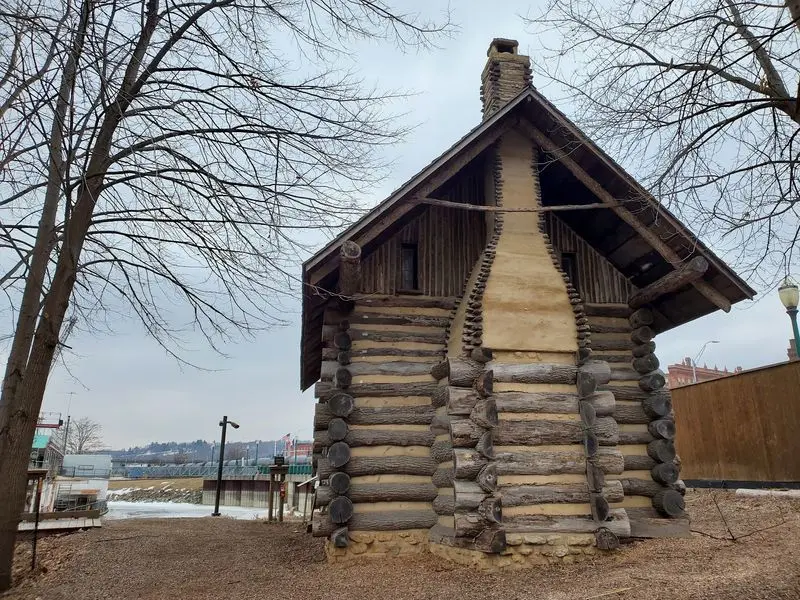
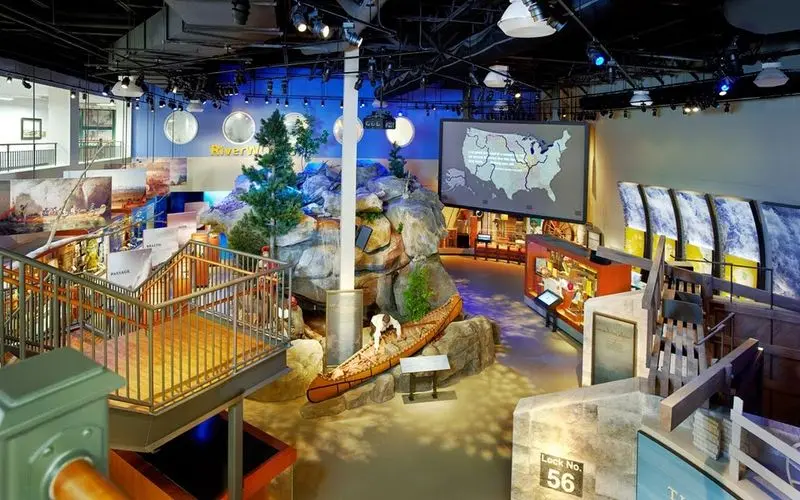
Animals may grab the spotlight, but the river’s past deserves a slow walk. The museum shares plenty of stories about the Mississippi and the people who lived along it.
Exhibits cover early Native American history and the pioneer days. There is even a log cabin to explore, which helps kids see how families lived long ago.
Historical artifacts sit next to clear explanations of where they came from. The displays are easy to understand, so younger readers can follow along without getting lost.
Paintings also appear throughout the campus, adding art to the history mix. Teens often enjoy this part more than they expected.
A smart way to handle this section is to let kids pick one story to learn about. Then they can share it with the family over lunch.
Do not rush past these displays to reach the next tank. Many families say the history surprised them and became one of their favorite parts of the trip.
Ships, Eagles, and Outdoor Wonders
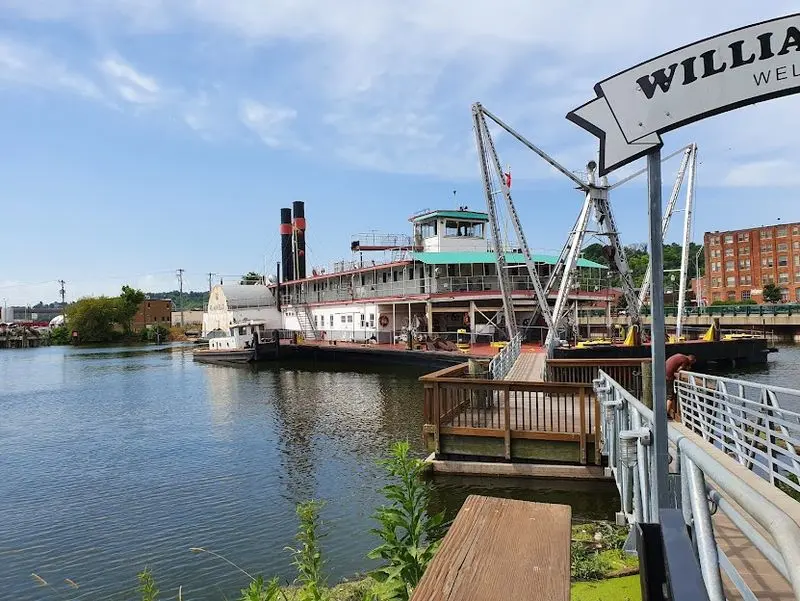
Head outside and the adventure keeps going. The campus includes a boatyard and ships that guests can board and explore.
Walking the decks gives a close-up look at the hard work it took to run boats on the river. Kids get to see how these vessels were built and used.
There is also a steam-driven machine shop that fascinates fans of engines. Gears and machines tend to pull in kids who are not as excited about fish.
Bird lovers should look for the avian exhibits. A bald eagle and a red-tailed hawk can be seen surprisingly close, which leaves many guests in awe.
Timing matters here. Some outdoor attractions close during cold weather, so warmer months are the best time to enjoy everything.
If you visit in winter, the indoor areas can still fill hours. Just plan a return trip in summer, because the outdoor exhibits are often called some of the best parts.
Smart Moves for a Full Day
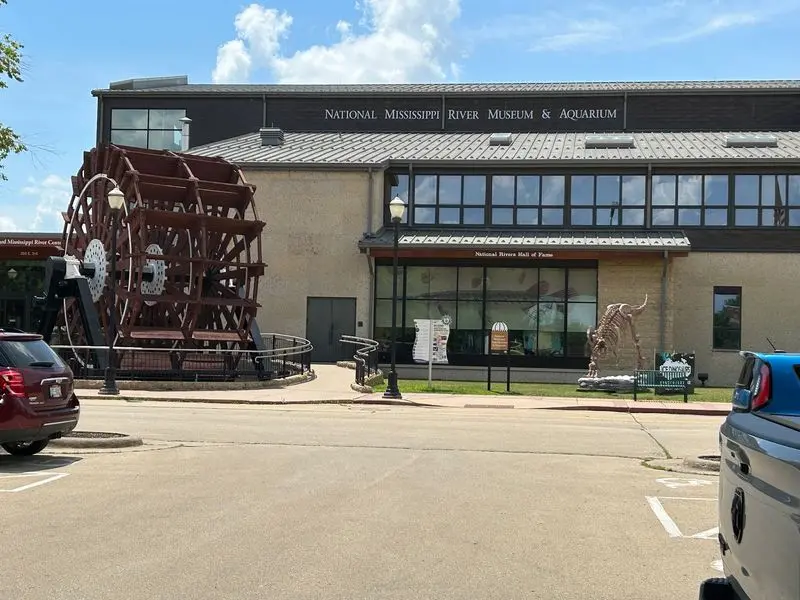
Plan for more time than you think. Many families spend four or five hours here and still leave with things they did not see.
Good news: your ticket works for two days in a row. That means you can split the visit and avoid tired legs and grumpy kids.
Do not stop after the first area. The museum continues to the right, through the building, and outside to a second building, each with two floors.
Kids under three get in free, and students with an ID should ask about discounts. Tickets can add up for families, so these savings help.
A 4D movie theater is on site, though some younger kids find it a bit odd. Older children may enjoy it more.
The cafe and clean restrooms make long days easier, and the gift shops have fair prices. Friendly staff and volunteers are always ready to point the way, so this river trip ends with smiles and plans for a return visit.