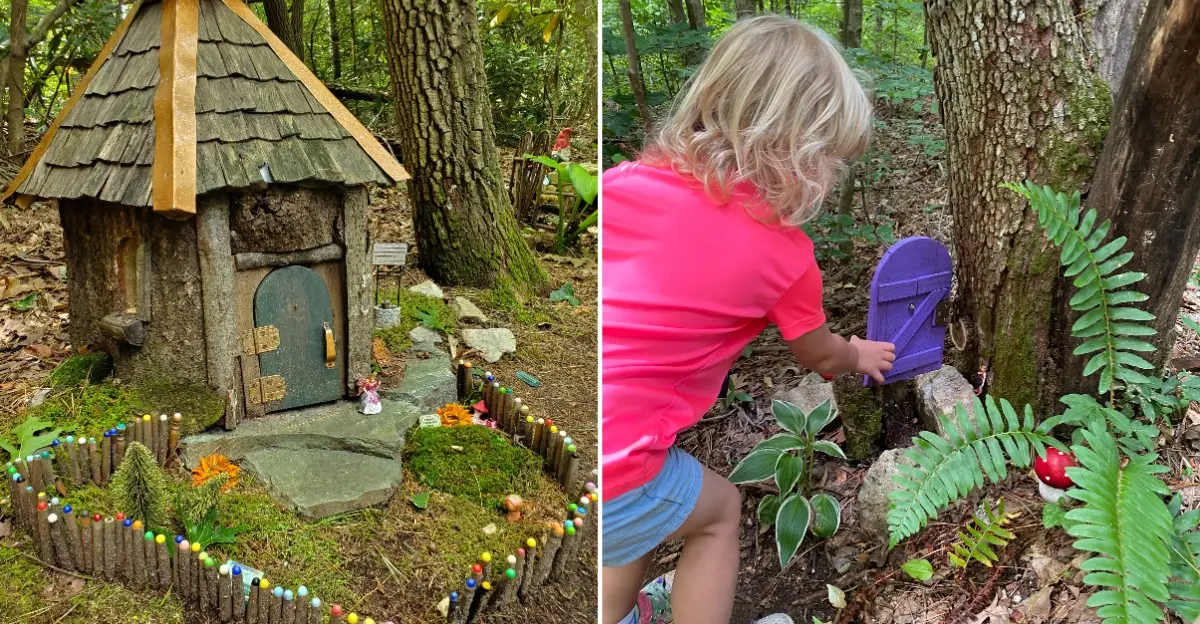
A tiny door tucked into the base of a tree can send a child hurrying down a trail with eyes wide open. At Bullington Gardens in Hendersonville, North Carolina, the fairy trail adds a playful twist to a walk through the gardens, giving kids a reason to slow down, look closely, and search for miniature surprises along the way.
Located at 95 Upper Red Oak Trail, Bullington Gardens offers a peaceful setting where flowers, trees, and shaded paths create the backdrop for a little make-believe. Children can turn each bend into a new discovery while adults enjoy the greenery and the slower pace of being outdoors together.
The fairy trail schedule can vary, so checking ahead is worthwhile before packing comfortable shoes and heading out. Once you arrive, keep those eyes peeled—you never know when the next tiny doorway might appear among the trees.
Tiny Doors Turn a Walk Into a Treasure Hunt
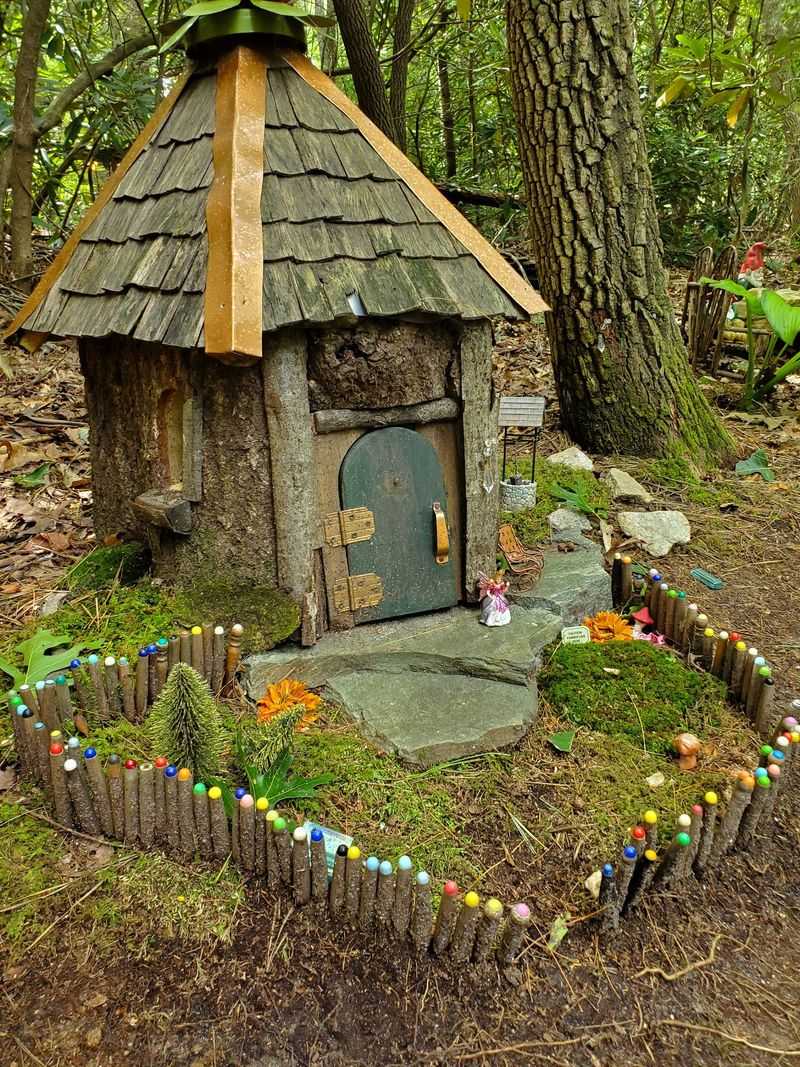
One small door can stop a child in their tracks. Suddenly, a tree becomes a possible home, and the next stretch of path feels full of secrets waiting to be found.
Visitors to Bullington Gardens describe fairy doors on trees along the fairy trail, with little scenes behind some doors. Rather than promising a certain number of discoveries, make the outing about noticing details and enjoying whatever displays are available during your visit.
Try giving each child a turn as the lookout. Younger children can point out doors, while older ones can remember where they spotted their favorites or sketch a quick picture afterward.
Although excited kids may want to race ahead, keep the search at a walking pace because some paths are narrow and can become slippery. Stay together, follow posted directions, and only open features clearly meant for visitors to use.
That slower rhythm leaves room for laughter, careful looking, and the satisfying moment when someone spots a tiny entrance everyone else almost missed. Let every discovery feel shared rather than turning the walk into a contest with one winner.
Little Scenes Invite Big Imaginations
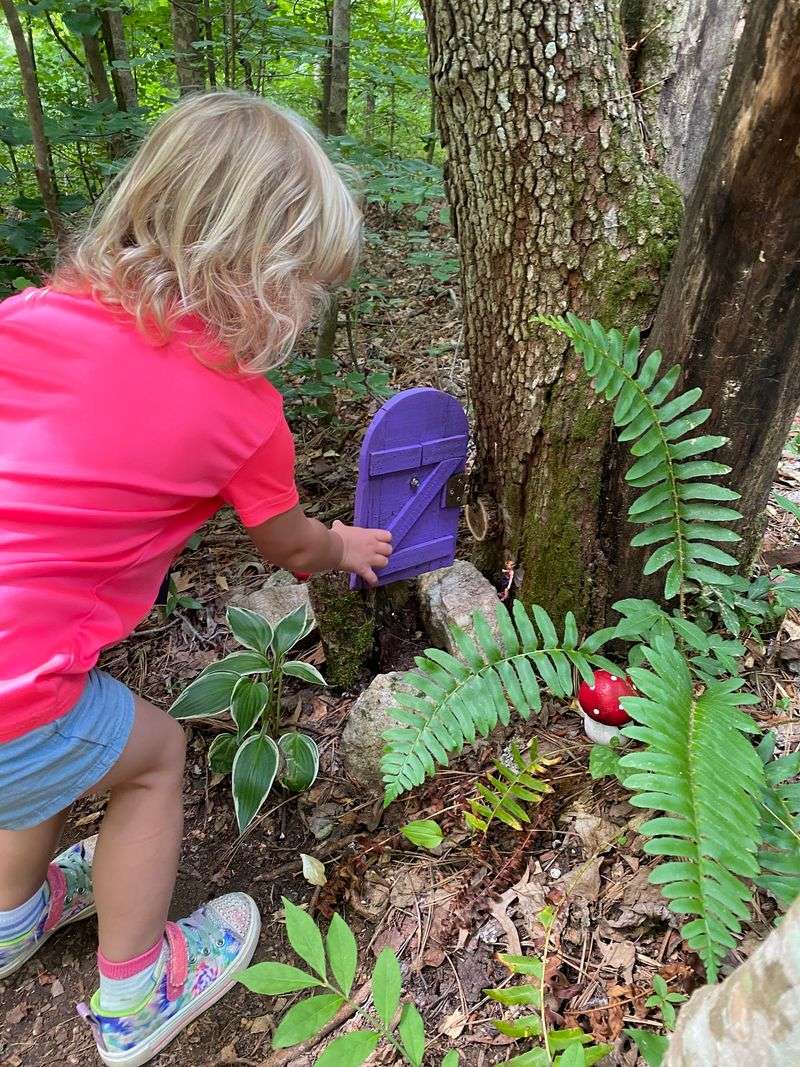
A door opens, and the guessing begins. Who lives here, what do they eat, and where might they go when nobody is watching?
One visitor describes finding fairies, animals, and other small surprises behind doors at Bullington Gardens. The displays offer a starting point for stories, though individual decorations may change and should not be treated as a fixed collection.
Invite children to invent a resident’s name or imagine a tiny daily routine. A shy child might prefer whispering an idea to a parent, while a chatty explorer may happily narrate an entire adventure between stops.
Keep the storytelling gentle on the actual displays: look closely, leave decorations where they belong, and never force a door that seems stuck or closed for a reason. Adults can join the fun without supplying every answer.
Sometimes a simple observation about the size of an entrance is enough to spark the next idea. The pleasure comes from letting children lead a little, turning an outdoor stroll into something they helped create rather than something they were merely shown.
Give their unusual ideas room to grow.
The Fairy Post Office Gives Wishes a Destination
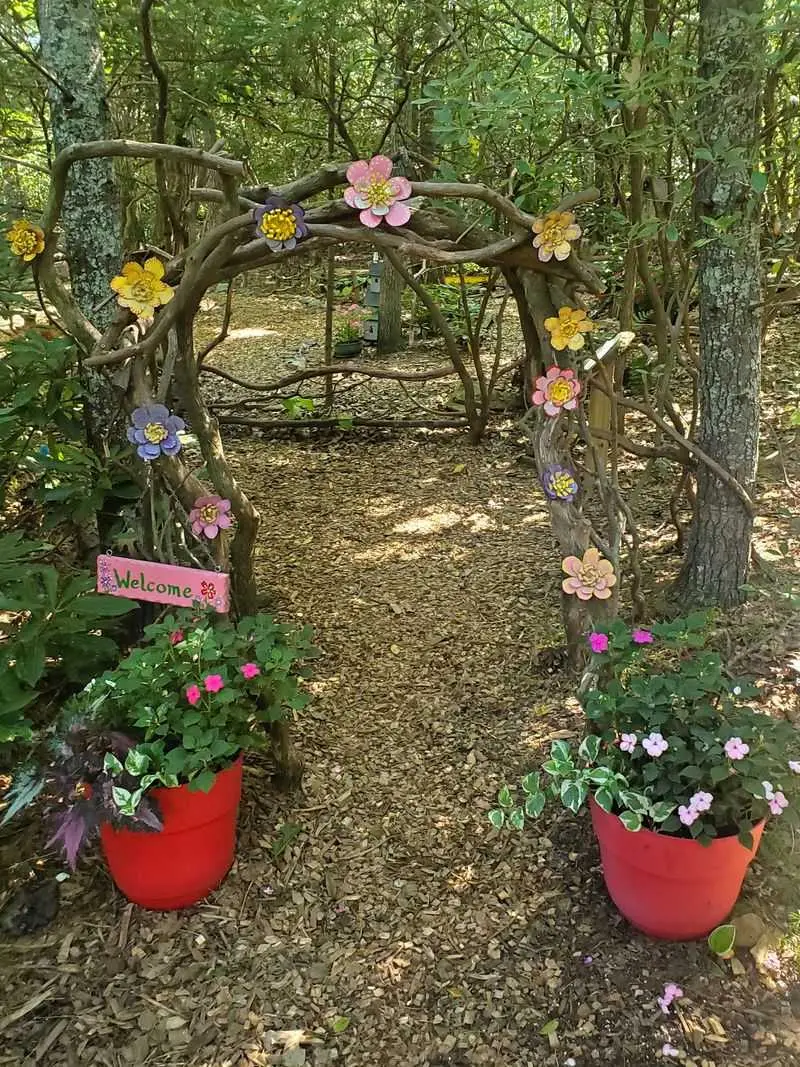
Some adventures deserve a letter before they end. A few penciled words can make a child’s imaginary friendship feel surprisingly real.
A visitor to Bullington Gardens describes a fairy post office near the end of the trail, where guests can write letters and place them in a mailbox. Ask staff whether this feature is currently available, since seasonal displays and activities can change.
Bring a small piece of paper and a pencil if letter writing matters to your family. Children might thank the fairies for sharing their neighborhood, describe their favorite discovery, or draw a picture instead of writing sentences.
Avoid promising that a reply will arrive; the fun is in sending a message, not expecting a service the garden has not advertised. Help younger writers keep personal information out of their notes, and follow any instructions beside the mailbox.
This small pause can give the whole walk a lovely ending. After all the searching and excited pointing, sitting together to choose a few words lets children turn their discoveries into a memory they can explain in their own way later.
Hidden Gnomes Add Another Layer of Looking
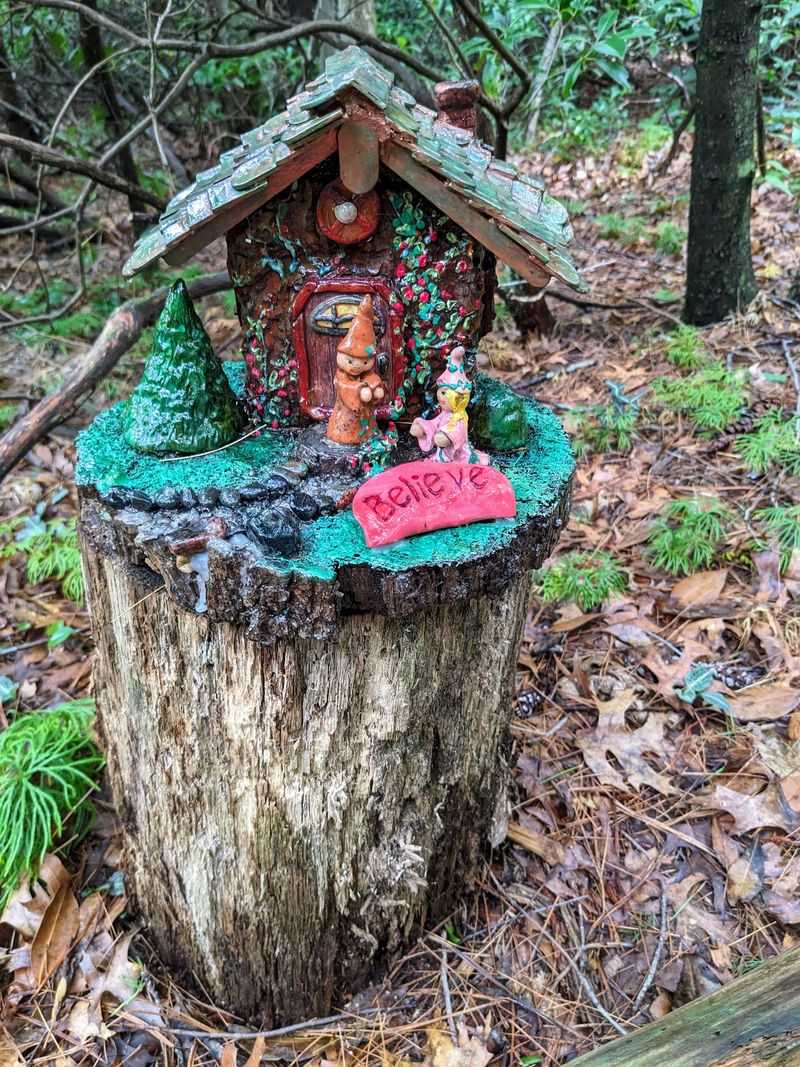
Not every small character in the garden has wings. A gnome spotted among the grounds can send young explorers into a fresh round of cheerful detective work.
Families visiting Bullington Gardens have mentioned searching for hidden gnomes as well as enjoying the fairy garden. Their accounts suggest another playful detail to watch for, but the number and placement of figures may vary.
Keep the challenge loose rather than setting a target nobody can confirm. Ask children to notice colors, shapes, and possible hiding places from the path, without stepping into beds or reaching behind plants.
For siblings, a shared spotting game usually works better than a competition over who finds the most. One child can point while another describes the discovery, then they can switch roles at the next stop.
If no gnomes appear during your visit, let interesting leaves or unusual bark become the next observation. The real reward is sharper attention, not a completed checklist.
By the time you head home, even the quietest corner may have become part of a story your children want to tell again at dinner.
Shaded Paths Make Room for a Slower Adventure
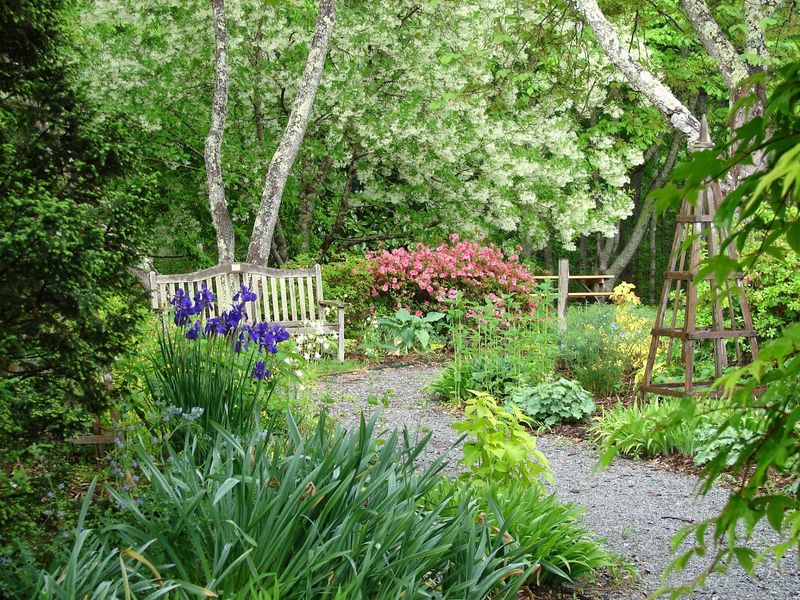
Cool shade can change the mood of a family outing. Shoulders relax, footsteps slow, and the smallest details become easier to notice.
Visitors often praise the shaded trails at Bullington Gardens, making the wooded setting part of the fairy hunt’s appeal. Still, shade does not remove summer heat, and a pleasant garden walk deserves the same basic preparation as any outdoor stop.
Carry water, choose shoes with good grip, and check the weather before leaving home. Reviews describe some paths as narrow or slippery, so remind eager searchers to walk rather than run, especially after rain.
Families using strollers or mobility aids should ask staff about current route conditions instead of assuming every trail is equally accessible. Plan short pauses whenever children need them, and leave enough time to retrace your steps without rushing.
There is no prize for finishing quickly. A leaf moving overhead, a patch of textured bark, or a tiny door glimpsed beside the route can be reason enough to stop.
The shade helps create space for those moments, but thoughtful pacing is what keeps everyone comfortable through the visit.
Plant Labels Connect Make-Believe With Real Nature
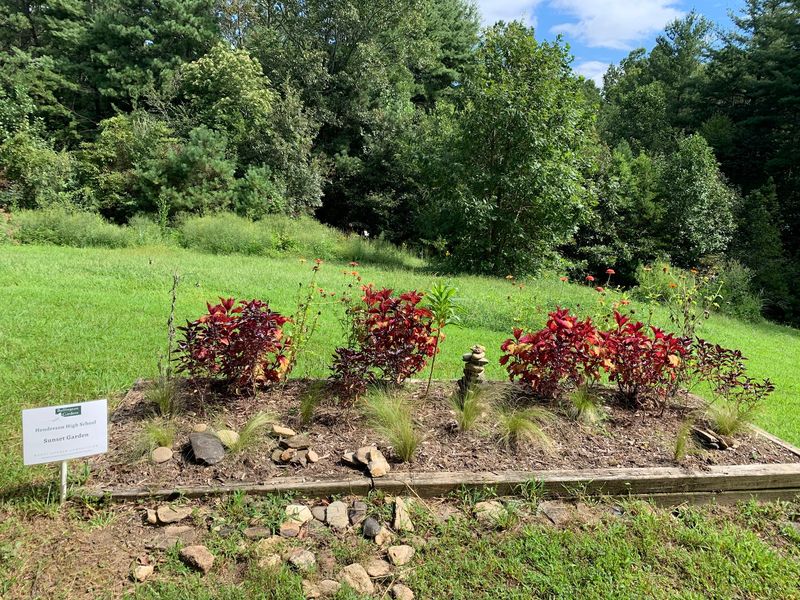
After looking for imaginary neighbors, a real plant name can become the next surprise. Suddenly, the garden has more than one kind of story to share.
Bullington Gardens visitors regularly mention labeled plants, along with native plants and an herb garden. Those details give families an easy way to connect the fairy trail’s playful mood with the living landscape around it.
Choose just one or two labels to read together rather than turning every stop into a lesson. Ask children what they notice first: a leaf’s shape, a flower’s color, or the way a plant grows beside its neighbors.
Let curiosity set the pace, and avoid picking leaves or flowers to make the lesson more hands-on. A quick sketch or photograph can preserve a discovery without disturbing the bed.
Parents do not need to know every plant name, either; reading a label together models how to learn something new. If a child remembers one interesting plant alongside a favorite fairy door, the visit has already linked imagination with observation.
That combination gives the outing a little more staying power once everyone returns home.
Colorful Garden Beds Reward the Grownups Too
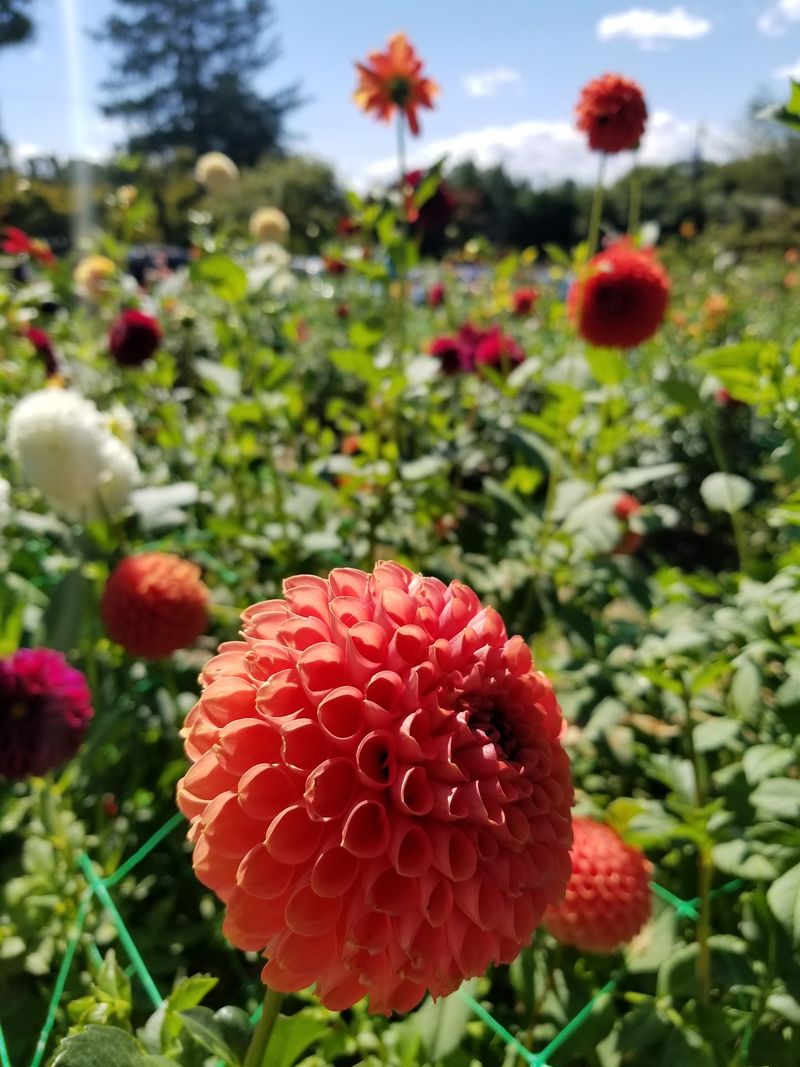
Sometimes the grownups are the ones who stop first. A flower with bold color or an unusual shape can hold attention just as firmly as a miniature door.
Bullington Gardens is known among visitors for its dahlias, and garden responses highlight September as a rewarding time to enjoy them. Bloom timing depends on weather and conditions, so check current updates rather than expecting the same display every week.
Keep flower viewing separate from any promise about fairy trail availability. The fairy features have had a seasonal schedule in past years, and a strong flower season does not automatically mean every fairy display is open.
For a relaxed family visit, let adults choose a garden stop after children have enjoyed their search. Take pictures from the paths, leave blooms untouched, and compare colors without needing to identify every variety.
That small exchange makes the outing feel shared instead of centered on only one age group. Children may come for tiny houses, while parents leave with planting ideas or a favorite photograph.
Both kinds of enjoyment belong here, and neither needs to hurry the other.
A Nature Trail Offers a Different Kind of Discovery
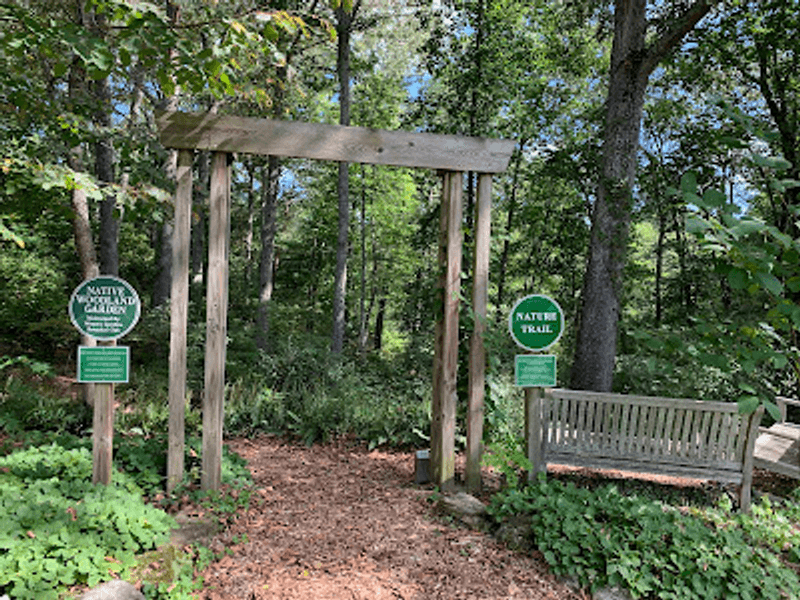
The mood shifts when tiny houses give way to woodland details. Footsteps, leaves, and the shape of the land become the main attractions.
Alongside its fairy features, Bullington Gardens has a nature trail that visitors enjoy exploring. One older review describes a route with a steep descent and climb leading toward a creek, so do not assume this option matches the easier garden paths.
Ask staff about the current trail condition before adding it to your outing. Garden reviews mention recovery work after Hurricane Helene, and routes or access can change as repairs and maintenance continue.
Choose this extra walk only if your group has the energy, footwear, and time for the return trip. Keep children close near uneven ground or water, and turn around whenever the route feels unsuitable.
There is no need to squeeze every part of the property into one visit. For families ready for another kind of exploring, though, the nature trail can balance the fairy hunt with a quieter experience.
Children get to notice a landscape that needs no miniature decorations to hold their attention for a while.
A Quiet Pause Helps the Story Sink In
The best part of an outing sometimes arrives after everyone stops moving. A child settles beside you and finally explains which discovery mattered most.
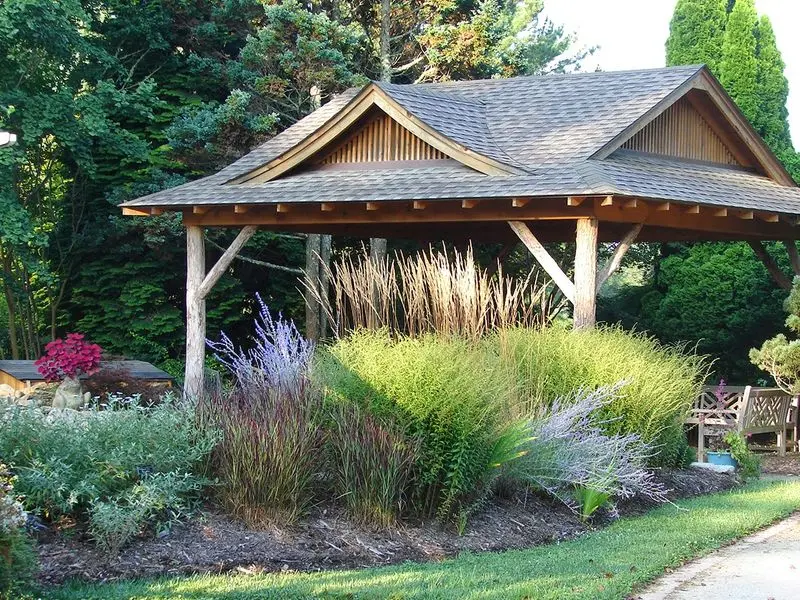
Visitors to Bullington Gardens mention shady benches and picnic tables, while another describes a book nook where story time takes place. Ask about current facilities and scheduled activities, because a reading space does not mean a program happens every day.
Build a brief rest into the visit instead of waiting until everyone is tired. A drink of water and a few minutes of conversation can help younger children reset before another stretch of walking.
Try asking which fairy home they would visit again or what they would write in a letter. Older children might enjoy drawing a remembered detail, while little ones may simply want to tell the same story twice.
Keep shared seating tidy and follow posted guidance if you bring food. The pause does not need to become a planned activity with rules.
Its value is the chance to listen, enjoy the surroundings, and let a busy search settle into a memory before you leave the gardens.
A Little Planning Protects the Magic
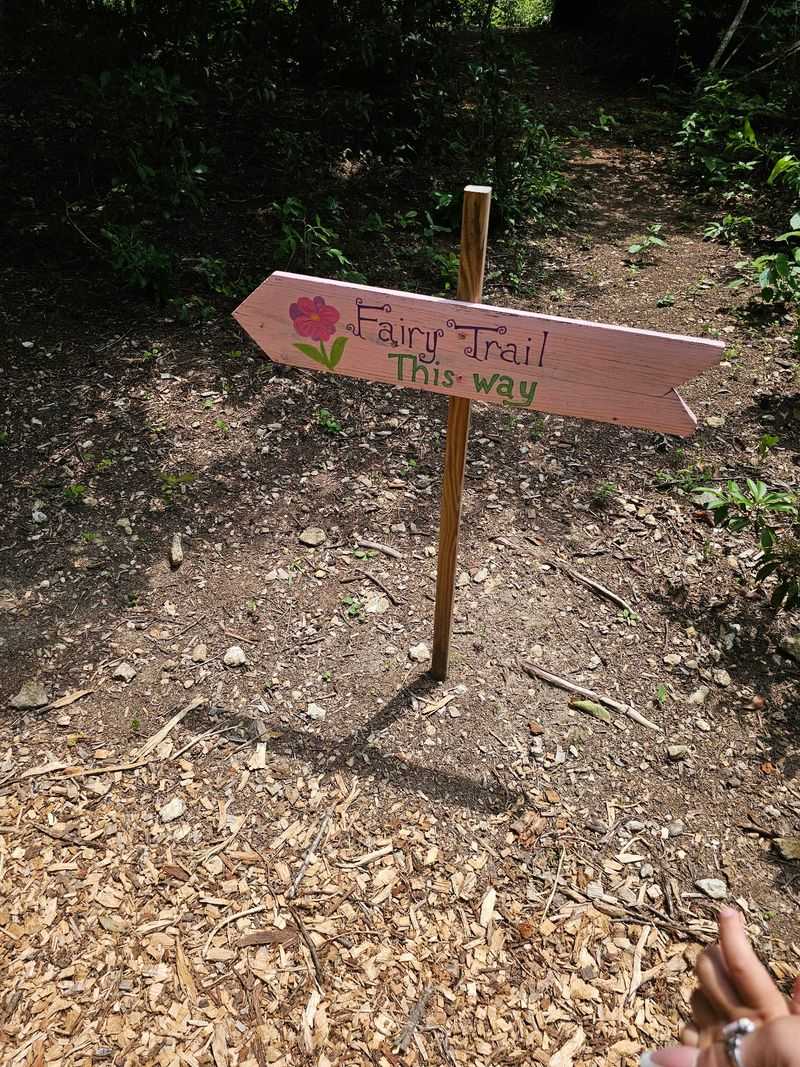
Nothing deflates a fairy hunt faster than arriving on the wrong day. A quick check before the drive helps keep the excitement pointed in the right direction.
Bullington Gardens is at 95 Upper Red Oak Trail, Hendersonville, NC 28792. The supplied hours list Monday through Saturday, 9 AM to 4 PM, with Sunday closed, but confirm current hours and fairy trail dates at bullingtongardens.org or by calling 828-698-6104.
Past garden responses describe a seasonal fairy trail, so regular garden hours alone do not guarantee that its displays are available. Visitors report free admission with donations welcomed; check for any separate arrangements involving special events or programs.
Leave room in the schedule for slow searching rather than treating the garden as a quick stop. If your budget allows, a donation is a practical way to support the work visitors repeatedly praise, especially the care provided by volunteers.
You can also help by respecting displays, staying on open paths, and leaving the grounds tidy. A little preparation lets the visit remain what children hoped for: time outside, small discoveries, and plenty of room for imagination.