Some kids beg to leave a museum after twenty minutes. In Portage, Michigan, there is a place where parents end up doing the begging, because the kids refuse to go home.
Rare jets hang overhead, flight simulators wait for young pilots, and hands-on science stations sit around almost every corner.
Families often plan a quick stop and walk out three hours later.
The secret is simple: the fun comes first, and the lessons sneak in quietly behind it.
Kids test wind tunnels, ride spinning attractions, and stand under a famous spy plane, all while picking up real facts about flight, space, and history.
Keep reading to find out what makes this spot so hard to leave, which exhibits deserve your time, and a few smart tips that will help your family get the most out of a single admission ticket.
Where the Adventure Takes Off
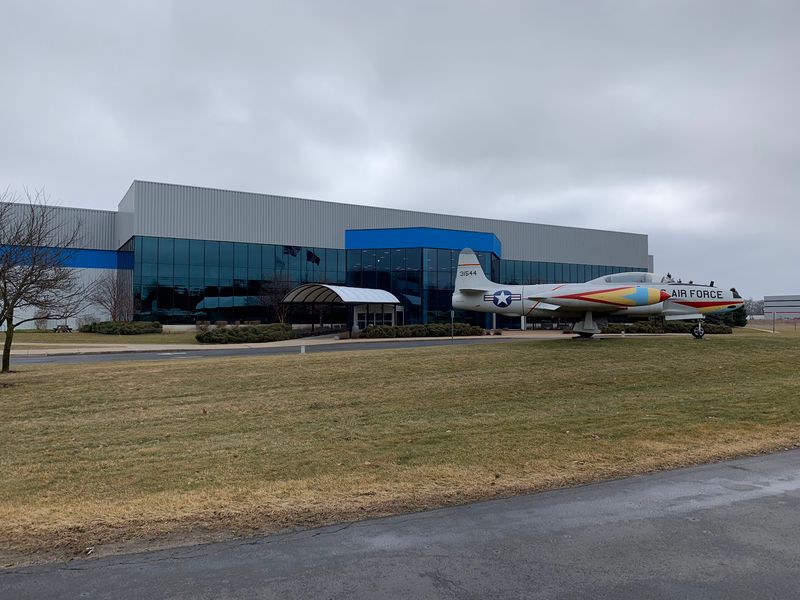
Finding the launch pad is easy. The Air Zoo Aerospace & Science Center sits at 6151 Portage Rd, Portage, MI 49002, in the United States, just south of Kalamazoo in southwest Michigan.
Parking is located behind the main building, so families can head straight in without circling the block. The entrance leads through a sky tunnel, and plenty of kids treat it like the first ride of the day.
The museum keeps steady hours. It opens at 9 am Monday through Saturday and at noon on Sunday, closing at 5 pm every day of the week.
Tickets can be bought at the front desk or online ahead of time. Buying online carries no extra fees, which is a pleasant surprise for budget-minded parents.
Children ages 4 and under get in free. That makes the trip friendly for families with toddlers who mostly want to point at big airplanes.
Arriving shortly after opening is a smart move. Crowds tend to be lighter, and there is more time to explore before tired legs start complaining.
One Ticket, Almost Everything Inside
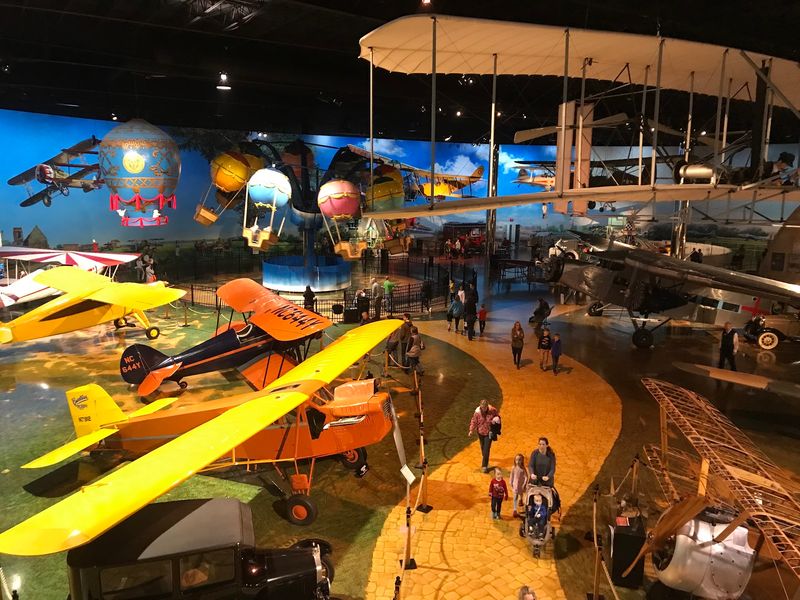
Here is a detail parents love. Admission covers nearly every experience in the building, including the rides and simulators.
Food and gift shop purchases are the main extras. Everything else is already paid for once you walk through the door.
That setup changes how a family day feels. Kids are not stuck hearing no every time they spot another attraction, and parents are not doing math in their heads at each line.
Freedom like that helps learning happen naturally. A child who tries the wind tunnel, then a ride, then a flight simulator ends up exploring science from several angles without a single lecture.
Families with kids around 9 and 13 have easily spent over three hours inside. Adults who like reading every sign could stay even longer.
Plan your day loosely. There is no right or wrong place to start, so let curiosity steer the route and circle back to favorites before closing time rolls around.
Meet the Blackbird
Few planes have a reputation quite like the SR-71 Blackbird. This long, sleek reconnaissance jet was built to fly higher and faster than nearly anything else in the sky.
The Air Zoo displays an SR-71B, a trainer version with a second raised cockpit for an instructor. It stands out as one of a kind, which makes seeing it here a real treat.
Aviation fans often call the Blackbird the highlight of their whole visit. Adults tend to slow down here, and kids pick up on that excitement fast.
The plane makes a great starting point for big questions. How does a jet go that fast?
Why did it need such a special shape?
Those questions turn into small science lessons without anyone noticing. Engineering, speed, and history all meet in one spot.
Bring the camera and give everyone a few minutes here. The Blackbird has a way of turning casual guests into lifelong airplane fans.
Pilots in Training
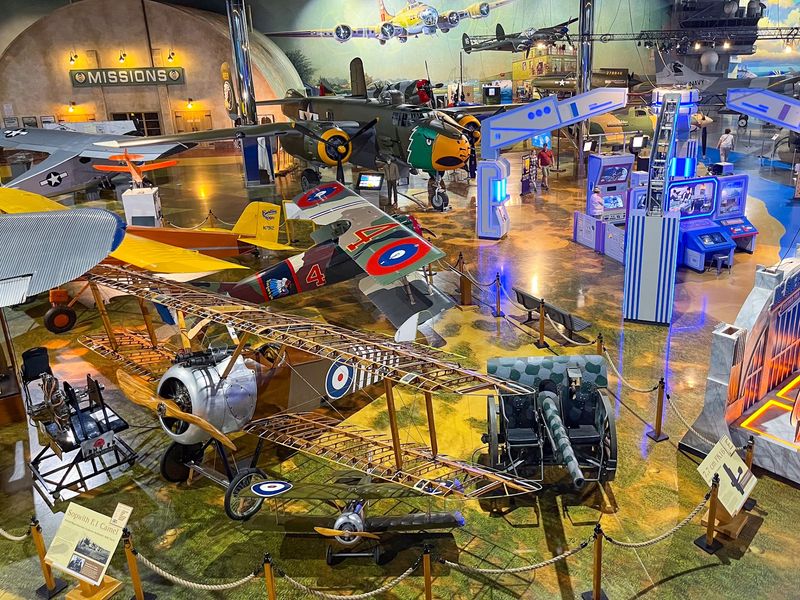
Flight simulators rank among the most talked-about features at the Air Zoo, and it is easy to see why. Kids get to feel like real pilots for a few exciting minutes.
One simulator requires riders to be at least 48 inches tall. Measure younger children before you go so nobody gets a surprise at the line.
Simulators do more than entertain. Young pilots learn that planes respond to controls, that steering takes patience, and that flying is a skill built through practice.
Many kids walk away wanting to try again, which is a good sign. Repetition is how real pilots improve too.
Shorter kids have plenty of other options nearby, so nobody feels left out. Rides and hands-on stations fill in the gaps.
A helpful tip is to visit the simulators early. Kids can then spend the rest of the day connecting what they practiced to the real aircraft parked all around them.
Science Disguised as Play
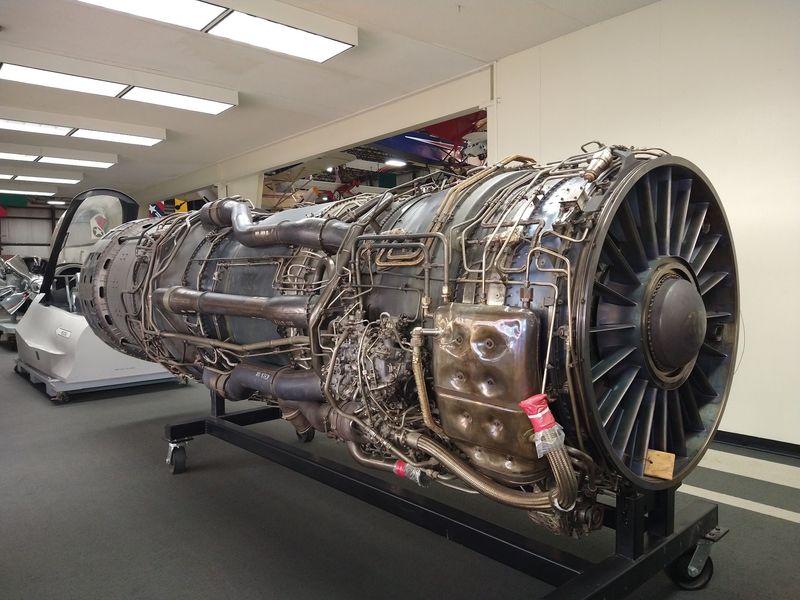
Teachers notice it right away. The museum is packed with hands-on STEM stations that let kids test how flight really works.
Wind tunnels let children watch air push and lift objects. Computer stations add interactive challenges for curious minds.
None of it feels like homework. Kids press buttons, try ideas, and see results, which is exactly how scientists learn.
Younger visitors especially enjoy these areas. Short activities fit short attention spans, and every station offers a small win.
Educators often suggest the Air Zoo as a field trip option. The mix of real aircraft and hands-on learning makes classroom lessons about forces and motion easier to understand.
Parents can help by asking simple questions. What changed when the shape changed?
Why did that one float longer?
Those quick chats turn play into real understanding. By the end of the day, kids may know more about lift and drag than they realize.
Rides That Earn Their Wings
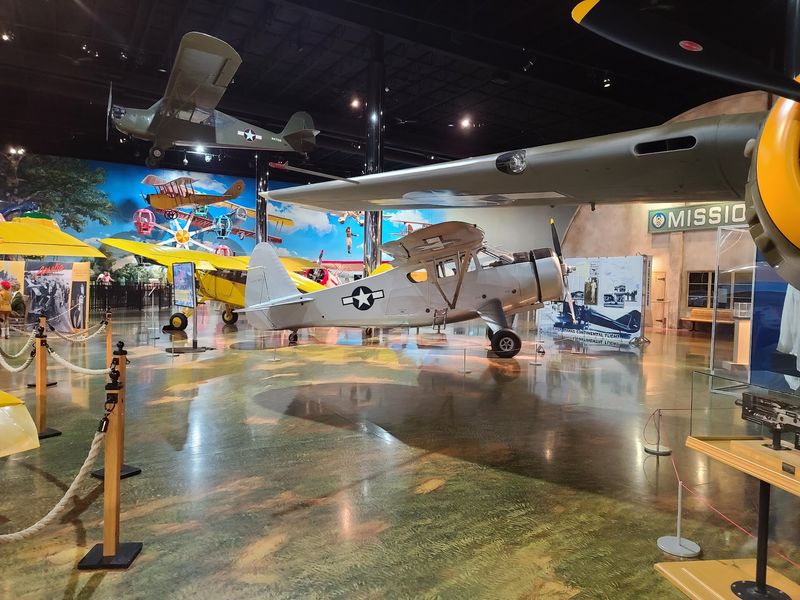
Not every museum comes with amusement rides, and that surprise is part of the charm here. Several attractions give kids a break from reading signs.
These rides fit right into the aviation theme. Children spin, rise, and move while surrounded by real aircraft history.
Breaks like these matter more than many adults think. A kid who gets to burn off energy is usually ready to pay attention at the next exhibit.
Since rides are included with admission, families can enjoy them more than once. Favorites often get repeat visits before the day ends.
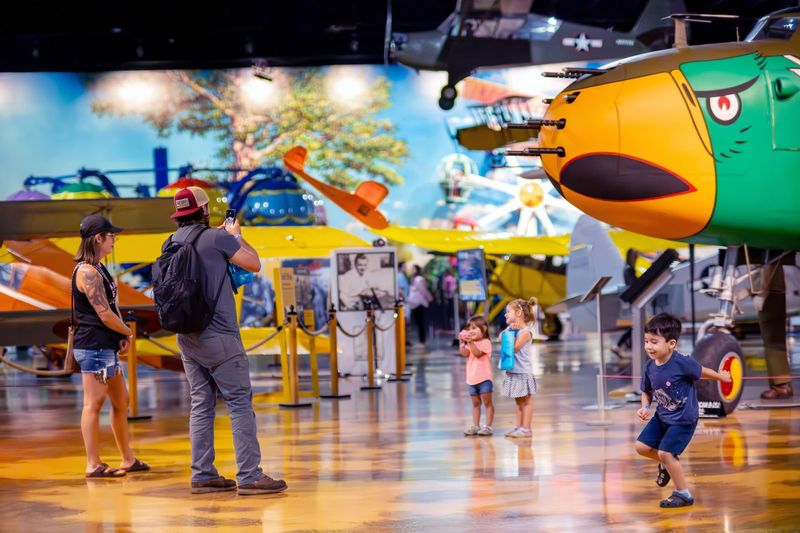
Kid events and activities are spread throughout the facility. That layout keeps little ones moving between learning zones and fun zones without long stretches of waiting.
Grown-ups have been known to hop on too. The place has a way of waking up the inner 10-year-old in everyone.
Plan a ride stop between big exhibit halls for the smoothest day.
Rare Jets Worth the Drive

Aviation fans sometimes travel from Chicago and beyond just to see this collection. The aircraft lineup includes planes that are hard to find elsewhere in the Midwest.
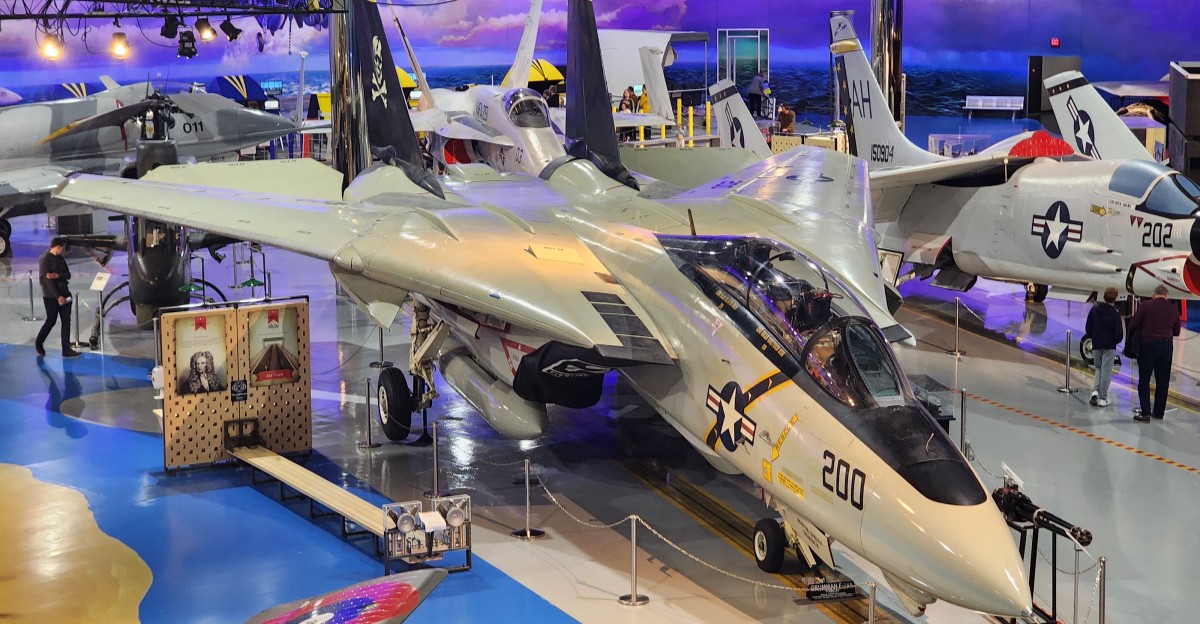
A Grumman F-14 Tomcat from the Jolly Rogers squadron sits on display. So does an F-117 Nighthawk, the angular stealth jet known for its unusual shape.
Other standouts include a Vought F-8 Crusader, a Marine Corps F/A-18 Hornet, and a Curtiss XP-55. That last one looks like it flew in from a science fiction story.
Kids learn quickly that planes come in many forms. Each design solves a different problem, from hiding on radar to landing on ships.
Comparing shapes makes a fun family game. Ask who can spot the strangest wing or the pointiest nose.
Signs share what each aircraft did and how it was restored. Reading a few together adds depth without slowing the fun.
Stories Behind the Planes
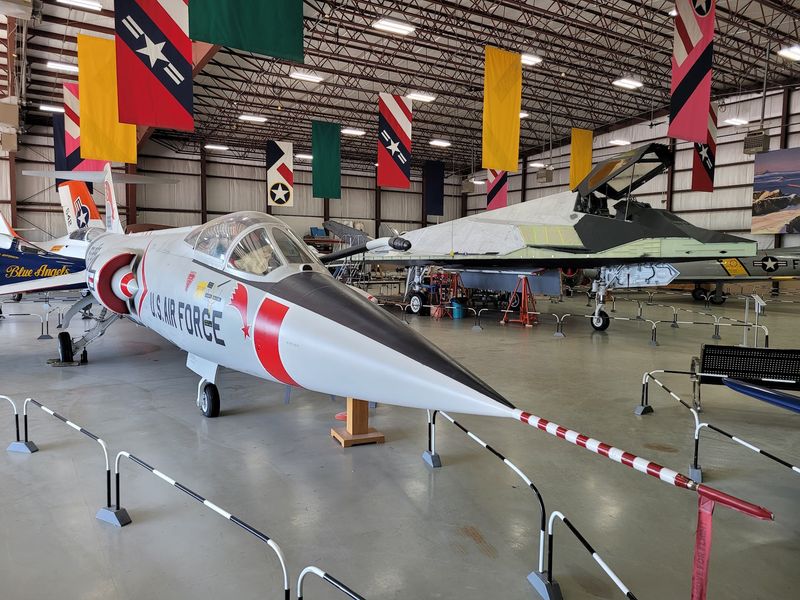
Every airplane here has a person attached to it. The museum shares not only what each plane did, but also the personal stories of the people who flew them.
That human side makes history easier for kids to connect with. A name and a face turn a metal machine into part of someone’s life.
Tributes to historical figures and veterans appear throughout the exhibits. They offer a respectful way to talk about service and courage with children.
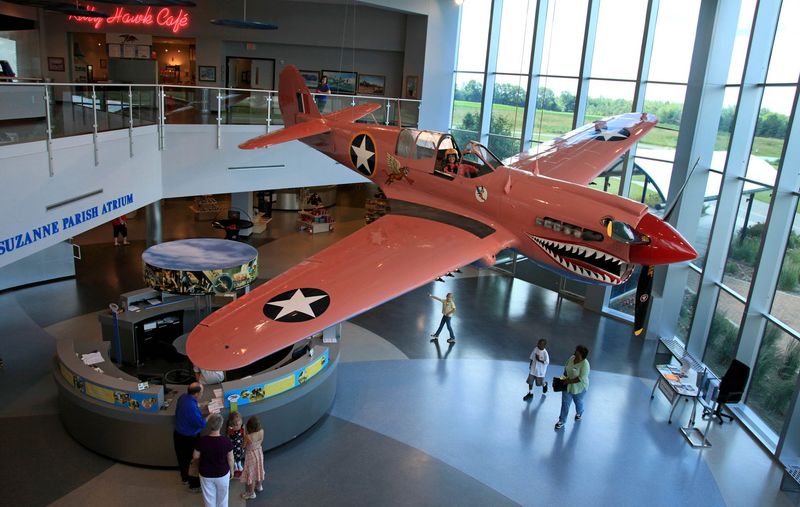
The Kitty Hawk exhibits are a family favorite. A display celebrating the USS Kitty Hawk adds another layer of naval aviation history.
Grandparents often bring their own stories too. Former mechanics and service members sometimes find the visit especially meaningful.
Encourage kids to pick one story to remember. Asking them to retell it at dinner later helps the lesson stick far longer than any worksheet could.
Space Fans, Look Up
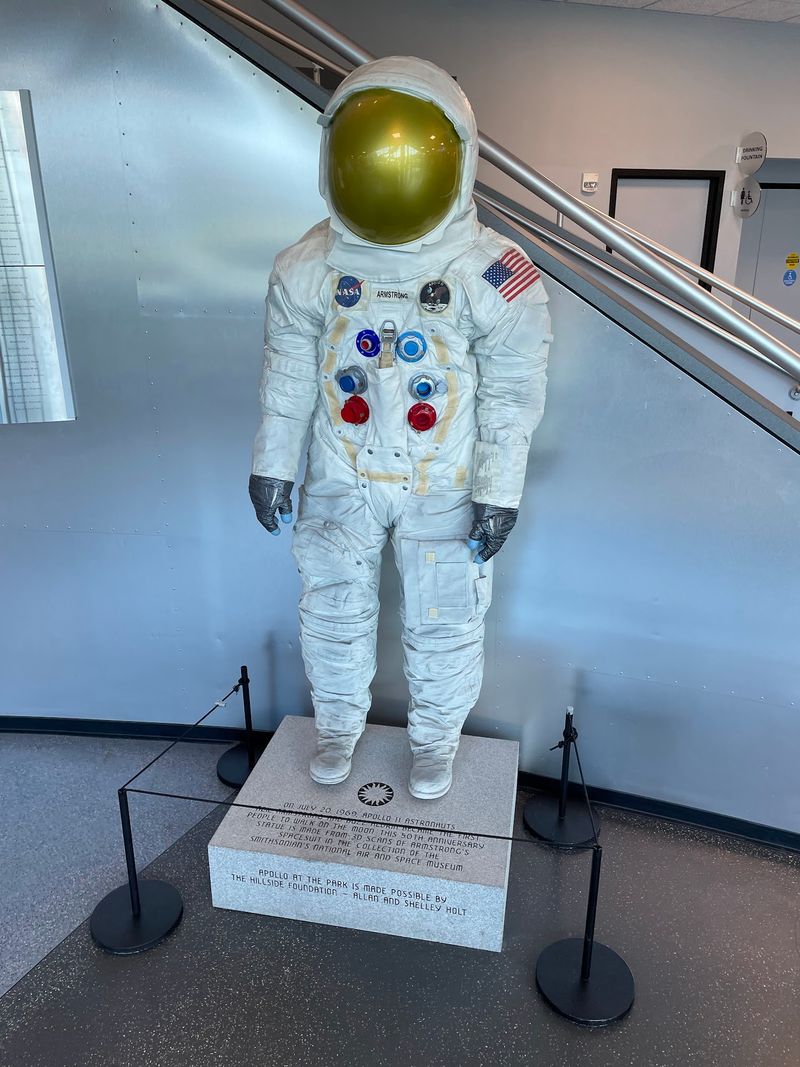
Flight does not stop at the clouds here. A space section covers real space travel alongside models of famous movie characters.
Fans of Star Wars and even Alien will spot familiar faces. Those pop culture touches grab attention fast, especially with older kids.
Once kids are hooked, the real science follows. Exhibits explain how actual spacecraft and missions work.
Mixing fiction and fact is a clever teaching trick. Children compare movie ideas with real engineering and start asking which parts could actually happen.
Spacecraft displays add even more variety to a day already full of airplanes. Moving from jets to rockets shows how flight kept pushing higher over time.
Families with sci-fi lovers should save some energy for this area. It often becomes a quiet favorite, sparking conversations that last the whole ride home.
Future astronauts might just get their start right here.
Heroes for the Little Ones
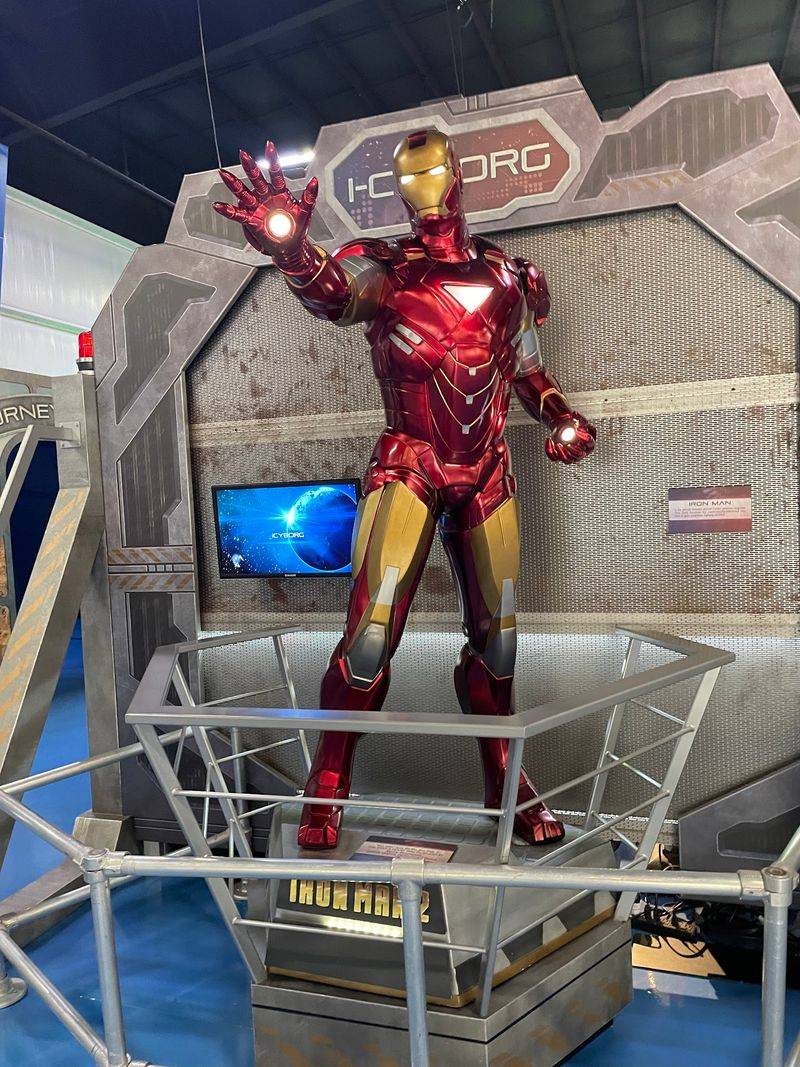
Small visitors need their own corner of the sky, and the Air Zoo delivers. A fun superhero area gives younger kids a place to play.
Play spaces like this matter for families with mixed ages. Older siblings can explore exhibits while little ones stay busy and happy.
Children learn through movement and pretend play. Acting out flying adventures builds confidence and imagination at the same time.
Colorful murals around the museum also catch young eyes. Art throughout the building helps tell the story of flight in a friendly way.
Toddlers get in free when they are 4 or under. That makes short visits with very young kids a low-risk plan.
Bring snacks for the car and plan a mid-visit rest. Kids recharge faster than adults, but they still need a pause.
A happy preschooler today could be the curious engineer of tomorrow.
The Second Building Secret
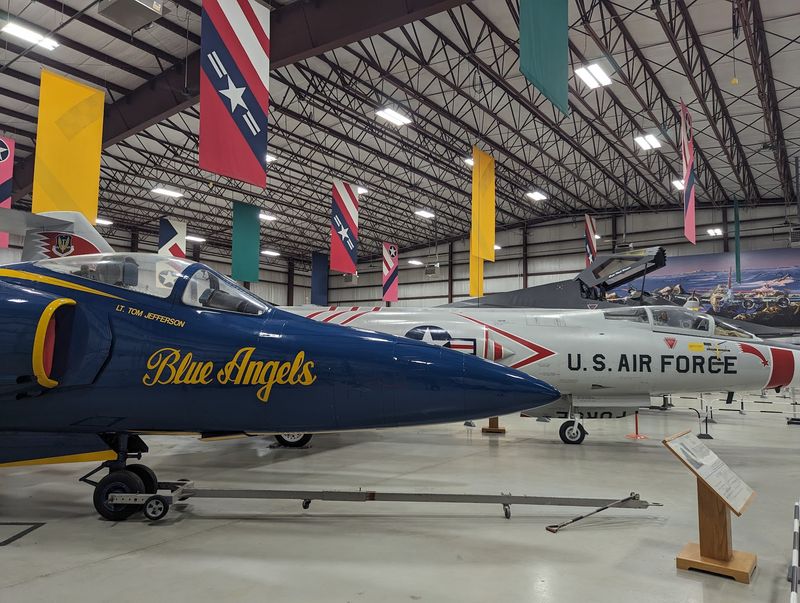
Plenty of families miss half the fun by skipping this part. The Air Zoo has a second building that holds even more aircraft plus restoration work.
Getting there takes about five minutes on foot or one minute by car. Interesting aircraft line the walk, so the trip feels like part of the tour.
Inside, kids can see planes being brought back to life. Restoration shows that history needs care, patience, and skilled hands.
Watching unfinished projects teaches something special. Children see how parts fit together, which is hard to notice on a polished plane.
The discovery center showcases these projects up close. Questions about tools and materials come up naturally.
Save time and energy for this stop. Families who make the walk often call it a highlight, and it adds depth to everything seen in the main building.
Skipping it would be like leaving a book before the last chapter.
Helpful Guides and Smart Tips
Some of the best exhibits here can talk. Knowledgeable staff and volunteers share background and unique stories about the aircraft when asked.
Encourage kids to ask a question or two. A short chat often reveals details that never made it onto a sign.
The facility stays clean and well organized. Clear layouts make it easy to move between halls without getting lost.
A Kitty Hawk cafe offers a quick snack stop. Many families treat it as a short break rather than a full meal plan.
The gift shop carries quality items at family friendly prices. Setting a small budget before arriving keeps the checkout calm.
Plan for at least two to three hours. Families passing through on road trips often wish they had blocked out more time.
Leave kids wanting more, and the next visit will be an easy sell. Learning feels like flying when nobody is watching the clock.