Deep under a Virginia hillside, a family strolls down a brick path past stone columns taller than a ten-story building.
Then a hush falls, a guide presses a key, and the rock itself starts to play a song.
That is not a fairy tale.
It happens every day in the town of Luray, in the heart of the Shenandoah Valley, inside one of the largest show caves in the eastern United States.
Kids get a real underground adventure, parents get an easy walk with handrails, and everyone gets a story to tell at school or work on Monday.
Above ground, the fun keeps going with antique cars, old toys, and a leafy maze that loves to swallow families for a while.
Keep reading to learn how the musical rock works, which rooms are the highlights, and smart tips for planning a smooth trip.
Where the Adventure Begins
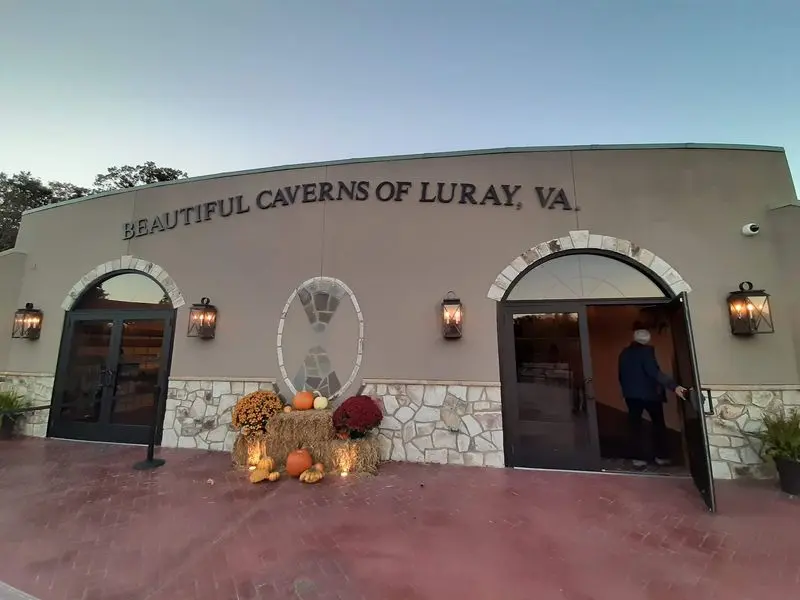
Every great quest needs a starting point, and this one sits at 101 Cave Hill Rd, Luray, VA 22835. That puts Luray Caverns in the small town of Luray, inside the Shenandoah Valley of Virginia.
The setting alone earns a few gasps before anyone heads underground. The Blue Ridge Mountains rise around the property, and the parking lot offers views that many families stop to photograph.
The location also makes a handy pairing with Shenandoah National Park and Skyline Drive. A family can explore mountain trails in the morning and then wander beneath the same landscape in the afternoon.
Hours run from 9 am to 4 pm Monday through Friday. On Saturday and Sunday, the doors stay open until 5 pm, which gives weekend travelers a little extra time.
Parking is free, so nobody has to dig for coins. Tickets can be bought online or at the front desk.
Those who buy in advance can use their tickets anytime within a year, which takes pressure off rainy-day planning.
A Cave Found by Curious Explorers
Back in 1878, a group of local men noticed cool air drifting out of a sinkhole on a hill. Curious, they squeezed down with candles and found something huge waiting below.
That discovery turned into Luray Caverns, which opened to the public soon after. Today it ranks as the largest commercial cave in the eastern United States.
Kids often ask how a cave this big gets made. The answer is slow and simple: water.
Rainwater soaked into the ground and slowly dissolved limestone over a very long stretch of time. Then, drop by drop, mineral-filled water built up the formations seen today.
Here is a fun classroom fact to bring home. Many cave formations grow only about one cubic inch every 120 years, so the giant columns took ages to reach their size.
That makes a great chat on the drive in. Ask young travelers to guess how old the biggest formations might be, and then let the cave settle the debate.
The Rock Organ That Really Plays
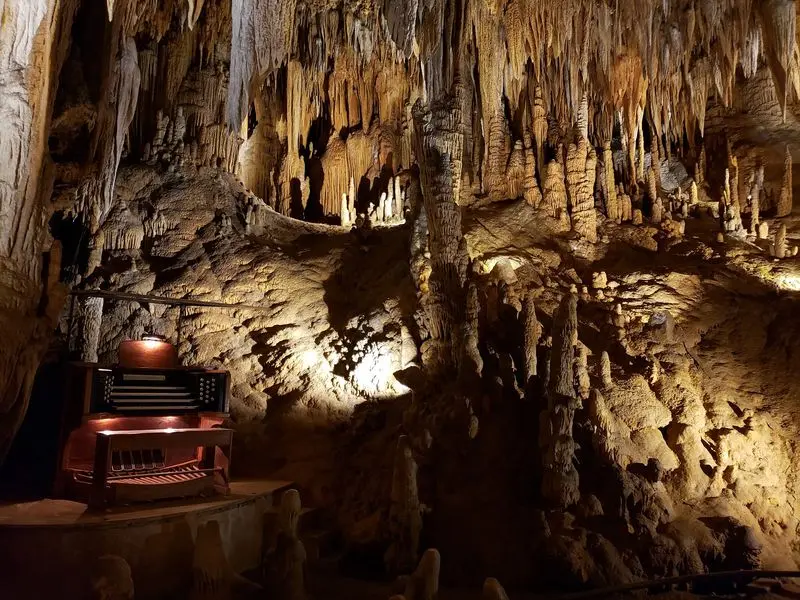
Yes, the headline is true. Deep inside the cave sits the Great Stalacpipe Organ, often called the largest musical instrument in the world.
An engineer named Leland Sprinkle created it in the 1950s. He spent about three years searching for stalactites that produced the right musical notes.
Small rubber-tipped mallets connect to a keyboard console. When a key is pressed, a mallet taps a stalactite, and the stone rings out a note across about three and a half acres of cavern.
Families on the walk should pause when they reach the organ. Guides often activate it so the group can hear a tune, and one popular song played there is the hymn A Mighty Fortress Is Our God.
Kids usually go quiet at this point, which parents may count as a second miracle. It is a great moment to explain that sound travels and bounces in big spaces.
No other stop on the route mixes science and music quite this well.
Dream Lake Plays a Trick
Some of the best magic tricks happen with no magician at all. Dream Lake proves that point inside the caverns.
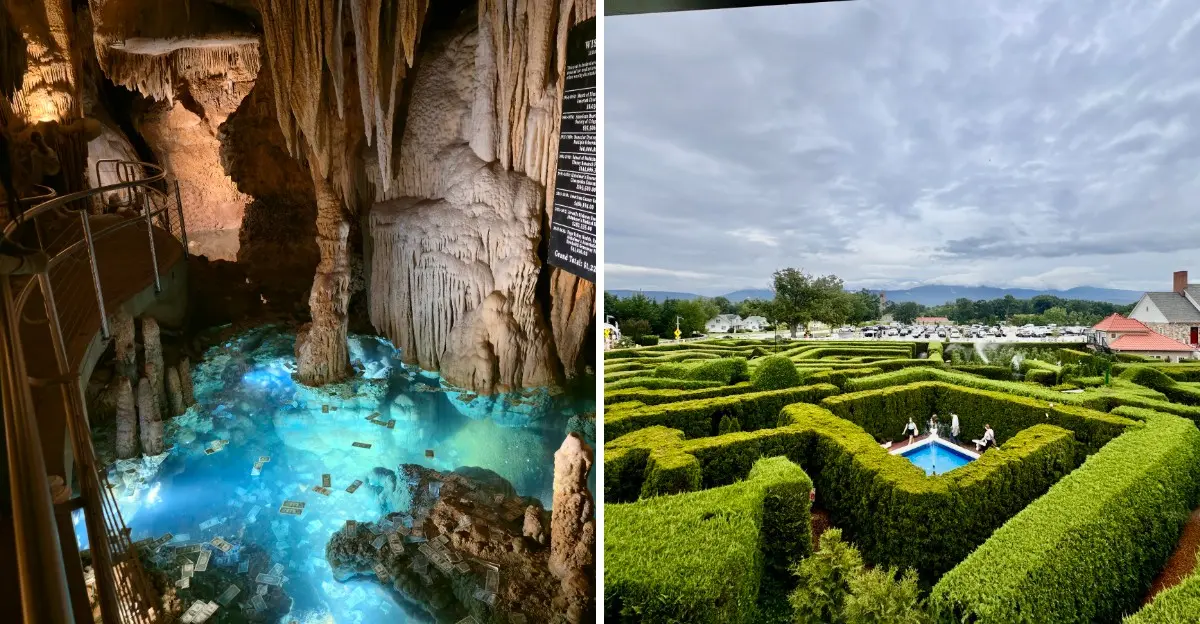
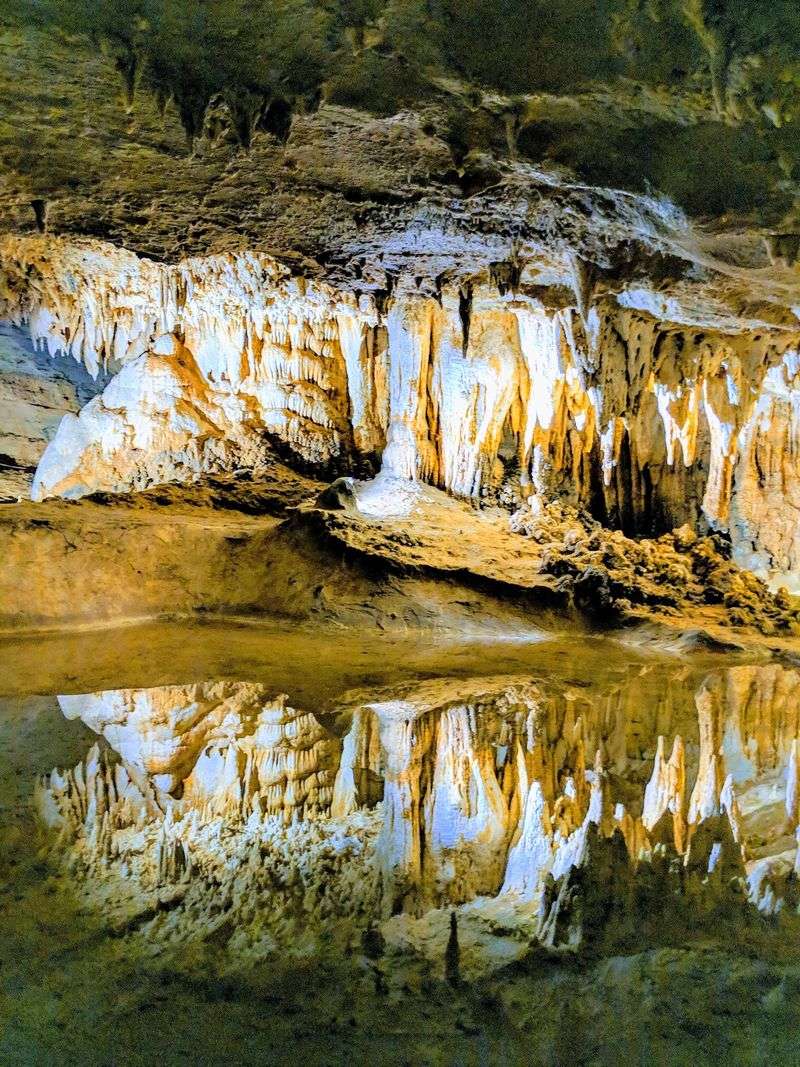
The water here is very shallow, only about 18 to 20 inches at its deepest. Yet it is so still that it reflects the stalactites above like a perfect mirror.
The result fools many first-time guests. The ceiling formations seem to point up from far below, as if the lake opens into a deep canyon.
Kids love trying to figure out which part is real. A fun game is to have them point to the actual stalactites and then to their reflections.
Cameras come out fast at this stop. Photos often turn out so clear that friends back home may not believe the lake is so shallow.
Dream Lake shows up again and again as a family favorite. Plan to linger a few extra minutes here, because rushing past would mean missing one of the coolest illusions underground.
Giants Live Down Here
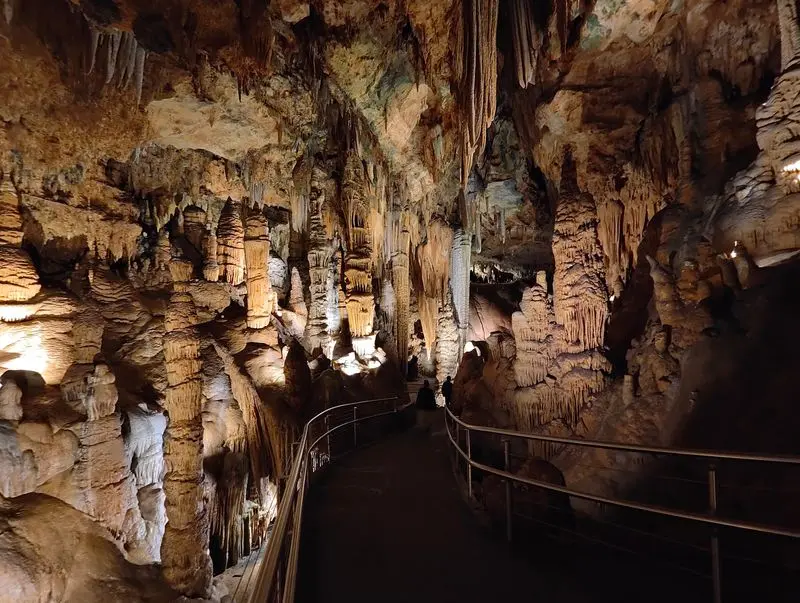
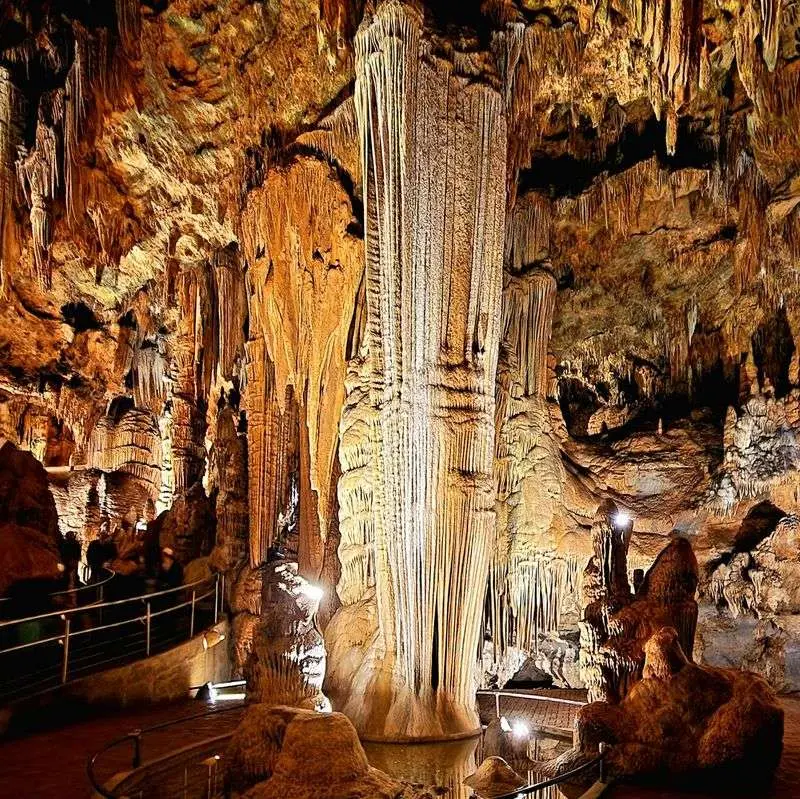
Towers of stone rise from floor to ceiling in Giant’s Hall, and they make grown-ups feel small. Kids, already used to looking up at everything, tend to grin.
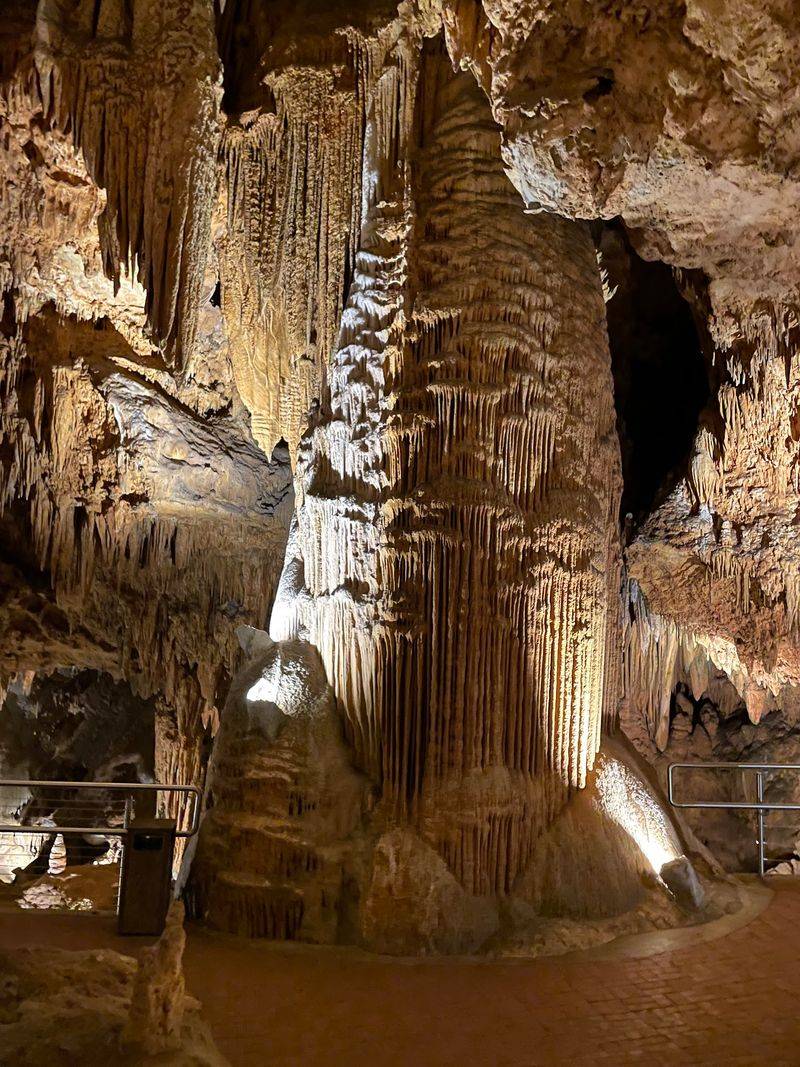
Some chambers in the caverns reach about ten stories tall. Natural columns here stretch as high as 140 feet, built when stalactites and stalagmites met and joined.
Careful lighting brings out the shapes and colors of each formation. Lamps are set along the route so the details stand out without hiding the size of each room.
Shape spotting turns into a fun family sport here. Some staff members point out formations that look like everyday objects, and kids quickly start finding their own.
Bring a little patience to this part of the walk. The scale of these rooms is hard to judge from photos, and it really sinks in only when standing beside the columns.
Tall tales are common at caves, but at Giant’s Hall the giants are real and made of rock.
Coins That Do Some Good
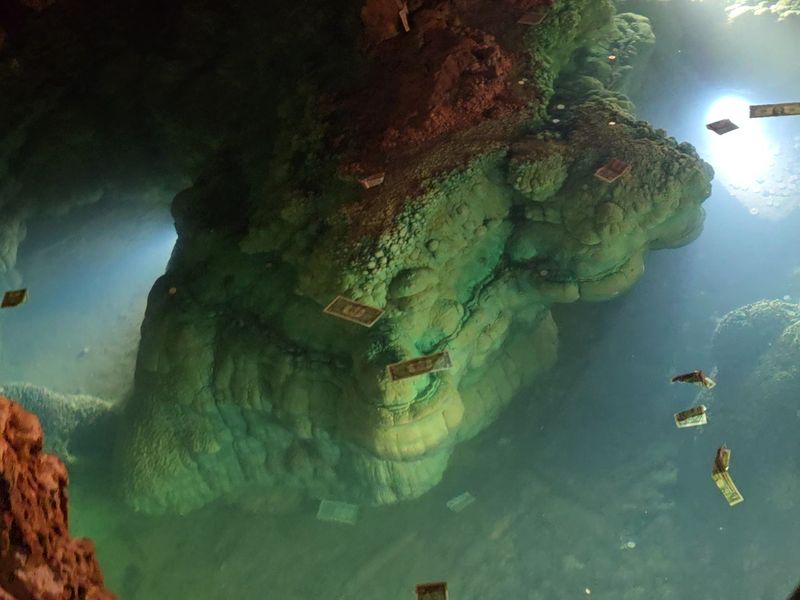
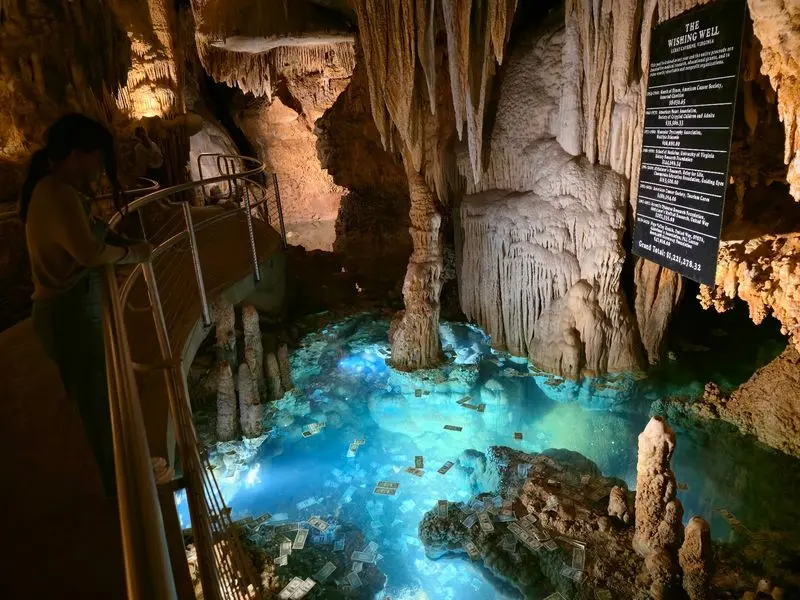
Tossing a coin into water feels lucky, but at this cave it also helps others. The Wishing Well inside the caverns collects coins for charity.
Over the years, money gathered from the well has gone to many charitable causes. Kids can make a wish and do a kind deed at the same time.
The well also shows off the cave’s colors. Clear water lets guests see the bottom covered with shiny coins.
A smart tip is to tuck a few coins into a pocket before heading underground. Little ones often get upset if they reach the well empty-handed.
This stop makes a natural talking point about giving. Families might chat about what they wished for, or about why helping others matters.
The Wishing Well rarely tops the list of grand sights. Still, it stays in many young memories long after the trip, partly because it lets kids take part instead of just watching.
An Easy Trail for Small Legs
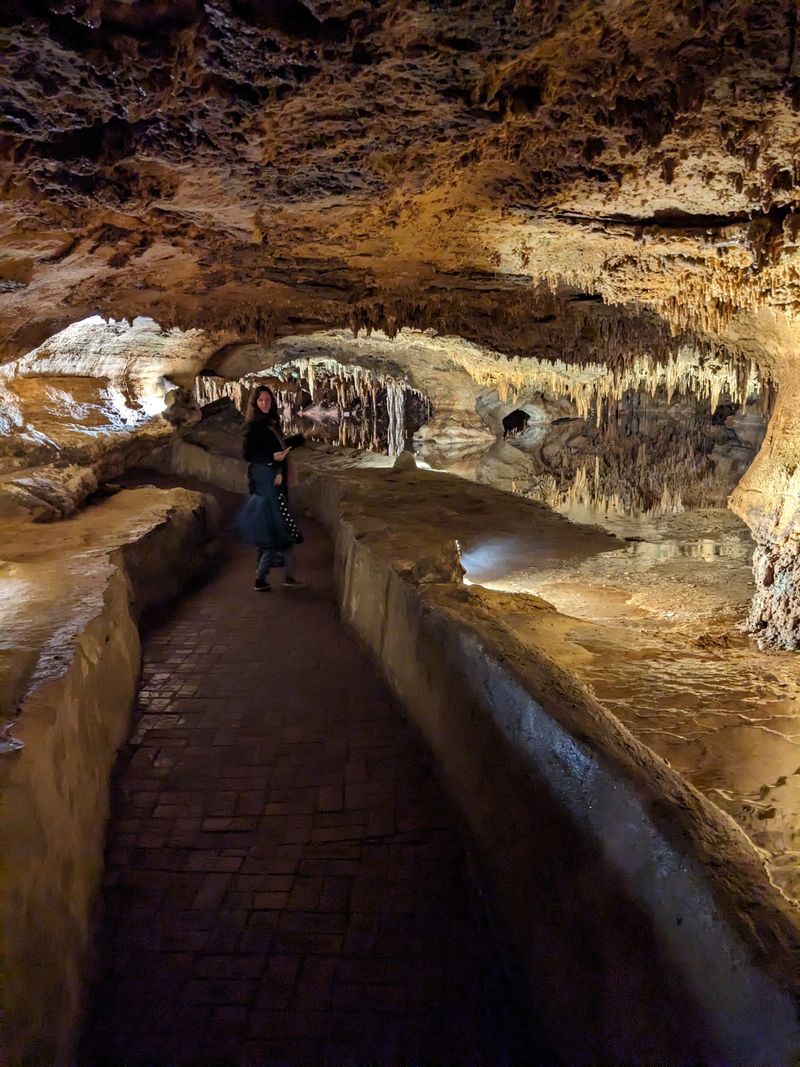
Short legs, big cave, no problem. The path through Luray Caverns is designed for families.
The route is about 1.25 miles long and paved with brick from start to finish. Handrails line much of the trail, and there are no stairs along the way.
Some inclines appear, but they are gentle. Most families finish in about one to two hours, depending on how long they stop at each formation.
Wet spots do appear, since the formations are still growing. Wear sneakers or shoes with good grip, and remind kids to walk instead of run.
A drop of water might land on a head now and then. Many guests laugh it off as a cave kiss, so let the kids decide how lucky they feel.
The caves are not ADA approved, so families with strollers or mobility needs should ask staff before starting. For most hikers, though, this is one of the friendliest cave walks around.
Pick Your Own Pace
Some kids want to race ahead, and others want to stare at every rock. The tour style here makes room for both.
Most guests walk the self-guided route. A free brochure at the entrance matches numbered stops along the trail, with placards explaining each feature.
Guided tours are also offered, usually in the morning. A guide can answer questions and share stories that families might miss on their own.
Even on the self-guided route, staff members stand inside the cave to help. Many share fun facts and good humor that keep energy high.
A simple trick keeps kids involved. Hand the brochure to the oldest child and make them the official navigator for the day.
Timing helps too. Late afternoon on weekdays can feel calmer, and arriving early also beats bigger crowds.
Either way, the cave temperature stays steady all year, around 54 degrees, which makes it a smart pick for a hot summer day.
Old Cars and Older Toys
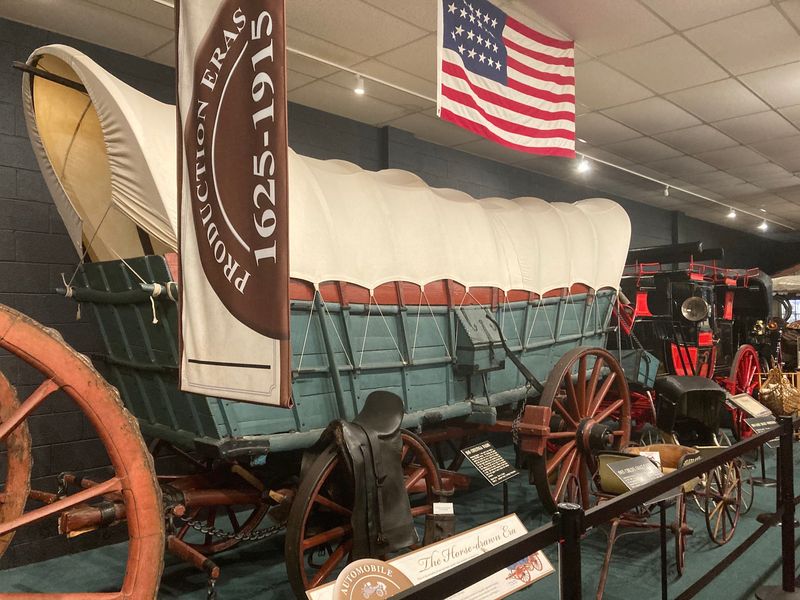
Back above ground, the fun shifts gears, literally. General admission includes the Car and Carriage Caravan Museum.
Inside, families find antique carriages, coaches, and early automobiles. Some vehicles date back well over a century, which gives kids a peek at how people got around long ago.
Car fans tend to spend extra time here. The engines and polished bodies make it one of the most talked-about stops outside the cave.
Next comes Toy Town Junction, also included with admission. It displays toys and model trains from past decades.
Grandparents often spot toys from their own childhood. That sparks great stories, and kids get to hear how play has changed over the years.
These museums sit within walking distance of the cave entrance. Plan at least an extra hour if the family enjoys reading signs and comparing old and new, because rushing through would leave plenty of history parked and unseen.
Get Lost on Purpose

Getting lost is usually bad news, except in the Garden Maze. Here it is the whole point.
Tall hedges form twisting paths that cover a large area. Kids race to find hidden stations and the exit, while parents try to keep up.
Families who try it often admit they got turned around more than once. That is part of the charm, and everyone eventually finds the way out.
The maze is an add-on, so it needs a separate ticket. Buying it together with cave tickets can save time at the counter.
A ropes adventure course is another add-on for older kids with energy to burn. It gives climbers a chance to test balance above the ground.
Shenandoah Heritage Village is included with admission too. Its historic buildings show what valley life looked like in earlier times.
Together, these extras can turn a quick cave visit into a full family day, with plenty of chances to wear out the youngest explorers.
Smart Tips Before Heading Home
A great trip often comes down to small choices. A few easy tips can make this outing smoother.
First, check the clock. The caverns close at 4 pm on weekdays and 5 pm on weekends, so start early enough to enjoy everything.
Traveling with a dog? Complimentary kennels are available on site, so the whole family can come along.
Kids who love rocks can buy a bag of gemstone rough at the gift shop. They can sift for crystals outside and sometimes find small geodes.
Save time for a walk to the lake on the grounds. The Luray Singing Tower nearby holds a carillon of 47 bells and offers recitals in season.
Finally, pack a light layer and good shoes. Steady cave temperatures stay comfortable, but damp paths call for grip.
From the glittering halls to the music in the rocks, this spot gives kids a story worth retelling. That might be the best souvenir of all.