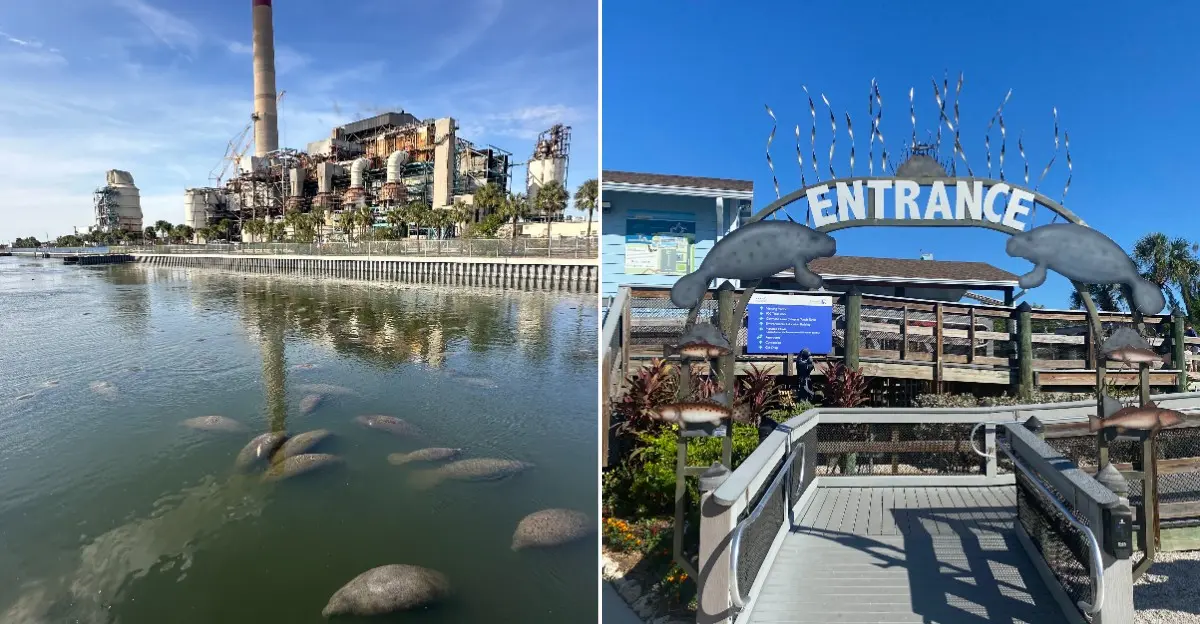
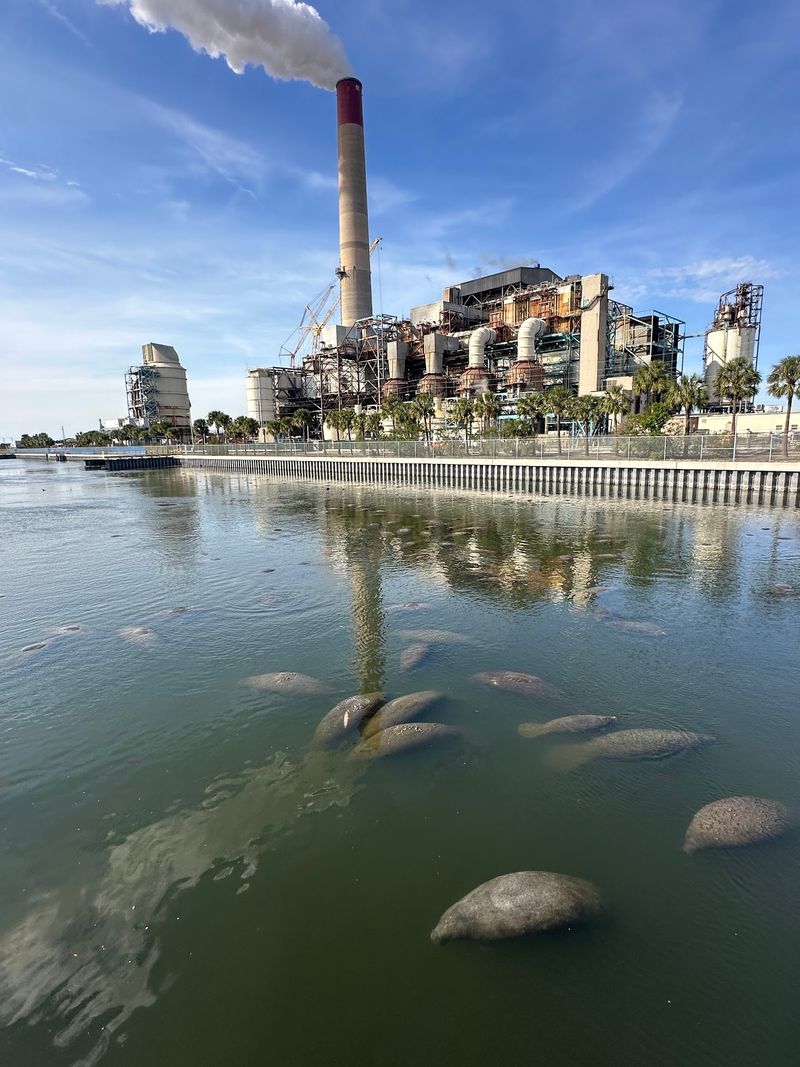
Some of the best wildlife shows in Florida happen when the weather turns chilly. Every winter, hundreds of gray, slow-moving sea cows pack into one warm canal near Tampa Bay, and kids line the railings to count them.
On some cold days, the crowd in the water can top several hundred animals.
Even better, this spot costs nothing to enter and nothing to park. There is also a stingray touch tank, a tall lookout tower, shady trails, and a turtle care center waiting nearby.
The story behind the warm water is just as surprising, because it involves a power plant and a lot of careful planning.
From watching hundreds of manatees gather in warm water to exploring nature trails and hands-on exhibits, this free Florida attraction makes a winter family outing feel truly special.
A Free Ticket to Manatee Country
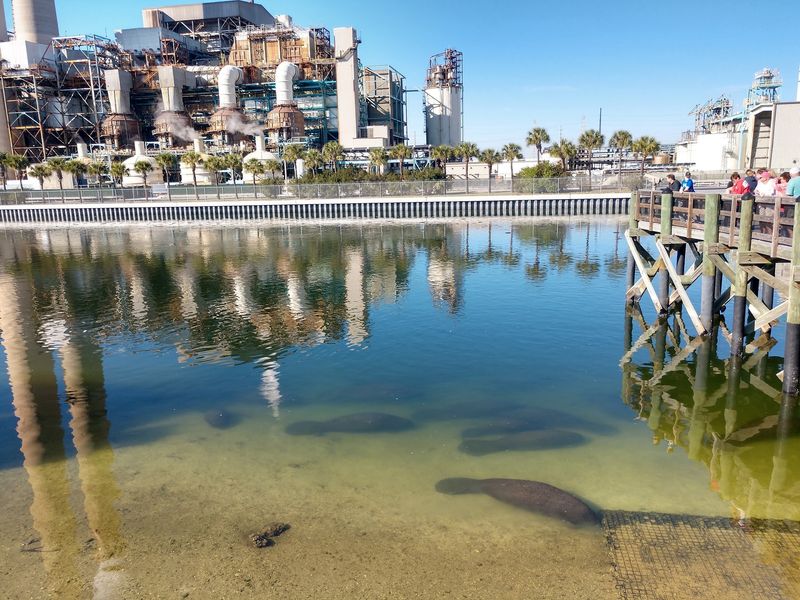
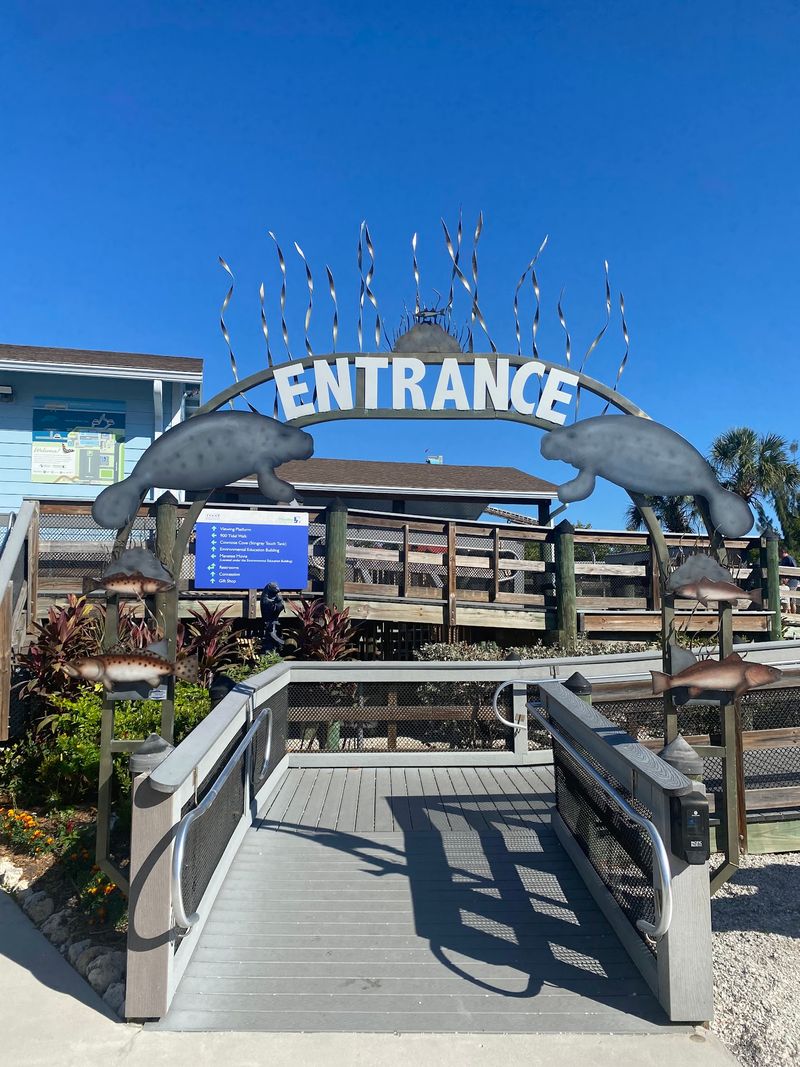
Finding this winter hot spot is easier than finding a manatee hiding under a pier. The Manatee Viewing Center sits at 6990 Dickman Rd, Apollo Beach, FL 33572, on the southeastern side of Tampa Bay in Florida.
The center is run by Tampa Electric, also known as TECO, the same company that operates the nearby Big Bend Power Station. Families are often surprised that an electric company takes such good care of a nature preserve, but the grounds are clean, organized, and easy to explore.
Here is the best part for parents watching their wallets. Admission is free, and parking is free too.
The viewing center typically welcomes visitors from November 1 through April 15, with colder winter days offering some of the best opportunities to spot manatees.
Donation boxes help keep the place running. Dropping in a couple of dollars is a nice way to say thanks and help future manatee fans enjoy the same view.
Why the Water Stays So Cozy
Manatees cannot handle cold water very well. They do not have a thick layer of blubber like whales, so chilly temperatures can make them sick.
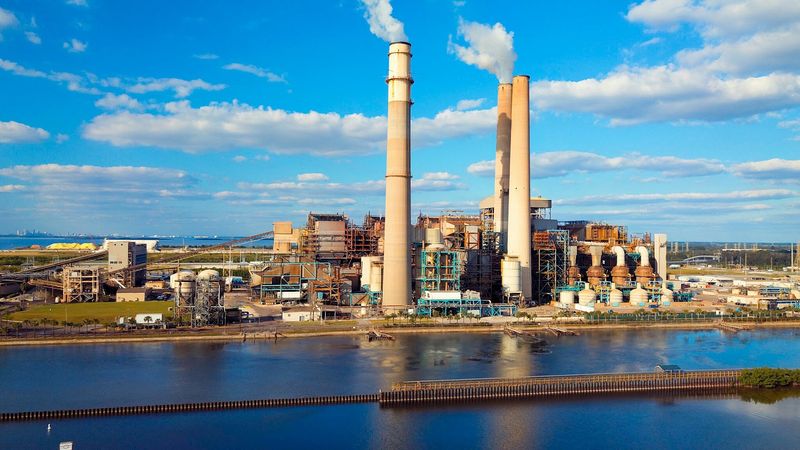
That is where the power plant comes in. The Big Bend Power Station uses water from Tampa Bay to cool its equipment, and that water flows back out into a discharge canal a little warmer than before.
The water itself is clean, just warmer. When Tampa Bay drops below about 68 degrees, wild manatees swim into the canal to stay comfortable.
Over the years, so many animals started using this warm refuge that the state named it a manatee sanctuary. That protected status helps keep boats and people out of the animals’ winter hangout.
Kids usually love this part of the story because it connects science they learn in class to something real. Electricity, water, temperature, and animal survival all come together in one spot.
It is a neat reminder that people and wildlife can share space when planning is done with care.
Counting Hundreds of Sea Cows
Over 700 manatees. That is how many animals staff have counted in the bay on some of the coldest days of the season.
On colder winter days, visitors may spot dozens or even hundreds of manatees gathering in the warm canal, although sightings vary with the weather.
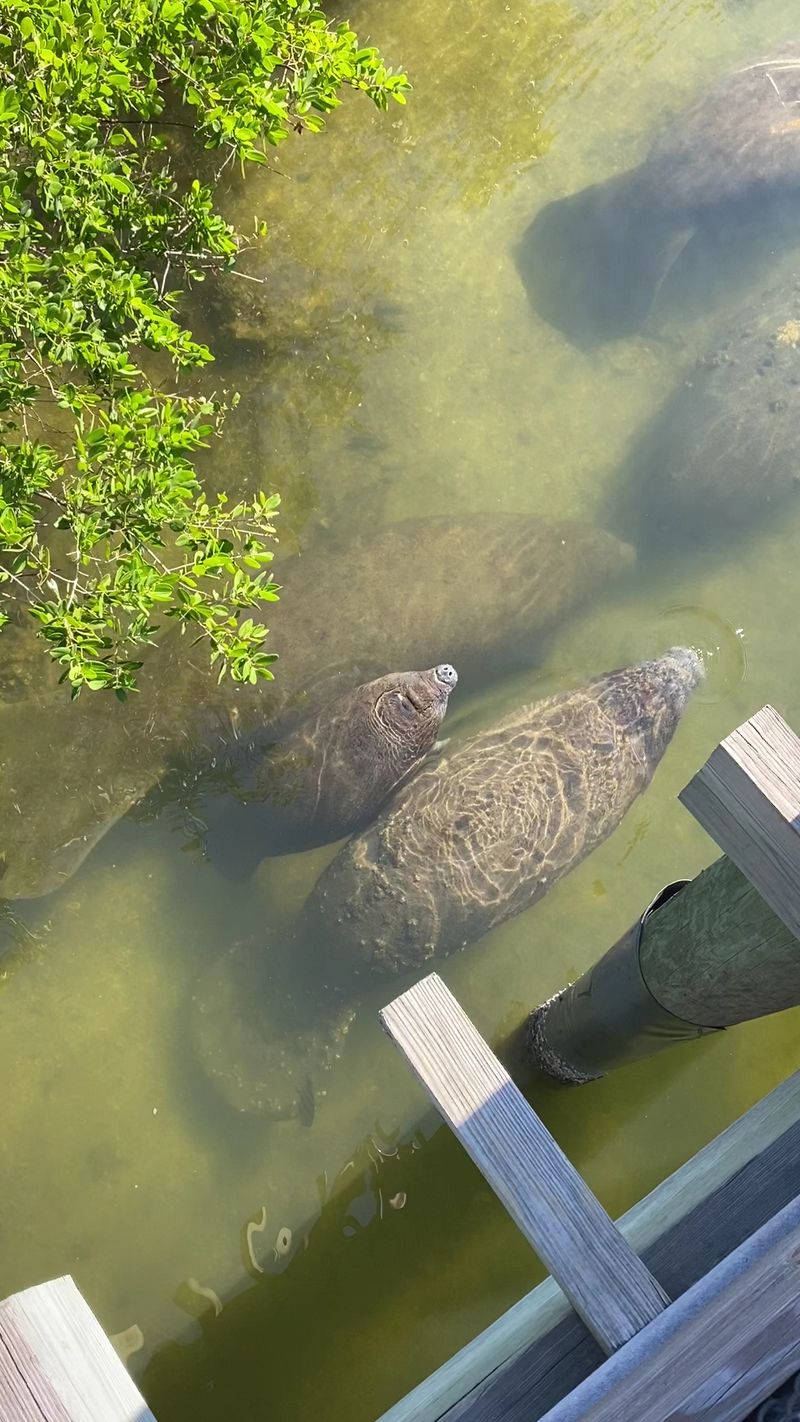
Their gray backs and round tails pop up all over the water, and their snouts poke above the surface to breathe.
Kids often turn it into a counting game. It gets tricky fast, because manatees drift, dive, and pop up again somewhere new.
Moms with calves are a crowd favorite. Babies stay close to their mothers, and spotting a pair can take patience, but it is worth the wait.
Manatees are calm, slow, and plant-eating animals. Watching them rest in the water encourages everyone to slow down a little too.
Bring a camera or phone with a good zoom. Some of the best family photos come from the railing, with a small face pressed close and a giant sea cow drifting just below.
Timing Your Trip Just Right
Cold weather is your best friend here. The chillier the bay, the more manatees show up in the warm canal.
The viewing center typically welcomes visitors from November 1 through April 15, with colder winter days offering some of the best opportunities to spot manatees.
Warm days tell a different story. When the bay heats up in spring, the manatees spread out, and some days there are only a few or none at the platforms.
Checking the weather before heading out can save some disappointment. A cool, cloudy morning often brings more animals than a sunny 80 degree afternoon.
Weekdays tend to be calmer than weekends. Opening time can still get busy, since school field trips often arrive early in the day.
Late morning crowds sometimes thin out around lunchtime, and parking gets easier after noon. Even on slow manatee days, the fish, rays, and trails keep the trip worthwhile, so no visit is ever a total washout.
Petting a Stingray, Gently
Ask most kids about their favorite part, and plenty will skip the manatees and shout about the stingrays. The touch tank is a big hit with young explorers.
Cownose rays glide around a shallow pool, and kids can reach in and gently touch their backs with two fingers. Staff members are nearby to show the right way to do it.
Here is a thoughtful detail. The tank takes scheduled breaks, giving the rays some quiet time away from all the hands and splashing.
If you arrive during a break, use the time to visit another area. Then circle back when the rays are ready for company again.
Hand washing stations are a smart stop afterward. Kids sometimes forget, so a reminder helps.
For shy children, just watching the rays swim is fun too. They flap their fins like wings and sometimes cruise right past the edge, giving everyone a close look without any touching at all.
Sharks and Tarpon Steal the Spotlight
Manatees may headline the show, but the supporting cast is pretty impressive. The warm canal attracts plenty of other sea life too.
Sharks are a common sighting. Seeing a fin slice through the water near the piers gets kids buzzing every time.
Tarpon are another highlight. These big, silvery fish can grow very large, and they often roll near the surface where everyone can spot them.
Keep an eye out for ladyfish, catfish, and crabs as well. Wild stingrays sometimes leap right out of the water, which surprises just about everyone watching.
A fun idea is to bring a simple checklist for the kids. Add manatee, shark, tarpon, ray, crab, and bird, then let them check off each one they find.
On days when manatees are few, these other animals keep the visit lively. The canal turns into a busy underwater neighborhood, and there is almost always somebody swimming by to wave at.
Climbing the 50-Foot Tower
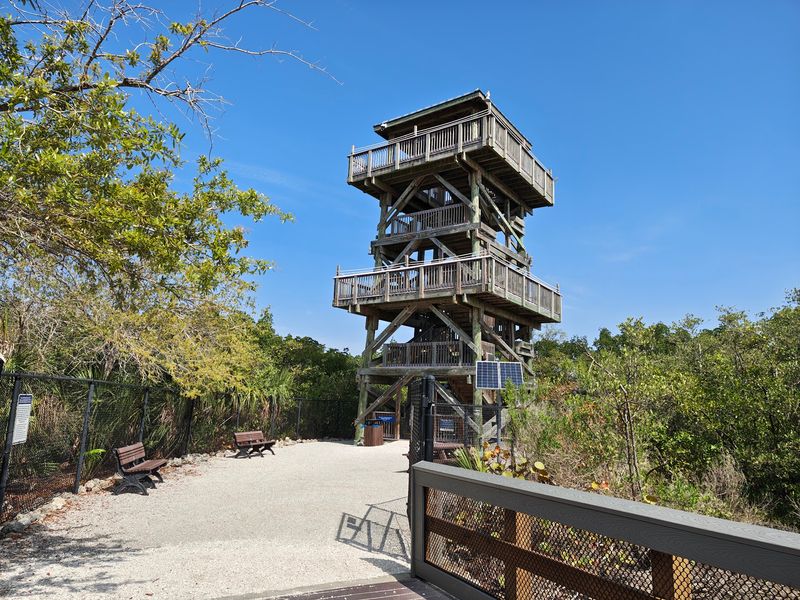
Fifty feet up offers a whole new way to see Tampa Bay. The observation tower is one of the must-do stops for families who like a little climb.
A nature trail leads to the tower, and the walk is easy for most kids. Along the way, birds often wade in the shallows or fly overhead.
At the top, the view stretches across the bay, the mangroves, and the power station. It helps kids understand how the canal, the plant, and the open water all fit together.
Bring binoculars if you have them. Spotting birds, boats, and distant shorelines becomes a fun challenge from up high.
Little legs might need a rest on the way up, and that is totally fine. Take it one flight at a time.
Many families finish the tower and then loop back toward the parking area on the trail. It is a nice way to stretch everyone out before the drive home.
Boardwalks Through the Mangroves
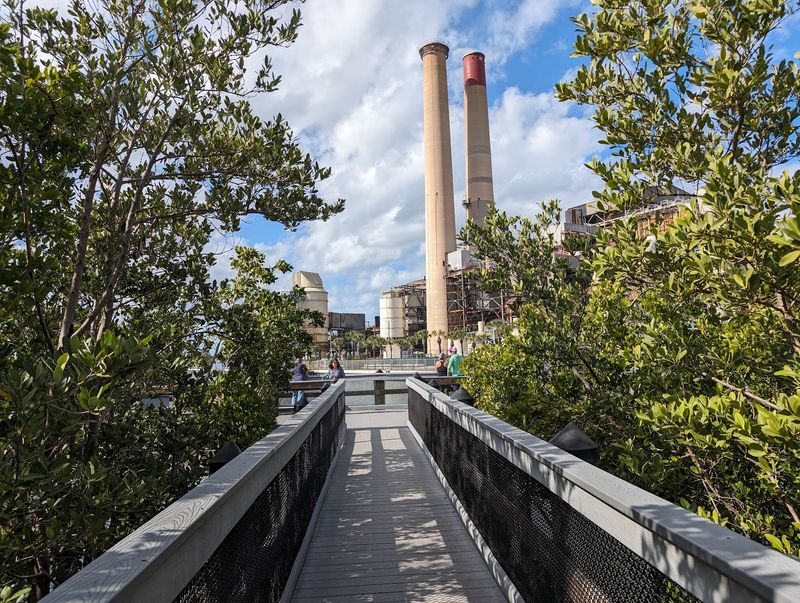
Mangrove trees are like nature’s seawall, and the boardwalk here lets families stroll right through them. The path is shaded, which helps on sunny afternoons.
Two kinds are easy to compare here, black mangroves and red mangroves. Red mangroves have tall, arching roots, while black mangroves send up small pencil-like shoots from the mud.
Docents and volunteers along the boardwalk are happy to explain the differences. They can also point out tiny tree crabs climbing on the branches.
Once kids spot one crab, they usually start finding dozens more. It turns a simple walk into a treasure hunt.
The boardwalk also gives another angle on the manatees. Sometimes animals that are not near the main platforms show up along this stretch instead.
Signs along the way share facts about how mangroves protect shorelines and give young fish a safe place to grow. Kids leave knowing a lot more about these unusual trees than when they arrived.
Hands-On Learning Indoors
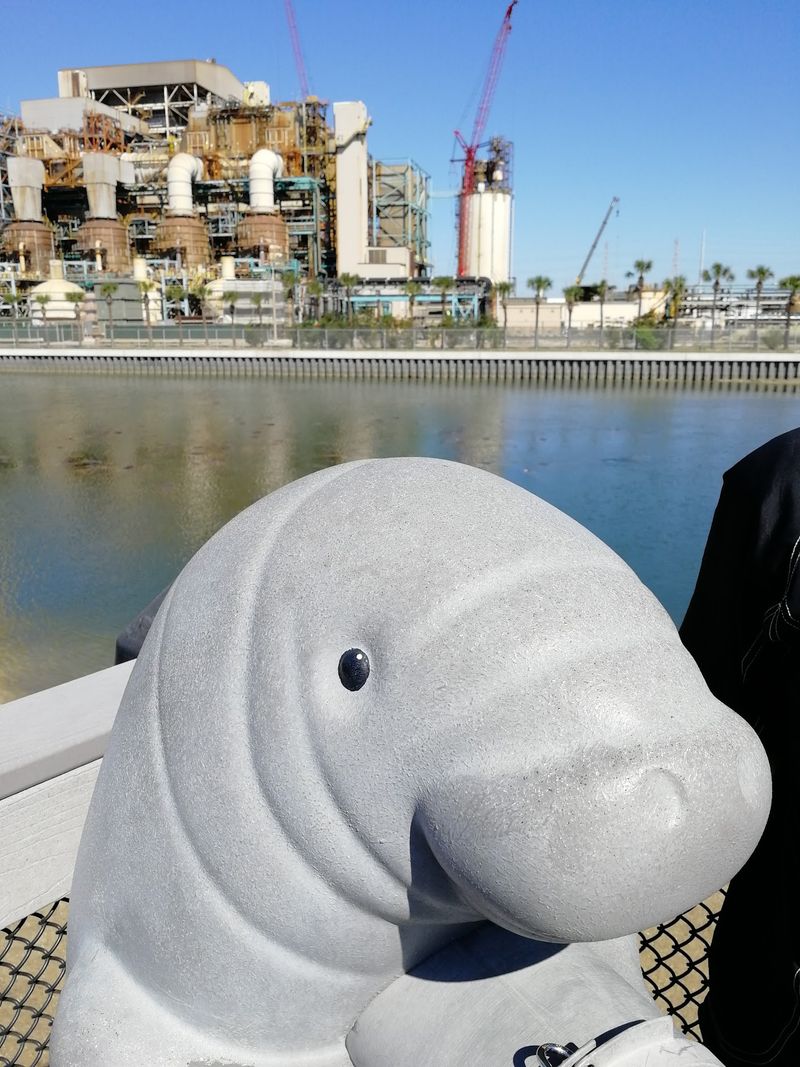
Learning sneaks in quietly at the education center. Kids think they are just playing, but they walk away knowing a lot about manatees.
The exhibit room is packed with hands-on displays for both adults and children. Families can learn what manatees eat, how big they grow, and what sounds they make underwater.
Fun fact: manatees can make surprisingly high-pitched squeaks to talk to each other. Exhibits help explain these sounds in a way kids can understand.
Information also covers the mangrove forest and why protecting habitat matters. The focus is on long-term care for manatees, not just looking at them.
There is also a section on energy and conservation, along with a solar energy area outside. It connects nicely to the story of the power plant next door.
Indoor exhibits make a great backup plan on windy or rainy days. When the canal is quiet, the learning center keeps curious minds busy.
Turtles on the Mend and Butterflies Nearby
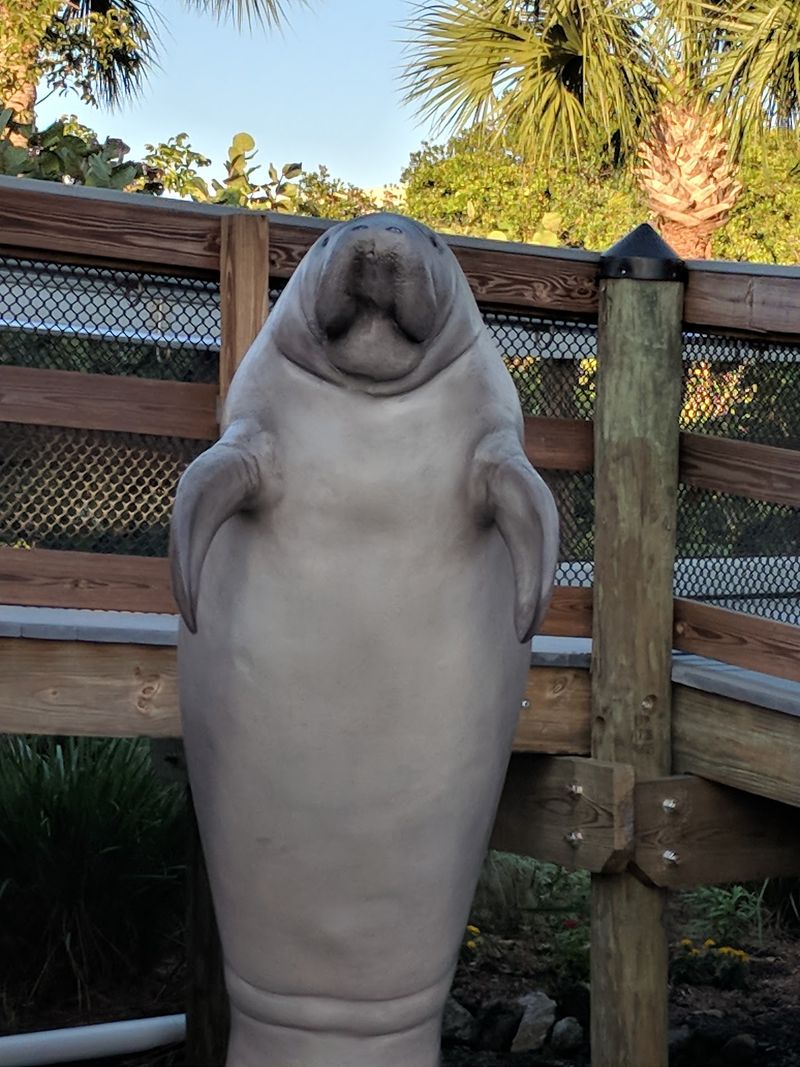
Elsewhere on the Florida Conservation and Technology Center campus, The Florida Aquarium operates facilities dedicated to rehabilitating injured sea turtles and protecting marine life.
Staff members share what each turtle is being treated for and how they help it recover. Some days there may be only one patient, while other times there are more.
A tram or golf cart can take families over to the turtle center. That makes it easier for little ones who are tired of walking.
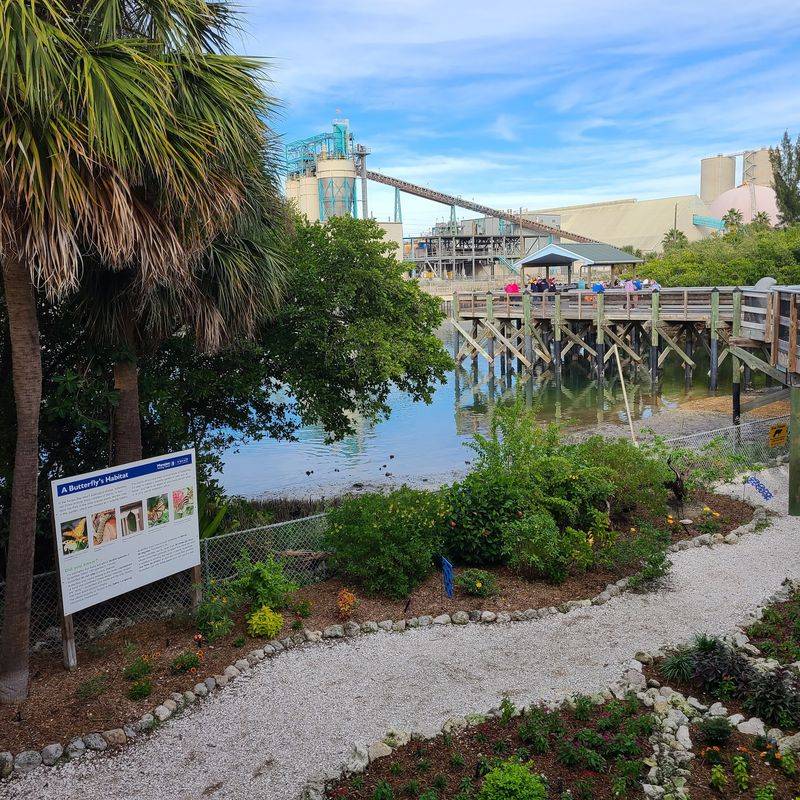
The butterfly garden is another quiet stop. Kids can look for butterflies resting on flowers and learn which plants help them thrive.
Both spots are a good change of pace after busy viewing platforms. They also show that the center cares about more than just manatees.
Asking questions is encouraged. Staff tend to be outgoing and full of facts, and kids often come away with a new favorite animal to talk about.
Snacks, Shade, and Souvenirs
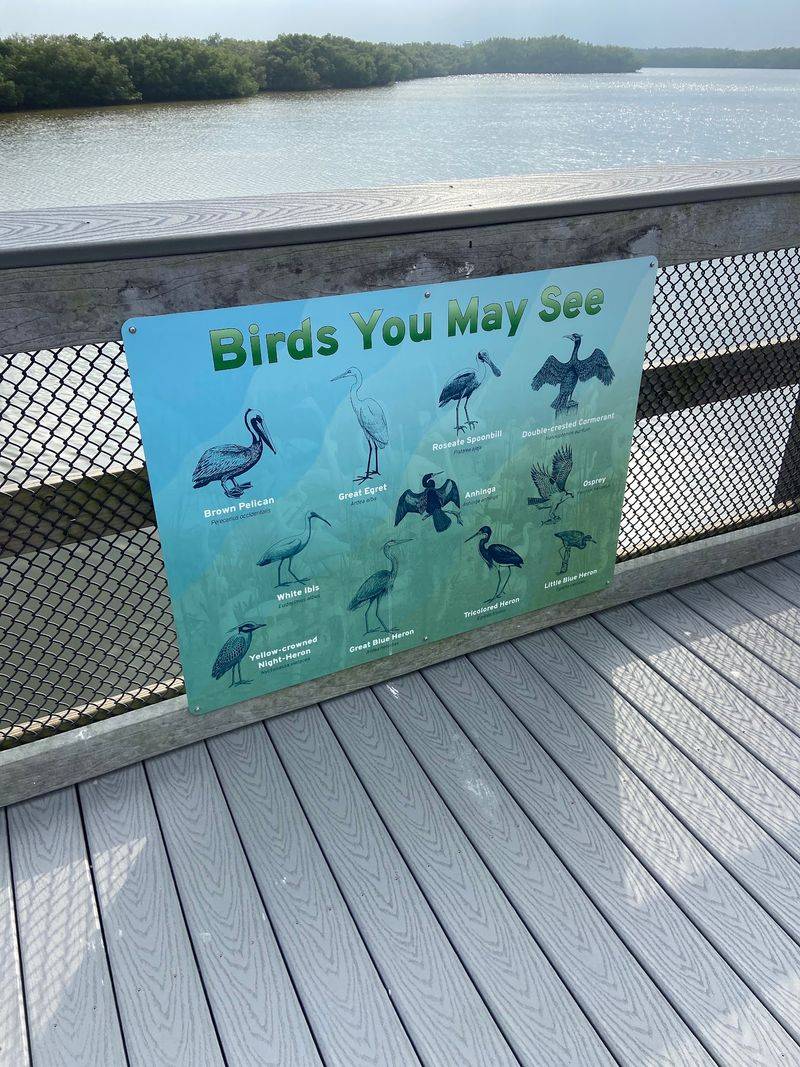
Hungry explorers will not go far before finding a break spot. A small snack bar and cafe sit right on the property.
Prices are friendly for family budgets. A shaved ice truck sometimes parks nearby too, which tends to make kids very happy.
Packing your own lunch is another smart move. A good-sized covered picnic area offers shade and room to spread out.
Play areas give younger kids a place to burn off energy. Parents can sit for a minute while the little ones climb and run.
The gift shop is worth a peek before heading home. Items are reasonably priced, and a plush manatee makes a sweet keepsake.
Every dollar spent or donated helps support the center. Since entry is free, these small purchases go a long way.
A relaxed lunch in the shade often becomes one of the quiet highlights. Then it is back to the railings for one last manatee headcount before saying goodbye.