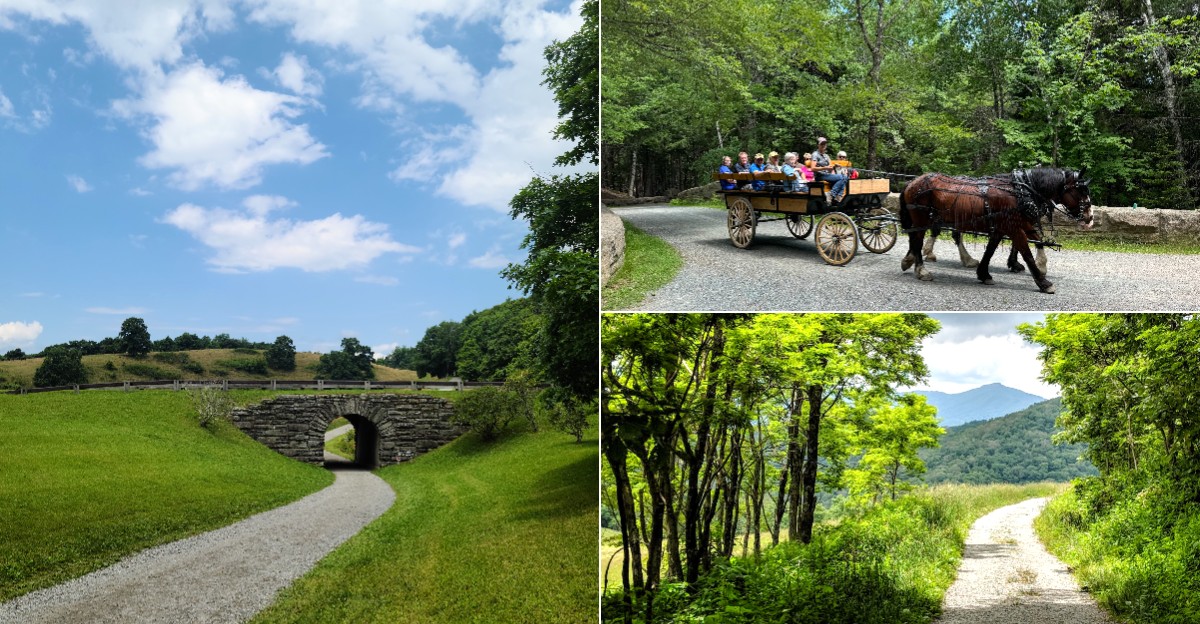
The steady clip-clop of hooves, the creak of a wooden carriage, and sweeping mountain views make for an unforgettable way to see the Blue Ridge.
Moses H. Cone Memorial Park sits along the Blue Ridge Parkway near Blowing Rock, North Carolina, at milepost 294.
The estate was once the summer home of textile businessman Moses Cone, whose grand Flat Top Manor still overlooks the grounds.
Miles of historic carriage roads wind through forests, meadows, and around peaceful lakes, just as they did more than a century ago.
A guided carriage ride lets the horses do all the climbing while families relax and soak in the scenery.
Bring a jacket for the cooler mountain air, reserve ahead when you can, and get ready for a slow, beautiful adventure.
Find the Right Starting Point
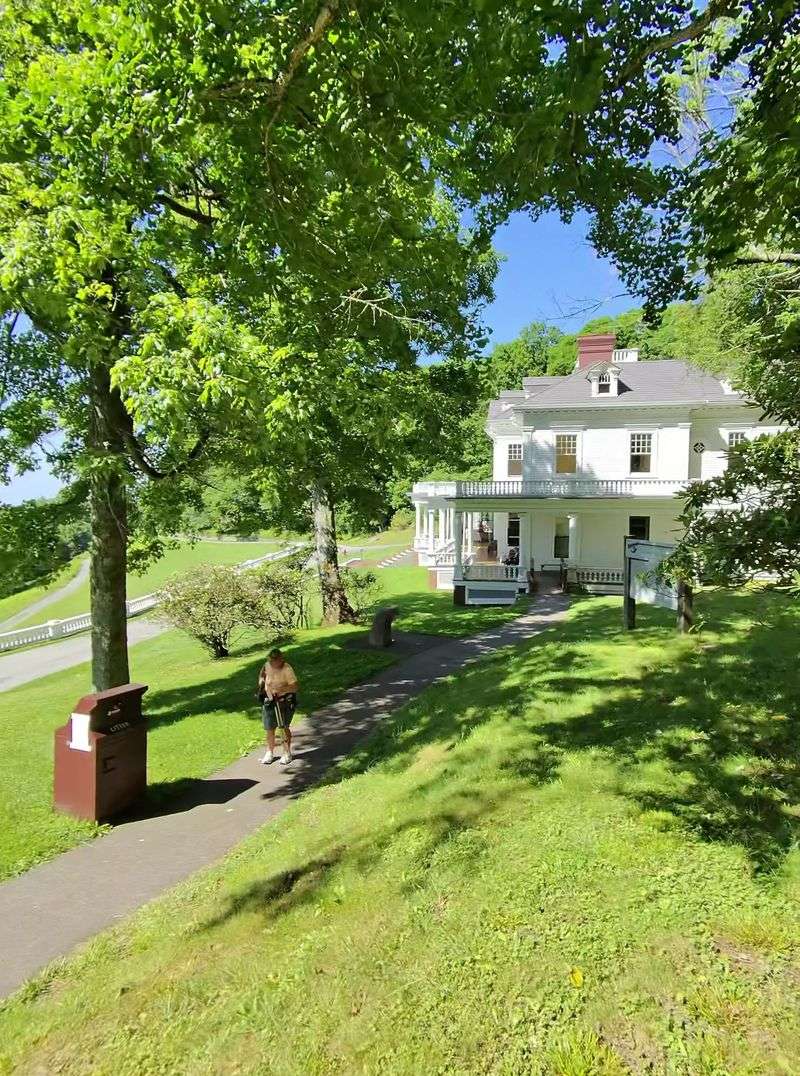
The first glimpse of a white manor above the hills can make an ordinary drive feel like the start of an adventure. Moses H. Cone Memorial Park sits along the Blue Ridge Parkway at milepost 294, near Blowing Rock, North Carolina. Its historic estate includes broad carriage roads, wooded slopes, open lawns, and long mountain views.
Start by checking where your carriage operator wants passengers to meet. The manor parking area is a useful landmark, but a ride may begin elsewhere on the grounds. Arrive early enough to find your meeting point, use the restroom, and hear any safety instructions without feeling rushed.
Parking near popular parts of the estate can fill quickly, especially on pleasant weekends. Build extra time into your trip rather than counting on finding a space beside your departure point. A map saved on your phone can help if service is weak, though posted signs and your operator’s directions should guide you first.
Remember that the park being open does not mean carriage rides operate around the clock. Ask the provider to confirm its departure spot, schedule, price, and current access before you leave home. That small check gives the horses and riders a calmer start to the day.
Confirm the Two-Hour Ride
Two hours sounds simple until you learn that a ride’s length may depend on the operator, route, weather, and horses. Treat the time in the title as a trip goal, not a guaranteed ticket. Before booking, ask whether two hours means time in the carriage or the entire outing, including boarding and stops.
Find out which carriage roads are planned and whether the trip includes a view, a lake, or a turnaround in the woods. Routes can change when trails need work or conditions make a section unsuitable. An operator should be able to describe the likely pace without promising every sight on a map.
Ask about passenger limits, fares, payment methods, and cancellation rules at the same time. If someone in your group has trouble stepping up, mention it before making a reservation. A carriage seat may be easier than a long hike, but getting aboard still requires some movement.
Finally, check whether you need to reserve ahead or can simply arrive. A confirmed departure time helps you plan meals, parking, and the rest of your day. It also keeps an appealing mountain idea from turning into a disappointing wait.
Let the Horses Set the Pace
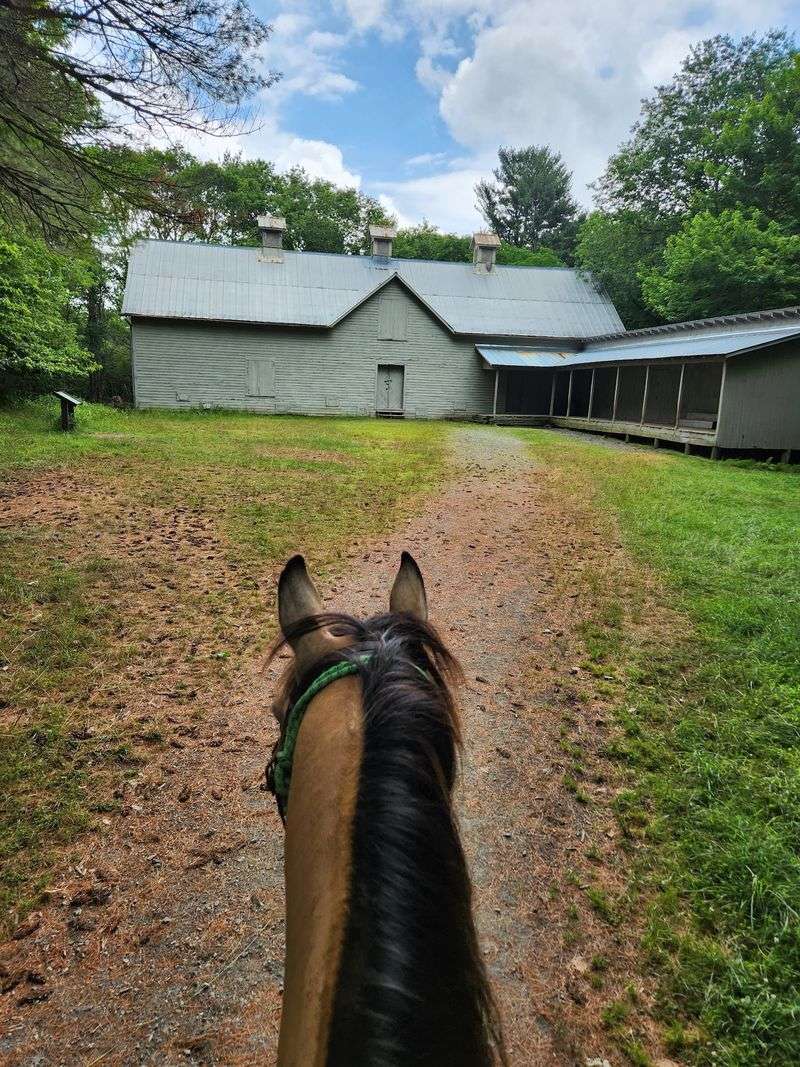
Hooves on gravel have their own steady beat, and it is nothing like the rush of a car ride. The estate’s roads were built for travel through rolling land, so the horses can take climbs at a working pace. Sit back, listen to the harness, and give the team room to do its job.
Follow the driver’s instructions about where to sit and when to move. Keep hands, bags, and loose straps inside the carriage, especially near wheels or harness parts. If you want a photograph of the horses, ask whether it is safe to take one before boarding or after the ride.
Never feed a horse without the driver’s permission, even if you brought a treat that seems harmless. Unfamiliar food can upset an animal, and reaching toward a horse can put you too close to its mouth. Children should know these rules before the carriage starts rolling.
A slower climb is part of the experience, not a problem to fix. Horses need breaks and careful handling on hills, particularly when the day is warm. Watch how the scenery opens between trees, and let the driver decide when the team is ready to move again.
Watch the Mountains Appear
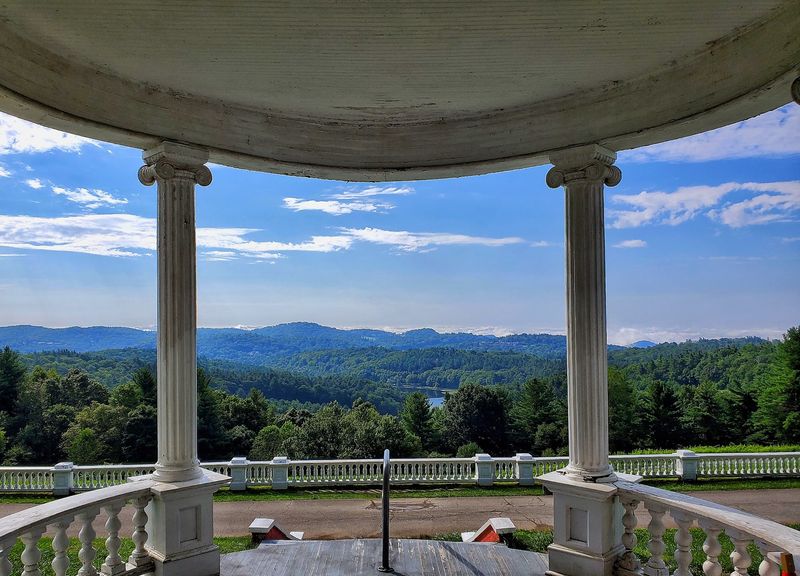
A bend in the road can suddenly turn a wall of trees into layers of blue hills. That changing view is one reason a carriage ride feels different from stopping at a roadside overlook. You notice the space between the forest, the fields, and the distant ridges as the team moves along.
Keep your camera ready, but do not spend the whole ride looking through a screen. Light can shift quickly in the mountains, making a familiar slope look new after a cloud passes. A small pair of binoculars may help you pick out distant details without leaving your seat.
Ask the driver when a safe photo stop might be possible, rather than standing up for a clearer shot. Stay seated whenever the carriage is moving, even if a viewpoint seems too good to miss. If branches or other riders block your picture, enjoy the moment and try again farther along.
Views depend on the chosen route and the season, so arrive with curiosity instead of a list of required photos. Leafy trees may hide some distant peaks in summer. Bare winter branches can reveal shapes you might not see later in the year.
Notice the Estate’s Old Roads
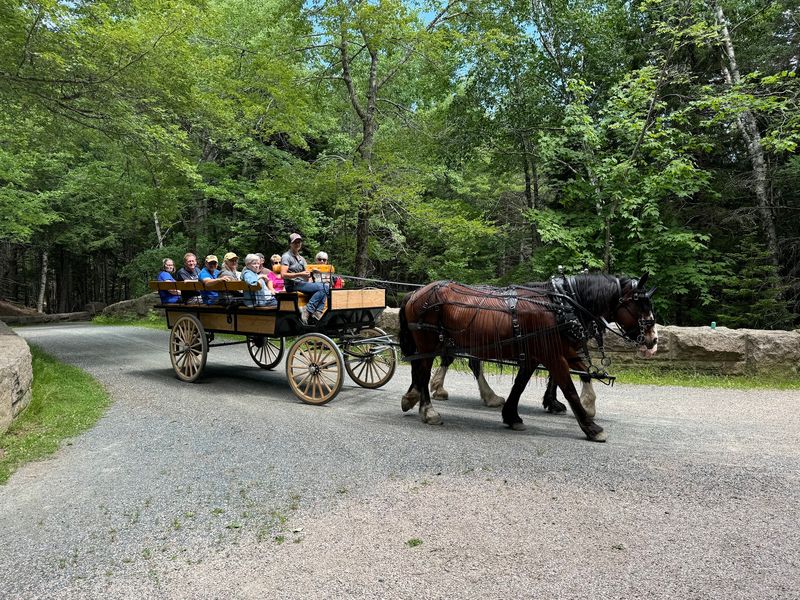
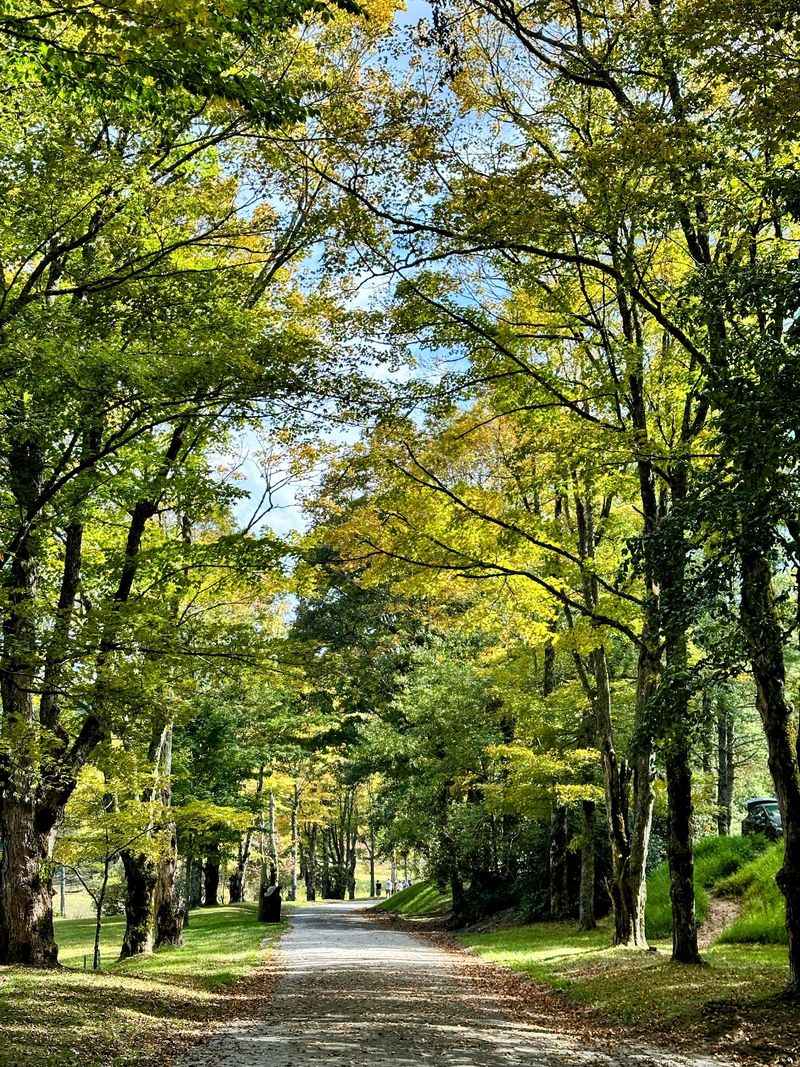
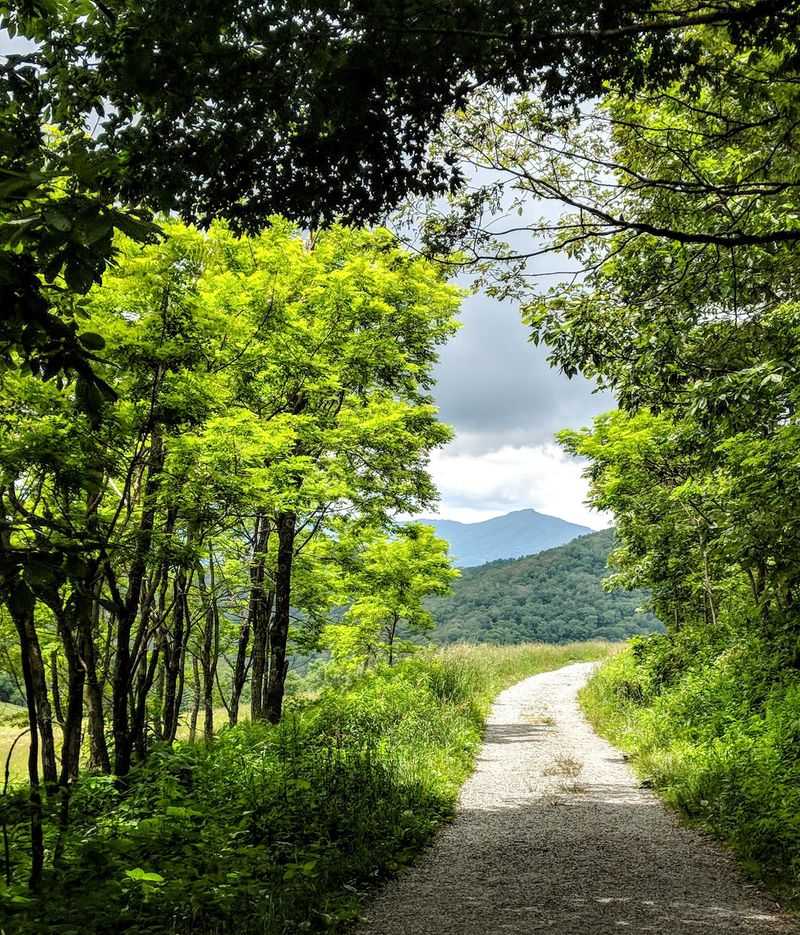
Some trails feel made for a quick dash, but these wide roads invite you to look around. The preserved estate has about 25 miles of trails, including carriage roads that curve through woods and across hills. From a carriage seat, their broad turns show how travel can follow the shape of the land.
Look for changes under the trees as you ride. One stretch may feel cool and shaded, while another opens toward grass and sky. Rhododendrons and other plants add color at different times, though no bloom is guaranteed on a particular visit.
The roads are shared spaces, not a private track for the carriage. Walkers and riders may be nearby, and everyone benefits when the team has room to pass safely. Keep your voice at a normal level when the driver needs to guide the horses around others.
If you return on foot, choose a short route that matches your energy and shoes. Wide does not always mean level, and a gradual downhill can turn into a steady climb back. Before leaving a marked route, check a current trail map and any closure signs. Seeing the roads twice, once seated and once walking, can make their design easier to appreciate.
Dress for a Slow Mountain Trip
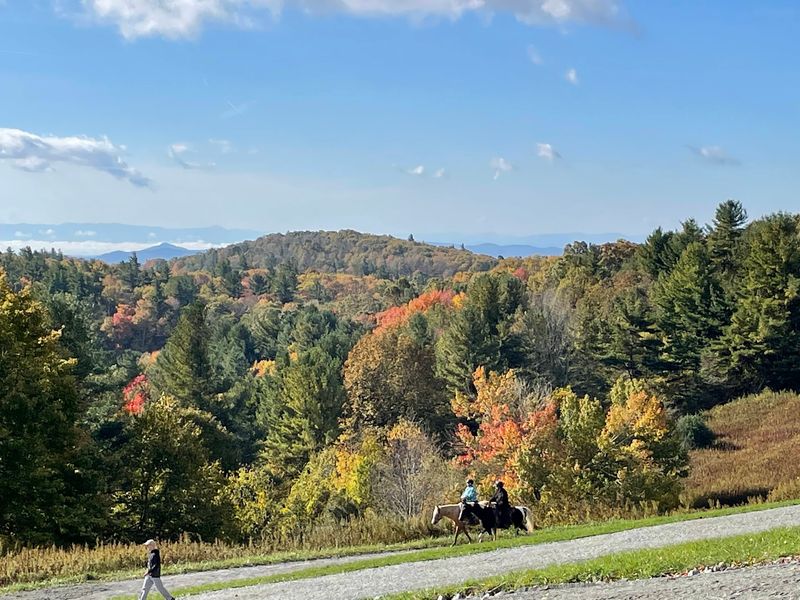
Sunshine at the car does not always tell you how the next two hours will feel. A seated passenger makes less body heat than someone hiking, and shaded roads can feel cooler than open lawns. Bring a light layer even if the forecast sounds mild, especially for a morning or late-day departure.
Wear shoes that stay on your feet and grip the ground when you step into or out of the carriage. A hat can help with bright sun, but secure it so a gust does not send it toward the horses. Pack water in a bottle that closes tightly, then ask the operator whether drinks are allowed aboard.
Check the weather again shortly before leaving. Rain can make roads slick, and strong wind or storms may lead an operator to change plans. Do not assume a ride will run just because the park grounds remain open.
For children, a spare layer and a small, quiet activity can make a long seated stretch easier. Keep bulky bags to a minimum so everyone has room to sit safely. If you are unsure what to bring, ask the operator about carriage cover, storage space, and weather rules when you book.
Leave Time for the Manor
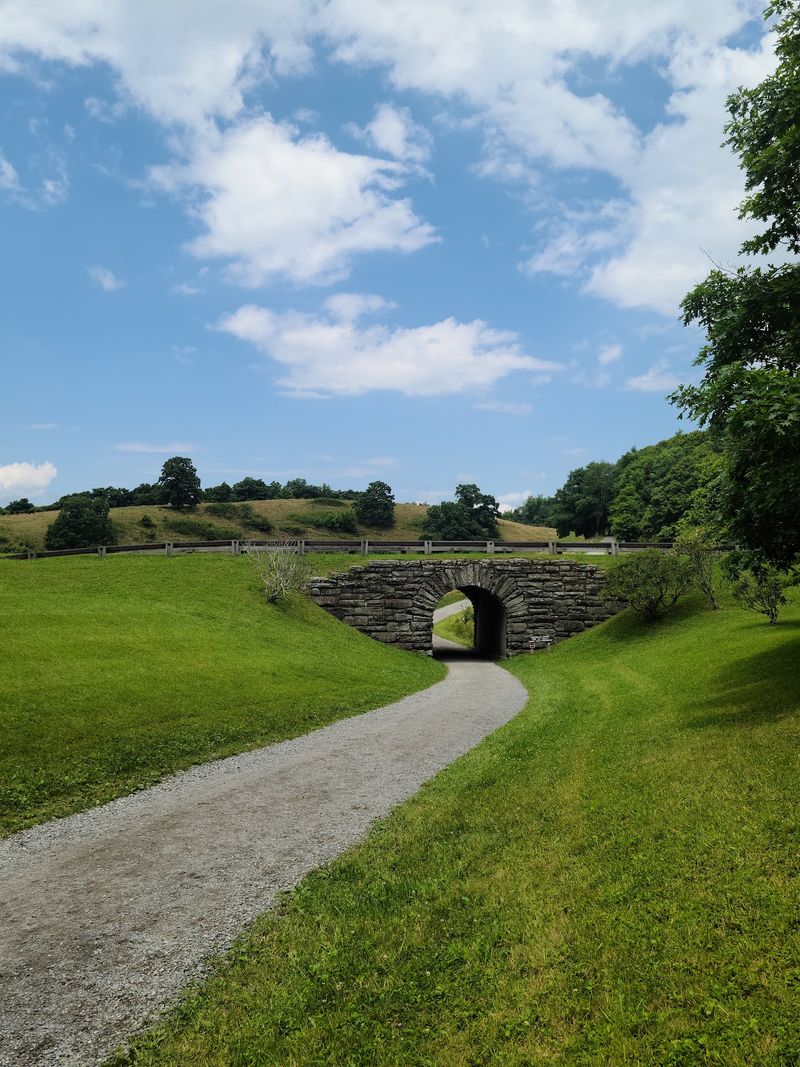
The carriage ride may be your main plan, but the old house gives the landscape a human story. Flat Top Manor is part of the preserved estate once owned by Moses and Bertha Cone. Its grounds offer a place to pause and think about why these roads and views remain open to visitors.
A regional craft shop has operated in the manor, with work that reflects mountain traditions. Shop access, house tours, and indoor areas can change because of staffing, repairs, or other closures. Check current information before promising anyone a tour or planning your whole visit around shopping.
Even if the building is closed, you may still be able to enjoy permitted outdoor areas. Follow signs and respect any barriers around work zones or restricted spaces. The lawn and building make a useful backdrop for photographs, but leave room for other visitors to pass.
Plan your manor stop before or after the ride rather than squeezing it into your boarding time. Ask where the closest available restroom is, since indoor facilities may not be open. A few unhurried minutes here can connect the carriage roads to the people who shaped this estate.
Make the Outing Work for Everyone
Not everyone in a group wants to spend the afternoon climbing a hill on foot. A carriage outing can give walkers and nonwalkers a shared way to enjoy the estate, provided everyone can board safely. Talk about comfort before booking so no one feels pressured at the meeting point.
Ask the operator about seat height, space, weight or passenger limits, and whether a rider may need help stepping up. If someone uses a mobility aid, explain exactly what they need instead of assuming it can be stored aboard. For young children, check seating rules and whether an adult must sit beside them.
Agree on a simple plan for the time after the ride. Some people may want a short walk, while others may prefer to rest and enjoy the view. Keep your group together near horses and give the driver room during loading and unloading.
Pets deserve a separate question, even when dogs are allowed on some trails. An animal that is welcome on a path may not be permitted in a carriage. With the practical details settled early, everyone can focus on the hoofbeats, fresh air, and pleasure of going uphill without doing the climbing.