
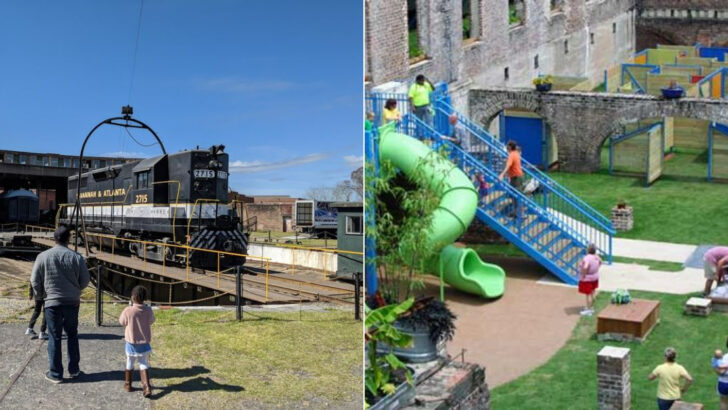
Tucked inside a genuine 19th-century railway carpentry shop in Savannah, Georgia, the Savannah Children’s Museum is unlike any play space you have probably taken your kids to before. The building itself was built to house and repair locomotives, which means the ceilings soar, the ironwork is original, and the whole place feels like stepping into another era.
Kids get to run, climb, build, and explore while surrounded by real industrial history they can actually touch. If you are planning a family trip to Savannah, this is one stop that earns its place on the itinerary.
A Children’s Museum Where the Building Is Part of the Exhibit
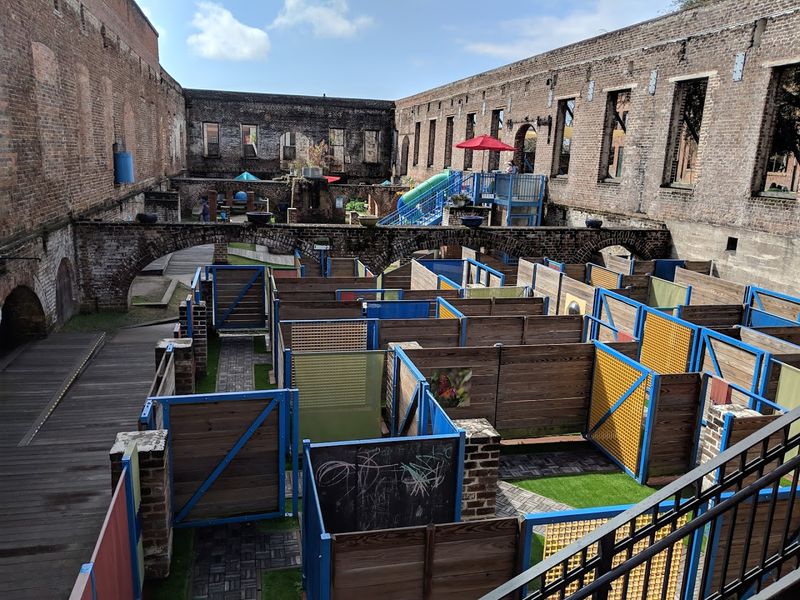
Walking through the entrance of the Savannah Children’s Museum, the first thing that hits you is the sheer size of the space. This building was not designed with children in mind — it was engineered to shelter and service full-sized locomotives, which means the ceiling stretches far above your head and the original ironwork frames everything like a cathedral built for machines.
Most children’s museums are dropped into renovated storefronts or purpose-built facilities where the walls are just walls. Here, the structure itself tells a story.
Exposed beams, worn brick, and industrial-scale architecture create a backdrop that no interior designer could manufacture from scratch.
Kids may not consciously register that they are playing inside a piece of American industrial history, but they feel the scale of it. That sense of bigness — of being small inside something enormous and old — is a quiet, lasting part of what makes a visit here stick in a child’s memory long after they go home.
The Georgia State Railroad Museum: The Historic Campus This Sits Inside
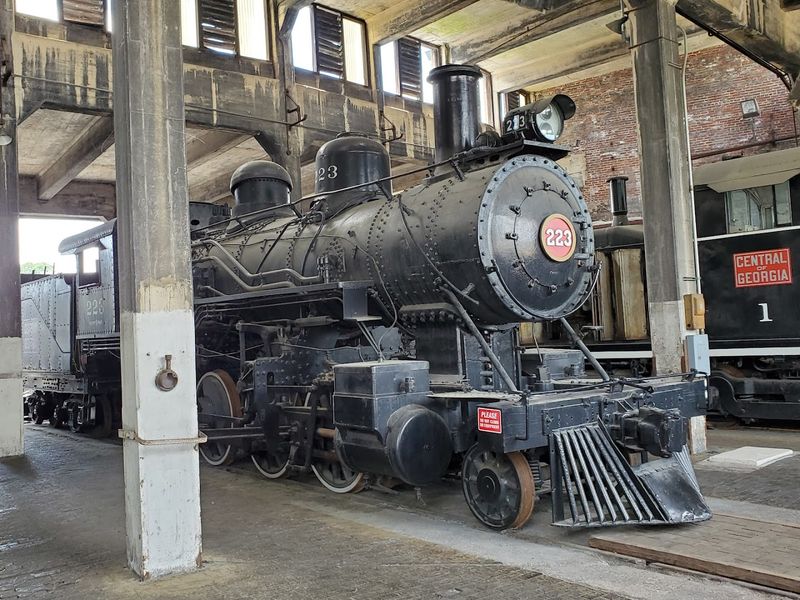
Before your kids sprint toward the first climbing structure they spot, take a second to absorb where you are standing. The Savannah Children’s Museum sits inside the Georgia State Railroad Museum campus — one of the largest and most intact antebellum railroad manufacturing complexes in the entire United States.
This campus dates to the 1850s. It was used continuously for over a century, repairing and maintaining the machinery that moved goods and people across the American South.
When you buy a ticket to the children’s museum, you are already standing inside a nationally significant piece of history before you even reach the first exhibit.
That context matters for parents, even if it flies over the heads of a five-year-old. Understanding the broader campus helps adults appreciate what surrounds them and opens the door to richer conversations with older kids about why a place like this was built, who built it, and what life looked like here 170 years ago.
What ‘Outdoor Museum’ Actually Means for a Day With Kids
The phrase “outdoor museum” sounds appealing in a brochure, but it carries real practical weight once you are actually planning the visit. Most of the Savannah Children’s Museum’s play and learning areas are open-air or semi-open within the historic railway structures, which means your children have significantly more room to move than they would in a carpeted exhibit hall with low ceilings.
That openness is genuinely freeing. Kids who need space to run, shout, and burn energy will find this setup far less restrictive than a traditional indoor museum where you are constantly reminding them to use their inside voice.
The flip side is straightforward: weather is a real factor here. Rain changes the experience considerably, and Savannah’s summer heat is not to be underestimated.
Checking the forecast before you go is not optional — it is essential trip planning. Spring and fall visits tend to be the sweet spot, but even summer mornings before ten can be manageable with the right preparation.
The Play Spaces: What Children Can Actually Do Here
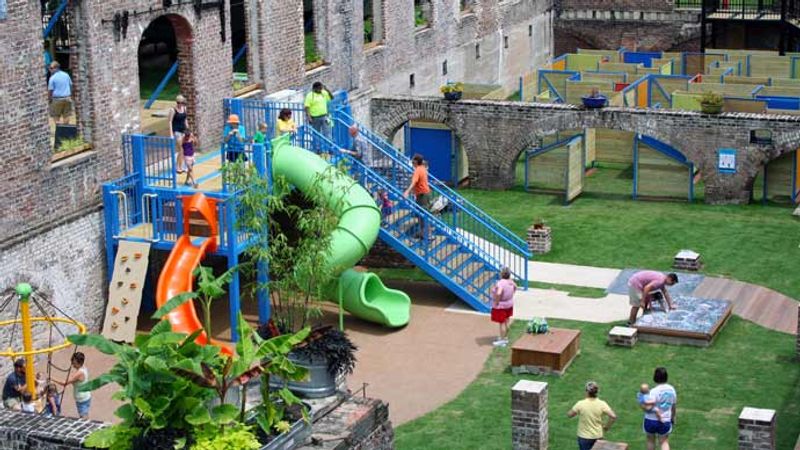
Forget standing behind a velvet rope and reading a placard. At the Savannah Children’s Museum, children are doing things with their hands, bodies, and imaginations from the moment they arrive.
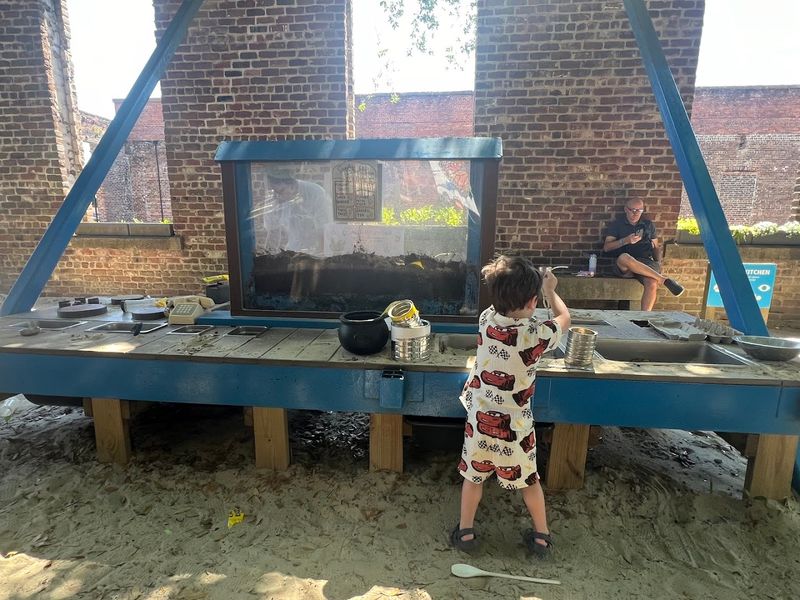
The exhibit mix includes giant building blocks, a sensory garden, a nature kitchen where kids can dig and mix, a puppet theater, a flower market, ball ramps, a baggage train car, a scavenger hunt, and water play areas perfect for hot days.
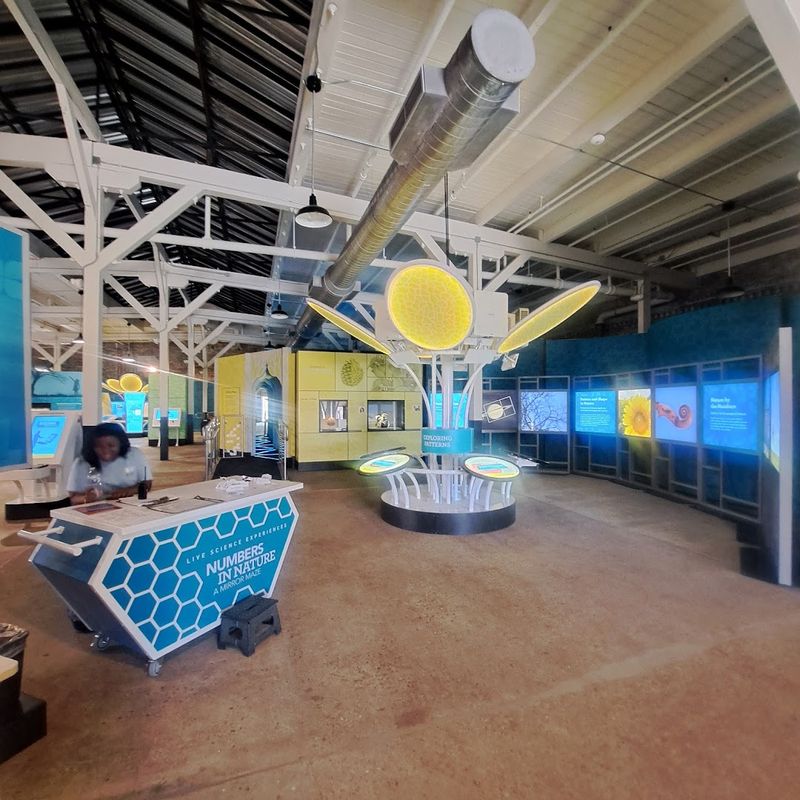
There is also an indoor STEAM Center that opened in late 2024, featuring a mirror maze that — based on multiple parent reviews — kids will want to run through at least five times in a row. A scientist-led experiment station adds a layer of structured discovery to the otherwise free-roaming experience.
The design philosophy here is open-ended play rather than a guided sequence. Children move through the space on their own terms, which means siblings of different ages can often find something that works for each of them without the family splitting up completely.
The Railway Heritage Woven Into the Play Experience
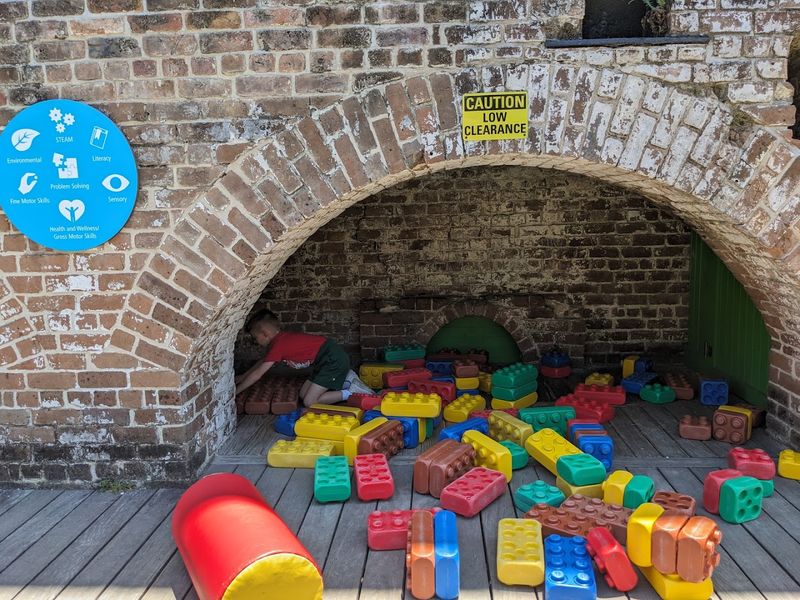
One of the quieter successes of the Savannah Children’s Museum is how naturally the railway history of the site seeps into the play experience. You will not find a lot of wall text demanding that children pay attention to the history lesson.
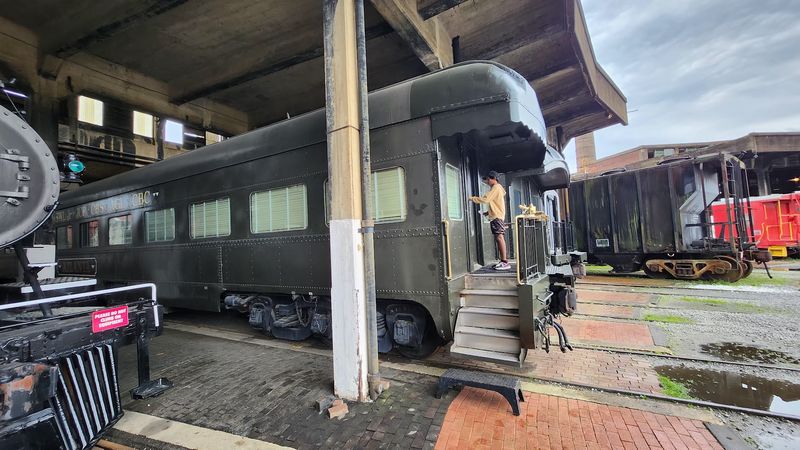
Instead, the history is ambient — it is in the architecture overhead, in the original machinery visible at the edges of the campus, and in details like the baggage train car that children can climb into and explore.
The museum sits inside the former Central of Georgia Railway Carpentry Shop, a building that once hummed with the work of craftsmen maintaining the rolling stock that connected Georgia’s cities and farms. Children interact with that legacy without necessarily knowing its name, which is arguably a more honest form of learning than a worksheet ever produces.
Older kids who ask questions get real answers from museum educators who are clearly comfortable with both the history and the audience. The learning here does not feel forced, and that ease makes it more likely to stick.
Age Ranges: Which Kids Get the Most Out of a Visit
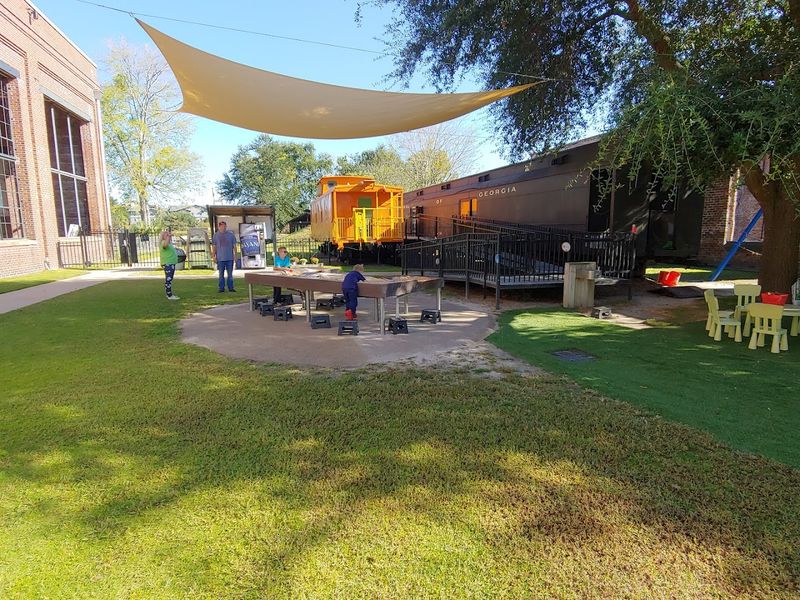
Honestly, the sweet spot for the Savannah Children’s Museum is roughly ages two through eight. Toddlers absolutely love the sensory garden, the water table, and the nature kitchen — give a three-year-old a sand kitchen and you will not see them again for forty-five minutes.
Early elementary kids gravitate toward the maze, the building blocks, the mirror maze in the STEAM Center, and the scavenger hunt.
Kids older than eight can still have a good time, especially if they are curious about the surrounding railway campus or enjoy more physical play. Several parent reviews mention that six- and eight-year-olds stayed fully engaged, particularly with the mirror maze and the open space for running around.
Bringing a football, as one family noted, works surprisingly well given the layout.
Very young infants and children under eighteen months are probably along for the ride rather than getting much from the exhibits directly. But the open space and sensory variety make it comfortable enough for caregivers managing a wide age spread across multiple children.
Savannah in the Heat: How the Outdoor Setting Plays in Georgia’s Climate
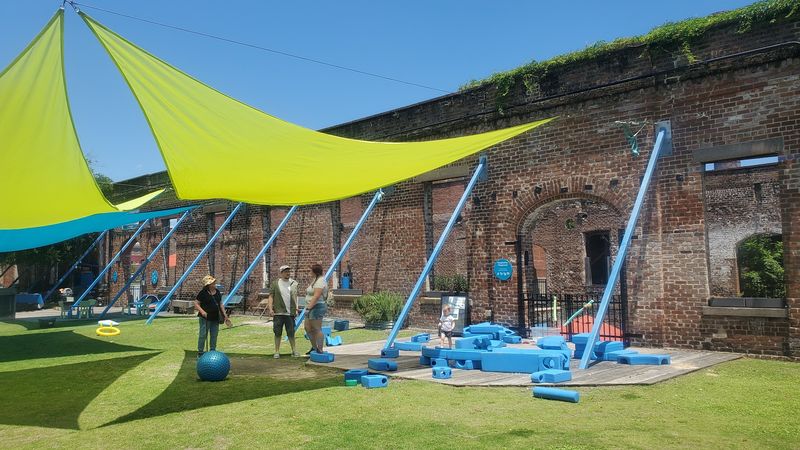
Savannah is a coastal Georgia city, and from late May through early September, the combination of heat and humidity is not a minor inconvenience — it is a genuine planning factor. By mid-morning on a July day, the temperature can feel oppressive for adults, let alone small children who are running hard through a largely open-air space.
The museum does have some covered and shaded areas under the original railway roof structures, and a hydration station with a water fountain and bottle-filler is on site. There is also a train car with air conditioning where families can cool down mid-visit, which reviewers consistently mention as a lifesaver in summer months.
The honest advice: aim for a weekday morning arrival between 9 and 10 AM during summer, bring your own water bottles, dress kids in light layers, and do not plan to stay four hours in July the way you might in October. Fall and spring visits are a genuinely different — and much more comfortable — experience at this same location.
What Parents and Caregivers Can Do While the Kids Explore
A children’s museum that exhausts the adults tends to produce shorter visits and grumpier car rides home. The good news at Savannah Children’s Museum is that the layout is open enough that most caregivers can find a bench or seating area with clear sight lines to wherever their child has wandered.
The space does not force parents into cramped corners or awkward standing-only zones.
For adults who bring their own curiosity, there is a genuinely rewarding secondary experience available. Look up.
The ironwork and roof structure of the original railway carpentry shop have been standing since before the Civil War, and the scale and craftsmanship of the building are worth a few minutes of quiet attention while the kids are occupied.
Museum educators circulate through the space running daily programming — storytime, STEAM experiments, garden lessons — which gives parents natural moments to sit back while a staff member engages the children directly. Reviewers consistently praise the staff as friendly, knowledgeable, and good with kids, which takes real pressure off the adults in the group.
Combining the Children’s Museum With the Railroad Museum Next Door
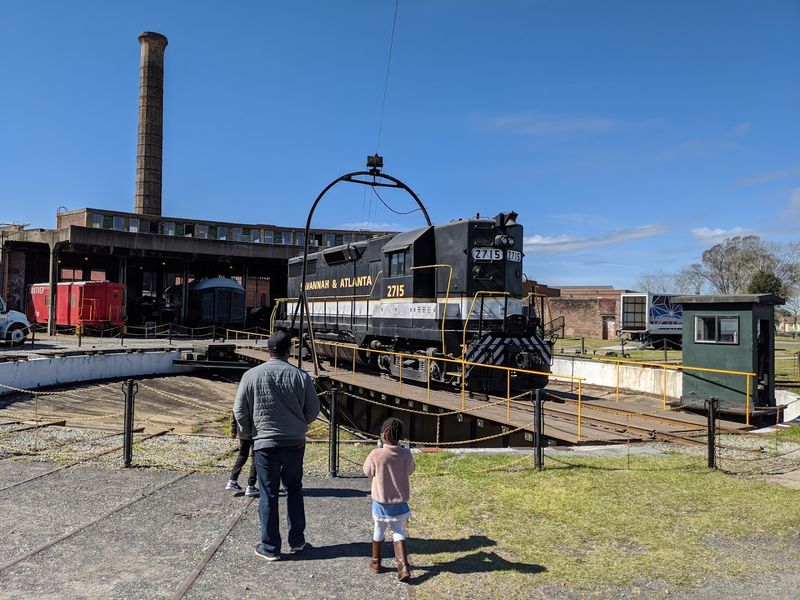
The Georgia State Railroad Museum shares the same campus as the Children’s Museum, and combining both in a single visit is easier than it sounds. The Coastal Heritage Society, which operates both sites, offers combination ticket options worth considering — and if your family visits frequently, a $125 annual membership covers unlimited admission to all six of their Savannah sites, including train rides at the Railroad Museum.
The Railroad Museum’s appeal scales with age. Toddlers who just played in a sand kitchen may have limited patience for historical exhibits, but kids who have been climbing on play structures shaped around railway themes often find the sight of a real antebellum locomotive immediately compelling.
The operating turntable alone tends to stop older kids in their tracks.
Train rides are offered on select days — Fridays and Saturdays during certain seasons — so it is worth checking the schedule before your visit. Finishing the children’s museum and then watching an actual 19th-century machine turn and move makes for a surprisingly satisfying arc to a family day out.
Savannah With Kids
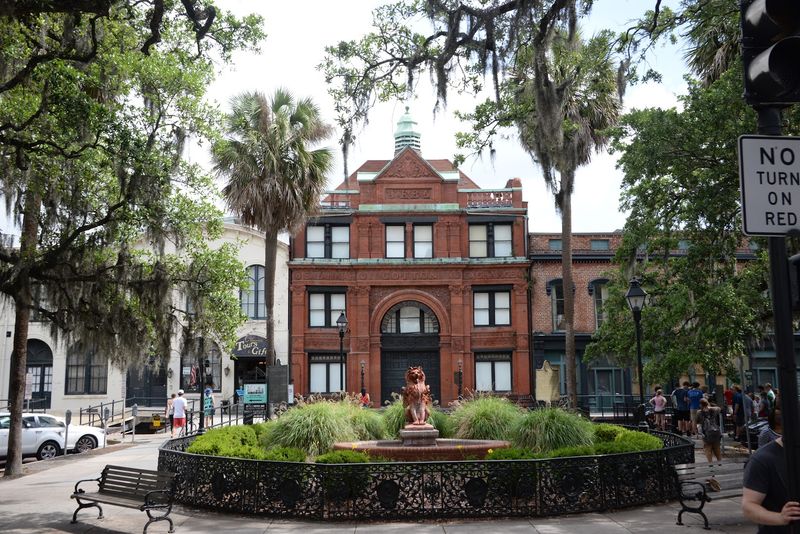
Savannah is one of the most walkable and visually interesting cities in the American South, and it handles family visitors better than its reputation as a romantic getaway might suggest. The children’s museum sits at 655 Louisville Road, near the western edge of Savannah’s historic district, which makes it a logical first stop in the morning before the heat peaks or a final destination before heading back to wherever you are staying.
The riverfront is accessible and kid-friendly, with open space for running and enough visual interest — boats, bridges, cobblestones — to hold a child’s attention. The historic squares scattered throughout the district give families natural rest points between activities, with shade, benches, and usually a dog or two to admire.
For food, the area around the historic district has plenty of casual spots that accommodate families without requiring reservations or patience from young children. A one-day itinerary that includes the Children’s Museum in the morning and a riverfront walk and lunch afterward covers a lot of ground without feeling rushed or overprogrammed.
Why Playing Inside History Is Worth More Than a Typical Museum Visit
There is a particular kind of learning that happens when a child’s body is inside a space that is genuinely, irreplaceably old. No replica, no digital display, and no classroom exhibit can produce the same physical sensation as standing under a roof that has been standing for 170 years.
The Savannah Children’s Museum offers that sensation as the baseline condition of every visit.
Kids who spend an afternoon playing here are absorbing something they cannot fully articulate: a sense of scale, of time, of the fact that people built enormous and lasting things long before anyone alive today was born. They may not describe it that way on the car ride home.
They will probably just say it was fun, that the mirror maze was the best part, or that they want to come back.
That is exactly the point. The most durable learning tends to arrive without announcing itself.
A child who plays inside a piece of history walks away carrying that history in a way that a child who reads about it simply does not.