

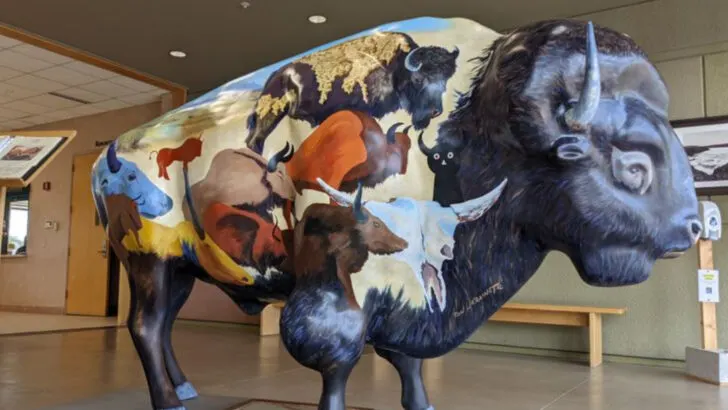
The Lewis and Clark Trail winds across the American West, tracing the footsteps of explorers whose journey feels adventurous, pioneering, and deeply historic. Along the route, rivers, plains, and rugged landscapes reveal the challenges and discoveries of the early 1800s. Visiting these stops offers a tangible connection to a story that shaped the nation.
What makes these historic sites memorable is how each preserves a piece of exploration history. Monuments, forts, and interpretive centers bring the past to life, making moments feel educational, reflective, and immersive. They remind travelers of the courage and curiosity that defined the expedition.
Fort Clatsop — Astoria, Oregon
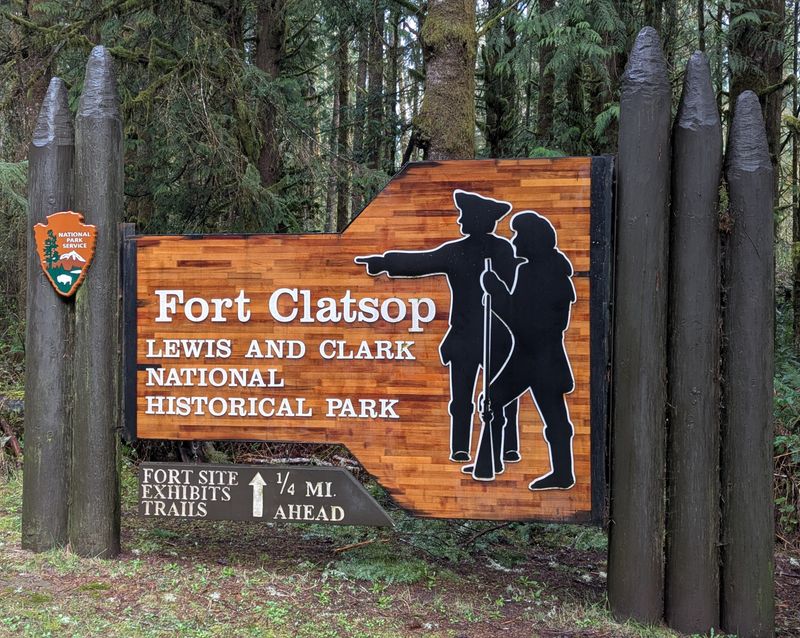
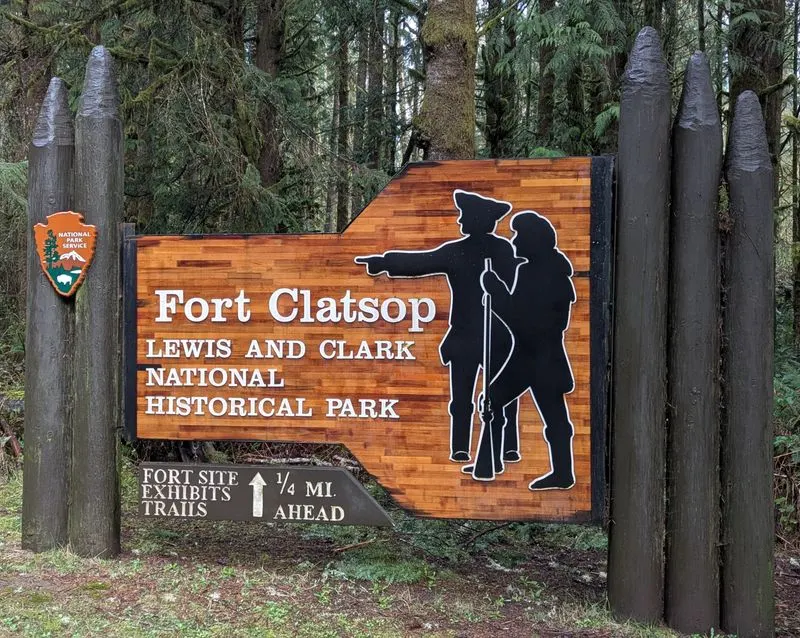
Nestled in the lush forests of Oregon, Fort Clatsop was the winter refuge for Lewis and Clark from 1805 to 1806. This reconstructed fort offers a glimpse into the challenges faced during those cold, wet months. Visitors can explore exhibits that showcase the daily life of the Corps of Discovery.
Reenactments and ranger-led programs bring history alive, making it an insightful visit for history buffs and families alike. The interpretive center provides compelling narratives about the explorers’ interactions with local tribes.
Exploring the surrounding trails offers a chance to connect with the landscape as Lewis and Clark might have. The combination of history and nature makes Fort Clatsop a memorable stop along the trail.
Gateway to the West Arch — St. Louis, Missouri

Standing as a symbol of westward expansion, the Gateway Arch in St. Louis is an architectural marvel. Its sleek, stainless steel curve dominates the skyline, inviting visitors to delve into the spirit of exploration that defined the Lewis and Clark journey.
The museum beneath the arch offers exhibits on the westward movement, providing context and depth to the expedition stories. Visitors can ascend to the top of the arch for breathtaking views of the Mississippi River.
A visit here culminates in a deeper appreciation of the pioneers’ courage and ambition. The arch isn’t just a monument; it’s a tribute to the relentless pursuit of discovery.
Fort Mandan — Washburn, North Dakota
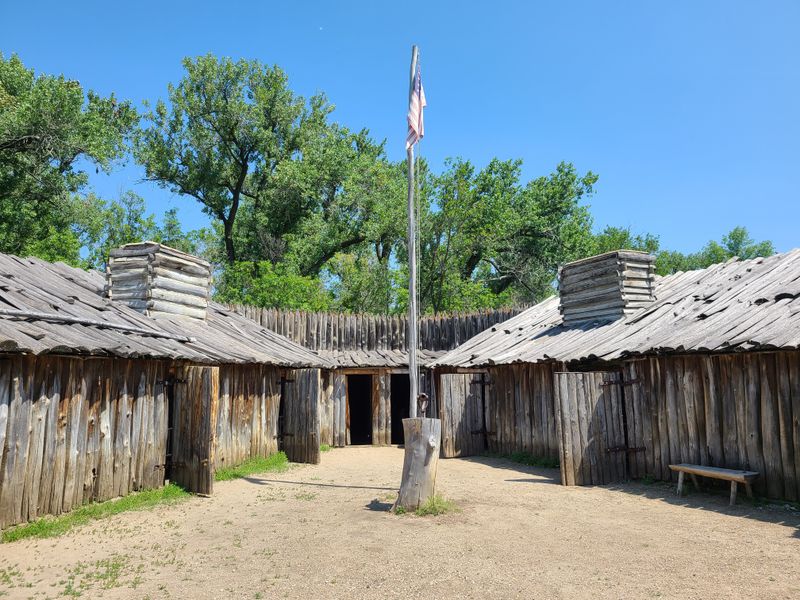
Constructed as a winter camp, Fort Mandan was the Corps’ home from 1804 to 1805. Located near Washburn, North Dakota, this site reflects an era of cooperation with Native Americans, particularly the Mandan and Hidatsa tribes.
The reconstructed fort, with its wooden structures, offers insights into the expedition’s daily routines and survival strategies. Interactive exhibits highlight the cultural exchanges that took place here.
Engaging storytelling by guides adds texture to the historical narrative, making Fort Mandan a captivating stop. It stands as a testament to the spirit of resilience and adaptability.
Lewis and Clark Interpretive Center — Great Falls, Montana
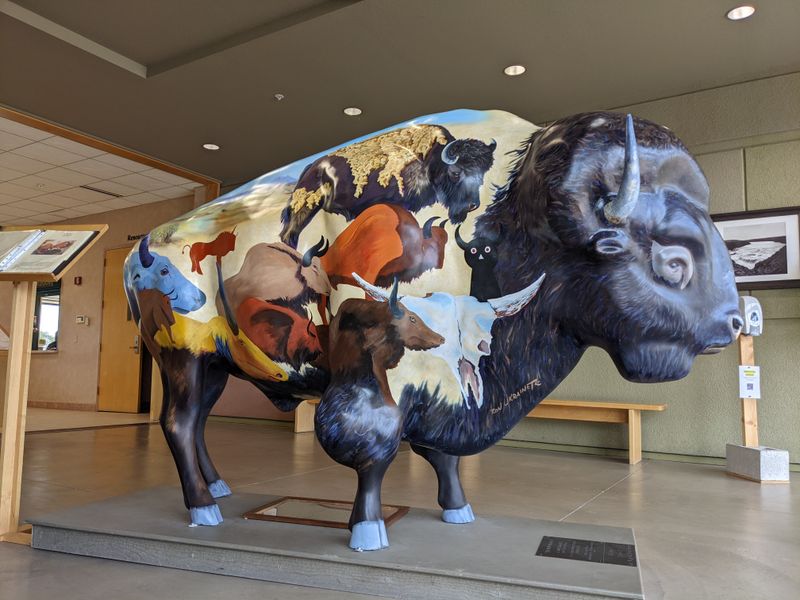
Perched above the Missouri River, the Lewis and Clark Interpretive Center in Great Falls, Montana, provides a panoramic view of the journey’s challenges. The center focuses on the expedition’s arduous trek through the Rocky Mountains.
Interactive exhibits depict the explorers’ struggle with the rugged terrain and harsh weather conditions. Multimedia presentations offer engaging narratives on the expedition’s encounters with wildlife and indigenous peoples.
Guided tours and programs enrich the experience, allowing visitors to appreciate the expedition’s perseverance and ingenuity. The center’s location offers breathtaking views, merging history with the natural beauty of Montana.
Meriwether Lewis Gravesite — Hohenwald, Tennessee
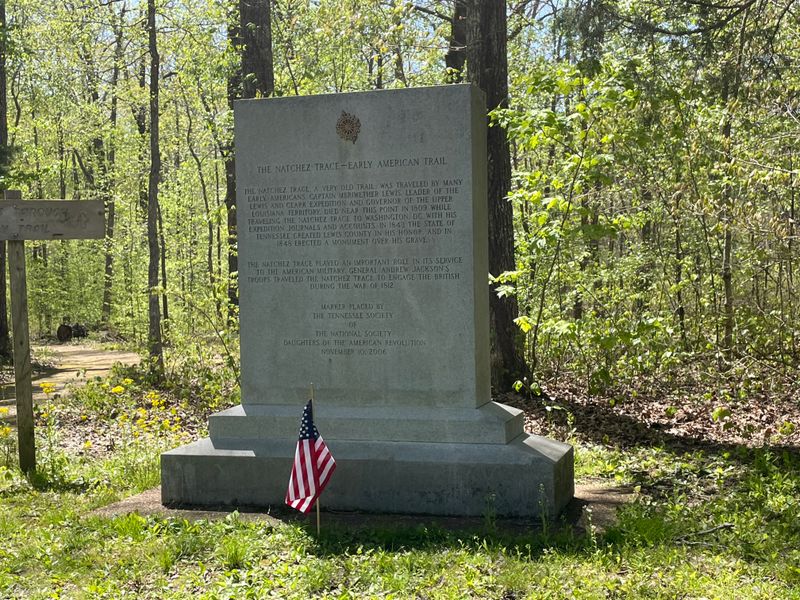
In a serene setting near Hohenwald, Tennessee, lies the gravesite of Meriwether Lewis. The site is dedicated to one of America’s great explorers, offering a reflective space to honor his contributions to the nation’s history.
An obelisk marks the location, surrounded by tranquil forests, providing a place for contemplation and respect. Interpretive signs narrate Lewis’s life and achievements, shedding light on his tragic end at the young age of 35.
This site invites visitors to ponder the legacy of exploration and the enigmatic circumstances surrounding Lewis’s death. It’s a poignant reminder of the sacrifices made in pursuit of discovery.
Fort Vancouver — Vancouver, Washington
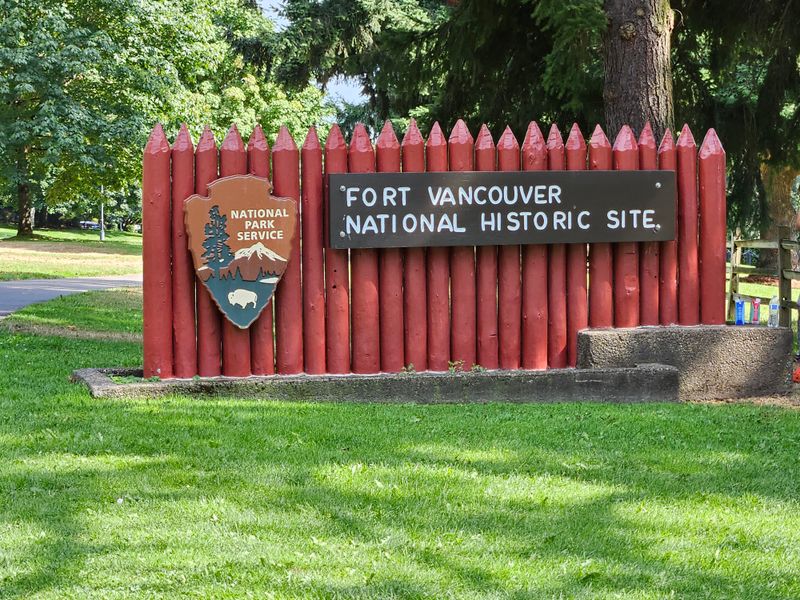
A bustling hub of the Pacific Northwest, Fort Vancouver was a pivotal fur trading post. Located in Washington, it paints a vivid picture of the interactions between the Corps of Discovery and the region’s diverse cultures.
The fort’s reconstruction includes engaging exhibits and reenactments that showcase the daily commerce and cultural exchanges of the 1800s. Visitors can explore the blacksmith shop, trade store, and gardens.
Guided tours highlight the intricate web of trade and diplomacy, offering a multifaceted view of frontier life. Fort Vancouver is a microcosm of the dynamic forces that shaped early American history.
Sakakawea State Park — Pick City, North Dakota

Situated where the Knife River meets the Missouri, Sakakawea State Park celebrates the legacy of Sacagawea, the Shoshone guide whose knowledge was invaluable to the expedition. The park offers a blend of history and natural beauty.
Trails and interpretive signs recount the story of Sacagawea’s contributions, highlighting her role in navigating this vast landscape. The park’s picturesque views of Lake Sakakawea add to its allure.
Camping and recreational activities make it a family-friendly destination, providing a rich mix of education and outdoor adventure. The park stands as a tribute to the unsung heroes of the expedition.
Traveler’s Rest State Park — Lolo, Montana
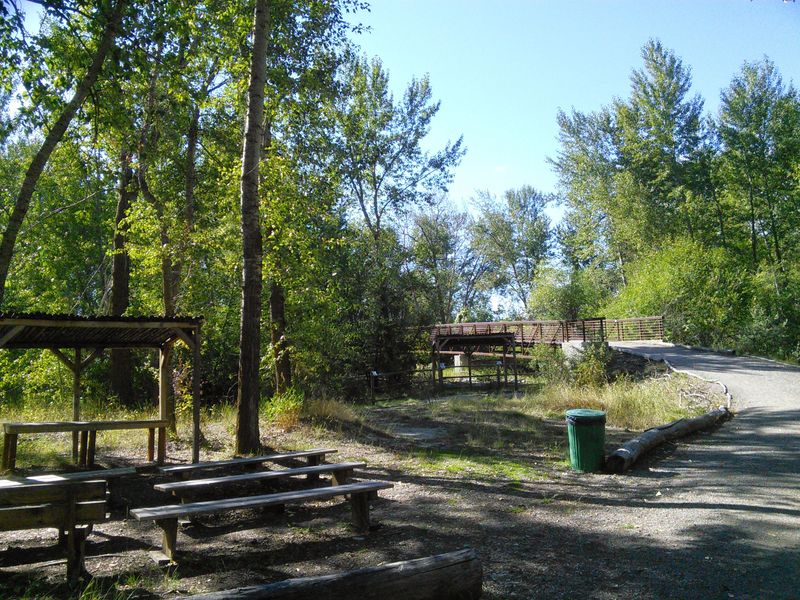
At the confluence of nature and history, Traveler’s Rest State Park in Lolo, Montana, offers a unique perspective on the expedition’s journey. This site is the only confirmed campsite of the Lewis and Clark expedition.
Archaeological findings provide insights into the explorers’ stay, and interpretive trails guide visitors through the history and ecology of the area. The park hosts educational programs that enrich the historical experience.
The serene setting and informative displays make it a peaceful yet enlightening stop along the trail. Traveler’s Rest is a testament to the enduring legacy of exploration and discovery.
Pompeys Pillar National Monument — Pompeys Pillar, Montana
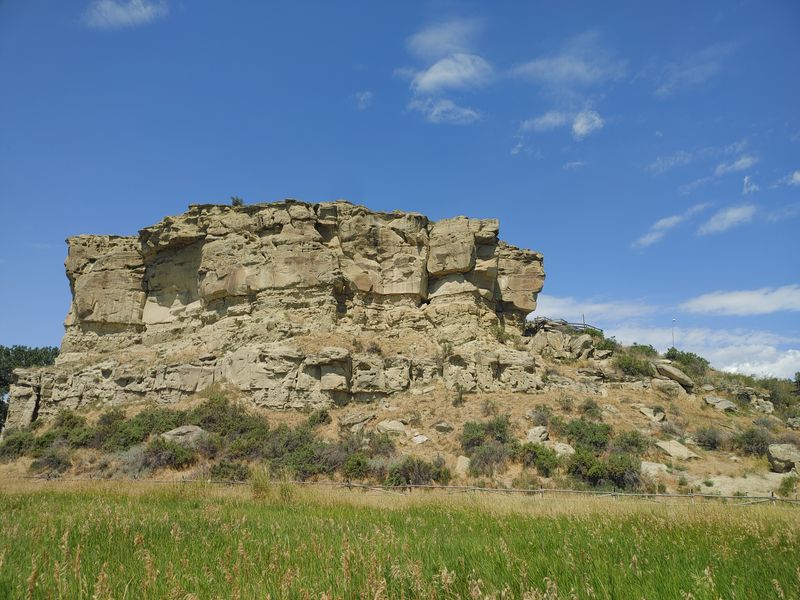
A towering rock formation carved with the signature of William Clark, Pompeys Pillar is a tangible piece of the expedition’s history. Located in Montana, it stands as a historical beacon.
Visitors can see Clark’s signature, preserved on the rock face, and explore exhibits that narrate the story of the expedition’s journey through the Yellowstone River Valley. The visitor center provides engaging educational displays.
The monument offers a panoramic view of the surrounding landscape, inviting visitors to reflect on the passage of time and the enduring impact of the Corps of Discovery. It’s a unique blend of history and natural wonder.
Fort Union Trading Post — Williston, North Dakota
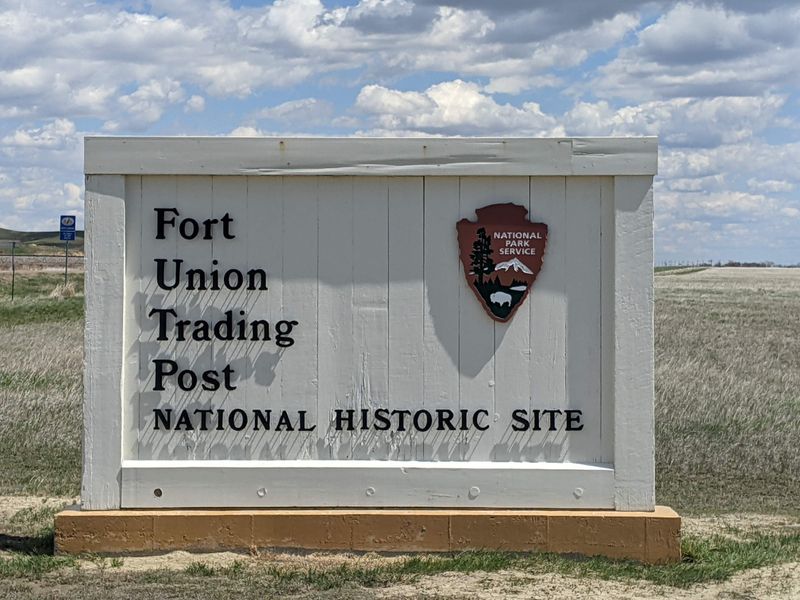
Once a bustling center of trade, Fort Union Trading Post in North Dakota is a reconstructed hub of commerce. It showcases the vibrant interactions between European traders and Native American tribes.
The fort’s exhibits detail the trade goods exchanged and the relationships built during this era. Visitors can watch blacksmith demonstrations and explore the reconstructed buildings.
This site provides a window into the complexities of frontier life, offering a rich tapestry of cultural exchange. Fort Union stands as a testament to the interconnectedness of diverse cultures in America’s history.