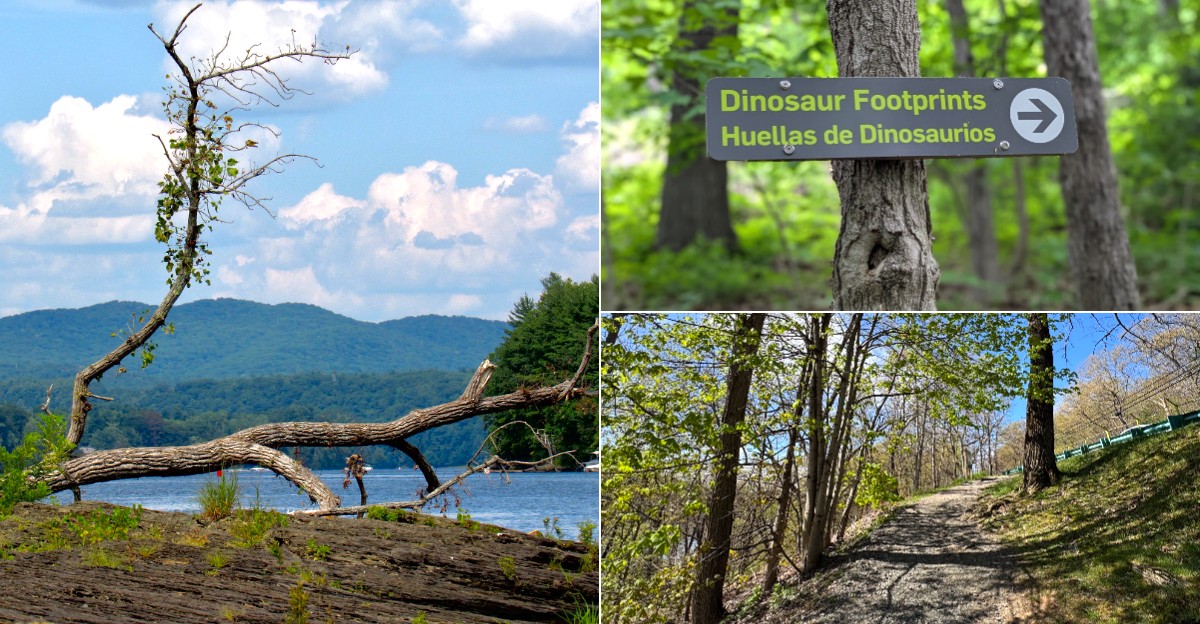
Long before towns, roads, or rivers as we know them, giant creatures left their footprints in the soft mud of an ancient lakeshore.
Dinosaur Footprints sits along Route 5 in Holyoke, Massachusetts, beside the Connecticut River in Hampden County.
Here, sandstone slabs hold more than a hundred tracks made roughly 190 million years ago.
Kids can crouch down, compare their own feet to the three-toed prints, and imagine the animals that walked here.
The site is cared for by The Trustees, and it played a role in early scientific studies of dinosaur tracks in America.
Check the seasonal hours, wear sturdy shoes for the rocky ground, and get ready for a prehistoric adventure the whole family will love.
Real Tracks Turn Ordinary Rock Into a Time Machine
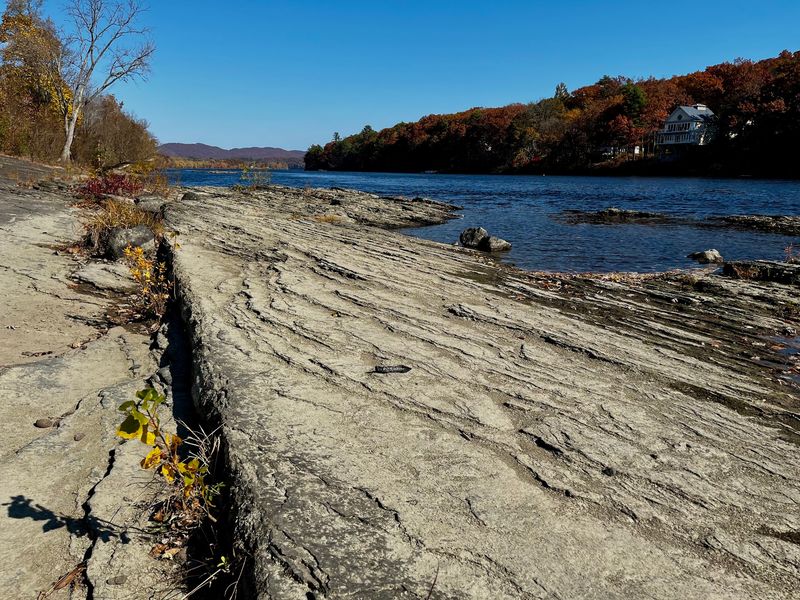
A patch of stone becomes much more exciting when a child realizes its dents were left by living dinosaurs. There are no moving models needed here, because the evidence itself is the attraction. Each preserved impression offers a direct connection to an animal that walked across ancient muddy ground.
Dinosaur Footprints, at 1099 US-5, Holyoke, MA 01040, United States, brings that discovery into an outdoor setting. The property is cared for by The Trustees, and its exposed rock holds genuine fossil tracks. Families can explore the visible evidence while reading signs that explain what they are seeing.
Set expectations before arriving: footprints are shapes in stone, not giant sculptures standing beside a path. Some marks stand out clearly, while others take patience and a careful look. That small challenge can make finding the first recognizable print feel like solving a real mystery together.
Encourage kids to describe what they notice before supplying an answer. A pointed toe, a shallow hollow, or a repeated pattern might become their first clue. Once they spot a track, the landscape stops looking ordinary and starts telling a story that reaches far beyond any family road trip. Give everyone time to enjoy that moment before moving along.
A Short Walk Delivers a Big Discovery
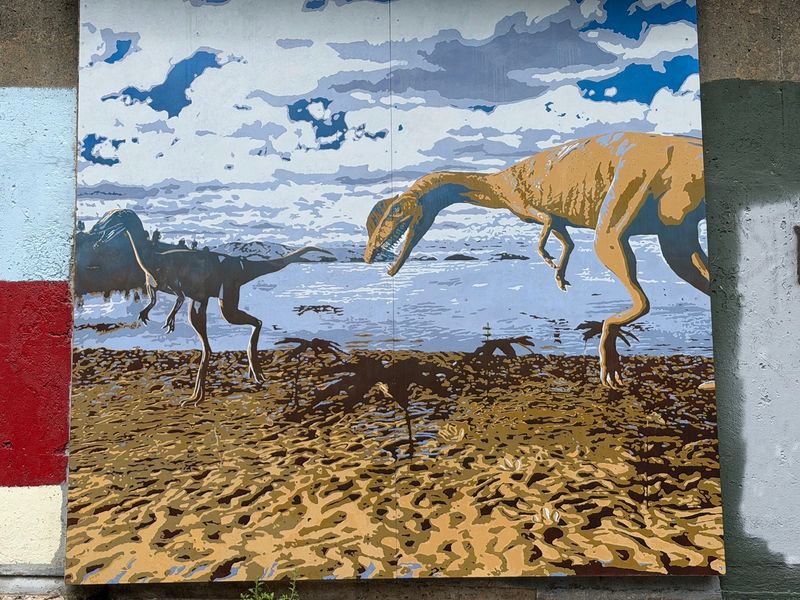
Small legs do not need a long hike to reach something remarkable. Visitors commonly describe a walk of only a few minutes from the parking pullout to the track area. That makes the outing appealing when children need a break from sitting in the car but lack energy for miles.
The route is short, yet it remains an outdoor trail rather than a smooth indoor walkway. Expect natural ground and exposed rock, with conditions changing after rain or during colder weather. Shoes with reliable grip are a better choice than loose sandals, especially for children eager to hurry ahead.
Keep younger explorers close as the path leads toward the sloping rock surface. A short distance does not automatically mean easy access for every visitor, stroller, or mobility device. Anyone with access concerns should check current information from the property manager before planning around an effortless walk.
Leave room in the schedule for looking, not just getting there. A family might reach the tracks quickly and still spend much longer comparing shapes or reading signs. Let the slowest walker set the pace, carry water, and treat the approach as part of the adventure rather than a race toward the finish. There is no prize for rushing.
Finding the First Footprint Becomes a Detective Game
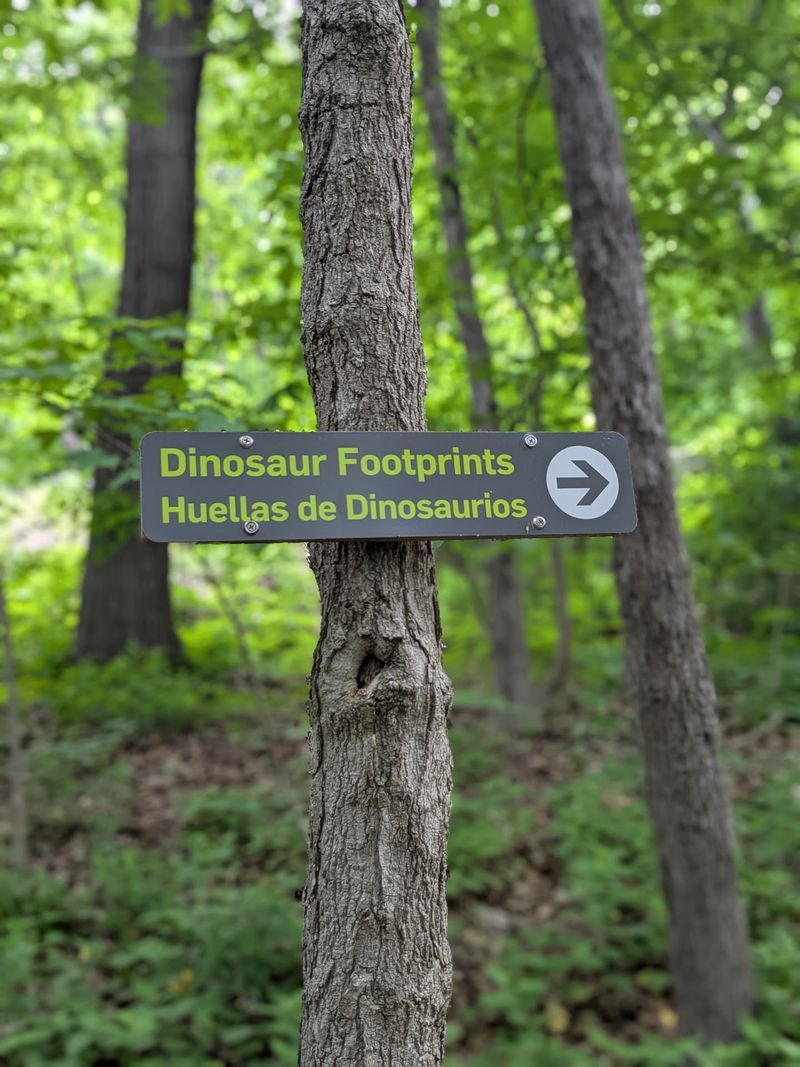
At first glance, the rock can look like a jumble of cracks and shallow dents. Then one shape clicks into place, and suddenly the search becomes much more exciting. Several visitors report that the footprints are tricky to find initially but easier to recognize after spotting a clear example.
Start by reading the nearby information signs rather than expecting every mark to announce itself. Look for toe shapes and impressions that repeat across the stone. Changing your viewing angle can help separate a track from the surrounding texture without touching or altering the surface in any way.
Sunlight also affects what stands out. Some visitors find the details easier to see when the sun is not directly overhead, because angled light can reveal shallow edges. Conditions vary, so patience is more useful than promising children that every print will be obvious immediately upon arrival.
Turn the search into a friendly observation game rather than a competition. Ask everyone to find one possible clue and explain why it caught their attention. Avoid chalk, water, scratching, or other attempts to highlight the fossils; careful looking is enough, and leaving the rock unchanged protects the next family’s discovery. Celebrate thoughtful guesses as well as clear finds together.
Ancient Mud Explains the Jurassic Surprise
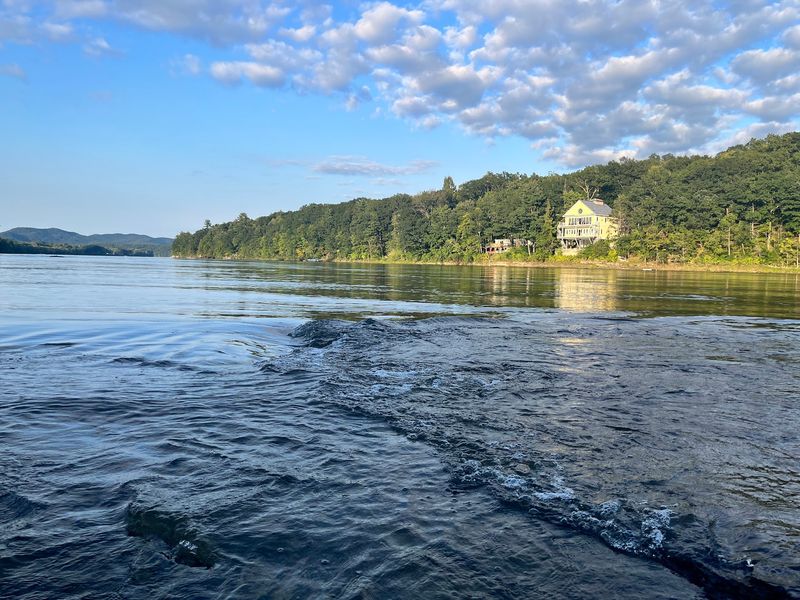
Long before the stone became hard, its surface was soft enough to hold a passing animal’s steps. That simple idea helps children understand why footprints can survive when the animal itself is gone. The marks are evidence of activity, rather than bones or a complete dinosaur skeleton buried underground.
The tracks here date to the Early Jurassic, roughly 200 million years ago. Ancient sediment recorded the impressions, and geological changes eventually turned those layers into rock. Today, the exposed surface lets visitors study a small piece of that distant world without needing to imagine an entire fossil excavation.
Use familiar examples to make the process easier to picture. A shoe pressed into wet garden soil leaves a shape, even after its owner walks away. Preserving that shape for millions of years requires special conditions, but the starting point is something most children have already seen themselves outside.
Read the interpretive material before naming a particular dinosaur with confidence. A footprint can reveal useful clues about its maker, yet it does not always identify an exact species. That uncertainty is part of science: researchers compare shapes, sizes, and patterns, then build explanations from the evidence available rather than guessing freely. Kids can practice that same careful thinking.
Kids Can Compare Steps Without Disturbing the Fossils
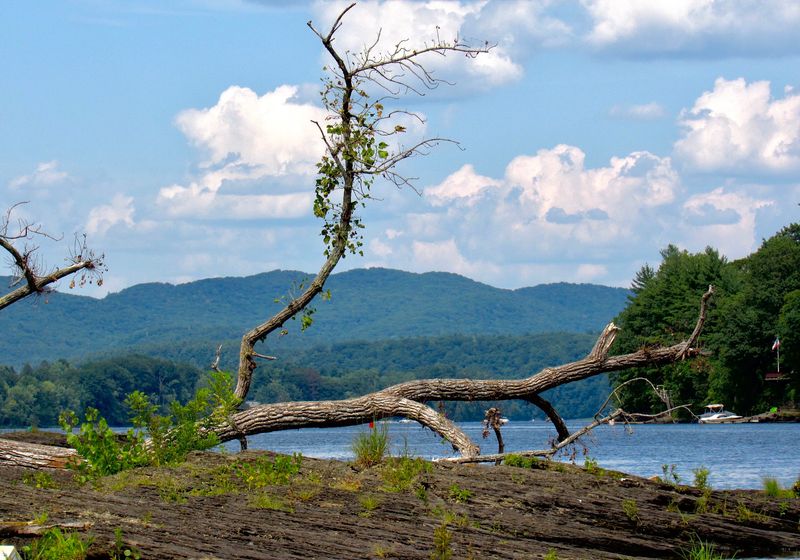
A child’s sneaker suddenly becomes a useful measuring tool, even without placing it inside a fossil. Comparing a modern foot with an ancient impression makes size feel real in a way that numbers alone cannot. The tracks are actual preserved marks, not enlarged displays designed to look dramatic for visitors.
Stand beside a visible print where footing is secure and compare lengths by eye. Ask whether the impression looks longer, wider, or differently shaped than a shoe. Do not assume every track belongs to a huge dinosaur, since footprint size and shape can vary across the exposed surface.
Repeated marks offer another chance to think like a scientist. Children can look for possible sequences and discuss how steps might connect, using the signs to guide their ideas. Avoid inventing a chase scene or claiming a particular speed unless the site’s interpretation supports that explanation with evidence.
A notebook can turn excited observations into something lasting. Sketch the outline, write down a question, or record which features made the print recognizable. There is no need to make rubbings, trace directly on stone, or collect pieces; a drawing preserves the memory while leaving the original clue available for everyone else. Simple observations make meaningful souvenirs to revisit at home.
River Scenery Adds a Quiet Outdoor Bonus
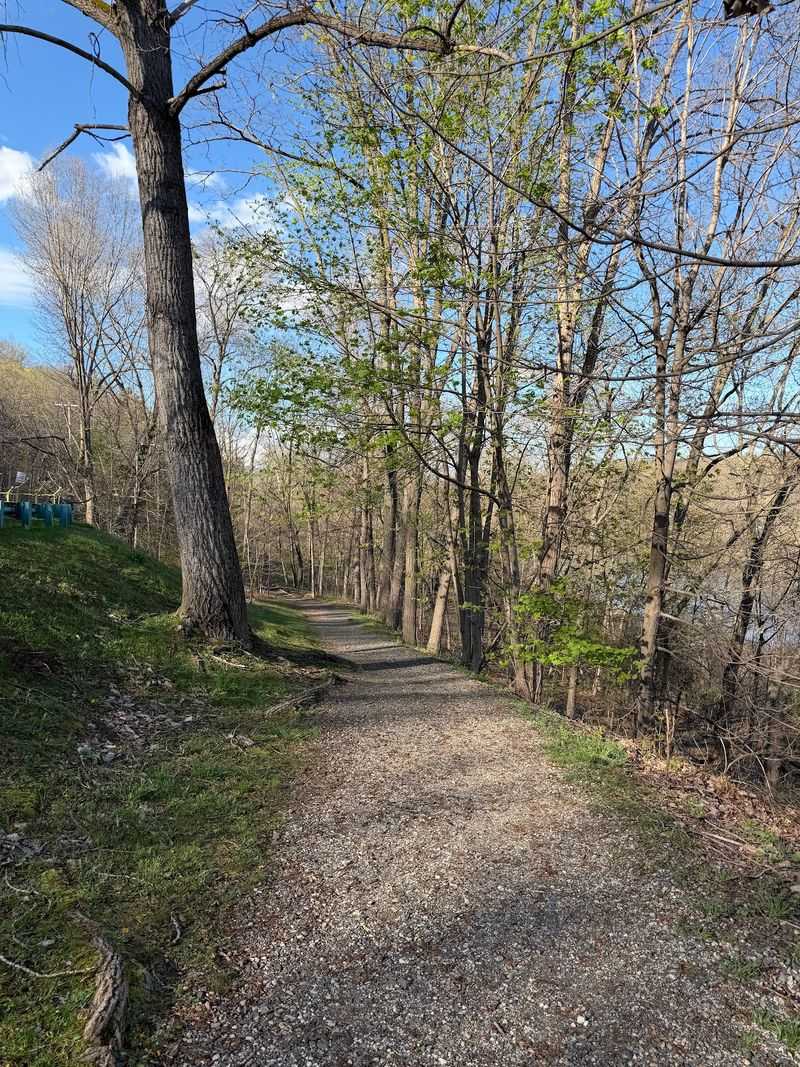
Between discoveries, lifting your eyes from the rock reveals another reason to linger. Visitors often mention the river scenery as a welcome bonus to the fossil hunt. The combination of ancient tracks and an open outdoor view gives the stop a different feel from a crowded exhibit hall.
Take a moment to notice the water, trees, and changing light from an allowed viewing area. Children who need a pause from searching can look for colors or listen to nearby birds. A quiet break may help younger visitors return to the footprints with more patience and fresh attention.
Beautiful surroundings do not remove the need for clear boundaries. Railroad infrastructure is nearby, and visitors should never enter the tracks or railroad right of way. Obey private property notices and other posted restrictions rather than following strangers toward the shoreline or assuming every visible path is open.
Choose a secure spot for scenic photographs, keeping children away from edges and slippery surfaces. If the ground is wet or conditions feel uncertain, enjoy the view from farther back. The best family memory combines wonder with good judgment, allowing everyone to appreciate the setting without turning a simple stop into an unnecessary risk. Let posted guidance shape where you wander.
Free Admission Makes the Stop Easy to Plan
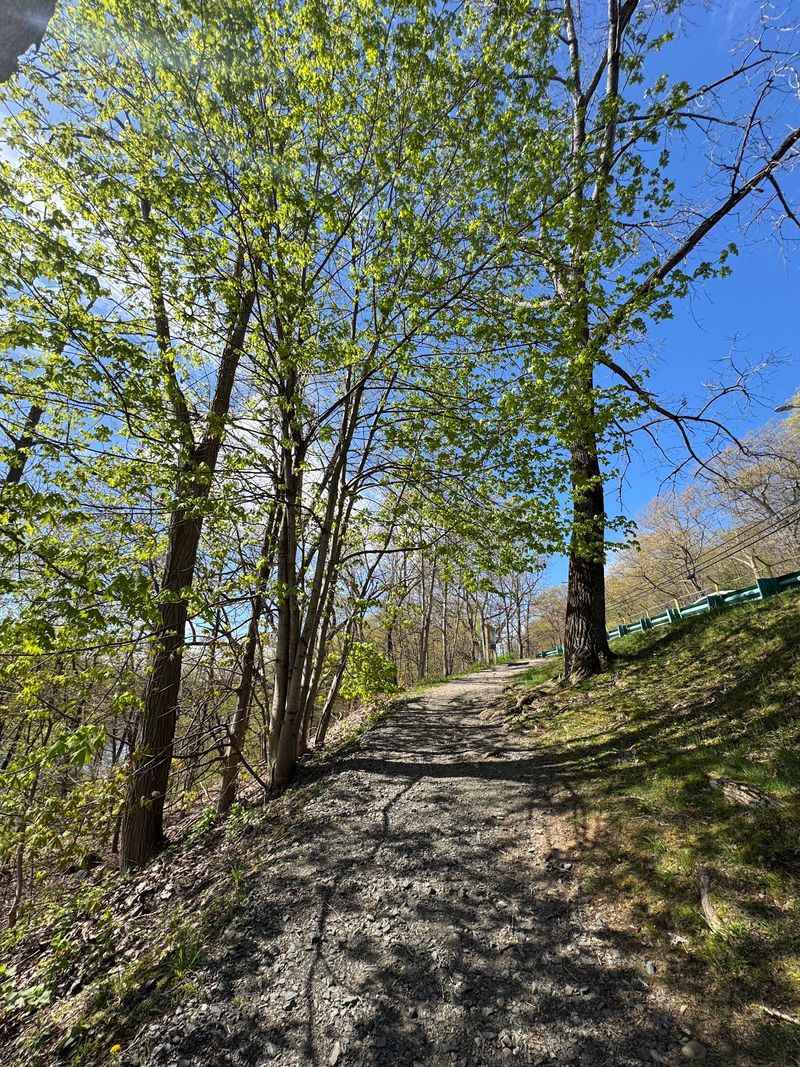
A memorable dinosaur outing does not have to begin with a ticket purchase. Admission to this outdoor property is free, which makes it easier to fit into a family day. Parents can focus on exploring together rather than wondering whether a brief visit will justify an expensive entry fee.
Parking is limited to a small roadside pullout, according to visitor reports. Plan your arrival carefully, slow down safely, and keep children beside an adult when leaving the vehicle. The nearby road is busy, so the first few moments deserve as much attention as the fossil area itself.
If the parking area is full, do not create a space along an unsafe shoulder. Return later or adjust the plan instead of blocking access or taking risks. Before setting out, consult the property manager’s website for current visiting guidance, possible closures, and any updates that could affect your stop.
Pack for a simple outdoor visit: drinking water, suitable shoes, sun protection, and a light layer when needed. Avoid counting on indoor services or staffed assistance unless you have confirmed them beforehand. A flexible schedule works best, allowing a quick look for restless children or a longer investigation for anyone fascinated by fossils. Check the weather before leaving home.
Careful Visitors Keep the Wonder Alive
Millions of years of history deserve more than a hurried selfie and a careless step. Because the footprints remain outdoors, visitors share responsibility for treating the rock with respect. A child’s first fossil discovery is also a good chance to explain why some treasures should stay exactly where they are.
Follow posted instructions about where to walk and how to explore. Never chip the stone, remove fragments, carve initials, or add chalk to make a track stand out. Even actions meant to help another visitor can change the surface and interfere with the experience of seeing authentic, unaltered evidence.
For photographs, try a wider view followed by a closer image taken from secure footing. Angled light may reveal more detail, but no picture is worth climbing into an unsafe position. Include a child looking toward the tracks if you want to capture excitement without placing shoes inside a footprint.
Before leaving, check that nothing has been dropped and carry all trash back with you. Invite children to share their favorite discovery or one question they still have. That final conversation turns a short stop into a lasting lesson: history can be close enough to study, yet precious enough to protect for future explorers. Wonder lasts longer when care comes first.