While most people flock to the state’s famous independence halls and battlefields, Pennsylvania’s quiet corners are home to structures that pack an equal punch.
These landmarks aren’t always grand in scale, but the local legends they anchor are massive, ranging from eccentric industrial experiments to secret wartime hideouts.
Each site serves as a physical witness to the grit and imagination of the people who shaped the Keystone State.
These ten locations prove that the state’s most fascinating contributions to the world are often hiding in plain sight.
Visiting them isn’t just about the architecture; it’s about uncovering the unexpected ambition that has always pulsed through Pennsylvania’s smaller communities.
1. Ringing Rocks Park, Bucks County
Silence does not last long here, because the landscape answers back when you strike it.
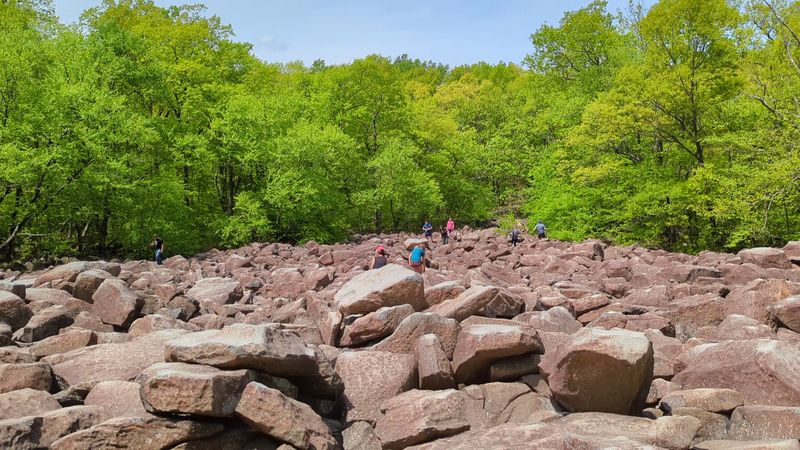
Ringing Rocks Park in Upper Black Eddy, Bucks County, is filled with a boulder field where certain rocks chime like metal.
I recommend bringing a small hammer, since tapping lightly reveals different tones without damaging the site.
Geology takes center stage, yet the real charm is how unexpected the sound feels in the woods.
Ringing Rocks Park formed from ancient diabase boulders, and scientists still debate why some stones ring while others stay mute.
If you visit after rain, wear sturdy shoes, then walk the short trail to nearby High Falls for a second stop that feels calmer but just as rewarding.
History hums beneath the novelty too, because locals have been testing these rocks for generations. Ringing Rocks Park became a public curiosity long before quirky roadside attractions had a name.
Go early for easier parking, pack water, and let your ears guide the fun, because this is one Pennsylvania landmark that literally strikes a chord.
2. Horseshoe Curve, Blair County
Few places make raw engineering feel this dramatic, especially when steel cuts a clean arc through mountain country.
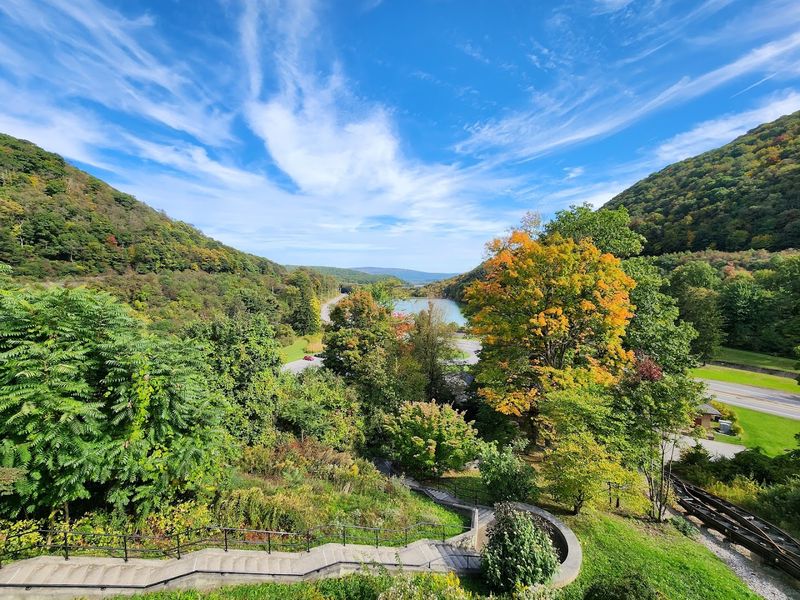
Horseshoe Curve near Altoona in Blair County bends railroad tracks into a sweeping landmark that helped trains climb the Alleghenies more efficiently.
When I stood at the overlook, even a distant locomotive felt like an event worth waiting for.
Motion never really stops here, and that is part of the appeal for rail fans and curious first timers alike. Horseshoe Curve opened in 1854 for the Pennsylvania Railroad and later became crucial for freight, wartime transport, and the region’s industrial growth.
Take the funicular or the stairs, bring binoculars for train spotting, and check the visitor center exhibits if you want more than a quick photo.
The story gets heavier when you remember how much labor and planning this curved route demanded. Horseshoe Curve is now a National Historic Landmark, but it still works as active railroad infrastructure rather than a frozen museum piece.
3. Gravity Hill, Bedford County
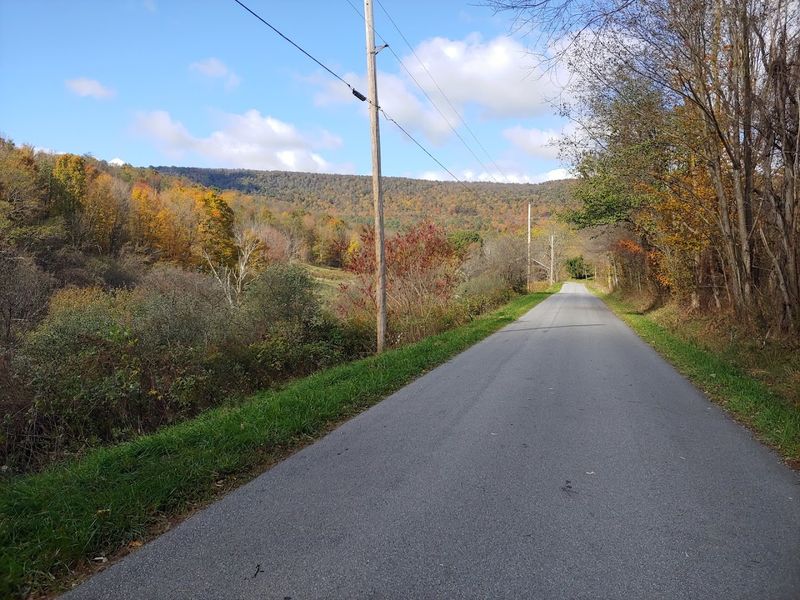
Your eyes start the argument before your brain can join in.
Gravity Hill near New Paris in Bedford County is a rural road where cars in neutral appear to roll uphill, creating one of Pennsylvania’s best known optical illusions.
I like arriving with low expectations, because the simple setup makes the effect even stranger.
Legends gather quickly around places that seem to misbehave, and this road has collected its share. Gravity Hill is tied to local ghost stories, school bus tales, and plenty of homemade science debates, though the accepted explanation involves the surrounding landscape tricking your sense of slope.
Try it carefully, follow posted guidance, and visit in daylight so you can appreciate the terrain that pulls off the illusion.
The fun is not just the roll itself, but the way everyone in the car suddenly becomes an expert.
Gravity Hill rewards a short stop rather than a full day, so I pair it with other Bedford County drives and small town diners.
Bring a level if you want to test your assumptions, because few landmarks make skepticism such an enjoyable traveling companion.
4. Columcille Megalith Park, Northampton County
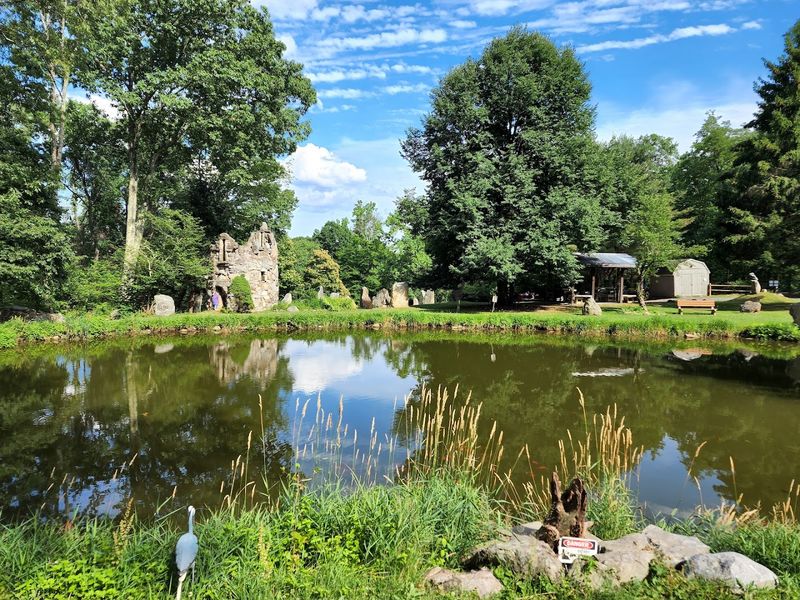
The first surprise is how quickly the modern world drops away among the trees.
Columcille Megalith Park in Bangor, Northampton County, spreads across a quiet landscape of standing stones, paths, and reflective spaces inspired by Celtic spiritual traditions.
I found that walking slowly matters here, because the site works better as a conversation than a checklist.
Stillness carries the design, yet there is plenty to notice if you keep your eyes open.
Columcille Megalith Park was created in the late twentieth century as a sanctuary for contemplation, blending art, nature, and symbolism rather than recreating any single ancient monument.
Wear shoes with grip, pick up a map at the entrance area, and leave extra time for the pond and hilltop views.
Even the names of the features invite curiosity without turning the place into a puzzle box.
Columcille Megalith Park includes stone circles, shrines, and markers that encourage visitors to pause, read, and interpret the setting personally.
Respect the quiet, check seasonal hours before driving out, and bring a camera that handles shade well, as the mood here is subtle, layered, and photogenic.
5. Old Jail Museum, Carbon County
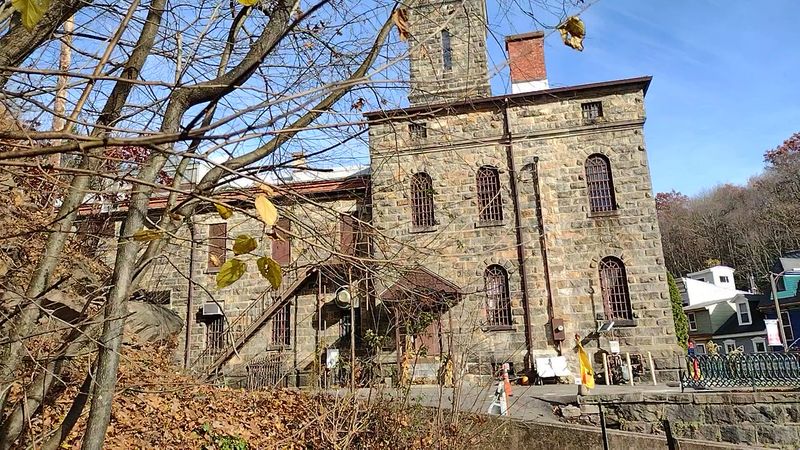
Cold stone has a way of making old stories feel closer than expected.
Old Jail Museum in Jim Thorpe, Carbon County, preserves a nineteenth century prison best known for its connection to the Molly Maguires, the Irish immigrant labor activists tried and executed in the 1870s.
I walked in expecting a quick history stop and left thinking about justice, power, and who gets remembered.
The details hit harder once you move through the cells and stand where prisoners waited out their final days.
Old Jail Museum includes the handprint said to have been left by condemned inmate Alexander Campbell, a mark that helped turn the building into one of the state’s most discussed haunted sites.
Guided tours are the best choice, because the context matters more than the ghost lore.
What lingers most is not fear, but the sense that the building witnessed arguments still familiar today.
Old Jail Museum sits within one of Pennsylvania’s prettiest towns, which makes the contrast even sharper. Book ahead during busy seasons, and combine it with a walking tour of Jim Thorpe.
6. Centralia Ghost Town, Columbia County
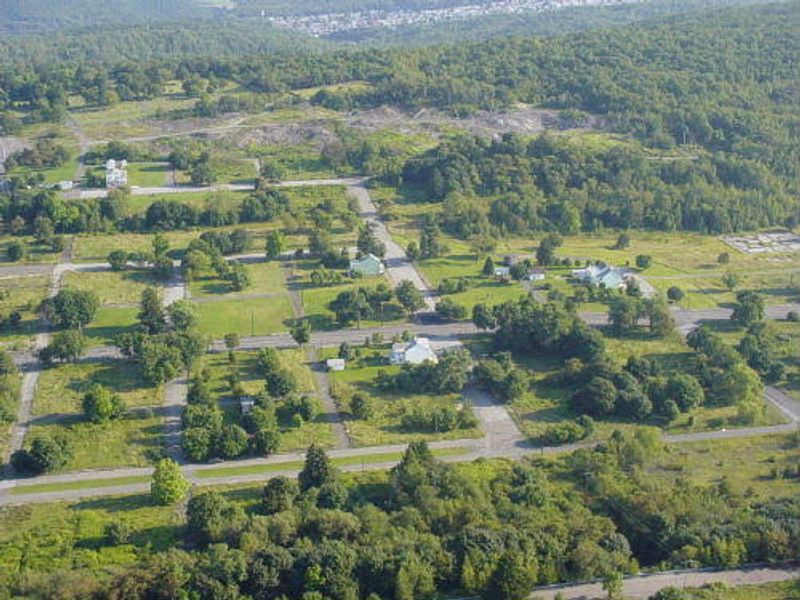
Some places feel quiet in a normal way, but this one feels interrupted.
Centralia Ghost Town in Columbia County became famous after an underground mine fire ignited in 1962 and slowly made the borough unsafe for most residents.
Driving through, I was struck less by ruins than by absence, which somehow says even more.
What remains is scattered, and that fragmentation tells the story better than any dramatic prop could. Centralia still has a few roads, a handful of structures, and a landscape permanently altered by smoke vents, subsidence, and decades of relocation efforts.
Visit respectfully, stay on legal public areas, and remember that this is not an abandoned theme set but a community that lost its center.
The history carries unusual scale because the fire beneath the ground is still burning today.
Centralia became a national symbol of environmental disaster, government buyouts, and the stubborn emotional ties people keep to home.
It serves as a quiet, stony reminder of the ambitious plans that once sought to reshape this rugged landscape.
7. Ephrata Cloister, Lancaster County
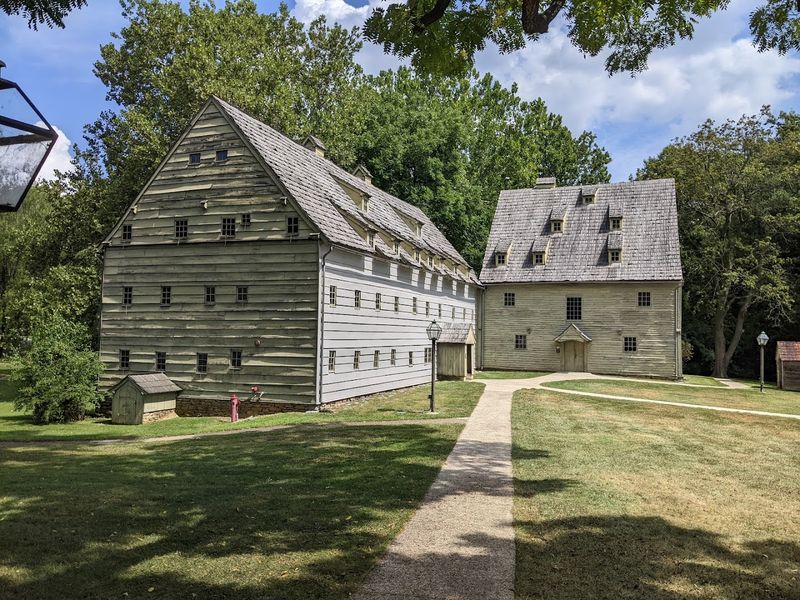
Step into a world of medieval-style architecture and austere mystery at the Ephrata Cloister in Lancaster County.
Founded in 1732 by Conrad Beissel, this was once a secluded religious community where members sought a life of intense discipline, celibacy, and silent reflection.
The site is famous for its “Germanic” timber-framed buildings with steep gables and narrow hallways, designed to remind residents of the straight and narrow path to salvation.
Beyond the striking visuals, the Cloister was a hub of early American culture, known for its hauntingly beautiful Fraktur (calligraphy) and unique, ethereal choral music.
During the Revolutionary War, the community’s peaceful existence was interrupted when the buildings were used as a hospital for wounded soldiers following the Battle of Brandywine.
Today, wandering through these silent halls offers a rare, somber look at an 18th-century communal experiment that prioritized spiritual devotion over worldly comfort.
The community was also a pioneer in colonial printing, operating a press that produced the Martyrs’ Mirror, which was the largest book printed in America prior to the Revolutionary War.
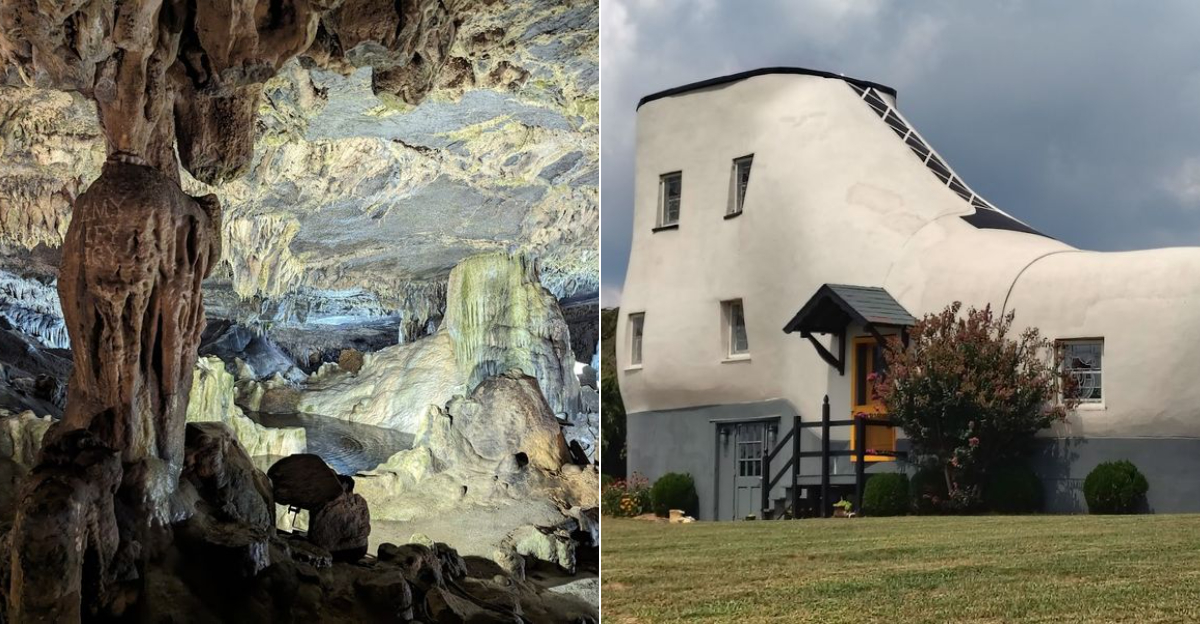
8. Haines Shoe House, York
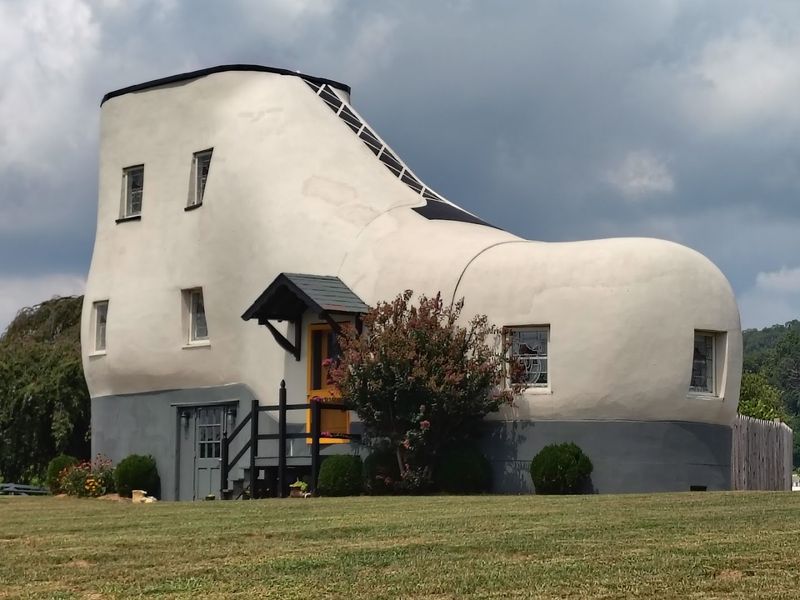
Few roadside attractions capture the whimsical spirit of American entrepreneurship quite like the Haines Shoe House in York.
Built in 1948 by “Shoe Wizard” Mahlon Haines, this five-story structure was originally designed as a brilliant,if eccentric, marketing stunt to promote his footwear empire.
The house is remarkably detailed, featuring a living room in the “toe,” a kitchen in the “heel,” and bedrooms located up in the “ankle” of the boot.
Haines even invited elderly couples and honeymooners to stay in the house as his guests, treating them like royalty to garner publicity.
While it has transitioned from a residence to a beloved museum and ice cream stop, it remains a towering example of Programmatic Architecture.
It’s a playful reminder of an era when the open road was filled with giant, sculptural surprises designed to make travelers pull over and smile.
You can still feel that mix of whimsy and hustle when you pull up beside it today.
The building has changed hands over the years, yet the oversized boot remains a cheerful monument to regional commerce, personal branding, and unapologetic eccentricity.
9. Indian Echo Caverns, Hummelstown
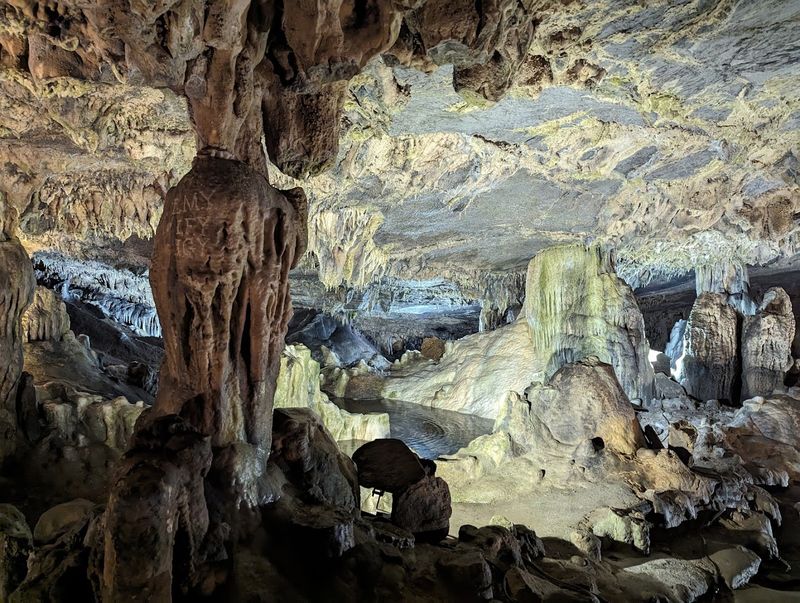
Hidden beneath the surface of Hummelstown lies Indian Echo Caverns, a subterranean wonderland that has fascinated visitors for centuries.
These limestone caves were formed over millions of years by the slow, persistent flow of water, creating a labyrinth of dramatic stalactites, stalagmites, and crystal-clear “lakes.”
Historically, the caverns served as a natural shelter; they were used by the Susquehannock people and later gained local fame as the home of the “Hermit of the Echo Dell,” William Wilson, who lived within the cave’s depths for nearly twenty years in the late 1800s.
The air inside stays a constant 52°F (11°C), making it a cool escape regardless of the weather above.
As you walk through the “Blue Room” or gaze into the Crystal Lake, the sheer scale of the geological formations provides a humbling perspective on the quiet, powerful forces that shape the Earth from the inside out.
Walking through the caverns, you get cool air, dripping stone, and the uneasy sense that time behaves differently underground.
It is beautiful, slightly theatrical, and rooted in narratives that remind you Pennsylvania landscapes often carry more memory than they first reveal.
10. Pike County Columns, Milford
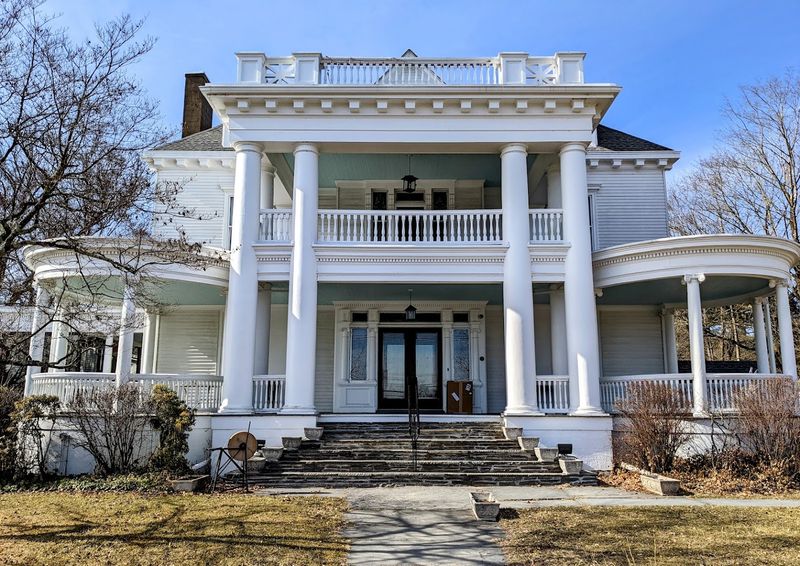
Deep within the woods near Milford, the Pike County Columns stand as a puzzling and atmospheric remnant of a dream that never quite materialized.
These massive stone pillars were originally intended to be part of a grand bridge or perhaps a monumental estate, but the project was abandoned, leaving the columns to be slowly reclaimed by the forest.
Today, they rise out of the undergrowth like ancient ruins, creating a scene that feels more like a classical European landscape than a patch of Pennsylvania woodland.
Their presence is a haunting testament to the shifting fortunes of the region’s industrial and social history. For hikers and curious explorers, the columns offer a surreal experience – a sudden encounter with architectural grandeur in a place where nature has regained its footing.
The columns now stand mostly alone, wrapped by trees, weather, and the kind of speculation that keeps a landmark alive.
When you find them, the scene feels cinematic without trying too hard, and that quiet drama tells a bigger Pennsylvania story about wealth, ambition, and what happens after the plans fall apart.