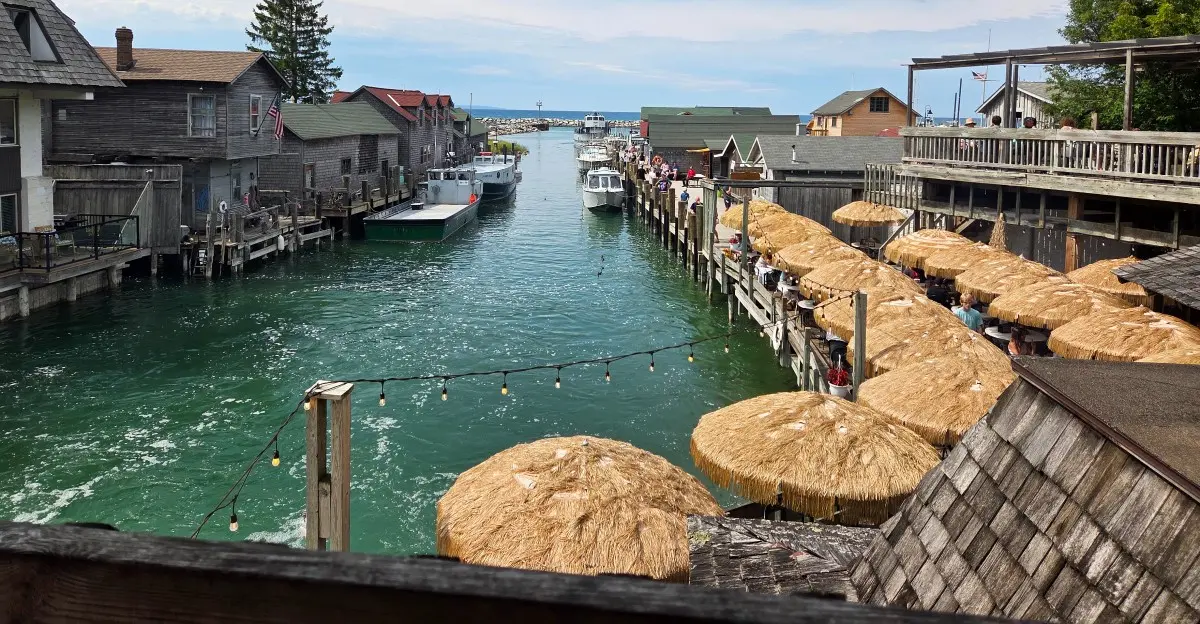
Some lake towns feel like tourist traps. Leland feels like the real thing.
Tucked along Lake Michigan, this tiny village still has weathered fishing shanties, working boats, sandy beaches, and a waterfront that hasn’t been polished into something unrecognizable.
Walk through historic Fishtown and you’ll find old docks, fishing boats, and riverside buildings that tell the story of a community shaped by the Great Lakes.
A few steps away, the shoreline opens up to cool water, beachcombing, and wide-open sunset views.
Then there’s the Manitou Passage, where distant islands add another layer of beauty to the horizon.
Leland may draw summer visitors, but it hasn’t lost the character that keeps people coming back.
If you’re craving a Michigan getaway with soul, this little lakeshore village deserves a spot on your list.
Historic Fishtown
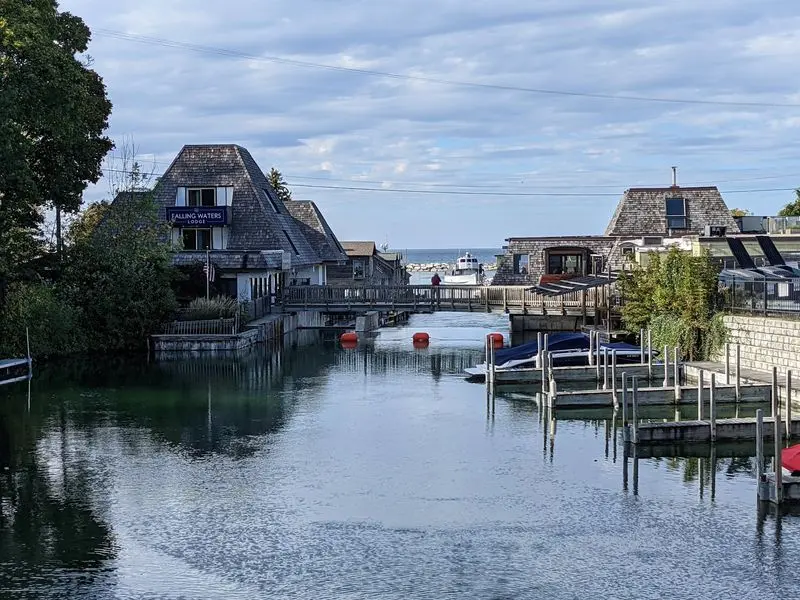
Walking through Fishtown feels like stepping back to a time when Great Lakes fishing villages lined Michigan’s shoreline. Weathered gray shanties lean against each other along the Leland River, their wooden walls smoothed by decades of lake winds.
Old fishing tugs bob beside worn docks, and the smell of smoked fish drifts from small smokehouses.
What makes this place remarkable is that it’s not just a museum. Real boats still work these waters, and local businesses operate from the historic structures.
You can watch fishermen unload their catch, browse small shops selling everything from fishing gear to handmade crafts, or grab lunch at a waterfront restaurant.
The entire area feels genuine rather than staged for tourists. Families wander the docks, kids peer into the water hoping to spot fish, and photographers capture the rustic charm from every angle.
During summer evenings, the setting sun casts golden light across the old buildings, making everything glow.
This working fishing village represents Leland’s connection to its maritime past while remaining very much alive today.
Van’s Beach
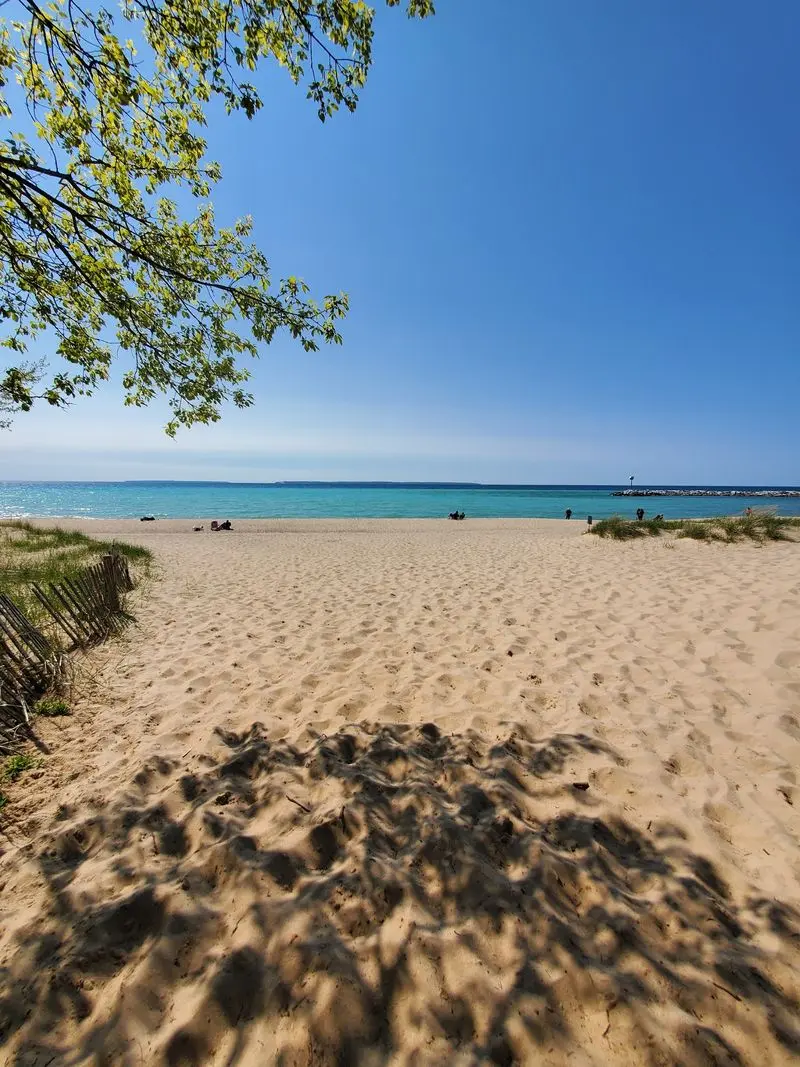
Most coastal towns require visitors to drive outside the village center to reach their beaches. Van’s Beach breaks that pattern completely.
Just a short walk from Leland’s downtown shops and Fishtown’s historic docks, this public beach provides instant access to Lake Michigan’s sandy shoreline and clear water.
Families spread blankets on the sand while kids splash in the waves. Beachcombers search for interesting stones along the waterline, hoping to spot the famous Leland Blue slag pieces.
The protected location near the harbor keeps the water calmer than exposed beaches farther north.
Combining a beach visit with exploring Fishtown and downtown creates the perfect day. You can grab breakfast at a local cafe, spend midday swimming and sunbathing, then wander through shops and galleries before settling in for sunset views.
Hall Beach extends the shoreline nearby, giving the village even more public waterfront space.
The convenience of having a quality beach steps from everything else makes Leland feel surprisingly complete for such a tiny place.
Leland Harbor
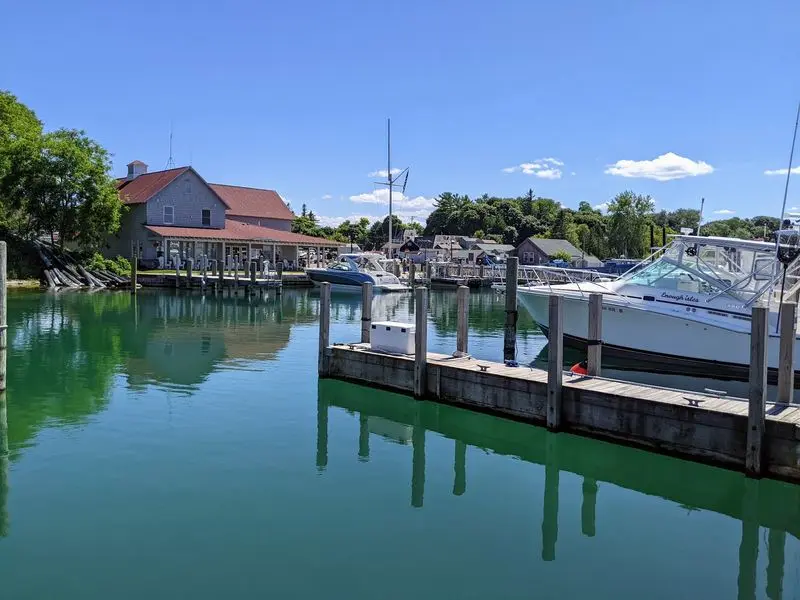
Some harbors feel like parking lots for boats. Leland Harbor feels like the town’s living room, where residents and visitors gather to watch the water and the passing boats.
The full-service township marina sits right beside Fishtown, creating a waterfront scene that perfectly captures the village’s maritime character.
From the docks, you can see North and South Manitou Islands rising from the lake across the Manitou Passage. Sailboats glide in and out of the harbor entrance.
Charter fishing boats return with their morning catches while recreational boaters fuel up for afternoon adventures.
Walking along the waterfront becomes an activity itself rather than just a way to get somewhere. Benches provide perfect spots to sit and watch the constant motion of boats, water, and sky.
The harbor connects Leland to Lake Michigan in a way that makes the village feel like a genuine port rather than just a beach town.
On calm days, the water reflects the boats and sky like a mirror, while stormy weather brings dramatic waves crashing against the breakwall.
The Leland River

Rivers usually flow around towns or through their outskirts. The Leland River cuts right through the heart of the village, creating a unique waterfront setting that defines the entire community’s character.
Fishtown developed along its banks where the river meets Lake Michigan, and that convergence of river and lake gives Leland its distinctive maritime atmosphere.
Both sides of the river showcase different aspects of the town. Historic fishing shanties and docks line one bank while shops, restaurants, and newer buildings occupy the other.
Small bridges connect the two sides, offering perfect views up and down the waterway.
The river stays active throughout the day. Boats navigate the narrow channel heading out to the lake or returning to protected harbor moorings.
People fish from the docks, hoping to catch salmon or trout.
What’s remarkable is how this small river makes the village feel much larger and more connected to the Great Lakes. The flowing water, the boats, the historic structures, and the harbor all combine into a cohesive waterfront scene that most towns this size simply couldn’t create.
Leland’s Walkable Downtown
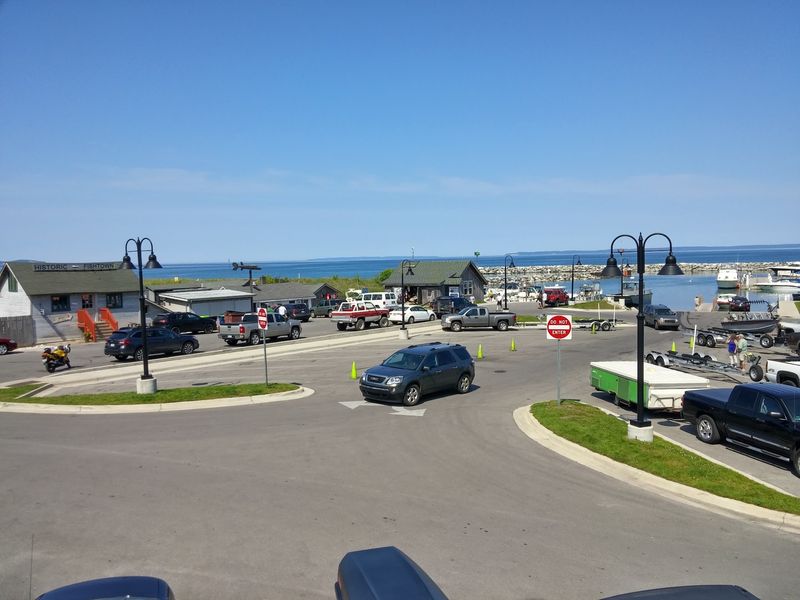
Forget about constantly jumping in and out of your car. Leland’s compact downtown lets you park once and spend hours exploring on foot.
Main Street and the surrounding blocks pack in independent shops, art galleries, specialty stores, cafes, and local businesses, all within easy walking distance of each other and the waterfront.
You might browse handmade jewelry in one shop, sample local cheese in another, then discover unique gifts or Michigan-made products around the corner. Small cafes serve coffee and pastries perfect for a morning stroll.
Restaurants offer everything from casual sandwiches to upscale dinners featuring local ingredients.
The walkable design encourages a slower pace. Instead of rushing from one attraction to another, visitors naturally linger longer in each spot.
You can easily combine shopping with waterfront exploring since Fishtown and the harbor sit just steps away from Main Street.
This human-scaled downtown creates the kind of coastal village atmosphere that larger resort towns often lose. Everything feels connected and accessible rather than spread out along busy highways requiring constant driving between destinations.
Whaleback Natural Area
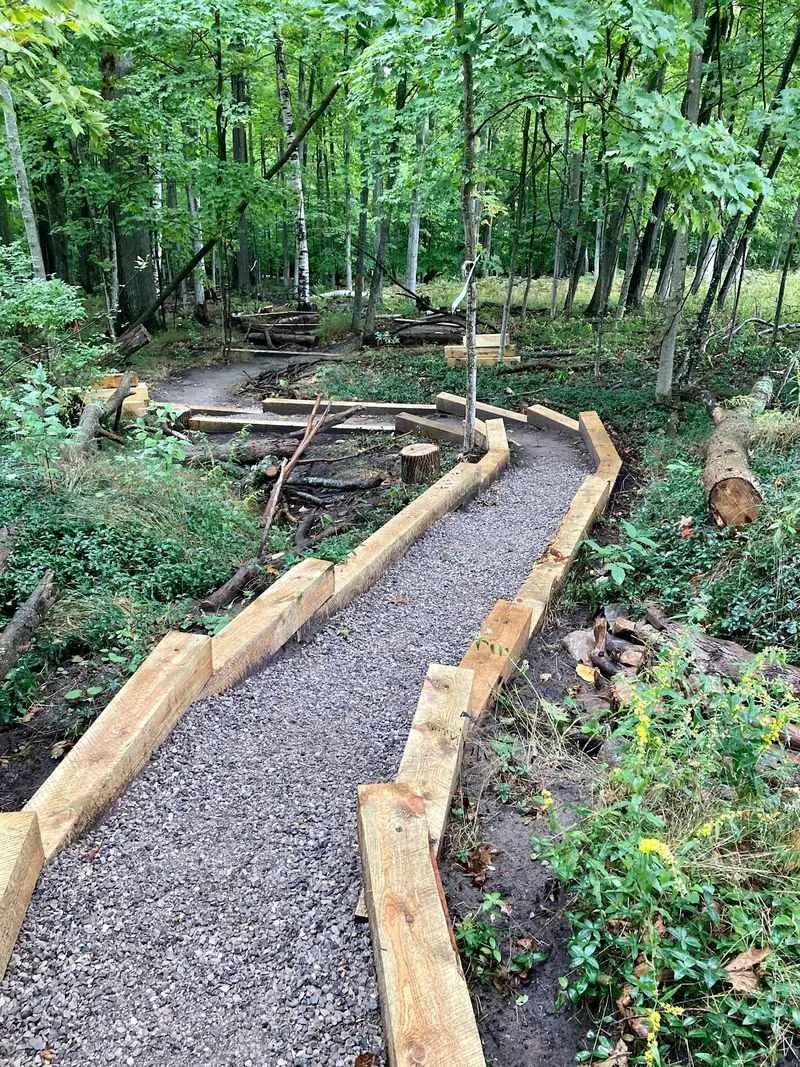
Just outside the village center, wildness takes over. Whaleback Natural Area rises above Lake Michigan’s shoreline, offering roughly one mile of trail through woods that climb toward a bluff with stunning views across the Manitou Passage.
The preserved land protects a striking stretch of undeveloped coastline that shows what this region looked like before towns appeared.
The trail isn’t overly difficult, making it accessible for families and casual hikers. As you climb through the forest, glimpses of blue water appear between the trees.
At the top, the full expanse of Lake Michigan spreads out before you with the Manitou Islands visible in the distance.
This natural area provides an important balance to Leland’s charming village character. While Fishtown and downtown offer historic and cultural experiences, Whaleback delivers pure natural beauty and peaceful solitude.
The combination makes Leland feel more complete as a destination.
Important note: Check current access status before visiting. The Leelanau Conservancy has temporarily closed Whaleback due to an access issue, so verify it’s open before making plans.
Clay Cliffs Natural Area
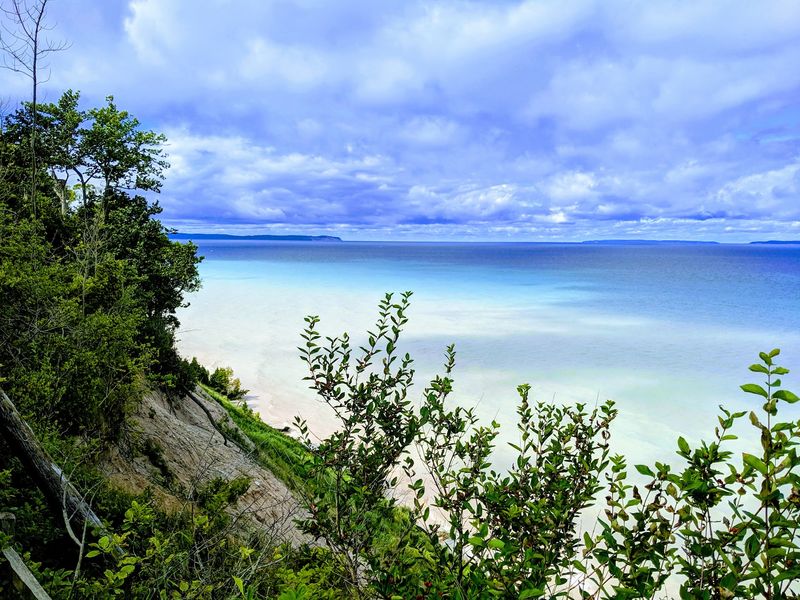
Between Lake Michigan and Lake Leelanau, dramatic scenery unfolds across protected land. Clay Cliffs Natural Area delivers the kind of coastal beauty that makes Michigan’s shoreline famous.
High bluffs, wooded trails, and striking views combine into an easy hiking experience that adds natural wonder to any Leland visit.
The preserve’s name comes from the distinctive clay formations visible along portions of the coastline. These natural features create unique landscapes different from typical sandy beaches.
The trails wind through forests and open areas, offering constantly changing scenery.
What makes Clay Cliffs particularly valuable is how accessible it remains. You don’t need serious hiking skills or equipment to enjoy these trails.
Families, casual walkers, and nature lovers can all explore the area comfortably while experiencing genuine wilderness beauty.
The preserve protects important habitat while giving visitors another reason to spend time outdoors beyond the village beaches. Combined with Whaleback Natural Area, these protected lands surround Leland with wild spaces that make the tiny town feel nestled within larger natural systems rather than isolated or overdeveloped.
Leland Blue Beachcombing

Most beachcombers search for pretty shells or interesting driftwood. Along Leland’s shoreline, treasure hunters seek something completely different: smooth blue-gray stones with an industrial past.
Called Leland Blue, these unusual finds are actually slag remnants from the area’s historic iron-smelting operations that have been tumbled smooth by Lake Michigan’s waves.
The blue stones vary in color from light gray-blue to deep cobalt, sometimes showing swirled patterns or mixed colors. Finding them requires patience and a good eye since they blend in among regular gray stones.
But that’s part of the fun.
Local shops sell Leland Blue stones polished and set into jewelry, but discovering your own piece on the beach feels much more rewarding. Kids especially love the treasure-hunt aspect, carefully examining every blue-tinted stone they spot.
Even if you don’t find any Leland Blue, the time spent walking beaches and searching among the stones creates a connection to this place.
This quirky piece of local lore gives Leland another layer of character while encouraging visitors to slow down and really look at what the lake offers.
A Small-Town Waterfront That Still Feels Authentic
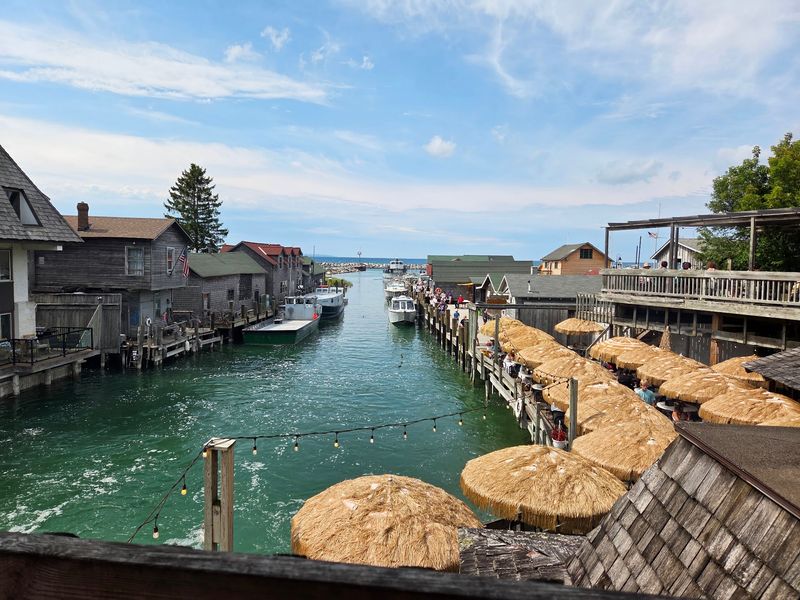
Everything connects in Leland, creating something increasingly rare along developed Great Lakes shorelines. This isn’t a beach town built purely for summer tourism or a historic site frozen in time.
It’s a functioning coastal village that somehow preserved its working fishing heritage, historic character, local businesses, public beaches, active harbor, and protected natural spaces.
Fishtown’s continued operation as a working waterfront rather than just a tourist attraction makes all the difference. When you see real fishing boats returning with actual catches, when smokehouses still smoke fish, when the docks serve genuine maritime purposes, the whole village feels more substantial and real.
The combination of elements creates a complete experience. You can explore history at Fishtown, swim at public beaches, watch boats in the harbor, shop in locally-owned stores, hike through natural areas, search for Leland Blue stones, and end your day watching spectacular sunsets.
Each piece enhances the others.
Many Great Lakes towns lost this authenticity as development changed their character. Leland kept it, making the village worth discovering for travelers seeking coastal experiences that feel genuinely connected to place rather than manufactured for visitors.