Some seafood spots hand you a menu. This one hands you a crab ring and wishes you luck.
On a quiet bay just north of Rockaway Beach, Oregon, families drop traps off a wooden dock, haul up their catch, and measure each crab to see if it is a keeper. If the sea gives you nothing, no problem.
The crew will cook a fresh Dungeness crab for you in big steaming pots right outside. There are also campsites, rental boats, a small market, and a pair of friendly marina cats who act like they own the place.
This old-school stop has become a must for road trippers and locals alike.
Keep reading to learn how ordering works, when to arrive, what to bring, and the tricks that help you leave with a full tray and a happy crew.
A Bayside Stop Worth the Detour
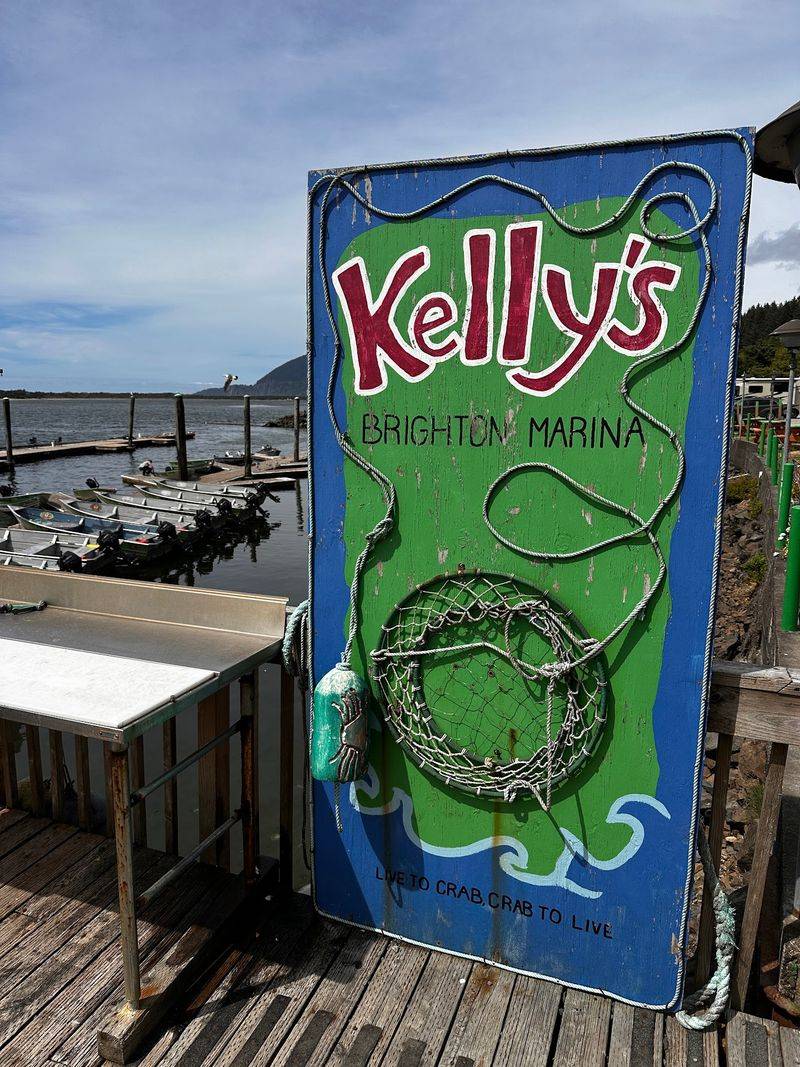
Some places look modest from the road, and that is half their charm. Kelly’s Brighton Marina & Campground sits at 29200 N Hwy 101, Rockaway Beach, OR 97136, in the United States.
The spot rests on the edge of Nehalem Bay along the north Oregon coast. It works as a marina, a campground, a small market, and an outdoor crab shack all at once.
Parking is usually easy, with a lot right by the main building. From there, a short walk passes the market store, the crabbing docks, and a few campsites before reaching the outdoor eating area.
That walk is part of the fun, and it offers plenty of photo spots along the way. Many road trippers make the drive from Seaside or Cannon Beach just to stop here.
People have even come from as far as Minnesota and Portland to sit by the water and crack a crab. For a seafood lover heading up or down Highway 101, this is one pin worth dropping on the map before the trip even starts.
The Crab That Locals Brag About
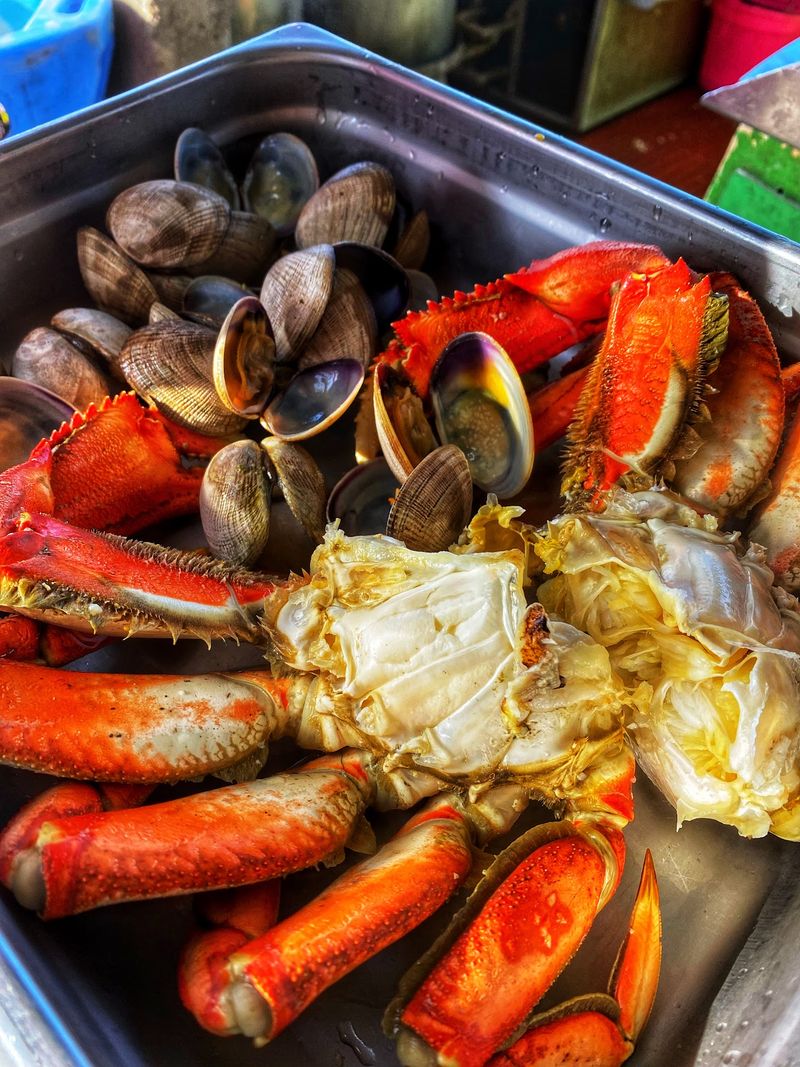
Ask around Rockaway Beach about fresh Dungeness, and one name tends to come up fast. The crab here goes from the bay to the pot with very little time in between.
That short trip is the big reason so many people call it the best crab they have ever had. Some families have ordered a second round because the first one disappeared too quickly.
Kids have been known to ask for a third crab, which says plenty.
Seafood is sold by the pound, and a single Dungeness usually weighs one to two pounds. Two full crabs plus a pound of clams and a little butter can land around 75 dollars, so plan your budget a bit ahead.
Eating crab takes patience and some elbow grease. Cracking shells is a labor of love, but the payoff is sweet, tender meat that needs almost nothing added.
Bring an appetite and a little patience. The shells may fight back, yet the reward makes every crack worth it.
How the Metal Plaque System Works
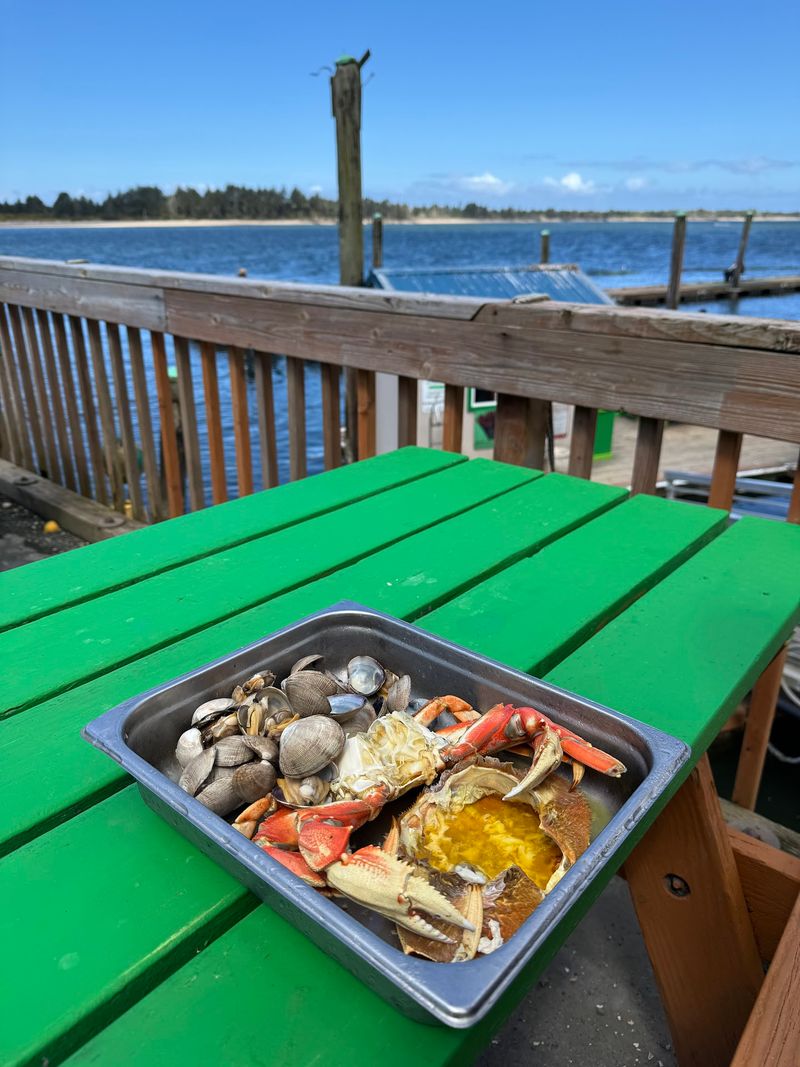
First-timers often pause at the cooking station, unsure of the next step. The process is simple once you know it.
Prices are posted right at the ordering and cooking station. You tell the crew what you want, and they hand you a metal order plaque.
Next, carry that plaque inside the retail store to pay. The staff marks it as paid, and you bring it back to the cooking station so your order can start.
Inside the store, you will also find napkins, cutlery, and sauces. Grab those while you are paying so you do not have to make a second trip.
Whole crab takes about 20 minutes to cook, and then it needs cleaning and prep. Wait times are posted on a board near the ordering station, so check it before you order.
On busy summer afternoons, the line can grow. Asking the counter how long the crab will take gets you a straight answer, which helps hungry kids stay calm.
Catch Your Own Off the Dock
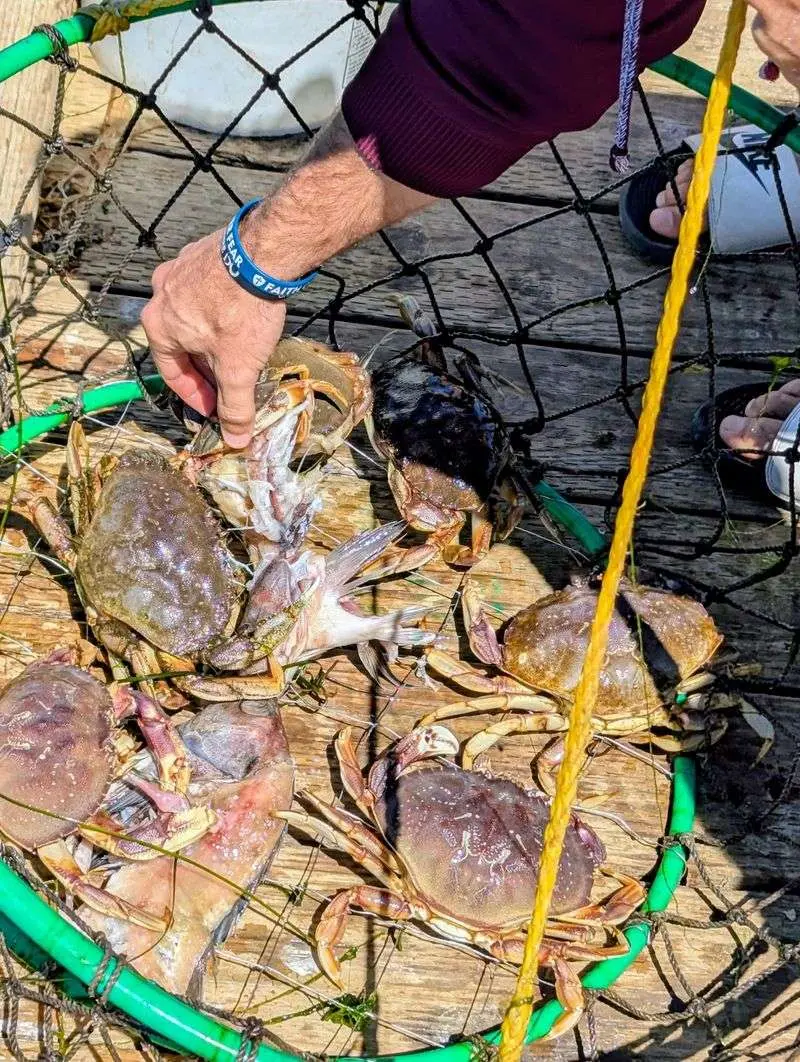
Nothing beats the moment a crab ring comes up heavy. Dock crabbing is the heart of this place, and no experience is needed to try it.
The staff helps beginners get started with gear and basic tips. You can also buy your shellfish license on site the same day, which saves a lot of planning.
Not every crab can go home with you. Each one gets measured, and small crabs and all females must go back into the water.
One family caught five crabs in two hours and kept just one. Others have landed a keeper on the very first drop and finished the day with four.
Even in August, keepers do show up. Kids from inland towns often love the trip, even when every crab gets tossed back.
Plan for about two to two and a half hours on the dock. Crabbing is a bit like a slow treasure hunt, and the stories last longer than the bait.
Beat the 3 PM Clock
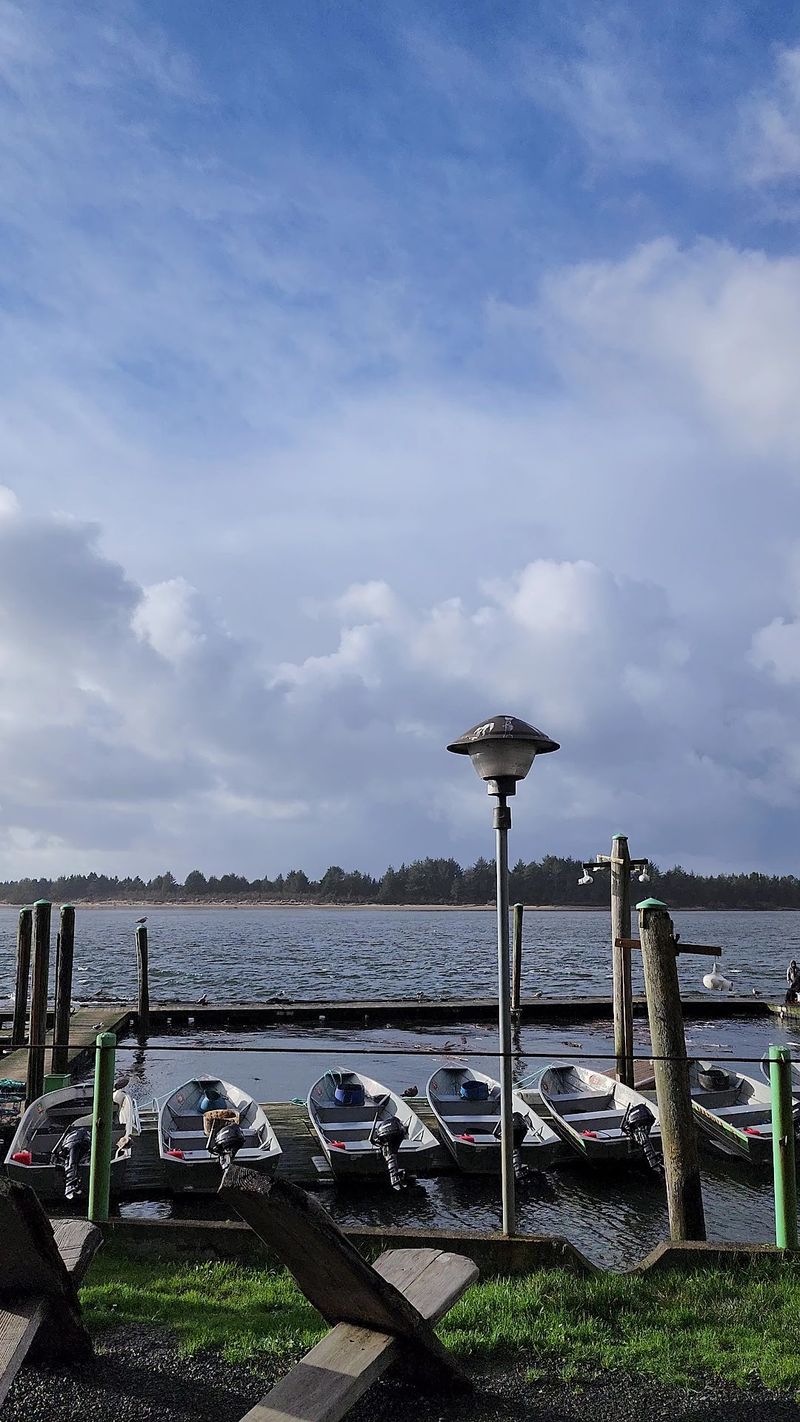
Timing matters more than most people expect. The crabbing dock closes an hour earlier than the retail store and the restaurant area.
Some travelers have arrived ready to crab, only to find the dock already shut for the day. That is a tough way to end a long drive.
A good rule is to show up well before 3 PM. That leaves enough time to set traps, wait, check them, and try again.
Crabbing is not a quick activity. Traps need time on the bottom, and each pull takes a few minutes of hauling and sorting.
Early mornings are popular too, and groups of friends often head out at the start of the day. Arriving early also tends to mean shorter lines at the cooking station later.
Check current hours on the official website before you go, since schedules can shift by season. A little planning turns a rushed visit into a relaxed afternoon by the bay.
Clams, Oysters, and the Shucking Rule
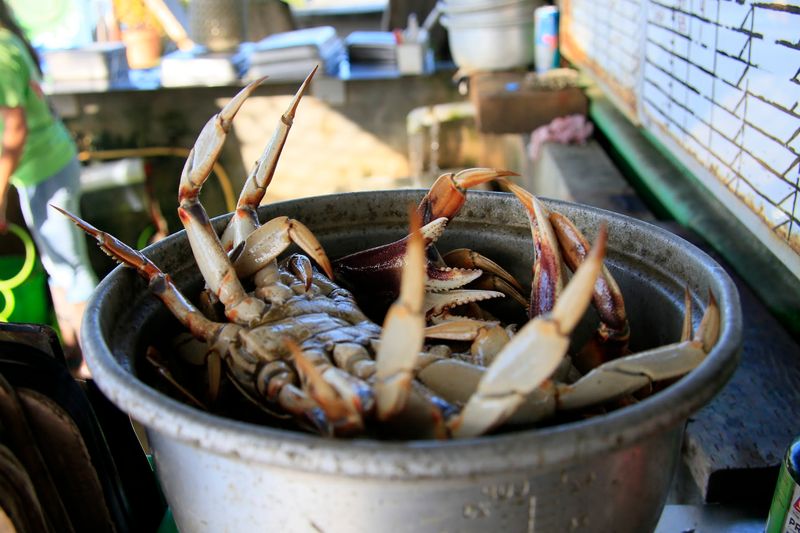
Crab gets top billing, but the shellfish sidekicks have fans too. Steamer clams and oysters are popular orders, and many groups get a mix of all three.
There is one rule to know before ordering oysters. Staff will not shuck raw oysters for you, because they work to prevent cross contamination.
You have two choices. Buy a shucking knife in the store and open them yourself, or have the oysters steamed for free.
Steamed oysters are a solid pick for people who have never shucked before. Many guests who expected to want them raw end up happy with the cooked version.
Oyster shooter shot glasses are sold in the store for about six dollars each. They are a fun option for anyone who wants to try something new.
Clams are sold by the pound, just like crab. A pound split between two people makes a nice add-on without stretching the bill too far.
Small Extras That Add Up
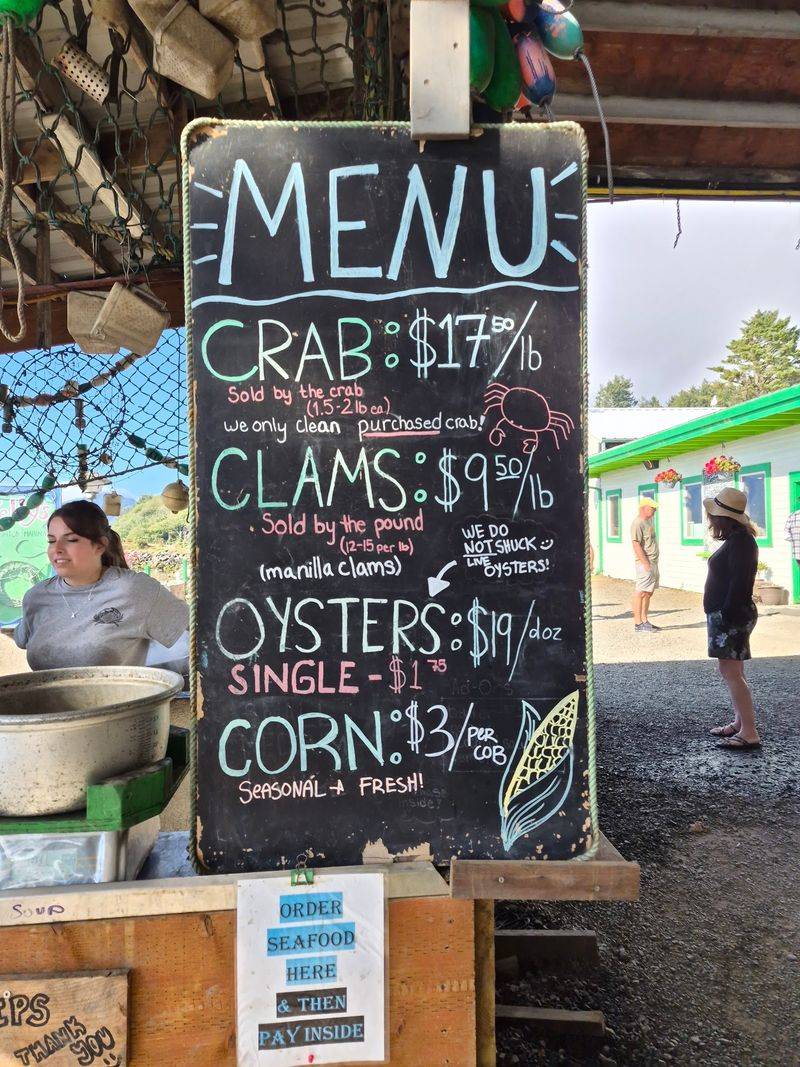
The crab is the star, yet the little things deserve a quick heads up. Cooking is free, but many extras are sold separately.
A lemon runs about two dollars, and half a stick of butter costs about the same. A teaspoon of minced garlic is around fifty cents.
Cocktail sauce, bread, chips, candy bars, and sodas are also for sale in the store. A microwave station is available to melt your butter.
Tables have limited condiments, so some regulars bring their own lemon or lime. Others pack a favorite knife for prying shells.
Crabs bought at the restaurant can be cleaned for you. Cleaning means the crew opens the shell, cleans the inside, and adds some butter.
That service is only for purchased crab, not for crab caught at the dock. Tools for cracking are on hand, and nearby hand washing stations make cleanup easy after a messy, happy meal.
Sitting Outside, Rain or Shine
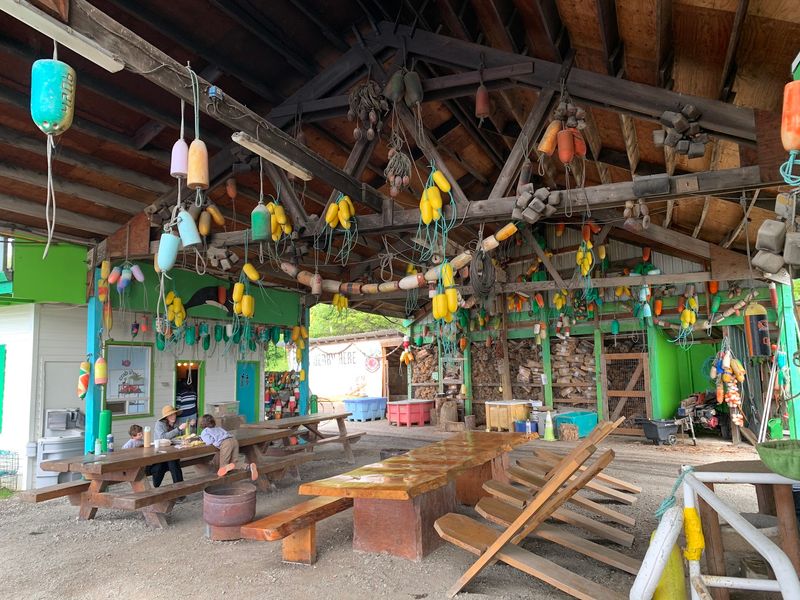
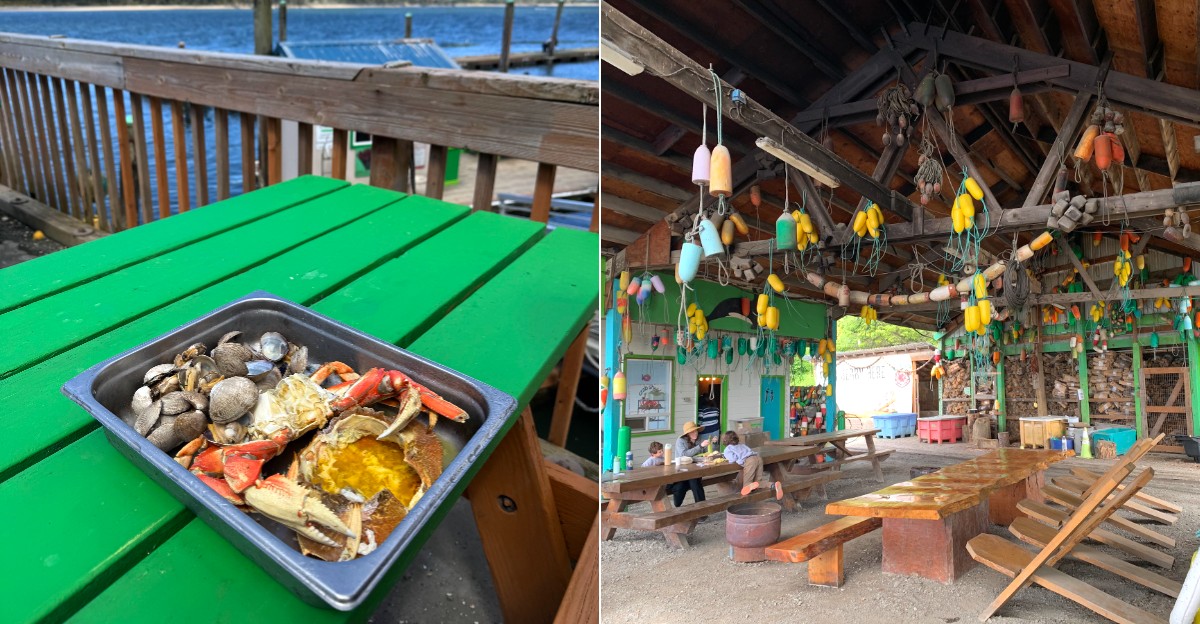
Forget white tablecloths. All seating here is outdoors, with picnic-style tables facing the bay.
On sunny days, most people choose open tables to watch the water. Covered seating holds about 30 people for gray or drizzly afternoons.
Rainy days are usually less busy, so finding a dry spot is often easier than expected. Still, it helps to dress for the coast.
Shade can be limited in summer, so a hat and sunscreen are smart. A light rain jacket in the car covers you the rest of the year.
Fire pits are another favorite feature, especially for campers settling in for the evening. They give groups a natural place to gather after a long day.
Camping chairs can be rented from the main building for about ten dollars each if you forget your own. Bringing chairs from home saves a little cash and makes a long dock session far more comfortable.