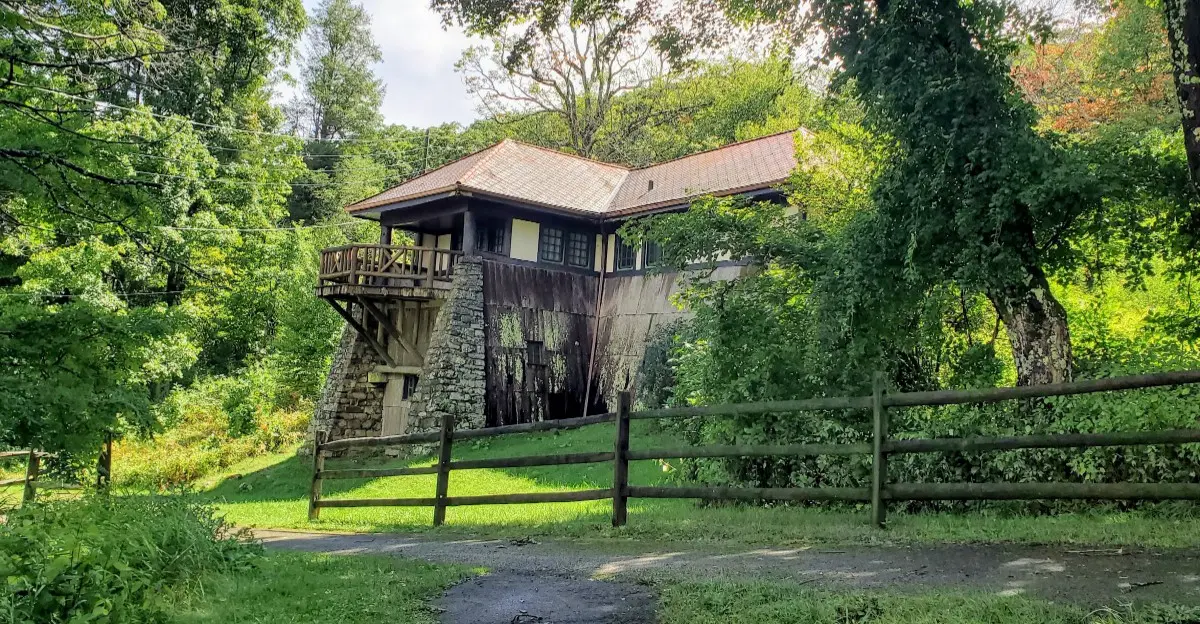
The forest is hiding a world that disappeared.
Long before Shenandoah National Park drew hikers, these Virginia hollows echoed with wagon wheels, children’s voices, church bells, farm work, and the sounds of families building lives in the mountains.
Homes stood beside gardens and orchards.
Schools taught children, churches brought neighbors together, and stores helped families buy and sell what they needed.
Some residents raised livestock, worked resorts, or earned money from goods they produced at home.
Then the park arrived, and everything changed.
Hundreds of families left behind homes, farms, memories, and places their families had known for generations.
Today, their stories are still tucked among stone walls, old foundations, cabins, roads, and other traces beneath the trees. Here is a closer look at the communities that came before the park.
Nicholson Hollow Was a Farming Community Long Before the Park
Picture a green valley ringing with cowbells and the sound of rushing water. By the late 1700s, families had already settled Nicholson Hollow, drawn by the rich soil along the Hughes River.
That river gave them water for crops, animals, and daily chores.
Over the years, the hollow grew into a real working community. Families planted orchards full of apples and peaches, raised hogs and cattle, and grew corn, beans, and other crops.
Many of these farms were passed down from parents to children for generations, so the land held family memories as well as food.
Life was not easy, but it was steady and productive. People knew their neighbors, traded help during harvest time, and shared tools when something broke.
A good year meant full cellars and plenty to sell.
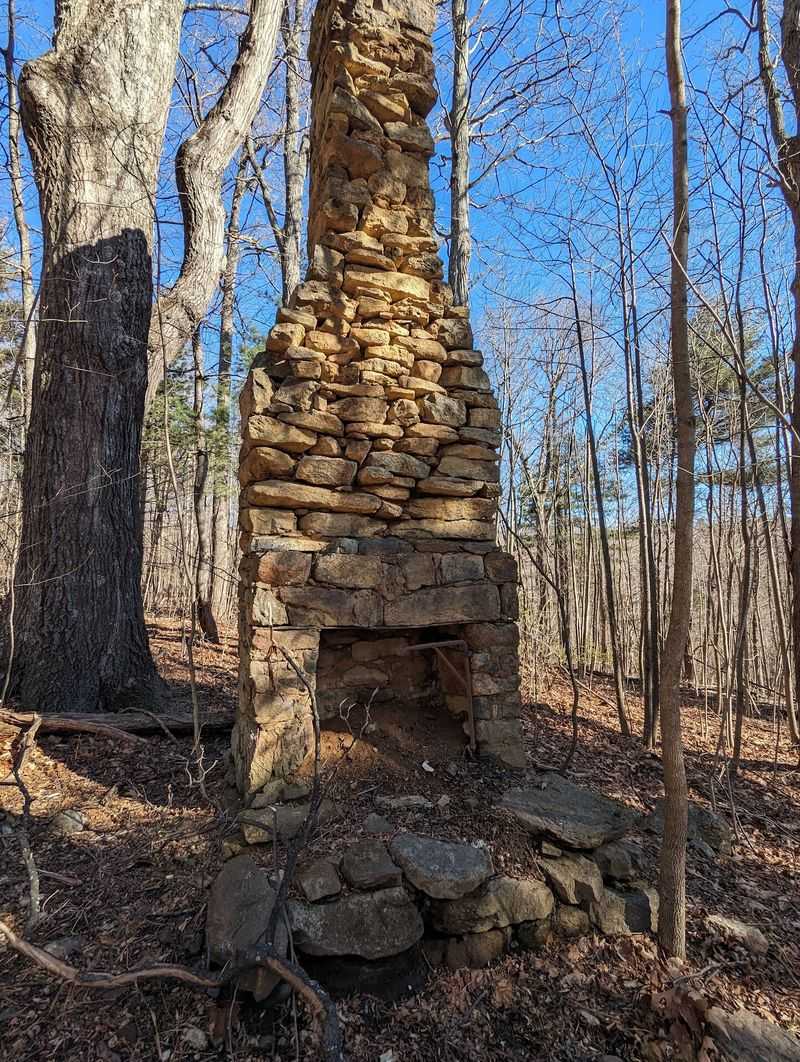
If you hike the Nicholson Hollow Trail today, slow down and look closely. Old stone piles and flat clearings hint at fields that once fed whole families.
The forest may look wild, but it grew over farmland that people worked for well over a century.
Weakley Hollow Had Its Own Village, Stores, and Churches
Forget the image of a lonely cabin perched on a cliff. Weakley Hollow was more like a small town tucked between the mountains, complete with places to shop, learn, worship, and pick up mail.
The community had homes, a school, churches, stores, a post office, and mills. Kids walked to class, parents traded at the general store, and Sunday mornings brought neighbors together for church services.
Mills ground corn and wheat into flour and meal, which saved families long trips to faraway towns.
Properties came in all sizes. Some families lived on tiny lots barely bigger than a backyard, while others owned farms stretching across hundreds of acres.
That mix made Weakley Hollow feel lively and varied, with people of different means living side by side.
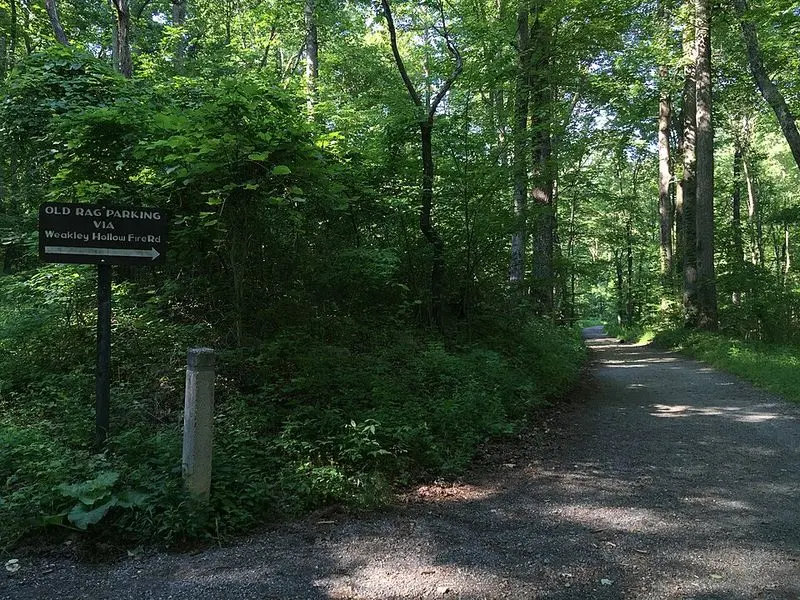
Hikers heading toward Old Rag Mountain actually pass through this former village area. Next time you lace up your boots there, imagine a store clerk weighing sugar or children racing home from school.
The trail you follow may have once been a busy road through town.
Corbin Hollow Developed Around Work at Skyland
Here is a twist most visitors never hear about. High on the mountain sat Skyland, a resort where city folks came to escape summer heat, and just below it lay Corbin Hollow.
The two places ended up deeply connected.
Skyland needed help, and Corbin Hollow residents needed income. Local people cut firewood, tended gardens, built trails, and handled all sorts of jobs around the resort.
Many also sold handmade baskets, fresh berries, fruit, and other goods straight to the guests.
Think of it like a mountain marketplace. A family might spend the morning picking blackberries and the afternoon selling them to tourists who had never tasted anything so fresh.
A sturdy basket could bring in money for shoes, flour, or coffee.
This unusual partnership shows how rural life and early tourism grew up together in the Blue Ridge. Corbin Hollow families were not hidden away from visitors.
They were part of the experience, and their skills helped shape the very trails people still enjoy around Skyland today.
Mountain Families Farmed, Raised Animals, and Made a Living From the Land
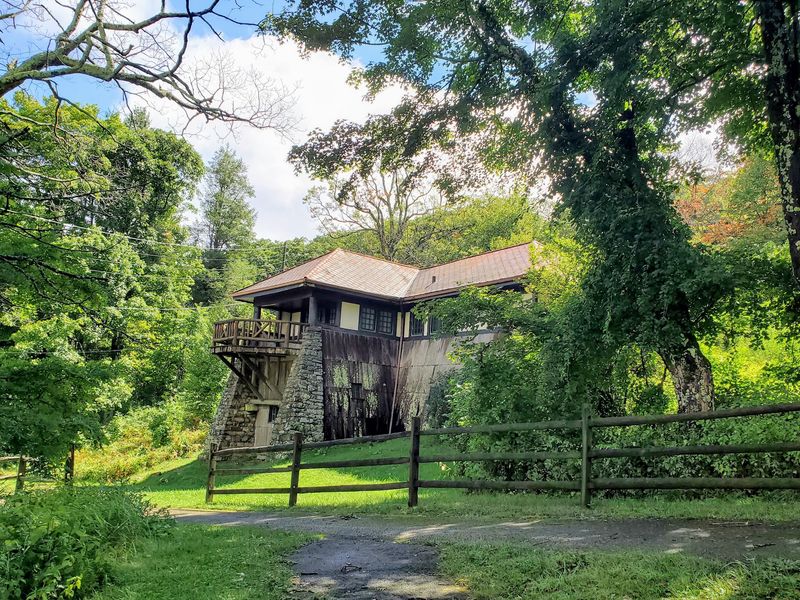
Sunrise meant work, and there was always plenty of it. For families in the hollows, the land was grocery store, hardware shop, and paycheck all rolled into one.
Most households grew crops like corn, potatoes, and beans. They kept orchards, raised chickens, hogs, and cattle, and gathered useful things from the forest such as chestnuts, herbs, and firewood.
Extra goods could be traded with neighbors or sold in nearby towns, and a few families ran small businesses on the side.
A typical property looked busy. You might see a house, a barn, animal pens, fences, a springhouse for keeping milk cool, and rows of fruit trees.
Each building had a job, and every family member helped keep things running.
Here is a fun way to connect with that lifestyle. Try growing a few vegetables or herbs at home this season.
Even a single tomato plant teaches patience and planning, two skills mountain families depended on every single day to survive.
The Hollows Were Connected to the Outside World
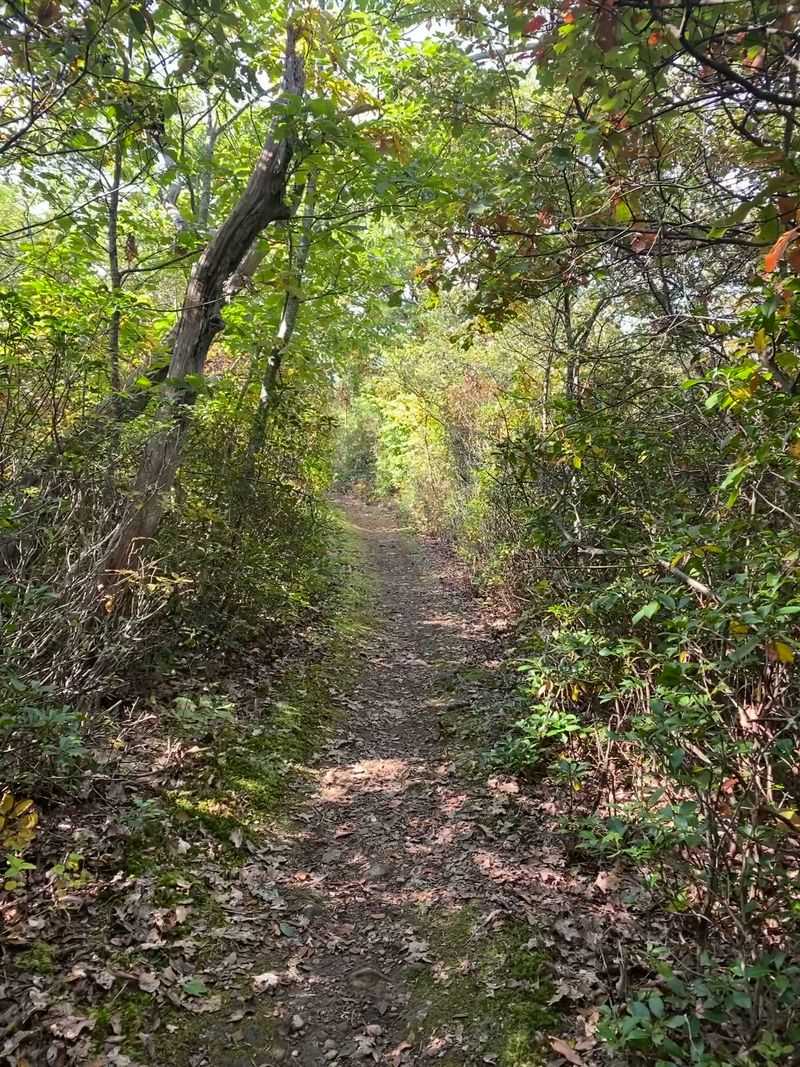
Guess what archaeologists found when they started digging around old homesites? Records.
Radios. Medicine bottles.
Not exactly what you would expect from people often described as cut off from everything.
Discoveries in the park have turned up mail-order goods, store-bought clothing, pharmaceutical bottles, specialized tools, and even pieces of phonograph records. Each item tells a little story.
Someone ordered from a catalog, waited for a package, and maybe listened to music on a Saturday night.
These objects prove that mountain families kept in touch with businesses and towns beyond the Blue Ridge. They bought products, followed trends, and used modern medicine when they could afford it.
Roads and trails linked them to markets, and mail carriers brought the wider world right to their doors.
Did you know? A single broken bottle can help researchers figure out when a family lived somewhere and what they bought.
So if you spot old glass in the park, leave it in place. Removing artifacts is illegal, and every piece helps complete the puzzle.
The Isolated Mountaineer Image Missed Much of the Story
Stereotypes can stick around for a very long time. In the early 1900s, writers and researchers often described Blue Ridge residents as backward, poor, and completely isolated.
Those stories spread widely and shaped how outsiders viewed the mountains.
Later research painted a far richer picture. Archaeologists studying the old homesites found that families had different levels of wealth.
Some owned big farms, while others had small plots, and many ran businesses or bought plenty of goods from stores and catalogs.
People also kept close ties with nearby towns. They visited for supplies, sold produce, and stayed aware of news and fashion.
In other words, they were regular folks living full lives in a beautiful but challenging place.
Here is a takeaway worth remembering. Whenever you read about any group of people, ask who wrote the story and why.
Some early reports were used to support moving families off the land. Looking at real evidence, like artifacts and records, helps us see people more fairly and honestly.
Some Families Owned Surprisingly Large Farms
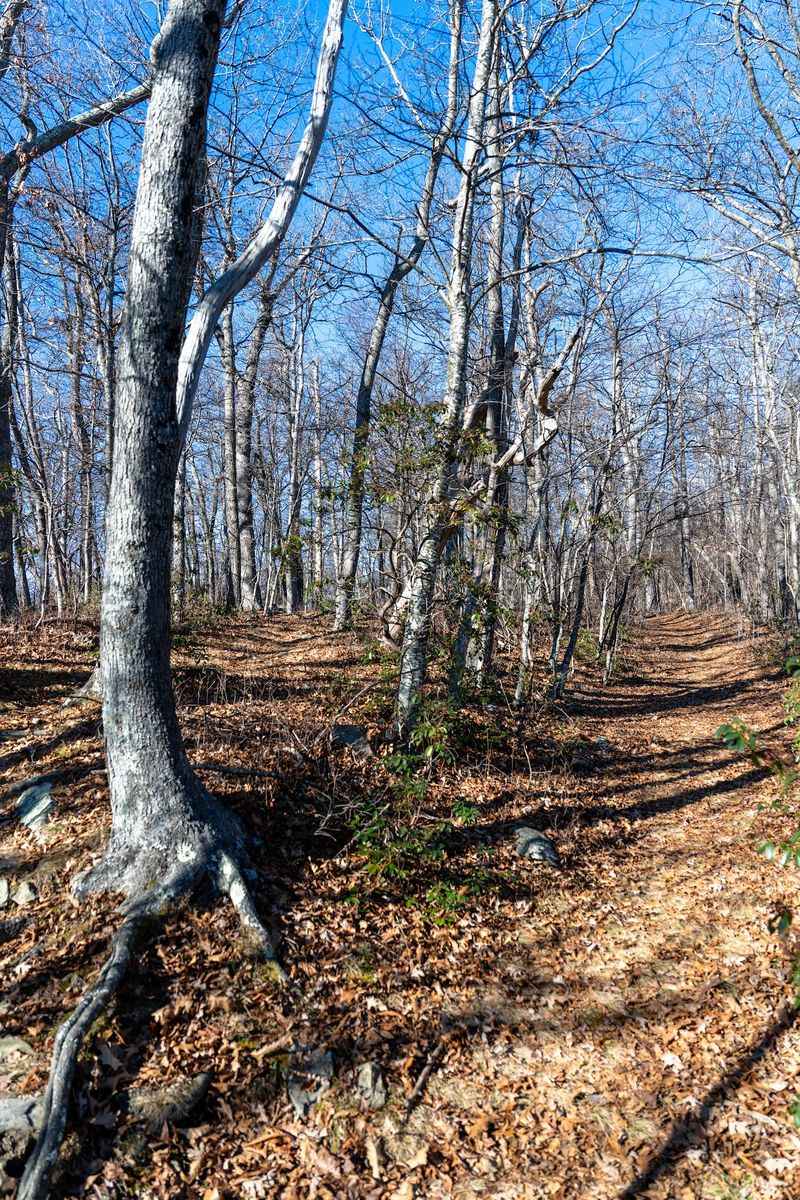
Hundreds of acres. That is how much land some Weakley Hollow families owned, which surprises many people who imagine only tiny hillside patches.
Property records show quite a range. On one end were parcels smaller than a single acre, barely enough room for a house and garden.
On the other end were farms covering hundreds of acres, with pastures, fields, woods, and orchards. Nicholson Hollow had a similar mix of modest homesteads and bigger farms.
Why does this matter? It shows that mountain communities were not all the same.
A family with a large farm might hire neighbors at harvest time, sell lots of cattle, or own nicer furniture. A family on a small plot might rely more on day work, crafts, or trading.
Comparing these properties is a bit like comparing houses on your own street. Some are big, some are small, and each family has its own way of getting by.
That variety made the hollows feel like real neighborhoods rather than one simple picture.
The Creation of Shenandoah National Park Displaced Hundreds of Families
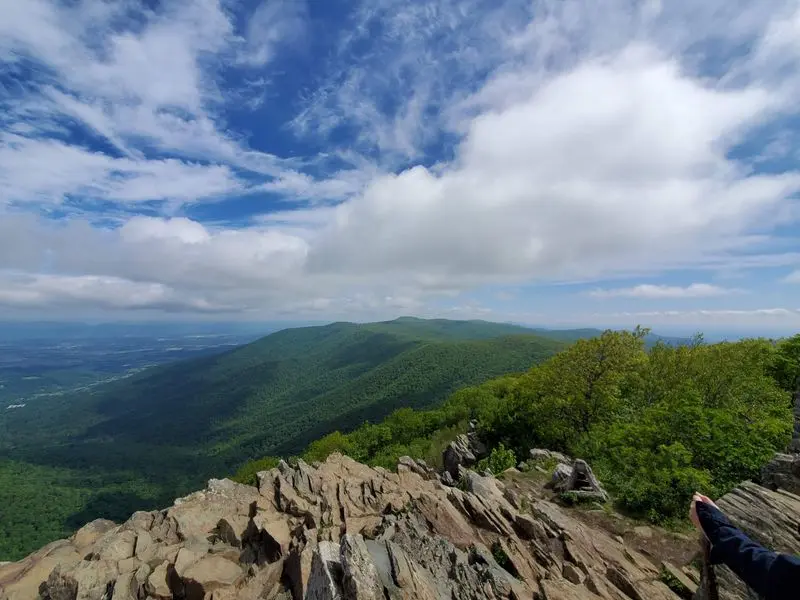
Imagine being told your family farm would soon belong to a national park. For hundreds of people in the Blue Ridge, that was exactly what happened during the late 1920s and 1930s.
Virginia acquired more than 1,000 separate tracts of land to create Shenandoah National Park. Some belonged to large landowners, but many were homes where families had lived for generations.
In the end, more than 500 families and individuals were displaced as their land became part of the protected landscape.
Feelings ran deep. Some residents were glad to sell and move closer to jobs and schools.
Others felt heartbroken or angry, leaving behind graves, orchards, and memories they could never take with them. A few even fought the process in court.
When you enjoy the park today, take a quiet moment to remember these families. The views are stunning, and the land is protected for everyone.
Still, that gift came with a real human cost that deserves to be honored and understood.
Relocation Communities Replaced Many of the Old Homesteads
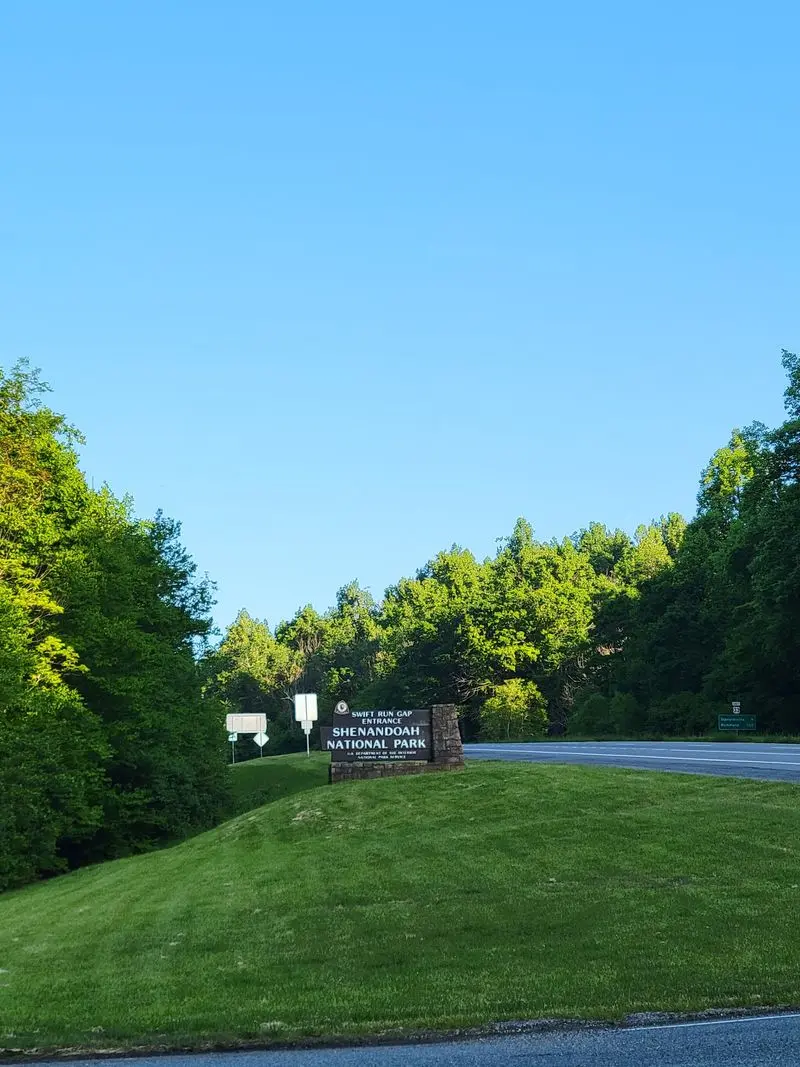
New houses, new neighbors, and a whole new routine. After the park took shape, the government built several resettlement communities outside its borders for families who had to leave.
These homesteads usually came with a house and some land for farming. For certain families, it meant electricity, better roads, and schools closer by.
For others, the change felt strange, since the flat valley land looked nothing like the shady hollows they grew up in. Payments for the new homes were also a burden for some.
A smaller group received something special called lifetime tenancy. This allowed mostly older residents to stay in their mountain homes for the rest of their lives.
One of the best known, Annie Lee Bradley Shenk, lived inside the park until 1979.
If you are curious, several towns near the park still have neighborhoods that began as resettlement homesteads. Local historical societies and museums often share photos and stories.
Visiting one can bring this chapter of history to life in a personal way.
Old Cabins, Foundations, and Stone Walls Still Tell Their Story
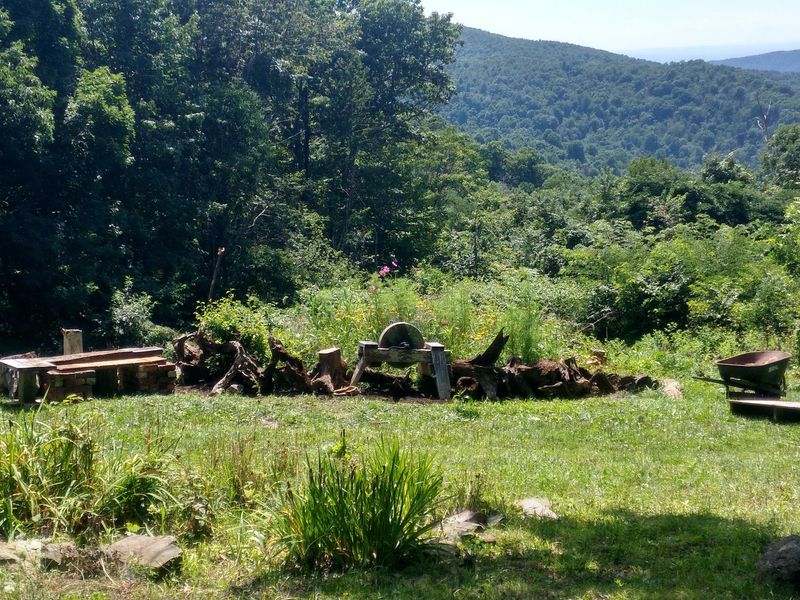
Look past the ferns and you might spot a crumbling chimney standing alone in the trees. Little clues like that are the voices of the old hollows, still speaking after nearly a hundred years.
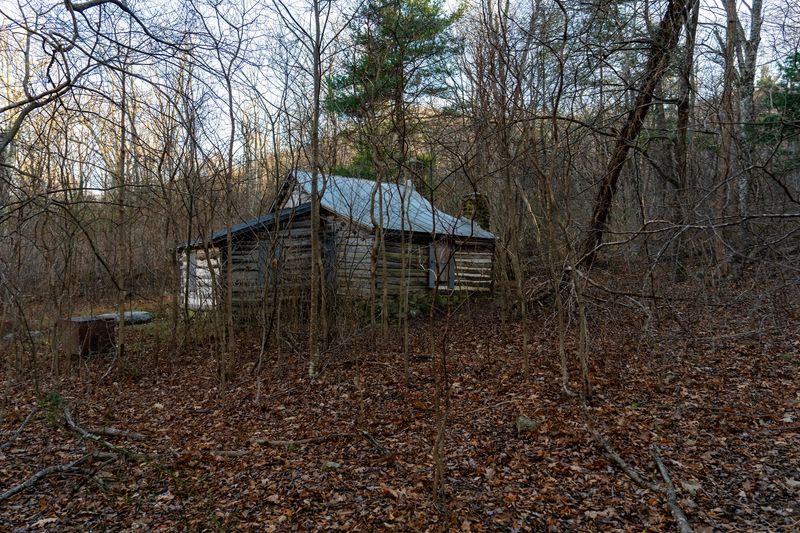
Corbin Cabin is one of the best places to feel this history. Built by George Corbin around 1909, the log cabin sits in Nicholson Hollow and can even be rented overnight through the Potomac Appalachian Trail Club.
Sleeping there feels like stepping back in time.
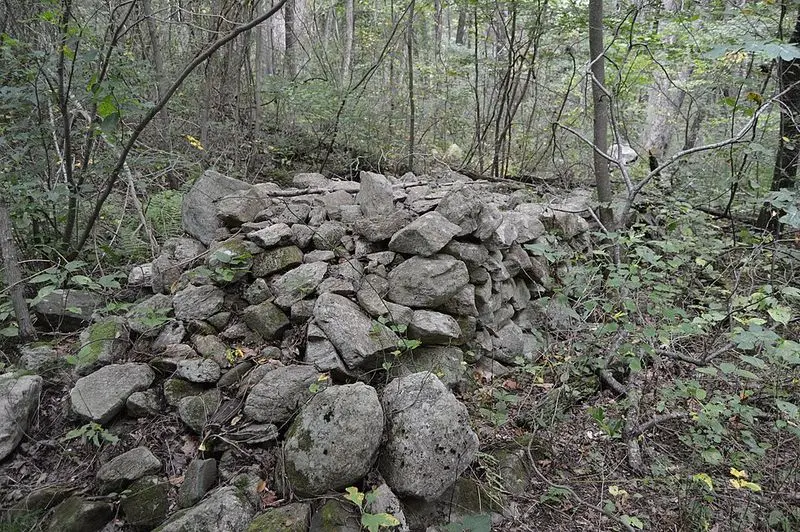
Across the park, you can also find house foundations, stone walls, garden terraces, old roadbeds, and family cemeteries. Each one marks a spot where people cooked meals, raised kids, and planned for the future.
A few friendly tips for exploring. Bring a trail map, stay on marked paths, and never move stones or take souvenirs.
Snap photos instead and jot down what you notice. By treating these places with respect, you help keep the memory of the mountain families alive for every hiker who follows.