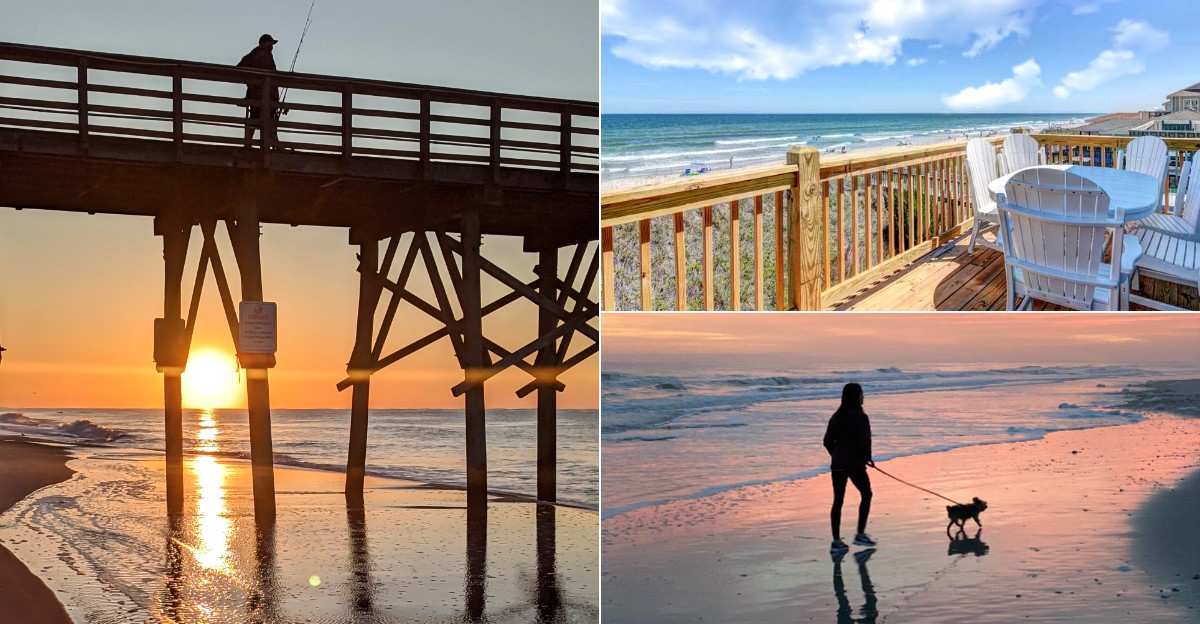
Soft sand, rolling waves, and a long fishing pier still greet visitors to this sunny stretch of the North Carolina coast.
Surf City sits on Topsail Island, about an hour north of Wilmington along the state’s southeastern shoreline.
Over the years, the town has grown, with new homes, businesses, and a modern high-rise bridge replacing the old swing bridge.
Longtime visitors notice the changes, but many of the things that made it special in the first place remain.
The town is also home to a sea turtle rescue center, where kids can learn about the gentle creatures that nest on these beaches.
Pack your beach chairs and an open mind, and discover how Surf City blends old memories with new adventures.
A New Bridge Changed the First Glimpse
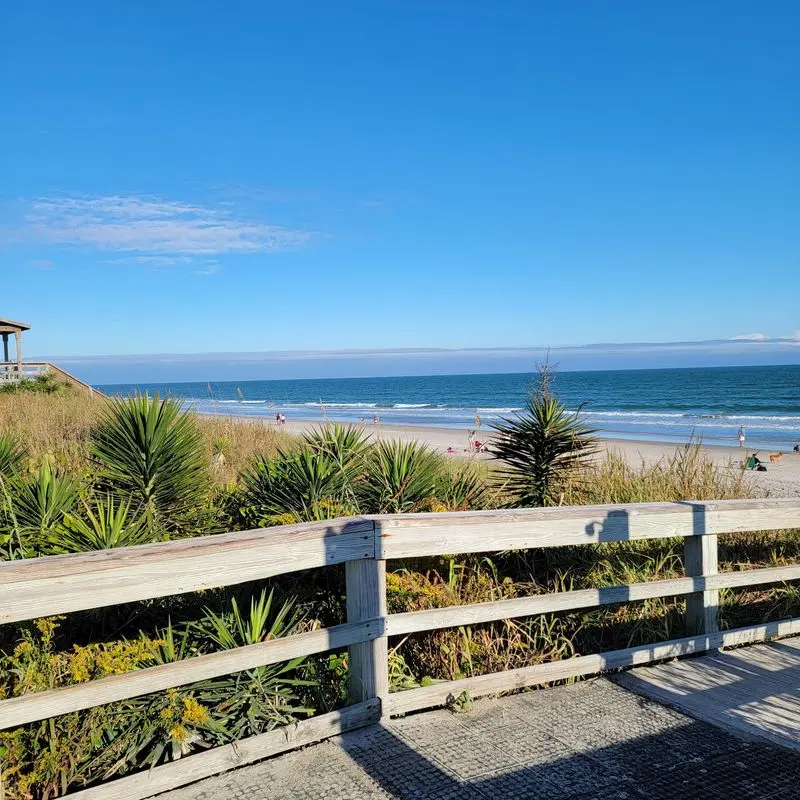
The drive over the water once came with a familiar pause, especially when the old swing bridge opened for boats. For returning travelers, that crossing was part of the vacation, not simply a way to reach the beach.
In Surf City, North Carolina, USA, a fixed, high-rise bridge opened in December 2018, replacing the swing bridge that had served the town for decades. The new crossing changed both the skyline and the feeling of arrival.
Drivers no longer wait for that bridge to swing open, although busy summer traffic can still slow the trip. Its separate path also gives walkers and cyclists a way to cross while enjoying broad views of the water.
Anyone hoping to recreate an old family photograph should expect a very different background today. Instead of looking for the former bridge, consider making a new tradition around the current crossing and its views.
Wear comfortable shoes if you plan to walk, and remember that the exposed path can feel hot or windy. The bridge offers a clear example of the town’s larger story: useful improvements can make a visit easier while changing a place that people remember with affection from childhood summers and earlier family trips spent near the ocean.
More Neighbors Bring a Different Daily Rhythm
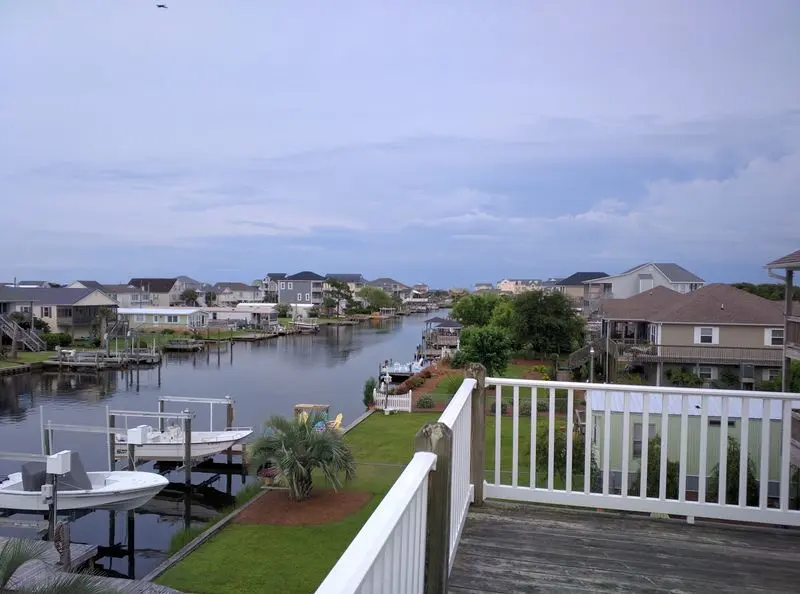
A beach town feels different when more people call it home throughout the year. The change shows up in everyday places, from grocery aisles to busy intersections, rather than only along the sand.
The 2020 census counted 3,867 residents, offering a useful snapshot of the permanent population. That number does not include every vacationer, seasonal resident, or visitor who arrives during a summer weekend.
It also covers the town as a whole, which includes mainland areas as well as its island neighborhoods. Remembering that wider footprint helps explain why growth can be noticeable even when a favorite beach block looks familiar.
For visitors, a larger community can support more services and a livelier atmosphere beyond the busiest vacation months. The tradeoff is that errands, restaurant visits, and short drives may require more patience than old memories suggest.
Try shopping early, leave room in your schedule, and avoid assuming that a weekday means empty roads. Population figures alone cannot explain every change, but they provide a firmer starting point than saying the town suddenly became crowded.
Returning with realistic expectations makes it easier to notice the community behind the vacation scenery. People still live, work, raise families, and build routines here after beach umbrellas disappear for the evening.
Parking Now Belongs in the Vacation Budget
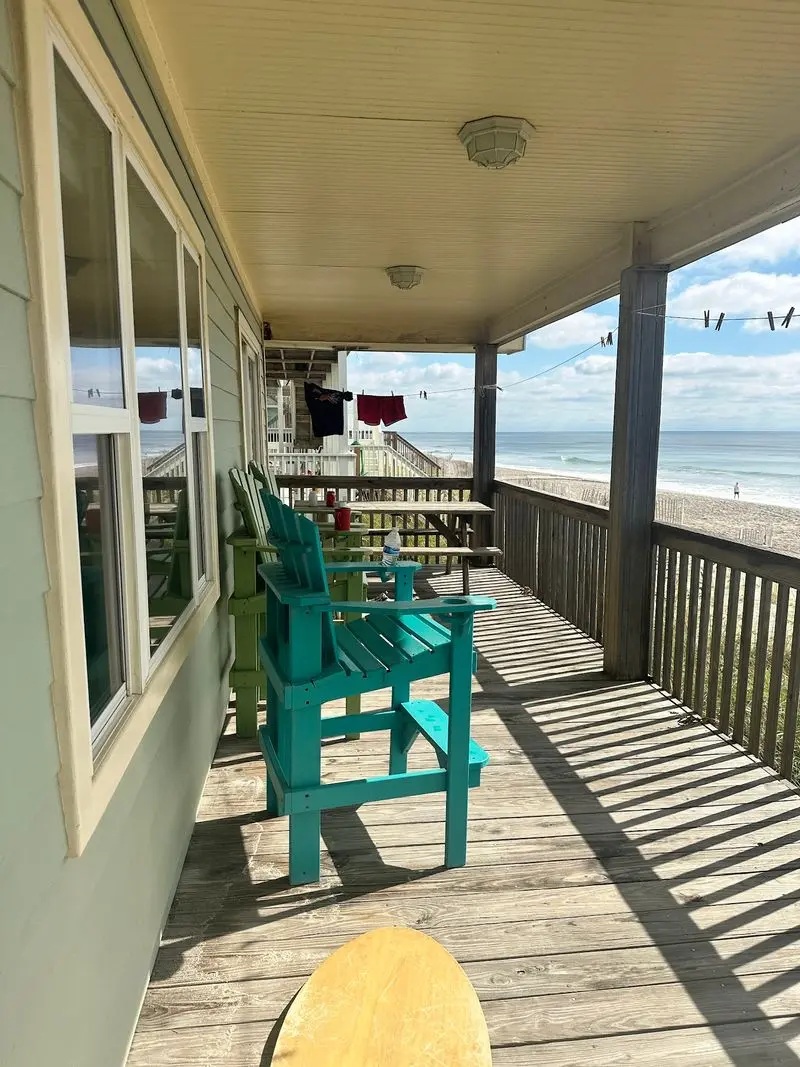
Finding a space used to feel like the main parking challenge; now, paying attention to the rules matters just as much. Paid public parking began in 2021, adding a visible change to the beach day routine.
For someone returning after a long gap, a familiar parking area may no longer work the way it once did. A spot that was free during an earlier vacation should not be treated as free today.
Before leaving your rental, check the town’s official parking information for current dates, hours, rates, and payment options. These details can change, so an old travel guide or a neighbor’s memory is not a reliable substitute.
Read the posted signs when you arrive, and make sure your vehicle information is entered correctly if payment requires it. Keep your phone charged, but follow the instructions at the actual lot rather than assuming every space uses identical rules.
Families staying nearby may find that walking simplifies the day and avoids repeated parking decisions. For others, including parking in the budget prevents an unpleasant surprise after lunch or a swim.
This change may feel less charming than a new restaurant, yet understanding it makes the visit easier. A little preparation protects both your schedule and your vacation money.
The Beach House View Keeps Evolving
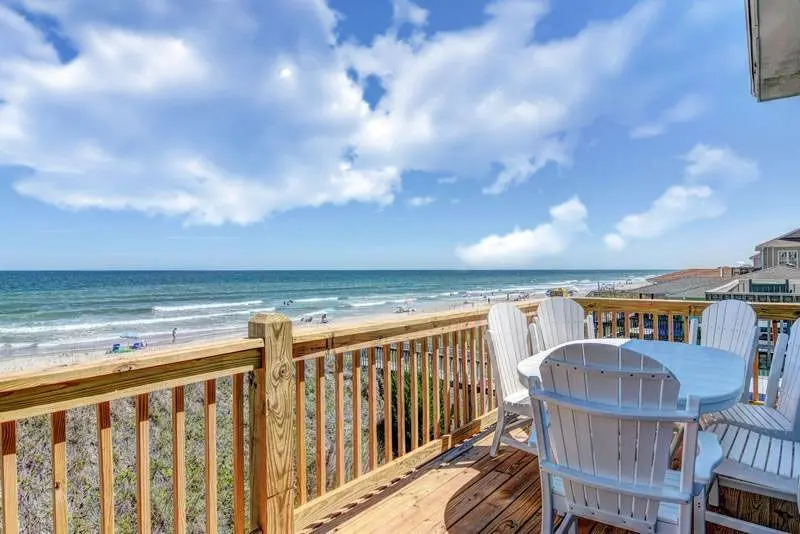
An old cottage beside a taller house can tell a whole story without saying a word. Along coastal streets, rebuilding and renovation can change the view even when the road itself stays exactly where visitors remember it.
Some returning families may notice larger homes, updated decks, or rentals designed to welcome bigger groups. Those changes do not mean every small cottage has vanished, and appearances vary from block to block.
Still, a familiar neighborhood can feel less familiar when its buildings have different shapes, colors, and uses. The effect is especially strong for travelers who connect one porch or driveway with years of family memories.
If the setting matters to your trip, study recent rental photographs rather than relying on pictures from an earlier stay. Check the map, nearby construction notices when available, and the walking route to public beach access.
Ask the property manager about stairs, outdoor space, and nearby activity before booking. A larger house may offer helpful comforts, but it does not automatically provide the quiet atmosphere you want.
There is no need to choose between loving old cottages and enjoying updated lodging. The practical goal is to find a place that fits today’s family while leaving room for the neighborhood’s changing character.
Summer Timing Can Shape the Entire Visit
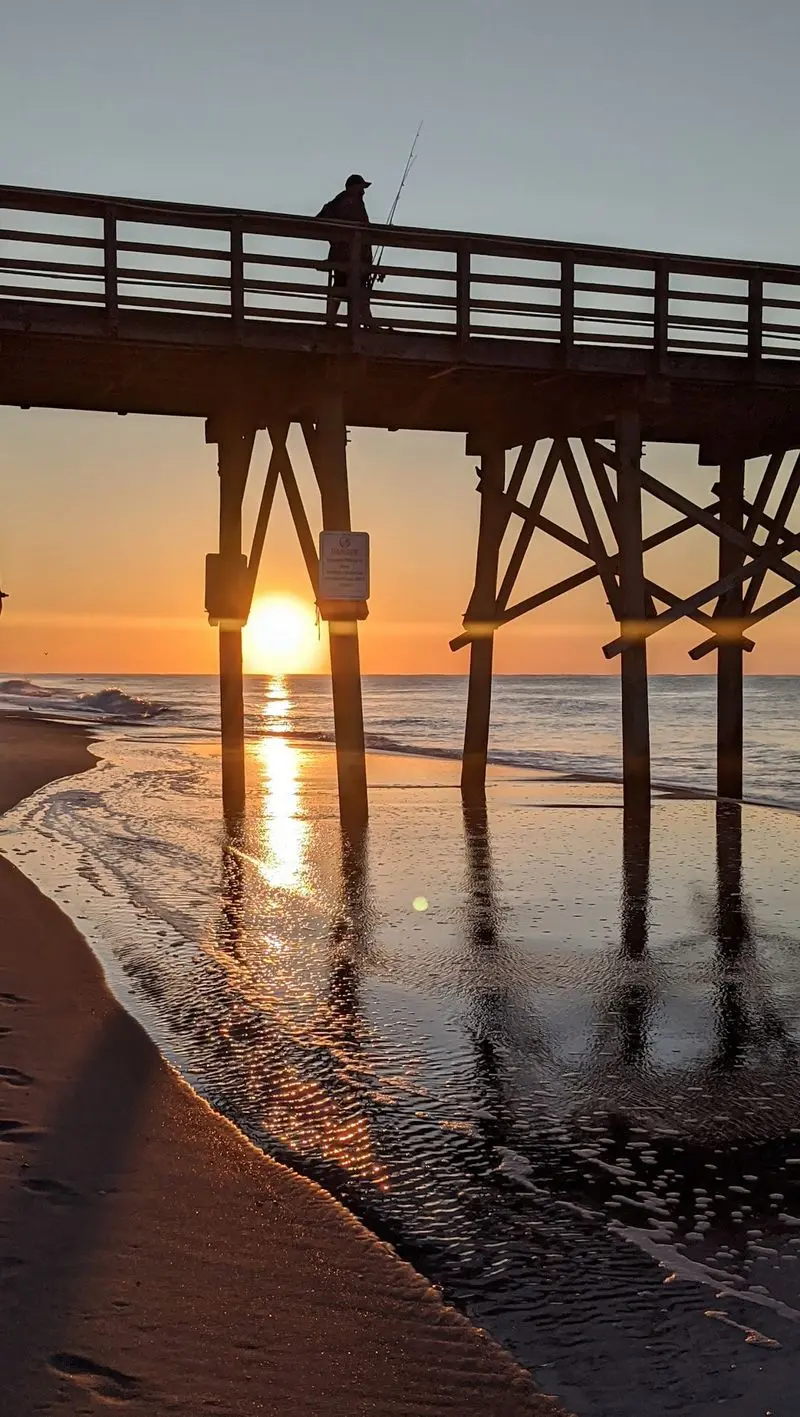
A quiet morning and a busy Saturday afternoon can feel like two different vacations. That contrast helps explain why returning travelers sometimes disagree about how much the town has changed.
Summer weekends, holidays, and rental arrival periods can bring heavier traffic and more competition for parking. Without comparable traffic counts, however, it is better to describe these patterns than claim every year breaks a crowd record.
Someone remembering a peaceful September trip may be comparing it with a very different July visit. Weather, school calendars, and the time of day all influence what the beach and nearby streets feel like.
Plan your first grocery run outside the busiest arrival window when possible. For dinner, check whether a restaurant accepts reservations, and have a second choice instead of building the evening around one table.
Early beach visits can offer a calmer start, although swimming conditions and posted warnings still deserve attention. Do not confuse fewer people with safer water, especially when currents or rough surf are present.
If your schedule allows, consider a visit outside peak summer and confirm which businesses will be open. Choosing your timing carefully will not restore the past, but it can reveal a slower side that crowded vacation snapshots often leave out entirely.
Storms Have Left Their Own Marks

Not every change begins with a developer’s plan or a visitor’s wish list. Coastal storms can reshape buildings, dunes, and daily life in ways that become clear only when someone returns years later.
Hurricane Florence affected the town in 2018, bringing damage and a long recovery process for parts of the community. Repairs and rebuilding afterward became another layer in the landscape that longtime visitors knew before the storm.
A replaced roof, raised structure, or restored access may reflect practical recovery rather than an effort to change the town’s personality. That distinction matters when talking about why an old vacation setting looks different today.
Travelers should also remember that beaches are moving environments, with sand shifting through storms, tides, and everyday waves. The stretch pictured in a childhood album may not have the same width or shape during a later visit.
Check official updates before traveling after severe weather, and respect any closed walkways or damaged areas. Stay off dunes, use designated access points, and avoid treating protective vegetation as a shortcut to the water.
These habits help protect the beach people return to enjoy. They also show respect for residents whose storm memories involve much more than a vacation interrupted by rain and strong coastal winds.
A Familiar Pier Still Anchors the Experience
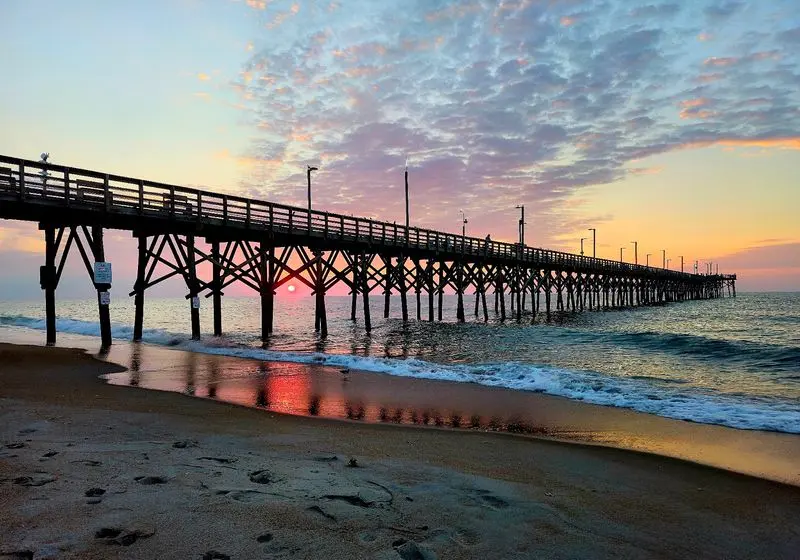
Salt air and fishing lines offer a welcome reminder that change has not erased everything. The oceanfront pier remains one of the clearest links between earlier vacations and the experience visitors can have today.
The fishing pier dates to 1948, giving it a history that reaches well beyond the newest bridge or parking system. Its presence helps explain why some families still recognize the town immediately, despite changes along the drive in.
For anglers, a visit can center on patient hours above the water rather than a packed sightseeing schedule. For others, watching the waves and seeing people fish may be enough to bring back an old summer memory.
Before planning your outing, check current opening hours, admission rules, and fishing requirements directly with the pier. Ask about available equipment or supplies rather than assuming the arrangements match what you remember from years ago.
Bring sun protection and shoes suited to walking, and keep children close around railings and fishing activity. Conditions can be breezy even when the beach below feels warm.
A familiar landmark does not have to stay frozen in time to remain meaningful. Building a simple afternoon around it can balance the town’s newer features with the coastal traditions that still draw people back.
Old Memories Need a Little Room for Today

Sometimes the biggest difference is the picture we carry in our heads. A childhood beach trip often survives as a handful of bright moments, while traffic, errands, and rainy afternoons fade from memory.
That does not make a returning visitor’s disappointment wrong, but it can make comparisons less fair. A new bridge and paid parking are concrete changes; a feeling that everything was friendlier before is harder to measure.
There is no need to pretend that all longtime travelers share one opinion. Without named interviews or a reliable survey, personal reactions should remain personal reactions rather than evidence of a townwide verdict.
Give yourself one familiar activity and one new experience during the trip. You might revisit the pier, then try a business you have not visited, or walk a different route to the beach.
Use current town information for practical decisions, and let old photographs guide memories instead of parking plans. If a beloved spot has changed, allow a little disappointment without letting it decide the entire vacation.
The town can be different and still offer a worthwhile stay. Returning with curiosity leaves space for fresh memories, which may eventually become just as precious as the sandy, sunlit scenes you brought with you from earlier visits.