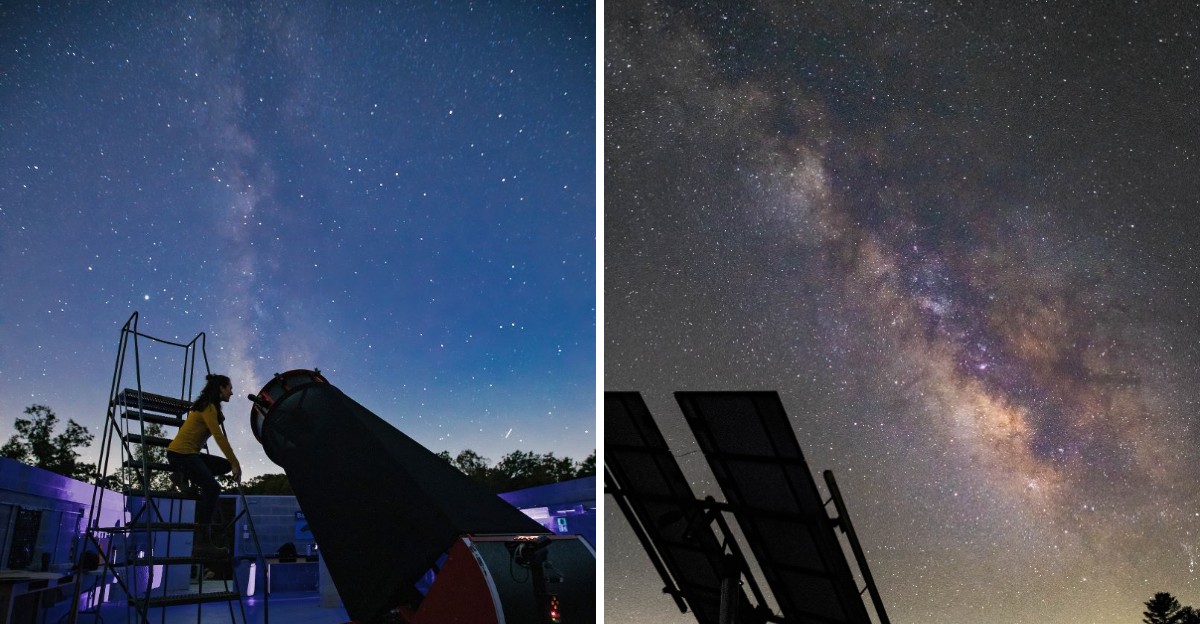
Forget the city lights—this is where the night sky steals the show.
High above Burnsville, North Carolina, the Bare Dark Sky Observatory opens a window onto a sky most people rarely get to see.
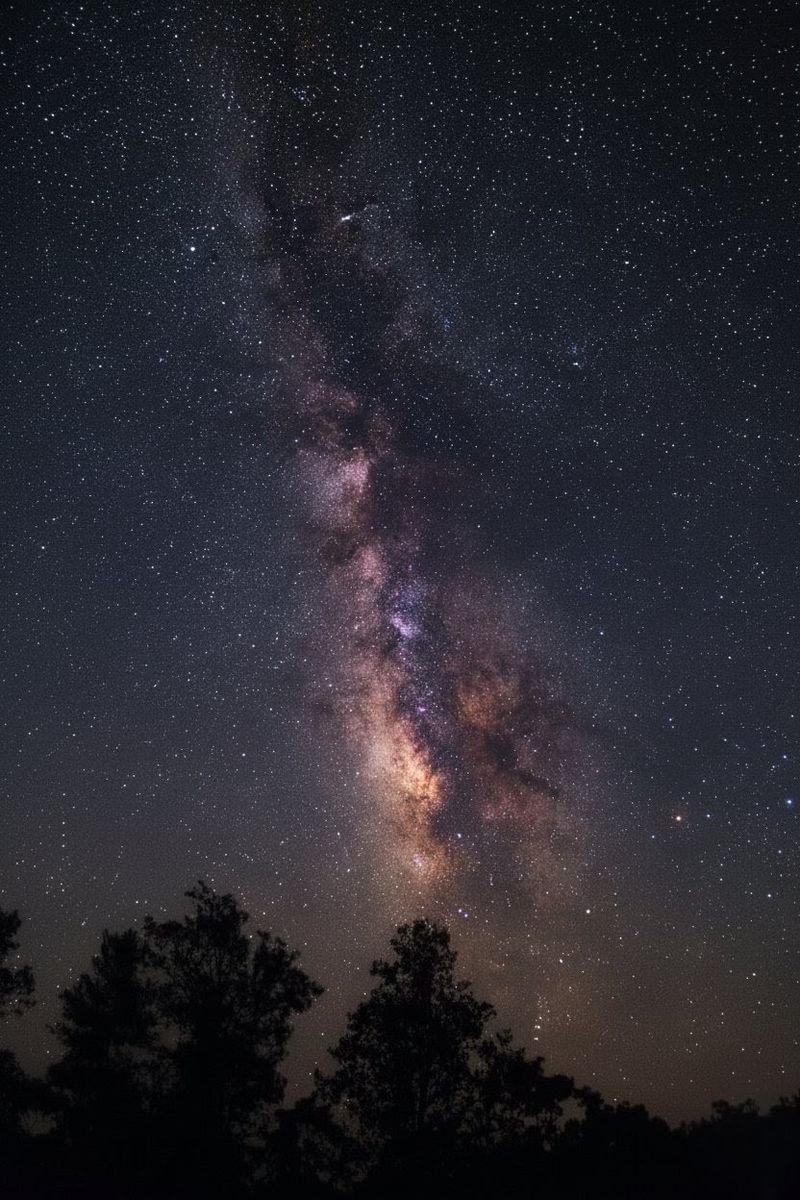
On a clear night, the Milky Way can stretch overhead in a dazzling band, with stars packed into places that seem almost too dark to be real.
Then the telescopes take over.
Giant lenses and mirrors bring planets, star clusters, nebulae, and distant galaxies into view, turning a quiet mountain night into a front-row seat to the universe.
At Mayland Earth to Sky Park, you do not need to be an astronomy expert to enjoy the spectacle.
Just arrive after sunset, look up, and let the darkness reveal what bright city streets have been hiding all along.
Reach the Bare Dark Sky Observatory High Above Burnsville
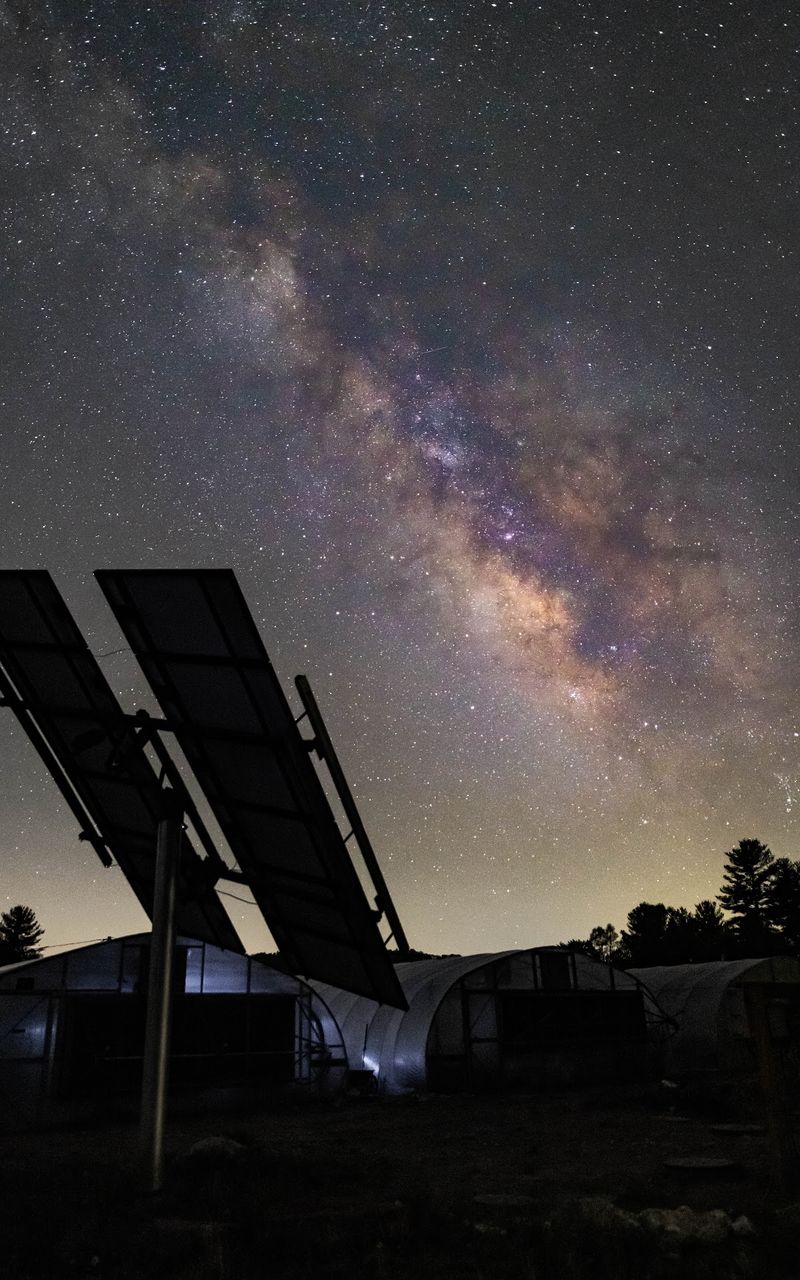
Picture a hilltop where the loudest thing at night is the wind and the brightest thing is the sky. That is the feeling waiting for you at Mayland Earth to Sky Park, tucked into the Blue Ridge Mountains near Burnsville.
Here, the stars are not a background detail. They are the whole show.
Very few streetlights, parking lot lamps, or glowing signs sit nearby. Without that extra light bouncing around, your eyes can pick up thousands of stars that stay hidden in towns.
Many first-time visitors gasp when they step out of the car and look up.
The park earned International Dark Sky Park certification, a big honor given to places that protect natural darkness. Only a small number of spots around the world have this title.
It means the park works hard to keep lighting low and shielded so the night stays wild.
For anyone serious about stargazing, or just curious, this mountain setting is a dream. Give your eyes about 20 minutes to adjust, and the sky will slowly fill with light.
See the 34-Inch Sam Scope in Action
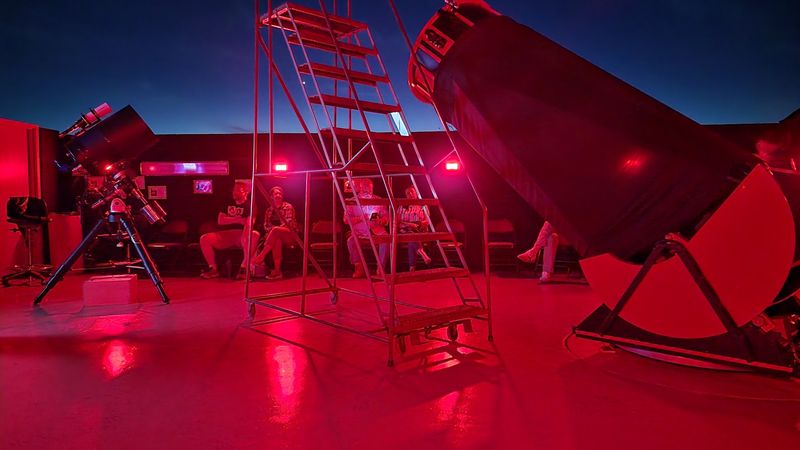
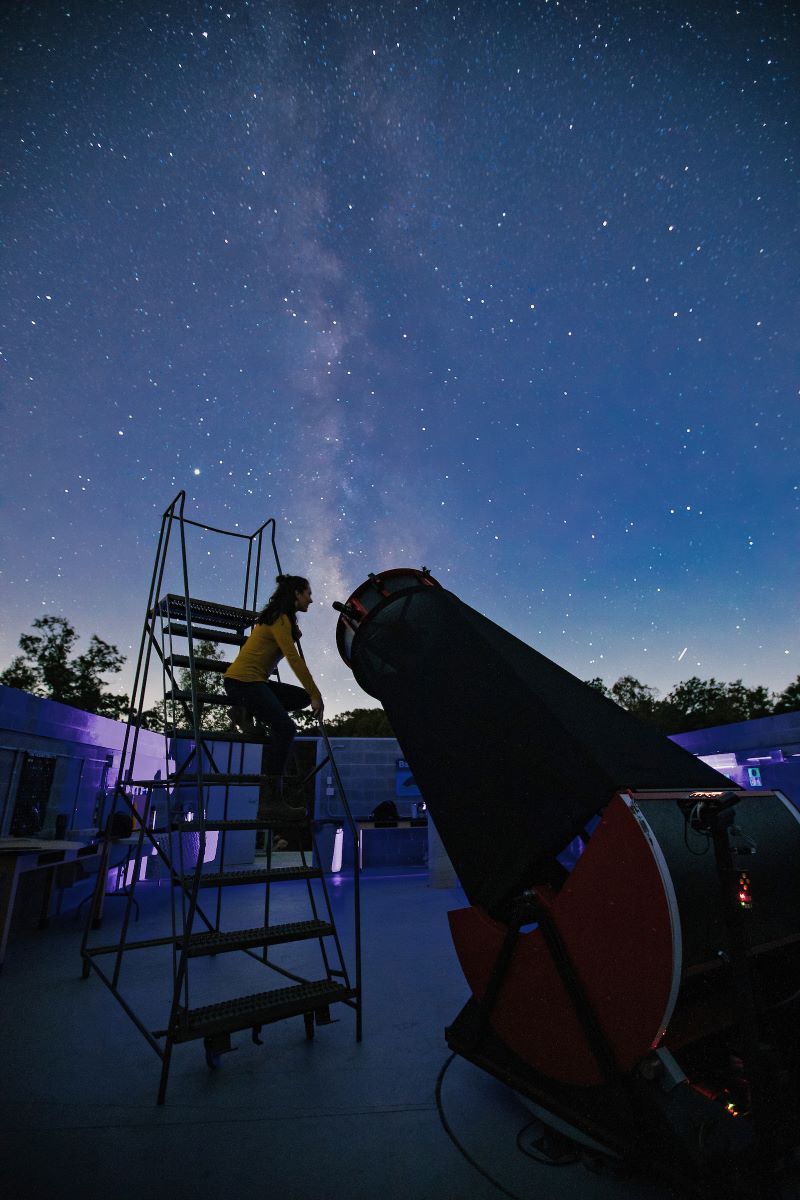
Thirty-four inches. That is how wide the main mirror is on the Sam Scope, the giant telescope that makes this observatory famous.
To put it simply, that mirror is wider than many kitchen tables.
Mayland describes it as the largest telescope in the Southeast dedicated to public use. Lots of big telescopes belong to universities or research teams, and regular people never get to peek through them.
Here, the whole point is letting visitors take a turn at the eyepiece.
The Sam Scope is a custom-built Newtonian telescope. That design, first dreamed up by Isaac Newton in the 1600s, uses a curved mirror to gather light instead of a lens.
A bigger mirror collects more light, so faint objects suddenly pop into view.
What might you see? Glowing clouds of gas, clusters packed with stars, and galaxies millions of light-years away, all things that are tough or impossible to spot with your eyes alone.
You may need to climb a few ladder steps to reach the eyepiece, so take your time and hold the rail.
Watch the Milky Way Stretch Across the Dark Mountain Sky
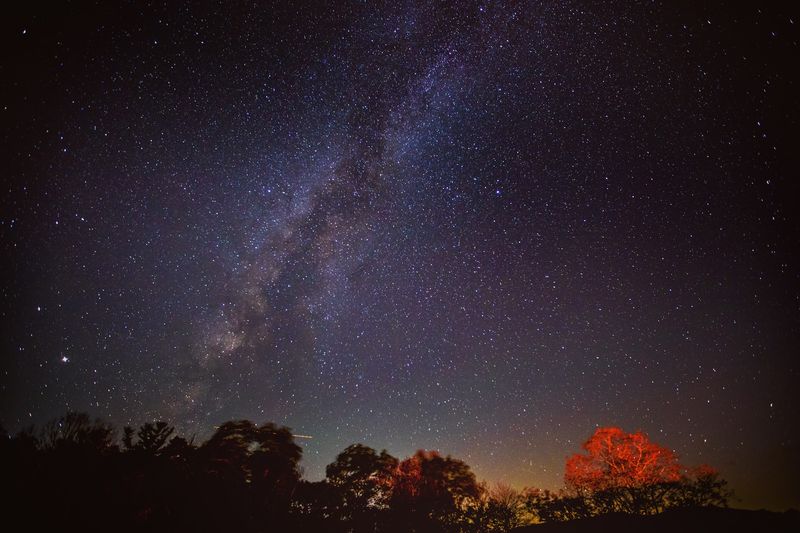
Ever seen a cloud that turns out to be made of stars? That is what the Milky Way looks like from a truly dark place.
It stretches across the sky like a pale, glowing river, and from these mountains it can look almost unreal.
Our whole solar system sits inside the Milky Way galaxy. When you look at that bright band, you are actually looking sideways through the crowded middle of our own galaxy, where billions of stars blend together.
Around big cities, light pollution washes this sight away completely. Many kids and adults have never seen it at all.
On clear nights at Mayland, especially when the moon is small or below the horizon, it shows up with amazing detail, including dark dusty lanes.
Summer through early fall is the most popular season to visit. Mayland lists the Milky Way among the objects best viewed in those months because its brightest core rises higher in the evening sky.
Bring a blanket, lie back, and let your eyes wander from one end to the other.
Look for Planets, Stars, and Distant Celestial Objects
Saturn’s rings. Jupiter’s stripes and tiny moons.
A star cluster that sparkles like spilled glitter. No two nights at the observatory are quite the same, and that is half the fun.
The sky changes with the seasons and the moon phase. A planet bright in August might be hidden in winter, while a different nebula takes its place.
Visiting more than once can feel like seeing a brand-new show every time.
During Community Viewing Nights, astronomers stand right beside you to explain what is in the eyepiece. They might tell you how far away a galaxy is, why a star looks red, or how long its light took to reach Earth.
Some of that light started traveling before dinosaurs walked the planet.
Here is a helpful tip: ask questions. The experts love curious visitors, and no question is too simple.
Kids often ask the best ones, like whether aliens live out there. Jot down your favorite objects in a notebook so you can find them again with binoculars at home.
Experience an Observatory Built for Public Stargazing
Back in 2017, something new opened on this mountain: an observatory made for everyday people. Bare Dark Sky Observatory was planned from day one around public astronomy, not private research.
That choice shapes the whole visit. Instead of locked labs and quiet scientists, you get guided viewing, friendly helpers, and telescopes set up so guests can actually use them.
It feels welcoming, even if you have never touched a telescope before.
The 34-inch Sam Scope gets most of the attention, but it has a partner. The building also holds a 14-inch Meade planetary telescope.
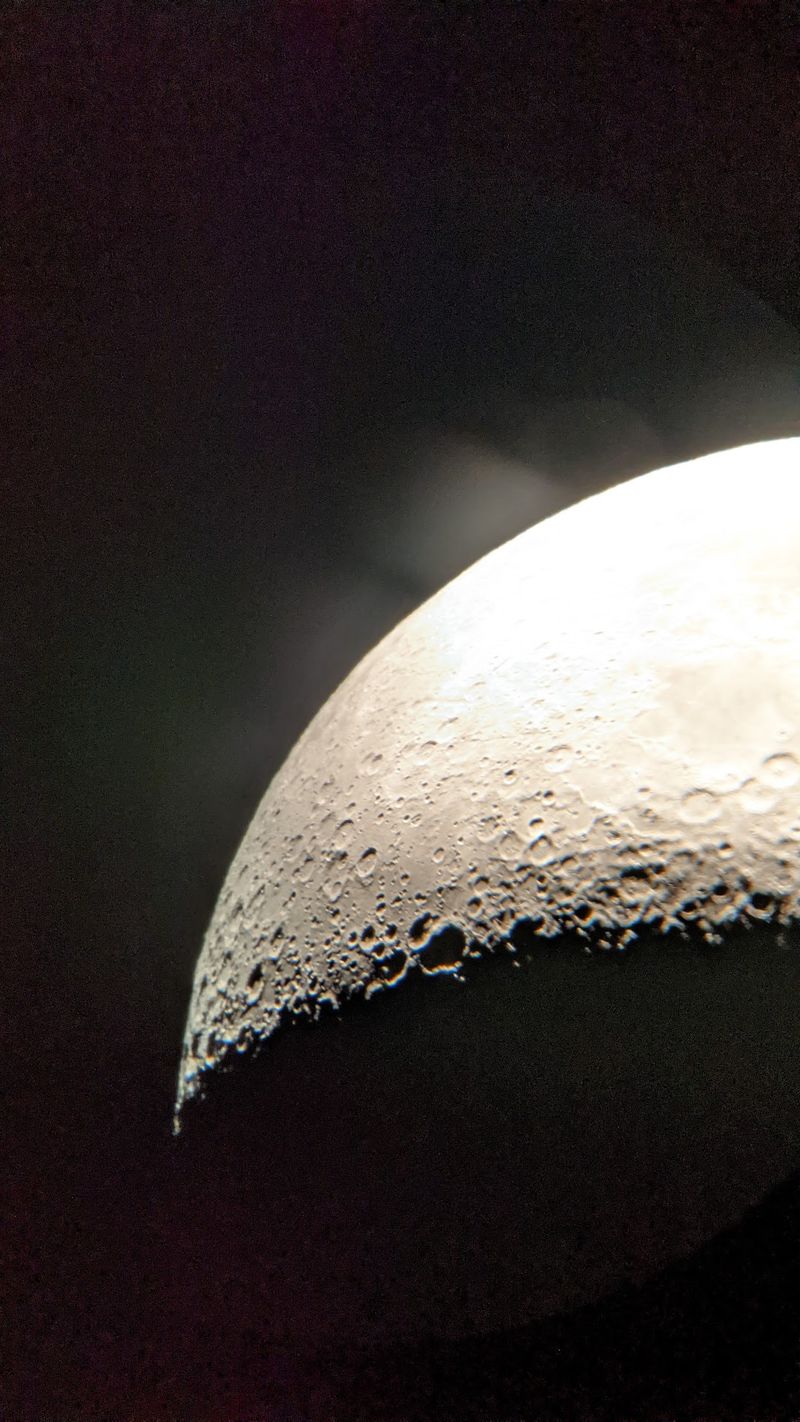
Planetary scopes are great for sharp, close-up views of planets and the moon, showing details like cloud bands and craters.
Having two telescopes means more than one way to explore. While one group admires a faint galaxy in the big scope, another might be studying a bright planet in the smaller one.
Lines move along, and everyone gets variety.
Think of it as a sky museum where the exhibits are real and the lights are always off.
Pair the Stargazing With the Arthur Planetarium
Clouds rolled in? Don’t pack up and leave just yet.
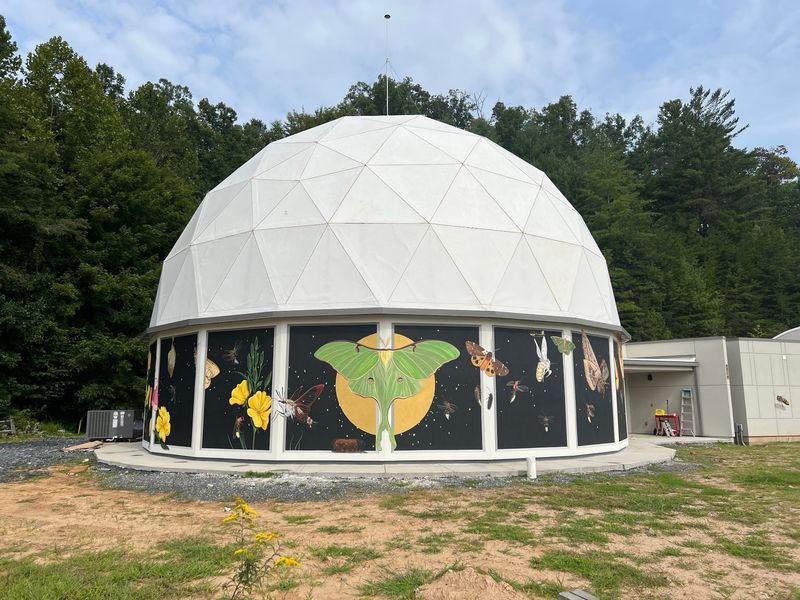
The Glenn and Carol Arthur Planetarium sits right in the same park and offers a whole different way to enjoy astronomy.
Its 36-foot projection dome curves over your head like an indoor sky. Stars, planets, and galaxies get projected across the surface, so you can explore space no matter what the weather outside is doing.
It is cozy, dry, and still full of wonder.
The planetarium also works as a backup plan. When clouds or storms cancel outdoor viewing, programs can move inside.
Your trip still feels worthwhile, even if the real sky refuses to cooperate.
Many visitors like to treat the planetarium as a warm-up. Learning where constellations sit on the dome can make it much easier to find them outside later.
It is a bit like studying a map before a hike.
For younger kids who might get restless in the dark, the dome can be a perfect introduction. Comfy seats help too.
Choose a Night When the Moon Won’t Wash Out the Stars
The moon is beautiful, but for stargazers it can be a bit of a party crasher. A bright full moon lights up the sky so much that faint stars and galaxies fade away.
Think of it like trying to see a flashlight beam in a sunny room. The extra light makes delicate things harder to notice.
Moonlight is really sunlight bouncing off the moon’s surface, and it is surprisingly strong.
That is why Mayland does not hold Community Viewing Nights when the moon is more than 50 percent full. The team wants guests to enjoy deep-sky objects like nebulae and galaxies at their best.
When planning your trip, check a moon phase calendar. Nights around the new moon are the darkest, and a thin crescent setting early works well too.
Many free phone apps show moon phases and rise times.
Quick bonus: a crescent moon seen through a telescope earlier in the evening shows craters beautifully along its shadow line. You get the best of both worlds.
Know What a Community Viewing Night Is Really Like
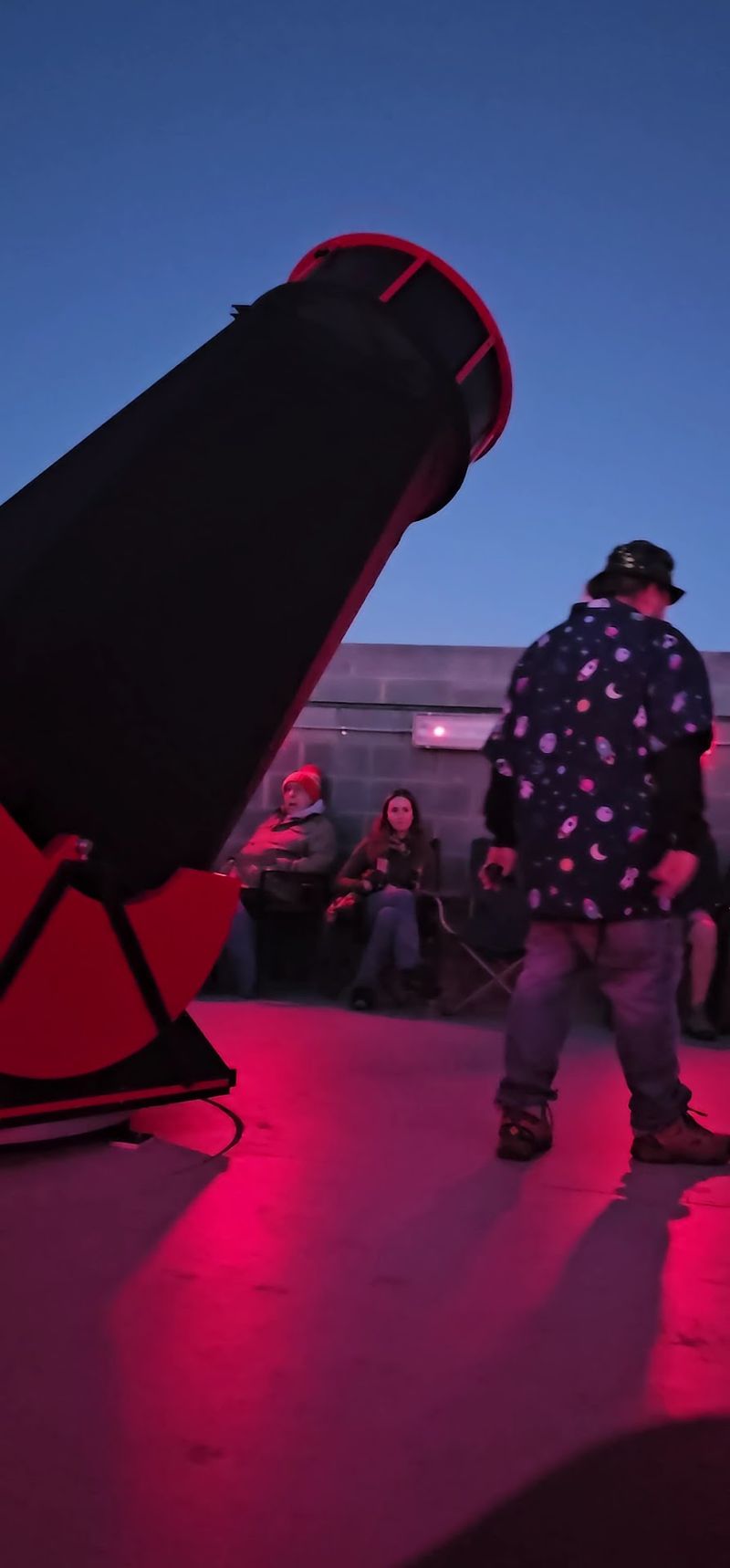
Bundle up. Even in summer, mountain air can turn cool fast once the sun dips behind the ridges, and you will be outside the whole time.
Ticketed viewing sessions usually last about two hours. During that time, astronomers guide the group across the sky, pointing out constellations and lining up telescopes on interesting targets.
You move between viewing spots, chat, look up, and soak it all in.
Comfort makes a big difference. Pack a jacket or sweatshirt, even if the afternoon felt warm in town.
A hat and gloves are smart choices in spring and fall.
Bring a flashlight for walking the grounds. If you can, cover it with red cellophane or use a red-light setting, since red light protects night vision.
Closed-toe shoes are a must because paths can be uneven in the dark.
Patience is your best friend here. Lines for the big telescope can form, but the wait gives you time to admire the open sky.
Many guests say the waiting part becomes a highlight.
Plan Your Visit
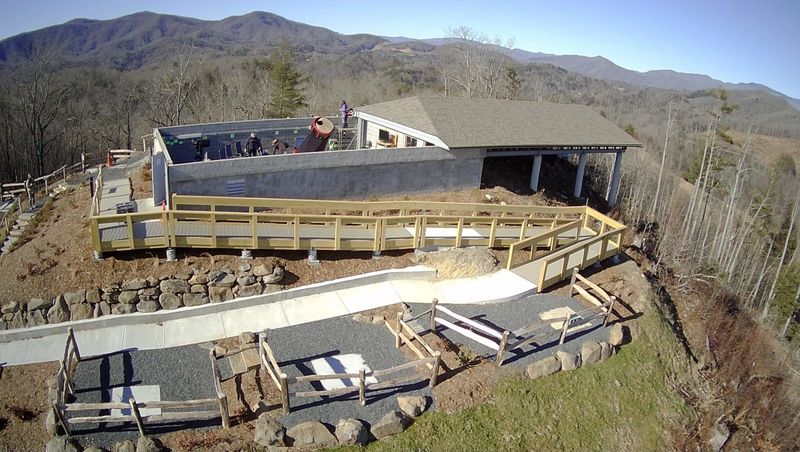
Ready to go? You will find the Bare Dark Sky Observatory at 66 Energy Exchange Dr., Burnsville, NC 28714.
For questions, call +1 828-470-7584.
Telescope access happens only during ticketed events, and tickets must be bought ahead of time. Community Viewing Nights are scheduled around sunset, moon cycles, and the seasons.
Adult tickets are currently listed at $35, and kids 12 and under are $10.
Want a free option? The grounds and parking area are open 24 hours for independent stargazing, even when the observatory is closed.
Just be ready for real darkness and uneven ground, and remember overnight camping is not allowed.
Accessibility is a strong point here. The observatory is wheelchair accessible, with accessible parking, sidewalks, ramps, and outdoor viewing stations.
Before heading out, check the event schedule and weather policy. Cloudy or stormy conditions may move the program indoors to the planetarium.
A quick look online can save you a long drive.