

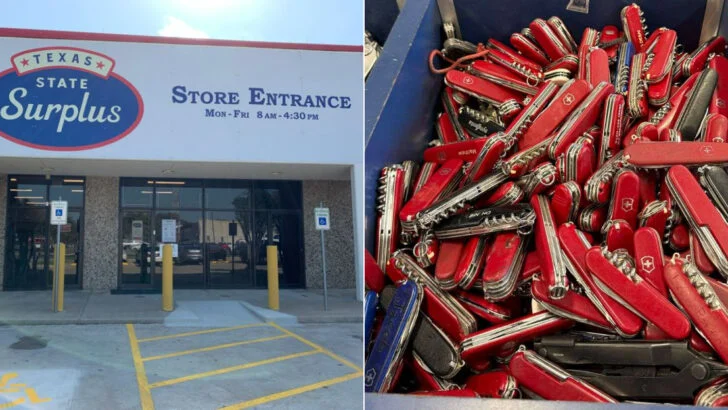
Lost luggage finds a new stage at Austin’s State Surplus Store. Step inside and the unexpected greets you.
Suitcases jackets electronics office chairs and oddities that once passed through airport checkpoints are lined up ready for another owner. There is a thrift warehouse energy with rows of shelves and a sense of discovery.
Items come from unclaimed airport property state agencies and security surrender. Some things arrived after screenings at airports others were turned in by government offices.
Staff sort inspect and price each piece so you never know what will appear on any given day. Shoppers talk about pocket knives luggage jewelry and office gear showing up on different mornings.
Plan to arrive early on a weekday to see new inventory. Bring a method of payment and an open mind.
Expect a practical good value run with moments of surprise. This is shopping that feels part scavenger hunt part municipal process.
What lands here
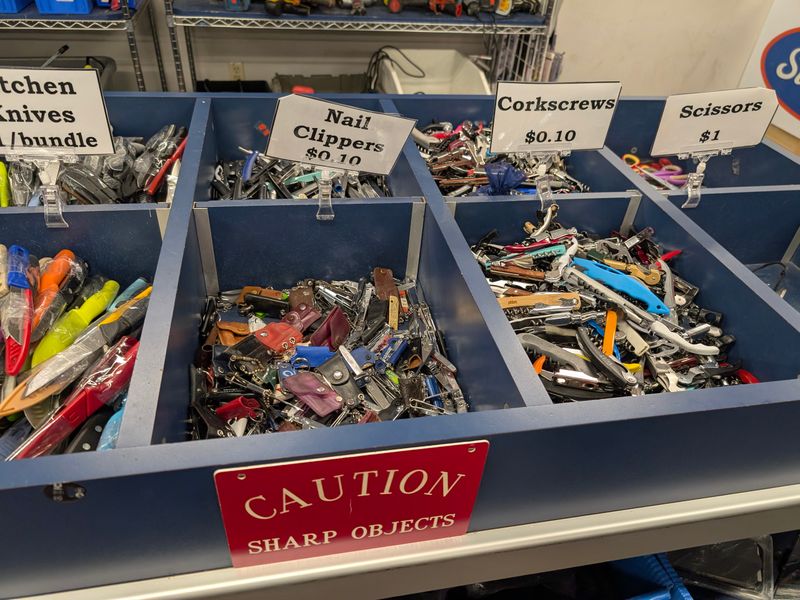
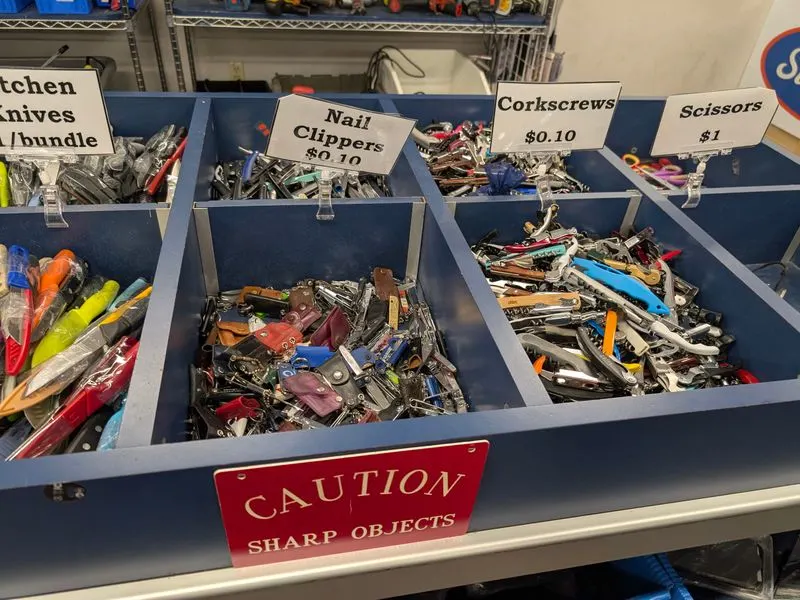
Walk in and you will quickly spot where airport life meets second chances. Bins brim with pocket knives, corkscrews, nail clippers, and multi tools that never cleared security.
Nearby racks hold sunglasses, watches, costume jewelry, and the occasional nice piece that slipped off someone’s wrist during a layover.
There is luggage too, from scuffed hard shells to duffels with mystery zippers, each scrubbed of identifying info and ready for a new trip. You will see tablet sleeves, headphones, travel pillows, and chargers that look like they were abandoned between gates.
Every aisle hints at hurried mornings and missed connections made tangible.
Not everything screams travel. Toys, umbrellas, hiking canes, and random novelty gadgets pop up, reflecting whatever Texans carried through checkpoints.
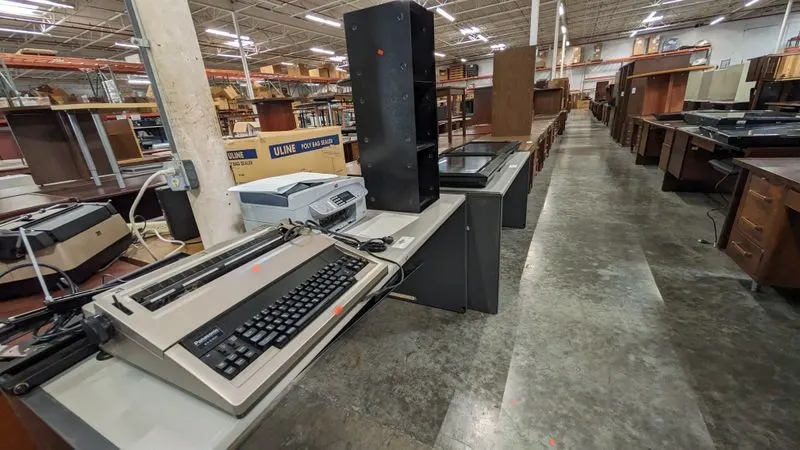
Office furniture from state agencies fills out the warehouse edges, giving practical folks a reason to bring a truck. It is a grab bag with rules, but it is still a thrill.
How it gets here
Airports across Texas funnel unclaimed and surrendered items into the state’s surplus program. Security trays catch the small stuff, and anything not reclaimed by policy deadlines enters a careful sorting pipeline.
State agencies add their retired gear and furniture, so the stream never really stops.
Pallets arrive in batches from Houston, Dallas, and beyond, then staff triage the goods by category and safety. Questionable or prohibited materials are filtered out per rules, so what reaches the floor is approved for resale.
You will notice the order behind the chaos once you scan the price tags.
Next comes processing, where electronics are checked for basics and jewelry is grouped by type. Luggage is emptied and cleared, then moved to racks that can turn over quickly.
By the time you browse, the long logistics story becomes a short decision at the bin: grab it now or risk missing it tomorrow.
The storefront feel
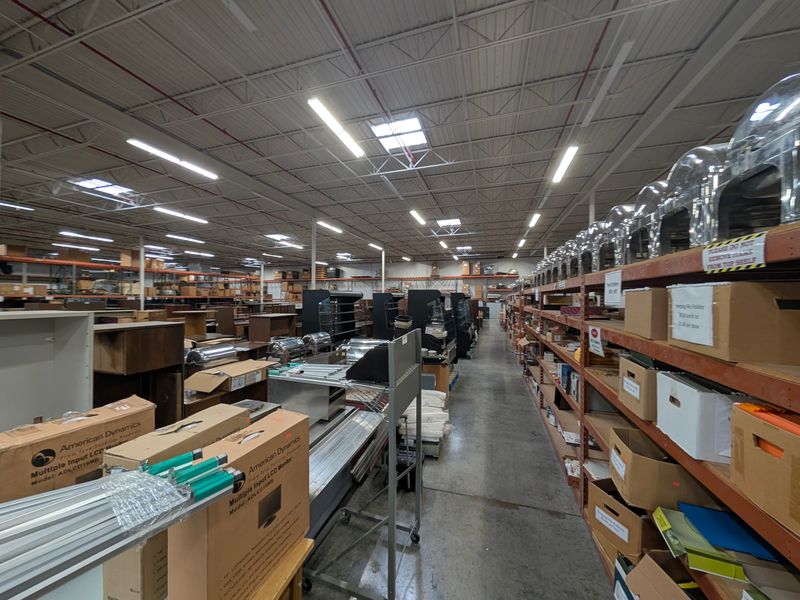
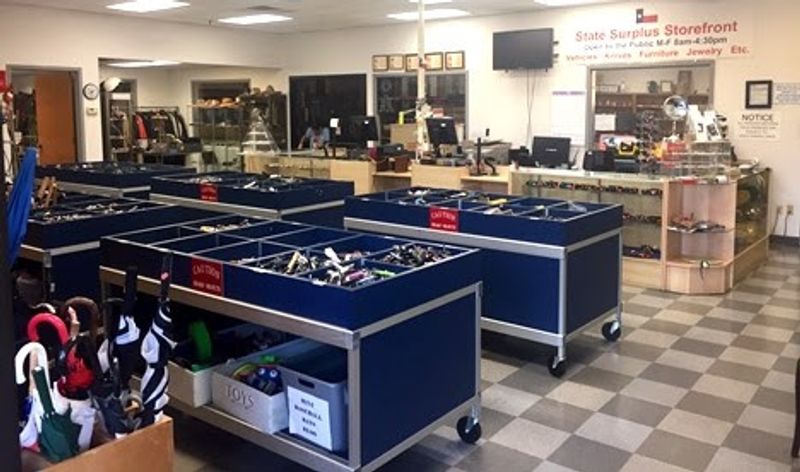
Picture a no frills warehouse with concrete floors, bright lights, and rows that feel like a cross between a school supply closet and a traveler’s lost and found. Tables buckle with mixed accessories while rolling racks host oddball luggage and cases.
The atmosphere says dig in and do not expect boutique curation.
You will hear the scrape of metal filing cabinets and the thunk of desk drawers as folks test furniture. Shoppers chat about finds and compare knife edges like serious bargain hunters.
Staff float through the aisles, answering origin questions and steering you toward fresh stock.
There is minimal staging, which keeps prices realistic and the hunt authentic. Bins are labeled plainly, and signs announce new rolls of inventory.
If you love the rush of discovery, this layout rewards patience and a good eye more than a fat wallet or a designer’s sensibility.
Typical finds
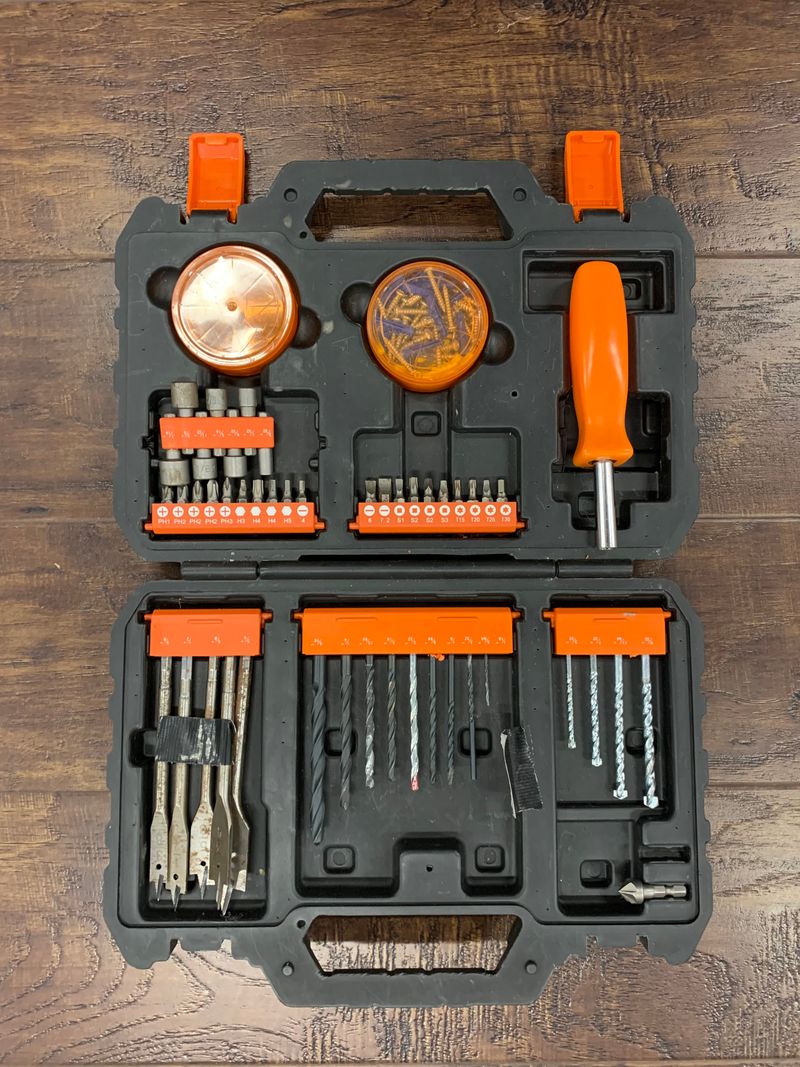
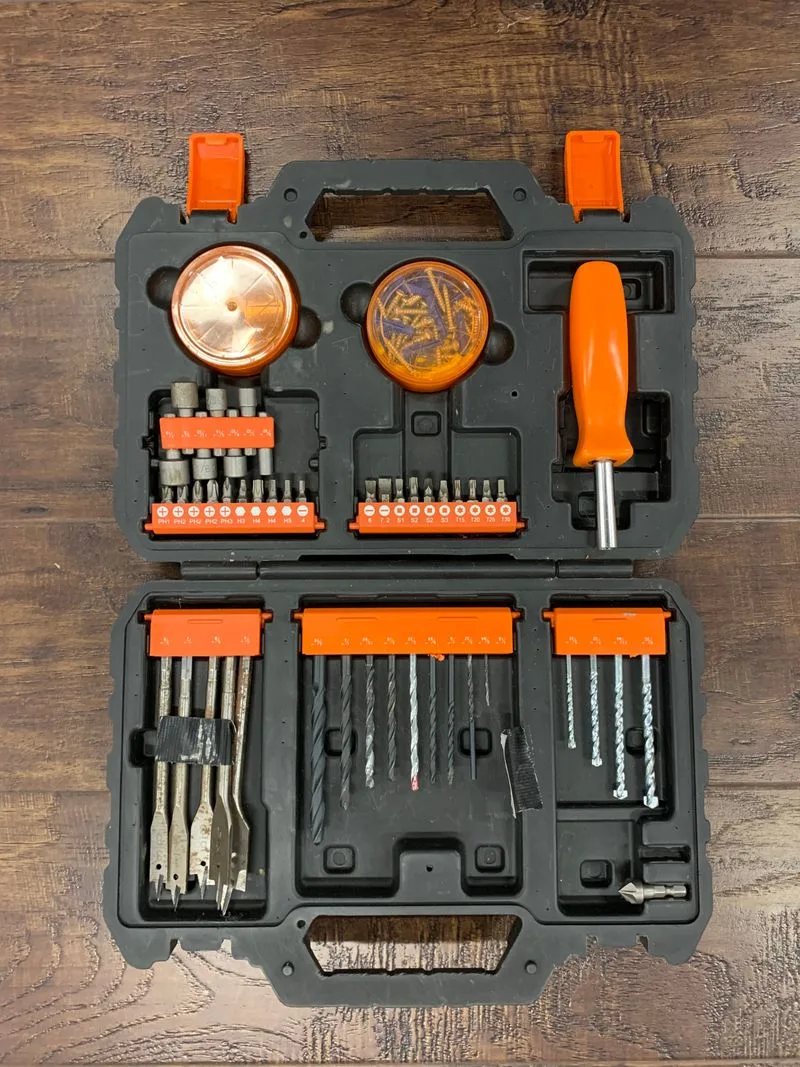
You will stumble across bins of pocket knives and multi tools first, from budget blades to recognizable brands. Right beside them, trays of jewelry shimmer with costume pieces, watches, and the occasional sleeper worth a closer look.
Sunglasses span neon novelty frames to sturdy polarized pairs.
Luggage runs the gamut, including well traveled carry ons, camera bags, and laptop sleeves. Electronics show up as chargers, power banks, earbuds, and the odd tablet accessory.
Office furniture and storage solutions cluster deeper in, where filing cabinets, task chairs, and metal desks wait patiently.
Then come the curveballs that make the place legendary. Hiking canes, umbrellas, bottle openers, random tools, and souvenir trinkets pop up like a time capsule of travel habits.
If you keep your expectations flexible, you will leave with something useful or at least an excellent story to tell friends.
Rules and safety
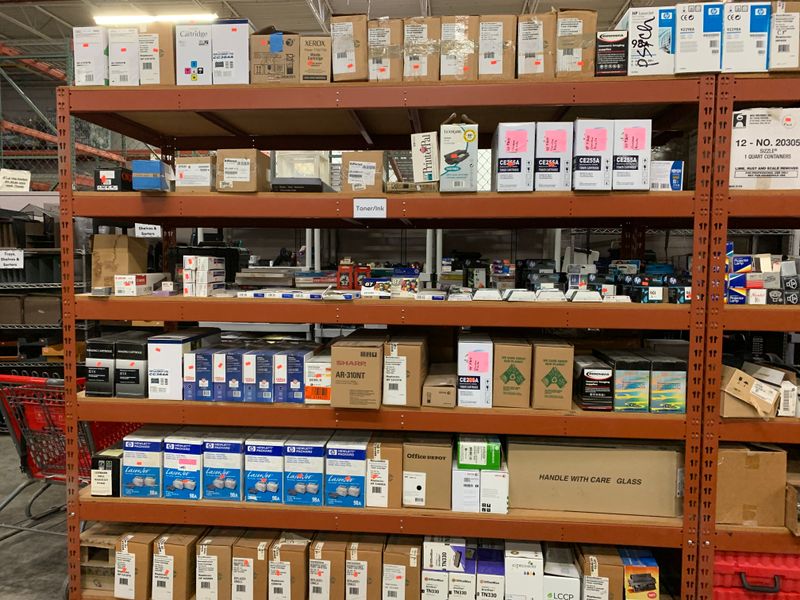
Before you dive into the bins, know that safety and compliance come first. Items with legal issues or offensive symbols never reach the floor.
Staff post clear rules about viewing, handling, and purchasing, and you will occasionally need to ask for supervised access to certain categories.
Paperwork can come into play for specialized gear or controlled surplus. Identification and receipts matter, and the checkout process follows state property procedures.
If you treat it like a regular thrift run with an extra layer of accountability, you will be fine.
There is also a commonsense culture that keeps everyone comfortable. Inspect items thoroughly, avoid sharp edges in the knife bins, and ask for help when a cabinet is heavy.
Respect the posted guidelines and you will find the experience smooth, transparent, and refreshingly professional for a bargain hunt.
Prices and bargains
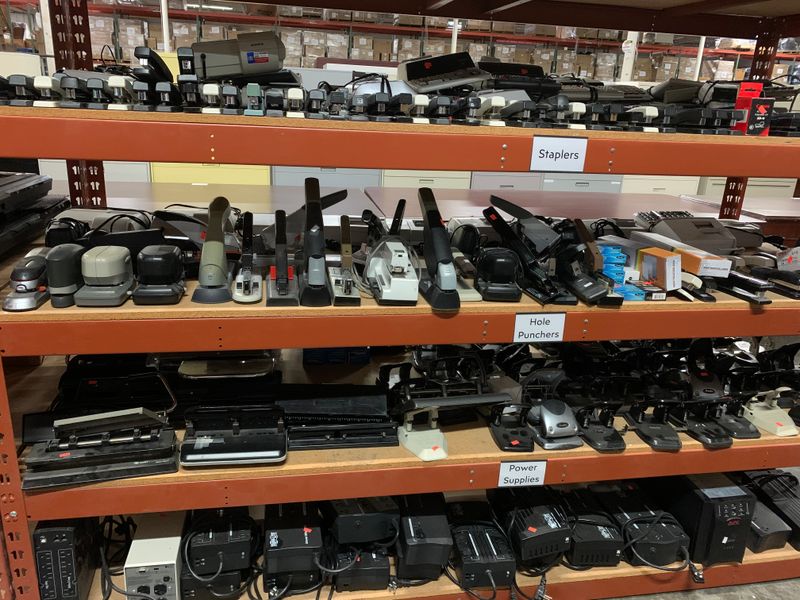
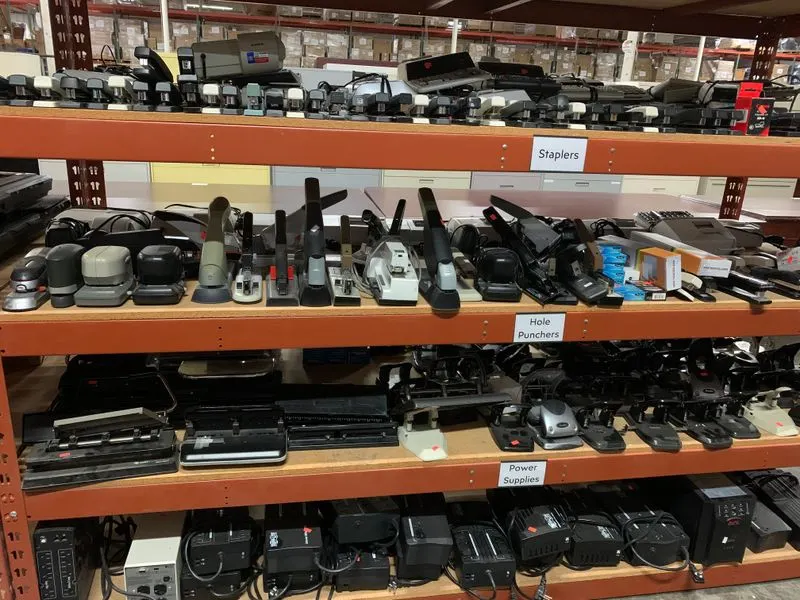
Sticker shock goes both ways here, but usually in your favor. Small accessories and travel odds and ends can land under five dollars, which feels almost unreal.
Knives and multi tools vary by brand and condition, so patience can land you a sleeper deal.
Office furniture tends to be the steal if you are practical. A sturdy chair, a monitor, or a cabinet can undercut retail by a wide margin.
Think about what you actually need before you walk in, then let the prices nudge your choices.
Inventory rotates fast, so today’s overpriced cord might sit next to a wildly underpriced gem. That is the nature of surplus, and it rewards calm comparison.
Bring a phone for quick checks, trust your gut, and do not hesitate when a tag makes you grin.
Shopping tips
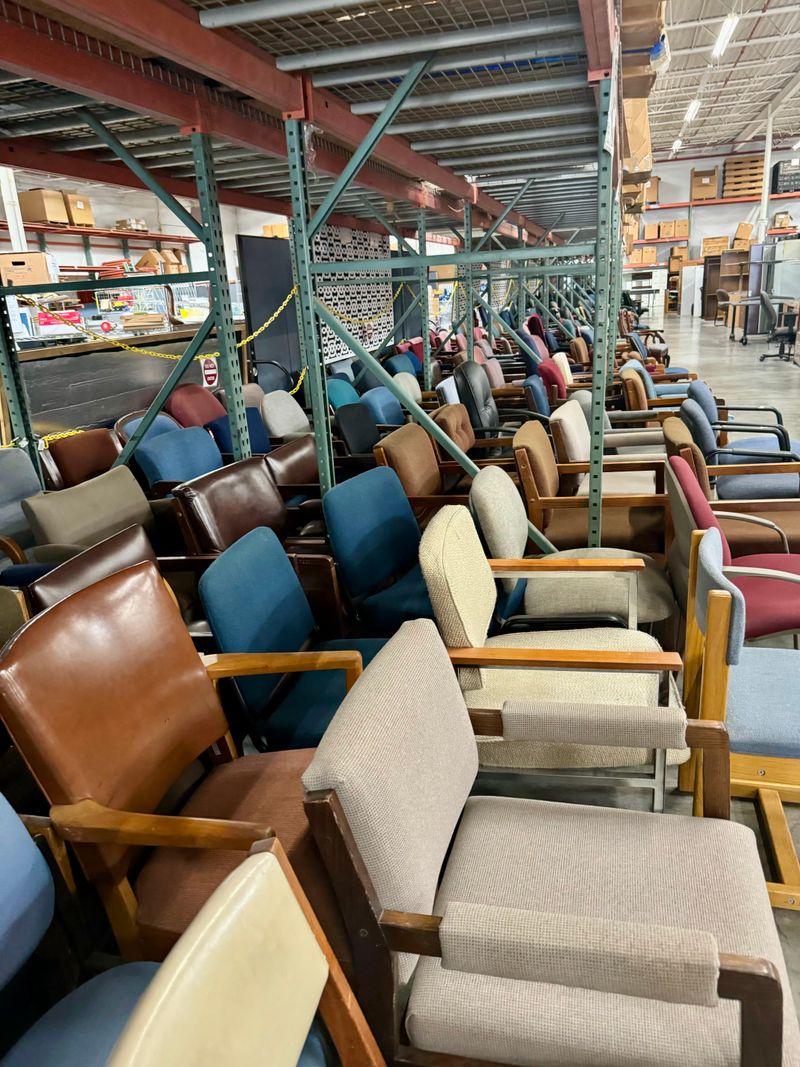
Arrive early on a weekday, ideally just after opening, when new items hit the floor. Bring a pocket flashlight for peeking into luggage and cabinet drawers.
Comfortable shoes help when you end up pacing rows longer than planned.
Carry cash or a card and keep a tote handy for small finds. Inspect electronics, zippers, and hinges with a critical eye, since condition ranges widely.
If a chair or desk matters for ergonomics, test it like you mean it.
Do not overthink rarity. If a price feels right, grab it and keep moving, because browsers multiply quickly.
Finally, be kind to staff, ask questions about item origins, and you will often get pointers toward the day’s freshest stash.
Why it exists
This storefront is the public face of a bigger reuse mission. Instead of dumping unclaimed or retired items, the state funnels them into a cost recovery loop.
You shop, the items get a second life, and the proceeds support surplus programs that keep useful gear circulating.
It is practical, thrifty, and greener than tossing workable equipment. Agencies clear space, taxpayers recoup value, and you walk out with something both cheap and useful.
Everyone wins when waste turns into opportunity.
That is why the mix looks weird at first glance. It reflects real life, not curated catalogs, and it proves how much good stuff gets stranded by travel chaos.
Buying here feels like a small vote for common sense and a circular economy that actually functions.
Local reaction


Ask around Austin and you will hear two kinds of stories. Some folks rave about five star scores on chairs, knives, and random gadgets.
Others shrug and say it looked picked over or overpriced the day they came.
Both can be true, because surplus moves in waves and timing is everything. Reviewers mention friendly staff, helpful loading crews, and rare finds tucked behind basics.
There is also the occasional gripe about pricing swings or floor monitoring that felt too intense.
If you treat it like a treasure hunt, you will enjoy the ride. Bring time, patience, and a willingness to leave empty handed today so you can win big tomorrow.
That mindset lines up perfectly with what regulars already know and love.
What to expect on a visit
Expect crowds that ebb and flow, especially right after opening. You will see bins of sharp things, rows of travel gear, and clumps of bargain hunters comparing finds.
Staff can explain where a batch came from and why prices look the way they do.
Condition varies wildly. Some pieces are beat up, while others look nearly new, especially office gear that rotated out during renovations.
If you are picky, you will still find winners, but it can take time.
Bring a plan, a budget, and a little curiosity. The best trips mix practical scores with a surprise you did not know you needed.
Walk out with a desk, a quirky umbrella, and a story about the wildest bin you have ever rummaged.
How to get there, address and hours
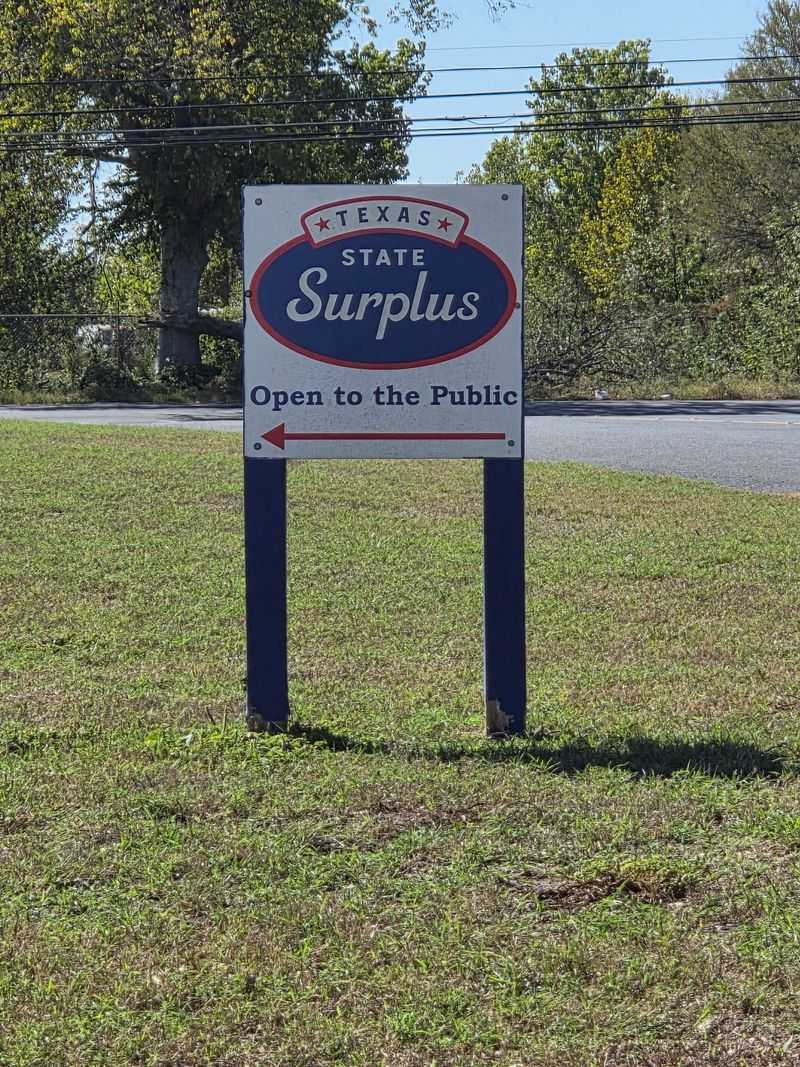

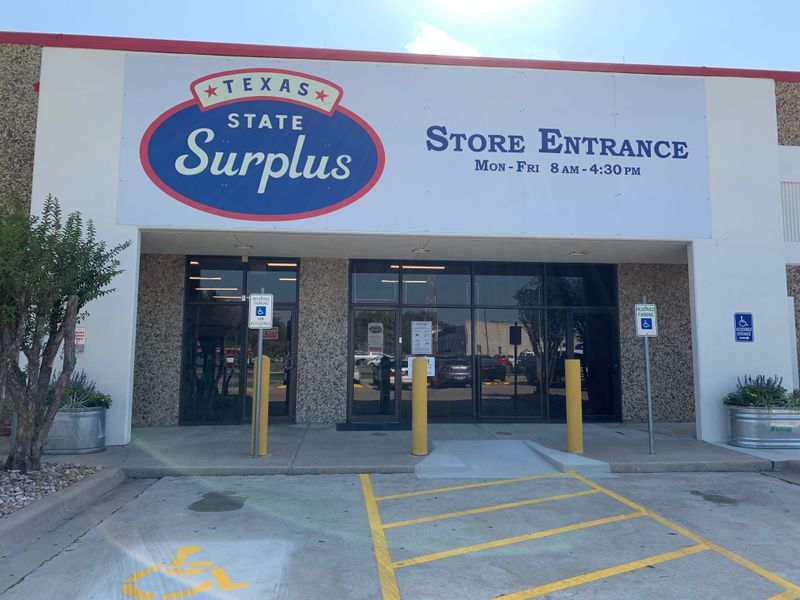
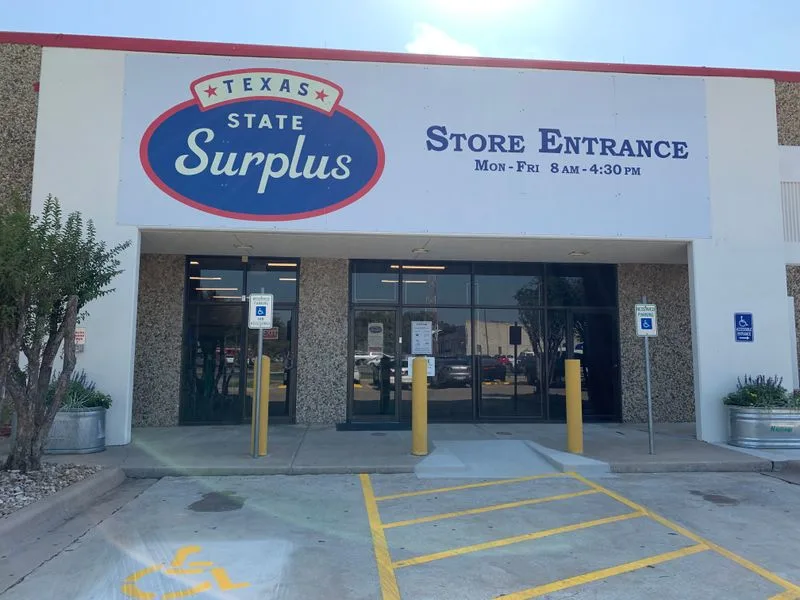
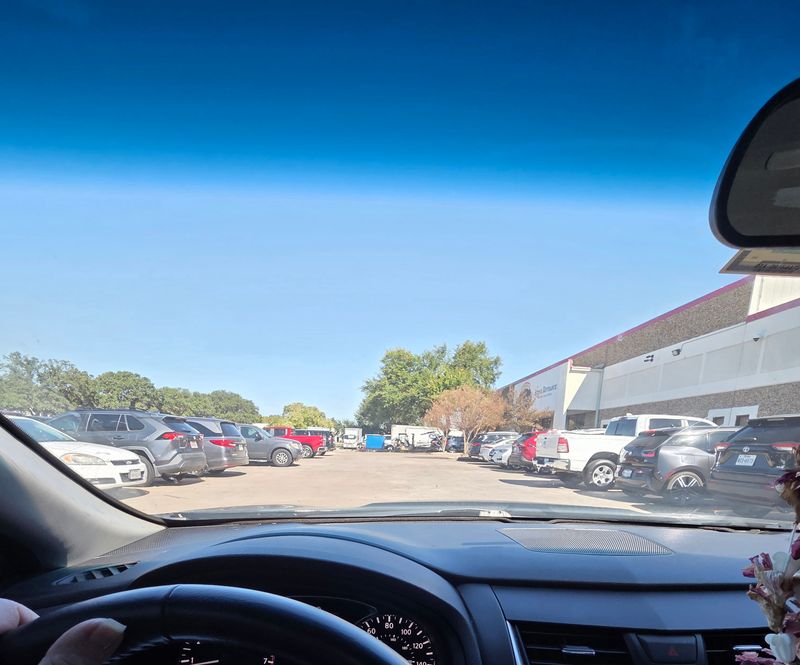
Set your map to State Surplus Store, 6506 Bolm Road, Austin, Texas 78721. It sits in East Austin near industrial neighbors, with straightforward parking and a warehouse style entrance.
The vibe outside matches the inside: practical, unpretentious, and busy on weekdays.
Hours run Monday through Friday from 8 AM to 4:30 PM, so plan a daytime visit. Call (512) 463 1990 for current details, closures, or special viewing rules.
You will want to arrive early if you are chasing fresh stock.
Once inside, grab a cart if you are eyeing furniture or heavier finds. Keep your phone handy for quick checks, but trust the tag when a deal feels obvious.
The round trip is simple, and the savings can make the detour feel like a smart errand.
Deep dive: knives and multi tools
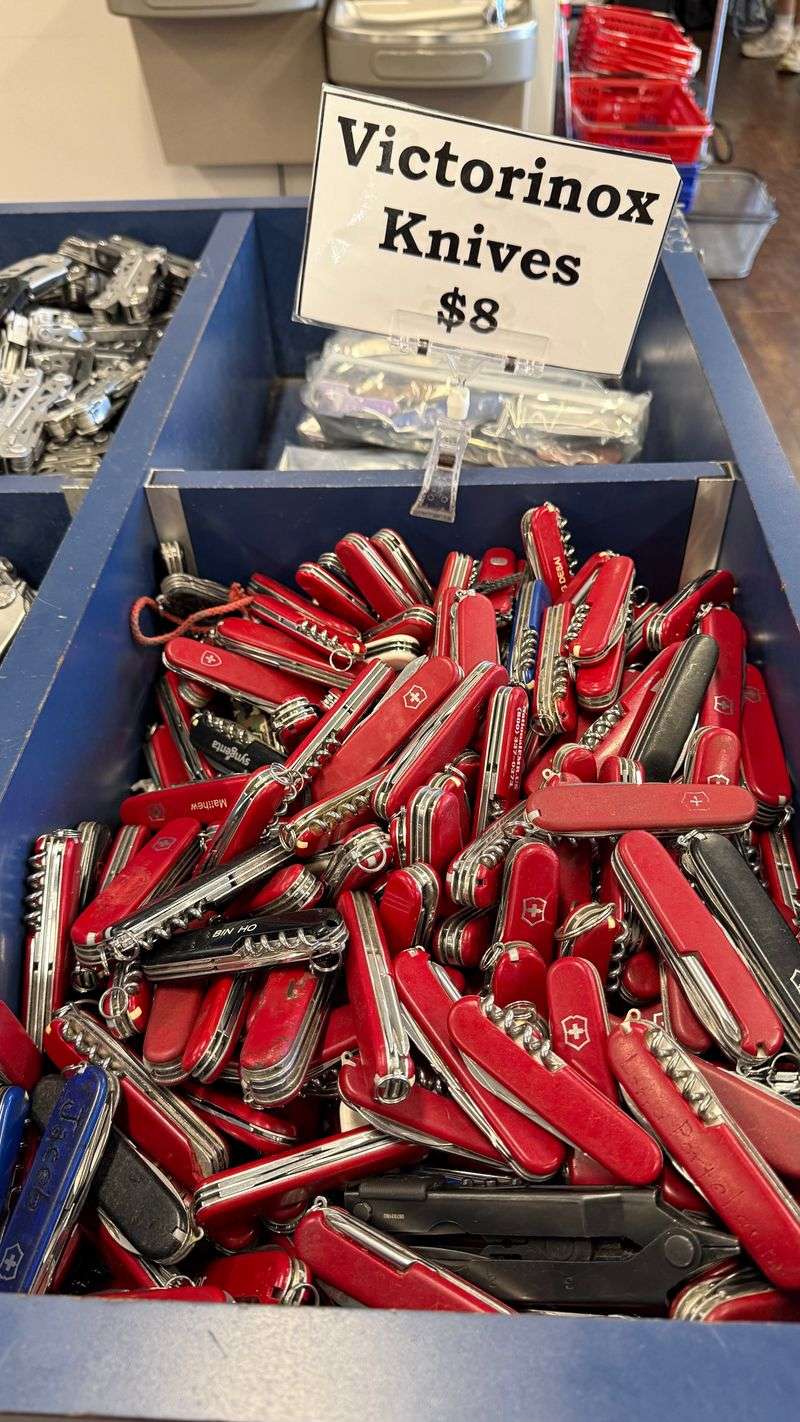
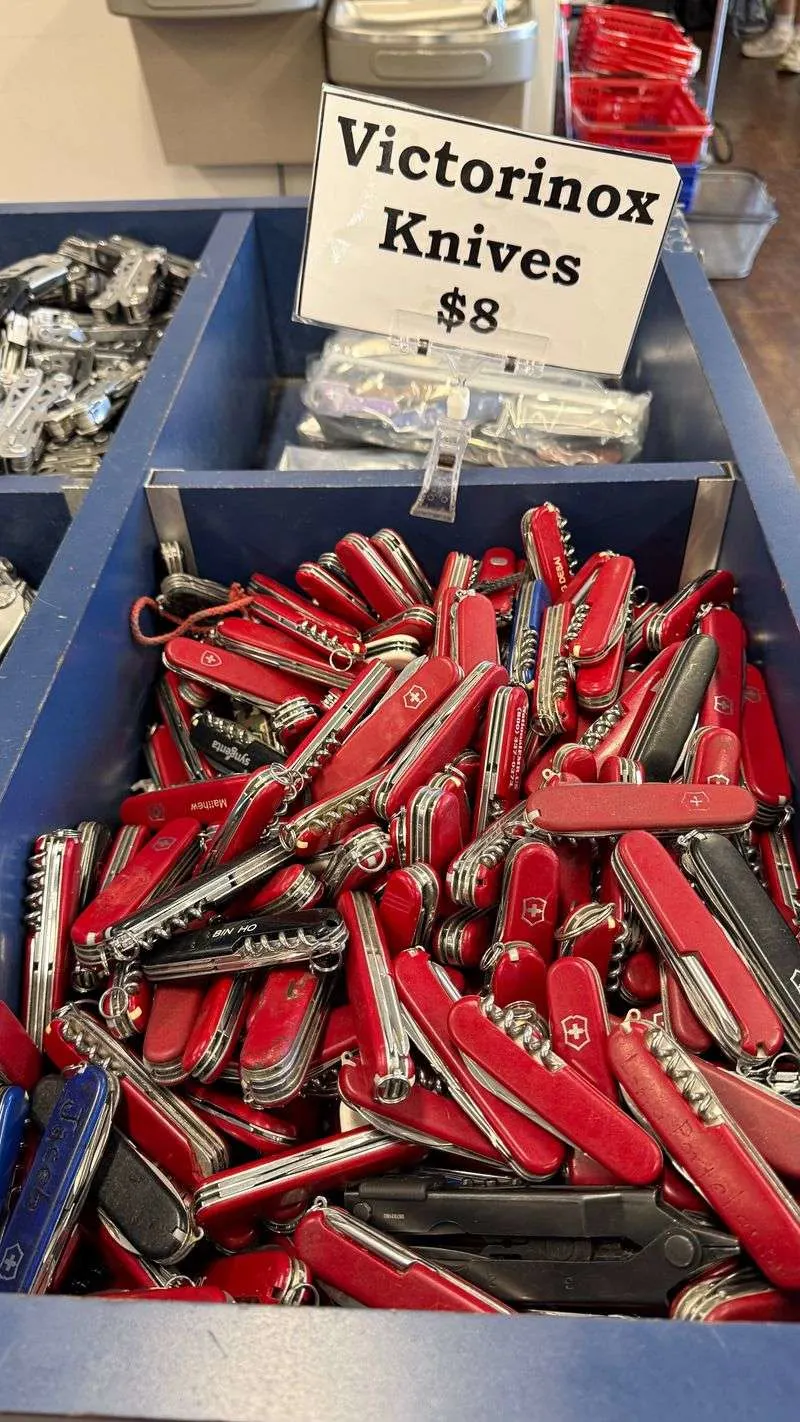
Knife bins are a crash course in traveler habits. You will find tiny keychain blades, fat multitools, and sleek folders that look barely used.
Condition swings, so check pivots, locks, and rust before committing.
Prices are all over the map but still tend to beat retail for recognizable brands. Some days are gold mines, others feel picked clean, which is part of the fun.
If you love EDC gear, bring patience and a keen eye for functional mechanics.
Gloves help when digging deep, and a small cloth lets you test edge alignment safely. Ask staff if a new batch just landed, then scan for pocket clips and torx screws.
With timing, you will walk out with a durable tool that tells a very airport story.
Furniture and office scores
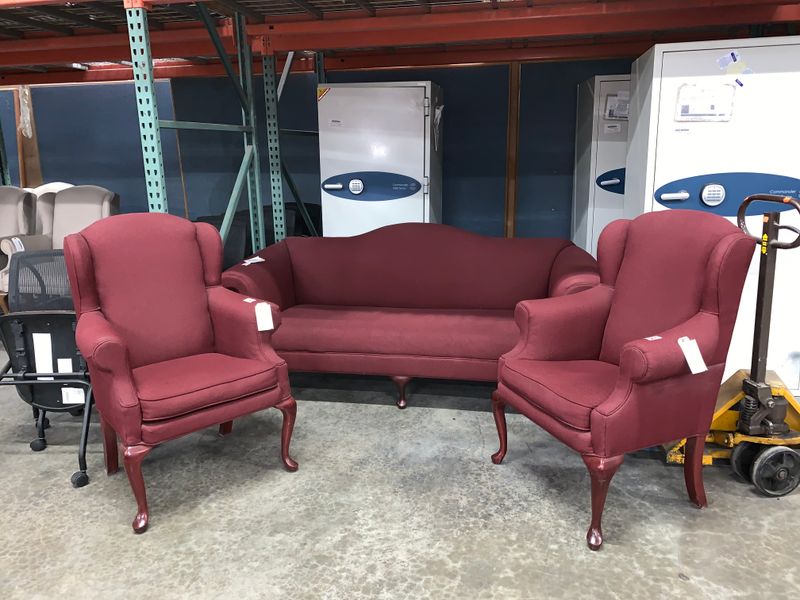
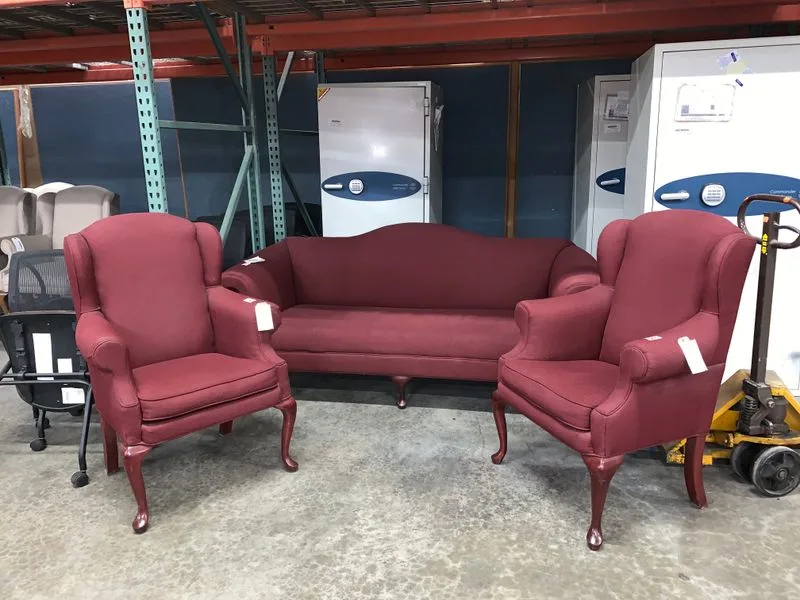
If practical wins your day, head straight to furniture. Rows of office chairs range from basic task models to surprisingly comfortable finds.
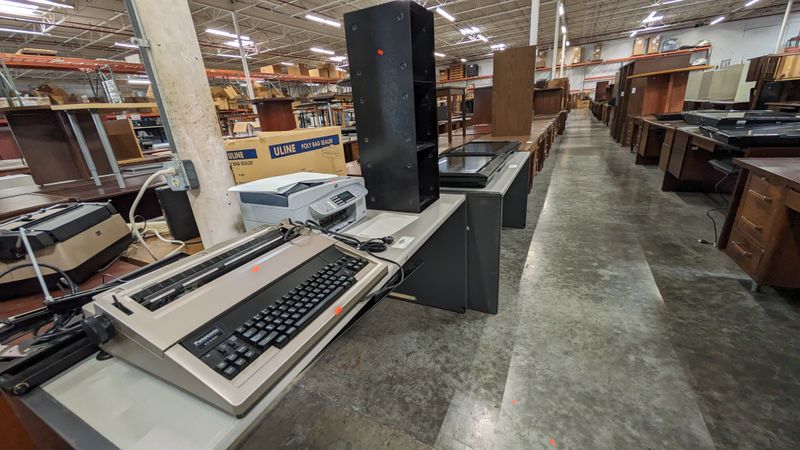
Filing cabinets, desks, and mats line the aisles, often priced to move faster than new big box options.
Test every drawer, tilt, and lever, because condition and ergonomics matter. A wobbly chair is never a bargain, and a smooth glide cabinet will make you smile every workday.
Staff can help load heavier pieces and point out incoming pallets.
Monitors, anti fatigue mats, and tabletop risers appear in waves. The best strategy is simple: measure your space, set a budget, and act fast when the right piece shows up.
Your home office will thank you, and your wallet will barely notice the dent.
Your first 30 minutes plan
Start with a fast lap to spot fresh carts and new pallets. Tag furniture first because big pieces vanish quickly, then loop back for smalls.
Keep one hand free for rummaging and the other for holding a shortlist.
Hit the knife and gadget bins next, scanning for obvious quality like solid clips and clean hardware. Check luggage zippers and wheels, then open every pocket.
Small electronics deserve a quick cable test if possible, or at least a visual pass.
By minute twenty, decide on your anchor item and commit. Grab a chair, a cabinet, or that perfect travel carry on.
Spend the final minutes re checking prices, then head to checkout confident you squeezed the most from a fast visit.