
North Carolina offers incredible experiences that rival expensive destinations without the hefty price tag.
From misty mountain peaks to pristine coastal beaches, the Tar Heel State delivers world-class natural beauty, cultural attractions, and historic landmarks that feel luxurious but remain surprisingly affordable.
Whether you’re planning a weekend getaway or exploring your own backyard, these budget-friendly adventures prove you don’t need to spend a fortune to create memorable moments and enjoy high-quality experiences.
Blue Ridge Parkway Scenic Drives
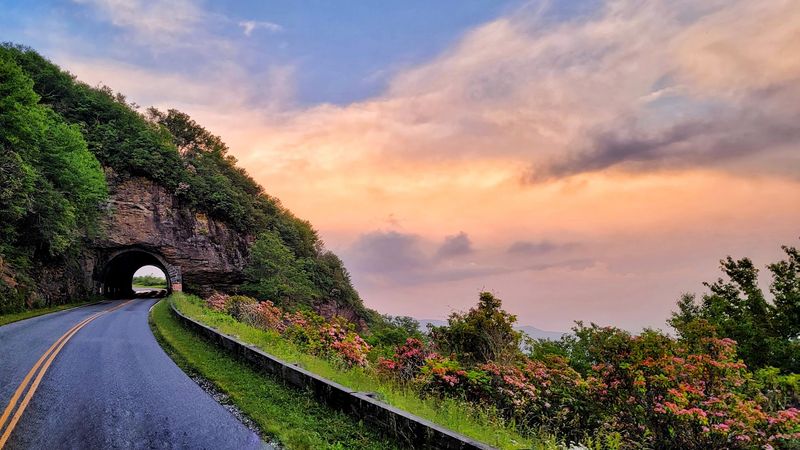
Winding through 469 miles of mountain majesty, this legendary route rivals any paid scenic tour without charging a single penny. Every curve reveals something spectacular—whether it’s fog-draped ridges at sunrise or golden valleys bathed in autumn colors.
Popular stops like Craggy Gardens burst with rhododendron blooms in June, while Linn Cove Viaduct showcases engineering elegance wrapped around Grandfather Mountain. You’ll find hundreds of pull-offs designed for leisurely exploration, complete with picnic areas and interpretive displays.
Pack a cooler and spend an entire day meandering between overlooks, enjoying million-dollar views from your car or quick nature walks. The parkway feels exclusive precisely because its slower pace prevents crowding—you can easily find stretches where you’re the only visitor soaking in the panorama.
Early morning drives offer the best visibility and wildlife sightings, including white-tailed deer and wild turkeys. Consider exploring different sections during various seasons to experience the parkway’s constantly changing character throughout the year.
Great Smoky Mountains National Park (NC Access)
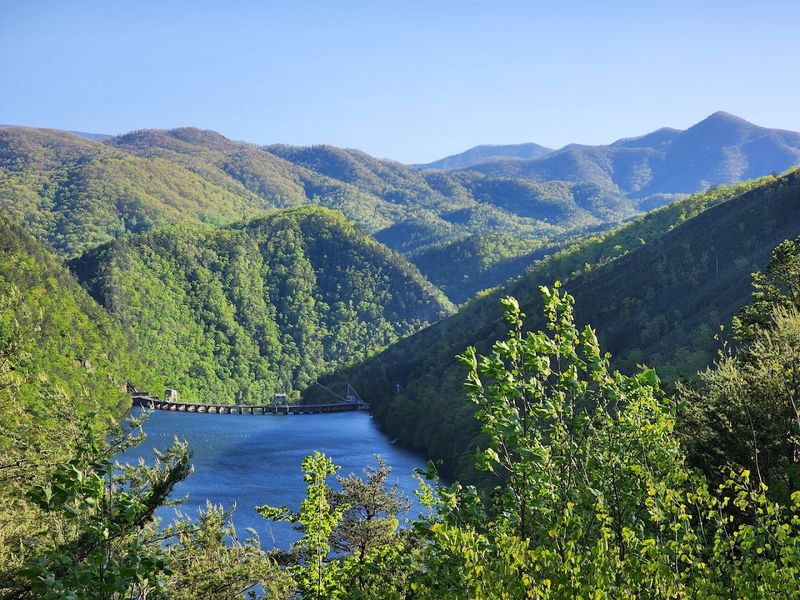
America’s most visited national park charges absolutely nothing for entry, delivering wilderness splendor that normally costs $30-35 elsewhere. Clingmans Dome rises to 6,643 feet, offering 360-degree views across five states on clear days.
The North Carolina entrances through Cherokee and surrounding areas provide access to stunning waterfalls like Mingo Falls, which plunges 120 feet through moss-covered rocks. Wildlife abounds here—black bears, elk herds, and over 200 bird species call these ancient mountains home.
Cades Cove presents pioneer history alongside natural beauty, where preserved cabins and churches tell Appalachian stories amid meadows frequented by deer and turkeys. The synchronous fireflies put on nature’s light show each June, drawing visitors worldwide for this magical phenomenon.
Whether you’re tackling challenging summit hikes or enjoying gentle riverside strolls, the park accommodates every fitness level. Free ranger programs enhance your visit with expert insights into the ecosystem’s fascinating complexity and cultural heritage.
Sarah P. Duke Gardens (Durham)
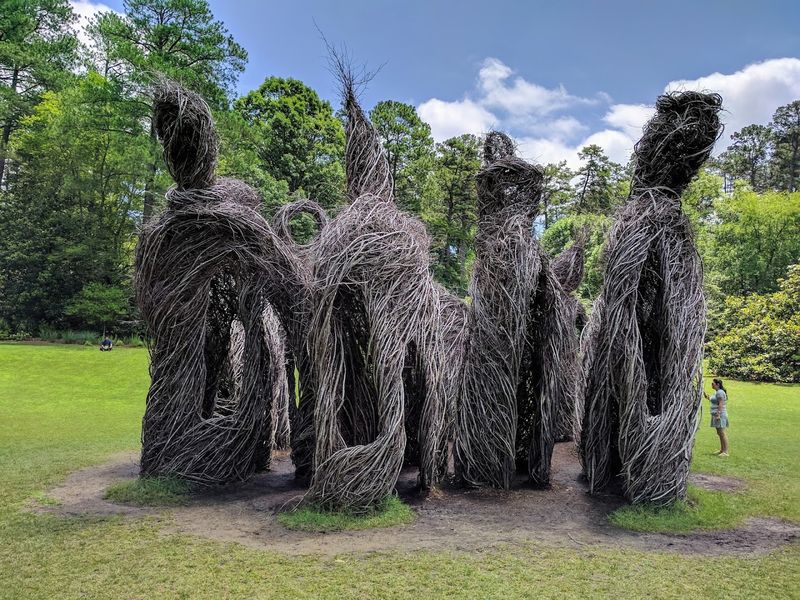
Fifty-five acres of meticulously designed gardens rival the private estates of Newport mansions, yet admission costs nothing. Stone terraces cascade down hillsides, connecting distinct garden rooms that showcase different horticultural styles and plant collections.
The Asiatic Arboretum centers on a tranquil koi pond crossed by arched bridges, creating Instagram-worthy scenes without the crowds of commercial botanical gardens.
Seasonal displays ensure year-round beauty—spring brings thousands of tulips, summer explodes with roses, autumn showcases ornamental grasses, and winter reveals elegant structural elements.
Winding pathways invite leisurely exploration, while strategically placed benches offer rest spots for contemplation or people-watching. The gardens host free outdoor concerts during summer months, adding cultural enrichment to your natural surroundings.
Families appreciate the open lawns perfect for picnicking, while photographers find endless subjects from macro flower shots to architectural garden features.
Duke University maintains these grounds to museum standards, providing a serene escape that feels exclusive despite being freely accessible to all visitors.
North Carolina Museum of Art Park (Raleigh)
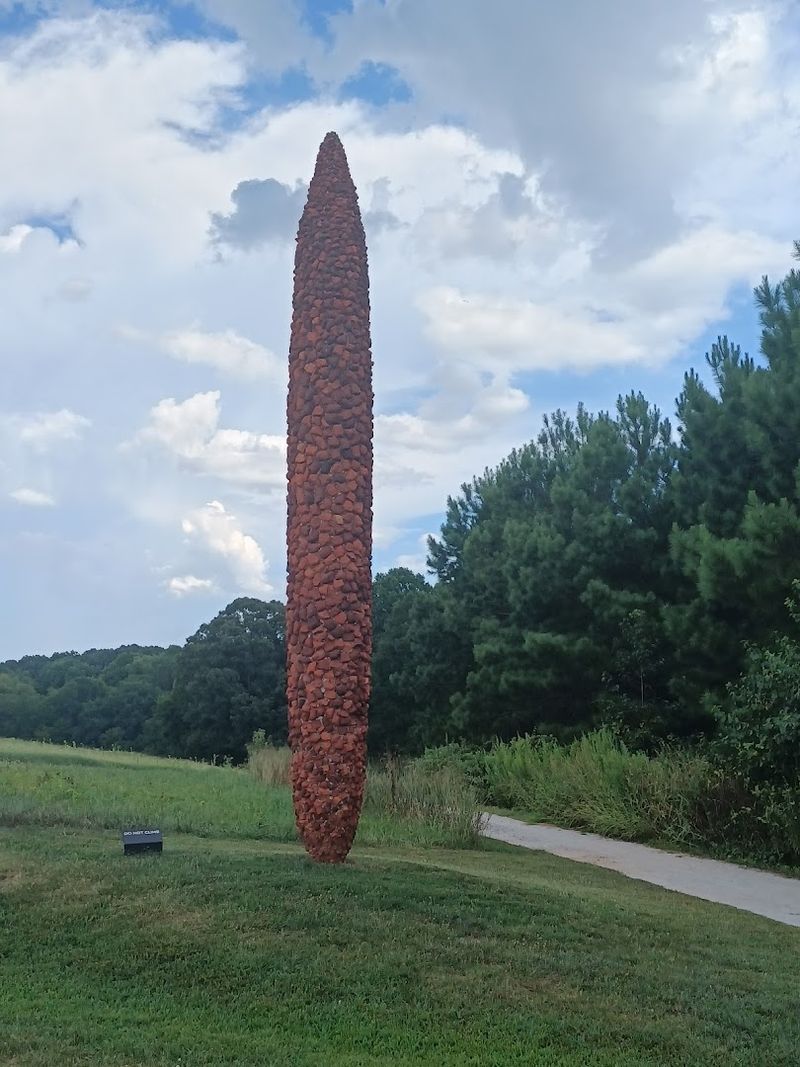
Massive sculptures dot 164 acres of rolling terrain, creating an open-air gallery that competitors would charge admission to experience. Contemporary masterpieces by renowned artists like Ursula von Rydingsvard and Thomas Sayre transform simple walks into artistic journeys that engage both mind and body.
The museum trail winds through woodlands and meadows, strategically placing installations where natural light enhances their visual impact. Unlike indoor galleries, this outdoor setting lets you approach artwork from multiple angles, encouraging physical interaction and fresh perspectives.
Families enjoy the space for recreation while absorbing culture—kids can run freely between installations, and dogs are welcome on leashes. The park hosts free outdoor movie screenings during summer, projecting films onto the museum’s exterior wall.
Bring bikes or walking shoes to cover more ground, as the extensive trail system connects to Reedy Creek greenway for extended exploration.
The combination of exercise, art appreciation, and natural beauty creates a wholesome experience that feels cultured without pretension or expense.
Wright Brothers National Memorial (Kill Devil Hills)

Standing atop Kill Devil Hill where human flight began, you’ll experience both historical significance and stunning coastal geography for just $10 per vehicle. A 60-foot granite monument crowns the dune where Wilbur and Orville changed history forever in 1903.
The visitor center houses a replica of the famous Wright Flyer, allowing close examination of the ingenious engineering that conquered the sky. Rangers provide engaging talks about the brothers’ determination, failures, and ultimate triumph over skeptics who deemed human flight impossible.
Numbered stone markers on the field below show the increasing distances of those first four flights, making aviation history tangible beneath your feet.
The elevated position offers sweeping views of the Outer Banks, connecting you to the same wind conditions the Wrights studied obsessively.
Kids love the wide-open spaces for running and kite-flying—ironic given the memorial’s purpose. The modest entry fee covers seven days, making it perfect for repeat visits if you’re vacationing nearby and want to explore different times of day.
Outer Banks Public Beaches (Nags Head & Kitty Hawk)

Miles of unspoiled Atlantic coastline stretch in both directions, offering the exclusivity of private beaches without resort prices or crowds. Unlike commercialized beach towns, these sections maintain a natural character with protected dunes and minimal development blocking ocean views.
The wide, firm sand accommodates beach activities from volleyball to kite flying, while gentle slopes make ocean access easy for all ages. Strong winds attract kiteboarders and surfers, creating dynamic scenes against the endless horizon.
Free public access points with parking dot the shoreline, so you can beach-hop to find your perfect spot. Early morning walks reveal shelling opportunities as tides deposit treasures overnight, while sunset sessions provide spectacular color displays over the water.
The absence of high-rise hotels preserves a quiet, upscale coastal atmosphere that feels intentionally exclusive.
Lifeguards patrol popular areas during summer, adding safety without sacrificing the uncrowded feel that makes these beaches special compared to typical tourist destinations that pack visitors shoulder-to-shoulder.
Linville Falls (Pisgah National Forest)
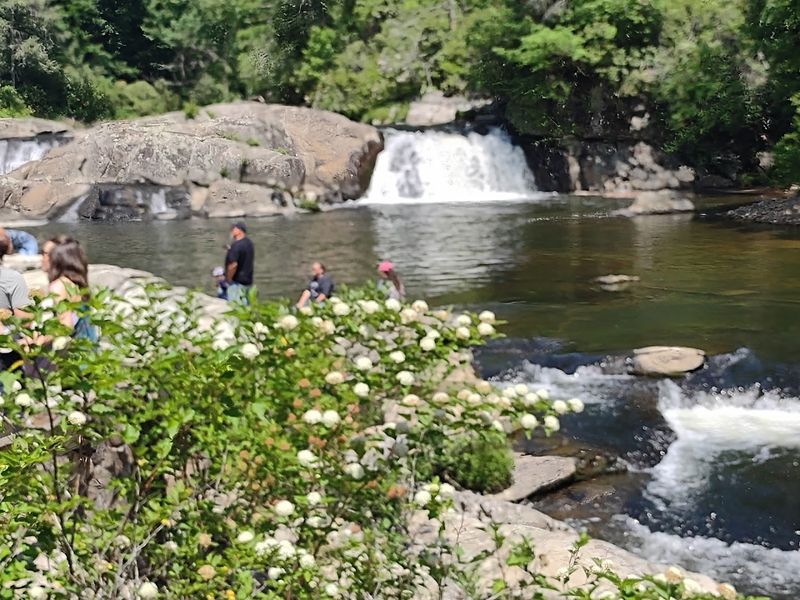
Thundering water plunges through a rugged gorge, creating one of the Blue Ridge’s most photographed natural wonders. Short hiking trails—ranging from easy to moderate—lead to multiple overlooks, each revealing different perspectives of the three-tier cascade.
The Erwins View Trail delivers the most dramatic vantage point, where the falls drop 90 feet into a boulder-strewn basin before continuing downstream. Mist rises from the impact zone, creating rainbows on sunny afternoons that add magic to an already spectacular scene.
Unlike resort waterfalls with entry fees and crowds, Linville Falls maintains a wilderness character with minimal infrastructure. The surrounding forest provides shade and birdsong, making the hike feel like a nature retreat rather than a tourist attraction.
Picnic areas near the trailhead allow for leisurely visits, turning a quick waterfall stop into a half-day mountain escape.
Spring runoff creates the most powerful displays, while autumn frames the falls with vibrant foliage that doubles the visual impact and photographic opportunities available.
River Arts District (Asheville)

Former industrial buildings along the French Broad River now pulse with creative energy as 200+ artists maintain working studios open to visitors. You can watch glassblowers shape molten material, potters throw clay, and painters create canvases—all without admission charges or appointment requirements.
The warehouse aesthetic provides raw, authentic spaces where art happens in real-time rather than being simply displayed. Many artists welcome conversation about their techniques and inspiration, offering personal connections impossible in traditional museums or commercial galleries.
Prices range from affordable prints to investment pieces, but browsing costs nothing and provides cultural enrichment comparable to paid art districts nationwide. Galleries cluster within easy walking distance, creating a self-guided tour through diverse artistic styles and mediums.
Second Saturday evenings bring special receptions with music and demonstrations, transforming the district into a festive community gathering.
The revitalized area combines Asheville’s creative reputation with accessible, down-to-earth experiences that feel sophisticated without pretension or exclusivity barriers that price out average visitors.
Hanging Rock State Park
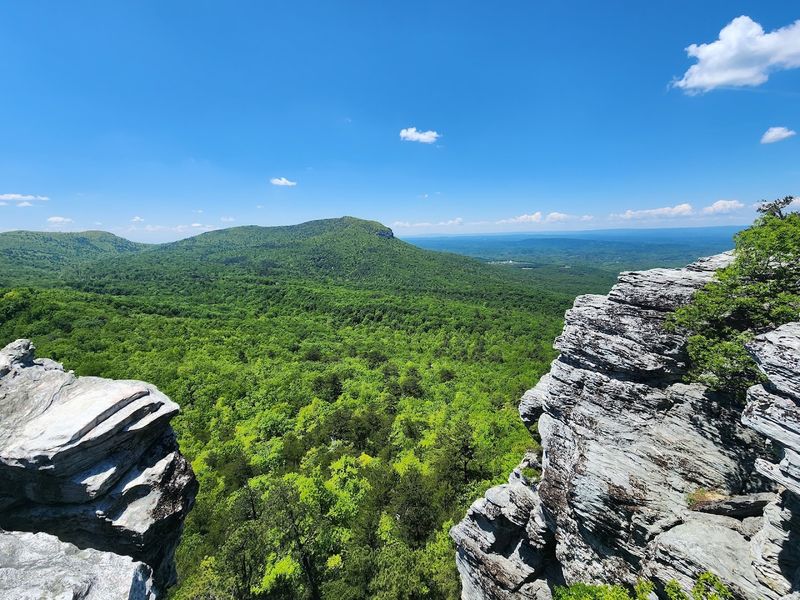
Quartzite cliffs rise dramatically from surrounding forests, creating a mountain playground that rivals expensive adventure destinations. The namesake peak requires a moderately challenging climb but rewards hikers with 360-degree views spanning multiple counties.
Hidden Falls and Window Falls provide waterfall experiences within the same park, adding variety to your visit. Swimming is permitted at the lake during summer, offering refreshing relief after summit hikes in the humid Piedmont climate.
Rock formations create natural viewing platforms perfect for contemplative moments or dramatic photos. The park’s location between the mountains and coast means fewer crowds than western parks, yet the scenery and trail quality match more famous destinations.
Camping facilities allow overnight stays that extend your adventure without hotel costs. A small parking fee—typically under $10—grants full-day access to all trails, waterfalls, and overlooks, making it exceptionally affordable compared to theme parks or commercial attractions.
The rugged terrain feels adventurous and remote, delivering a true wilderness experience despite being relatively close to major population centers like Winston-Salem and Greensboro.
Wilmington Riverwalk
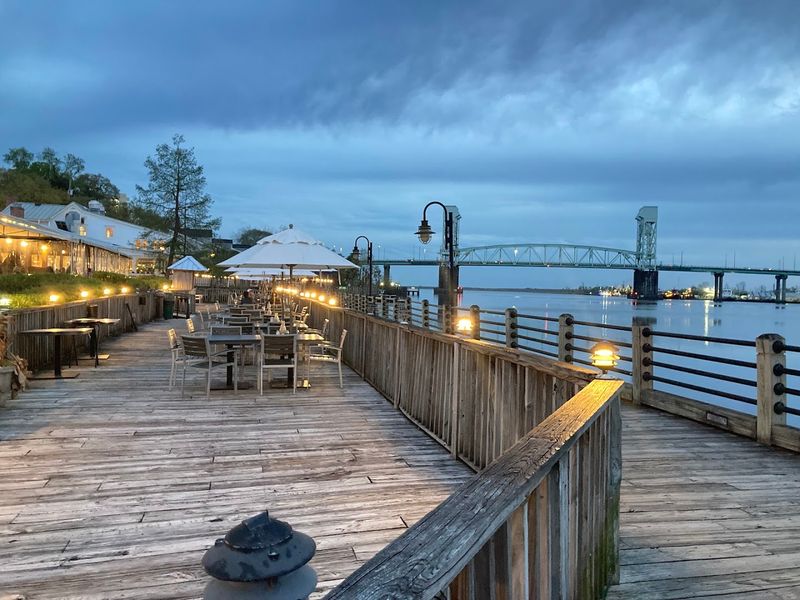
A mile-long boardwalk traces the Cape Fear River through downtown, delivering waterfront ambiance similar to expensive harbor towns but completely free to enjoy. Historic buildings house restaurants and shops, while the river itself remains the main attraction with constant maritime activity.
Benches positioned at regular intervals invite you to pause and watch boats navigate the channel or simply absorb the coastal city atmosphere. Street performers and artists often set up along the walk, adding entertainment without requiring payment unless you choose to tip.
The connection to historic downtown Wilmington means you can easily combine riverwalk strolls with exploring antebellum architecture and charming side streets. Evening visits offer sunset views over the water and twinkling lights reflecting off the river’s surface.
While tempting restaurants line the route, picnicking is also welcome, allowing budget-conscious visitors to enjoy the setting without mandatory dining expenses.
The polished, well-maintained boardwalk feels deliberately upscale, creating an atmosphere of sophistication that belies its accessibility to all visitors regardless of economic means.
Chimney Rock State Park (Lake Lure Area)
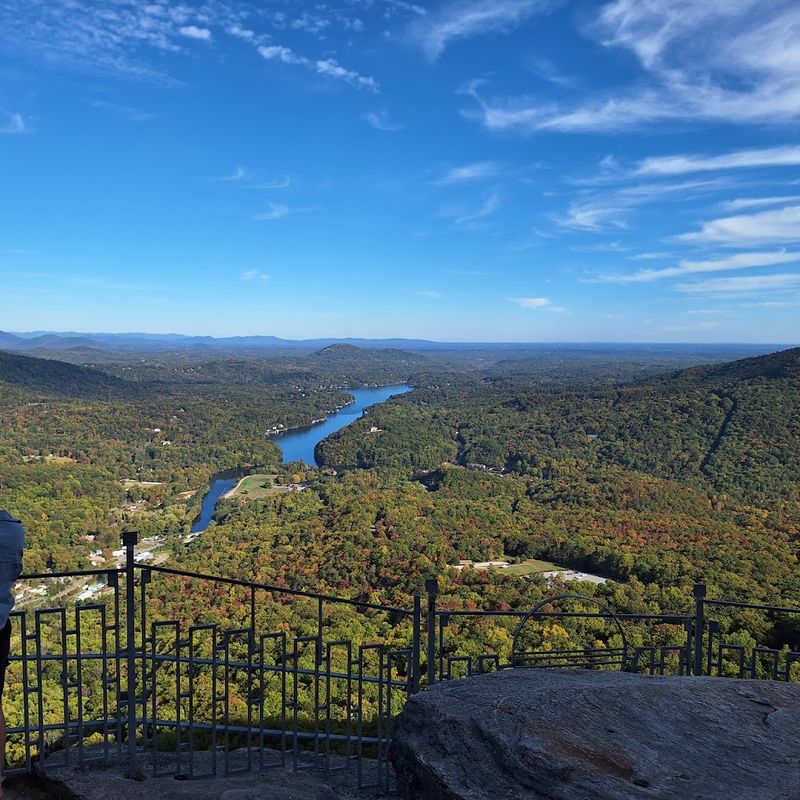
A 315-foot granite monolith punches through the forest canopy, providing cinematic views that appeared in The Last of the Mohicans and Dirty Dancing. An elevator tunneled through the mountain makes the summit accessible to visitors of all mobility levels—a luxury feature rarely found at natural attractions.
From the top, Lake Lure shimmers below while mountain ridges extend to the horizon in every direction. The $17 adult admission includes access to multiple trails, including a route to 404-foot Hickory Nut Falls, one of the tallest waterfalls east of the Mississippi.
The dramatic landscape feels larger-than-life, almost artificially perfect in its composition. Rock formations create natural viewing platforms and photo opportunities that influencers dream about.
The park’s proximity to charming Lake Lure village allows you to combine natural beauty with small-town exploration.
Despite being a paid attraction, the comprehensive experience—elevator access, multiple trails, waterfall, and summit views—provides exceptional value that justifies the modest cost compared to what you receive.
Morehead Planetarium and Science Center (Chapel Hill)

NASA astronauts trained here before moon missions, and today’s visitors experience the same facility that prepared space pioneers. The historic dome presents immersive astronomy shows that transport audiences beyond Earth using cutting-edge projection technology.
Exhibits explain celestial mechanics, space exploration history, and current astronomical discoveries through interactive displays suitable for all ages. The affordable admission—typically under $10—provides a full afternoon of educational entertainment that commercial planetariums charge double or triple to experience.
Located on UNC’s campus, the facility maintains academic standards while remaining accessible to the general public. Shows rotate regularly, so return visits offer new content rather than repetitive presentations.
The combination of historic significance and modern programming creates unique appeal that pure entertainment venues cannot match. Special events like telescope viewings and guest lectures from university astronomers extend the learning beyond the dome shows.
Children leave inspired about space and science, while adults appreciate the intellectual stimulation and quality production values that rival much more expensive science centers in major metropolitan areas across the country.