More than a century ago, rich guests at a fancy St. Augustine hotel did cannonballs into a huge indoor pool.
Today, people sit in that same pool and eat lunch. Nobody needs a swimsuit, and the deep end now holds tables with white tablecloths instead of water.
It sounds like a tall tale, but it is a real spot in Florida’s oldest city, and it still pulls in crowds every day of the week.
The story mixes a railroad tycoon, a Chicago publisher who loved collecting things, and a building that nearly faded away before getting a second life.
Few places in Florida serve lunch with such an unexpected backstory, and the experience is just as memorable as the history behind it.
Where the Pool Party Moved Indoors
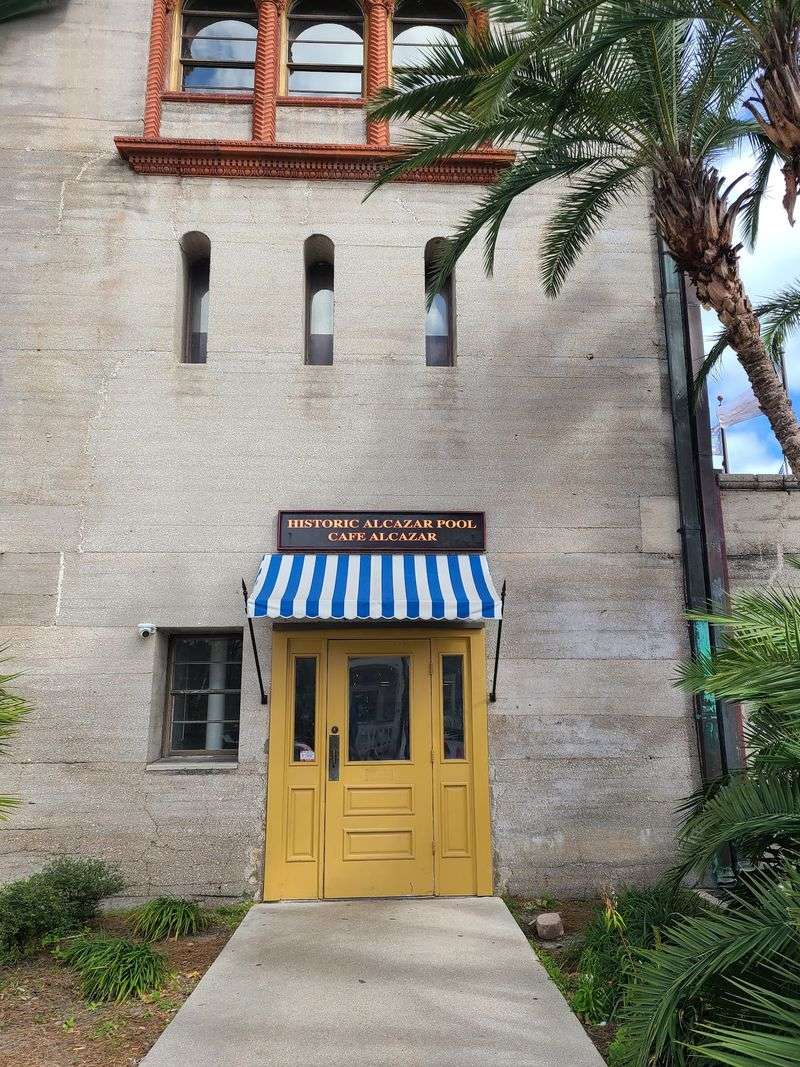
Finding the cafe is easier than finding a parking spot downtown, and that is saying something. Café Alcazar sits at 25 Granada St, St. Augustine, FL 32084, United States.
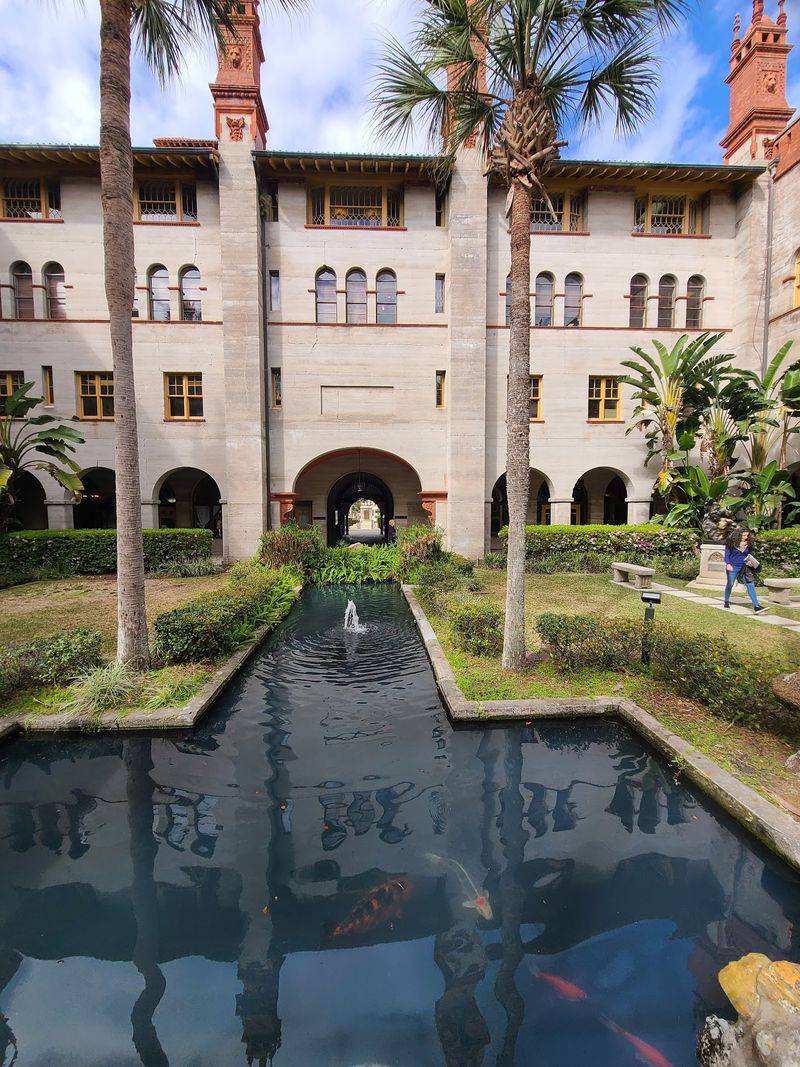
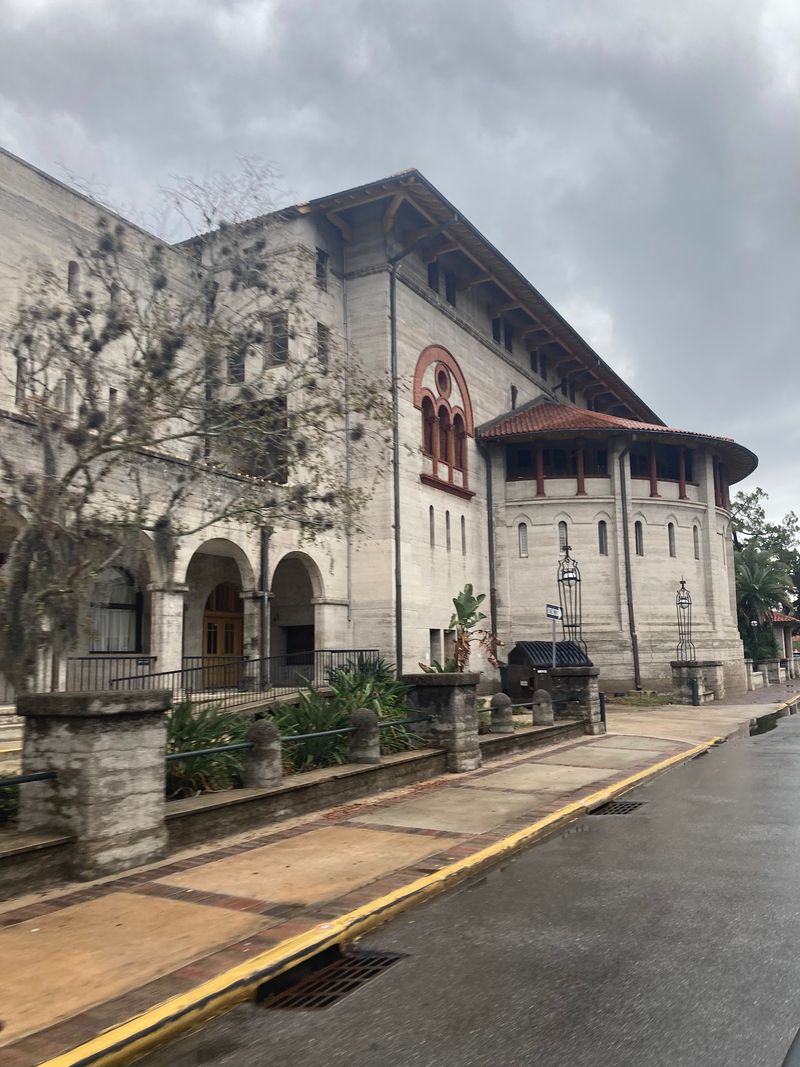
The restaurant lives inside the Lightner Museum, the grand building across from Flagler College in the heart of the historic district. Its Spanish Renaissance Revival towers make it hard to miss from the street.
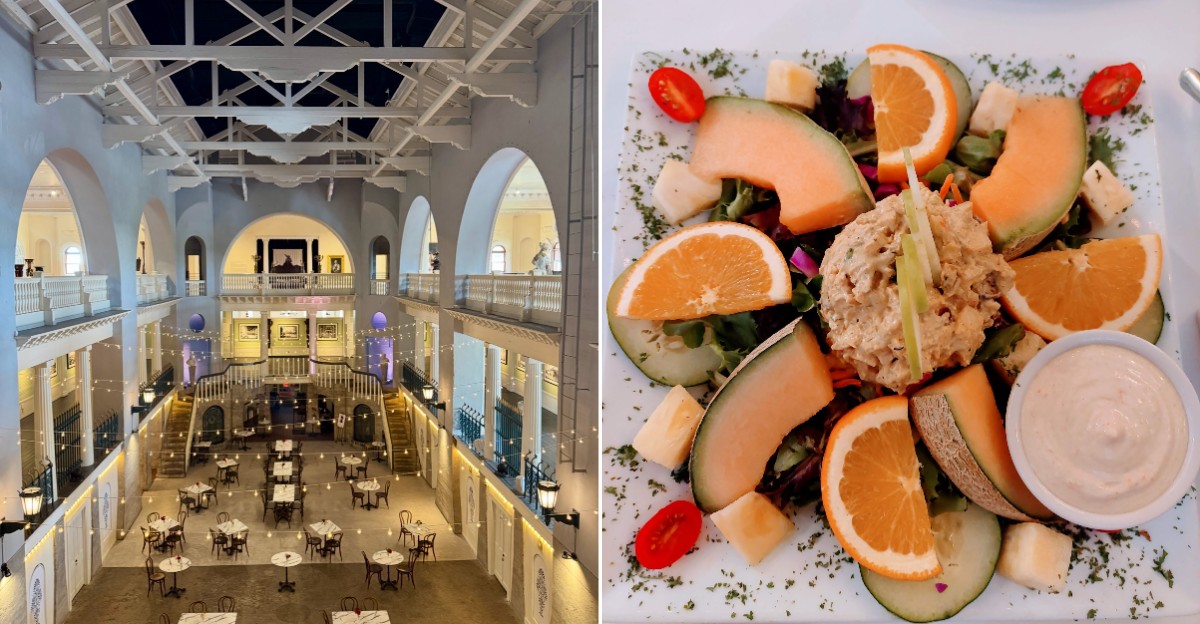
The dining room is tucked in the lower level of the building. That is exactly where the old indoor pool once sat, so guests head down instead of up to reach their table.
Plenty of people stumble onto it while strolling the old city streets. Others plan their whole afternoon around it, and both approaches work fine.
The location makes it simple to pair lunch with a walk through downtown. Shops, historic churches, and the old college campus are all a short stroll away.
Once inside, the real surprise is waiting below. The next part of the story explains how that pool came to be in the first place.
A Railroad Tycoon’s Big Splash
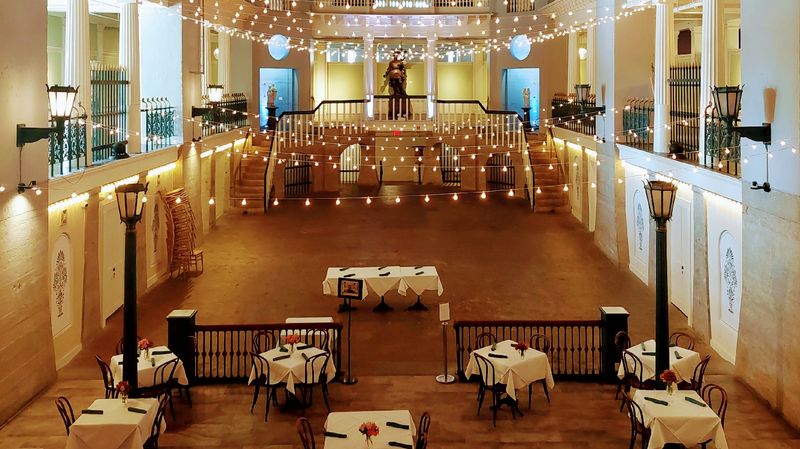
Henry Flagler had big dreams for Florida in the 1880s. The oil and railroad giant wanted St. Augustine to become a winter playground for wealthy Americans.
To make that happen, he built the Hotel Alcazar, which opened in 1888. It sat across the street from his even fancier Hotel Ponce de Leon, which is now part of Flagler College.
The Alcazar was meant to be the fun one. It offered spa services, steam baths, a gym, and the star of the show, a giant indoor swimming pool.
Back then, the pool was one of the largest indoor pools in the world. Guests could swim, splash, and watch others from balconies above.
That was a pretty big deal at a time when most homes did not even have running water. Flagler clearly liked to make a statement.
The Gilded Age was all about showing off, and this hotel did it well. Its pool would eventually get a surprising new job, though nobody saw that coming back then.
From Swim Lanes to Lunch Tables
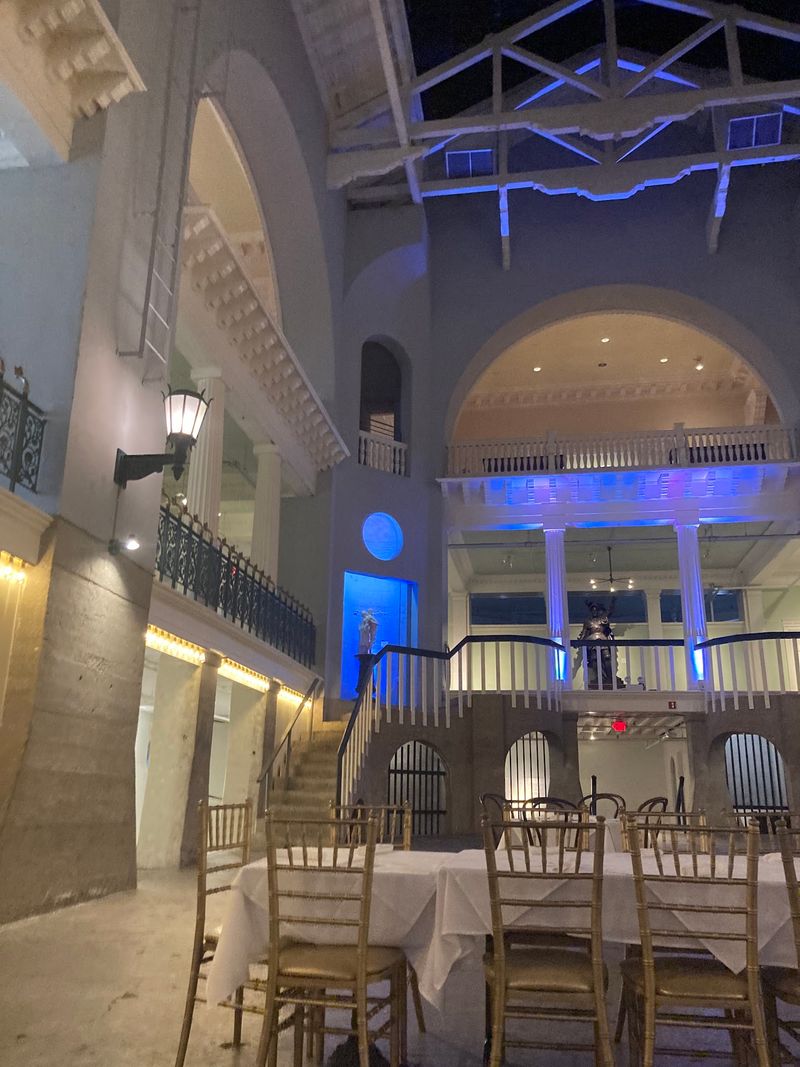
Good times do not last forever, even for grand hotels. The Hotel Alcazar closed in 1932 during the Great Depression, and the building sat quiet for years.
Then, in 1947, Chicago publisher Otto C. Lightner purchased the former hotel and gave the historic building a new purpose.
He turned it into a museum to show off his massive collection of objects from the Gilded Age.
The museum opened in 1948. Later, the empty pool area was put to new use, and today Café Alcazar fills the old deep end.
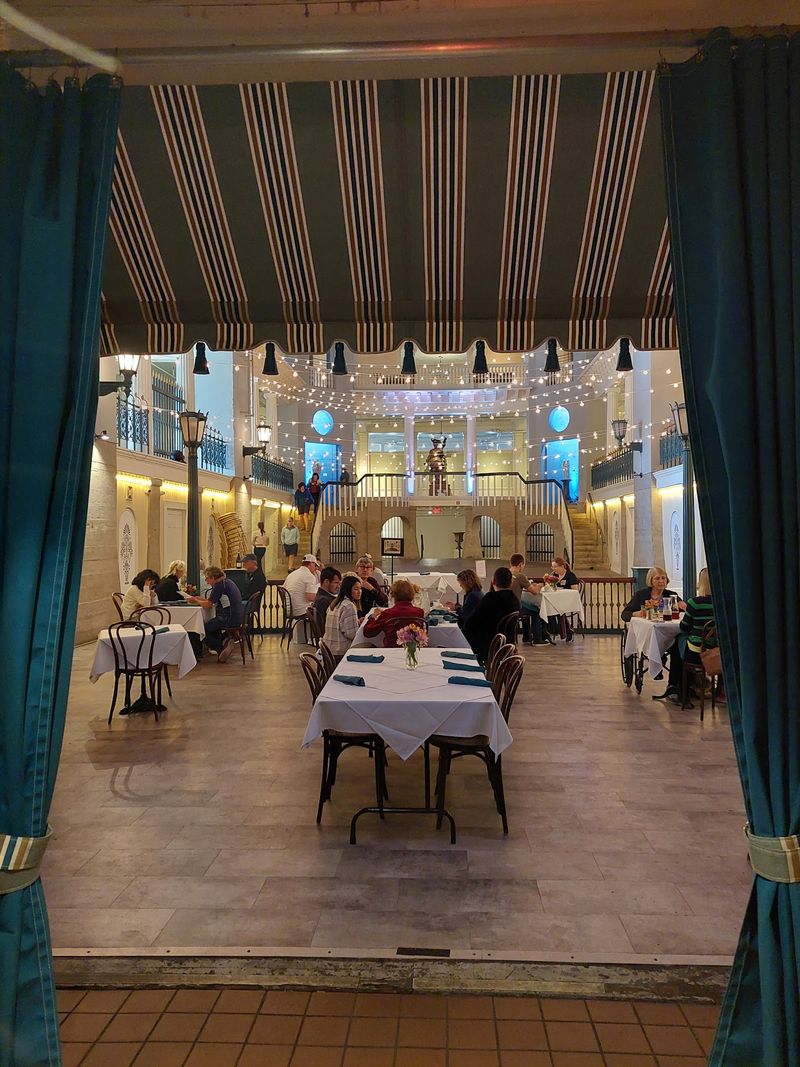
Diners literally sit where swimmers once floated. The walls of the pool are still there, and so are the balconies where spectators once watched the action.
Here is a fun way to think about it. A spot built for swimming laps now hosts people doing laps around the menu.
The space has also hosted events over the years. Some folks even say it would make a wonderful wedding venue, and it is easy to see why once you look around the room.
White Tablecloths in the Deep End
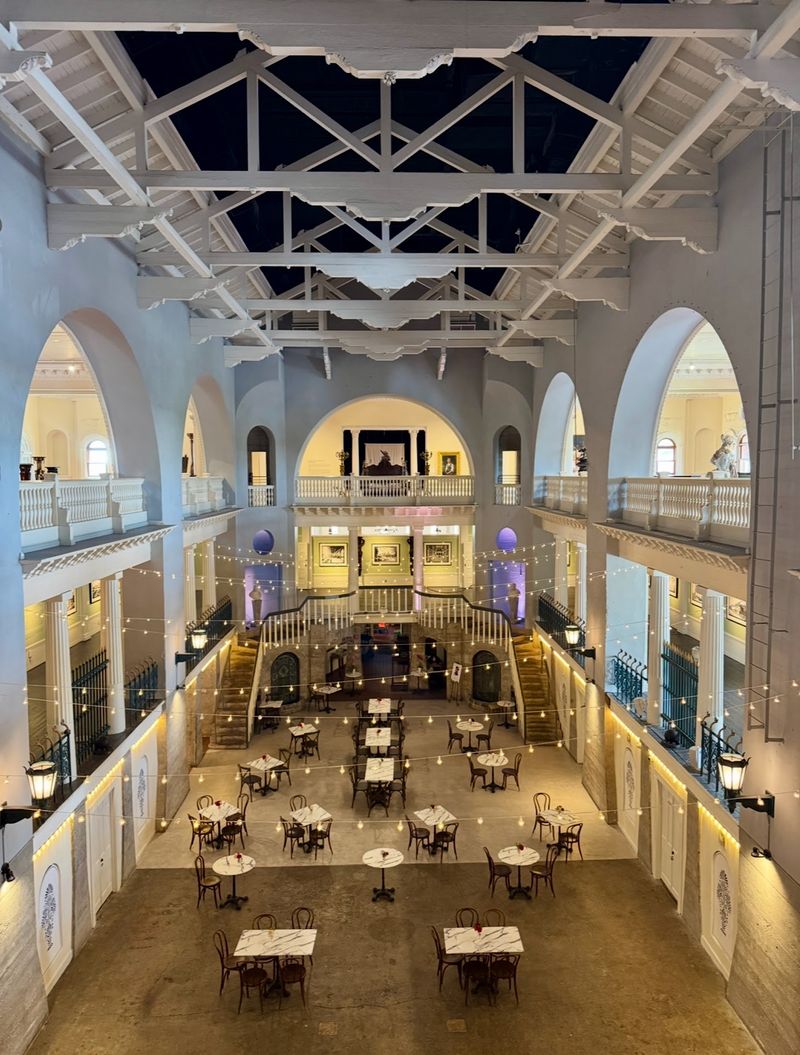
Forget plastic trays and paper napkins. Lunch here comes with white linen tablecloths, cloth napkins, and fresh flowers on the tables.
The setting feels refined but not stuffy. Families, couples, and groups of friends all fit in just fine.
Many people call it romantic, and it makes sense. The soft lighting and grand old architecture create a mood that feels special without trying too hard.
Old photos and images of the hotel’s past add to the charm. They help guests understand what the room looked like when it was full of water.
The cafe is small, with only around ten tables or so. That keeps things cozy, but it also means seats can fill up quickly.
Casual clothing works fine for a sightseeing day. Still, some folks like to dress up a little to match the classy setting.
Either way, the room does most of the talking. A plain Tuesday lunch suddenly feels like a fancy outing, which is a nice trick for a weekday.
Live Music Below the Balconies
Most lunch spots play a radio in the background. This one often brings in real musicians instead.
Live piano music is a regular part of the experience. On other days, a classical guitarist fills the room with calm, pleasant tunes.
The music is a big reason people remember their visit. It turns a simple meal into something that feels like a small event.
The performers keep things relaxed. Conversations can still happen easily at the table, which matters when catching up with friends or family.
A tip worth knowing: the music schedule can change. Calling ahead or checking the website can help anyone hoping to catch a performance.
Kids often enjoy watching the musicians play up close. It can be a fun way to introduce young ones to piano or guitar without a concert ticket.
Old ballroom style meets lunchtime ease here. Swimmers once made the noise in this room, and now the sound comes from strings and keys.
What Lands on the Lunch Menu
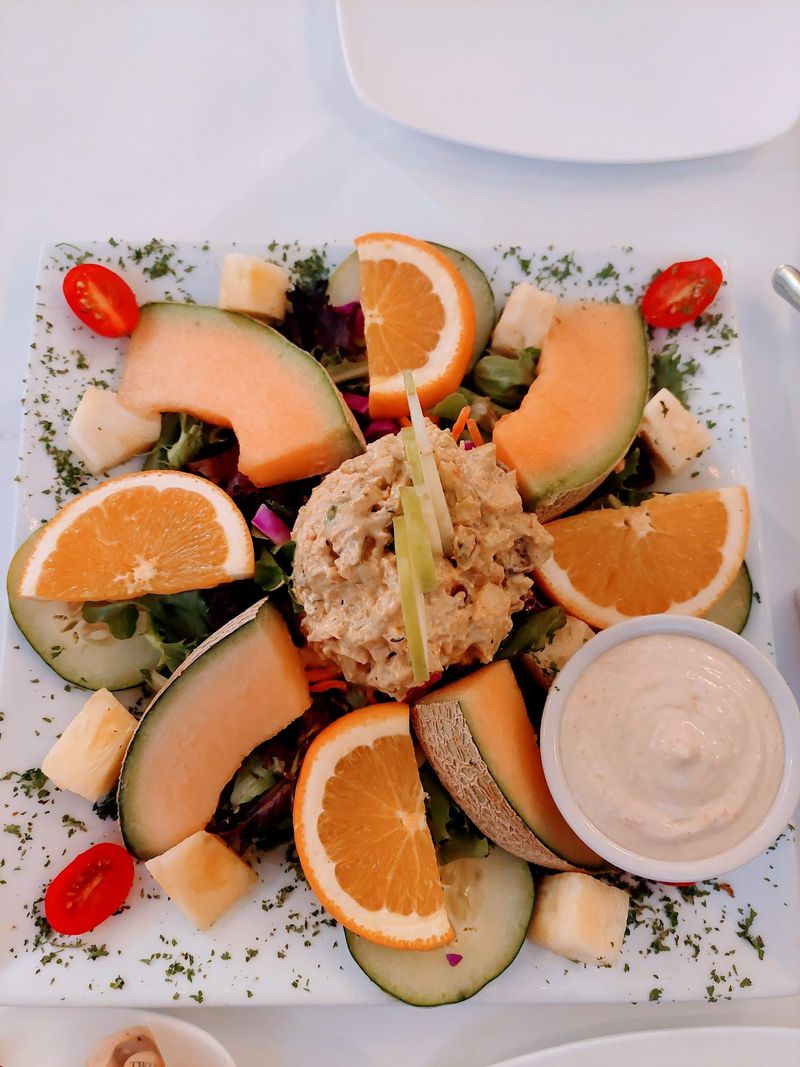
Expect New American cooking with some French touches. The menu is fairly small, but it covers a nice mix of options.
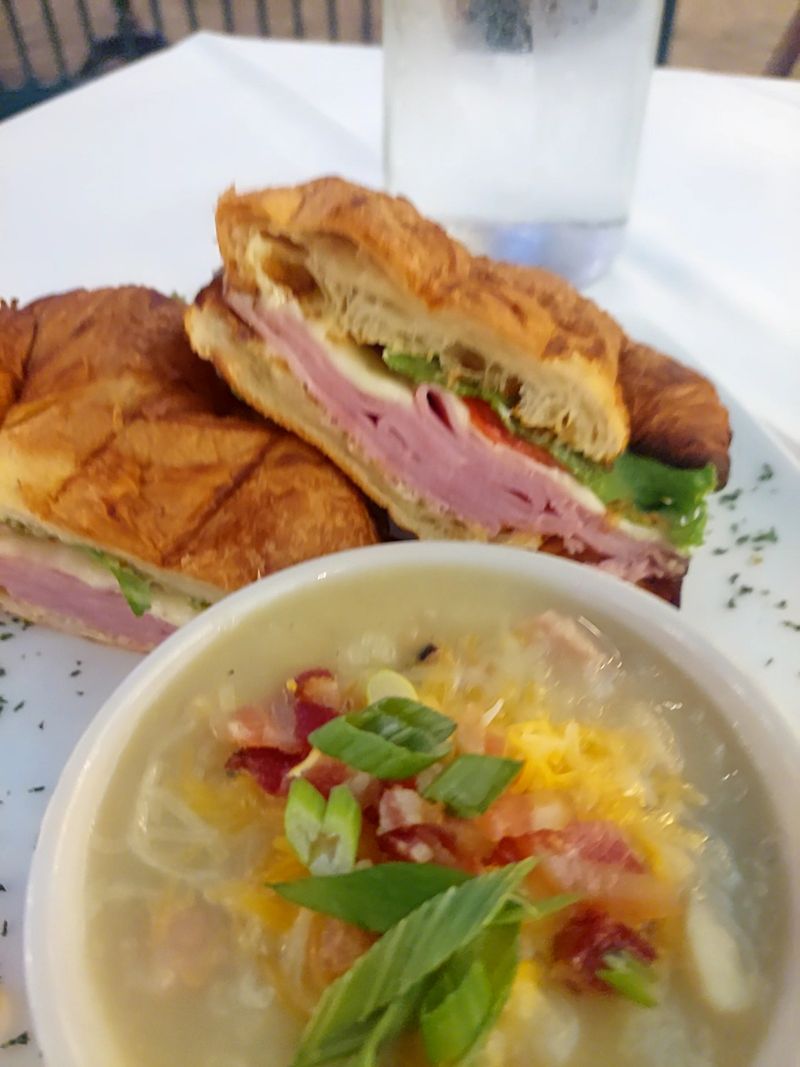
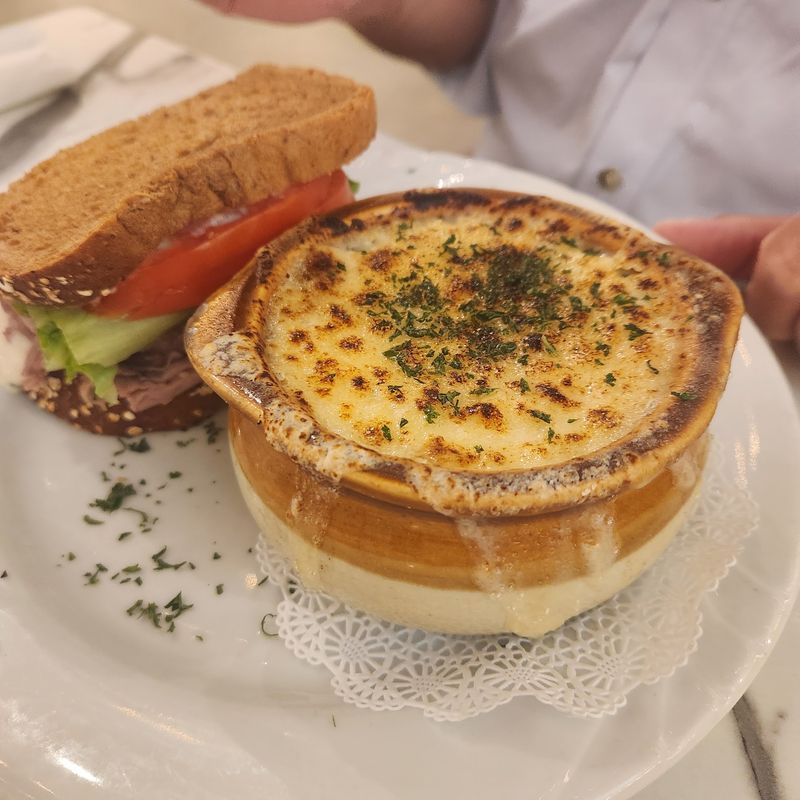
Soups, salads, sandwiches, paninis, pasta, and a few seafood choices usually show up. Desserts round things out for anyone with room left over.
Combo lunches are a popular pick. Guests can pair a cup of soup or a salad with half a sandwich, which works well for lighter appetites.
Picky eaters can usually find something too. The variety makes it easier for groups with different tastes to all leave happy.
Plates arrive nicely arranged, with attention paid to how things look. It fits the elegant room.
Menus can change over time, especially when kitchen staff changes. Checking the current menu online before going is a smart move.
Small menus have one hidden perk. Ordering is quicker, so there is more time to look around the old pool and enjoy the music.
Only Open for the Lunch Crowd
Night owls, take note. Café Alcazar serves lunch only, and it keeps a tight schedule.
The cafe is open every day of the week from 11 AM to 3 PM. That includes weekends and Mondays, which is handy since some downtown spots close early in the week.
Four hours goes by fast. Arriving closer to opening gives more breathing room, especially on busy weekends.
The late lunch window can be tricky. Showing up at 2:45 PM might mean a rushed meal or no table at all.
Planning ahead helps a lot here. Fitting lunch into the middle of a day of sightseeing works well, since many nearby attractions stay open longer.
Holiday weekends and spring break bring bigger crowds to St. Augustine. Those are the times when timing matters most.
The short hours are part of the charm. It keeps the cafe feeling like a special midday stop rather than an all-day hangout.
Why a Reservation Saves the Day
Limited seating in a popular historic district means tables can fill quickly, which is why booking ahead is a particularly smart idea for this restaurant.
Reservations are strongly recommended, particularly between October and March, and can be made by calling the restaurant directly at 904-825-9948.
Some quieter weekdays may not need one. A summer Thursday, for example, can be calm enough to walk right in.
Still, nobody wants to stand around hungry after a morning of walking. Calling ahead removes the guesswork.
Larger groups should plan even more carefully. A party of five or more may need extra notice to be seated together.
Even with a booking, a short wait can happen. Staff usually work to get people seated as soon as possible.
Walk-ins are sometimes welcome if space opens up. Think of a reservation as a ticket to relax, since it turns lunch from a gamble into a sure thing.
No Museum Ticket Needed
Good news for budget planners. Eating at the cafe does not require buying a ticket to the Lightner Museum.
Guests can head straight to lunch without touring the exhibits first. That makes it an easy stop even on a packed schedule.
Still, the museum is worth a look for anyone with extra time. It holds a huge collection of Gilded Age items, including glass, furniture, mechanical music machines, and other curious objects.
Many people grab lunch first and then walk upstairs to explore. Others tour the museum in the morning and finish with a meal.
Both plans work well. The cafe’s location inside the building makes it a natural break in the day.
Learning about the old hotel before eating adds extra meaning to the meal. Suddenly the room is more than a pretty space, it becomes part of the story.
Either way, the walls have plenty to say. A little curiosity makes lunch here twice as interesting.
Bring a Light Jacket
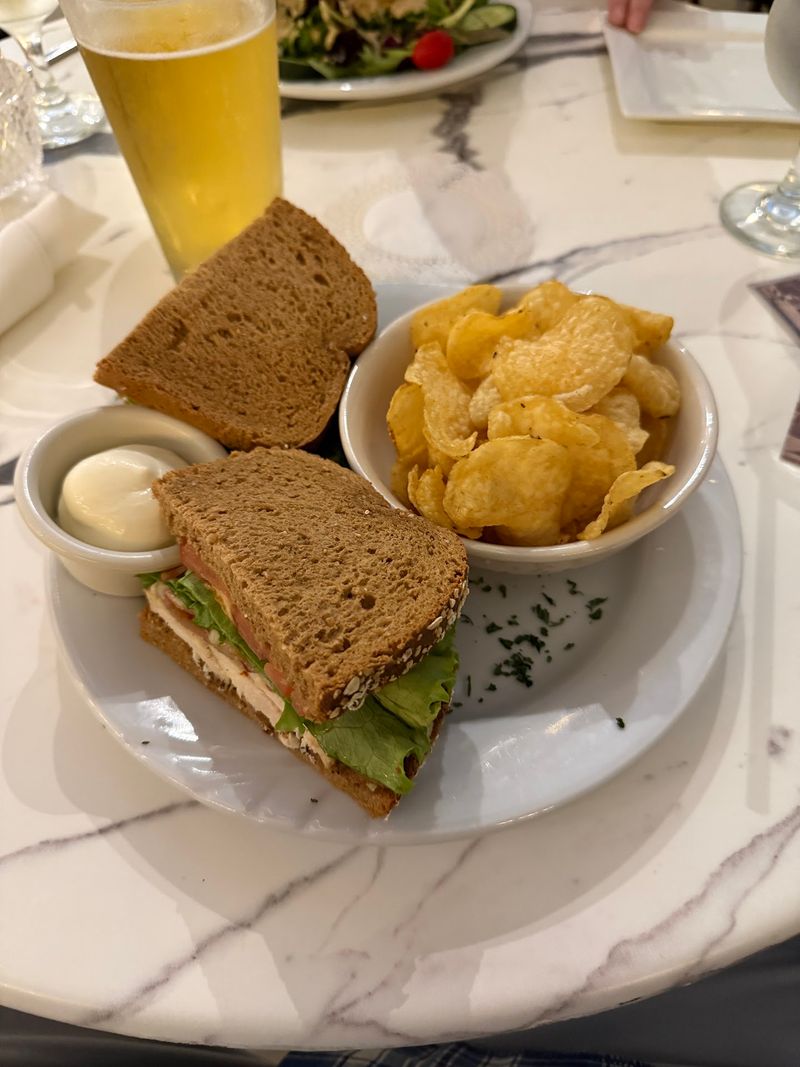
Florida heat outside does not always match the temperature indoors. The old pool area can feel quite cool, even chilly.
Since the dining room sits in the lower level of a large stone building, air conditioning and thick walls keep things on the brisk side.
A light sweater or jacket is a smart thing to carry. It weighs almost nothing and can make lunch much more comfortable.
Outdoor seating is also available in a sunny spot outside. That area can be a great option on cooler days.
Dog owners may like the outdoor seating too. The outside space is known to be dog friendly, so four-legged travel buddies can come along.
The sunny patio offers a different mood from the grand indoor room. Some folks enjoy trying both on separate visits.
Packing smart is half the fun of travel planning. A simple layer means the only thing anyone needs to worry about is choosing what to order.
Special Diets and Simple Requests
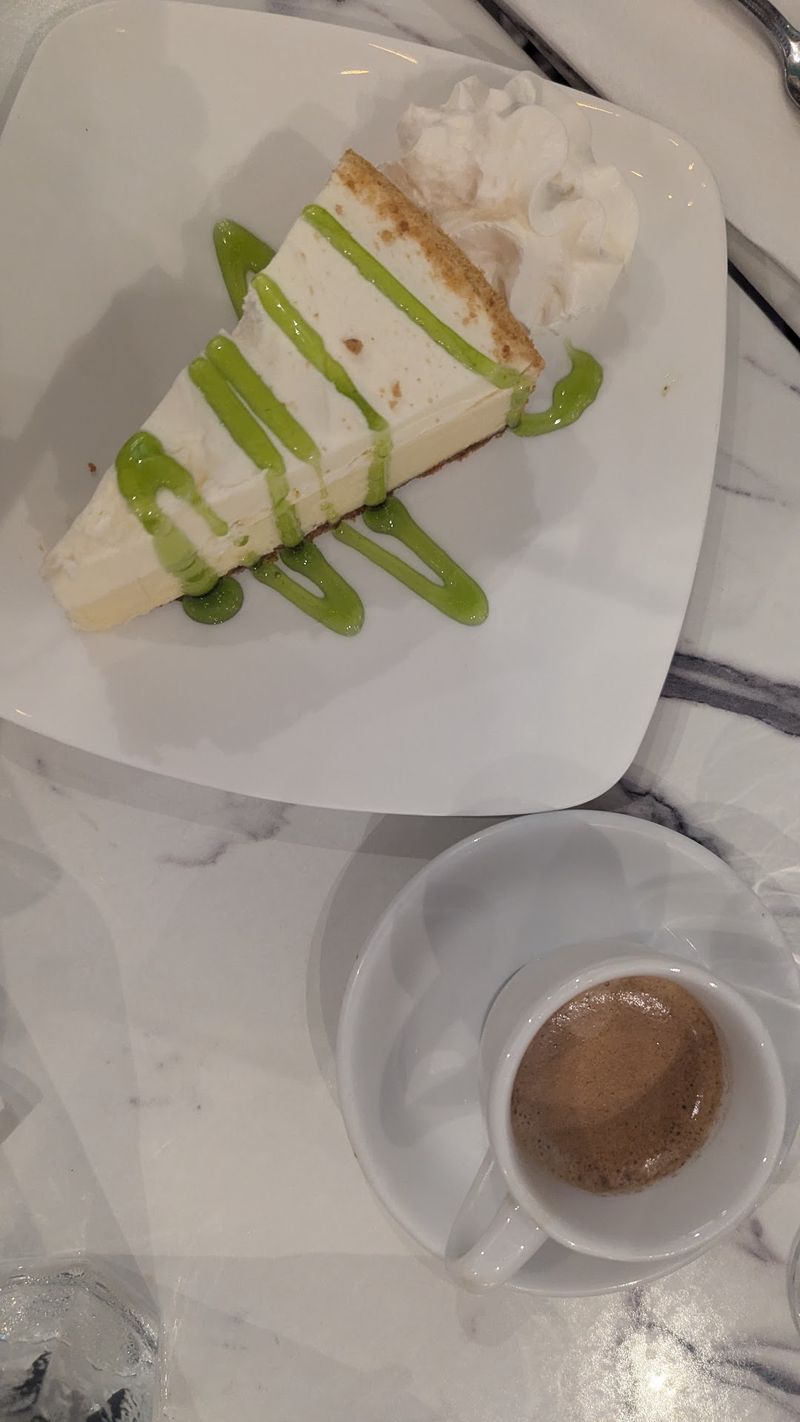
Allergies and food needs deserve careful planning. Guests with strict diets should speak up clearly when ordering.
Gluten free bread may be offered for some sandwiches. However, people with celiac disease should ask detailed questions about how food is prepared.
Small kitchens can make cross contact a real concern. Asking whether items share grills, toasters, or prep space is always fair.
Menu changes, like swapping sauces or skipping toppings, should be repeated and confirmed. Double checking when the plate arrives is a good habit anywhere.
Servers are often friendly and willing to help. Many guests mention staff who are attentive and kind.
Still, busy lunch rushes can lead to mix-ups. Patience and clear communication go a long way.
Anyone with serious allergies may want to call ahead before visiting. A quick chat with the restaurant can answer questions in advance.
Safe eating matters more than any fancy setting, so speaking up is never a bother.
Making the Most of the Afternoon
Lunch ends by 3 PM, but the day does not have to. The neighborhood around the cafe is packed with history.
Flagler College sits right across the street. Its main building was once the Hotel Ponce de Leon, the fancy sister hotel to the Alcazar, and tours are often offered.
St. George Street and the old city center are an easy walk away. Shops, historic homes, and narrow streets make great spots for wandering.
The Castillo de San Marcos, the old Spanish fort by the water, is also nearby. It pairs nicely with a history themed day.
Comfortable shoes are a must. St. Augustine is a walking town, and parking can be hard to find.
Many travelers end up calling this lunch a highlight of the trip. It works as both a meal and a memorable stop.
Few towns let people eat in a Gilded Age pool and then tour a Spanish fort. St. Augustine makes that kind of afternoon feel ordinary in the best way.