
The true test of a great croissant does not happen in the kitchen.
It happens the moment it is split open and releases the unmistakable crackle of hundreds of crisp, delicate layers.
That sound is evidence that the baker relied on patience, technique, and careful lamination rather than industrial shortcuts, bringing together rich butter and airy dough in the way the pastry was intended to be made.
Across Massachusetts, morning food culture has moved well beyond ordinary supermarket pastries.
Local customers increasingly seek authentic baked goods that reflect craftsmanship and tradition.
Independent bakeries and cafés throughout the state have embraced that challenge, bringing French-inspired precision and attention to detail into neighborhood settings.
The following selection highlights 13 exceptional bakeries in Massachusetts whose croissants capture the flavor, texture, and spirit often associated with the streets of Paris.
Consider it a guide to the places that have transformed a simple morning coffee into a memorable culinary experience.
White Flour Bread – Brookline
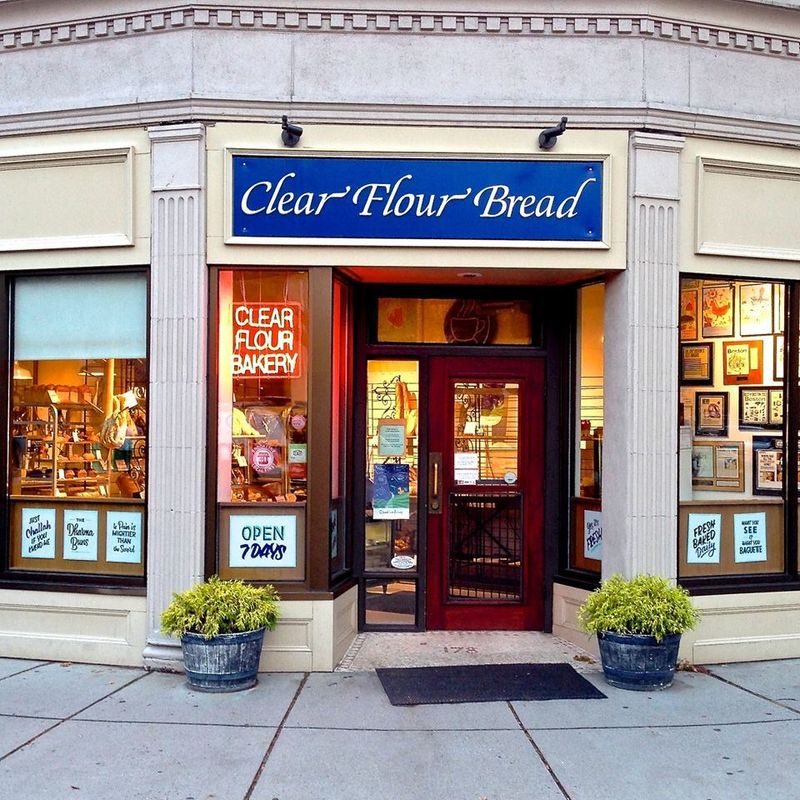
Inside this bread-centered operation, croissants make sense because the same discipline that shapes long-fermented loaves also governs laminated dough.
Bakers working in a European tradition focus on structure, timing, and restraint, which matters when layers need strength without turning tough.
Serious pastry enthusiasts often point to places like this because the craft is visible in the details, from clean honeycomb interiors to shells that shatter instead of sagging.
Unlike cafes built around quick turnover, the identity here comes from artisan bread culture first, with pastry extending naturally from that foundation.
Fermentation knowledge helps develop flavor before butter ever enters the dough, while careful temperature management protects definition during rolling and folding.
That relationship between breadmaking and viennoiserie explains why the croissants feel composed rather than flashy, with balance taking precedence over excess sweetness.
Another reason people notice the work is consistency.
Laminated dough is one of baking’s hardest tests, so repeated quality signals a serious production system and a bakery culture that respects process.
Flour Bakery + Café – Boston
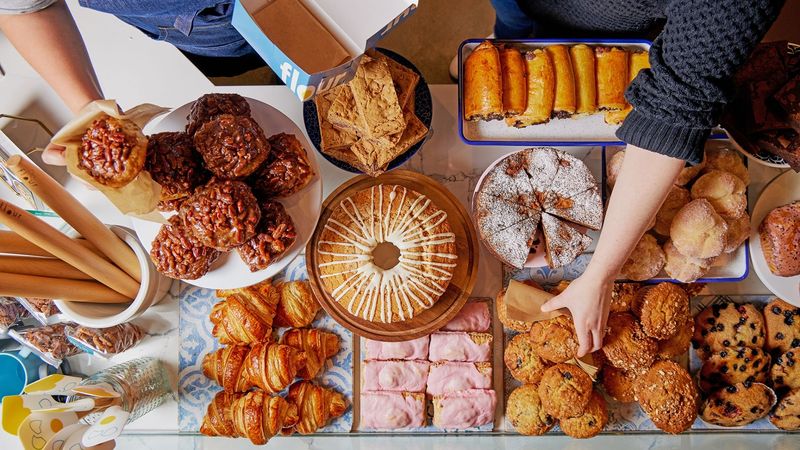
Boston’s modern bakery conversation cannot be told without considering how a polished cafe format changed expectations for everyday pastry.
Here, croissants sit within a broader pastry program that helped normalize ambitious baking in a fast-moving urban setting, where office workers, students, and neighborhood regulars all share the same line. Technical pastry work becomes part of daily life, which is important because artisan baking survives best when it is woven into ordinary routines rather than treated as occasional theater.
Beyond simple popularity, the operation shows how scale and craft can coexist when systems are built carefully.
Laminated dough requires precise butter handling, predictable proofing, and close attention to bake color, so consistency across service says a lot about the bakery’s professional standards.
Cafe culture also shapes the experience, since a croissant eaten with coffee in a lively room connects pastry to the rhythms of the city.
That urban role matters. Artisan bakeries increasingly function as community anchors, and this one helped prove that serious baking could still feel accessible, habitual, and socially central.
Sofra Bakery & Café – Cambridge
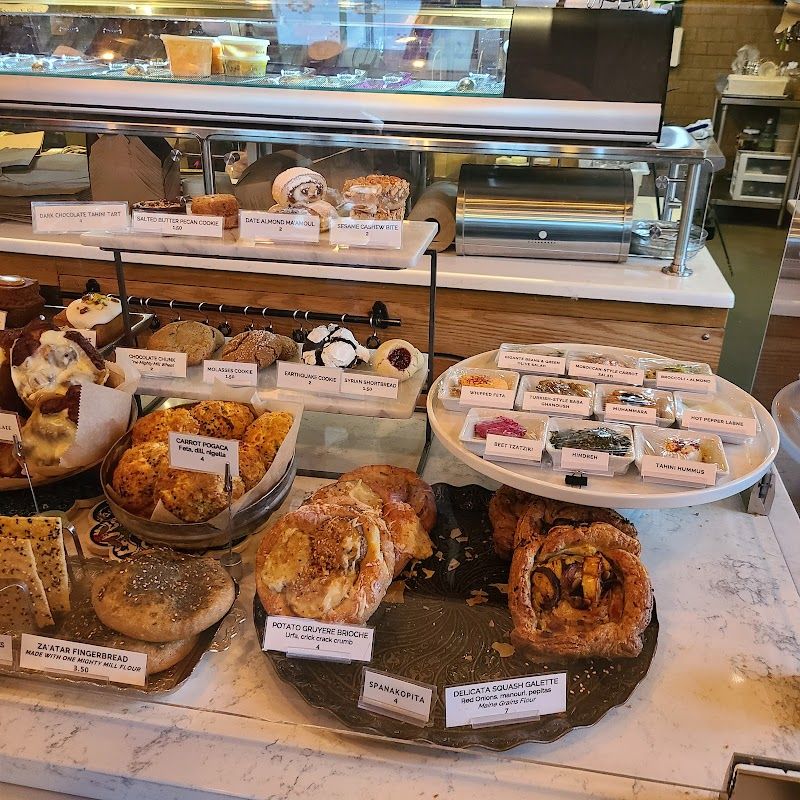
At this cafe, laminated pastry becomes a platform for a broader culinary conversation shaped by Middle Eastern flavors, spice, nuts, and thoughtful contrast.
Croissant work matters here not because it mimics a Paris template exactly, but because classic technique provides a stable framework for creative fillings and combinations.
That tension between tradition and invention keeps the pastry grounded while allowing ingredients such as sesame, tahini, pistachio, or fragrant fruit to feel integrated rather than decorative.
Instead of separating bread craft from cafe life, the room brings both together.
Customers experience laminated dough beside savory dishes, rich sweets, and coffee, which reflects the way contemporary pastry culture often crosses regional boundaries without losing technical rigor.
Proper layering remains essential, since bold flavors only work when the dough itself has enough depth, crispness, and fermentation character to hold them.
What stands out most is the intelligence of the fusion.
Multiple traditions meet through texture and balance, proving that croissant making can absorb outside influences while still respecting the demanding mechanics of butter, dough, and heat.
Michette – Somerville

French technique feels especially visible in a small-batch setting, where each stage of croissant production leaves fewer places to hide mistakes.
Here, attention settles on the fundamentals: dough strength, butter plasticity, even rolling pressure, and proofing that allows lift without collapse.
Those basics sound simple, yet they define whether a croissant opens into crisp layers or bakes up dense and greasy.
Because production stays relatively focused, the result often carries the calm precision associated with traditional bakery craft.
Small teams can notice slight shifts in humidity, fermentation speed, or dough temperature, which matters enormously in laminated work.
Local bakery culture benefits from places like this because they preserve hand skills that are harder to maintain in operations built mainly for volume.
There is also something important about restraint.
Rather than relying on oversized shapes or excessive fillings, the strongest croissant programs demonstrate confidence through proportion, color, and crumb.
Those details reflect a careful approach to baking that serious pastry enthusiasts often seek out in neighborhood settings.
Attention to technique frequently matters more than novelty when evaluating a well-made croissant.
Tatte Bakery & Café – Boston
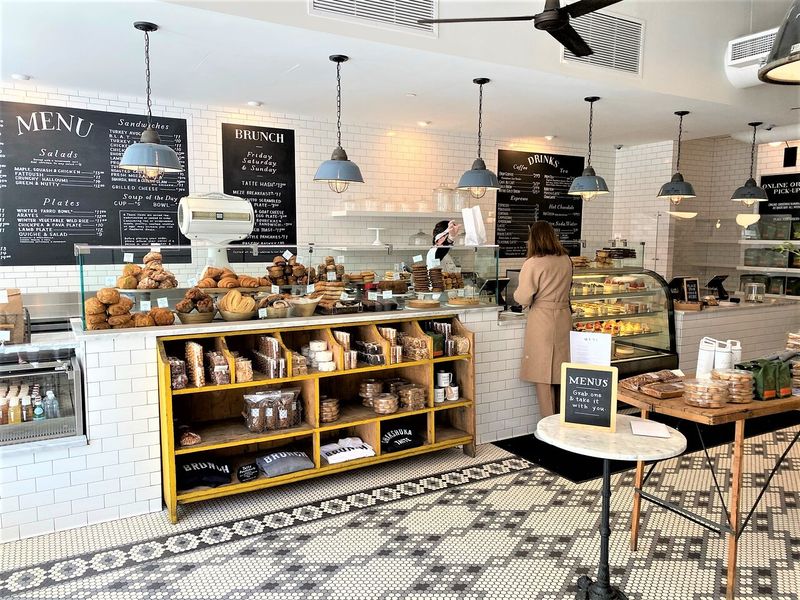
Large public demand can easily flatten pastry quality, which makes consistent croissant production especially revealing in a busy cafe environment.
This bakery’s broad presence helped shape contemporary expectations around all-day pastry, where laminated dough is no longer reserved for a narrow audience of specialists.
Customers now expect a crisp, well-risen croissant with their coffee as part of ordinary city life, and operations like this one helped create that standard.
Running a strong pastry program at this scale requires disciplined systems.
Butter handling, resting times, proofing control, and oven management must remain steady across heavy service, otherwise lamination suffers quickly.
That consistency matters beyond the pastry case because it influences how people understand artisan food, making craftsmanship visible in a format that feels modern, social, and easy to enter.
Equally important is the cafe setting itself.
Seats, cups, and pastry trays create a daily ritual around baked goods, showing how independent bakery culture can shape broader food habits without losing sight of technical execution and product repetition.
Colette Bakery – Medford
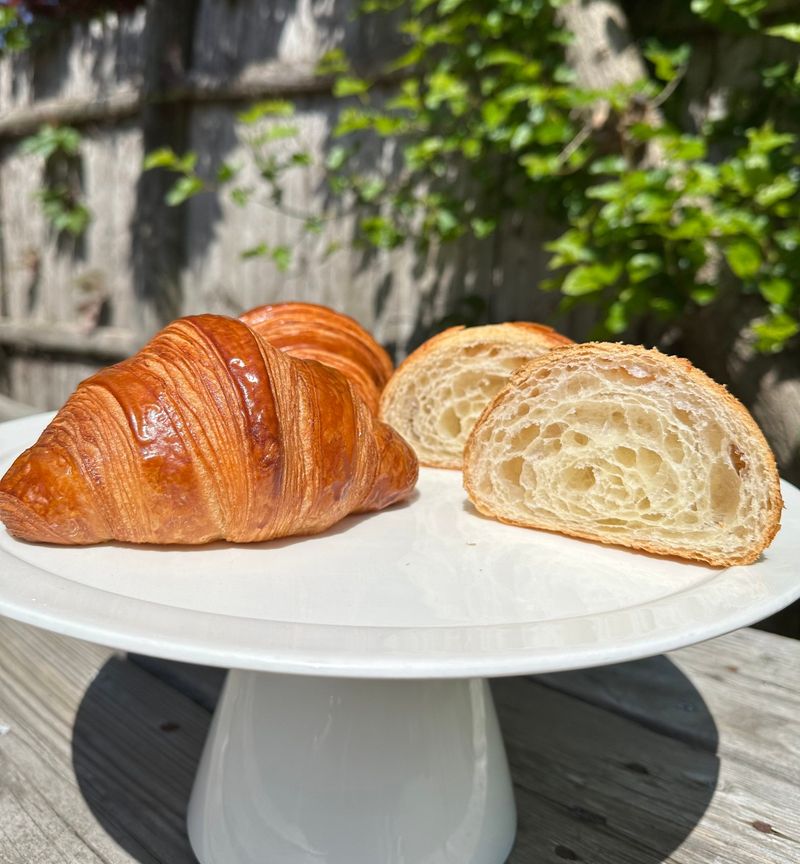
Classic French pastry traditions remain relevant because they provide a tested language for texture, form, and flavor, and that is easy to see in a bakery centered on familiar standards.
The croissant here matters as a benchmark product, not just a breakfast item, since it shows whether a shop can execute one of the foundational skills of French baking.
Thin outer layers, an open interior, and controlled butter flavor all point back to patient method rather than novelty.
Small-scale production is significant for another reason.
Preserving traditional techniques requires repetition by hand, close observation, and enough time for dough to rest and develop correctly between folds.
When bakers continue making classic viennoiserie in that manner, they carry forward practices that could otherwise be replaced by shortcuts, frozen inputs, or purely decorative pastry trends.
Perhaps the strongest argument for places like this is educational, even for customers who never think in those terms.
A well-made plain croissant teaches the palate what proper lamination, fermentation, and baking balance should taste like, and that standard quietly shapes local food culture.
LA SAISON Bakery – Cambridge
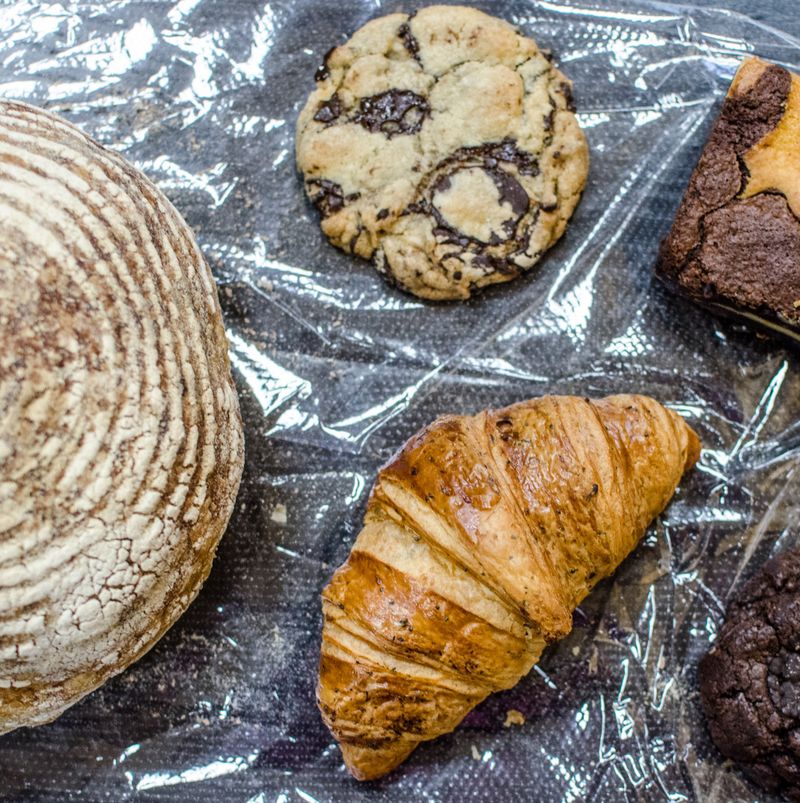
Naturally fermented baking changes the flavor conversation before lamination even begins.
In a bakery known for careful craftsmanship and quality ingredients, croissants benefit from that deeper attention to fermentation, because the dough gains complexity that supports rather than competes with butter.
The result is often less about sweetness and more about grain, aroma, and the subtle tang or depth that comes from time.
Quality matters at every stage.
Better flour can improve extensibility and flavor, while good butter affects plasticity during folding and creates cleaner layers during the bake.
When those variables are handled well, the final pastry feels composed and precise, which is exactly why traditional methods have attracted renewed respect among bakers and customers alike.
Another useful lens is craftsmanship itself.
Laminated dough is unforgiving, so a bakery that values patient process over shortcuts helps explain the growing appreciation for old-school technique in contemporary food culture.
Croissants become evidence that slow, careful production still has practical value, not just nostalgic appeal, in a city that takes baking seriously.
Mamadou’s Artisan Bakery – Winchester

Breadmaking expertise often creates the conditions for better pastry, especially when a bakery understands fermentation as the center of flavor development.
Here, naturally leavened products establish that foundation, showing a command of dough behavior that carries into laminated work.
Croissants benefit when bakers already know how to read temperature, timing, and flour performance, because those same instincts guide rolling, folding, proofing, and the final bake.
Operationally, that connection between bread and pastry is meaningful.
A bakery producing high-quality loaves each day must manage schedules, starter activity, and oven use carefully, and croissants add another layer of technical complexity to that system.
When both succeed together, it suggests a serious commitment to craft rather than a menu assembled for appearance alone.
Local bread culture also matters here.
Customers who come for long-fermented loaves often learn to value laminated pastry through the same lens of patience, ingredients, and handwork.
That overlap strengthens community understanding of why artisan baked goods cost effort, and why texture and flavor improve when production respects time instead of fighting it.
A&J King Artisan Bakers – Salem
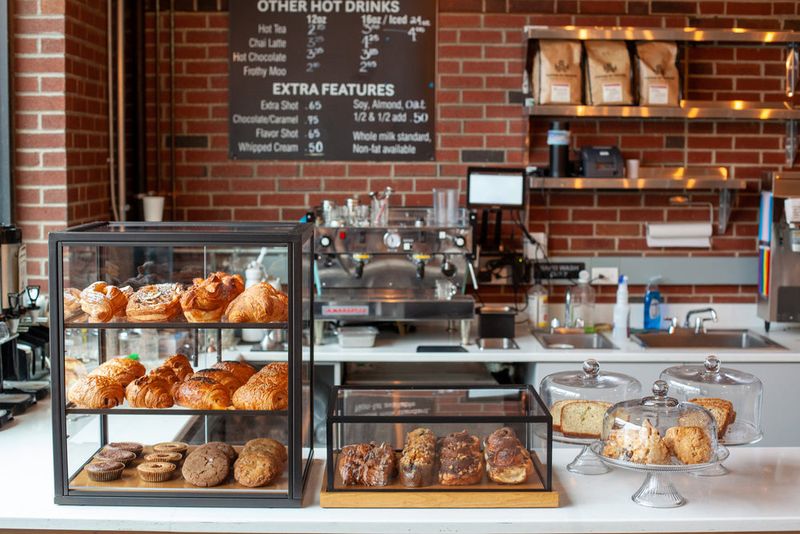
Scratch baking is more than a marketing phrase when fermentation drives the bakery’s philosophy.
In a place known for artisan methods, croissants reflect the same belief that dough deserves time, observation, and skilled handling from start to finish.
That matters because lamination only succeeds when the base dough is already well made, with enough strength to hold layers and enough flavor to justify the labor.
Fermentation techniques help define the character of the final pastry.
Longer development can improve aroma and digestibility, while careful mixing prevents overworked dough that would resist rolling or bake up tight.
Local ingredients also shape the conversation, since flour, dairy, and seasonal produce can connect pastry more directly to regional food systems rather than treating it as an isolated luxury product.
Traditional craftsmanship remains the central point.
Every fold, rest, and proof shows how many decisions sit behind one plain croissant, and bakeries that work entirely from scratch make those decisions visible.
The pastry becomes an expression of baking philosophy, where method and material carry as much importance as immediate visual appeal.
Praliné French Patisserie – Belmont

Authentic French patisserie traditions place croissants within a larger discipline of precision, proportion, and technical finish.
In that environment, laminated dough is judged alongside tarts, entremets, and other pastry forms, so standards for texture and visual control tend to stay high.
A proper croissant cannot rely on familiarity alone, because it sits beside desserts that demand exact glazing, clean assembly, and strong flavor balance.
European influence appears not just in recipes but in the structure of the pastry case itself.
Customers encounter croissants as part of a coherent patisserie culture, where butter-rich viennoiserie, fruit desserts, and chocolate work all reflect a shared training background.
That context matters, since it preserves the idea that breakfast pastry deserves the same seriousness as plated dessert or celebration cake.
Dessert expertise also strengthens the croissant program in practical ways.
Bakers with a refined understanding of sweetness, fat, and texture usually make sharper decisions about proofing and bake level, avoiding pastries that are pale, greasy, or overly rich.
The result shows how classical pastry knowledge can deepen everyday bakery culture in suburban communities.
Canelé – Boston
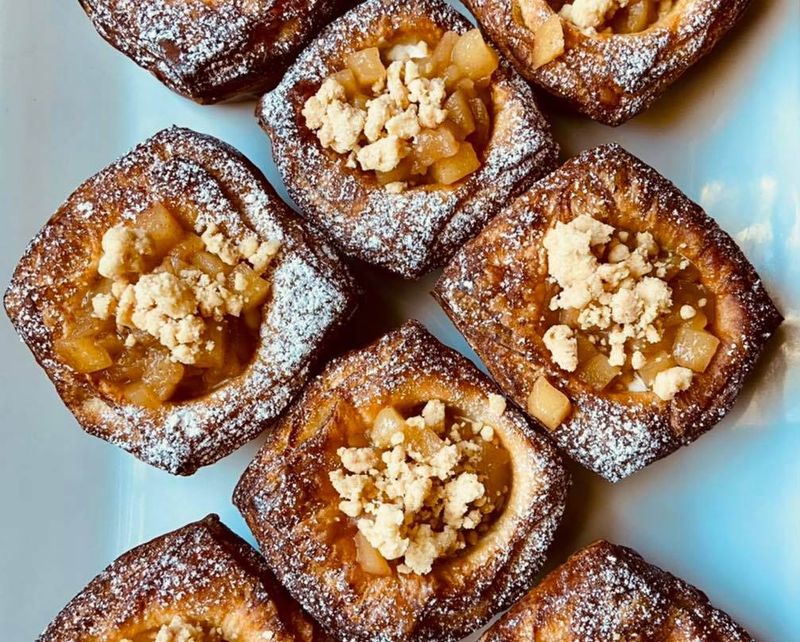
French baking traditions thrive when they are translated into a daily cafe rhythm rather than preserved only as special-occasion craft.
Here, the pastry case suggests that laminated dough belongs beside coffee, conversation, and a quick breakfast, which is central to the way European bakery culture actually functions.
Croissants become part of an everyday ritual, yet their quality still depends on difficult behind-the-scenes work with butter temperature, sheeting, resting, and proofing.
The art of pastry shows up in finishing choices as much as in flavor.
Good croissants need a deep, even bake and a shell that feels delicate but not dry, while the interior should remain airy and elastic.
When a bakery delivers that balance in a relaxed cafe setting, it helps customers recognize authenticity through texture and structure rather than through branding alone.
Demand for European-style pastries has grown steadily in Boston, and places like this help explain why. They make classical technique visible and approachable, showing that real craft can coexist with a comfortable cafe experience and a pastry menu broad enough to educate everyday eaters.
Lakon Paris Patisserie – Newton
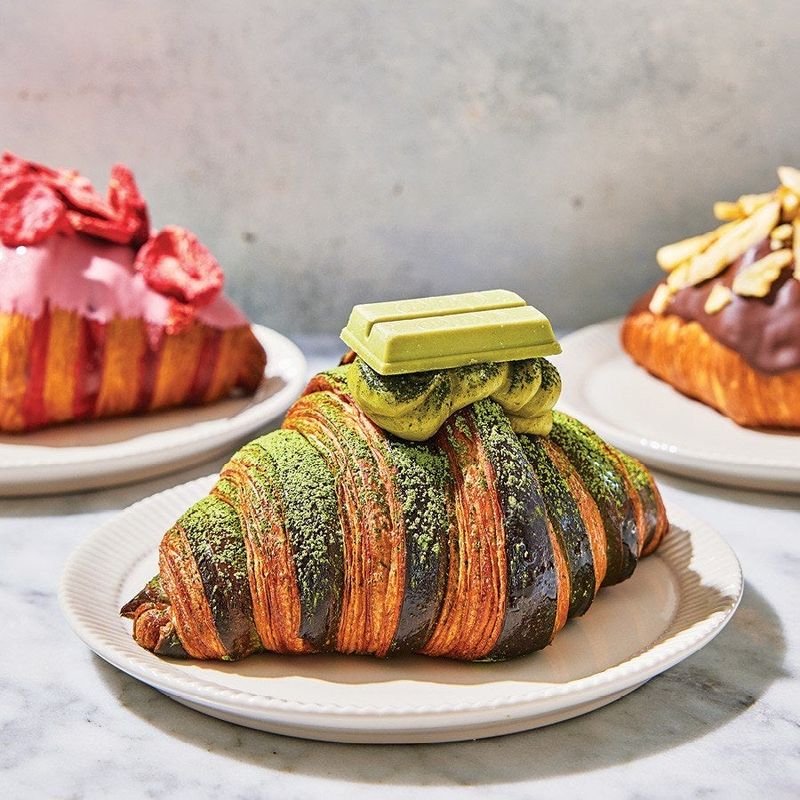
Parisian patisserie culture has always linked craftsmanship with presentation, and that connection matters more than many people assume. ž
A croissant’s shape, symmetry, and color reveal whether the baker controlled fermentation and lamination well enough for the dough to expand cleanly in the oven.
Beauty is not separate from technique here. It is often the visible record of technical decisions made hours earlier.
French culinary influence also extends beyond the pastry itself to the way the case is organized and experienced.
Customers read refinement through order, finish, and proportion, which mirrors the broader patisserie tradition of treating everyday baked goods with design discipline.
That approach can elevate the croissant from a casual add-on to a product that communicates training, standards, and an understanding of how aesthetics guide appetite.
Even so, appearance only matters when the structure supports it.
A glossy surface means little if the interior lacks openness or the butter flavor feels flat.
The strongest examples prove that visual elegance and artisanal technique are partners, not rivals, within contemporary bakery culture.
Forge Bakery – Somerville
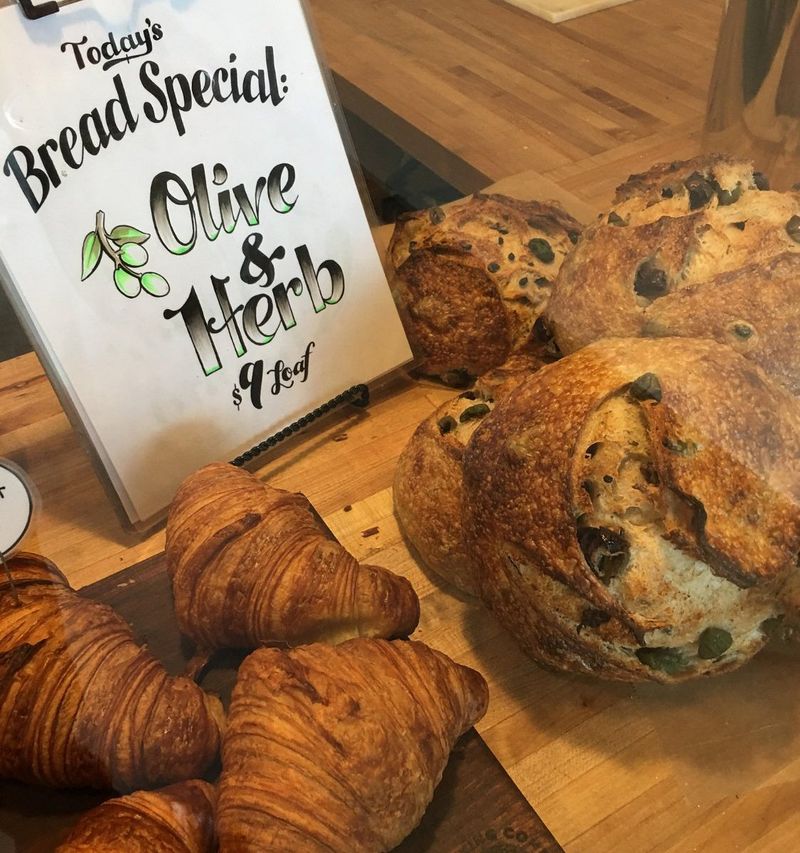
Independent bakeries often matter most where bread, pastry, and community life overlap, and that is a useful way to understand a croissant program in a neighborhood setting.
Naturally fermented doughs build the bakery’s identity, creating a culture where flavor comes from process instead of speed.
When laminated pastries emerge from that same philosophy, they carry the depth and seriousness of a bread operation rather than feeling like an afterthought.
Community connection changes how the food is valued.
Regular customers notice seasonal shifts, different loaves, and the labor behind daily production, which makes them more attentive to the work required for a proper croissant.
That awareness supports independent businesses that choose slow methods, local relationships, and in-house baking even when those choices are harder to scale.
The pastry program therefore does more than diversify the case.
It shows how neighborhood bakeries strengthen local food systems by keeping technical skills, ingredient sourcing, and everyday gathering spaces in one place.
Croissants become part of a wider argument for independent baking as civic infrastructure, not simply a source of breakfast pastries.