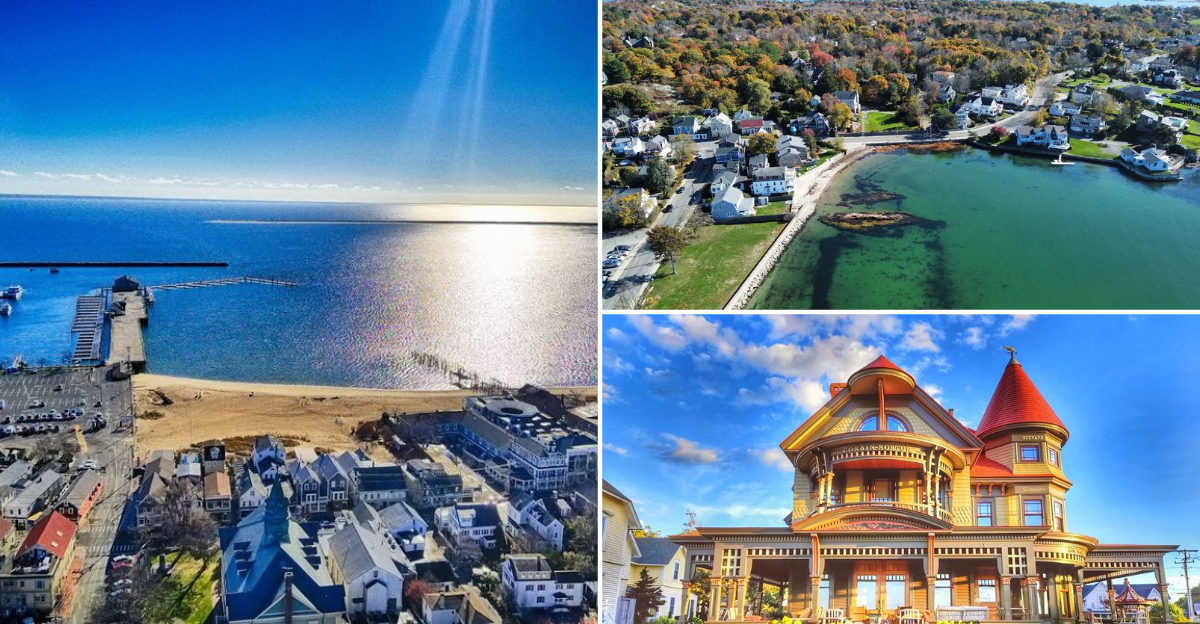
The character of Massachusetts is not found in modern tourist complexes, but in the smell of salt on the skin, the cold coastal air, and old brick streets shaped by centuries of history.
From working fishing harbors to Revolutionary landmarks, the state feels like a living museum where the past blends naturally into everyday life.
Whether passing old bookstores inland or watching fog lift slowly over the Atlantic, nearly every corner carries a quiet, cinematic sense of nostalgia.
This is a place where the ocean and generations of history have shaped the unmistakable spirit of New England.
These are 12 carefully chosen bucket list destinations that capture the soul and coastal charm of this unforgettable state.
Salem – North Shore
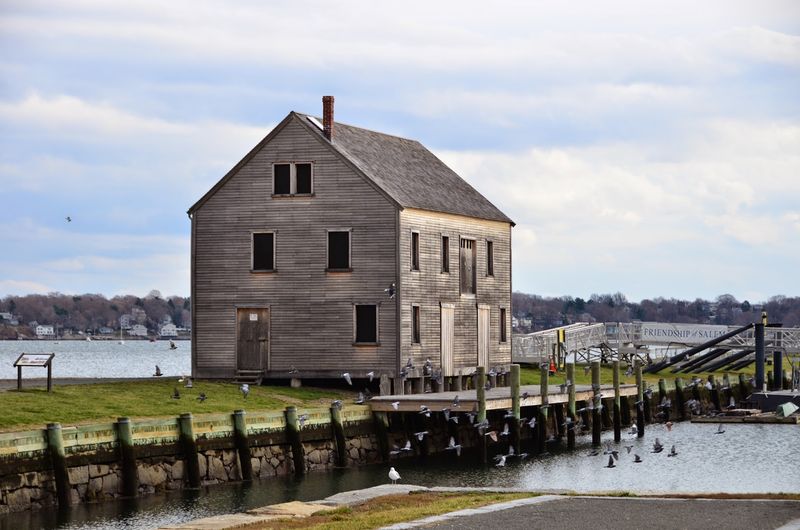
Before the shops fully wake, fog drifts between old brick facades and the harbor gives off a cold metallic shine.
The streets hold that rare tension between ordinary errands and old unease, as if every doorway remembers sailors, courtrooms, and whispered accusations.
Bookstore windows glow against slate skies, offering warmth while church towers and narrow lanes keep the mood unsettled.
Maritime Salem still breathes through rope, masts, and weathered wharves, yet daily coastal life continues with coffee cups, gull cries, and locals moving briskly past curious crowds.
Autumn deepens everything.
Fallen leaves catch in cobblestones, costumed visitors fill the sidewalks, and the famous legacy becomes impossible to ignore, though it never fully overwhelms the working town beneath it.
Even at its busiest, there is a hush hidden under the noise, a feeling that history here is not framed behind glass but suspended in the salt air, mingling with shop bells, damp coats, and the harbor’s gray horizon.
Provincetown – Cape Cod
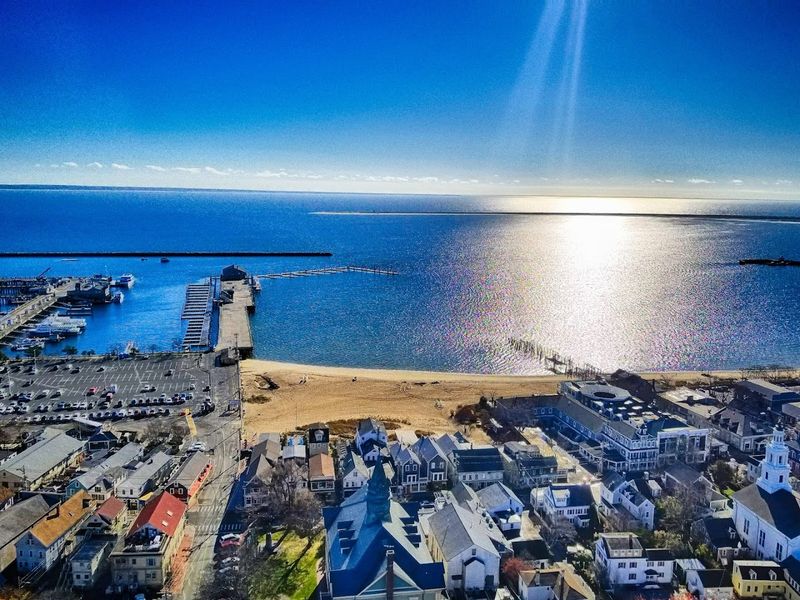
At land’s end, everything feels sharpened by wind.
Sand pushes into the roads, storefronts burst with color, and the long curve of beach and dune makes the town seem balanced between performance and wilderness.
Artists, cyclists, fishermen, and sunburned visitors share the same strips of pavement, moving past seafood shacks that smell of fried clams and butter.
Bike trails cut through scrub and shifting hills, then suddenly open onto vast pale dunes where the horizon looks almost lunar, stripped bare except for grass, sky, and restless light.
Out near the water, whale watching boats turn the harbor into a stage of anticipation.
There is always a sense of edges here, edge of the cape, edge of weather, edge of summer itself, and that gives every ordinary scene extra charge.
A beach towel snapping in the gusts, a neon sign flickering at dusk, a drag performance starting just as gulls wheel overhead: all of it belongs to the same electric atmosphere, joyful and slightly untamed.
Nantucket – Nantucket Island
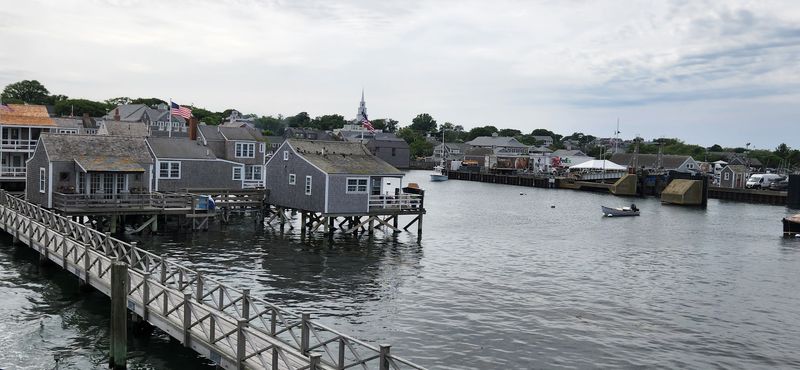
The first impression arrives with the ferry, when the island appears in muted tones of gray shingles, white trim, and sky washed pale by sea light.
Everything seems measured differently once ashore, as if clocks run on tides, bicycle wheels, and the slow opening of screen doors.
Cobbled streets click under tires and footsteps while hydrangeas lean heavily over fences in blue and violet clouds.
Lighthouses stand with calm authority beyond town, and the salty air carries a softness that makes even luxury feel hushed rather than showy, woven into weathered cedar, polished brass, and linen stirred by wind. Morning moves gently here.
Groceries ride in bike baskets, gulls circle above the harbor, and sun reaches the shingles with a pearly glow that never seems hurried.
By late afternoon, shadows lengthen over gardens and quiet lanes, and the whole place settles into its own restrained elegance.
The beauty is not dramatic in a loud way.
It comes from rhythm, restraint, and the deep pleasure of seeing an island keep its pace despite every arrival.
Rockport – Cape Ann

Granite, salt, and paint seem to define the mood from the start.
The shoreline breaks into ledges and working docks, and the harbor gathers small boats, reflections, and weathered structures that look as if they have survived several lives.
Art galleries sit near lobster shacks without any sense of contradiction.
One window frames oils of rough seas and pale sky, another offers paper trays of buttered lobster, and between them stand buildings with peeling trim, tilted roofs, and the kind of wear that feels truthful rather than neglected.
There is a quiet creative force in the air, one rooted less in trend than in observation.
The place invites lingering over textures, wet rope, chipped paint, rusted hardware, black rock shining after spray.
Even the stillness feels active, as if every cove and alley is being watched carefully by someone ready to sketch it before the light changes.
Harbor scenes unfold on a modest scale, yet they stay in memory because nothing is polished too perfectly.
Beauty comes through grit, sea light, and the town’s patient artistic temperament.
Freedom Trail – Boston
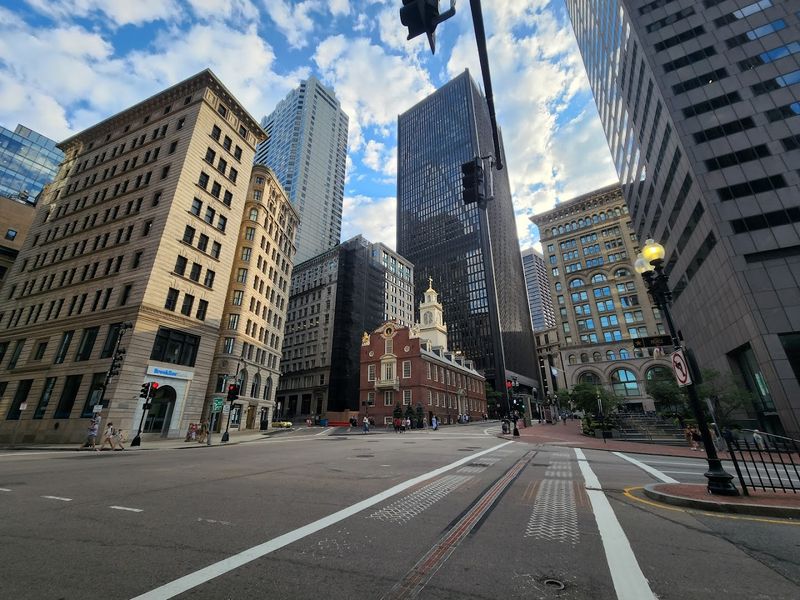
Red brick lines the ground like a thread pulled through centuries.
Following it means moving between traffic, glass towers, church steeples, burying grounds, and old meeting houses that somehow hold their own against the modern city pressing close around them.
Crowds gather, disperse, and gather again, yet the route never loses its gravity.
A cemetery gate opens onto crooked stones and thin trees, then the next turn reveals colonial facades, tall windows, and the kind of architecture that makes the revolution feel less like myth and more like something argued over on these very streets.
What gives the walk its force is contrast.
Office workers hurry past school groups, sirens cut across bell chimes, and beneath all that movement lies the preserved outline of an earlier America, still visible in brick, steeple, and square.
The experience is not quiet, and that is part of its meaning.
History here is threaded through the living city rather than separated from it.
The result feels crowded, layered, and unexpectedly intimate, a collision between national memory and the momentum of present-day Boston.
Newburyport – North Shore
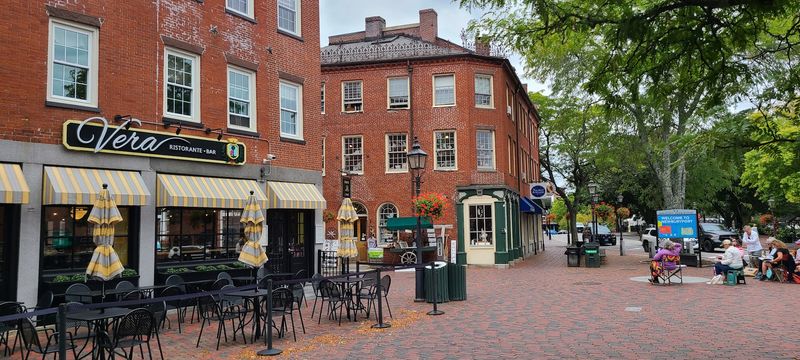
Grace comes easily to this waterfront town.
Brick buildings line the downtown with a polished confidence, and the nearby river keeps every street connected to tide, weather, and the subtle movement of boats easing through the marina.
Cafes spill warmth onto sidewalks where shoppers wander without hurry, ducking into bookstores and pausing at corners just to catch the light on masts and windows.
The atmosphere feels refined but never stiff, shaped by handsome facades, good coffee, clean shopfronts, and those broad views where the tidal river widens under changing clouds.
Afternoon is especially revealing.
The promenade fills with a calm procession of walkers, dogs, strollers, and people carrying flowers or paper bags, all moving through a scene that feels composed yet lived in.
Water keeps softening the edges of everything.
It brightens the marinas, reflects the brick, and lends a lingering openness to the center of town.
That balance is what makes the place memorable: urban enough to feel animated, coastal enough to breathe, and elegant without losing the plain pleasures of a harbor community built around daily rhythms.
Martha’s Vineyard – Dukes County
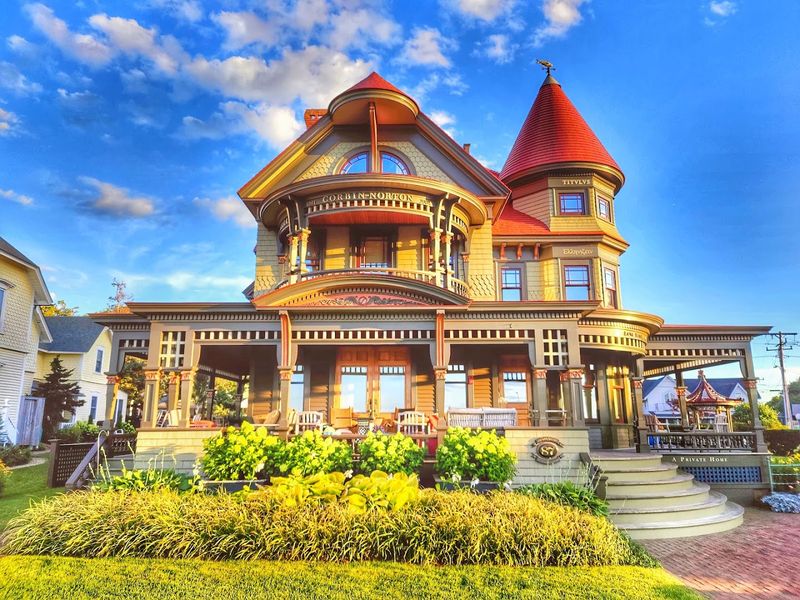
Summer here feels less like a season than a routine learned by heart.
Ferries come and go, colorful boats knock lightly in their slips, and mornings begin with bike tires humming past porches toward beaches or harbor streets.
The famous gingerbread houses bring a playful note, all trim, paint, and storybook detail, but the island mood is broader than charm alone.
Port towns carry the smell of sunscreen, bait, and fried seafood, while shaded lanes open toward beaches where the day stretches out in a calm, unforced way.
Nothing needs to be rushed.
Cyclists coast between villages, families drift into seafood spots with sandy feet, and the water keeps flashing between buildings as a reminder of what shapes every hour here.
Even busy afternoons feel softened by salt air and ferry life, by deckhands calling out, by ropes slapped onto cleats, by the constant movement between arrival and return.
That rhythm gives the island its emotional center: cheerful, sunworn, lightly glamorous, and grounded in the simple pleasure of moving through a day near the sea.
Plymouth – South Coast
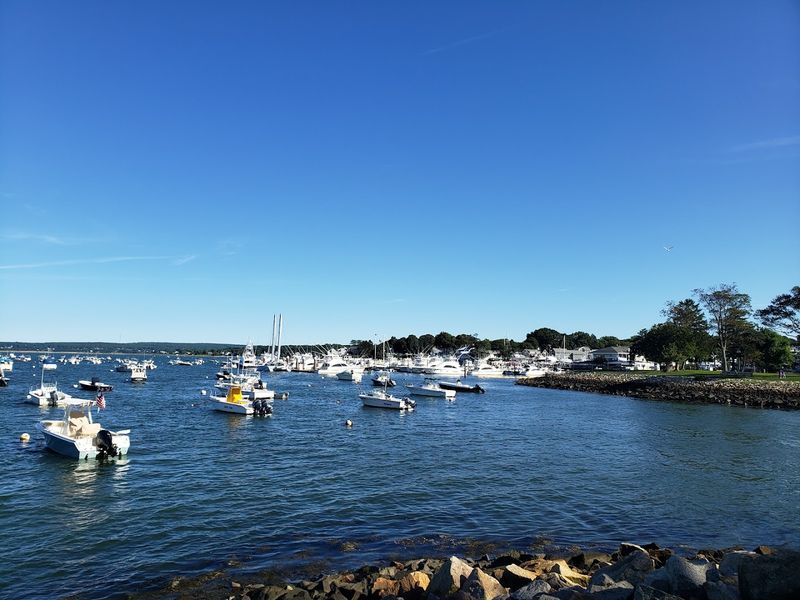
Here, national mythology meets harbor weather.
Historic streets lead toward water where ships, museums, seafood restaurants, and memorial markers share the same everyday landscape, making the past feel woven into ordinary coastal routines rather than sealed off from them.
The old story is present in stone, timber, and curated spaces, but so are gulls circling above the docks and families waiting for lunch with damp hair from the beach.
That overlap matters. It gives the town a human scale, where Pilgrim heritage sits beside chowder signs, moored boats, and windows facing the same harbor that first framed such enormous uncertainty.
There is something moving about seeing history remain public and practical at once.
Visitors step from museums onto sidewalks still animated by traffic, sea air, and waterfront chatter, and the emotional distance between then and now narrows for a moment.
Wooden hulls, weathered benches, and low light over the bay all contribute to a scene that can feel solemn without growing heavy.
The result is textured rather than ceremonial, grounded in salt water, civic memory, and the daily life of a working coastal town.
Chatham – Cape Cod
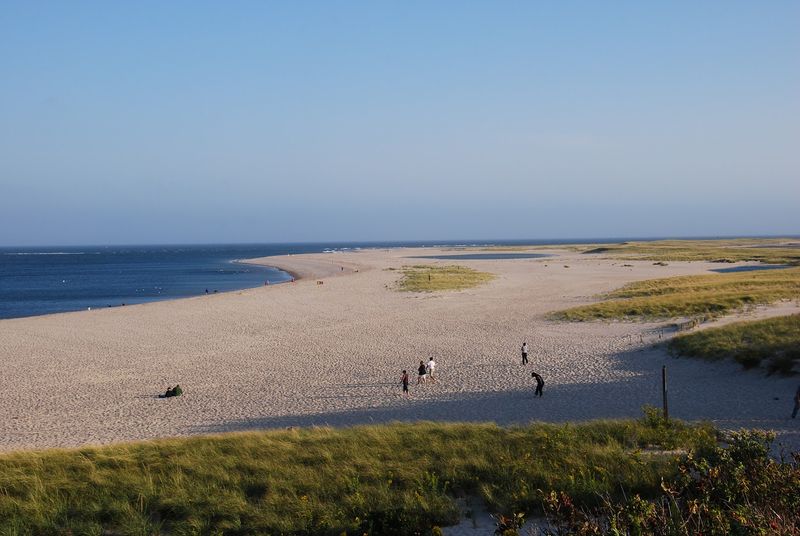
Light seems unusually clean along this stretch of cape.
Whitewashed inns, clipped hedges, and hydrangeas in full bloom catch the sun with a crispness that makes every lane feel brushed and ordered, yet the nearby sea keeps the beauty from becoming too delicate.
Seals surface offshore with a flash of dark movement, then disappear into water that can turn from silver to blue within minutes.
Seafood shacks add a casual saltiness to the elegance, balancing polished storefronts and manicured gardens with paper trays, dock smells, and the easy appetite that follows a day near the beach.
The lighthouse gathers all these elements into one classic scene: sky, wind, dune grass, and the sense of watchfulness that belongs to the outer coast.
Even on a quiet afternoon, there is an undercurrent of motion in the air, as if tides and weather are always revising the edges.
That makes the town feel alive rather than preserved.
Beauty here arrives through restraint, clean lines, faded shingles, calm beaches, and soft color, but it lands deeply because the landscape still answers to surf, fog, and the old authority of the Atlantic.
Lexington – Greater Boston
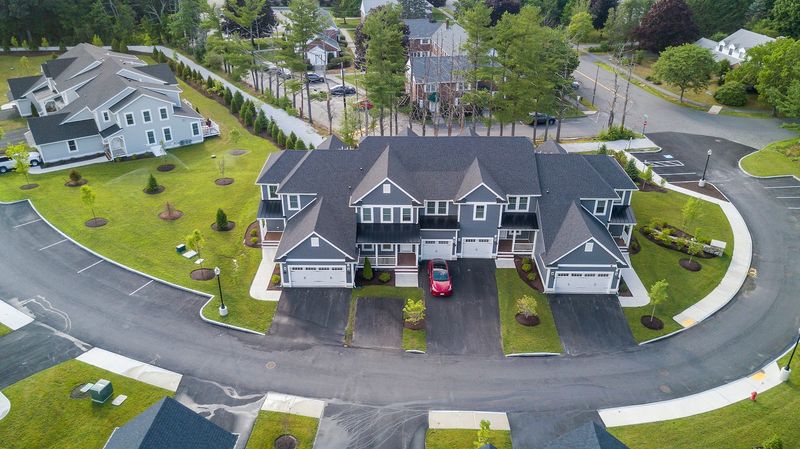
The village green gives the town its heartbeat.
Around it stand monuments, old taverns, colonial houses, and neat stretches of road that make the beginnings of the American Revolution feel startlingly close, as if the first alarm might still echo under the trees.
Nothing about the setting is grand in a theatrical sense.
Its power comes from restraint: white clapboards, brick paths, church spires, fenced lawns, and the measured spacing of buildings that have watched generations pass.
Walking here means noticing how quietly history can inhabit a place, settling into corners, doorways, and simple rooms where decisions once carried unimaginable consequence.
That calm is what makes the atmosphere so affecting.
The landscape does not need to insist on its importance because the details already do, a worn threshold, a preserved tavern interior, a monument standing in ordinary daylight.
Schoolchildren cross streets, leaves collect near curbs, and traffic hums just beyond the central green, yet the older story remains legible.
The town offers an encounter with early America that feels intimate, domestic, and durable, grounded in civic space rather than spectacle.
Gloucester – Cape Ann
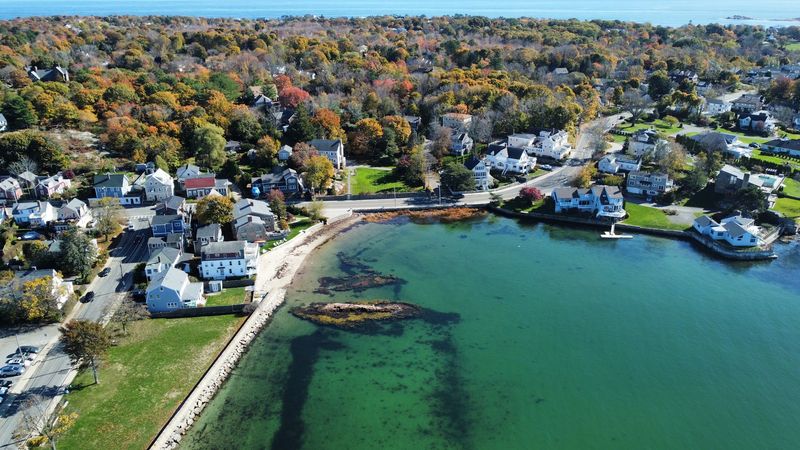
Salt hangs in the air with a roughness that feels earned.
This is a harbor shaped by labor, where worn docks, bait bins, seafood markets, and fishing boats create a maritime atmosphere that is less picturesque than deeply alive.
Nothing seems arranged for display.
Nets pile where they are needed, gulls wheel over the wharves with sharp impatience, and the waterfront carries the blunt smells of diesel, brine, and the day’s catch.
Along the rugged coastline, rock meets ocean with a force that explains the endurance visible in every weathered piling and work-scarred deck.
What stays with people is the authenticity of the rhythm.
Men hose down equipment, trucks come and go, harbor activity starts early and lingers into changing light, and every sound, engines, chains, shouted instructions, reinforces the fact that the sea is still livelihood here, not backdrop.
Even beauty arrives through use.
The boats are brightest because they are working, the docks are moving because they matter, and the coastline feels more dramatic because it frames a life still bound to tide and risk.
That truth gives the place its uncommon weight.
Concord – Greater Boston
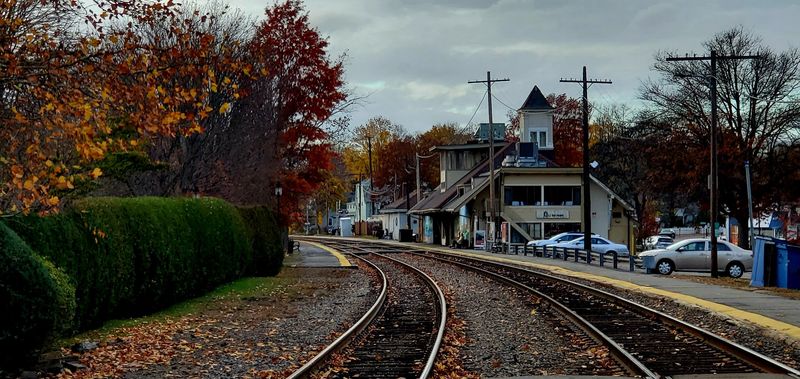
Silence plays an important role here.
Quiet roads curve past old houses, stone walls, and fields that glow in autumn, creating a setting where literary memory and revolutionary history seem to share the same thoughtful, unhurried breath.
The town invites attention to small things: leaves caught against a fence, a porch gone silver with age, the angle of afternoon light across a common.
Historic landmarks are present, but they do not dominate the atmosphere. Instead, they deepen it, adding moral and intellectual resonance to a landscape already rich with reflection and season.
There is a contemplative quality to walking these streets that feels distinct from the coastal drama elsewhere in the state.
The mood is inward, sharpened by bare branches, old paths, and houses associated with writers who studied ordinary life closely enough to transform it.
Revolutionary echoes remain in bridges, monuments, and preserved sites, yet the emotional effect is less triumphant than meditative.
The place suggests that American identity was shaped not only by battle and commerce, but by observation, conscience, and the changing colors of a New England year.